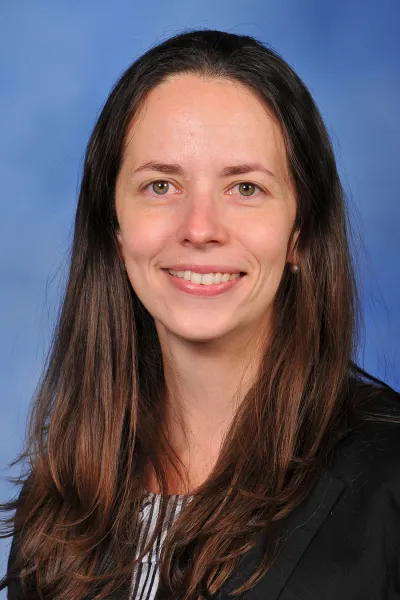
Dr. Andréia G. Arruda, DVM, MSc, PhD, is an Associate Professor at Ohio State University's Department of Veterinary Preventive Medicine. She focuses on infectious disease epidemiology in food production animals, particularly swine, and has developed innovative epidemiological tools for disease control. DVM, São Paulo State University MSc, University of Minnesota PhD, University of Guelph Her research emphasizes emerging/re-emerging swine diseases, with a strong focus on Porcine Reproductive and Respiratory Syndrome (PRRSV), depopulation methods, and personnel movement-based disease transmission. She utilizes geofencing platforms for contact tracing and studies stress responses during animal procedures. Recent publications highlight trends in swine disease management, including foam depopulation methods, PRRSV lineage tracking, and biosecurity optimization. Her work bridges veterinary practice with data science to improve farm productivity and animal welfare. Contact: arruda.13@osu.edu , Sisson Hall 1233, 1920 Coffey Road Columbus, OH 43210.
University Medical Center Hamburg-EppendorfGermany
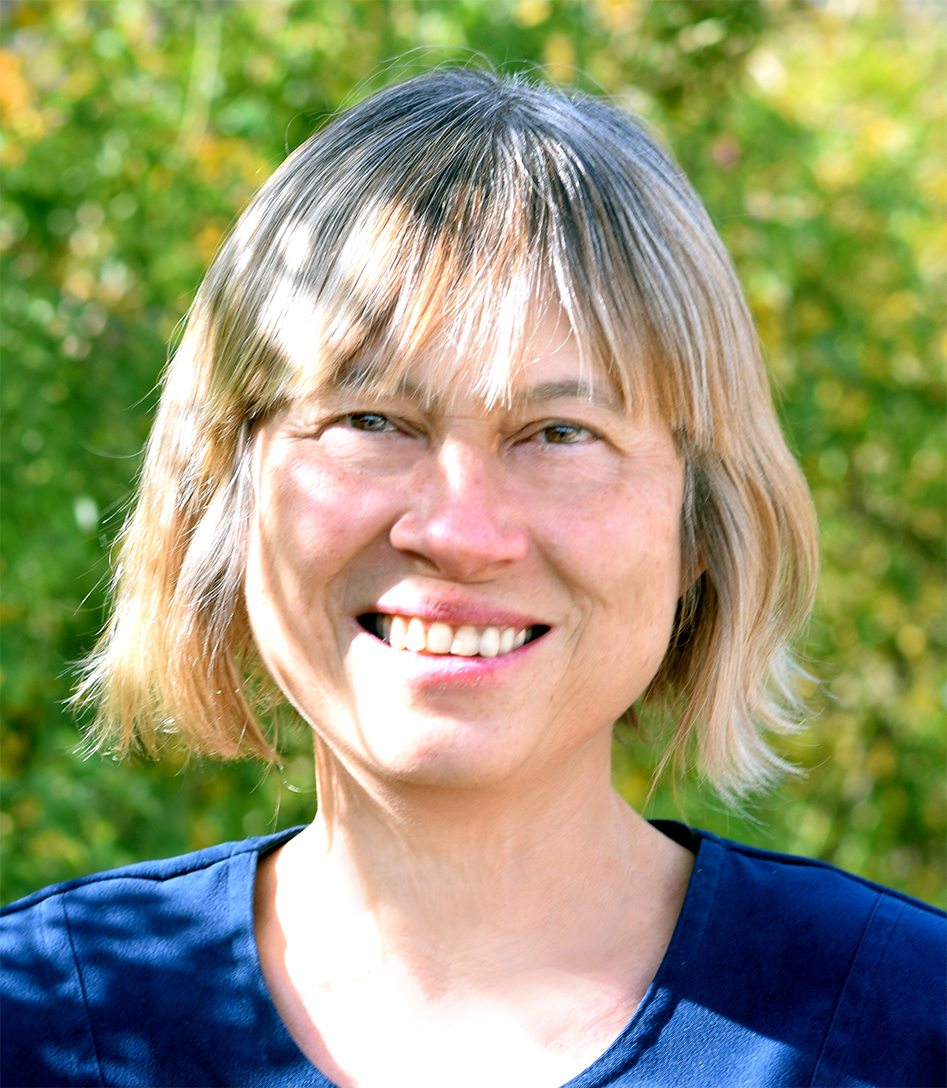
Dr. Jana Heidrich serves as Head of the Licensing Authority within the Department of Experimental Animal Facilities and Biorisk Management (ATB) at the Friedrich-Loeffler-Institute (FLI) in Greifswald, Germany. A chamber-recognized specialist in veterinary parasitology holding a Dr. med. vet. degree, she bridges regulatory science and laboratory research in animal health diagnostics. Her research expertise centers on parasitic disease diagnostics, particularly Trichinella and Dicrocoelium infections in livestock. She has pioneered ELISA and PCR-based test validation for ovine dicrocoeliosis, canine liver flukes, and equine Lyme disease, while establishing Germany's regulatory frameworks for veterinary in-vitro diagnostic approvals. Publication trends from 2002-2014 reveal consistent contributions to diagnostic methodology and regulatory science, with emphasis on field validation of tests, biorisk management protocols, and OIE-aligned kit registration procedures. Her work directly impacts food safety, zoonotic disease control, and diagnostic standardization across European veterinary practices. As Licensing Authority head, Dr. Heidrich oversees approval processes for diagnostic kits at FLI's Riems Island facility, collaborating with international bodies like the OIE while managing biorisk protocols for high-containment animal facilities. Her leadership integrates scientific rigor with regulatory compliance in Germany's animal health infrastructure.
Professor G.V. Vdovine is affiliated with the Department of Mechanical Engineering and collaborates with the Raf Van de Plas Team . His research spans optics, biomedical engineering, and machine learning , focusing on automated diagnostics for parasitic diseases.
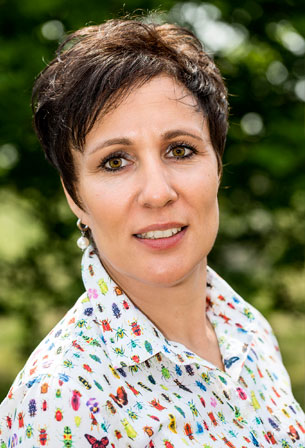
Luca Mazzon is a permanent Researcher at the Department of Agronomy, Food, Natural resources, Animals and Environment (DAFNAE) at the University of Padova , Italy. His work focuses on entomology, biological control, and microbial ecology, particularly in agricultural and forest ecosystems. Address: Agripolis - Viale dell'università, 16 - Legnaro (Padova), Italy Email: lmazzon@unipd.it Phone: +39 049 8272813 Mazzon’s research spans insect symbiosis , genetic diversity , and landscape ecology , with a focus on pests like the olive fly and Barbitistes vicetinus . He employs molecular biology and ecological modeling to study pest control strategies and microbiota dynamics. His recent publications address topics such as host-parasitoid interactions , symbiotic bacteria in fruit flies , and environmental impacts on insect populations . Themes include biological control mechanisms, microbial ecology, and conservation-oriented agricultural practices. While no scientific awards are listed in the provided data, Mazzon’s work contributes to sustainable pest management and biodiversity preservation in agroforestry systems.
Texas Tech University Health Sciences CenterUnited States
Zemfira N. Karamysheva is an Associate Professor in the Department of Cell Biology and Biochemistry at the Texas Tech University Health Sciences Center School of Medicine. Her research focuses on translational control mechanisms in protozoan parasites and human diseases, with particular emphasis on ribosome specialization and drug resistance in Leishmania parasites. Ph.D. in Molecular Biology from Moscow State University Current projects include ribosome specialization in parasites and translational reprogramming in drug resistance Research Interests span gene expression regulation, mRNA translation control, ribosome specialization, protein/mRNA quality control, and environmental stress responses. Her work explores how Leishmania parasites adapt to host transitions through translational reprogramming and ribosomal changes. Recent Publications (2023-2023) highlight translational control in drug resistance, ribosome specialization, and stress-induced adaptation. These studies integrate polysome profiling, CRISPR-Cas9 screens, and omics approaches. Scientific Recognition includes: Nature Communications Editors’ Highlights selection Featured in Texas Tech Today and TTUHSC Daily Dose Faculty of 1000 selections Journal feature in Trends in Biochemical Sciences Laboratory maintains a dedicated research page at karamysheva-s-lab , welcoming graduate students interested in translational biology and parasite adaptation.
Dr. Adam Stanton is a Lecturer in Data Science and AI at the School of Information, Journalism and Communication at the University of Sheffield. His academic career spans multiple institutions including TUoS, Alan Turing Institute, Aston University, and Keele University. He also serves as Director at Larchwood Research, an R&D consultancy. Research Interests : Bioinspired autonomous systems, algorithmic evolution, sustainability and health applications of AI, and VR/XR for transcendental ritual. He explores the intersection of artificial life, evolutionary robotics, and interdisciplinary bioscience-social science projects. Publication Trends : Recent work focuses on lexicase selection in evolutionary robotics, computational modeling of biological systems, and applying AI to sustainability challenges. Conference papers emphasize behavioral diversity, selection strategies, and agent-based modeling. Education : BSc in Artificial Intelligence and Computer Science from University of Birmingham PhD in Computer Science from University of Keele Awards & Memberships : Member of the International Society for Artificial Life (ISAL) and Association for Computing Machinery (ACM).
Dr Rebecca Zwart is a Senior Lecturer and Honours Program Director at the School of Agriculture and Environmental Science , University of Southern Queensland (UniSQ), Toowoomba, Australia. With a PhD in Agricultural Sciences from the University of Queensland and over 20 years of research experience, she specializes in the genetic characterization of disease resistance in cereal and pulse crops against pathogens like root-lesion nematodes, fusarium head blight, and rusts. Her work bridges molecular genetics with practical crop improvement strategies. Education : BAppSc (Hons) and PhD in Agricultural Sciences from the University of Queensland International Experience : Visiting Scientist at CSIR-National Chemical Laboratory (India, 4 years); Research Scientist at Institute for Agricultural and Fisheries Research (Belgium, 3 years) Research Focus Elucidating genetic regions conferring resistance to root-lesion nematodes ( Pratylenchus thornei , P. neglectus ) in wheat, chickpea, and mung bean Developing molecular tools for marker-assisted selection in breeding programs Investigating biochemical defense mechanisms and metabolomic profiles in resistant crops Exploring tripartite interactions between arbuscular mycorrhizal fungi, rhizobia, and nematodes in legumes Recent Publications demonstrate expertise in genome-wide association studies, transcriptomics, and metabolomics applied to nematode resistance in pulse and cereal crops, with collaborations spanning Australia, India, Belgium, and Kenya. Scientific Awards 2008 Endeavour Research Fellowship Postgraduate Scholarship in Plant Breeding/Biotechnology from QLD Department of Primary Industries & Fisheries Teaching includes foundational and advanced courses in Biology, Cell and Molecular Biology, and Plant Breeding. She emphasizes practical laboratory and field-based learning, with testimonials highlighting her learner-friendly course design and industry-relevant content. Supervision spans Honours, Masters, and PhD students, focusing on root-lesion nematode resistance genetics in chickpea and mung bean through QTL mapping, GWAS, and phenotyping innovations.
Dr. Christina Marley is a Senior Lecturer at Aberystwyth University's Institute of Biological, Environmental & Rural Sciences (IBERS), where she leads research in optimizing nutrient use within ruminant livestock systems to reduce reliance on imported feeds and fertilizers. Her work aligns with UN Sustainable Development Goals for environmental sustainability and food security. Role: Reader, IBERS Key Collaborations: UK Research and Innovation, Welsh Government, Hybu Cig Cymru, Dŵr Cymru Welsh Water Projects: NUE-Leg Innovate, Grassland Resilience for Net Zero, Transforming the UK Food System CDT, SMART Nutrient Cymru Her research focuses on sustainable agriculture through plant breeding for improved root systems, soil health, and animal nutrition. She investigates how strategic forage selection impacts methane emissions, parasite control, and meat quality while addressing climate resilience in grassland systems. Recent publications examine nutrient cycling in forage crops, drought mitigation using sheep wool amendments, proteolysis reduction during ensiling, and soil compaction resilience in Festulolium hybrids. These works highlight trends in sustainable feed development, climate-adaptive breeding, and precision nutrient management. Scientific Awards: VC Award for Exceptional Impact in Science Research (2021) Prizes: 2021 Aberystwyth University VC Impact Award Marley actively engages with farmers and policymakers through initiatives like the British Grassland Society, PROSOIL project, and Welsh Government-funded trials. She has supervised numerous research outputs and participated in 52 activities, including conferences, workshops, and media outreach on sustainable livestock feeds and climate adaptation.
Nicholas Sangster is a Professor at Charles Sturt University, affiliated with the School of Agricultural, Environmental and Veterinary Sciences within the Faculty of Science. His research is centered on parasitology and anthelmintic resistance in livestock, with a focus on sheep, cattle, and equine parasites. Institution: Charles Sturt University School: Faculty of Science Department: School of Agricultural, Environmental and Veterinary Sciences Academic Rank: Professor His primary research interests include anthelmintic resistance , parasitic helminths in livestock , bovine immunology , and parasite control strategies . He has extensively studied drug resistance in Haemonchus contortus and other economically significant parasites, contributing to both clinical and managerial perspectives in veterinary parasitology. The analysis of his recent publications reveals a consistent focus on understanding and combating drug resistance in animal parasites. His work spans experimental trials, review articles, and comprehensive chapters detailing antiparasitic compounds and resistance mechanisms. Key themes include the evolution of resistance, efficacy of combination therapies, and global trends in parasite management. Nicholas Sangster has no publicly listed scientific awards in the provided text. He has supervised or collaborated with several researchers, though specific student names are not mentioned. His research has been supported through institutional affiliations and collaborative projects, though no specific grants are detailed. He actively contributes to advancing knowledge in veterinary parasitology through peer-reviewed publications and expert reviews. He is involved in ongoing research initiatives at Charles Sturt University, particularly in the area of fluke resistance and nuclear-based diagnostic techniques in veterinary medicine, as indicated by media contributions on these topics.
Sharanne Raidal is a Professor at Charles Sturt University, affiliated with the Faculty of Agricultural, Environmental and Veterinary Sciences and based at the Gulbali Research Institute. She is actively involved in equine veterinary research and serves as a Registered Supervisor, mentoring graduate research students. Externally, she holds the position of Assistant Chief Examiner at the Australian New Zealand College of Veterinary Sciences since July 2018, contributing to professional standards in veterinary education and assessment. Research Interests: Her work spans several critical areas in veterinary science, particularly focused on equine health. Key interests include pharmacokinetics of drugs such as meloxicam and salbutamol, gastrointestinal diseases (especially gastric ulcers in performance horses), neonatal foal care (including sepsis and diarrhea), respiratory physiology, and the impact of transport on horse welfare. Her recent studies leverage advanced techniques like metagenomics and fecal microbiota transplantation, reflecting a modern, interdisciplinary approach to animal health. The analysis of her recent publications reveals a consistent focus on improving clinical outcomes in horses through evidence-based interventions. Trends include biomarker discovery (e.g., nucleosomes in sepsis), microbiome modulation, non-invasive respiratory support, and stress reduction during transport. Her research bridges laboratory science with practical applications in equine management and veterinary practice. Scientific Engagement: Regular speaker at industry events such as the Southern Breeders Seminar and AgriFutures symposium. Contributor to media discussions on equine drug studies (e.g., CSU’s research on performance horse medications). Active participant in academic and teaching activities, including CSU Ed 2015. Advising and Grants: As a Registered Supervisor, Dr. Raidal mentors postgraduate research students. While specific grants are not listed, her sustained research output and leadership in collaborative studies suggest successful grant acquisition and project leadership in equine health and pharmacology. Laboratories and Research Teams: She is embedded in the Gulbali Research Institute, a hub for agricultural, environmental, and veterinary research at CSU. Her collaborations span national and international networks, particularly in studies involving equine transport, microbiota, and critical care, often working with multidisciplinary teams across institutions.
Kirsteen Tullett is a Research Fellow in the Department of Biochemistry & Molecular Biology at Monash University, where she conducts cutting-edge research in immunology and dendritic cell biology. She is actively involved in vaccine development, cancer immunotherapy, and infectious disease immunity, with a strong focus on translational applications. Research Interests: Her work centers on dendritic cell receptors such as Clec9A and DEC-205, exploring their roles in antigen presentation, adjuvant design, and immune activation. She investigates how targeted antigen delivery can enhance T and B cell responses, with applications in cancer, malaria, and viral infections like SARS-CoV-2. Her research integrates molecular biology, immunological assays, and murine models to develop novel immunotherapies. Publication Trends: Over the past decade, Dr. Tullett has contributed to significant advances in dendritic cell targeting and vaccine efficacy. Her recent publications (2020–2024) highlight breakthroughs in single-shot vaccines, liver-resident memory T cells, and cross-presentation mechanisms. These works demonstrate a consistent focus on improving vaccine durability and breadth through rational design. Scientific Contributions: Primary Chief Investigator on the project "Active Targeting Clec9A for Cancer Immunotherapy" (since 2017). Inventor on a Monash University patent (2023) related to dendritic cell-targeted immunotherapies. Co-author on 17 research outputs, including high-impact articles in Molecular Therapy , Journal of Immunology , and Cell Host & Microbe . Advising and Grants: While no formal students are listed, Dr. Tullett leads a major research project as Primary Chief Investigator, indicating leadership in grant acquisition and team coordination. Her work has attracted significant attention, with media coverage, blog mentions, and widespread social media engagement, reflecting its scientific and public health relevance. Labs and Teams: She collaborates closely with leading immunologists including I. Caminschi, M. Lahoud, and A.W. Purcell at Monash University, forming a multidisciplinary team focused on dendritic cell biology and vaccine innovation. This network supports a robust research program with strong industry and philanthropy engagement.
Simon Grandjean-Lapierre is an Assistant Professor at the University of Montreal's Department of Microbiology, Infectious Diseases and Immunology. He holds clinical roles as an infectious disease specialist at CHUM and medical microbiologist at the Department of Laboratory Medicine. His research focuses on tuberculosis control using molecular diagnostics and acoustic epidemiology innovations. Collaborations include the Pasteur Institute of Madagascar and McGill International TB Center. Key research areas: Molecular epidemiology of TB, digital cough monitoring for respiratory diseases, and implementation of genomic tools for outbreak investigation. Over 10 peer-reviewed publications since 2020, emphasizing genomics-driven solutions for infectious disease challenges.
Dr. Maria Duque-Correa is a Principal Investigator at the Cambridge Stem Cell Institute, University of Cambridge. Her research focuses on understanding how parasitic worms, such as whipworms, invade, colonize, and persist in the gut. She leads a team developing novel organoid models to study host-parasite interactions, particularly how whipworms manipulate gut structure and immune responses. Dr. Duque-Correa holds a BSc in Biology from the University of Antioquia (Colombia), a PhD from the Max Planck Institute for Infection Biology (Germany), and completed postdoctoral training at the Wellcome Sanger Institute. Her work is funded by Wellcome, Isaac Newton Trust, and Rosetrees Trust. Key research areas include tuberculosis, Chagas disease, and trichuriasis. Her lab uses advanced microscopy, sequencing, and organoid models to characterize molecular and cellular changes during whipworm infections and gut repair during chronic infections. Group members include PhD students Wenxin Jiang and Klara Stark, along with research assistants and lab managers. Dr. Duque-Correa has received prestigious fellowships, including the Marie Sklodowska-Curie Fellowship and Wellcome Sir Henry Dale Fellowship. Her research aims to identify new strategies to combat neglected tropical diseases and understand gut inflammatory processes. The group collaborates widely, integrating immunology, parasitology, and regenerative biology to address global health challenges.
Satyendra Kumar Singh is a Researcher at the Institute for Global Health within the College of Engineering at Michigan State University. His work focuses on biomedical engineering applications in oncology, radiation biology, and toxicology. He investigates targeted therapies including alpha-particle emitters, novel PET imaging agents, and mechanisms of chemical warfare agent-induced skin toxicity. Singh’s research integrates preclinical models to evaluate therapeutic efficacy and disease mechanisms. Key research areas include: medical imaging probe development, cancer radiotherapy optimization, inflammatory response modulation in toxicological exposures, and parasitic disease pathogenesis. His work spans translational medicine bridging basic science and clinical applications. Recent studies emphasize immune-competent mouse models for evaluating combined radiation/immunotherapy and the role of mast cells in chemical injury pathways. Publications (2020-2025) reveal a strong focus on: 1) Hepatospecific PET agent design (Cu-64 labeled compounds), 2) Bismuth-212 based targeted radiotherapy for solid tumors, 3) Mechanisms of phosgene oxime-induced skin damage, and 4) RAGE signaling pathways in oncogenesis. Current laboratory work involves developing supersaturated oxygen emulsions for corneal injury treatment and exploring the Lysophosphatidic acid-RAGE axis in tumor progression. Awards section: No specific honors listed in provided materials. Grant information not explicitly detailed but implied through publication activity. Labs/Teams: Active in the Institute for Global Health's biomedical engineering research group, collaborating across departments in the College of Engineering and College of Veterinary Medicine (implied through parasitology work).
Professor Tobias Blanke is a University Professor of Artificial Intelligence and Humanities at the University of Amsterdam and affiliated with King’s College London. His academic background spans computer science and political philosophy. He holds a dual role as Professor of AI and Humanities at UvA and Professor of Social and Cultural Informatics at King’s, where he previously served as Department Head (2016–2019). His research focuses on AI ethics, big data applications in human sciences, and critical digital practices. Key areas include algorithmic governance, predictive policing, and digital platform critique. Blanke leads projects like the European Holocaust Research Infrastructure (EHRI) and Our Data Ourselves, exploring datafication’s societal impacts. He directed DARIAH (2012–2016), a European Digital Humanities infrastructure. Awards include the ISA-STAIR award (2022) for Algorithmic Reason . His work bridges technical and normative dimensions of AI, emphasizing ethical implications and interdisciplinary collaboration. Blanke’s grants include an €8M EU grant for Holocaust research infrastructure and funding for born-digital data projects. He collaborates with institutions like the Open Data Institute and TacticalTech. His affiliations include the King’s Centre for Technology, Ethics, Law & Society (TELOS).