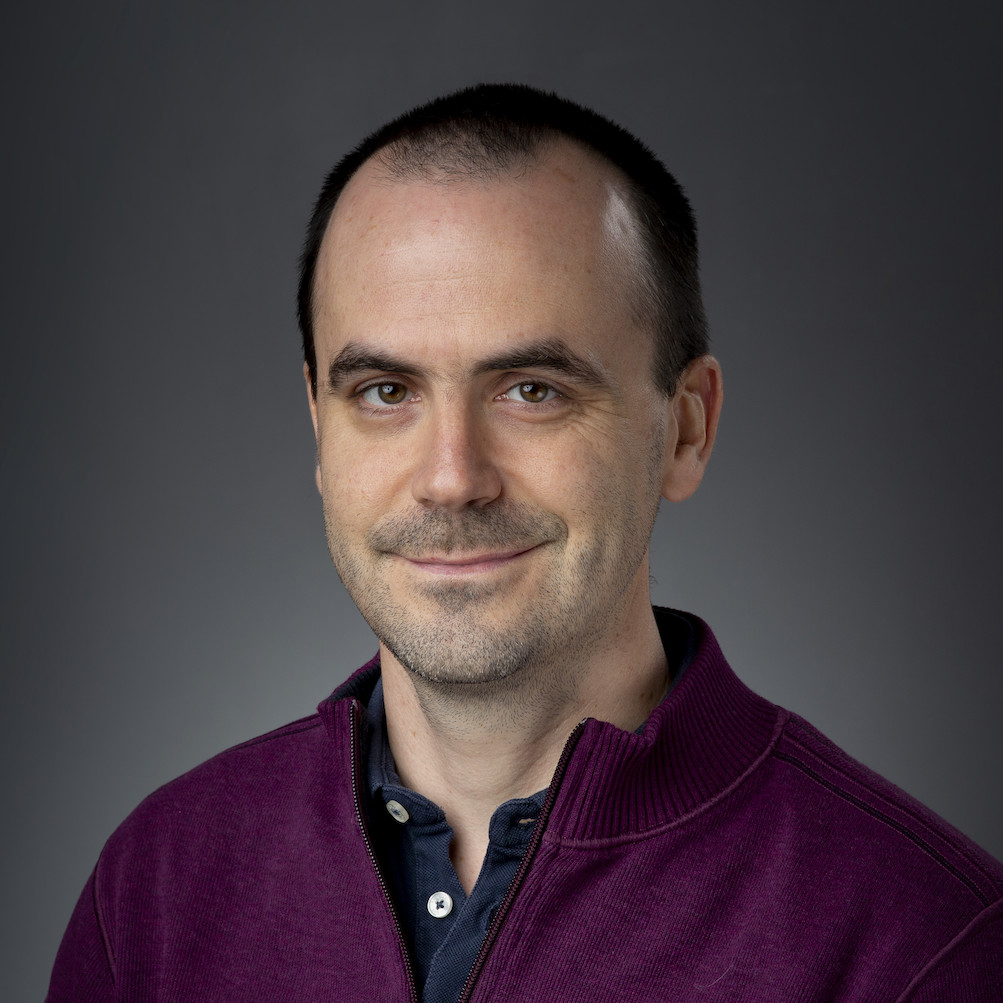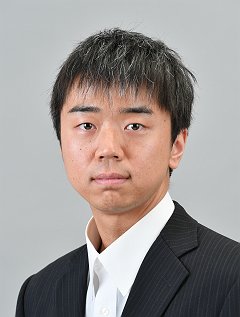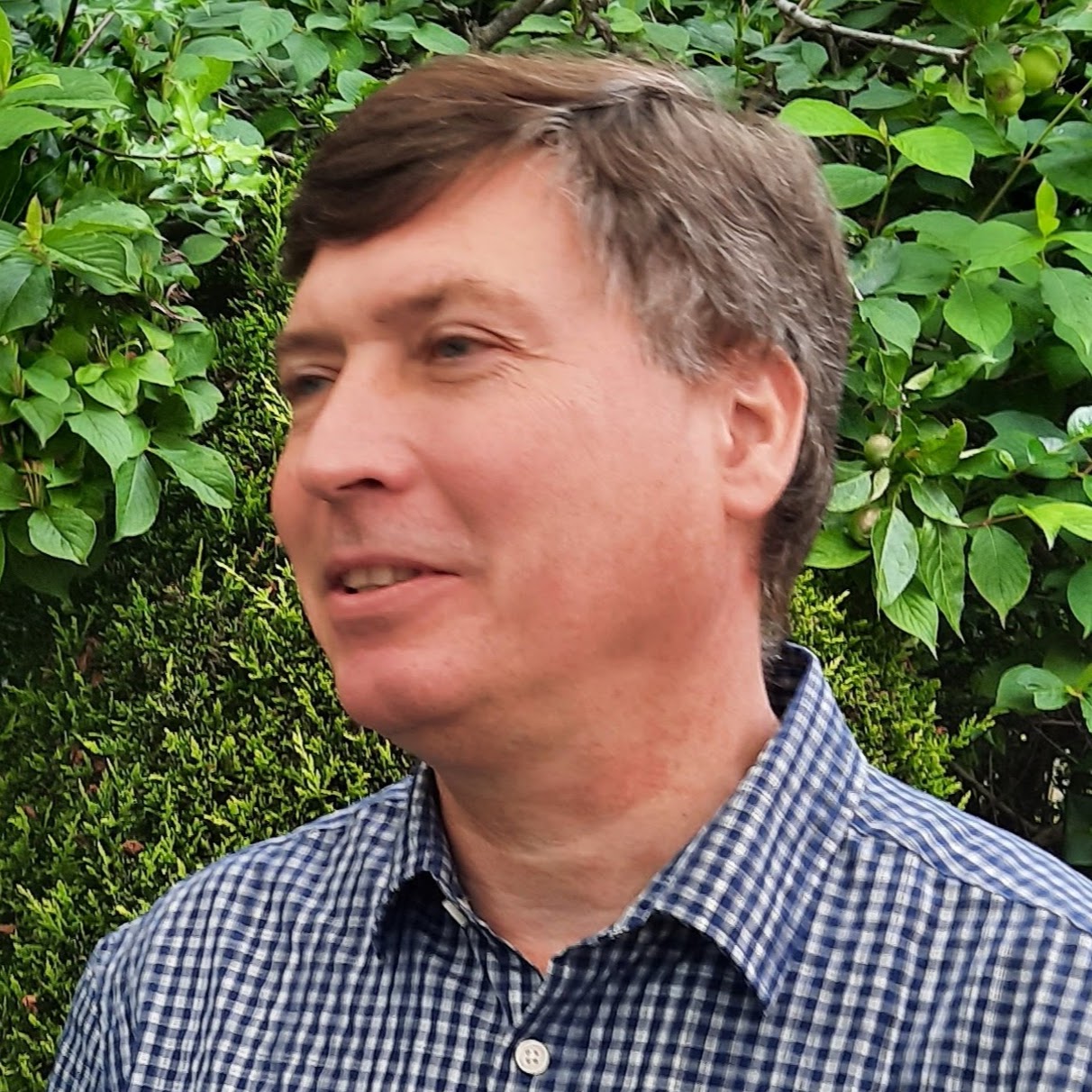
Martín Hötzel Escardó is a Professor of Theoretical Computer Science in the School of Computer Science at the University of Birmingham, UK. He has been a faculty member since 2000, following previous academic positions at Imperial College London, the University of Edinburgh, and the University of St Andrews. His research bridges theoretical computer science and pure mathematics, with a strong emphasis on foundational aspects of computation. His educational background includes a BSc and MSc from Universidade Federal do Rio Grande Sul (Brazil) and a PhD from Imperial College London (1997) under Michael B. Smyth. Escardó's research interests center on topology in computation , constructive mathematics , dependent and univalent type theory (including Homotopy Type Theory and Cubical Type Theory), domain theory , locale theory , and exact real-number computation . His work explores deep connections between logic, topology, and programming, often using functional languages like Haskell and Agda to formalize and experiment with theoretical ideas. He is particularly known for his discoveries on exhaustively searchable infinite sets and the topological nature of computability. The trend in his recent publications reflects a sustained focus on univalent foundations, constructive domain and order theory, game semantics with dependent types, and the logical structure of type universes. His work consistently advances the formalization and understanding of higher-type computation and constructive mathematics within modern type theories. He has no listed scientific awards in the provided text, but his influence is evident through his extensive publication record and software developments like TypeTopology. Escardó has advised several students and collaborators, though specific names are not listed. He has been involved in significant research projects, particularly in the formalization of mathematics in type theory and the semantics of programming languages. His work often involves developing Agda libraries to formalize new mathematical results constructively. He leads and contributes to a vibrant research group in theoretical computer science at Birmingham, with a focus on logic, semantics, and type theory. His public research blog, lecture notes, and open-source Agda code (e.g., TypeTopology, HoTT-UF-in-Agda) serve as important resources for the community.