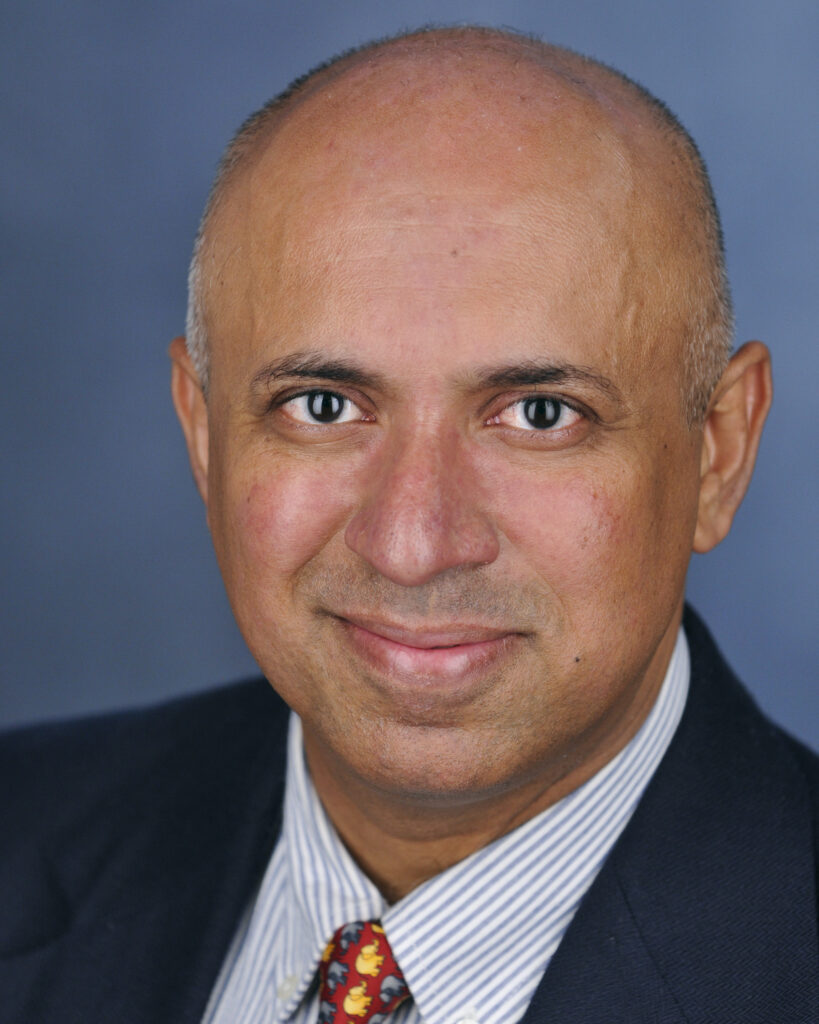
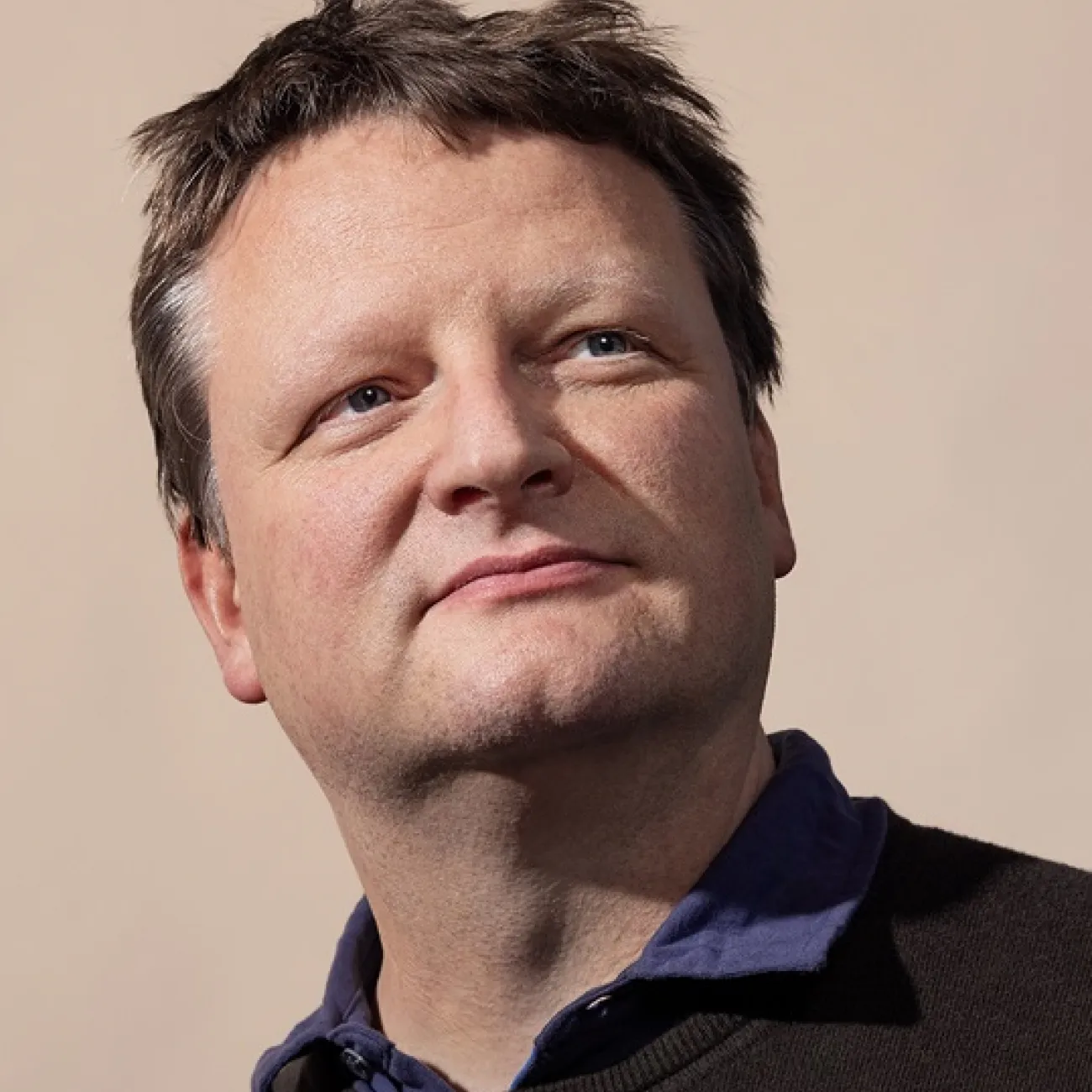
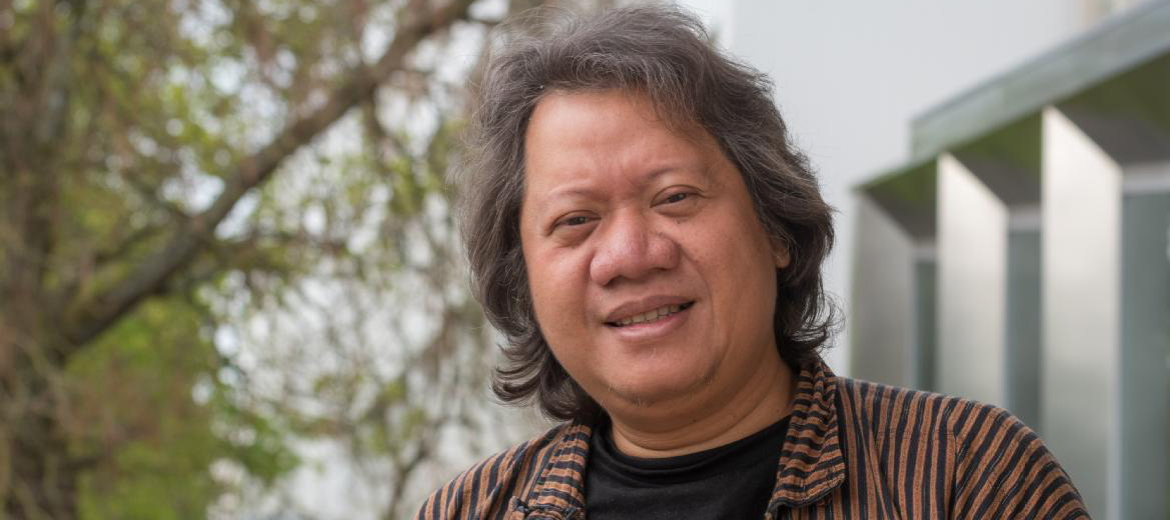
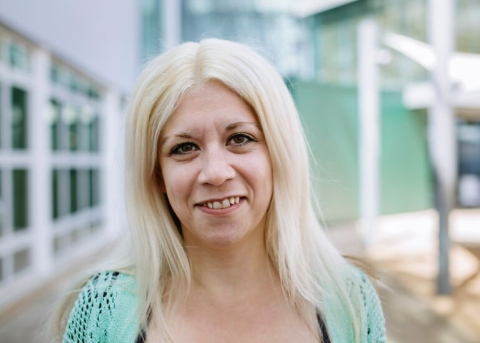
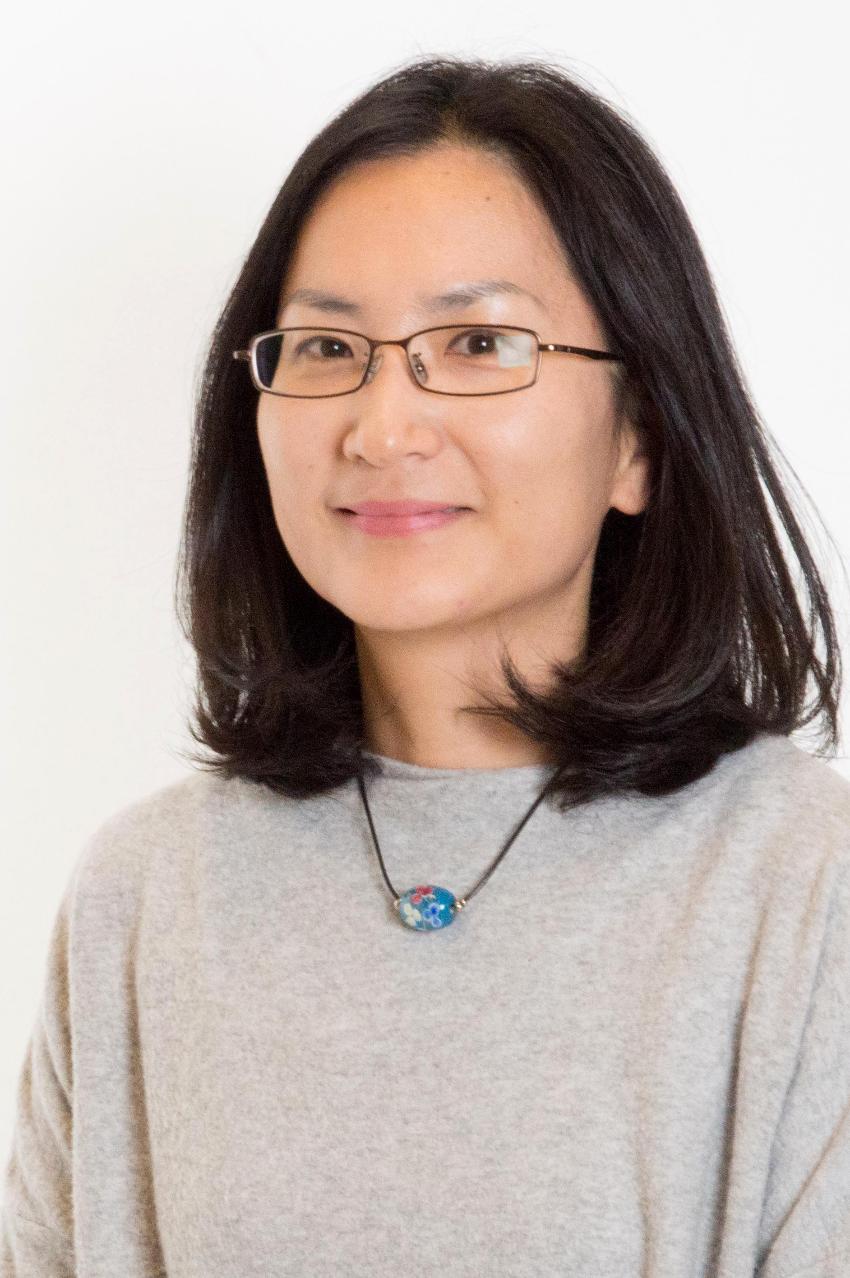
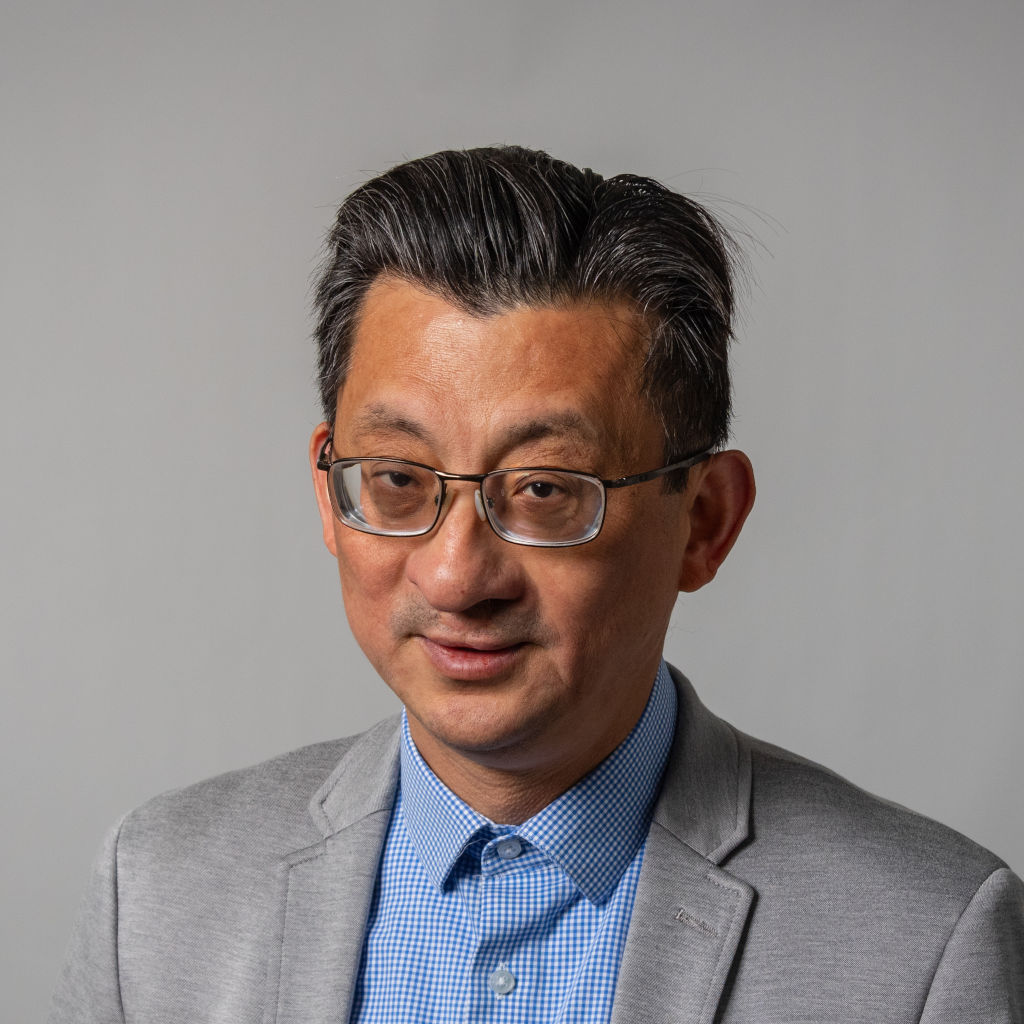
Yunan Wu is an Assistant Professor at the Yau Mathematical Sciences Center, Tsinghua University (since September 2024). Previously, he served as an Assistant Professor at the University of Texas at Dallas (2020–2024) and completed a postdoctoral fellowship in Biostatistics at Yale University’s School of Public Health (2019–2020). He earned his PhD in Statistics from the University of Minnesota (2015–2019), supervised by Prof. Lan Wang, and holds a bachelor’s degree in Mathematics and Physics from Tsinghua University (Beijing, China). His research focuses on **causal inference in precision medicine**, **Mendelian randomization**, **non-parametric/semi-parametric methods**, and **high-dimensional statistical analysis**. He also explores robust machine learning techniques and incorrupted data methodologies. His work bridges theoretical advancements with practical applications in healthcare and biomedical research. Key contributions include the development of tuning-free robust regression approaches (e.g., the TFRE method) and inference frameworks for optimal treatment regimes. His GitHub repositories reflect these efforts, including implementations of robust regression and treatment regime estimation algorithms. He is affiliated with the Yau Mathematical Sciences Center, where he contributes to interdisciplinary research at the intersection of statistics, machine learning, and biomedical sciences. His email is wuyunan@mail.tsinghua.edu.cn , and his office is located in Shuangqing Complex Building A504.
Dr. Anil Misra is the Chair and Professor in the Department of Civil and Environmental Engineering at Florida International University (FIU), Miami. Previously, he served as the Glenn L. Parker-James L. Tyson Professor of Engineering Mechanics at the University of Kansas (KU) and Associate Director of KU's Institute for Bioengineering Research. He also held faculty positions at the University of Missouri-Kansas City (UMKC) from 1990 to 2007. He holds a bachelor’s degree in civil engineering from the Indian Institute of Technology (IIT), Kanpur, India (1985), and M.S. and Ph.D. degrees from the University of Massachusetts Amherst (1988 and 1991). His teaching focuses on engineering mechanics, materials engineering, computer methods, and geotechnical engineering. Dr. Misra’s research bridges mechanics and materials science, emphasizing granular micromechanics, biomaterials, and geotechnical engineering. His work includes pioneering the granular micromechanics approach (GMA) to model granular materials and metamaterials. He has authored over 350 publications, co-edited four books, and guest-edited six journal special issues. His research has been funded by governmental agencies and industry. He has received the 2017 Eugenio Beltrami Senior Scientist Prize for contributions to granular micromechanics and a 2018 Fulbright Specialist award. He actively serves on editorial boards, technical committees, and provides industry consulting. His lab explores interdisciplinary topics like dental adhesives, metamaterials, and computational mechanics.
Dr. Muni Rami Reddy Rasappagari is a casual academic staff member at the University of Southern Queensland (UniSQ) , Australia, within the School of Engineering . He holds a Diploma in Civil Engineering from SV Govt Polytechnic Tirupati, a Bachelor of Technology from Nagarjuna University, a Master of Science in Civil Engineering from Indian Institute of Technology (IIT), and a PhD from the University of Madras . His research spans composite materials , structural mechanics , fracture mechanics , and nanomaterials , with a particular focus on graphene-reinforced composites , functionally graded materials , and delamination modeling . His work integrates finite element analysis , fractal methods , and vibration analysis to address complex structural integrity problems. Dr. Rasappagari's recent publications (2018–2022) emphasize graphene nanoplatelet (GPL) reinforcement in composite plates, exploring free and forced vibration , flexural behavior , and boundary condition effects . Earlier work (2007–2009) centered on fractal finite element methods for crack sensitivity analysis and stress intensity factor computation in anisotropic and multi-crack systems . Contact: 📧 muniramireddy.rasappagari@unisq.edu.au
Professor Hendrik Ulbricht is a Professor of Physics at the University of Southampton's Department of Physics & Astronomy. His research focuses on experimental tests of quantum mechanics and gravitation in macroscopic systems, including levitated opto-mechanics and nanoparticle interferometry. He leads the Quantum Nanophysics and Matterwave Interferometry group, pioneering studies on quantum superposition and gravity interactions using trapped nanoparticles. Education: PhD (Dr. rer. nat.) from Free University of Berlin and Max Planck Society (2003) Undergraduate degree (Dipl.-Phys.) from Technical University Berlin and Max Planck Institute for Gravitational Physics (2000) Research Interests: Experimental quantum mechanics, quantum-gravity interplay, levitated systems, nanoparticle trapping, and non-classical states. His group explores foundational physics through table-top and space-based experiments to test quantum theory limits. Key Projects: EPSRC-funded studies on quantum superposition tests Leverhulme Trust projects on modified gravity and dark matter detection PhD Supervision: Advising 9 current students in Physics and related fields. Awards: Max Kade Fellowship (postdoctoral period).
Dr. Yudhi Ariadi is a Teaching Professor in Engineering Design at the University of Warwick's School of Engineering. With a background in Mechanical Engineering from Universitas Brawijaya, Indonesia, he holds an MSc from Lancaster University and a PhD from Loughborough University. His career spans industry (ISUZU Astra Motor Indonesia, FUJI Technica Indonesia) and academia, including roles at Coventry University and the University of Birmingham's High Temperature Research Centre. He specializes in Additive Manufacturing (AM), 3D Printing, CAD tools for mass personalization, and engineering design education. Education: Bachelor's in Mechanical Engineering, Universitas Brawijaya, Indonesia MSc in Engineering (Research), Lancaster University PhD in CAD Tools for Public 3D Printing Access, Loughborough University Research focuses on democratizing AM through accessible CAD tools, customization strategies, and AM applications in automotive and biomedical fields. Recent work includes distortion prediction in selective laser melting and ergonomic medical device design. His projects are funded by Rolls-Royce, EU, and the Higher Education Funding Council for England. Teaching emphasizes CAD software (SolidWorks, Siemens NX), design thinking, and AM integration in engineering curricula. He advises on SME innovation through the University of Derby's Institute for Innovation in Sustainable Engineering. Labs/Teams: Part of the High Temperature Research Centre (Birmingham) and collaborates with global automotive brands (Toyota, Ford, Geely) through past industry roles.
Erick Delage is a Professor in the Department of Decision Sciences at HEC Montréal, holding the Canada Research Chair in Decision Making Under Uncertainty. He is a member of the Group for Research in Decision Analysis (GERAD) and an associate academic member of MILA. His research focuses on optimization under uncertainty, robust and stochastic optimization, machine learning, and risk management, with applications in finance, energy systems, and transportation. Delage holds a Ph.D. in Electrical Engineering from Stanford University, where he worked with renowned scholars like Andrew Y. Ng and Yinyu Ye. His teaching includes courses on Quantitative Risk Management, Decision Analysis, and Robust Optimization at institutions like HEC Montréal, Politecnico di Milano, and EPFL. He has supervised numerous PhD and master's students, leading to impactful contributions in areas like distributionally robust optimization and deep reinforcement learning for financial engineering. Delage's work emphasizes bridging theory and practice, with notable contributions to contextual optimization methods, energy transition pathways, and risk-averse decision-making. His research has been recognized with awards such as the Nicholson Award (2008) and membership in the Royal Society of Canada's College of New Scholars (2020). His laboratories and collaborations include the Supply Chains and Mobility research cluster funded by IVADO, focusing on data-driven decision-making for resilient systems. Key grants include leadership in energy transition optimization and robust supply chain frameworks.
Daniel L. McFadden is a renowned economist and Professor of the Graduate School at the University of California, Berkeley, Department of Economics. He also serves as the Presidential Professor of Health Policy and Economics at the University of Southern California. Born in 1937, McFadden holds a B.S. in Physics (University of Minnesota, 1957) and a Ph.D. in Economics (University of Minnesota, 1962). His academic career includes roles at the University of Pittsburgh, MIT (where he held the James R. Killian Chair), Yale University, and Caltech. Research Interests : McFadden is celebrated for his contributions to econometrics, particularly in discrete choice models. His work spans transportation demand analysis, health economics, environmental valuation, and welfare economics. He pioneered the use of conditional logit models and mixed logit models, revolutionizing how economists model individual decision-making. His research integrates behavioral insights with rigorous statistical methods. Notable Contributions : McFadden's work on the multinomial logit model and mixed logit models remains foundational in transportation and marketing. His Nobel Prize (2000) recognized his development of these models for analyzing individual choices. Recent work explores behavioral economics, Medicare policy, and subjective well-being measurement. Awards & Honors : McFadden is a member of the National Academy of Sciences and American Academy of Arts and Sciences. He received the John Bates Clark Medal (1975), Nemmers Prize (2000), and Frisch Medal (1986). He holds honorary doctorates from multiple institutions. Grants & Advising : McFadden has led major projects on transportation policy, energy demand, and health economics. He advised the U.S. government on Medicare Part D and contributed to modeling consumer behavior in healthcare markets. His work frequently bridges academia and policy, addressing real-world challenges. Labs & Teams : As Director of Berkeley's Econometrics Laboratory (1991–1995, 1996–present), he fostered interdisciplinary research. Collaborations with institutions like MIT and USC highlight his leadership in econometric innovation.
Roya Haratian serves as Principal Academic (equivalent to Associate Professor) in Electronic Science and Engineering at Bournemouth University's Department of Design and Engineering within the Faculty of Science and Technology. As Deputy Head of Department and Athena SWAN lead, she spearheaded the department's successful Bronze Award in 2021 for gender equality initiatives. Her leadership extends to curriculum development in Mechatronics and Robotics programs across undergraduate and postgraduate levels. Her academic credentials include a BSc (First Class Honours) and MSc (Distinction) in Electrical and Electronic Engineering, followed by a PhD in Electronic Engineering from Queen Mary University of London (2014). Prior to her current role, she worked as an Associate Lecturer at QMUL and Research Associate at Bristol Robotics Lab, focusing on on-body sensing systems and bio-signal processing for human-machine collaboration. Haratian's research centers on electronic engineering applications in human-robot interaction, with particular emphasis on on-body sensing technologies, signal processing, and machine learning. Her work bridges theoretical innovation with industrial implementation, developing assistive technologies for healthcare and safety-critical systems. Recent projects address diabetic foot ulcer prevention, emotion recognition in VR, and human-machine collaboration safety protocols, demonstrating strong translational impact across medical and industrial domains. Analysis of her 15 most recent publications reveals a strategic progression from foundational signal processing techniques toward integrated human-machine systems. Her work increasingly incorporates game theory for resource allocation, AI-driven predictive modeling, and inclusive design principles, with growing emphasis on real-world implementation challenges and ethical considerations in assistive technologies. Key recognitions include: Athena SWAN Bronze Award (Advance HE, 2021) for departmental gender equality leadership Senior Fellowship of Higher Education Academy (2021) BU Doctoral College Outstanding Contribution Award (2025) Design Review Award from Institute of Mechanical Engineering (2023) Student Experience 'You are Brilliant' Award (2017) As Recognised Research Supervisor (UK Council for Graduate Education), she currently co-supervises five PhD students on topics including AI surveillance, biomechatronics, and digital twin simulation. Her £1.2M+ research portfolio features strategic partnerships with Zimmer-Biomet, Computational Mechanics Wessex Institute, and Daido Industrial Bearing, with recent grants including HEIF-funded AI emotion recognition systems (2025) and QR-funded human-machine safety protocols (2024). She actively mentors through AdvanceHE's Aurora program and leads BU's Inclusivity Curriculum Evaluation project. Haratian directs the department's Athena SWAN initiative and collaborates with the Royal Institute on STEM outreach, designing bioelectronic masterclasses for GCSE students. Her public engagement includes 'Café Scientifique' discussions on machine emotion recognition and keynote addresses at Brockenhurst STEM Awards, focusing on translating on-body sensing research into real-world health applications.
Dr. Jovana Radulovic is a Lecturer in Mechanical Engineering at the University of Portsmouth's School of Electrical and Mechanical Engineering. She holds a PhD from the University of Edinburgh and specializes in thermodynamics, renewable energy systems, and advanced materials science. Her research focuses on thermal energy storage, wetting phenomena, and sustainable energy solutions. Education: PhD: Experimental and Theoretical Investigation of the Interfacial Phenomena Associated with Wetting and Spreading of Trisiloxane Solutions, University of Edinburgh MSc: Materials Science Research Interests: Her work spans thermodynamics, energy storage systems, and environmental engineering. Key areas include Organic Rankine Cycle optimization, thermal energy storage technologies, hydrophobic coatings, and sustainable petroleum processes. She is affiliated with the Advanced Polymers and Composites Research Group and the Thermo-Fluid, Petroleum and Energy Engineering Research Group. Articles: Her recent publications explore low-temperature ORC systems, microgrid collaboration strategies, and packed-bed thermal energy storage. These contributions highlight advancements in energy efficiency and sustainability. Grants & Advising: She supervises PhD students and leads projects on thermal energy storage and renewable integration. Her work aligns with global net-zero goals through innovative energy solutions. Labs & Teams: Active in the Centre for Environmental and Renewable Energy Solutions, focusing on collaborative research in renewable technologies and sustainable systems.
Dr. Francisco Ruiz is Associate Professor of Mechanical and Aerospace Engineering at Illinois Institute of Technology's Armour College of Engineering, specializing in thermal sciences and energy systems. Education: Ph.D. in Mechanical Engineering from Carnegie Mellon University (1987) M.S. in Mechanical Engineering from Carnegie Mellon University (1985) B.S. in Aerospace Engineering from Universidad Politécnica de Madrid (1983) His research investigates fundamental mechanisms of fuel atomization, cavitation effects in injection systems, and advanced internal combustion concepts including regenerative cycles and natural gas engines. He pioneers computational modeling approaches for combustion optimization and has developed innovative curriculum frameworks for engineering innovation. Publications demonstrate enduring focus on adaptive thermodynamic cycles, combustion stability, and fluid atomization physics. Recent work examines novel engine architectures and combustion modeling techniques for efficiency improvement. Awards recognize research and educational innovation: Tanasawa Award for atomization research (1988) SAE Teetor Award (1990) Chicago Tribune All-Professor Team (1993) He leads the Invention Center pedagogy initiative transforming engineering education through design thinking methodologies. Professional memberships include SAE, Tau Beta Pi, and Pi Tau Sigma.
Minjeong Son is an Associate Professor at the University of Tromsø - The Arctic University of Norway. Her research focuses on teacher education reform, intercultural communicative competence, and plurilingual pedagogy. She actively collaborates with schools through reinforced school-university partnerships, emphasizing practical integration of theoretical concepts. Key research interests include: Third-space partnerships in teacher education Development of intercultural competence in English classrooms Plurilingual approaches for pre-service teachers Educational systems analysis using activity theory Recent work examines contradictions in creating innovative teacher education models, with notable contributions to Nordic educational journals. She co-leads the Research in Teacher Education Practices (RiTE) group and participates in AcqVA-Nor initiatives. Publications explore topics ranging from motion verb syntax in Austronesian languages (2008) to contemporary Norwegian educational challenges (2025). Her work bridges linguistic theory with practical pedagogical implementation.
Jiong Tang is a Pratt & Whitney Chair Professor in Design and Manufacturing at the University of Connecticut , where he also serves as Co-Director of the Management and Engineering for Manufacturing Program . He received his B.S. and M.S. in Applied Mechanics from Fudan University, China (1989 and 1992), and his Ph.D. in Mechanical Engineering from Pennsylvania State University (2001). Prior to joining UConn, he worked at the GE Research Center as a research engineer. Research Interests : System dynamics, control theory, smart materials, vibration suppression, uncertainty propagation, computational intelligence, and multi-physics system modeling. Current Projects : Digital twin development for aerospace materials, physics-informed machine learning in manufacturing, adaptive metasurface design, and optimization of cooperative robotics. Methodological Focus : Combines Bayesian deep learning , Gaussian process metamodeling , transformer-based architectures , and multi-fidelity data fusion for industrial applications. His work emphasizes smart sensing , electromechanical integration , and uncertainty-robust inverse analysis . Collaboration : Research funded by federal agencies and industrial partners , with particular emphasis on aerospace and manufacturing technologies. His recent publications highlight generative adversarial networks for defect detection , piezoelectric metamaterials , and physics-guided neural network architectures across mechanical, structural, and composite systems.
Emily Berg is an Associate Professor in the Department of Statistics at Iowa State University. Her research focuses on small area estimation, Bayesian hierarchical models, and statistical applications in agriculture and environmental science. She holds a Ph.D. in Statistics from Iowa State University (2010), an M.S. in Statistics (2008), and a B.A. in Mathematics from Middlebury College (2005). Education: Ph.D. Statistics, Iowa State University, 2010 M.S. Statistics, Iowa State University, 2008 B.A. Mathematics, Middlebury College, 2005 Her research interests include developing statistical methodologies for small area estimation, analyzing agricultural and environmental data, and addressing challenges in informative sampling and missing data. She has contributed to applications in transportation safety, veterinary practices, and environmental monitoring. Dr. Berg’s work emphasizes practical solutions for data integration and estimation under complex scenarios, including the use of Bayesian models and quantile regression techniques. She collaborates on projects such as the Conservation Effects Assessment Project and has developed web applications for data visualization and quality assessment. No scientific awards have been explicitly mentioned in the provided materials. She has advised or collaborated on numerous statistical methodologies but no specific student names are listed. Her research extends to agricultural economics, environmental modeling, and public health surveillance.
Fumio Okura is a professor at Osaka University , specializing in Computer Vision and 3D Reconstruction . His work bridges Photometric Stereo , Neural Rendering , and Medical Imaging , with a focus on cognitive decline prediction and plant modeling . He collaborates extensively with researchers like Hiroaki Santo and Yasuyuki Matsushita . Education: Ph.D. in Computer Science (Osaka University) Research Interests span Computer Vision , Photometric Stereo , 3D Reconstruction , and Biomedical Applications . His recent work includes HoGS for object reconstruction and TreeFormer for botanical structure estimation. Publications trend toward neural rendering , reflectance modeling , and augmented reality . Notable contributions include PPGCN for cognitive detection and MVCPS-NeuS for multi-view photometric stereo. Labs & Collaborations include the Osaka University Computer Vision Lab , working with teams on photometric analysis and medical imaging .
Marno Verbeek is a Professor of Finance at the Rotterdam School of Management (RSM), Erasmus University Rotterdam, and currently serves as Head of the Department of Finance. He previously held roles as Dean of Research at RSM and Academic Director of the Erasmus Research Institute of Management (ERIM). He earned his PhD in Economics from Tilburg University in 1991. His research focuses on empirical finance, particularly mutual funds, hedge funds, asset pricing, investment strategies, and performance evaluation. He is renowned for his textbook A Guide to Modern Econometrics (5th ed, 2017) and Panel Methods for Finance (2022). His work has been published in top journals such as Management Science , Review of Finance , and Journal of Financial Economics . He has supervised numerous PhD students, including Xiaohong Huang, Patrick Verwijmeren, and Guillermo Baquero, among others. His contributions extend to editorial roles in academic journals and organizational leadership in conferences like the Conference on Professional Asset Management . Verbeek’s research emphasizes practical applications of econometric methods to financial markets, addressing issues like fund performance measurement, investor behavior, and market efficiency. His work bridges theoretical models with real-world financial decision-making.