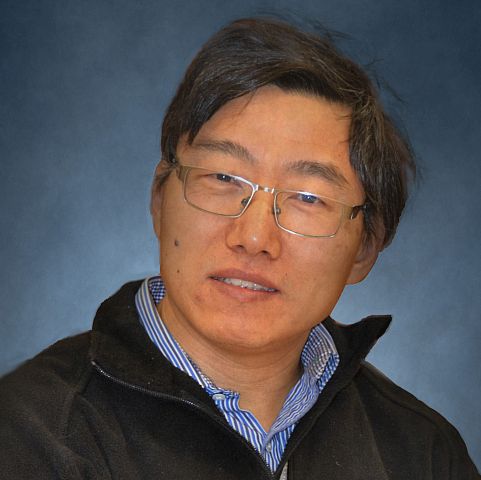
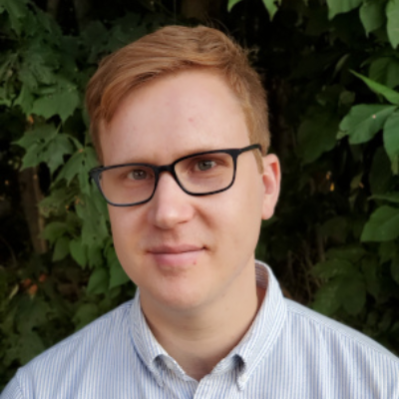
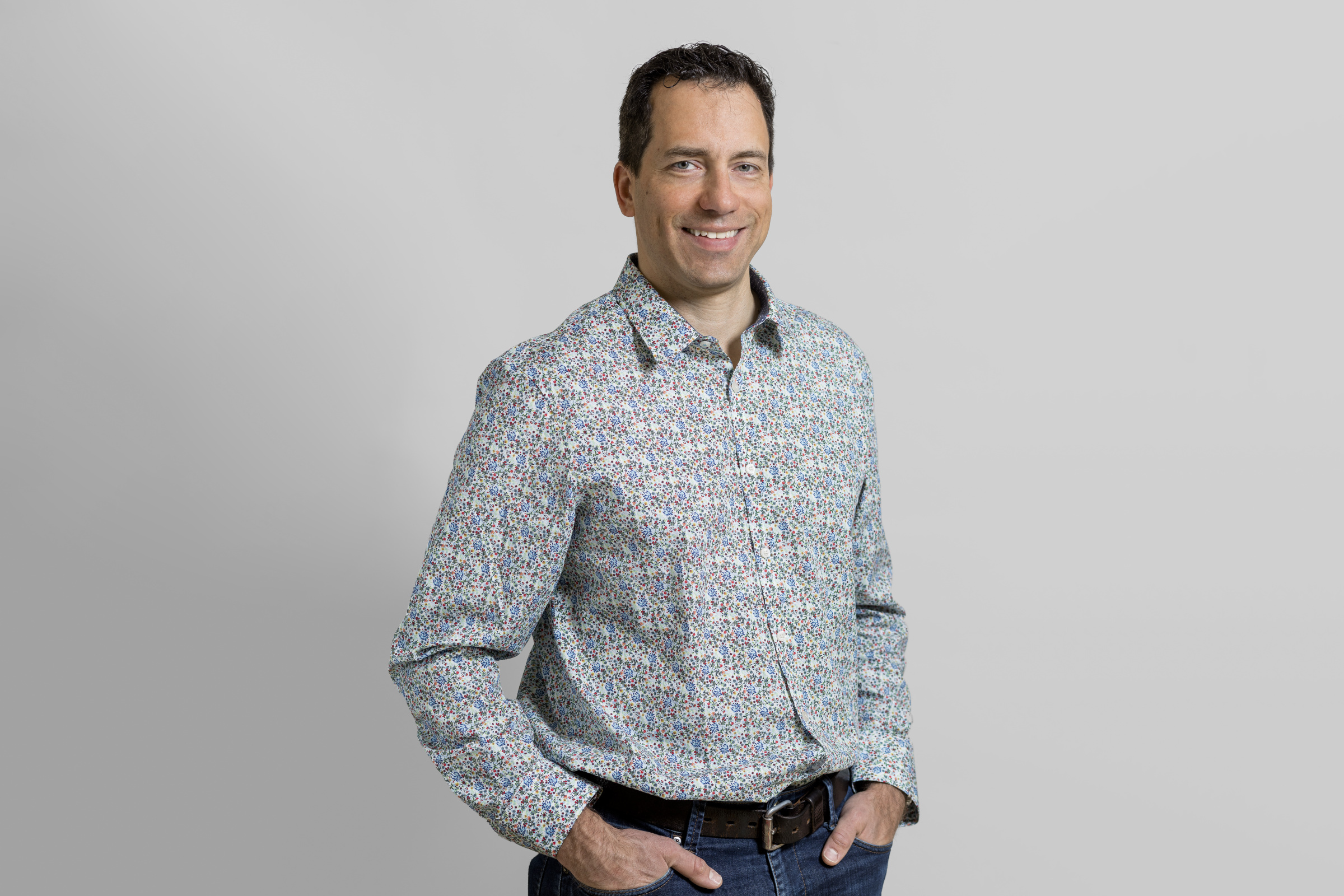
Qingguo Li is a Professor and Associate Head at the Department of Mechanical and Materials Engineering , Queen's University , and a member of the Ingenuity Labs Research Institute . He specializes in biomechanical system design, energy harvesting, wearable sensors, gait analysis, and load carriage systems. His research integrates robotics, biomedical engineering, and sensor technology to develop human-centric devices and mobility aids. Current Roles : Professor, Associate Head, Queen's University Research Institute : Ingenuity Labs Research Institute Lab : Bio-Mechatronics and Robotics Laboratory His work focuses on biomechanical energy harvesting , IMU-based motion analysis , and assistive device development . Key applications include stroke rehabilitation, gait monitoring, and wearable power generation systems. Articles span cable-driven robots , smart walkers , and 3D printing mechanisms , emphasizing human-robot interaction and dynamic modeling . The lab explores sensor calibration , adaptive control algorithms , and human movement optimization . Areas of impact include rehabilitation engineering , load carriage stability , wearable sensor accuracy , and assistive robotics . His team develops solutions for gait asymmetry detection , post-stroke mobility , and low-cost energy systems , leveraging machine learning and kinetic modeling .
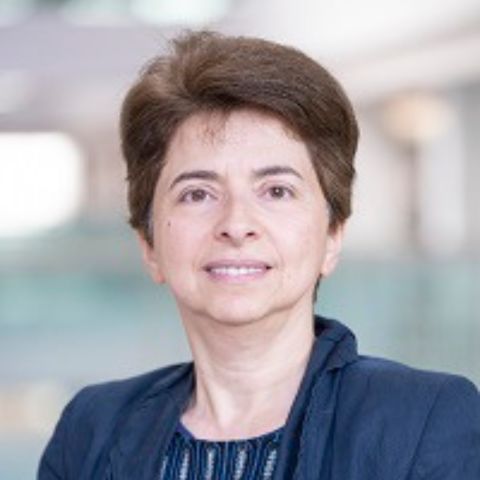
Dr. Leila Notash is a Professor in the Department of Mechanical and Materials Engineering at Queen's University, where she has been a faculty member since 1997. She is a Fellow of Engineers Canada (FEC) and a licensed Professional Engineer with Professional Engineers Ontario (PEO), with significant contributions to engineering education and professional service. Her educational background includes: Bachelor of Science in Mechanical Engineering, Middle East Technical University (Ankara, Turkey) - High Honor Student (2nd out of 166) Master of Applied Science in Mechanical Engineering, University of Toronto PhD in Mechanical Engineering, University of Victoria Dr. Notash's research centers on robotics and mechatronics, with specialized expertise in cable-driven parallel manipulators. Her work integrates kinematics, fault-tolerant design, and neural network applications to address challenges in robot calibration, workspace analysis, and motion control under real-world constraints like cable mass and elasticity. She investigates both theoretical frameworks and practical implementations for industrial and specialized robotic systems. Analysis of her recent publications (2020-2024) reveals a clear trajectory toward intelligent control systems, where machine learning techniques—particularly neural networks and reinforcement learning—are increasingly applied to solve complex problems in cable-driven robotics. This includes motion control optimization, path generation, and kineto-static analysis while accounting for physical limitations such as cable elasticity and mass effects, demonstrating a shift from traditional mechanical analysis to data-driven adaptive control methodologies. Her scientific recognition includes: Fellow of Engineers Canada (FEC) University of Toronto Open Fellowship University of Toronto International Differential Fee Waiver Charles S. Humphrey Graduate Student Award NSERC Doctoral Prize Nominee (1996) Dr. Notash has mentored 161 undergraduate students as Faculty Advisor for the Mechanical '06 cohort and pioneered international educational initiatives like the International Undergraduate Student Design project (IVDS), connecting Queen's University with Middle East Technical University and Union College. Her service extends to editorial leadership for Mechanism and Machine Theory and ASME journals, and governance roles including Faculty Senator at Queen's University (2009-2025) and PEO Council Councillor-at-Large (2019-2025). She has established collaborative research networks through initiatives like the Reading Week shop course 'Design Basics 1.0' and sustained leadership in the Canadian Committee for the Promotion of Mechanism and Machine Science (CCToMM) and the International Federation for the Promotion of Mechanism and Machine Science (IFToMM), where she chaired the Permanent Commission on Communications (2006-2011).
Shahin Sirouspour is a Professor in the Department of Electrical and Computer Engineering at McMaster University. His research focuses on robotics, autonomous systems, control systems, and optimization, with applications in aerial robotics, teleoperation, haptics, medical robotics, and smart energy grids. He is affiliated with the Telerobotics, Haptics and Computational Vision Laboratory and teaches courses such as Non-linear Control Systems and Electrical Systems Integration Project. He holds a Ph.D. from the University of British Columbia and has supervised numerous graduate students. His lab includes advanced equipment like multi-axis robotic manipulators, haptic interfaces, and real-time computing systems. Education: B.Sc. and M.Sc. from Sharif University of Technology (Iran), Ph.D. from University of British Columbia (Canada). Current roles include accepting graduate students and leading research clusters in Digital & Smart Systems, Energy, and Transportation. Awards include the McMaster President's Award for Excellence in Graduate Supervision. His work bridges theoretical control systems with practical applications in healthcare, energy, and autonomous systems. Research highlights include developing control strategies for multi-agent robotic systems, smart grid optimization, and medical robotics. Collaborations with institutions like MacAUTO and industry partners (e.g., MDA Space Missions) enhance translational impact. His lab supports projects on asymmetric teleoperation, deformable tissue simulation, and microgrid energy management.
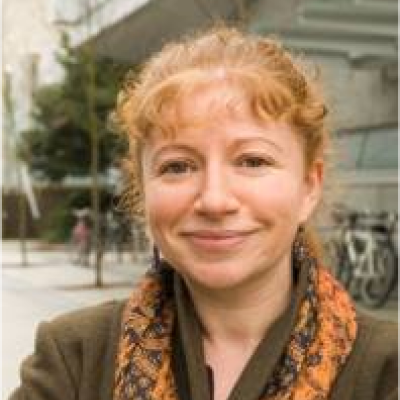
Alla Sheffer is a Professor and Associate Head of Faculty Affairs in the Department of Computer Science at the University of British Columbia, Faculty of Science. She is affiliated with multiple research centers including CAIDA (Centre for Artificial Intelligence Decision-making and Action), the Institute of Applied Mathematics, and ICICS (Institute for Computing, Information and Cognitive Systems). B.Sc., Hebrew University, Jerusalem (1991) M.Sc., Hebrew University, Jerusalem (1995) Ph.D., Hebrew University, Jerusalem (1999) Postdoctoral Research Associate, University of Illinois, Urbana-Champaign (1999-2001) Assistant Professor, Technion, Israel (2001-2003) Assistant Professor, University of British Columbia (2003-2008) Associate Professor, University of British Columbia (2008-present) Professor Sheffer's research focuses on geometry processing, addressing algorithmic challenges in digital shape modeling and manipulation. Her work primarily deals with discrete geometry representations, specifically meshes (polygonal model representations), with applications in computer graphics and computer-aided engineering. She utilizes tools from computational and differential geometry, discrete mathematics, and graph theory to generate, manipulate, and edit discrete geometric models. Her research spans virtual and augmented reality, visual computing, and 3D modeling, with significant contributions to sketch-based modeling, mesh processing, and cloth simulation. The 15 most recent publications reveal a consistent research trajectory in geometry processing, with recent work focusing on vector sketch processing, VR drawing tools, and advanced mesh manipulation techniques. Her work demonstrates a strong connection between human perception and computational methods, particularly in the interpretation of freehand sketches and the generation of perceptually-accurate geometric representations. The recurring themes across her publications include flowlines, curve networks, mesh parameterization, and the application of perceptual studies to improve algorithmic outputs. Eurographics Fellow ACM Fellow IEEE Fellow Royal Society of Canada Fellow SIGGRAPH Academy Member UBC Killam Research Prize NSERC Discovery Accelerator Supplement IBM Faculty Award Professor Sheffer has supervised numerous doctoral and master's students, with recent theses focusing on geometric mesh processing, vector sketch interpretation, VR drawing tools, and garment modeling. Her research group maintains strong connections with industry through various partnerships and has received substantial grant funding to support their innovative work in geometry processing and computer graphics. She teaches courses in computer graphics, geometric modeling, and video game programming, contributing significantly to both undergraduate and graduate education in computer science.
Ali Tavallaei serves as an Assistant Professor at Toronto Metropolitan University since 2019 and concurrently holds a Visiting Scientist position at Sunnybrook Research Institute. He is also the President and Co-founder of Magellan Biomedical Inc. (2018-present) and Vital Biomedical Technologies Inc. (2012-present), demonstrating strong industry engagement in medical device commercialization. His academic foundation includes: Ph.D. in Biomedical Engineering from Western University (2010-2015) Medical Innovation Fellowship at University of Minnesota/Western University (2015-2016) Postdoctoral Fellowship at Sunnybrook Research Institute, University of Toronto (2016-2019) Dr. Tavallaei's research centers on image guided therapy with emphasis on solving unmet clinical needs in minimally invasive interventions. His core focus areas include: Cardiovascular device innovation and evaluation Medical imaging instrumentation for real-time guidance Robotic systems for catheter navigation Mechatronic solutions for therapeutic delivery His work bridges engineering design with clinical translation through preclinical and clinical validation. Recent publications (2023-2026) reveal a concentrated effort in developing next-generation catheter technologies, including steering mechanisms (CathPilot), imaging tools (CathEye, CathCam), and specialized devices for vascular interventions. The research consistently emphasizes performance validation, mechanical characterization, and clinical feasibility across peripheral artery disease, aneurysm repair, and cardiac ablation applications. As director of the Medical Devices and Systems Lab, Dr. Tavallaei leads a translational research program focused on fundamental advances in cardiovascular disease management. The lab's workflow integrates solution design, system verification, preclinical testing, and technology transfer to address global healthcare challenges posed by cardiovascular diseases—the leading cause of death worldwide.
Sheldon Andrews is an Associate Professor of Software Engineering and IT at École de technologie supérieure (ETS) in Montreal, Canada, with an adjunct appointment in Computer Science at McGill University. He is a member of the Multimedia Research Laboratory and has established himself as a leading researcher in physics-based computer animation and simulation. Andrews earned his Ph.D. in Computer Science from McGill University (2015), MASc in Electrical and Computer Engineering from the University of Ottawa (2007), and B.Eng. in Computer Engineering from Memorial University (2004). His academic journey reflects a strong foundation in both theoretical and applied aspects of computer engineering and graphics. His research focuses on real-time physics simulation, articulated mechanism simulation, 3D character animation, motion capture, computational contact mechanics, and virtual environment modeling. Andrews' work bridges the gap between theoretical physics and practical applications in computer graphics, with particular emphasis on creating physically plausible animations that can run in real-time. His research has significant implications for video games, virtual reality, and robotics applications. Analysis of his recent publications (2022-2025) reveals a strong trend toward increasingly sophisticated physics-based character animation techniques, with growing integration of machine learning approaches. His work spans multiple subfields including collision detection, deformable object simulation, vehicle physics, and reinforcement learning for character control, demonstrating both breadth and depth in his research program. VRIPHYS 2012 best paper award for 'Policies for goal directed multi-finger manipulation' Andrews has advised numerous graduate students through their PhD and Master's degrees, with many going on to positions at major companies like DNEG, CM Labs Simulations, and AMD. His professional service is extensive, having served as Program Chair for SCA 2025 and MIG 2024, Conference Chair for I3D 2019, and on program committees for major conferences including SIGGRAPH, SCA, and MIG for multiple years. He has also been active in the Montreal SIGGRAPH Chapter as Secretary from 2018-2021. As a core member of the Multimedia Research Laboratory, Andrews collaborates with researchers across multiple disciplines to advance the state of the art in physics-based simulation. His lab maintains strong industry connections, including a visiting researcher position at Roblox Research, ensuring that theoretical advances translate to practical applications in gaming and virtual environments.
Glen Berseth is an Associate Professor in the Department of Computer Science and Operations Research at the University of Montreal and a Senior Academic Fellow at Mila – Quebec Institute for Artificial Intelligence. He is also a Canada CIFAR Chair in AI and Co-Director of the Montreal Robotics and Integrative AI Laboratory (REAL). His work focuses on reinforcement learning, robotics, and deep learning applied to autonomous systems. He holds a postdoctoral background from Berkeley Artificial Intelligence Research (BAIR), working under Sergey Levine. His research emphasizes real-world applications, including human-robot collaboration, continual learning, and multi-agent systems. He teaches courses on robot learning at the University of Montreal and Mila, covering cutting-edge techniques for general-purpose robots. Key research interests include reinforcement learning for robotics, adaptive interfaces, and sim-to-real transfer. His recent work addresses challenges in autonomous learning systems, such as robust locomotion control and efficient exploration strategies. Notable awards include the Canada CIFAR AI Chair. He has supervised numerous students, including PhD candidates Ozgur Aslan and Siddarth Venkatraman, and Master’s students like Roger Creus-Castanyer and Léa Demeule, focusing on topics like reinforcement learning and robotic control. Berseth leads research projects funded by organizations like the CRSNG, FCI, and MITACS, addressing topics such as modular lifelong learning and generalization in robotics. His lab, REAL, explores embodied AI and robotics integration.
J.M. Floryan is a Professor in the Department of Mechanical and Materials Engineering at Western University. He holds a Ph.D. from Virginia Tech (1980) and completed postdoctoral work at Northwestern University (1981). His research focuses on fluid mechanics , particularly flow manipulation strategies using surface roughness, heating patterns, and boundary conditions, with applications across laminar-turbulent transition, microchannel transport, and turbulent structures. Education : M.Sc. (Warsaw Technical University, 1974), Ph.D. (Virginia Tech, 1980), Postdoctoral (Northwestern University, 1981) His research interests span hydrodynamic stability, spectral methods, immersed boundary conditions, natural/forced convection, and biomedical flows. Methodologies include spectral algorithms for moving boundary problems and stability analysis of spatially modulated systems. Recent work emphasizes flow control via grooves and heating , drag reduction, and energy-efficient fluid systems. The 15 most recent publications (2022-2020) explore thermally-induced streaks, wall vibration effects, wavenumber lock-in, droplet impact physics, and peristaltic pumping. These studies employ direct numerical simulations , spectral accuracy, and experimental validation, with keywords covering hydrodynamic stability , drag reduction , buoyancy convection , and microfluidics . Scientific accolades include Fellowships from the American Physical Society , ASME , and Canadian Academy of Engineering , alongside the Humboldt Research Prize and Canada Research Chair . He has held visiting appointments at institutions like Technion (Israel), Tokyo Metropolitan University (Japan), and Darmstadt Technical University (Germany). Teaching includes graduate courses on Hydrodynamics Stability , Computational Fluid Mechanics , and seminars on Heat Transfer . He advises PhD/Master’s students like Y. Wang and S. Shadman. Professional roles include President of the Canadian Society for Mechanical Engineering and leadership in international mechanics symposia.
Dr. Scott Nokleby is an Associate Dean, Academic and Professor in the Department of Automotive and Mechatronics Engineering at the University of Ontario Institute of Technology. He holds a PhD in Mechanical Engineering from the University of Victoria (2003), and has over two decades of academic leadership and research experience. His primary roles include academic administration and advancing robotics and mechatronics research. Education: PhD (Mechanical Engineering, UVic, 2003), MASc (Mechanical Engineering, UVic, 1999), BEng (Mechanical Engineering with Co-op, UVic, 1997). Research interests focus on advanced robotics topics including parallel manipulators, mobile-manipulator systems, kinematic redundancy analysis, and autonomous systems. His work emphasizes practical applications such as radiation mapping robots, perching drones, and robotic hazard management. Notable contributions include optimal design methodologies for mechanisms and control systems for human-robot interaction. Publications reflect expertise in robotics systems, mechatronics, and nuclear engineering applications. Recent work explores multi-robot task allocation, autonomous navigation, and advanced control algorithms. Awards: Fellow of ASME (2022) Fellow of CSME (2016) CSME Best Paper Award (2014) UOIT Research Excellence Award (2008) CSME I.W. Smith Award (2007) Teaches graduate courses in advanced robotics, mobile robotic systems, and mechanism design. Active in academic administration, he bridges teaching innovation with engineering education through projects like tablet computing integration in design courses. Labs/Teams: Leads robotics research initiatives focused on autonomous systems development, with collaborations spanning nuclear safety, mining automation, and aerospace applications.
Sabrina Leslie is an Associate Professor at the University of British Columbia (UBC) in the Michael Smith Laboratories and Department of Physics. Her research focuses on developing single-molecule microscopy tools to study biomolecular interactions in biologically relevant environments. She leads the Leslie Lab, which bridges physics, engineering, and biology to advance genetic medicines and vaccines. Education BSc (Honours Physics and Mathematics), University of British Columbia (2002) PhD in Optical and Atomic Physics, UC Berkeley (2008) Postdoctoral Fellowship, Harvard University (2009–2011) Research Interests Dr. Leslie pioneers the Convex Lens-induced Confinement (CLiC) imaging platform to visualize single molecules (DNA, RNA, proteins) and lipid nanoparticles in realistic cellular conditions. Her lab investigates nucleic acid dynamics, nanoparticle formulation for drug delivery, and single-cell analysis. Applications include improving mRNA vaccines and oligonucleotide therapeutics. Key Awards Member of Royal Society of Canada’s College of New Scholars (2020) NSERC Accelerator Award (2017–2020) Young Investigator Award, Canadian Biophysical Society (2019) Advising & Collaborations Her lab has trained over 50 students and postdocs. Collaborators include industry partners in biotechnology and nanotechnology. She co-founded ScopeSys to commercialize CLiC technology. Labs & Teams Based at UBC’s Michael Smith Laboratories, the Leslie Lab integrates interdisciplinary expertise. Ongoing projects include lipid nanoparticle characterization, single-molecule RNA studies, and CLiC-based diagnostics.
Brandon J. DeHart is an Adjunct Assistant Professor at the University of Waterloo. He is affiliated with the university's academic faculty and can be contacted at brandon.dehart@uwaterloo.ca or at location E5 3108. His research focuses on robotics, particularly humanoid robots, control systems, and roboethics. He has contributed to advancements in dynamic balance, gait metrics, and human-robot interaction. His work spans topics like legged mechanism design, sensor networks in art installations, and automated content generation systems. His research interests include the development of humanoid robots capable of child-friendly interactions, robust control strategies for uncertain environments, and ethical considerations in robotic design. He has explored technical challenges like foot placement estimators for balance recovery and momentum-based gait generation in bipedal systems. Notable contributions include methodologies for tracking visitor engagement in large art installations and frameworks for interconnecting cellular automata across hardware and software. His publications reflect a blend of robotics engineering, AI applications, and interdisciplinary approaches to technology design.
Juan Antonio Carretero is Professor and Associate Dean Academic in Mechanical Engineering at the University of New Brunswick. His research focuses on robot kinematics, parallel manipulators, and motion planning, with applications in autonomous systems and mechanical design. He leads projects on reconfigurable robotic platforms and underwater docking systems, supported by multiple grants including SSHRC and McCain Foundation awards. Dr. Carretero has co-authored over 50 publications on mechanism optimization, cable-driven robots, and motion simulation. He teaches courses in robotics and mechanical design while supervising graduate research in kinematics and automation systems.
Dr. Mitchell Rushton is an Assistant Professor in the Department of Automotive and Mechatronics Engineering at the University of Ontario Institute of Technology, part of the Faculty of Engineering and Applied Science. His expertise lies in robotics, vibration control, and cable-driven parallel robots. He holds a PhD in Mechanical and Mechatronics Engineering from the University of Waterloo (2022), along with a MASc (2016), BASc (2013), and a Certificate in University Teaching (2020). Education: PhD, Mechanical and Mechatronics Engineering, University of Waterloo (2022) Certificate in University Teaching, University of Waterloo (2020) MASc, Mechanical and Mechatronics Engineering, University of Waterloo (2016) BASc, Mechatronics Engineering, University of Waterloo (2013) Research Interests: Dr. Rushton focuses on advancing robotics and mechatronics systems, particularly in cable-driven parallel robots, vibration control mechanisms, and continuum robotics. His work addresses challenges in dynamic stabilization, obstacle avoidance, and efficient actuator design. Recent research includes innovative solutions for vibration regulation and adaptive control in robotic systems. Publications: His research spans theoretical and applied robotics, with a focus on vibration control and cable-driven systems. Key contributions include studies on configuration-space modeling, reaction-based stabilization, and hybrid robotic architectures. Awards: No scientific awards explicitly mentioned. Advising & Grants: No listed advisees or grants. His work is primarily driven by academic research collaborations and institutional support. Labs/Teams: While specific lab affiliations are not detailed in the text, his research aligns with the broader automotive and mechatronics engineering initiatives at the University of Ontario Institute of Technology.
Ilian Bonev is a Professor in the Department of Systems Engineering at École de technologie supérieure (ETS) in Montreal, Canada. He holds a B.Eng. from Technical University of Sofia, Bulgaria, an M.Sc. from Gwangju Institute of Science and Technology (GIST), South Korea, and a Ph.D. from Université Laval. He leads the Control and Robotics Laboratory (CoRo) at ETS, focusing on precision robotics, industrial robotics, and parallel robot design. His research interests include: Industrial robotics and automation Robot calibration Precision robotics Parallel robot design Analysis of robot singularities Intelligent and autonomous systems Innovative materials and advanced manufacturing Prof. Bonev's recent publications demonstrate a strong focus on robot calibration techniques, precision machining with industrial robots, and analysis of collaborative robot systems. His work often involves developing novel calibration methods using various metrology equipment like laser trackers, ballbars, and photogrammetry systems. He has made significant contributions to understanding robot singularities and improving the accuracy of industrial robots for applications in aerospace and medical fields. His notable awards include: 2012: CA Excellence Award for Emerging Researcher from École de technologie supérieure 2009-2019: Canada Research Chair (Tier 2) in Precision Robotics Prof. Bonev has supervised numerous graduate students through doctoral theses, dissertations, and various research projects. His laboratory, CoRo, is equipped with state-of-the-art equipment including industrial robots and a full range of metrology equipment such as FARO laser tracker, FARO arm, Renishaw ballbar, and Renishaw interferometry system. The CoRo laboratory focuses on applied research in collaboration with industry, with major projects in robot calibration, parallel robotics, robotic machining, and redundant robots. Prof. Bonev has developed several innovative robot calibration methods that have been implemented in industry at companies like Messier-Dowty and GE Aviation.
Gil Bub is an Associate Professor in the Department of Physiology at McGill University, focusing on cardiovascular research and cardiac dynamics. His lab develops advanced imaging and computational methods for studying excitable cell networks in heart and brain tissues. Current research involves high-speed microscopy technologies (Temporal Pixel Multiplexing, RAP imaging, remote focusing) and optogenetic techniques to control and image cardiac excitation patterns. Teaching includes the course Mathematical Models in Biology (BIOL 309) , with supplementary tools like cellular automata and logistic map iterators. Research themes explore excitable media, spiral wave dynamics, and real-time optical control of cardiac tissue. The lab combines bioengineered myocyte sheets, co-cultures, and whole-heart models with novel microscopy and simulation programs. Instrumentation projects include ultra-fast sensors, three-photon microscope prototypes, and parallel imaging systems for high-throughput screening. Optogenetics work collaborates with Emilia Entcheva's COOL lab to sensitize tissues to light control, enabling precise manipulation of wave patterns and rhythms. Lab members include postdocs, PhD/MSc students, and undergraduate trainees. Prior students have pursued careers in academia, medicine, and industry. Collaborators span institutions including Oxford, UBC, and industry partners like Cordin Scientific Imaging.