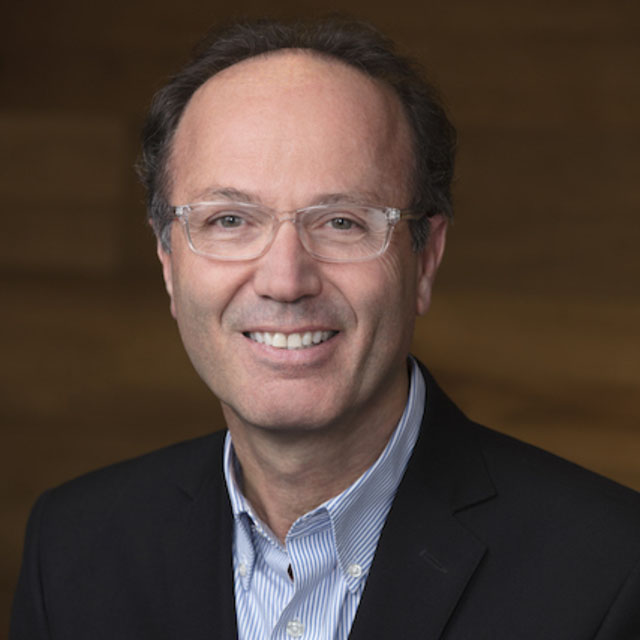
Daniel Davis is a tenured Professor in the Department of Architecture at the University of Hartford's College of Engineering, Technology, and Architecture. With over 30 years as a registered architect across multiple states and a background in professional practice, he bridges academic instruction with real-world design experience. Education: MArch and BArch from Pratt Institute; BS in Architecture from Catholic University His research emphasizes integrative architectural education, focusing on curriculum innovation that unifies engineering, art, and industry collaboration. Publications span topics like sustainability, construction management, and project delivery methods. Recent articles highlight his work in developing multidisciplinary programs and industry-aligned teaching methodologies. Awards include prestigious design accolades for professional projects. Scientific Awards: Prestigious design awards Davis has served on numerous university committees and search panels, including roles in accreditation (ABET, NAAB) and strategic planning. His professional experience includes leadership positions at firms like Fletcher Thompson and Friar Associates.
Timothy J. Silverman is a Senior Scientist and Research Fellow at the National Renewable Energy Laboratory (NREL), specializing in photovoltaic technologies and solar panel reliability. His work focuses on degradation mechanisms, accelerated testing methods, and enhancing solar energy production. Education: Bachelor’s in Mechanical Engineering, Arizona State University PhD in Mechanical Engineering, University of Texas at Austin Research Interests: Photovoltaic module durability under mechanical, thermal, and chemical stress Accelerated testing for degradation (electroluminescence/photoluminescence imaging) Performance analysis of emerging PV technologies (perovskite, III-V, CIGS) Strategic analysis for DOE Solar Energy Technologies Office Scientific Awards: PECASE (Presidential Early Career Award for Scientists and Engineers) NREL Distinguished Member of Research Staff (2024) Collaborations: Active in cross-institutional research on photovoltaics, thin films, and metal halide perovskites.
Bülent Güloğlu is a Professor at the Department of Economics, Istanbul Technical University, specializing in econometric modeling, financial markets, and energy economics. His research spans nonlinear tail dependencies, structural change analysis, and sustainable development. Research interests include: Quantile regression applications in banking risk analysis Nonlinear dynamics in energy-agricultural commodity markets ESG metrics and corporate risk dependency Energy productivity in Türkiye's economic transformation Financial contagion and market interconnectivity Recent publications focus on sustainable photovoltaic policies, tail dependence analysis, and AI-enhanced decision models. His work has received Scopus citations and a Best Paper award in 2017. Scientific awards: Best Paper Prize, Istanbul Technical University (2017) Current projects include ESG risk analysis, energy efficiency impacts on carbon emissions, and nonlinear energy market modeling.
Michael Katz is an Assistant Professor in the Clinical Psychology Doctoral Program at Long Island University (LIU) Post, within the College of Liberal Arts and Sciences, Department of Psychology. He earned his Ph.D. in Clinical Psychology from Adelphi University's Derner School of Psychology and completed a clinical fellowship at Mount Sinai Hospital's WTCMHP, focusing on trauma in 9/11 responders. B.Sc. – Tel Aviv University M.A. – Academic College of Tel Aviv-Jaffa M.A., Ph.D. – Derner School of Psychology, Adelphi University Dr. Katz's research centers on psychotherapy process and outcome, with a focus on two main areas: (1) variations in psychotherapy techniques—especially psychodynamic and cognitive-behavioral—and their impact on treatment effectiveness, and (2) the phenomenon of crying in psychotherapy and its relationship to therapeutic alliance, attachment, and emotional change. He also investigates grief, trauma, and integrative approaches to therapy. His work bridges psychodynamic theory with empirical methodologies through his leadership of the Psychotherapy, Integration, and Emotion (PIE) Lab at LIU. His recent publications reveal strong trends in analyzing emotional expression (particularly crying), adherence and flexibility in therapeutic technique, and the integration of psychotherapeutic models. These studies employ both quantitative and qualitative methods, often involving collaboration with leading researchers like Mark Hilsenroth. His work appears in high-impact journals such as Psychotherapy , Journal of Psychotherapy Integration , and Counselling and Psychotherapy Research . Society for Psychotherapy Research (2016–present) Dr. Katz has presented his research at major international conferences including the Society for Psychotherapy Research (SPR) and the American Psychoanalytic Association. His work has contributed to understanding therapist behavior, patient experiences, and the dynamics of therapeutic change. While no specific grants or awards are mentioned in the text, his consistent publication and presentation record indicate active research engagement and scholarly productivity. He leads the Psychotherapy, Integration, and Emotion (PIE) Lab at LIU, which focuses on integrating psychodynamic roots with empirical research to enhance clinical utility. The lab's work emphasizes real-world applicability and the scientific validation of therapeutic practices.
Dr. Ahamed Idris is a tenured Professor of Surgery and Internal Medicine at the University of Texas Southwestern Medical Center (UTSW) who has been active in clinical practice of emergency medicine at Parkland Memorial Hospital since 2003. He serves as Director of Emergency Medicine Research in the Division of Emergency Medicine and Chair of IRB 4 at UTSW. His professional affiliations include being a Past National Chair of Basic Life Support for the American Heart Association, a member of the National Emergency Cardiovascular Care Committee, and a consultant to the National Institutes of Health Cardiovascular Special Emphasis Panel. Dr. Idris's research focuses on emergency medicine with particular emphasis on cardiopulmonary resuscitation, cardiac arrest treatment, and emergency cardiovascular care. His work explores optimal chest compression techniques, impedance threshold devices, and the physiological mechanisms underlying successful resuscitation. He has made significant contributions to understanding the relationship between chest compression parameters and survival outcomes, as well as innovative approaches to managing cardiac arrest in both prehospital and hospital settings. His most recent publications demonstrate consistent research productivity in resuscitation science, with particular focus on chest compression metrics, airway management during cardiac arrest, and the application of impedance threshold devices. These works represent collaborative efforts within the North American Resuscitation Outcomes Consortium and have shaped current emergency medical protocols. Bronze Star Medal (US Army) American Heart Association National Outstanding Service Award (2003) Inducted into NASA Space Technology Hall of Fame (2008) Fellow of the American Heart Association Fellow of the American College of Emergency Physicians Inaugural Fellow of the American Heart Association's Council on Cardiopulmonary and Critical Care Dr. Idris serves as Director of the Dallas-Fort Worth Center for Resuscitation Research sponsored by the National Institutes of Health, recognized as the most productive organization in the North American Resuscitation Outcomes Consortium. He previously served as Director of the NASA Human Space Flight Rescue Team for the Space Shuttle and continues to consult with NASA. His leadership extends to chairing IRB 4 at UTSW and assisting medical students, fellows, and faculty with research project design and grant proposals. He also serves on the Integrated Research Team Steering Committee for Advanced Capabilities for Combat Medics with the US Army Medical Research and Materiel Command.
Katja Mann is an Associate Professor at Copenhagen Business School with affiliations to the Pension Research Centre (PeRCent) at CBS and as a visiting researcher at Danmarks Nationalbank. She serves as an Associate Editor at the European Economic Review. Current research focuses on automation technology, demographic aging, inequality, and their macroeconomic implications Specializes in integrating macroeconomic models with micro data Research Trends : Her recent publications analyze automation's economic impacts through patent text analysis, pension reform effects on wealth distribution, and capital allocation efficiency in globalized economies. The work combines theoretical modeling with empirical validation using large-scale datasets. Key Contributions : Developed automated patent classification systems Quantified automation's regional economic impacts Evaluated pension reform policies Analyzed financial integration mechanisms
Lori D. Johnson is the Terry Pollman Professor of Law at the William S. Boyd School of Law, University of Nevada, Las Vegas (UNLV), where she has been a faculty member since 2010. She teaches core courses including Business Organizations, Professional Responsibility, Contract Drafting, and Legal Writing, contributing significantly to both doctrinal and skills-based legal education. Her research centers on the intersections of transactional legal practice, ethics, and rhetoric. Professor Johnson explores how narrative and language shape legal duties and professional identity, particularly within transactional law. She is deeply committed to legal pedagogy, with a focus on supporting first-generation law students and improving transactional skills instruction across the curriculum. Her recent scholarship spans topics such as technology competence in legal practice, the ethics of non-traditional contract formats, rhetorical analysis in drafting, and inclusive teaching strategies. These works reflect a consistent trend toward interdisciplinary inquiry, combining legal theory, ethics, and communication studies to enhance both legal practice and education. 2025 Liberty Bell Award from the Clark County Bar Foundation Terry Pollman Professor of Law Professor Johnson is actively involved in national legal education organizations, particularly the Legal Writing Institute (LWI), where she was elected to the Board of Directors in 2024 and served as Chair of the Program Committee for the 2025 Rocky Mountain Legal Writing Conference. She regularly presents at major conferences including the Association of American Law Schools (AALS) and the Legal Writing Institute Biennial Conference, often on topics related to teaching methods, legal ethics, and faculty development. Her service includes panel presentations, leadership on steering committees, and webinars for legal professionals. She is also engaged with broader legal communities through service on the Board of Directors of the Legal Writing Institute and participation in initiatives aimed at improving the status and support of legal writing faculty nationwide.
Pagona Maravelaki is a Full Professor at the Technical University of Crete's School of Architecture, specializing in cultural heritage conservation materials. She founded the Laboratory of Materials for Cultural Heritage and Modern Building (MaCHMoB), leading research on stone preservation, lime-based mortars, and nanotechnology applications. Education: Chemist (NKUA 1983), PhD in Chemical Science for Conservation (Ca Foscari University of Venice 1992) Projects: H2020 InnovaConcrete, Erasmus+ Eureca-Pro, COST Actions Leadership: RILEM Technical Committee WP Coordinator, European Committee for Standardization expert Her research focuses on: Lime-based mortars with nano-additives Laser diagnostics/conservation Eco-friendly coatings for thermal insulation Historical mortar characterization Self-cleaning nanomaterials Recent publications emphasize lime mortars, nanocomposites, and sustainable construction. She has over 180 publications and 1 patent, with citations exceeding 2900 (Google Scholar). Awards include the Oslo Opera House Carrara Marble Competition and Top 2% Scientists ranking (2021). She has directed 25 national/European projects as Principal Investigator and coordinated international initiatives like RILEM TC 277-LHS.
Hegang Chen, PhD, serves as Professor in the Department of Epidemiology and Public Health at the University of Maryland School of Medicine. He is a lead statistician for the General Clinical Research Center (GCRC) and member of the Hormone Responsive Cancers Program within the Marlene and Stewart Greenebaum Cancer Center, with extensive collaborative experience in clinical trials and epidemiological research since joining in 2002. His academic credentials include: Ph.D. in Statistics from the University of Illinois M.S. in Mathematics from the University of Mississippi Dr. Chen's research centers on statistical methodology development—including optimal experimental design, generalized mixed linear models, and machine learning applications for molecular biology and real-time clinical decision support (e.g., predicting blood transfusion needs)—and biomedical collaborations spanning cancer, infectious diseases, trauma, public health, and pharmacogenomics. His work has been published in premier journals like Nature, JAMA, and Annals of Statistics. Analysis of his recent publications (2020-2025) reveals a dominant focus on predictive analytics for traumatic brain injury outcomes, blood transfusion prediction, and lung cancer diagnosis using real-time physiological monitoring and machine learning. This trend demonstrates a translational shift toward operationalizing statistical methods in critical care decision support systems. No scientific awards were mentioned in the provided text. While no specific advisees are listed, Dr. Chen's leadership in the GCRC and extensive collaborative network across trauma, oncology, and global health indicate active mentorship within multidisciplinary teams. His grant involvement is evidenced by NIH-funded GCRC work and high-impact publications in clinical domains. Dr. Chen maintains key affiliations with the General Clinical Research Center as lead statistician and the Hormone Responsive Cancers Program, where he integrates advanced statistical methodologies into translational cancer research and clinical trial design.
David Hoffman is a Professor in the Department of Public Affairs at the Marxe School of Public and International Affairs, Baruch College, City University of New York. His academic career spans over two decades, with a focus on the intersection of rhetoric, history, and politics. He has taught numerous courses including Rhetoric and Public Affairs, Civic and Political Speech-Making, and Communication in Public Settings. Hoffman received his Ph.D. in Communication Studies from the University of Iowa in 2000, following an M.A. in Rhetoric and Communications from Temple University and a B.A. in Communications from the University of Pittsburgh at Johnstown. His educational background also includes specialized training in Rhetorics of Inquiry at the University of Iowa. Professor Hoffman's research centers on classical rhetorical theory and rhetorical criticism of political figures, both historical and contemporary. His work explores how language shapes political understanding, with particular attention to Thomas Paine's writings, urban renewal narratives, and the rhetoric of social movements. He has conducted communication development sessions for major New York institutions including the Leadership Academy, NYC Health and Hospitals Corporation, and the Greater New York Hospital Association. His research methodology spans traditional rhetorical analysis to cutting-edge digital humanities approaches for textual analysis. An analysis of Hoffman's recent publications reveals a consistent focus on the rhetoric of religion and politics, particularly examining Thomas Paine's works and their historical context. His scholarship demonstrates a methodological evolution from traditional rhetorical criticism to incorporating digital humanities tools. The publications also show increasing engagement with practical applications of rhetorical theory in public policy contexts, especially regarding urban governance and democratic deliberation. Multiple Faculty Achievement Awards (2003-2012) Mellon Fellow at the Center for the Humanities, CUNY Grad Center (2008) Spring Best Dissertation Award from American Society for the History of Rhetoric (2000) Center for Advanced Technology Certificate from Temple University (2000) Top paper selection for 'Cross-Examining Scripture' (2011) Professor Hoffman has secured multiple research grants through the PSC-CUNY program, including projects on collective memory in Gallipoli commemorative speeches, mayoral crime rhetoric, and systematic differences between presidential and mayoral speeches. His service includes chairing the Diversity Committee and serving on numerous college committees including the Academic Review Committee and Curriculum Committee. He has also been active in professional organizations including the Rhetoric Society of America and the American Society for the History of Rhetoric, serving on editorial review boards and as a conference panel reviewer.
Prof. Dr Dragan Tasić is a distinguished Professor at the Power Engineering Department of the Faculty of Electronic Engineering, University of Niš, Serbia. With decades of academic and research experience, he has established himself as a leading expert in power transmission, power system components, and electrical cable technology. His work spans theoretical research, practical applications, and educational contributions to the field of electrical engineering. Dr. Tasić's research interests focus on power transmission systems, electrical cable technology, relay protection, power system analysis, and grounding systems. His work particularly emphasizes thermal aspects of power cables, electrical energy losses in distribution networks, and innovative solutions for improving cable performance. He has pioneered research on thermal management of underground cables, including the use of hydronic asphalt pavements and cool pavements to eliminate hot spots and increase cable ampacity. His publication record demonstrates consistent productivity with numerous books, journal articles, and conference papers spanning over three decades. Recent research (2019-2023) shows continued innovation in areas such as thermal aging management of underground cables, photovoltaic system integration, and optimization of distribution networks with energy storage. His work frequently employs advanced computational methods including Finite Element Method (FEM) and hybrid optimization algorithms. Dr. Tasić has led and participated in numerous significant research projects funded by Serbian government agencies, focusing on energy efficiency, power system optimization, and technological improvements in electrical distribution networks. His work has practical applications in the Serbian power industry and contributes to international knowledge in electrical engineering. As an educator, Dr. Tasić has contributed to curriculum development and has authored multiple textbooks that are widely used in electrical engineering education in Serbia. His teaching focuses on core power engineering subjects including power transmission, electrical networks, and power cable technology.
Xinliang Feng is W3 Chair Professor and Head of the Chair of Molecular Functional Materials at Technische Universität Dresden and, since 2021, Director of the Department of Synthetic Materials and Functional Devices at the Max Planck Institute of Microstructure Physics . His career also includes group leader roles at the Max Planck Institute for Polymer Research and adjunct professorships at Shanghai Jiao Tong University. Education Bachelor in Analytic Chemistry (2001) Master in Organic Chemistry (2004) PhD in Polymer Research, Max Planck Institute for Polymer Research (2008) Research Interests Prof. Feng’s research spans the design and synthesis of novel polymers, supramolecular π-conjugated systems, bottom-up fabrication of graphene nanoribbons, 2D polymers for opto-electronics and spintronics, and advanced 2D materials for energy storage and conversion technologies. His group pioneers electrochemical exfoliation methods and integrates novel carbon-rich architectures into next-generation energy devices. Scientific Output With over 910 publications amassing >107 k citations (WoS h-index 161; Google Scholar ≥176), his work is widely recognized across chemistry, materials science and nanotechnology. Honors & Awards Member of the German Academy of Sciences Leopoldina Member of Germany’s National Academy of Science and Engineering (acatech) Member of the Academia Europaea & European Academy of Sciences ERC Starting, Proof-of-Concept and Consolidator Grants EU-40 Materials Prize, Hamburg Science Award, Small Young Innovator Award Highly Cited Researcher (multiple years) Professional Service & Grants Spokesperson, DFG Collaborative Research Center SFB 1415 “Chemistry of Synthetic 2D Materials” Work Package Leader, EU GRAPHENE FLAGSHIP Editorial/Advisory roles for Nature family journals, Advanced Materials, Chemical Science, Small Methods, EnergyChem and many others Panel member and reviewer for ERC, DFG, NSF, NSFC, DOE, ANR and other major funding bodies worldwide Labs & Teams He leads the Chair of Molecular Functional Materials at TU Dresden and heads the Department of Synthetic Materials and Functional Devices at the Max Planck Institute of Microstructure Physics, coordinating interdisciplinary teams across synthetic chemistry, materials physics and device engineering.
James P. Beasley serves as Associate Professor in the Department of English at the University of North Florida, specializing in Composition Studies, Rhetoric, and Writing Program Administration. His scholarly identity centers on historical and institutional dimensions of rhetorical practice with contemporary applications in technology and social justice. He earned his PhD in Rhetoric and Composition with secondary specialization in Writing Program Administration from Purdue University in 2007, establishing foundational expertise in disciplinary historiography. His research trajectory reveals three interconnected strands: 1) Institutional rhetoric examining University of Chicago's program development and CCCC's formative conferences; 2) Civil rights advocacy through community-based historical documentation; and 3) Emerging technology implications for rhetorical theory, particularly augmented reality's perceptual effects. Beasley's publications demonstrate methodological range across historical analysis, theoretical critique, and digital experimentation. His 2018 monograph on University of Chicago rhetoric established institutional case study frameworks later applied to civil rights history projects like the 2022 panel session documenting local Jacksonville activism. The recurring theme across his work is rhetoric's role in shaping community knowledge systems through both traditional academic channels and public-facing engagement. Collaborative scholarship features prominently in his profile, evidenced by multi-contributor projects such as the civil rights history initiative involving community stakeholders and academic colleagues. This reflects his commitment to bridging institutional scholarship with community-based knowledge production.
Kim Kyung-min is an Associate Professor and current Department Head of the Department of Child and Family Studies at Seoul National University's College of Human Ecology. He also holds adjunct professor positions in the Department of Regional and Spatial Analysis and the Department of Applied Data Science at Seoul National University's Graduate School. Additionally, he serves as an Associate Professor in the Well-Aging and Senior Industry Top-Level Program (AWASB) and maintains a research fellowship at the Gerontology Institute of the University of Massachusetts Boston. Ph.D., Human Development and Family Studies, Pennsylvania State University (2012) Master's degree in Child and Family Studies, College of Human Ecology, Seoul National University (2004) Bachelor's degree in Consumer and Child Studies, College of Human Ecology, Seoul National University (2002) Dr. Kim's research focuses on family gerontology, adult development and aging, and intergenerational relationships across the lifespan. His work examines how midlife experiences such as retirement, health issues, dementia, caregiving, and bereavement impact individuals and families. His Family Development and Gerontology Laboratory investigates the dynamics of family relationships in midlife and old age, with particular attention to how social and cultural contexts influence geriatric development and the aging process. His current research projects address family relationships, dementia, and family support in aging populations. Analysis of Dr. Kim's recent publications reveals a strong emphasis on dementia caregiving, intergenerational relationships, and the psychological well-being of aging populations. His work frequently employs dyadic and longitudinal approaches to understand relationship dynamics between aging parents and their adult children. There is a clear focus on Korean aging populations while maintaining international comparative perspectives, particularly with U.S. populations. His research increasingly incorporates digital communication patterns, residential preferences, and financial behaviors of midlife and older adults. Dr. Kim serves in significant editorial and leadership roles including Associate Editor of Research on Aging (2018-present), Editorial Board Member for the Journal of Marriage and Family (2021-present), and Director of the Korean Gerontological Society (2023-present). He has also served on the U.S. National Institutes of Health (NIH) Scientific Review Panel (2020). Dr. Kim actively mentors graduate students, with several master's students having completed their degrees under his supervision including Kim Na-hyun (2024), Yoo Ha-eun (2025), and Eun-ju Lee (2025). His research is supported by numerous grants including projects funded by KB Life Insurance, the Singapore Ministry of Social and Family Development, the National Institute on Aging (NIA), and the Korean National Research Foundation. His current projects examine topics such as regional balanced growth clusters, daily experiences of senior housing residents, grandparenting exchanges in sandwiched families, and leisure activities for seniors in Seongnam City. Dr. Kim directs the Family Development and Gerontology Laboratory at Seoul National University, which conducts research on intergenerational, marital, and kinship relationships in midlife and old age. The lab examines how midlife experiences impact individuals and families across the lifespan, with particular attention to retirement, health issues, dementia, caregiving, and bereavement. The laboratory maintains strong international collaborations, particularly with researchers at the University of Massachusetts Boston, and participates in the BK21 Regional Resilience Convergence Talent Education Research Group.
James A. Duffy is an Associate Professor of Economics at the University of Oxford and the Andrew Glyn Tutorial Fellow at Corpus Christi College. He joined Corpus in 2016 after a postdoctoral fellowship at Nuffield College, Oxford, and holds dual appointments in the Department of Economics and his college. His educational background includes: PhD in Economics from Yale University (2014) Undergraduate studies in Economics and Mathematics at the University of Sydney Duffy's research centers on econometrics, with emphasis on macroeconometrics and time series analysis. He develops statistical methods for economic models involving nonlinear or highly persistent time series data, common in macroeconomics and finance. His work spans econometric theory , mathematical statistics , cointegration , and structural macroeconomic models , addressing inference challenges in strongly dependent processes. His 2016-2024 publications in premier journals reveal consistent innovation in time series methodology, particularly in unit root processes, fractional integration, and nonlinear cointegration. Key contributions include Tobit modeling for dynamic systems, robust inference for weakly nonstationary data, and discrete choice estimation techniques, bridging theoretical rigor with empirical applications. At Oxford, Duffy serves as course convenor for Quantitative Economics and lectures for the MPhil programme on instrumental variables, generalized method of moments, and maximum likelihood estimation. He also provides undergraduate tutorials in Microeconomics and Quantitative Economics at Corpus Christi College, integrating research insights into teaching.