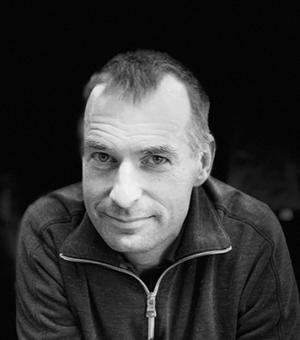
Aylwyn Scally is a researcher at the Department of Genetics, University of Cambridge, specializing in human evolutionary genetics and ancestry. His work focuses on computational and mathematical models of genome evolution, leveraging population-scale datasets and archeogenetic evidence to explore ancient human populations and their spatial dynamics. University: University of Cambridge Department: Department of Genetics Fields of Interest: Human Evolutionary Genetics, Population Genetics, Ancestry Analysis, Paleobiology, Environmental Genomics, Genome Evolution Scally's research integrates spatial dynamics into genetic models, offering insights into demographic, social, and cultural factors in ancient populations. His methodologies have broader applications for studying other species as genomic data becomes available. Recent publications highlight his work on mutation rate analysis, historical migration patterns, and ancestral population structures. These studies often employ computational simulations and large-scale genomic datasets to address evolutionary questions. He is associated with the Cambridge NERC Doctoral Landscape Awards (CREATES) and C-CLEAR DTP, contributing to training and collaborative research in genetics and environmental genomics.
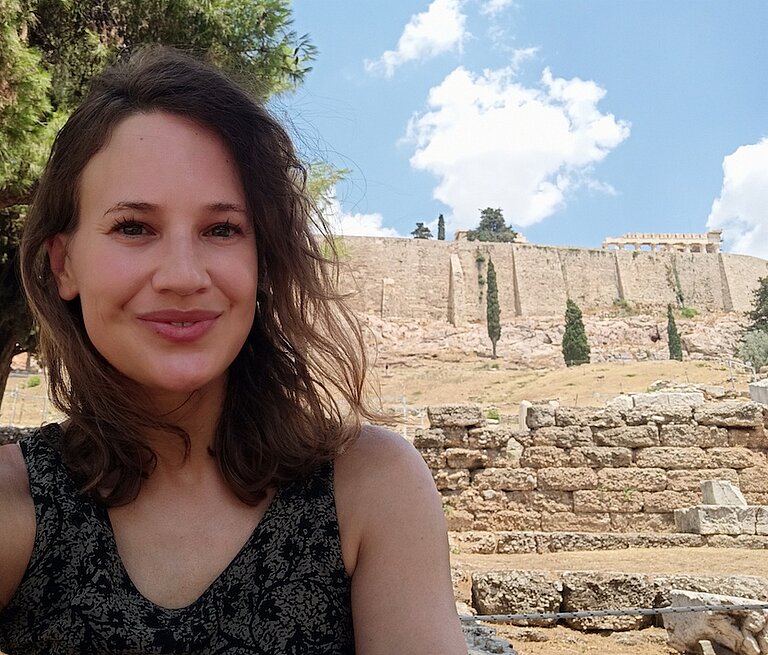
George Perry is a Professor of Anthropology at Pennsylvania State University, with research intersections in Biology, Evolutionary Medicine, and Genomics. He is affiliated with the Huck Institutes' Center for Infectious Disease Dynamics, Ecology, Molecular Cellular and Integrative Biosciences, and Bioinformatics and Genomics programs. Perry directs the Anthropological Genomics Lab , focusing on paleogenomics and evolutionary adaptation. Research areas: anthropological genomics, parasite evolution, human body size transitions, and evolutionary medicine Key collaborations: international teams in Madagascar, Europe, and Africa Leadership: Bioinformatics and Genomics Chair (2019–2023) His 2025–2022 publications span evolutionary responses to invasive species, human migration health impacts, chemosensory gene adaptation, and primate genomic diversity. Notable methodological contributions include ancient DNA recovery and comparative paleogenomics. Perry advises graduate students like Vanessa Garcia and Annette Mercedes, with grants including NIH support for Cuban health disparity studies. Scientific leadership includes tenure-line promotions (2023) and NASA Space Grant collaborations.
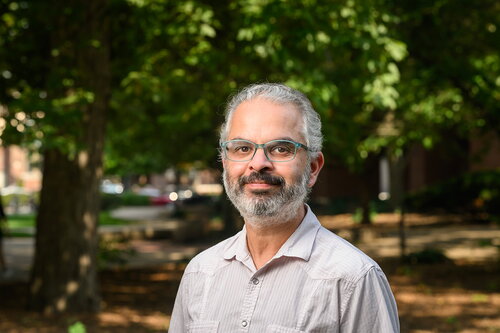
Jan Bill is Professor of Viking Age Archaeology at the University of Oslo's Department of Archaeology and curator of the Viking Ship Collection at the Museum of Cultural History since 2007. His academic trajectory includes leadership roles at the Viking Ship Museum in Roskilde (2003-2007) and the Centre for Maritime Archaeology at Denmark's National Museum (1997-2003), where he progressed from PhD researcher to deputy director. His research centers on Viking Age and medieval archaeology, specializing in seafaring, burial practices, and scientific methodologies. Key investigations focus on Norwegian ship burials (Oseberg, Gokstad) to decode power representation through funerary rituals, and seafaring's role in societal complexity. His interdisciplinary approach integrates archaeology with genetics, geochemistry, and digital humanities. Recent publications reveal dominant trends in Viking Age genomics, ship burial reinterpretation, and geoarchaeological analysis of settlements. Major themes include population migrations, ancient pathogens, trade networks, and landscape reconstruction, often through large-scale collaborations like the Population Genomics of the Vikings project. Scientific recognition includes: Aage Rothenborgs Endowment (2017) for contributions to early medieval Scandinavian maritime culture Bill currently supervises two PhD candidates and leads significant grants including the Gokstad revitalised research project, Saving Oseberg Project, and Gjellestad excavation. His grant portfolio emphasizes interdisciplinary Viking Age studies combining archaeology with DNA analysis and geophysical surveying. He directs the Centre for Viking-Age Studies (ViS) and contributes to INTER-Action research group. Critical institutional work involves developing the new Museum of the Viking Age and steering major conservation initiatives like the ADED project for archaeological digital documentation.
Hernan Eduardo Morales Villegas is an Associate Professor at the Section for Hologenomics within the Globe Institute of the University of Copenhagen, holding dual affiliations with the Faculty of Science and Faculty of Health and Medical Sciences. His research bridges evolutionary biology and conservation science through genomic approaches to biodiversity crises. Dr. Morales specializes in genomic erosion—the loss of genetic diversity during population collapse—and its implications for extinction risk and species recovery. Leading the Evolutionary and Conservation Genomics Group, he integrates paleogenomics, evolutionary modeling, and quantitative analyses to study endangered species, museum specimens, and simulated evolutionary dynamics. His work spans adaptation mechanisms, speciation processes, and conservation genetics, with emphasis on how anthropogenic pressures alter genomic landscapes across taxa. Recent publications (2019-2025) reveal a cohesive research trajectory applying genomic tools to urgent conservation challenges. Studies on the kākāpō, woolly mammoth, and Iberian wolf demonstrate how genetic load, adaptive introgression, and habitat fragmentation influence species resilience. His work increasingly focuses on predictive modeling of genomic erosion dynamics, with methodologies evolving from single-species analyses toward cross-taxon comparative frameworks that inform conservation prioritization. As director of the Evolutionary and Conservation Genomics Group, Morales fosters international collaborations evidenced by multi-institutional publications in high-impact journals. His research attracts significant scientific attention, with studies covered by hundreds of news outlets and cited extensively in policy discussions, highlighting the translational impact of genomic insights for biodiversity conservation in the Anthropocene.
Professor Greger Larson is a leading scholar in evolutionary genomics and bioarchaeology at the University of Oxford, serving as Director of the Palaeogenomics & Bio-Archaeology Research Network. Based at Brasenose College, he specializes in ancient DNA studies, domestication processes, and human-animal dispersal patterns. His work bridges archaeology, genetics, and computational biology to address long-standing evolutionary questions. University of Oxford: Current affiliation Palaeo-BARN: Director Research focus: Domestication, ancient DNA, phylogenetics Larson's research integrates ancient DNA with morphological data to reconstruct evolutionary trajectories. His projects span mammals like dogs, cats, and pigs, exploring how domestication shaped modern biodiversity. Recent work examines viral virulence through archaeological samples and interdisciplinary analyses of historical human-animal interactions. His publications highlight trends in domestication genetics, including dual dispersal patterns in dogs and genetic shifts in post-introduction populations. Collaborative efforts like the FarmGtex project emphasize functional genomics across livestock tissues. Supervision includes DPhil students studying epidemiological transitions, Basque uniqueness, and bioarchaeological methods. Current grants from AHRC and ERC support his work on human-chicken interactions and ancient DNA synthesis.
Alissa Mittnik is a Group Leader at the Department of Archaeogenetics, Max Planck Institute for Evolutionary Anthropology in Leipzig, Germany. She leads the 'MySocialBeIng' group, focusing on integrating archaeoscience to reconstruct social systems like kinship, gender roles, and mobility patterns in ancient societies. Her work bridges genetics, archaeology, and cultural studies to understand prehistoric populations. Education: PhD in 2016: University of Tübingen (Investigating Social Dynamics via Ancient DNA) Studies in Biology at Washington University (USA), University of Rostock, and University of Tübingen Research Interests: Genetic correlates of cultural transitions and social hierarchies Mobility in the ancient Mediterranean Archaeogenetic analysis of prehistoric populations Applications of ancient DNA to reconstruct migration and kinship networks Key Projects: Co-led the 'Times of Upheaval' project (2016-2018) on Bronze Age societal changes Published extensively on European, Mediterranean, and African prehistoric populations Lab/Team: Her group combines genomic, isotopic, and archaeological data to address questions about human migration, social organization, and cultural evolution.
Ripan S. Malhi is a Professor in the Department of Anthropology at the University of Illinois at Urbana-Champaign, with additional affiliations in Evolution, Ecology, and Behavior; American Indian Studies Program; and the Carl R. Woese Institute for Genomic Biology. His research integrates molecular anthropology and genomics to study human and animal evolutionary history. Primary Affiliation : Department of Anthropology, College of Liberal Arts & Sciences Collaborative Roles : Carl R. Woese Institute for Genomic Biology, American Indian Studies Program Malhi's work focuses on ancient DNA analysis, mutualistic human-animal relationships, and Indigenous population genomics. Recent studies include genomic investigations of historic lion populations, Pleistocene human-canid interactions in Alaska, and genetic continuity in the Blackfoot Confederacy. His lab employs interdisciplinary approaches combining archaeology, biology, and Indigenous community partnerships. Recent publications highlight collaborations with colleagues in genomics, ecology, and archaeology. Key themes include biomarker analysis, colonial-era biodiversity impacts, and prehistoric human migration patterns. The Malhi Molecular Anthropology Laboratory serves as a hub for these investigations. Contact: Department of Anthropology, 607 S. Mathews Ave., Urbana, IL 61801 | Phone: 217-265-0721 | Email: malhi@illinois.edu
George M. Church is a Professor of Genetics at Harvard Medical School and affiliated with MIT, where he directs PersonalGenomes.org, providing open-access genomic, environmental and trait data. His laboratory focuses on transformative technologies for reading and writing 3D/4D biological structures with attention to ethics, safety, and equitable access. Church has co-initiated major scientific initiatives including the BRAIN Initiative (2011) and multiple Genome Projects (GP-Read-1984, GP-Write-2016, PGP-2005). Church's research spans multiple cutting-edge domains including genome engineering, synthetic biology, aging reversal, and space genetics. His lab pioneered foundational methods for direct genome sequencing, molecular multiplexing and barcoding in 1984, leading to the first genome sequence in 1994. His innovations contributed to nearly all next-generation DNA sequencing methods and companies. Current research directions include machine learning for protein engineering, tissue reprogramming, organoids, gene therapy, and in situ 3D DNA/RNA/protein imaging. His work bridges fundamental biology with therapeutic applications across diverse fields from Alzheimer's disease to de-extinction biology. Church's recent publications reveal a remarkable breadth of scientific inquiry, spanning from fundamental genome editing techniques to applications in aging research, neuroscience, and space biology. His work increasingly integrates artificial intelligence with biological systems, as seen in papers on machine-guided cell-fate engineering and automation of systematic reviews with large language models. His research maintains a strong translational focus, with numerous papers addressing therapeutic applications in cancer immunotherapy, gene therapy, and diagnostics. The consistent theme across his diverse publications is the development and application of transformative technologies to address fundamental biological questions and medical challenges. National Academy of Sciences (NAS) membership National Academy of Engineering (NAE) membership Franklin Bower Laureate for Achievement in Science Co-initiator of the BRAIN Initiative (2011) Director of multiple NIH Centers for Excellence in Genomic Science (2004-2020) Church directs numerous research centers including the NIH-CEGS, Personal Genome Project (PGP), Lipper Center for Computational Genetics, and Wyss Institute Synthetic Biology center. His laboratory has trained PhD students across multiple Harvard and MIT programs including Biophysics, BBS, Biomedical Informatics, ChemBio, Chemistry, SSQB, MCO, Virology, HST, EE/CS, Physics and Applied Math. His commercial impact is extensive through companies spanning medical diagnostics (Knome/PierianDx, Alacris, Nebula, Veritas) and synthetic biology/therapeutics (AbVitro/Juno, Gen9/enEvolv/Zymergen/Warpdrive/Gingko, Editas, Egenesis). Church also pioneered new privacy, biosafety, ELSI, environmental and biosecurity policies. The Church Lab operates across multiple research domains including molecular multiplexing, next-generation sequencing, nanopore technology, and genome engineering. The lab maintains strong connections with the Personal Genome Project, Wyss Institute, and multiple commercial ventures. Current research directions include the Spatial Atlas of Human Anatomy (SAHA), human skin rejuvenation via mRNA, and space genetics research through the Consortium for Space Genetics and BioAstra. The lab's mission focuses on transformative technologies for reading and writing 3D/4D structures at any scale, inspired by but not limited by biology.
Birgitte Skar is an Associate Professor and Collection Manager for the Stone Age and Bronze Age at the Department of Archaeology and Cultural History, NTNU Science Museum. Her research focuses on Mesolithic and Neolithic adaptations, biomolecular studies, submerged landscapes, and cultural heritage protection. She leads the SCAPES project (2025-2028), funded by RCN FRIPRO, exploring social complexity through biomolecular data. Her work integrates archaeology with genetics and isotopic analysis, addressing topics such as migration patterns, dietary practices, and social stratification in prehistoric societies. Key contributions include studies on Scandinavian Neolithic pathogens, Viking Age genetic diversity, and Mesolithic mobility in Fennoscandia. She advises numerous master’s students and collaborates with institutions like the University of Bergen and the Swedish Museum of Natural History. Publications span high-impact journals like Nature and Cell , alongside museum exhibitions and policy-oriented reports on heritage management. Her research often bridges natural sciences and humanities, emphasizing interdisciplinary approaches to understanding human-environment interactions.
Giovanni Giuseppe Vendramin is a Research Director at the Institute of Biosciences and BioResources (IBBR) within Italy's National Research Council (CNR), based in Florence. He holds a magna cum laude degree in Forest Sciences from the University of Florence (1981) and has held research fellowships at institutions including the USDA Forest Service (USA) and University of Göttingen (Germany). His career includes leadership roles as Director of IBBR and recognition as an Honorary Research Fellow at Bioversity International. Vendramin's research focuses on forest genetics, conservation genomics, and phylogeography. He investigates adaptive responses of trees to environmental change, genetic diversity patterns in glacial refugia, and conservation strategies for endangered species. His work employs genomic tools to study local adaptation, gene flow, and demographic history across Mediterranean and European tree species. Recent publications emphasize climate adaptation mechanisms, genomic signatures of selection, and conservation genetics. Articles from 2021-2023 predominantly explore genetic resilience to glacial cycles, microgeographical adaptation in conifers, and biodiversity conservation frameworks. Research integrates molecular ecology, paleoecology, and landscape genetics. Scientific Awards: Medal for distinguished Italian scientists (Accademia Nazionale delle Scienze, 2022) Honorary Doctorate (University of Zvolen, Slovakia, 2012) Vendramin has led over 35 national/international projects and advises graduate students and postdoctoral researchers. He coordinates an IUFRO unit and contributes to EU scientific commissions. His laboratory employs genomic techniques for biodiversity conservation, with collaborations across European research networks.
Alyssa Bader is an Assistant Professor in the Department of Anthropology at McGill University. She holds a Ph.D. from the University of Illinois at Urbana-Champaign (2019). Her research focuses on community-based, collaborative studies using paleogenomics, bioarchaeology, and stable isotope analysis to investigate diet, health, and socio-political dynamics in Indigenous communities of the Northwest Coast of North America. She emphasizes ethical, community-driven research partnerships with Indigenous nations and maintains affiliations with the Sealaska Heritage Institute and the Summer Internship for Indigenous Peoples in Genomics (SING) program. Currently, she is establishing an anthropological genomics lab at McGill dedicated to paleogenomic, contemporary genomic, and bioarchaeological research. Education: Ph.D. in Anthropology, University of Illinois at Urbana-Champaign, 2019 Research Interests: Dr. Bader’s work centers on integrating ancestral and contemporary Indigenous knowledge systems with genomic and archaeological sciences. She prioritizes decolonizing research practices through co-developed methodologies that empower Indigenous nations in genomic research. Her studies explore the intersection of biological evidence (e.g., isotopic data, DNA) with sociopolitical histories, emphasizing ethical frameworks for working with Indigenous communities and ancestral remains. Awards & Grants: While no specific awards are listed, her contributions to ethical genomics research and community partnerships reflect significant scholarly impact. She has been actively involved in policy development for Indigenous genomic studies through SING and co-authored pivotal papers on research ethics. Advising & Mentorship: As a faculty member in SING, she mentors Indigenous scholars in genomics. Her lab at McGill aims to foster collaborative training environments for students and researchers. Labs & Teams: She is developing a dedicated anthropological genomics lab suite at McGill, focusing on paleogenomic and bioarchaeological research with Indigenous community partnerships.
Fernando Gonzalez Candelas is a Professor in the Department of Genetics at the Faculty of Biological Sciences, Universitat de València, Spain. He leads the EVOSALUD research group (Evolution and Health: Experimental evolution and epidemiology), hosted within the Institute for Biological Systems Integration (I2SYSBIO). His work bridges evolutionary biology, genomics, and public health, focusing on microbial pathogens and their transmission dynamics. His research interests lie at the intersection of evolutionary genetics , genomic epidemiology , and infectious disease dynamics . He investigates the genetic basis of virulence, antimicrobial resistance, and host adaptation in pathogens such as SARS-CoV-2, Treponema pallidum , Klebsiella pneumoniae , and Candida auris . His group applies high-throughput sequencing, phylogenetics, and bioinformatics to understand short- and long-term pathogen evolution. The recent publications highlight a strong focus on real-time genomic surveillance of emerging pathogens, particularly during the COVID-19 pandemic. His work spans from technical improvements in sequencing and analysis (e.g., deletion repair, genotyping discrepancies) to large-scale epidemiological inference (e.g., transmission patterns, recombination, resistance evolution). A recurring theme is the use of both modern and ancient genomes to reconstruct the evolutionary history of pathogens. His scientific contributions are recognized through active participation in national and international research consortia such as RELECOV and SeqCOVID-Spain. He has contributed significantly to understanding the first wave of the pandemic in Spain and the evolution of SARS-CoV-2 variants. He earned his PhD from the Universitat de València in 1988 with a thesis on larval competition in Drosophila , indicating a long-standing interest in evolutionary processes. While no formal awards are listed in the provided text, his leadership in high-impact research and sustained publication record suggest significant recognition in his field. Fernando Gonzalez Candelas advises students and leads a research team focused on pathogen genomics. His lab, EVOSALUD, is actively involved in projects related to wastewater monitoring, nosocomial outbreaks, and the development of tools like VIPERA for viral intra-patient evolution analysis. The group’s work has direct implications for public health policy and clinical microbiology.
Rebecca Kimball is a Professor in the Department of Biology at the University of Florida , focusing on evolutionary biology through molecular techniques and field research. Her work spans three primary areas: phylogenetics for comparative studies, microevolutionary processes like mating systems and sexual selection, and linking genomic changes to organismal evolution. Education : Ph.D. (University of New Mexico, 1995) Research Themes : Phylogenetic reconstruction, genome-phenome mapping, sensory system evolution, and avian diversification. Her lab, the Braun-Kimball Lab , trains students in phylogenetics, computational biology, and population genetics. Current projects include galliform evolution, chemosensory systems in vultures, and hybridization studies in paradise flycatchers. She collaborates on NSF-funded phylogenomic initiatives and emphasizes rigorous lab practices, including long-term commitments for researchers and interdisciplinary training. Scientific Awards : No explicit awards listed, but her lab receives external grants (e.g., NSF, University Scholars Program). Advising & Grants : Mentors numerous graduate and undergraduate researchers. Lab members often co-author publications and pursue independent projects. Grants focus on phylogenomic tools and avian evolutionary questions. Labs & Teams : Leads the Braun-Kimball Lab, which engages in global collaborations (e.g., Field Museum, New York State Museum) and interdisciplinary work in genomics and ecology.
Federico Sánchez Quinto is a Visiting Researcher at Uppsala University's Department of Organismal Biology, specializing in ancient DNA analysis and population genomics. His work bridges evolutionary biology, archaeology, and anthropology to investigate human prehistory through genomic evidence. His research focuses on Population Genetics, Human Evolution, and Archaeogenetics, with specific expertise in Neolithic Scandinavian populations, Denisovan ancestry in Southeast Asia, and prehistoric migration patterns. He examines how genetic adaptations, pathogen evolution, and social structures shaped ancient societies, integrating genomic data with archaeological context to reconstruct human history. Recent publications reveal trends in analyzing ancient pathogen genomes, kinship systems in megalithic tombs, and high-impact discoveries like the Philippine Ayta's exceptional Denisovan ancestry. His methodological contributions to ancient DNA imputation enhance analytical precision in population genomics, while cross-disciplinary studies on Philippine migrations and Scandinavian adaptations demonstrate his field's expanding scope. Based at Uppsala University's Evolutionary Biology Centre (EBC), he collaborates within multidisciplinary teams combining genomics, archaeology, and anthropology. His research leverages institutional resources at Norbyvägen 18 C to advance understanding of human evolution through cutting-edge ancient DNA methodologies.
Addie Thompson is an Assistant Professor at Michigan State University's College of Agriculture & Natural Resources , affiliated with the Department of Plant, Soil and Microbial Sciences , Plant Resilience Institute , and Plant Breeding, Genetics, and Biotechnology Program . Her expertise spans maize genetics, genomics, and phenomics, with a focus on genotype-environment interactions. B.S. from Iowa State University Ph.D. from University of Minnesota Postdoctoral work at University of Minnesota & Purdue University Research focuses on drought stress adaptation , high-throughput phenotyping , and quantitative genetics in maize and sorghum systems. Current projects include computational modeling of crop traits, field phenotyping technologies, and cross-species stress response analysis. She leads maize genetics research while participating in national initiatives like the Genomes-to-Fields Initiative , with recent publications on phenotypic plasticity, hyperspectral imaging applications, and climate-resilient breeding strategies. Her work connects molecular genetics to agricultural productivity through advanced data modeling and field experimentation. Thompson directs the Thompson Maize Lab which focuses on: Maize and sorghum genotype-environment interactions Phenomics technologies for trait analysis Development of computational breeding tools Climate resilience trait discovery Historical genetic diversity patterns Agricultural workforce development