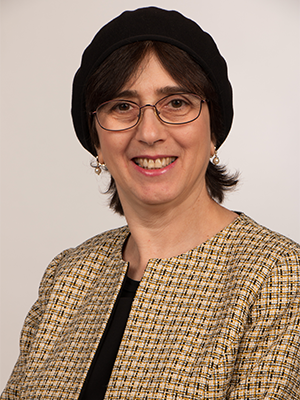
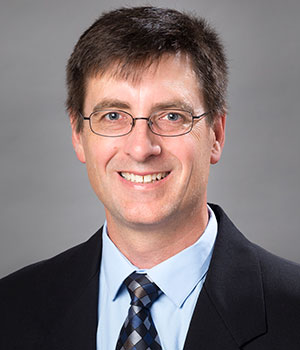
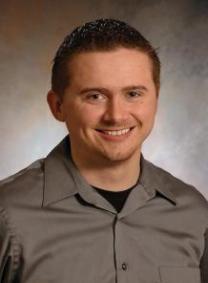
Lisa R. Merlin is a Teaching Professor at SUNY Downstate Health Sciences University , affiliated with the Department of Physiology and Pharmacology . Her research spans epileptogenesis , GABA and glutamate receptor dynamics , and medical curriculum reform . Education : MD (Medical Doctorate) Research Interests : Merlin investigates the basic mechanisms of epileptogenesis , focusing on group I metabotropic glutamate receptors and α4βδ GABAA receptors in adolescent seizure susceptibility. Her work aims to identify preventive strategies for post-trauma/post-stroke epilepsy and educational innovations in neuroscience. Article Trends : Recent collaborations center on systematic reviews in neurology , antiplatelet therapy , and longitudinal cognitive studies , reflecting her dual focus on clinical neuropharmacology and medical education . Scientific Awards : Clerkship Director Innovation Award Grants & Collaborations : Work with NIH study sections , Bob Wong , and Sheryl Smith on receptor pathways and curriculum development. No explicit grants mentioned. Labs & Teams : Collaborates with neurology and pharmacology teams at Downstate, including Peter Bergold and Michaelangelo Fuortes , on hippocampal excitability and epileptogenesis.
Dr. Philip R. Holland is a Reader in Neuroscience at King's College London, affiliated with the Wolfson Sensory, Pain and Regeneration Centre within the School of Neuroscience and the Institute of Psychiatry, Psychology & Neuroscience. His research focuses on understanding migraine mechanisms and developing therapies, with a particular emphasis on neurovascular interactions and pain pathways. He leads a team funded by organizations like the Medical Research Council, Wellcome Trust, and European Research Council. Dr. Holland earned his PhD under Prof. Peter Goadsby at University College London, followed by postdoctoral research at UCSF and the University of Edinburgh. He actively engages in teaching, public awareness, and editorial roles (e.g., Cephalalgia). Key awards include the 2020 Medical Research Foundation Emerging Leaders Prize. His work spans clinical and translational research, aiming to bridge basic science with patient care. Education: PhD in Neuroscience, Postgraduate Certificate in Academic Practice (King's College London). External Roles: External Examiner at UCL, Science Editor of CGRP Forum, Associate Editor of Cephalalgia. Grants/Projects: Investigates trigeminal autonomic cephalalgias, neuroendocrine signaling, and novel therapies like cannabidiol combinations. Labs/Teams: Leads a migraine-focused research group exploring neurobiological and pharmacological interventions.
Ismene Petrakis is a Professor of Psychiatry at Yale School of Medicine and Director of the Mental Health Service Line at VA Connecticut Healthcare System since 2010. She also leads the ACGME-accredited Addiction Psychiatry Residency program at Yale and serves as Principal Investigator for NIAAA- and NIDA-funded training grants . Her clinical and research focus bridges alcohol dependence , comorbid psychiatric disorders , and veterans' health . Research Pillars : Pharmacotherapies for dually diagnosed patients Neurobiological mechanisms of alcoholism PTSD-alcohol comorbidity Genetic risk in substance use Methodological Expertise : Multicenter clinical trials Neurotransmitter system analysis Population-based epidemiology Translational neuroscience Key Publications (2024-2025) : Investigations into GLP1R gene expression in kidney disease Dexmedetomidine for comorbid alcohol-PTSD Cognitive training combinations for alcohol use disorder PTSD treatment effects on neurobiological markers Chronic pain-alcohol use syndemic Collaborative Networks : Yale-Drug use, Addiction, and HIV prevention Research Scholars Neuroscience Research Training Program Collaboration with Department of Anesthesiology
Mehmet S. Ozcan, MD is an Associate Professor of Anesthesiology at Yale School of Medicine and Section Chief of Neuroanesthesia. He specializes in neurosurgical and critical care anesthesia, focusing on cerebrovascular diseases, intracranial tumors, and intraoperative neurophysiologic monitoring. His roles include Co-Chief of the Division of Adult Multispecialty Anesthesia. Dr. Ozcan completed medical training at Istanbul University Cerrahpasa School of Medicine (1996), followed by residency and fellowships in anesthesiology and critical care at the University of Florida (2003–2005). He previously practiced at the University of Illinois Chicago and University of Oklahoma before joining Yale. Research interests include ethical considerations in neurocritical care, cerebrovascular management, and neuroanesthesia techniques. He has published extensively in peer-reviewed journals, with recent work focusing on medical device transparency, entropy analysis in anesthesia, and lipid emulsion therapies. Professional activities include serving on the Society for Neuroscience in Anesthesiology and Critical Care (SNACC) Scientific Affairs Committee and editorial roles for journals like Anesthesia and Analgesia and Journal of Neurosurgical Anesthesia .
Kristian O'Connor is a Professor in the Department of Kinesiology within the College of Health Sciences at the University of Wisconsin-Milwaukee, where he also serves as Associate Vice Provost for Research Education. His academic credentials include a Ph.D. in Exercise Science from the University of Massachusetts (2002), an M.S. in Exercise Science from Arizona State University (1998), and a B.A. in Physics from Colorado College (1994). Dr. O'Connor's research centers on the biomechanics of musculoskeletal injury, with particular emphasis on knee injury mechanisms during sports activities. His work investigates how neuromuscular fatigue contributes to increased injury risk in conditions like anterior cruciate ligament (ACL) tears and anterior knee pain, and explores its role in osteoarthritis progression. A significant innovation in his research involves developing portable single-camera 3D motion capture technology for clinical settings, eliminating the need for specialized laboratory environments. Analysis of his 15 most recent publications reveals consistent focus on age-related movement changes, knee biomechanics during dynamic tasks, and fatigue-induced injury mechanisms. His work spans geriatric mobility, athletic performance, and clinical rehabilitation, with strong methodological emphasis on motion analysis and neuromuscular assessment. Key trends include transition step descent biomechanics, visual-motor integration in aging populations, and foot-joint coupling dynamics in runners. Dean’s Award for Outstanding Service (2016), College of Health Sciences As Associate Vice Provost for Research Education, Dr. O'Connor oversees research training programs while maintaining active NIH-funded research. His recent grants include NIH R44HD068147-02 ($1.5M) and R43HD068147-01 ($215k) for developing clinical gait assessment tools, plus industry funding from Sport Biomechanics, Inc. His research program integrates motion capture technology development with fundamental injury mechanism studies, focusing on translating laboratory findings to clinical applications for injury prevention and rehabilitation. Dr. O'Connor leads a biomechanics research laboratory focused on developing portable motion analysis systems and investigating injury mechanisms across diverse populations including athletes, older adults, and clinical patients. His team's development of single-camera 3D motion tracking represents a significant advancement toward accessible clinical biomechanics assessment.
Hani Abdeltawab serves as Academic Casual Staff in the Department of Pharmacy within the Faculty of Medical and Health Sciences at the University of Auckland, New Zealand. Based at Building 503, 85 Park Road, Grafton Campus, they maintain an active research profile with multiple recent publications in pharmaceutical sciences. Dr. Abdeltawab's research focuses on advanced drug delivery systems, particularly poloxamer-based thermoresponsive gels for sustained release applications. Their work spans multiple therapeutic areas including pain management, smoking cessation, and bone regeneration. Key research interests include formulation optimization of injectable gelling systems, modulation of drug release profiles, and stability testing of pharmaceutical admixtures. Analysis of their publication record reveals a strong emphasis on developing sustained-release platforms for various drugs including bupivacaine, ketorolac, nicotine, and lactoferrin. The research demonstrates expertise in polymer science, pharmaceutical formulation, and in vitro/in vivo testing methodologies. Recent work has particularly focused on extending drug release duration while minimizing initial burst effects through strategic formulation modifications. Dr. Abdeltawab has established productive research collaborations across multiple institutions, as evidenced by co-authorship on numerous publications. Their work appears in reputable pharmaceutical journals including the International Journal of Pharmaceutics, Expert Opinion on Drug Delivery, and European Journal of Pharmaceutics and Biopharmaceutics.
Dr David W. Evans is an Assistant Professor in Musculoskeletal Health Care at the School of Sport, Exercise and Rehabilitation Sciences, University of Birmingham, where he has been a faculty member since 2017. He serves as Programme Lead for the MSc Physiotherapy (pre-registration) programme and teaches across multiple physiotherapy degrees including MSci and MSc programmes. Education: PhD in Low Back Pain, Keele University (2007) BSc (Hons) in Osteopathy, Health Sciences University (formerly British School of Osteopathy), London (1998) His research focuses on understanding and measuring disabling musculoskeletal pain, particularly low back pain, with an emphasis on improving patient outcomes through better treatment matching. His work spans pain mechanisms, measurement of disability, and the effectiveness of physical interventions. He has maintained a clinical practice in musculoskeletal health since 1998. Dr Evans's recent publications (2022–2025) reflect a strong trend in quantitative and clinical research, utilizing wearable technology for lumbar mobility assessment, analyzing pain drawings and spatial pain patterns, and investigating psychological factors such as fear of movement. His work integrates biomechanics, neuroscience, and clinical rehabilitation, often through large-scale studies and systematic reviews. He has also contributed to advancing definitions and educational approaches in manual therapy. Professional Memberships and Roles: Member, Society for Back Pain Research (since 2001) Lead, Pain-focused PPIE Group (since 2021) Member, University of Birmingham REDCap Committee (since 2022) Dr Evans has secured over £2 million in research funding as lead or co-applicant and has published over 50 peer-reviewed papers. He is actively involved in research leadership and has contributed to major clinical trial protocols and systematic reviews in pain and rehabilitation. He is affiliated with research platforms including ORCID, Google Scholar, and ResearchGate, and his work is supported by institutional and national research infrastructures. He coaches javelin throwing at a local athletics club, reflecting a personal commitment to physical activity and sports.
Professor Jaynie Rance is a Professor of Health Psychology at Swansea University's School of Psychology, serving as Director of Postgraduate Research and academic leader for the School's PGR Academy. She holds Chartered Psychologist (C.Psychol) status and is HCPC-registered in Health Psychology. Her research focuses on Applied Health Psychology, Lifestyle Behavior Change, and Psychosocial Interventions for chronic conditions, emphasizing Realist Evaluation methods for complex interventions. She has led evaluations of healthcare services and interventions across Wales and internationally. Research Interests: Psychosocial interventions for long-term conditions Health behavior change strategies Realist evaluation of complex interventions Health services research Grants & Projects: Welsh Government: Process Evaluation of Winter Pressure Themes (£10k, 2020) Kidney Wales Foundation: Chronic Kidney Disease Intervention (£30k, 2018) Realist Evaluation of Gellinudd Recovery Centre (£30k, 2016) MRC-funded Active Children Through Incentive Vouchers (£50.8k, 2012) Teaching Roles: Module Lead for PS-M006 (Health & Wellbeing Psychology) Work Placement Module (PSY311) Chronic Illness Psychology (SHVM42) Supervision & Mentoring: Currently supervising PhD projects on parental burnout prevention, health visiting stress, and pandemic impact on ambulance staff wellbeing. Past students include work on CTS management and maternal health in Saudi Arabia.
Dr. Samet Sahin is a Lecturer in Chemical Engineering at Lancaster University's School of Engineering. He holds a PhD and professional designations including FHAE (Fellow of Advance HE), AMIChemE (Associate Member of the Institution of Chemical Engineers), and MRSC (Member of the Royal Society of Chemistry). His academic journey includes positions at Bilecik Şeyh Edebali University and postdoctoral work with distinguished advisors including Prof. John A. Rogers. Dr. Sahin's research focuses on developing healthcare solutions through biochemical systems and material science, particularly in bioelectrode development, device design, and alternative materials. His work aims to translate basic research into practical healthcare products and devices, especially wearable and implantable biosensors. His publications show a strong emphasis on electrochemical biosensors for glucose detection, biofuel cells, and aptamer-based detection systems for various analytes including mycotoxins, bisphenol-A, and medical biomarkers. His research group has received funding from multiple international sources including TÜBİTAK (Scientific and Technological Research Council of Türkiye), TÜSEB (Health Institutes of Türkiye), and non-profits like Breakthrough T1D (USA) and the Fulbright Commission. The group maintains an interconnected structure that allows researchers from different backgrounds to collaborate on various topics. Dr. Sahin has received several professional awards including Research Excellence Awards from Bilecik SE University (2022, 2023) and a Fulbright Post Doctoral Fellowship (2020). His work has been recognized with the Engineering YES Elevator Pitch Prize (2013). As an educator, he serves as Module Convenor for ENGR265 Chemical Engineering Laboratory Projects and teaches multiple engineering modules including Fundamentals of Engineering Science and Chemical Process Design Project. He has supervised PhD student Jack Morley and numerous undergraduate students. Notably, Dr. Sahin has an impressive background in Taekwondo, having been a member of the Turkish National Team, winning a silver medal at the European Taekwondo Championship, and co-founding the NeoDo Taekwondo Academy in 2025.
Dr. Irma D. Fleming serves as an Assistant Professor of Surgery at the University of Utah School of Medicine, where she maintains clinical practice at the University of Utah Hospital Burn Center in Salt Lake City. Board certified by the American Board of Surgery and its Surgical Critical Care subspecialty, she specializes in acute burn care, burn reconstruction, critical care trauma management, and necrotizing soft tissue infections. Her academic training includes: B.S. in Biology from Spelman College M.D. from Meharry Medical College General Surgery Residency at the University of Chicago Burn Surgery Fellowship at Vanderbilt University Medical Center Anesthesia Critical Care Fellowship at the University of Chicago Dr. Fleming's research integrates clinical burn care with microbiome science, focusing on how microbial communities influence wound healing, sepsis, and surgical outcomes. Her work examines nutritional interventions in burn recovery, electrical injury complications, frostbite management, and antibiotic-resistant pathogens in burn units. She investigates the intersection of trauma, critical illness, and host-microbe interactions using multi-omic approaches and clinical database analysis. Analysis of her 15 most recent publications (2016-2024) reveals consistent emphasis on burn care optimization through microbiome modulation, infection control in burn units, and metabolic/nutritional support. Key trends include translational studies on fecal microbiota transplants for sepsis, outbreak management of multidrug-resistant Acinetobacter baumannii, and innovative techniques like botulinum toxin application in acute burn care. Her work spans clinical trials, multi-omic tissue analysis, and hospital environmental microbiome studies. No scientific awards were documented in the provided materials. While no student mentorship or grant details were specified, Dr. Fleming's collaborative publications suggest active participation in multi-institutional research teams focused on surgical infections and critical care outcomes. Her clinical role involves telemedicine applications and comprehensive burn center care coordination.
Christina Tringides is a tenure-track Assistant Professor in Materials Science and NanoEngineering at Rice University, affiliated with the Neuroengineering Initiative (NEI). She holds the CPRIT Scholar in Cancer Research title and leads the Tringides Lab, which develops soft materials and neurotechnologies for neural system interfaces. Her interdisciplinary work spans from cellular to organ levels, addressing both in vivo and in vitro applications. Education: B.S. in Materials Science & Engineering and Physics from MIT (2015); Ph.D. in Biophysics from Harvard University (2022) under David Mooney. Postdoctoral research at ETH Zürich with Janos Vörös as an ETH Fellow. Recognized with awards including the WIMA laureate (2023), NSF GRFP (2017), and Fulbright Scholar (2015). Research focuses on hydrogels, bioelectronics, and implantable electrode arrays. Key projects include biomimetic in vitro platforms for neural studies and viscoelastic biohybrid interfaces for neuromodulation. Her lab’s innovations aim to advance neurological disorder treatments and diagnostics. Scientific contributions include over 20 peer-reviewed articles, with recent work emphasizing conductive hydrogels, synaptic stimulation systems, and immunotherapy biomaterials. Active in professional organizations like the Materials Research Society and American Chemical Society.
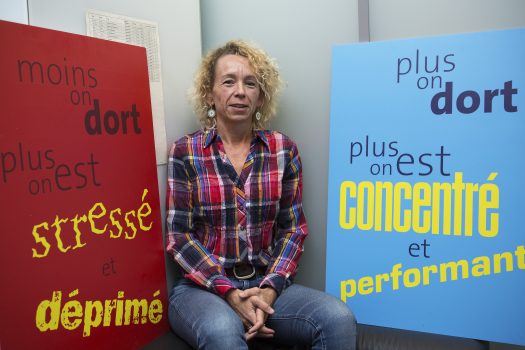
Prof. Sophie Schwartz is a leading neuroscientist at the University of Geneva , where she heads the Sleep & Cognition Lab within the Faculty of Medicine . Her research integrates neuroimaging (fMRI, hd-EEG, MEG) , behavioral testing , and computational modeling to unravel the neural mechanisms underlying memory consolidation , emotion processing , and dreaming during sleep, while also developing clinical interventions to enhance sleep in neurological and psychiatric disorders.
Christopher Bailey is a Professor of Advanced Semiconductor Packaging and Director of the Centre for Advanced Semiconductor Packaging at Arizona State University (ASU). He previously served as Professor of Computational Mechanics & Reliability and Associate Dean for Research at the University of Greenwich, UK. At ASU, he leads research on advanced semiconductor packaging, including roles as Principal Investigator (PI) and Co-Investigator (Co-I) on major projects such as the SRC-funded Thermo-Mechanical Modelling and US Chips Act initiatives (e.g., SWAP-Hub, SHIELD, ITSI). His research focuses on semiconductor packaging reliability, thermal management, co-design methodologies, and multiphysics modeling. Education: MBA (Technology Management), Open University, UK PhD, Thames Polytechnic, UK Research Interests: Advanced Semiconductor Packaging Thermal Management Solutions Co-Design and Multiphysics Modeling Reliability of Electronic Components His work integrates computational mechanics, materials science, and engineering to address challenges in high-reliability electronics. Recent projects emphasize predictive modeling for semiconductor packaging failures under thermal-mechanical stress. Awards: IEEE Region 8 Europe Award (2024) IEEE David Feldman Award (2022) Visiting Professorships at IIT Kharagpur (2018/2022) and Hong Kong (2018) Service & Leadership: Former President of IEEE Electronics Packaging Society (2020–2021) Associate Editor for IEEE Transactions on Components, Packaging, and Manufacturing Technology Conference Leadership (e.g., Program Chair for IEEE PAINE 2024) He has secured over $40M in research funding and authored 400+ archival papers, with expertise spanning industry collaborations (e.g., BAe Systems, Rolls Royce) and government advisory roles (EPSRC Peer Review College, UK Research Excellence Framework).
Dubravko Kicic is a Ph.D. Visitor (Faculty) at the Department of Neuroscience and Biomedical Engineering at Aalto University, specializing in advanced brain stimulation techniques and neuroengineering. His work primarily focuses on transcranial magnetic stimulation systems and their clinical applications. Education: Doctoral degree in Engineering and Technology from Helsinki University of Technology (awarded October 20, 2009) Master's degree in Engineering and Technology from Helsinki University of Technology (awarded June 14, 2005) Kicic's research centers on non-invasive brain stimulation technologies, particularly transcranial magnetic stimulation (TMS). His work spans neuroscience, biomedical engineering, and clinical applications for treating neurological and psychiatric conditions. He investigates how to optimize brain stimulation targeting, develop multi-locus TMS systems, and create robotic platforms for precise stimulation delivery. His fingerprint includes expertise in Transcranial Magnetic Stimulation, Behavioral Addiction, Magnetoencephalography, Neuromodulation, Pulse Rate analysis, and Signal Space engineering. Recent publications demonstrate a clear trend toward developing more precise and effective brain stimulation systems. Kicic's work focuses on multi-locus TMS for simultaneous stimulation of multiple brain areas, robotic targeting systems for improved accuracy, and real-time identification of brain states to optimize stimulation timing. His research bridges engineering innovation with clinical neuroscience applications, particularly for depression and pain treatment. Kicic has supervised at least one thesis and has been involved in media coverage regarding how magnetic brain stimulation can help patients with depression and pain. His collaborative work shows extensive international connections in the neuroscience and biomedical engineering fields. His research contributes to UN Sustainable Development Goals related to good health and well-being through developing advanced neurotechnologies for clinical applications.
Greg J. Norman is Associate Professor, Associate Chair, and Director of Graduate Studies in the Department of Psychology at the University of Chicago, with a secondary appointment in Psychiatry and Behavioral Neuroscience. He joined the faculty in 2012 after completing his Ph.D. and postdoctoral research at the same institution. Education: Bachelor's in Psychology and Philosophy, The Ohio State University Ph.D. in Psychology (Behavioral Neuroscience), The Ohio State University, 2010 Postdoctoral Research Scholar, University of Chicago, Laboratory of John T. Cacioppo Dr. Norman's research lies at the intersection of social neuroscience, psychophysiology, behavioral endocrinology, and behavioral genetics. He investigates how social interactions modulate physiological systems—including the autonomic nervous system, neuroendocrine axes, and inflammatory responses—to influence health outcomes. His work employs both human and animal models, with a particular focus on oxytocin signaling, stress reactivity, and neural mechanisms of social evaluation. He uses multilevel assessment techniques to bridge behavior, biology, and social context. His recent publications reveal a strong thematic focus on the neurobiological underpinnings of social behavior and health. Key areas include oxytocin's role in autonomic regulation and social buffering, the impact of loneliness and social isolation on neuroinflammatory and cardiovascular responses, and the neural basis of evaluative processing in social contexts. His work frequently appears in high-impact journals such as PNAS , Psychosomatic Medicine , and Hormones and Behavior , reflecting interdisciplinary rigor and clinical relevance. Scientific Awards: No awards listed in the provided text. As Director of Graduate Studies, Dr. Norman plays a central role in mentoring and shaping the training of graduate students in psychology. While specific students are not named, his extensive publication record with multidisciplinary teams suggests active supervision and collaboration. He has contributed to major handbooks and has been involved in research supported by institutional and federal funding, though specific grants are not detailed in the text. Labs and Research Teams: His research is conducted in laboratories associated with the Department of Psychology and the former Center for Cognitive and Social Neuroscience at the University of Chicago. He has collaborated extensively with prominent researchers including John T. Cacioppo, Gary G. Berntson, A. Courtney DeVries, and Louise Hawkley, indicating membership in a large, interdisciplinary social neuroscience research group.