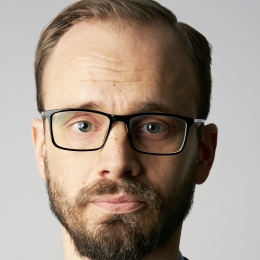
Karl Gustafsson is a Professor at Stockholm University within the Department of Economic History and International Relations. His work bridges security studies , collective memory , and digital research methods in international relations. Current Role: Professor of International Relations, Stockholm University Previous Positions: Post-Doc at Lund University, Researcher at Swedish Institute of International Affairs Visiting Appointments: University of Tokyo, Osaka University, Keio University, Academia Sinica, Nordic Institute of Asian Studies Research Focus: Karl specializes in memory politics , ontological security , and anxiety-driven international dynamics , particularly in Sino-Japanese relations and digital platforms . His studies explore how historical narratives and online memory construction influence state identity and policy. Awards & Grants: Recipient of the Wang Gungwu Prize (2014) and Stockholm University Association’s award (2011). Holds Swedish Research Council and Marianne & Marcus Wallenberg Foundation grants for projects on apologies in international politics and digital memory in East Asia . Publications: His work appears in journals such as International Studies Quarterly , European Journal of International Relations , and Memory Studies , addressing topics like narrative power in East Asia, anxiety’s role in policy change , and digital humanities applications in IR.
Elmira Hassanzadeh is an Associate Professor at the Department of Civil, Geological and Mining Engineering , Polytechnique Montréal, with a focus on integrated water resource modeling and management under climate and anthropogenic changes. She is affiliated with the Global Institute for Water Security (University of Saskatchewan) and the Experimental and Digital Water Flow Engineering Group (GENIE EAU) . Education: PhD in Civil Engineering, University of Saskatchewan Postdoctoral Fellow, McGill University Research interests include climate change impact assessment, socio-hydrological modeling, stakeholder engagement in water management, and sustainable development of water systems in cold regions. Her work emphasizes decision-making under uncertainty and adaptive strategies for ungauged basins. Recent publications (2024–2020) span coastal flood hazard modeling, climate-driven hydrological changes in tropical and Canadian watersheds, evaluation of agricultural practices under warming climates, and integrated approaches to water quality and system dynamics. Keywords include Hydrology , Climate Change , Water Security , and Socio-Hydrology . Supervision: She has mentored 15+ graduate students in projects related to Lake Urmia, Saskatchewan River Basin, and climate adaptation in Africa and the Pacific.
Dr. Shari Sabeti is a Senior Lecturer in Arts and Humanities Education at the Moray House School of Education and Sport, University of Edinburgh. She holds a PhD in English Literature from the University of Cambridge and is a Senior Fellow of the Higher Education Academy (SFHEA). Her research focuses on arts, cultural heritage, and decolonizing education, with projects in museums, schools, and Pacific Island communities. She has led initiatives in the Marshall Islands, Samoa, and Hawaii, emphasizing participatory and arts-based methodologies. Education: MA (Hons) English (Cambridge, 1994), MA English and American Literature (UCL, 1995), PhD English Literature (Cambridge, 1999), PGCE Secondary English (IOE, 2002). She has taught at the University of Stirling and the University of Edinburgh, where she currently organizes courses on anthropology of education, creative pedagogies, and literacy. Research interests include museum education, decolonizing approaches, Pacific Island education, and creative writing pedagogy. Her work bridges anthropology, ethnography, and arts-based methods, exploring community resilience and identity formation. Recent projects include 'Remediating Stevenson' (AHRC-funded, 2022–2025) and studies on Marshallese displacement through arts education. Awards and grants include a £1M AHRC Standard Grant for decolonizing Pacific literature and multiple GCRF awards for education in the Marshall Islands. She has supervised over a dozen PhD students on topics like museum pedagogy, diaspora education, and creative writing practices. Labs/Networks: Centre for Creative Relational Inquiry, Digital Cultural Heritage Network, Atelier Creative Arts and Social Sciences Network. Her work often involves partnerships with museums, NGOs, and international communities.
Susan Smith-Peter is a Professor of History at the College of Staten Island, City University of New York, specializing in Russian history beyond Moscow and St. Petersburg. Her research focuses on regional identity, civil society development, and imperial governance in 19th-century Russia, with particular attention to Siberia and provincial dynamics. She holds a Ph.D. from the University of Illinois at Urbana-Champaign and a B.A. from Ohio University. Her work analyzes how Tsarist administrative frameworks fostered subnational identities through statistical bureaus, agricultural societies, and provincial newspapers. Notable contributions include *Imagining Russian Regions* (2018), which argues that autocracy’s civil society initiatives inadvertently fueled revolutionary movements. Her research has been supported by grants from the Fulbright Program, American Historical Association, and IREX. Professor Smith-Peter’s publications span journals like *Slavic Review* and *Kritika*, exploring topics from sugar beet industries to colonial Alaska. She has translated key texts into Russian and edited historical documents such as *The Great Republic Tested by the Touch of Truth*. She serves on campus committees and previously chaired Columbia University’s Seminar on Slavic History and Culture. Key Awards: Fulbright Fellowship, American Historical Association Grant, IREX Grant Grants: Fulbright-Hays Fellowship, University of Illinois Grant, CUNY Grant Her interdisciplinary approach bridges economic, cultural, and political history, emphasizing regional agency within imperial contexts. Ongoing projects explore Siberian historiography and the legacy of 19th-century provincial activism.
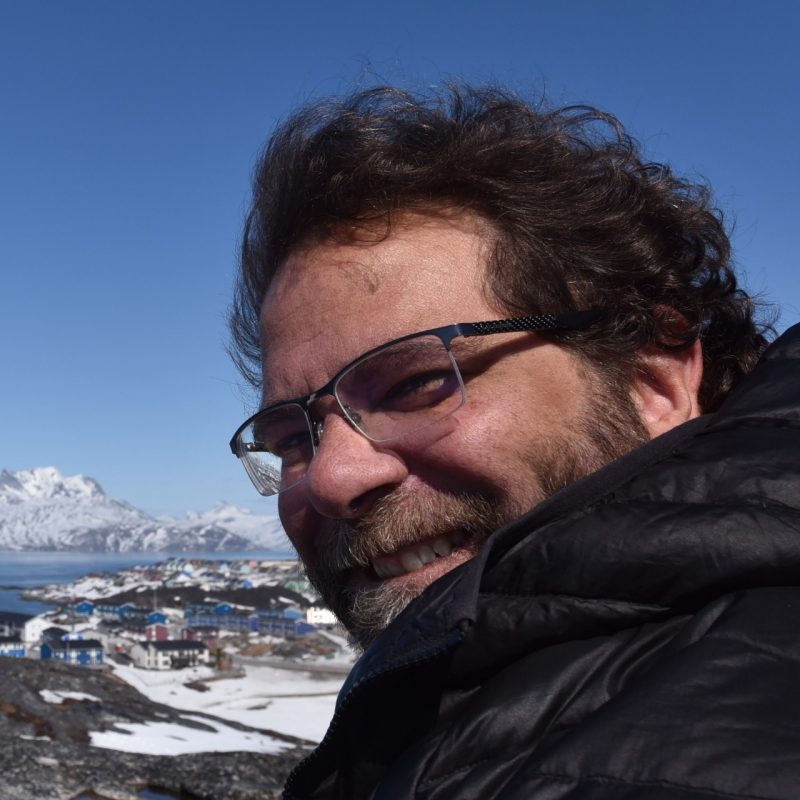
Mike Willis is an Associate Professor of Cryospheric Science, Geodesy & Remote Sensing at the Department of Geosciences, Virginia Tech's College of Science. His research focuses on advancing remote sensing techniques to study Earth's cryosphere, coastal environments, and natural hazards. He leads projects on glacial dynamics, sea level rise impacts, landslide monitoring, and the application of GNSS and InSAR technologies. His work combines field instrumentation (e.g., OrangePi-GNSS systems) with satellite data analysis to address climate and geohazard challenges in polar regions and coastal communities. Education background: Not explicitly stated in provided text. Research interests include cryospheric science, geodetic monitoring, and environmental remote sensing applications. His lab group maintains a dedicated website at https://sites.google.com/view/4datvt/ . Key research themes include: Glacier and ice shelf mass balance Coastal vulnerability to sea level rise Disaster monitoring using GNSS-IR and InSAR High-resolution digital terrain modeling Recent projects highlight work in Greenland (landslide monitoring, sea level measurements), the Pacific Northwest (subduction zone hazards), and the Dominican Republic (coastal inundation modeling). His interdisciplinary approach bridges geophysical observations with computational geospatial analysis.
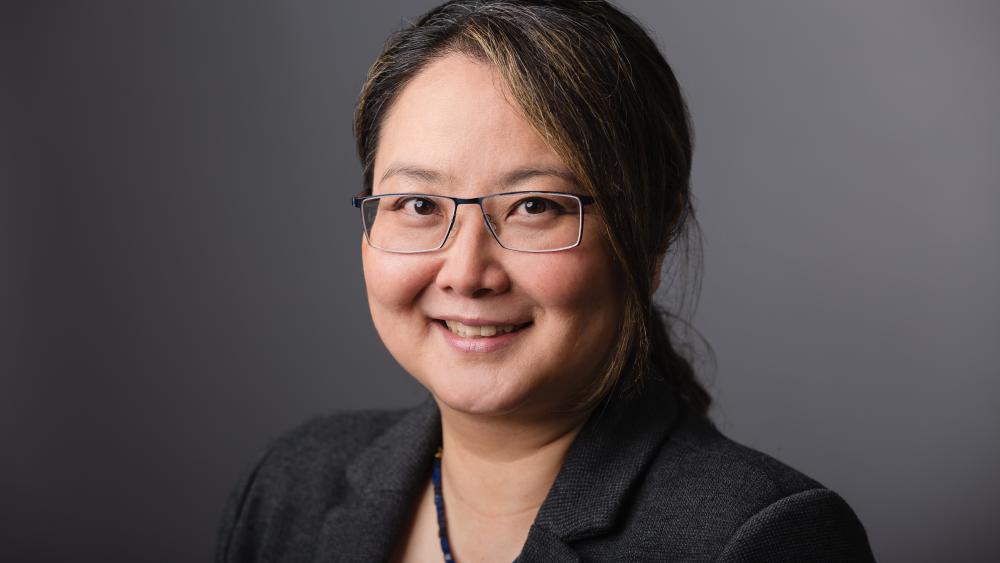
Yuka Kobayashi is a Senior Lecturer (Associate Professor) in China and International Politics at SOAS University of London. Currently on leave as a British Academy Global Innovation Fellow at the German Council on Foreign Relations (DGAP), she specializes in China's global governance strategies, economic diplomacy, and international law. Her research integrates fieldwork-based analysis of trade (Belt and Road Initiative/WTO), climate change, human rights, and technology. Education: LLB (Kyoto University, Public International Law specialization), MPhil & DPhil (Oxford University, International Relations). Research focuses on China's economic activities in Central Asia, Europe, Southeast Asia, and Pacific Islands, alongside UK-Japan collaborative projects on geopolitical partnerships. Key advisory roles include specialist advisor to the UK government (2021) and advisory board member for Stiftung Asienhaus (2019-2021). Publications span over two decades, addressing China's compliance with international trade norms, climate diplomacy, and evolving global governance frameworks. Supervises PhD students examining China's Pacific Island strategies and EU-China tech competition dynamics.
Thomas Gillespie is a Professor and Co-Chair of the Environmental Science and Engineering (D.Env.) Program at the Department of Geography, University of California, Los Angeles (UCLA). His research integrates Geographic Information Systems (GIS), remote sensing, and biogeography to study tropical dry forests in biodiversity hotspots and develop predictive models for species distribution and conservation. Education: Ph.D. in Geography, UCLA (1998) M.A. in Geography and Planning, California State University, Chico (1994) B.A. in International Affairs, University of Colorado, Boulder (1990) Research Interests: Gillespie’s work focuses on field-based floristic surveys and remote sensing analysis of tropical dry forests across the Pacific, Caribbean, and California. He combines GIS with ecological data to model biodiversity patterns, anthropogenic disturbance impacts, and climate change scenarios. His research spans biogeography, conservation science, and environmental policy. Scientific Awards: NASA Earth and Space Science Fellowship Grants: Gillespie has secured major grants from the National Science Foundation (NSF), Environmental Protection Agency (EPA), National Institutes of Health (NIA, NICHD), and MacArthur Foundation for projects on urban greening, disaster recovery, and tropical forest conservation.
Iona Cheng is a Professor in the Department of Epidemiology and Biostatistics at the University of California, San Francisco (UCSF), where she conducts groundbreaking research in cancer epidemiology. She serves as co-Investigator of the SEER Greater Bay Area Cancer Registry and is Principal Investigator of multiple NIH- and foundation-funded projects examining genetics, lifestyle factors, and neighborhood characteristics in relation to cancer risk. Dr. Cheng has developed an extensive research program focused on racial/ethnic differences in cancer risk and leads population-based cancer surveillance studies that document variations in cancer incidence and mortality patterns across diverse racial and ethnic groups. University of California, Davis, BS, 1990–1994, Physiology Yale University, MPH, 1999–2001, Chronic Disease Epidemiology University of Southern California, PhD, 2001–2005, Epidemiology University of California, San Francisco, Postdoc, 2006–2008, Genetic and Molecular Epidemiology Dr. Cheng's research spans multiple disciplines within cancer epidemiology, with particular emphasis on understanding how environmental exposures, genetic factors, and social determinants interact to influence cancer risk and outcomes across different racial and ethnic populations. Her work frequently examines the impact of air pollution, endocrine-disrupting chemicals, and neighborhood characteristics on cancer development and survival. She has made significant contributions to understanding cancer disparities among Asian American, Native Hawaiian, and Pacific Islander populations, bringing attention to the unique cancer risks and outcomes within these understudied groups. Her research often leverages the Multiethnic Cohort Study, one of the largest prospective studies of cancer incidence and mortality across diverse racial/ethnic populations. Analysis of Dr. Cheng's recent publications reveals a consistent focus on environmental and social determinants of cancer risk across multiple organ sites. Her work demonstrates a sophisticated integration of epidemiological methods with environmental exposure assessment, genetic analysis, and health disparities research. Many of her studies examine the intersection of environmental exposures and racial/ethnic disparities in cancer outcomes, particularly regarding breast cancer, lung cancer, and other malignancies. She has published extensively on the impact of air pollution on cancer risk and survival, as well as the effects of endocrine-disrupting chemicals like bisphenol A, parabens, and phthalates. American Association for Cancer Research Scholar-in-Training Award (2007) National Institutes of Health Loan Repayment Award (2007) National Institutes of Health Loan Repayment Renewal Award (2009) American Association for Cancer Research Faculty Scholar Award (2011) National Institutes of Health Loan Repayment Renewal Award (2011) National Institutes of Health Loan Repayment Renewal Award (2013) American Journal of Epidemiology/Society of Epidemiology Research Top 10 manuscripts (2014) Cancer Prevention Institute of California Mentoring Award (2015) American Society of Human Genetics Top poster As Principal Investigator of multiple NIH-funded projects, Dr. Cheng oversees substantial research grants focused on cancer epidemiology and health disparities. Her work often involves large interdisciplinary collaborations with researchers across multiple institutions, including the Multiethnic Cohort Study which follows over 200,000 participants from diverse racial/ethnic backgrounds. She has demonstrated leadership in mentoring junior researchers, particularly those from underrepresented backgrounds in science, as evidenced by her Cancer Prevention Institute of California Mentoring Award. Her research program integrates data from cancer registries, electronic health records, and geospatial information to provide comprehensive insights into cancer patterns and risk factors. Dr. Cheng's research is closely connected to the UCSF Helen Diller Family Comprehensive Cancer Center and leverages collaborations with Lawrence Berkeley National Laboratory, which provides advanced technological resources for cancer research. Her work benefits from access to extensive cohort data, sophisticated exposure assessment methods, and interdisciplinary expertise in genetics, environmental science, and computational biology available through these institutional partnerships. She frequently collaborates with researchers studying the genetic and environmental determinants of cancer across multiple organ systems, contributing to a more comprehensive understanding of cancer etiology and prevention strategies.
Dr. Prerna Arora is Associate Professor of Psychology and Education at Teachers College, Columbia University, within the Graduate School of Education, Health & Psychology and the Department of Health Studies & Applied Educational Psychology. She directs the School Mental Health for Minoritized Youth and Families (SMILE) Research Lab, where she leads innovative research on mental health equity for immigrant-origin, racial and ethnic minoritized, and historically marginalized youth. Ph.D. in School Psychology – University of Texas at Austin M.A. in Educational Psychology – University of Texas at Austin B.S. in Biology – Arizona State University Predoctoral Internship – Children’s Hospital of Philadelphia Postdoctoral Training – University of Maryland School of Medicine Dr. Arora’s research focuses on culturally tailored mental health interventions, school-based services, barriers to care, and trauma-informed, equity-driven practices. Her work is grounded in participatory action research and mixed methods, aiming to bridge research-practice gaps and empower communities. She has led major funded projects from the Spencer Foundation, National Institute of Mental Health (NIMH), and the U.S. Department of Education, including a $4.9 million grant to train clinicians in culturally responsive services. Her recent publications reflect a strong thematic focus on mental health disparities, cultural adaptation of interventions, school climate, and help-seeking behaviors among AAPI, Latino/a, and immigrant youth. The body of work demonstrates a commitment to advancing equity, social justice, and measurement-based care in school psychology. American Psychological Association Minority Fellowship Program Spencer Foundation Research Grant NIMH Funding U.S. Department of Education OSEP Grant ($4.9 million) Dr. Arora actively mentors PhD and graduate students, many of whom co-author her publications. She has secured major grants that support training, research, and community partnerships. Her leadership extends to editorial roles as Associate Editor of School Mental Health and Consulting Editor of School Psychology Review , and she is a vocal advocate for diversity, equity, and inclusion in academic training and practice. She collaborates extensively with NYC-based organizations, building community-driven research models through the SMILE Lab.
Paige West is The Claire Tow Professor of Anthropology at Barnard College and a faculty member at Columbia University. She directs Columbia's Climate School Transdisciplinary Research Lab. Her work focuses on environmental conservation, Indigenous sovereignty in Melanesia, and climate change adaptation. She earned her Ph.D. in cultural and environmental anthropology from Rutgers University, with earlier degrees from Wofford College and the University of Georgia. Dr. West has conducted over 100 months of fieldwork in Papua New Guinea, collaborating with Indigenous communities to revitalize socio-ecological systems. Her research bridges anthropology with political ecology, examining linkages between environmental policy and international development. Key interests include Indigenous knowledge systems, conservation inequities, and commodity cultures. Director: Columbia University Climate School Transdisciplinary Research Lab Co-founder: PNG Institute of Biological Research and Roviana Solwara Skul Anthropological Director: Ailan Awareness NGO Award-winning author of three books, she founded the journal *Environment and Society: Advances in Research*. Her 2016 book *Dispossession and the Environment* won the Columbia University Distinguished Book Award. Current projects include a Guggenheim-funded book on climate change and kinship. Notable recognitions include Guggenheim Fellowship, Phi Beta Kappa Lecturer (2017-2018), and designation as one of 2021's 50 people changing the world by The Explorers Club. Her work integrates academic research with applied conservation initiatives, emphasizing Indigenous-led methodologies.
Kan Haidong is a Distinguished Professor and Associate Dean at the School of Public Health, Fudan University (Shanghai, China). He holds the Chang-Jiang Scholar Professorship from the Ministry of Education and serves as an Associate Editor for Environmental Health Perspectives and International Journal of Epidemiology . His research focuses on environmental epidemiology, air pollution impacts, and climate change health effects. He has authored over 114 h-index papers and been recognized as a Clarivate Highly Cited Researcher and Stanford Top 2% Scientist. Education: PhD in Environmental Epidemiology, Fudan University (2003) MS in Environmental Health Sciences, Fudan University (2000) MD in Preventive Medicine, Shanghai Medical University (1997) Research Interests: Kan’s work bridges environmental exposures (air pollution, climate change) with human health outcomes. Key areas include particulate matter toxicity, heatwave mortality, and policy-driven health interventions. His studies often involve large-scale epidemiological analyses and global health collaborations. Key Awards: Wu-Jieping Paul Janssen Medical-Pharmaceutical Award (2018) US EPA Scientific Achievement Award (2015) Elsevier Top Influential Chinese Scholar (2014–2023) Grants/Editorial Roles: He leads WHO air quality guideline projects and chairs editorial boards for top journals. His grants focus on climate health adaptation and pollution mitigation strategies in China and globally. Labs/Teams: Directs Fudan’s Environmental Health Department and collaborates with global networks like the China Kadoorie Biobank and Lancet Planetary Health initiatives.
James Scoates is a Professor in the Department of Earth, Ocean & Atmospheric Sciences at the University of British Columbia (UBC), affiliated with the Faculty of Science. His research focuses on magmatic processes, including the origin and evolution of silicate magmas, geochemical and isotopic studies of layered intrusions and anorthosite suites, and the formation of magmatic ore deposits. He has held positions at UBC since 2002, following roles at Université Libre de Bruxelles (1995-2001). Education: B.Sc. (Honours), 1987, Queen's University at Kingston, Canada Ph.D., 1994, University of Wyoming, USA Research Interests: His work spans igneous petrology, geochronology, and mineral deposit geology. Key areas include physical volcanology of Large Igneous Provinces (LIPs), the geochemical evolution of magma plumbing systems in layered intrusions like the Skaergaard and Bushveld Complexes, and the application of isotopic techniques to trace mantle sources. He also investigates convergent margin Ni-Cu-PGE deposits and their tectonic contexts. Awards: Faculty Teaching Award, 2021 (EOAS-UBC) Killam Teaching Award, 2018 (UBC) Young Scientist Award, 2001 (Mineralogical Association of Canada) Teaching & Leadership: Dr. Scoates teaches courses in mineralogy, geochemistry, mineral deposits, and field geology. He has led initiatives to innovate geoscience education through virtual field experiences and peer-learning strategies. He chairs the MAGNET NSERC CREATE program and serves on the Pacific Centre for Isotopic and Geochemical Research (PCIGR) steering committee. Key Projects: Investigating the geochemical evolution of Hawaiian plumes and mantle heterogeneity. Studying magma storage and differentiation in the Muskox intrusion (Mackenzie LIP). Developing geochronological frameworks for layered intrusions like the Stillwater Complex.
Saule Burkitbayeva is a Research Fellow at the ANU College of Law , focusing on intersections of climate change , agriculture , and policy . Her work emphasizes embedded emissions accounting and carbon footprinting in agri-food systems. PhD in Economics (KU Leuven) MSc in Agricultural Economics (University of Saskatchewan) Bachelor in Agricultural Economics (University of Saskatchewan) Her career spans research institutes and international organizations in Canada, Belgium, Germany, Ukraine, Kazakhstan, and Australia, with fieldwork in Central and South Asia. Current research themes include: Climate Change & Climate Finance Environmental Law International Economic Law Law & Economics She has collaborated with the World Bank , Asian Development Bank , and UNDP , and her publications appear in high-impact journals and edited volumes.
Professor Hilary Bambrick is a distinguished environmental epidemiologist and anthropologist at the Australian National University (ANU), leading the National Centre for Epidemiology and Population Health. She specializes in climate change and health, focusing on adaptation strategies, vector-borne diseases, and urban resilience. Her work bridges research, policy, and practice, with significant contributions to global health initiatives like the WHO and UNDP. Bambrick has over 180 publications and $11M in research funding, addressing climate impacts on vulnerable populations, including First Nations communities and Pacific Island nations. She serves on the Climate Council of Australia and the Australia Institute, advocating for evidence-based climate policies. Her research integrates epidemiology, anthropology, and environmental science to enhance health resilience in changing climates. Education: PhD (ANU, 2003), BA (Hons), BSc, Grad Cert Higher Ed. Key Research Focus: Climate change health impacts, adaptation strategies, vector-borne diseases, urban design, and health equity. She leads interdisciplinary projects on climate litigation, heatwaves, and infectious disease forecasting. Grants & Funding: Over $11 million in research grants, including projects on bushfire preparedness, dengue transmission modeling, and climate-sensitive disease surveillance. Labs/Teams: National Centre for Epidemiology and Population Health (ANU), collaborating with global networks like the Lancet Countdown and MJA-Lancet Countdown.
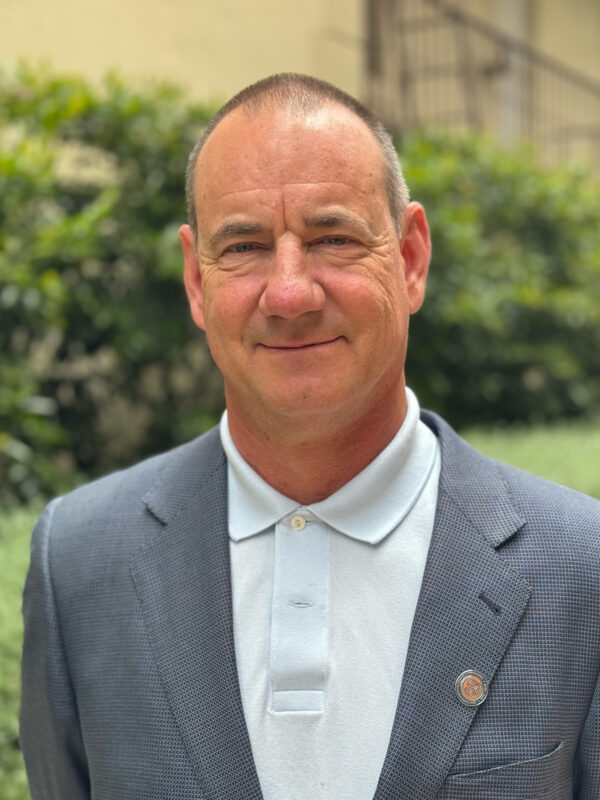
Brent Doberstein is an Associate Professor in the Department of Geography and Environmental Management at the University of Waterloo, Faculty of Environment. His research and teaching focus on disaster risk reduction, climate change adaptation, and sustainable resource management, particularly in developing countries across Asia and in Canada. His research interests include: Hazards and disaster risk reduction Climate change adaptation and managed retreat Post-disaster reconstruction and institutional capacity building Sustainable resource and environmental management Parks and protected areas Over the next five years, he is particularly interested in supervising graduate students in themes related to disaster risk reduction, climate adaptation, and managed retreat. His recent publications reflect a strong emphasis on community resilience, policy evaluation, and cross-national comparisons, especially in Southeast Asia and Canada. Key trends in his work include the integration of local knowledge, social equity in disaster recovery, and innovative frameworks like the PARA model for flood risk management. His scientific contributions are recognized through publications in leading journals such as International Journal of Disaster Risk Reduction , Climate and Development , and Disasters . Dr. Doberstein actively supervises graduate students, many of whom are co-authors on his recent publications. He has taught courses including GEOG101, GEOG306, GEOG356, and led field research in Indonesia. He has also been involved in research projects related to flood recovery in Canada and post-disaster adaptations in countries like the Philippines, Bangladesh, and Thailand. He leads research initiatives centered on post-disaster adaptations at individual, community, and national levels, often working with interdisciplinary teams and international collaborators. His work contributes significantly to policy development and community resilience planning in vulnerable regions.