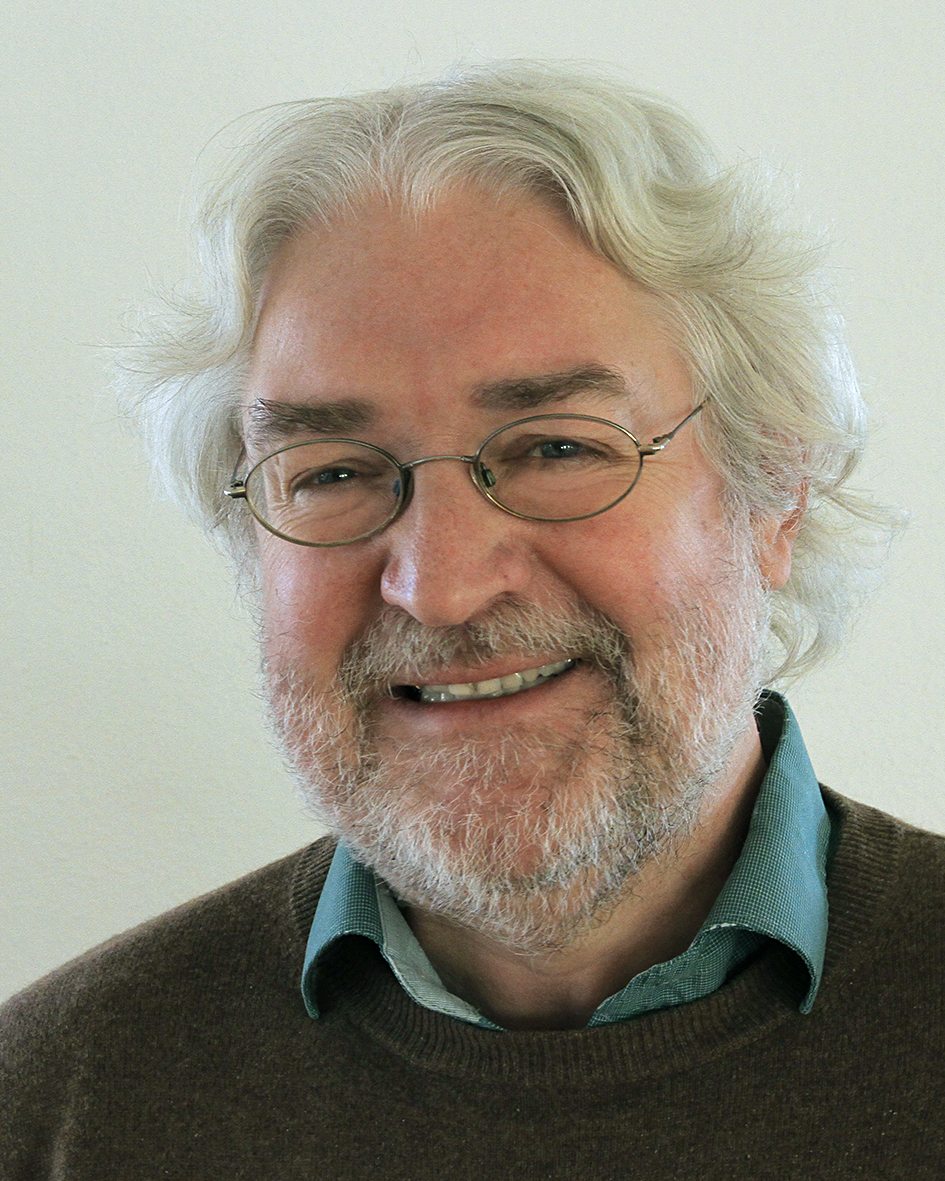
Karl Jansen is a researcher at DESY Zeuthen, Germany, where he leads the Center for Quantum Technologies and Applications (CQTA) and contributes to the NIC research group 'Elementary Particle Physics'. His work spans computational sciences, quantum computing, lattice field theory, and theoretical biology, with a focus on interdisciplinary approaches integrating physics and AI in drug design. Affiliated institutions: DESY Zeuthen, NIC (Research Center Jülich) Research areas: Quantum technologies, computational physics, molecular simulations, and epigenetic drug development Recent publications emphasize machine learning applications in drug discovery, epigenetic inhibition mechanisms, and advanced computational modeling techniques. His leadership in quantum technologies highlights DESY's commitment to cutting-edge research infrastructure. Personal interests include diving (documented across global locations like Australia, Taiwan, and Cyprus) and music, reflecting a multidisciplinary engagement beyond formal academic roles.
Associate Professor Tan Soon Heng is affiliated with the Department of Chemistry at Southern University of Science and Technology (SUSTech) in Shenzhen, China. He holds joint appointments as a Group Leader at the Institute of Molecular and Cellular Biology (IMCB) and Bioinformatics Institute (BII), A*STAR, Singapore. His research focuses on network biology and system-wide characterization of protein complexes in health and disease. Education : PhD in Molecular Genetics (University of Toronto, 2011), MSc in Computer Science (National University of Singapore, 2005), BSc in Molecular Biology (National University of Singapore, 2001). Prof. Tan’s work bridges chemical biology , proteomics , and systems pharmacology to develop methods like Thermal Proximity Co-Aggregation (TPCA) and Cellular Thermal Shift Assay (CETSA) for drug target discovery. He has invented technologies enabling in situ and intact cell profiling of proteome dynamics. His research spans 15+ recent publications in high-impact journals like Science and Nature Methods , with a focus on mitochondrial dysfunction , protein degradation , and metabolic rewiring in diseases. Notable grants include the A*STAR Young Investigator Award and Industry Alignment Funds for toxicity and drug mechanism studies. Scientific Awards : Highlighted in Science , Nature Reviews , and F1000Prime ; recipient of the 2016 A*STAR Young Investigator Award. Prof. Tan’s lab at SUSTech (Room 430, Faculty Research Building 1) integrates molecular biology , computational methods , and mass spectrometry to address challenges in drug mechanism-of-action , natural product biosynthesis , and network reconstruction . His team trains students in interdisciplinary approaches, with recent graduate Liao Bin exemplifying successful alumni.
Professor William Kerr is a distinguished academic at the University of Strathclyde, holding the position of 1919 Professor of Organic Chemistry and serving as Associate Deputy Principal for Research & Knowledge Exchange. He leads the Department of Pure and Applied Chemistry within the Faculty of Science, where he has established himself as a world leader in metal-mediated synthetic organic chemistry. Professor Kerr's research spans multiple areas of organometallic chemistry, with particular expertise in organomagnesium, organoiridium, organocobalt, and organochromium chemistry. His work focuses on developing new preparative techniques, creating asymmetric processes, and applying these methods to total synthesis. His group has made significant contributions to hydrogen isotope exchange reactions, which have important pharmaceutical applications for labeling drug candidates and their metabolites. His research has been published in over 350 research outputs, with recent work focusing on iridium-catalyzed hydrogen isotope exchange, selective deuteration methods, and sustainable synthesis approaches. The trends in his publications demonstrate a consistent focus on developing practical, industrially relevant synthetic methods with applications in drug discovery and development. ICI Fine Chemicals Young Lecturer (1991) Glaxo Wellcome Prize for Innovative Organic Chemistry (1997) Elected to Fellowship of the Royal Society of Edinburgh (2014) Fellow of the Royal Society of Chemistry (2009) Professor Kerr has secured significant research funding from EPSRC, private funding bodies, and industrial collaborators including GlaxoSmithKline, AstraZeneca, Pfizer, and Merck. He directs the University of Strathclyde and GlaxoSmithKline Collaborative Doctoral Training Centre in Synthetic and Medicinal Chemistry, which has supported over 50 research students. His group has been instrumental in developing academic-industry partnerships that serve as exemplars for university-business collaboration, highlighted in Sir Tim Wilson's Review of University-Business Collaboration. Based in the Department of Pure and Applied Chemistry at the University of Strathclyde, the Kerr Research Group maintains strong collaborations with industrial partners and academic colleagues, particularly with Dr. Tell Tuttle on computational aspects of iridium-catalyzed reactions. The group's work contributes to Sustainable Development Goals related to industry, innovation, and infrastructure.
Mladen Koravović is a Researcher at the Department of Organic Chemistry , Faculty of Pharmacy , University of Belgrade . His work focuses on computational design and synthesis of heterocyclic anticancer agents, with international collaboration at St. Jude Children's Research Hospital. PhD candidate in Pharmaceutical Chemistry Junior Research Assistant (2019-2022) Current Research Assistant role under Serbian Ministry of Science agreements Research interests center on PROTAC molecules , HSP90/BET protein degradation , and anticancer drug development . Publications span medicinal chemistry, protein degradation mechanisms, and molecular design. 2023: Structural optimization of BET inhibitors 2022: PROTAC-based cancer therapies 2021: Photocontrolled PROTAC molecules Scientific achievements include multiple Annual Awards during undergraduate studies and participation in international research projects.
Subha Kalyaanamoorthy is an Assistant Professor at the University of Waterloo, specializing in computational biology and structural modeling. Their research bridges virology, neurodegenerative diseases, and drug design, with a focus on molecular mechanisms and inhibitor development. Institution: University of Waterloo Position: Assistant Professor Contact: subha.kalyaanamoorthy@uwaterloo.ca Research interests include: Structural and molecular dynamics of SARS-CoV-2 proteases Neurodegenerative disease mechanisms (tau, hnRNP A1) Computational drug discovery (PROTACs, COX-II inhibitors) Enzymatic catalysis and sustainability applications Recent publications highlight trends in: Targeting viral proteins with novel inhibitors Elucidating post-translational modifications in tau pathology Developing computational platforms for drug modeling Exploring nanotechnology for neurodegenerative therapy
Yan Li, Ph.D., is a Professor in the Department of Chemical and Biomedical Engineering at the FAMU-FSU College of Engineering, Florida State University. She serves as Postdoctoral Fellow Director and Honors in the Major Program Director, leading cutting-edge research in stem cell bioprocessing and tissue engineering. Dr. Li earned her B.S. in Chemical Engineering from Tsinghua University (Beijing, China) in 1995 and her Ph.D. from The Ohio State University in 2002. Her academic journey bridges chemical engineering fundamentals with biomedical applications. Her research focuses on stem cell technology and engineering , tissue engineering and biomaterials , and cell processing and bioprocessing . She pioneers bioreactor-based systems for scaling extracellular vesicle production, with transformative applications in regenerative medicine. Her work reveals how culture conditions affect stem cell metabolism and vesicle cargo, enabling novel therapeutic strategies for neurological disorders. Recent publications demonstrate a clear trajectory toward organoid-based EV biomanufacturing and neurological disease modeling . The research spans from fundamental bioprocess engineering to translational applications in stroke, neurodegeneration, and cancer, consistently leveraging advanced bioreactor platforms for clinical-scale production. Major recognitions include: ELATES Fellow (2023) Developing Scholar Award (2021) from Florida State University NSF CAREER award (2017) Geronosity Award and Award of Achievement from Geron Corporation Presidential Fellowship from The Ohio State University Dr. Li has secured significant NIH and NSF funding, including her CAREER award focused on stem cell bioprocessing. She mentors graduate students and postdocs while directing honors programs, fostering the next generation of engineers. Her collaborations span academia, industry (notably Geron Corporation), and clinical partners to accelerate therapeutic translation. Her laboratory operates at the chemical engineering-neuroscience interface, utilizing vertical wheel bioreactors and organoid models to engineer extracellular vesicles for CNS applications. The team comprises chemical engineers, neuroscientists, and clinicians working on EV-based drug delivery systems and disease models for stroke and neurodegeneration.
Ernesto Guccione is an Associate Professor in the departments of Oncological Sciences and Pharmacological Sciences at the Icahn School of Medicine at Mount Sinai . His research focuses on understanding transcriptional and post-transcriptional mechanisms in cancer biology, particularly the role of Protein Methyltransferases (PMTs) and alternative splicing in tumor development and therapeutic interventions. Education : MS (University of Bologna), PhD (SISSA/ICGEB), Postdoctoral Training (European Institute of Oncology) Research Interests span epigenetics, cancer biology, RNA processing , and therapeutic target identification . The Guccione Lab employs biochemical and genomic techniques to dissect PMT functions (e.g., PRMT5/PRMT6) and splice-switching oligonucleotide (AON) approaches for diseases like urea cycle disorders and hepatocellular carcinoma. Publications highlight his expertise in PRMT inhibition , Wnt signaling , spliceosome modulation , and cancer epigenetics . Recent work includes developing PROTAC degraders for PRMT5 and leveraging AONs to target oncogenic isoforms (MDM4l/s) with clinical applications. Labs & Collaborations : Guccione Lab at Mount Sinai integrates mouse models , next-generation sequencing , and genomic screening to advance precision oncology. He co-founded Prometeo Therapeutics and serves on its board, applying his research to therapeutic innovation.
Ivana Gasic is an Assistant Professor at the University of Geneva in the Department of Molecular and Cellular Biology. She leads the ProMiCe Lab, focusing on proteostasis and microtubule cytoskeleton dynamics. Her research challenges the central dogma of unidirectional gene expression regulation, particularly in tubulin protein-mRNA feedback mechanisms. Role: Assistant Professor Institution: University of Geneva Department: Molecular and Cellular Biology Lab: ProMiCe Lab Her research explores how tubulin protein quantity impacts mRNA stability through specificity factors, employing biochemical, structural, and fluorescent imaging approaches. Key areas include posttranscriptional control, microtubule homeostasis, and cellular adaptation to stress cues. Recent publications span topics like tubulin autoregulation, TTC5 interactions, and microtubule dynamics. Her work bridges molecular mechanisms with broader implications in cell viability and multicellular organization. Scientific Recognition: SNSF Assistant Professor grant Gasic mentors doctoral candidates (e.g., Ana Almeida, Alina Batiuk) and collaborates with researchers including Maxim Assaf and Zahra Jouini. Her lab integrates advanced techniques like mass spectrometry and live-cell imaging to dissect tubulin biology.
Máté Erdélyi is a Professor in the Department of Chemistry - BMC at Uppsala University specializing in Organic Chemistry. He leads the Erdelyi Group which conducts interdisciplinary research at the intersection of organic chemistry, medicinal chemistry, and structural biology with significant contributions to multiple scientific domains. Dr. Erdélyi's research program centers on halogen bonding , molecular conformation , and antibiotic resistance . His group has pioneered methods for studying weak interactions in solution using NMR spectroscopy, particularly non-uniform sampling techniques for quantitative NOESY. They investigate how molecular folding affects biological activity, with applications in PROTAC development and understanding cell permeability mechanisms. The group also maintains an active natural products chemistry program, isolating bioactive compounds from plant sources with antimicrobial, antiviral, and antiplasmodial properties. Their work bridges fundamental physical organic chemistry with practical drug discovery applications, focusing on metallo-β-lactamase inhibitors to combat antibiotic resistance. Analysis of Dr. Erdélyi's recent publications (2023-2025) reveals several dominant research themes: 1) Molecular conformation studies of macrocycles and their impact on drug properties, particularly PROTAC cell permeability; 2) Development of novel inhibitors for metallo-β-lactamases targeting antibiotic resistance; 3) Investigation of halogen bonding and chalcogen interactions in molecular recognition; 4) Isolation and characterization of bioactive natural products from plant sources. These publications span top journals in chemistry, medicinal chemistry, and natural products research, demonstrating methodological innovation in NMR techniques and structural analysis. Dr. Erdélyi actively collaborates with researchers across multiple institutions globally. His Erdelyi Group maintains a strong publication record and has contributed to scientific standards development including NMReDATA for NMR reporting. While specific grant information isn't detailed in the provided text, the breadth and impact of his research suggest substantial research support and leadership in his fields of expertise.
Giulio Superti-Furga is Scientific Director and CEO of the Research Center for Molecular Medicine (CeMM) at the Austrian Academy of Sciences and Professor of Medical Systems Biology at the Medical University of Vienna. He co-founded multiple biotech companies and chairs EU-LIFE, an alliance of top European life science institutes. Education: PhD in Molecular Biology (University of Zurich, Genentech, IMP Vienna) Career: Postdoc at EMBL, Professor at University of Bologna, Scientific Director at Cellzome and Ri.MED Foundation His research focuses on membrane transporters (SLC superfamily) and their roles in cellular metabolism, drug action, and disease. Key areas include cancer (leukemia, drug resistance), innate immunity (adaptor proteins, programmed cell death), and systems biology approaches to drug discovery. Recent publications highlight SLC transporter networks in metal toxicity, PROTAC resistance, and mitochondrial NAD regulation. The lab develops chemical biology tools and CRISPR libraries for transporter studies. Academy Memberships: Austrian Academy of Sciences, Leopoldina, and three others Grants: FWF Clinical Research Program ExTrAct AML, WWTF machine learning project mlDIAMANT The lab team includes project scientists, postdocs, and technicians working on interdisciplinary projects at the interface of biology, medicine, and computational analysis.
Joseph Salvino, Ph.D. is a Professor in the Molecular and Cellular Oncogenesis Program at The Wistar Institute's Ellen and Ronald Caplan Cancer Center. He serves as Scientific Director of the Molecular Screening & Protein Expression Facility. As the first medicinal chemist to join Wistar's staff, Salvino brings over 30 years of experience in drug discovery, including hit-to-lead development, lead optimization, and preclinical development where several drug candidates have successfully completed human clinical trials. Ph.D. in Organic Chemistry, Brown University Postdoctoral Training in Synthetic and Medicinal Chemistry, University of Pennsylvania (mentored by K.C. Nicolaou and Ralph F. Hirschmann) Former Professor, Department of Pharmacology and Physiology, Drexel University College of Medicine Prior Industry Experience: Sterling Winthrop, Rhone-Poulenc Rorer, Aventis, Rib-X Pharmaceuticals, Adolor Corporation, and Cephalon Salvino's research focuses on drug discovery and development, with laboratory work centered on early drug discovery and small molecule tool compounds for in vivo target validation. His medicinal chemistry optimization work focuses on designing new chemical analogs to understand structure-activity relationships critical for optimizing potency and efficacy. Current research projects include compounds blocking HIV and other antivirals, glutamate transporter (EAAT2) stimulators, ACSS2 Inhibitors, PROTACs targeting CDK6, Mdm2, and Tert, small molecules targeting protein-protein interactions, and cancer/gram-negative bacteria targeting pro-drugs. Analysis of Salvino's recent publications reveals a strong focus on cancer therapeutics, particularly targeting metabolic pathways and protein degradation mechanisms. His work spans multiple cancer types including breast cancer, pancreatic cancer, leukemia, and melanoma. The research demonstrates expertise in medicinal chemistry, target validation, and development of novel therapeutic approaches such as PROTACs and transition-state mimetics. Salvino leads an active research laboratory with several postdoctoral fellows including Adi Narayana Reddy Poli, Jitendra Gour, and Nitesh Nandwana. His research is supported by multiple NIH grants (S10OD030245 and P30CA010815), Canadian Institutes of Health Research grant (CIHR PJT-153057), and Commonwealth of Pennsylvania Special Initiatives Grant for COVID-19 research. As Scientific Director of the Molecular Screening & Protein Expression Shared Resource, Salvino oversees facilities that closely align with the lead optimization and hit-to-lead activities ongoing in his laboratory. His recent work on SARS-CoV-2 Mpro inhibitors demonstrates the lab's ability to rapidly respond to emerging health threats through innovative drug discovery approaches.
Xuan Zhang serves as an External Researcher in the Department of Economics at Singapore Management University (SMU), with physical operations based at the University of Copenhagen's Department of Economics (Øster Farimagsgade 5, Bygning 26, 1353 København K). International collaboration patterns span multiple countries as visualized in research network maps, reflecting globally distributed scholarly engagement despite the Singapore email affiliation (xuanzhang@smu.edu.sg). Research integrates Economics with cutting-edge biomedical science, prioritizing Health Economics and Cancer Research. The interdisciplinary approach bridges economic analysis with molecular immunology, evidenced by high-impact work on tumor microenvironment modulation. Specific expertise includes translating economic frameworks to biomedical innovation assessment and therapeutic development pathways, particularly in oncology-focused health technology evaluation. Recent publications demonstrate focused contributions in proteolysis-targeting chimera applications, with the 2021 Nature Communications article establishing Zhang's role in developing BCL-XL-targeted therapies to eliminate immunosuppressive regulatory T cells in tumors. This work intersects cancer immunotherapy, molecular degradation techniques, and health economics, indicating a trajectory toward economically viable biomedical solutions with strong translational potential.
Yuewan Luo is an Academic employee at the Biotech Research & Innovation Centre (BRIC) within the Faculty of Science at the University of Copenhagen, working in the Andersen Group. Based at Ole Maaløes Vej 5 in Copenhagen, Luo maintains an active research profile with expertise spanning cancer immunotherapy, epigenetics, and molecular biology. Luo completed a Postdoctoral fellowship in Immunology at the University of Florida from September 2019 to October 2020, following a PhD in Epigenetics and Immunology from the Chinese Academy of Science between September 2013 and June 2019. This educational background has established a strong foundation for their current research trajectory. Research interests focus on therapeutic targets in cancer, particularly through epigenetic mechanisms and omics approaches, with specific emphasis on cholangiocarcinoma. Luo's work demonstrates significant contributions to PROTAC-mediated protein degradation strategies for cancer immunotherapy, as evidenced by multiple high-impact publications in journals including Nature Communications, Molecular Cell, and The Journal of Experimental Medicine. The research portfolio shows a transition from fundamental studies in Drosophila genetics and stem cell biology toward more translational cancer immunology work. Luo maintains an active research profile with publications receiving attention across multiple platforms, including news outlets, social media (X, Facebook), and academic readership platforms like Mendeley, indicating growing influence in the field of cancer immunotherapy and targeted protein degradation.
Professor Chris Pepper is the RM Phillips Chair in Experimental Medicine and Professor of Cancer Research (Clinical and Experimental Medicine) at Brighton and Sussex Medical School, University of Sussex. He serves as Director of Research and Knowledge Exchange and leads the Pepper Lab, a multidisciplinary research team focused on hematological malignancies. His primary institutional affiliation is with the Department of Clinical and Experimental Medicine at Brighton and Sussex Medical School, located at the Medical Research Building, University of Sussex, Falmer. Professor Pepper's research has centered on chronic lymphocytic leukaemia (CLL) for over two decades, with particular focus on understanding disease progression mechanisms and drug resistance. His laboratory has made significant contributions to the field, including being the first to demonstrate the clinical importance of BCL2 family proteins and NF-κB in CLL progression. His team has developed physiologically relevant multi-compartment in vitro models to study tumor microenvironments and molecular drivers of tumor cell trafficking. Key research areas include NF-κB signaling pathways, tumor microenvironment interactions, and developing novel therapeutic approaches targeting IKKα, NIK, CDK9, CXCR4 and ATR. His publication record shows a clear trend toward increasingly sophisticated systems biology approaches to understanding hematological malignancies. Recent work combines computational modeling with experimental validation to predict therapeutic responses, particularly in DLBCL and CLL. The research demonstrates a strong translational focus, with most work based on primary patient cells and designed to improve clinical outcomes. His team has identified several promising therapeutic targets, including CD49d, TLR9, and specific NF-κB pathway components. Hamblin Prize (2025) for manuscript on PROTAC development Ten global patents related to cancer therapeutics Co-founder of TeloNostiX, a Cardiff University spin-out company Editorial Board Member for Frontiers in Oncology, Cancers, and International Journal of Hematologic Oncology Active grant reviewer for Blood Cancer UK and Cancer Research Wales Professor Pepper has secured consistent funding from major organizations including Leukaemia & Lymphoma Research (now Blood Cancer UK), Cancer Research UK, and the Medical Research Council. His current grants focus on overcoming resistance to ibrutinib and venetoclax in CLL, modeling and targeting AML in the bone marrow niche, and using NF-κB 'fingerprints' to identify therapeutic vulnerabilities in B-cell malignancies. He has supervised more than 45 postgraduate research degrees and is a strong advocate for research-led teaching, believing integration of cutting-edge research into educational programs inspires students to pursue research opportunities. The Pepper Lab operates as a multi-disciplinary team combining clinical and scientific expertise to understand disease processes and identify novel therapeutic targets. The lab has three main research arms focusing on CLL, DLBCL, and AML, with current projects investigating NF-κB signaling, tumor microenvironment interactions, and novel drug development. The team collaborates extensively with researchers at King's College London and maintains strong translational focus with direct patient impact.
Professor John Spencer is a Professor of Bioorganic Chemistry and Director of the Sussex Drug Discovery Centre within the School of Life Sciences at the University of Sussex. With a distinguished career spanning academia and the pharmaceutical industry, he leads a research group focused on innovative drug discovery approaches. His educational background includes a first-class honors degree from Sussex, a PhD from the University of Strasbourg (1990-1994), and postdoctoral studies at ETH Zurich. After 10 years in the pharmaceutical industry, he held academic positions first as Reader at Greenwich University (5 years) and then at the University of Sussex where he progressed from Reader to Professor. Professor Spencer's research spans organic synthetic methodology, fragment-based drug design, PROTAC development, and C-H activation chemistry with applications in cancer, neurodegenerative disorders, and infectious diseases. His work bridges fundamental chemical research with therapeutic applications, particularly in targeted protein degradation and novel drug delivery systems. Analysis of his recent publications (2023-2025) reveals a strong focus on structure-guided drug design, with significant contributions to PROTAC technology, fragment-based screening methods, and the development of novel therapeutic approaches for cancer and infectious diseases. His work frequently appears in high-impact journals including Nature Communications, Angewandte Chemie, and Journal of Medicinal Chemistry. Over 30 active and recent grants from major funding bodies including Wellcome Trust, EPSRC, Cancer Research UK, and industry partners Significant contributions to the Open Science discovery of SARS-CoV-2 main protease inhibitors Leadership in the Sussex Drug Discovery Centre infrastructure Professor Spencer actively supervises multiple PhD students and postdocs while maintaining strong industry collaborations. His advisory roles include the Prostate Cancer UK Research Advisory Committee (2023-2027) and previous service on the Worldwide Cancer Research advisory board. He teaches Bioorganic Chemistry (Year 3), Advanced Organic Chemistry (Year 4), and Advanced Medicinal Chemistry for MSc students. The Sussex Drug Discovery Centre under Professor Spencer's leadership serves as a hub for collaborative drug discovery research, connecting academic researchers with pharmaceutical industry partners to advance novel therapeutic approaches from concept to preclinical development.