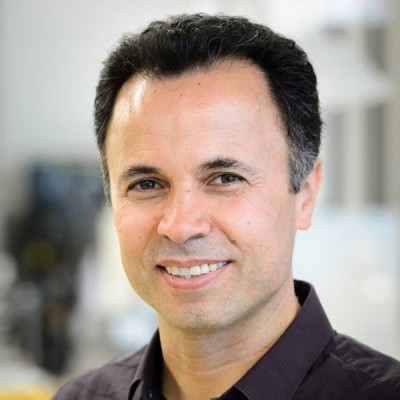
Prof. Dr. Jörg E. Drewes is a Full Professor and Chair at the Research Institute for Urban Water Management, Technical University of Munich (TUM), Germany. He also serves as Academic Program Director for Environmental Engineering at TUM and is a co-founder of Waterloop Solutions GmbH. His work spans advanced water treatment technologies, wastewater reuse, and environmental health surveillance. Affiliations : TUM, Colorado School of Mines, King Abdullah University of Science and Technology, UNSW Water Research Centre Research focuses on advanced oxidation processes , membrane fouling mitigation , micropollutant removal , and wastewater epidemiology for public health. His team develops integrated systems for water-energy-food nexus applications and graphene oxide-based treatment solutions. Recent publications address PFAS remediation , UVC-LED pre-treatment for biofouling control, and GIS-based wastewater surveillance models . Awards include the Bayerische Staatsmedaille (2023) and William Dunbar Medal (2022). 2023 : Bayerische Staatsmedaille 2022 : William Dunbar Medal 2018 : IWA Fellow He leads the Nexus@TUM initiative and contributes to EU water resilience strategies. Collaborations include projects in Germany, China, India, and Spain, focusing on climate-resilient water systems and resource recovery .
Dr. Madjid Mohseni is a Professor in the Department of Chemical and Biological Engineering at the University of British Columbia's Faculty of Applied Science. He serves as the Scientific Director of the Community Circle on Scaling Business Innovation for Humanity with his office located in CHBE 221. Dr. Mohseni leads the Water Laboratory (http://waterlab.chbe.ubc.ca/), focusing on water quality and advanced treatment technologies for drinking water applications. Dr. Mohseni earned his Ph.D. (1998) and M.A.Sc. (1994) from the University of Toronto, and his B.Sc. from Amirkabir University of Technology in Iran. His educational background has prepared him for his current research in water treatment and environmental engineering. His research program centers on developing, evaluating, and implementing advanced oxidation processes (AOPs), particularly UV-based AOPs, ion exchange, and electrochemical processes. His laboratory conducts both laboratory-scale development and pilot-scale field evaluations at partner community sites. Current work emphasizes PFAS remediation through various approaches including advanced oxidation/reduction processes, ion exchange technologies, and electrochemical methods. He also investigates novel materials like MXenes for water purification and develops practical solutions for municipal and community water systems. Analysis of Dr. Mohseni's recent publications reveals a strong focus on emerging contaminants, particularly PFAS, with significant emphasis on UV-based treatments and vacuum UV technology. His research consistently bridges fundamental science with real-world applications, developing technologies specifically tailored for small community water systems while addressing critical water quality challenges. Dr. Mohseni maintains affiliations with the Clean Energy Research Centre and the Bioproducts Institute at UBC, demonstrating his commitment to interdisciplinary research that addresses environmental challenges through innovative engineering solutions. His work aims to advance the science behind water treatment technologies while offering communities more efficient and cost-effective solutions to protect human health and the environment.
Joel S. Hayworth is an Associate Professor in the Department of Civil Engineering at Auburn University's College of Engineering. His research focuses on environmental and ecosystem restoration, particularly in estuarine, terrestrial, and freshwater systems. He leads the Estuarine Environments Research Program (EERP), which investigates the fate of endocrine-disrupting chemicals (EDCs), PFAS, and oil spill residues in coastal environments. Dr. Hayworth's educational background includes a PhD in Civil Engineering (Hydrology/Hydraulics) from Auburn University, an MS in Hydrology from the University of Nevada, Las Vegas via the Desert Research Institute, and a BS in Geophysics from the University of California, Santa Barbara. He previously worked at the Tennessee Valley Authority Engineering Laboratory and the U.S. Air Force Research Laboratory, and founded Hayworth Engineering Science in 1999 before returning to academia in 2010. His research interests span environmental engineering, hydrology, hydraulics, estuarine science, pollutant fate and transport, and chemical fingerprinting. He has developed advanced analytical methods for detecting EDCs and PFAS in water, sediment, and biota. His work integrates field studies, laboratory experiments, and environmental modeling to understand complex hydrologic, geologic, chemical, and biological processes in human-impacted ecosystems. The 15 most recent articles highlight a strong trend in environmental contaminant analysis, particularly focusing on PFAS, oil spill residues, and endocrine disruptors. His research combines analytical chemistry with environmental modeling and field monitoring, often in collaboration with interdisciplinary teams. Key themes include the development of UHPLC-MS/MS and GC-MS/MS methods, fate and transport modeling of pollutants, and ecological risk assessment in estuarine systems. Dr. Hayworth's scientific contributions are supported by funding from agencies such as the Gulf Coast Ecosystem Restoration Council (RESTORE Council). His work has led to significant publications in journals like Science of the Total Environment , Marine Pollution Bulletin , and Water . He actively mentors students and collaborates with researchers like T.P. Clement, G.F. John, and V. Mulabagal. His projects, such as the restoration assessment of Cotton Bayou and Terry Cove, demonstrate applied science for environmental problem-solving. He has developed state-of-the-art analytical laboratories and partnered with coastal communities for long-term monitoring. His laboratory, the Estuarine Environments Research Program (EERP), conducts multi-year studies on endocrine disruptors in estuaries, develops innovative sampling and analysis methods, and trains the next generation of environmental engineers and scientists. The team works across disciplines to address complex environmental challenges in the Gulf Coast region.
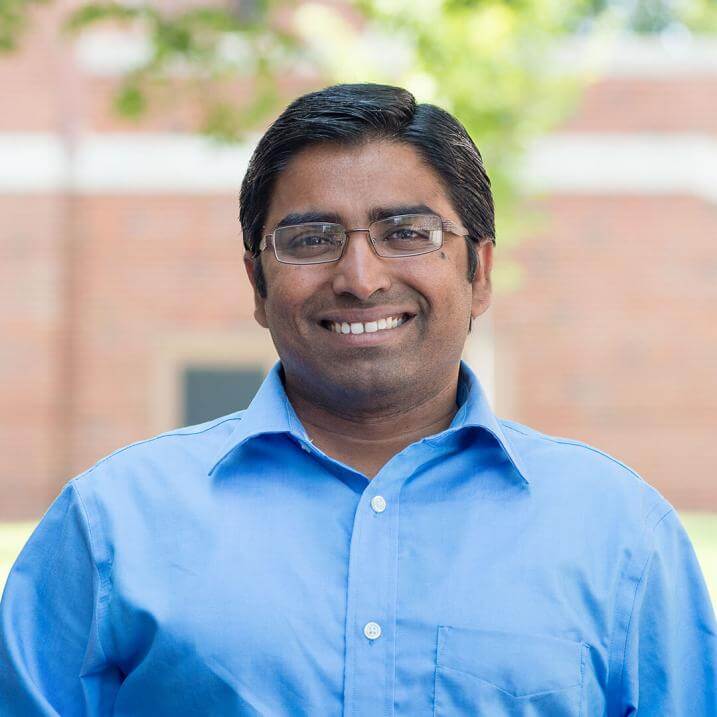
Dr. Appala Raju Badireddy is an Associate Professor in the Department of Civil and Environmental Engineering at the University of Vermont (UVM), and Director of the Water Treatment & Environmental Nanotechnology (WTEN) Laboratory. He is also co-founder and CTO of Secure Surgical Solutions LLC, and a founding member of Vermont Initiative for Biological and Environmental Surveillance (VIBES). His research focuses on sustainable membrane processes, environmental nanotechnology, nanometrology, and water security. Education: Ph.D., Environmental Engineering, University of Houston (2003-2009) M.Tech., Chemical Engineering, Indian Institute of Technology Madras (2001-2003) B.Tech., Chemical Engineering, Jawaharlal Nehru Technological University Hyderabad (1997-2001) Postdoctoral Research, Duke University (2009-2014) under Prof. Mark Wiesner Research Interests: Sustainable Membrane Processes: Water/wastewater treatment, desalination, anti-fouling strategies, and resource recovery. Environmental Nanotechnology: Nano-enabled sensors, remediation, and implications of nanomaterials in ecosystems. Environmental Chemodynamics: PFAS fate/transport, nutrient cycling, and contaminant toxicity. Water Security: Real-time monitoring systems and soil health assessments. His work integrates lab-scale innovations with field applications, emphasizing interdisciplinary collaboration. Recent Research Trends: Recent publications highlight advancements in PFAS remediation, electric-field enhanced filtration, and living lab approaches to precision agriculture. He explores nanomaterials for water treatment while addressing their environmental implications through novel detection methods like ED-HSI microscopy. Labs & Initiatives: WTEN Lab: Focuses on nanotechnology-driven water solutions. VIBES: Develops environmental surveillance tools for public health. Secure Surgical Solutions: Applies nanotechnology to medical devices.
Ian Bradley is an Assistant Professor in the Department of Civil, Structural and Environmental Engineering at the University at Buffalo, State University of New York. His research focuses on creating sustainable biological processes to address needs in engineered and natural systems for water and wastewater treatment and resource recovery. Education: PhD in Environmental Engineering, University of Illinois at Urbana-Champaign (2017) MS in Environmental Engineering, University of Illinois at Urbana-Champaign (2011) MS in Civil Engineering (Structures), University of Illinois at Urbana-Champaign (2010) Research Interests: Dr. Bradley specializes in microalgal-based nutrient recovery, wastewater surveillance for public health monitoring, PFAS degradation using nanomaterials, and sustainable resource recovery systems. His work integrates biological processes with environmental engineering to optimize wastewater treatment efficiency and develop predictive models for water quality and health outcomes. Publications: His recent research includes advancements in microalgal cultivation (EcoRecover process), wastewater-based epidemiology for SARS-CoV-2 tracking, and computational enzyme design for PFAS remediation. These studies demonstrate interdisciplinary expertise spanning environmental engineering, biotechnology, and public health analytics.
Prof. Roland A. Fischer is a Full Professor at the Chair of Inorganic and Metal-Organic Chemistry at Technical University of Munich (TUM). Previously, he held a Full Professorship at Ruhr University Bochum (1997–2015). His research focuses on multifunctional metal-organic frameworks (MOFs), clusters, and composites for energy conversion, catalysis, gas storage, and environmental applications. He leads the Catalysis Research Center and has pioneered advancements in MOF-based catalytic systems and stimuli-responsive materials. Education: 1981–1986: Diplom in Chemistry (TUM) 1989: PhD, Dr. rer. nat. (TUM) 1995: Habilitation (TUM) Research Interests: His work integrates molecular and extended catalytic systems, including: - Design of MOFs for photocatalytic fuel production - Nanoparticle encapsulation in robust frameworks - Redox-switchable materials and photochromic systems - Cluster chemistry and superatom complexes - Applications in energy storage, environmental remediation, and biomedical technologies. Major Achievements: Over 680+ publications, h-index 101 (Scopus 2025) Coordinator of EU projects (SURMOF, ENHANCE, DEFNET) Recipient of Heinz-Maier-Leibnitz Award (1993) and Alfried Krupp Award (1996) Editorial roles: Angewandte Chemie , Chemical Vapour Deposition Grants & Teams: He has secured major grants including DFG Priority Programs (CVD-Materials, COORNETs) and led interdisciplinary teams in EU initiatives. His lab collaborates globally, including visiting professorships at Kyoto University and IIT Bombay. Labs & Facilities: His research uses advanced facilities like the Catalysis Research Center and contributes to platforms such as the Munich Catalysis Alliance. Key tools include atomic layer deposition, in situ characterization, and MOF-based device fabrication.
Virginia Davis is the Dr. Daniel F. and Josephine Breeden Professor in the Department of Chemical Engineering at Auburn University's College of Engineering. She holds a Ph.D. in Chemical and Biomolecular Engineering from Rice University, and M.S. and B.S. degrees in Chemical Engineering from Tulane University. Research Focus: Self-assembly of nanomaterials, rheology, lyotropic liquid crystals, additive manufacturing, polymers, nanocomposites, and biosensors Key Projects: USDA-funded agricultural outreach, NSF grant for MXene dispersion studies, Alabama STEM Council member Her recent publications explore cellulose nanocrystals, MXene 3D printing, and sustainable polymer recycling. Davis has received multiple honors including the Breeden Professorship, AIChE Fellowship, and Auburn University Faculty Awards for research and mentorship. Research Trends: Dominated by bio-based nanomaterials (cellulose nanocrystals, MXenes), with applications in additive manufacturing, environmental remediation (PFAS adsorption), biosensors (carbofuran detection, cancer biomarkers), and agricultural delivery systems. Scientific Awards Auburn University Faculty Awards (2023, 2025) AIChE Fellow (2023) Dr. Daniel F. and Josephine Breeden Professorship Davis leads outreach initiatives like the Tomorrow’s Community Innovators camp and collaborates with interdisciplinary teams on plastic recycling innovations. Her work emphasizes both fundamental material science and practical applications addressing environmental and agricultural challenges.
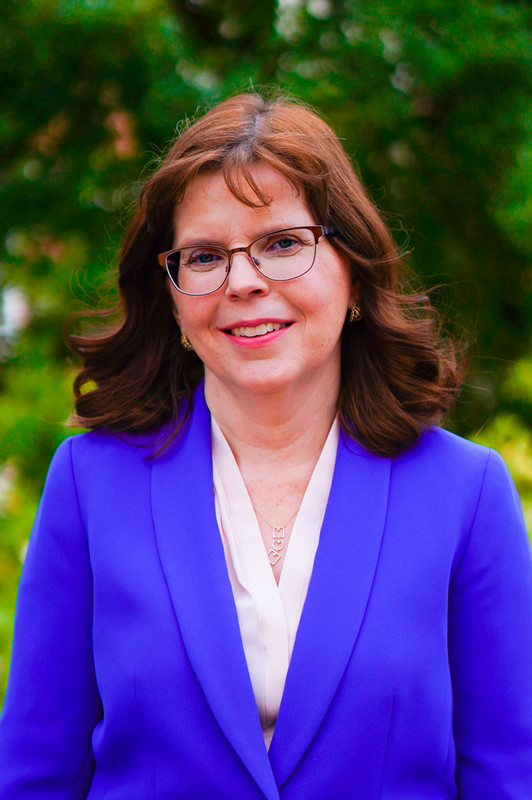
Susan D. Richardson is the Arthur Sease Williams Professor of Chemistry in the Department of Chemistry and Biochemistry at the University of South Carolina, affiliated with the McCausland College of Arts and Sciences. Her research focuses on improving drinking water safety through environmental analytical chemistry, particularly studying disinfection by-products (DBPs), emerging contaminants like PFAS, and advanced analytical methods such as mass spectrometry. She leads a lab equipped with six mass spectrometers and collaborates on projects involving water reuse, toxicology, and environmental policy. Education: B.S. in Chemistry & Mathematics from Georgia College & State University (1984); Ph.D. in Physical Organic Chemistry from Emory University (1989). Research Interests: Environmental analytical chemistry and drinking water safety Disinfection by-products (DBPs) formation and toxicity Emerging contaminants (PFAS, microplastics, algal toxins) Development of novel analytical methods (e.g., Total Organic Fluorine, VASE-GC-MS) Impact of wastewater reuse and hydraulic fracturing on water quality Article Trends: Recent work emphasizes high-molecular-weight DBPs, iodinated DBPs from cooking practices, and global PFAS hotspots. Innovative methods like tandem mass spectrometry and TOF analysis dominate her approaches. Awards: National Academy of Engineering (2024) Multiple Analytical Scientist Power List recognitions (2023–2019) Walter J. Weber Jr. AEESP Frontier in Research Award (2021) Fellowships from AAAS (2019) and ACS (2016) Advising & Grants: Richardson’s lab supports interdisciplinary collaborations, with funding from agencies like the National Science Foundation and industry partnerships. She mentors students in environmental chemistry and toxicology, emphasizing real-world applications of research. Labs/Teams: Her research group operates in state-of-the-art facilities (GSRC 209/237/238), focusing on cutting-edge technologies for contaminant detection and mitigation.
R. Kenneth Marcus serves as the Robert Adger Bowen Professor of Chemistry in Clemson University's College of Science Department of Chemistry, where he has maintained an active research program for 38 years. His work bridges analytical instrumentation development and advanced separation science with applications spanning nuclear safeguards to biomedical diagnostics. His academic foundation includes dual Bachelor of Science degrees in Chemistry (with honors) and Physics from Longwood College (1982), followed by a Ph.D. in Chemistry from the University of Virginia (1986). This multidisciplinary training underpins his innovative research approach. Dr. Marcus's research focuses on two synergistic thrusts: (1) plasma-based atomic spectrochemical techniques using glow discharge sources, particularly the liquid sampling-atmospheric pressure glow discharge (LS-APGD) microplasma for optical emission and mass spectrometry; and (2) capillary-channeled polymer (C-CP) fiber stationary phases for high-speed protein and extracellular vesicle separations. Current efforts target field-deployable nuclear safeguards instrumentation and exosome isolation platforms for clinical applications, leveraging commodity polymers like polypropylene and nylon. His 2024-2025 publications reveal a strategic convergence where LS-APGD mass spectrometry enables ultra-high-resolution isotopic analysis for nuclear applications, while C-CP fiber chromatography advances exosome purification across diverse biological matrices. This dual focus positions his work at the intersection of national security needs and emerging biomedical diagnostics. His distinguished recognition includes: Fellow of the Royal Society of Chemistry (2010) Fellow of the American Association for the Advancement of Science (2012) Fellow of the Society for Applied Spectroscopy (2016) Fellow of the National Academy of Inventors (2018) Clemson University Researcher of the Year (2019) South Carolina Governor’s Award for Excellence in Science Research (2001) Dr. Marcus has mentored 44 Ph.D. and 17 M.S. students to completion. His research receives sustained support from the National Nuclear Security Administration (NNSA) through Oak Ridge National Laboratory for nuclear safeguards instrumentation, the National Science Foundation (NSF) for chromatography development, and the Advanced Mammalian Biomanufacturing Innovation Center (AMBIC) for metal speciation studies in bioreactors. His laboratory occupies dedicated spaces (BRC 102, 102A, and 106) within Clemson's AG Biotech/Biosystems Research Complex, housing specialized instrumentation for plasma source development, mass spectrometry coupling, and high-throughput fiber chromatography systems that support collaborative work with nuclear security agencies and biomedical researchers.
Jeffrey Dick is the Richard B. Wetherill Professor of Chemistry at Purdue University, affiliated with the Department of Chemistry. His research focuses on developing novel electrochemical techniques to explore confined chemical systems, with applications in analytical chemistry, environmental monitoring, and energy storage. He leads the Dick Research Group, which investigates nanodroplet chemistry, aqueous metal batteries, and tumor analysis through advanced electrochemical methodologies. Research Interests: Electrochemistry in nanoscale and confined environments Development of cutting-edge analytical tools for real-time chemical analysis Electrochemical strategies for detecting environmental pollutants like PFAS Design of high-performance aqueous zinc batteries Nanoparticle synthesis via electrodeposition in nanodroplets Key Achievements: Recipient of the Richard B. Wetherill Professorship Recognition of student Patrick as an NSF Fellow (2025) Leadership in multiphase electrochemistry and biosensing innovations Advising & Grants: Mentorship of students in interdisciplinary research projects Development of educational modules for electrochemistry outreach Labs/Teams: The Dick Research Group operates in West Lafayette, focusing on multiphase electrochemistry and nanotechnology. Regular group meetings (every other week) discuss battery systems and tumor analysis, with a strong emphasis on collaborative innovation.
Stephen A. Boyd is a University Distinguished Professor in the Department of Plant, Soil and Microbial Sciences within Michigan State University's College of Agriculture and Natural Resources. His research spans environmental chemistry and microbiology with a focus on soil systems. His educational background includes a B.S. in Chemistry from Central Michigan University (1975), and M.S. and Ph.D. in Soil Chemistry from Purdue University (1978, 1980). Dr. Boyd's research investigates organic contaminant movement in soil, microbial/catalytic degradation mechanisms, and remediation technologies for contaminated soils/sediments. His work features innovative approaches including chemically modified clays for contaminant sorption and degradation, mechanistic studies of toxicant interactions with natural/modified clays, and development of in-situ soil modification technologies. He extensively examines biodegradation of xenobiotics (particularly PCB reductive dechlorination) and bioavailability of soil-bound contaminants to degrading bacteria. His 15 most recent publications reveal strong trends in clay-based contaminant immobilization, pharmaceutical/water pollutant interactions, dioxin chemistry, and nanomaterial applications for environmental remediation, with dominant fields being environmental chemistry, soil science, and contaminant toxicology. University Distinguished Professor (MSU, 2005) Jackson Award in Soil Science (SSSA, 2004) Highly Cited Researcher (Institute for Scientific Information, 2002) Distinguished Faculty Award (MSU, 2001) Soil Science Research Award (SSSA, 1999) Dr. Boyd has secured significant research funding including a recent $750K USDA grant (2022) for PFAS mitigation research. His laboratory focuses on clay chemistry applications for environmental remediation, with notable breakthroughs in soil cleansing technologies and biochar applications. Current work emphasizes advanced contaminant degradation pathways and practical field applications of his soil modification technologies.
David Latulippe is a Professor in the Department of Chemical Engineering at McMaster University. He joined McMaster in 2012 after postdoctoral work at Cornell University and a PhD at Penn State University, focusing on membrane filtration for DNA purification. His industrial experience includes roles at ZENON Environmental (now GE Water) in hollow-fiber membrane design for water treatment. Research interests include Membrane science and technology Bioprocessing of therapeutic viruses Microscale systems for biological applications Environmental engineering solutions for water treatment Current projects involve collaborations with industry partners like Ceapro and Aevitas, and the development of a biomanufacturing automation lab with Sartorius. Recent publications highlight advancements in Nanofiltration and microfiltration for viral vectors Conductive membranes for electrochemical applications Microfluidic systems for DNA analysis Environmental monitoring of biocides and microplastics Scientific recognition includes the Young Membrane Scientist Award (2014). Teaching activities focus on Fluid Mechanics (CHEMENG 2O04) and Industrial Separation Processes (CHEMENG 4M03).
Dr. Paul Westerhoff is a Regents' Professor and Fulton Chair of Environmental Engineering at Arizona State University's School of Sustainable Engineering and the Built Environment. He leads major NSF-funded research centers, including the Nanosystems Engineering Research Center for Water Treatment (NEWT) and the Science and Technologies for Phosphorus Sustainability (STEPS) Center. With over 400 journal publications (H-index >100), his work focuses on emerging contaminants, water treatment technologies, and nanomaterial fate. Awards include the 2023 National Academy of Engineering membership, 2020 A.P. Black Award, and 2019 NWRI Clarke Prize. Education: Ph.D., University of Colorado-Boulder (1995); M.S., University of Massachusetts-Amherst (1991); B.S., Lehigh University (1989). Research emphasizes water quality, sustainable engineering, and nanotechnology applications. Key areas include PFAS remediation, biofilm control via UV light, and atmospheric water harvesting. He serves as Associate Editor for Environmental Science & Technology . Recent projects include lithium monitoring in drinking water, semiconductor water use, and space-based UV disinfection systems. Over 80 students have graduated under his mentorship, recognized with ASU's 2015 Outstanding Doctoral Mentor Award. Awards span innovation (Water Research Foundation, 2024), teaching (Daniel Jankowski Legacy Award, 2021), and technical excellence (EPA STAA, 2019).
Jake M. Yang is a Lecturer in Physical Chemistry at the School of Chemistry, University of Leicester, where he leads an interdisciplinary research group focused on electrochemistry and sustainable material processing. He holds a DPhil and MChem from the University of Oxford and was awarded an EPSRC Doctoral Prize in 2020 for developing electrochemical sensors to monitor oceanic 'blue carbon'. His research integrates operando electrochemistry with spectroscopic and fluorescent imaging to investigate chemical reactions at electrode interfaces and their environmental applications. He is particularly known for pioneering green recycling methods for lithium-ion batteries and fuel cell membranes. Electroanalysis and Sensor Instrumentation Operando opto/spectro-electrochemical instrumentation Recycling of Technological Critical Materials Monitoring Microplastics and Ocean Ecosystems Fundamental electrochemistry Finite difference simulations The recent publications highlight a strong trend toward sustainability-driven electrochemistry, with a focus on recycling technologies using ultrasound and vegetable oil nanoemulsions. These works bridge fundamental science with industrial applications, particularly in the circular economy of electronics and energy systems. Award Highlights: EPSRC Doctoral Prize Award RSC Horizon Prize 2024 (Faraday Institute ReLIB project) University of Leicester Chemistry Image of Research Competition, 1st Prize Jake actively mentors students and offers funded PhD opportunities. His work is supported by institutional and industry-aligned grants, particularly in sustainable battery and fuel cell recycling. He collaborates across disciplines, including Earth Sciences and engineering, and promotes knowledge transfer through public engagement and media outreach. He is a key member of the Centre for Sustainable Material Processing and leads research on techno-economic analysis of recycling processes, ensuring scientific innovation meets real-world industrial and environmental needs.
Christopher P. Higgins serves as Professor and AMAX Distinguished Chair in the Department of Civil and Environmental Engineering at the Colorado School of Mines, a position he attained in 2025 following his 2022 designation as University Distinguished Professor. Joining Mines in 2009, he leads critical research on environmental contaminants with emphasis on poly- and perfluoroalkyl substances (PFASs) in natural and engineered systems. His educational foundation includes: PhD in Civil and Environmental Engineering from Stanford University (2007) MS in Civil and Environmental Engineering from Stanford University (2002) AB in Chemistry from Harvard University (1998) Dr. Higgins' research program investigates chemical fate and transport mechanisms, particularly PFAS movement through soils and water, human exposure pathways, and remediation technologies. His work integrates field studies, laboratory experiments, and mathematical modeling to address: PFAS leaching dynamics in vadose zones Advanced treatment methods for contaminated media Exposure assessment via water, food, and indoor environments Environmental risk characterization at contaminated sites His recent publications demonstrate increasing focus on analytical method development, source identification, and destruction technologies for ultrashort-chain PFAS compounds. Notable recognitions include: ASCE Huber Prize for Civil Engineering Research (2019) SERDP Environmental Restoration Project of the Year (2020) Honorary Professorship at The University of Queensland, Australia His research program has secured substantial funding from NSF, NIH, EPA, USDA, and DoD, supporting interdisciplinary collaborations and graduate student mentorship. Current initiatives emphasize translating laboratory findings to field applications through partnerships with regulatory agencies and industry stakeholders. Dr. Higgins directs the Center for Environmental Risk Assessment and co-leads the PFAS@Mines Initiative, which coordinates campus-wide research on PFAS contamination through integrated experimental, computational, and policy-focused approaches.