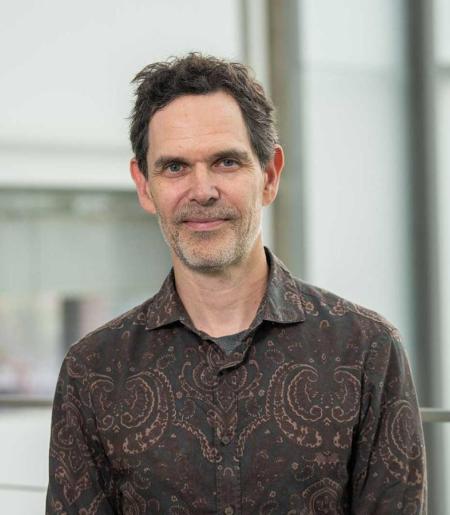
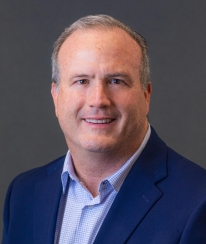
Alexander Omelianchik is a Research Fellow at the Department of Chemistry and Industrial Chemistry (DCCI) at the University of Genoa. His work focuses on physical chemistry and advanced materials research, particularly magnetic and nanostructured composites. His research explores Nanomaterial synthesis and topochemical transformations Magnetic interactions in nanoparticle composites Magnetoelectric effects in polymer matrices Catalytic applications of modified nanoparticles Recent work (2025) investigates FeCo-alloy nanosystems within SiO2 matrices, CoFe2O4/α-Fe2O3 composites, and PEG-modified magnetic nanoparticle applications in polymers. While no formal scientific awards are listed, his publications highlight collaborations with multidisciplinary teams advancing nanomaterials science.
Jonathan Soboloff is a Professor in the Division of Genetic, Environmental and Inhalational Disease at the University of Kansas School of Medicine . His research focuses on Ca²⁺ signaling mechanisms with implications in immunology, cancer, and bone physiology. Education : BSc in Pre-Health Professions, University of Waterloo PhD in Physiology, University of Ottawa Postdoctoral Fellowships in Immunology and Pathobiology at University of Toronto Postdoctoral Fellowship in Biochemistry, University of Maryland Research interests center on the STIM/Orai calcium signaling system , investigating its roles in T cell activation, invasive melanoma, bone density regulation, and cystic fibrosis. His lab has established collaborations with Exesalibero Pharma LLC for translational studies in osteoclastogenesis. Key publications from 2019-2025 cover topics in immunological Ca²⁺ regulation , melanoma progression , arthritis-related bone erosion , and cystic fibrosis pathophysiology . Current work explores modulating TRPC channels and ANO6 in disease contexts. Current funding is provided by NIH . The lab actively recruits PhD students and postdoctoral fellows for projects in calcium signaling and associated pathologies.
Jose Brandao Delgado serves as an Assistant Professor and Extension Food Safety Specialist at Utah State University's Department of Nutrition, Dietetics, and Food Sciences, based at the Logan Campus. His work integrates academic research with practical industry collaboration to advance food safety standards and regulatory compliance across Utah's agricultural sector. His educational foundation includes: PhD in Food Science from Louisiana State University (2019) BS in Food Technology from Escuela Agrícola Panamericana Zamorano (2012) Dr. Brandao's research centers on developing innovative food safety solutions for Utah's unique agricultural challenges, with particular emphasis on pathogen control in irrigation systems and food waste reduction. His expertise spans food toxicology, safety practices in food processing, and agricultural pathogen management, directly addressing critical gaps in fresh produce safety. Through extension programs, he translates complex food safety science into actionable industry protocols for both consumer and manufacturing contexts. Analysis of his 15 most recent publications (2015-2024) reveals a consistent research trajectory focused on practical food safety interventions. His work predominantly addresses irrigation water decontamination using surfactant-modified zeolite filtration systems, demonstrating significant pathogen reduction efficacy for high-risk pathogens like Salmonella and Listeria in strawberry and lettuce production. Secondary themes include horticultural by-product valorization, shelf-life extension techniques, and household food waste reduction strategies—showcasing his commitment to sustainable food systems from farm to consumer. No scientific awards were documented in the provided materials. Dr. Brandao actively secures research funding to support Utah's food safety infrastructure while mentoring students through courses like NDFS 6180 - Food Safety Inspection and Auditing. His dual extension appointments in Consumer Food Safety Education and Food Safety of Manufacturing Industry (both ongoing since 2024) demonstrate his commitment to bridging academic research with real-world industry implementation across multiple food system sectors.
Assoc. Prof. Hafize Nagehan Köysüren works at Ahilik University's Faculty of Engineering and Architecture, Department of Environmental Engineering, Türkiye. She holds a PhD in Environmental Engineering (2013) and has been employed full-time since 2024. Education: PhD (Environmental Engineering, Selçuk University, 2013) Academic Status: Full-time Associate Professor Her research focuses on nanotechnology applications in environmental engineering, particularly photocatalytic degradation of pollutants and heavy metal removal using advanced materials. She has contributed to: Development of self-cleaning coatings for solar cells Innovations in magnetic separation composites for chromium reduction Studies on boron-doped materials for UV degradation Her recent publications (2023-2025) emphasize: Visible light-activated Cr(VI) photoreduction Nanocomposite synthesis for solar cell efficiency Polymer-metal interactions in environmental remediation She collaborates with researchers like Özcan Köysüren, Şükrü Dursun, and international experts across 38 joint projects since 2013.
Dr. Alexander C. Drohat is a Professor in the Department of Biochemistry and Molecular Biology at the University of Maryland School of Medicine. His research focuses on DNA repair mechanisms and epigenetic regulation through DNA methylation, with a particular emphasis on thymine DNA glycosylase (TDG) and SUMO modification pathways. Utilizing biochemical, biophysical, and structural approaches—including NMR spectroscopy and crystallography—his lab explores how TDG maintains genomic integrity by repairing oxidized and deaminated bases, while also investigating its role in active DNA demethylation via TET enzymes. Notably, his work reveals how SUMO conjugation dramatically impairs TDG activity, potentially enabling it to function as a transient reader of modified cytosines. His lab has characterized TDG's interactions with substrates like G·T mismatches, 5-formylcytosine, and 5-carboxylcytosine, uncovering critical residues and mechanisms for specificity and catalysis. Recent studies highlight TDG's search strategies involving nucleosome interactions and its regulation by sumoylation. 2025 : Characterized 7,8-dihydro-8-oxoadenine repair 2024 : Investigated TDG sumoylation effects on DNA binding 2023 : Developed 19F NMR methods for nucleotide flipping 2022 : Linked TDG activity to genomic methylation patterns 2019 : Defined TDG's role in 5-carboxylcytosine excision Dr. Drohat has received prestigious accolades including AAAS Fellowship (2022) and an NIGMS MIRA Award (R35GM136225, 2020-2025) . His work is supported by continuous NIH funding since 2005.
Michele Vitolo is an Assistant Professor in the Department of Pharmacology & Physiology at the University of Maryland School of Medicine. Her research focuses on understanding the molecular mechanisms of breast cancer metastasis, particularly the role of PTEN loss and microtentacle formation in tumor progression. She has developed innovative models and assays to study cytoskeletal dynamics and signaling pathways in cancer cells. University of Maryland Baltimore (PhD, 2004) Franklin and Marshall College (BS, 1995) Dr. Vitolo's research investigates how tumor suppressor gene inactivation affects cancer cell behavior. Key areas include: PTEN loss-induced microtentacle formation Interplay between PI3K and Ras/MAPK pathways Calcium signaling in metastatic processes Epigenetic regulation of cytoskeletal networks Development of novel cell tracking methodologies Identification of therapeutic targets for metastatic disease Her work has been recognized through the NCI Mentored Scientist Research Award. Dr. Vitolo has authored numerous publications examining: Cytoskeletal alterations in detached cancer cells Role of tubulin modifications in metastasis Signaling mechanisms promoting tumor cell reattachment Therapeutic approaches targeting microtentacle formation
Stefano Bruno is an Associate Professor at the Department of Pharmacy, University of Parma with a focus on Biochemistry . He holds a PhD in Biochemical Sciences from the University of Turin (2002) and has been teaching since 2004, including courses like Applied Biochemistry and Clinical Biochemical Analysis across multiple degree programs. Education : 1997: MS in Pharmaceutical Chemistry, University of Parma 2002: PhD in Biochemical Sciences, University of Turin His research spans heme proteins , enzyme characterization , and pharmaceutical applications . Key areas include: Structural and functional analysis of hemoproteins (e.g., neuroglobin, cytoglobin) Development of blood substitutes via hemoglobin modifications Investigation of serine racemase and phosphoserine phosphatase in neurological contexts Protein immobilization in silica gels for functional studies His publications (70+ peer-reviewed, H-index 20) emphasize Antarctic bacterial proteins , enzymatic inhibition , and radiopharmaceutical quality control . He has supervised 8 PhD students and contributed to international conferences like the International Symposium on Blood Substitutes . Recent work includes fluorescent biosensors, NO sensing proteins, and covalent enzyme inhibitors for cancer therapy . Awards : No specific scientific awards listed. Teaching & Leadership : Active in PhD programs ( Biochemistry , Pharmaceutical Sciences ), international schools like the ULLA Summer School , and conference organization (e.g., New Challenges in Protein Science ).
Dr. Li Ying is an Associate Professor and Doctoral Supervisor at the Department of Marine Science and Engineering, Southern University of Science and Technology (SUSTech), where she directs the Center for Marine Atmospheric Sciences. Her research focuses on atmospheric aerosol remote sensing , secondary pollution numerical modeling , and ocean-atmosphere interaction studies under climate change contexts. She holds a PhD in Atmospheric Environmental Science from the Hong Kong University of Science and Technology (2011), MSc in Atmospheric Science from Peking University (2006), and BSc in Physics from Bohai University (2002) with joint study at Tsinghua University. Her professional journey includes roles as Research Assistant Professor at HKUST (2015-2016) and Postdoctoral Fellow at HKUST (2011-2015), with visiting scholar experience at the University of Tennessee (2008-2009). Her research group develops satellite-based remote sensing algorithms for aerosol components (PM2.5, black carbon), studies ozone formation mechanisms in the Pearl River Delta, and creates novel emission control evaluation methods . She leads major projects including Shenzhen Smart City Atmospheric Monitoring and Guangdong-Hong Kong-Macao Air Quality Research Team . Scientific achievements include 60+ SCI publications in journals like Remote Sensing of Environment and Environmental Science & Technology Over 2,400 citations and H-index 24 Two ESI Highly Cited Papers Recipient of Shenzhen Overseas High-level C Talent (2017)
Brian Crane serves as the George W. and Grace L. Todd Professor in the Department of Chemistry and Chemical Biology at Cornell University's College of Arts and Sciences. His research focuses on the structural and mechanistic aspects of protein systems involved in biological signal transduction. PhD, The Scripps Research Institute BSc, University of Manitoba Crane's academic interests center on biophysical and chemical biology approaches to understanding: Protein electron transfer reactions Photochemical processes in biological systems Nitric oxide signaling and enzymology Redox-dependent signal transduction Macromolecular assembly dynamics His work spans circadian clock light sensors, bacterial transmembrane signaling, and nitric oxide-mediated stress responses, utilizing advanced methodologies like cryo-electron microscopy, electron spin resonance spectroscopy, and macromolecular crystallography. Crane has contributed to high-impact publications in journals including Science, Nature, and Cell.
Emel Kaynakci is an Assistant Professor at Akdeniz University , contributing to the fields of Nutrition, Food Technology, and Meat Science. She holds affiliations with the Faculty of Health Sciences (Department of Nutrition and Dietetics), the Institute of Health Sciences (Medical Biotechnology Department), and the Göynük Cuisine Arts Vocational School (Department of Hotel, Restaurant and Catering). Education: Doctorate (2007-2012): Food Engineering, Süleyman Demirel University. Postgraduate (2000-2003): Food Engineering, Akdeniz University. Undergraduate (1996-2000): Food Engineering, Süleyman Demirel University. Research Interests focus on enhancing food products through biotechnology, including postbiotics, fat substitution, and functional ingredients. Her work bridges nutritional improvement with food safety, particularly in meat and seafood preservation. Article Trends emphasize food formulation, microbial stability, and nutritional optimization. Key themes include postbiotic applications, fat alternatives in sausages, and algae-based additives in meat products. Scientific Awards: TÜBİTAK Scientific Publications Encouragement Program (2007, 2005, 2004). Advising includes mentoring three postgraduate students on postbiotics and obesity, gluten-free bread, and probiotic effects in meat. Grants involve projects on molecular gastronomy and 3D food printing. She has participated in international conferences, such as the 1st International Conference on Contemporary Academic Research (2023) and the 57th International Congress of Meat Science and Technology (2011).
Susanne Zeilinger-Migsich is a Universitätsprofessorin (Full Professor) and Director of the Institute of Microbiology at the University of Innsbruck's Faculty of Biology. She leads the Molecular Mycology and Mycoparasitism research group, focusing on Trichoderma species as biocontrol agents against plant pathogens. Her work integrates molecular genetics, chemical ecology, and systems biology to dissect fungal interactions. Her research centers on molecular mycology with emphasis on: Mechanisms of mycoparasitism and fungal biocontrol Signal transduction in Trichoderma during host interaction Secondary metabolite biosynthesis (particularly 6-pentyl-α-pyrone) Fungal volatile organic compound communication Nutrient regulation and stress response pathways Current work leverages CRISPR-Cas9, metabolomics, and live-cell imaging to visualize molecular interactions in real-time. Analysis of her 15 most recent publications reveals strong thematic continuity in Trichoderma molecular mechanisms, with increasing methodological sophistication in genome editing (CRISPR), real-time VOC analysis (PTR-MS), and spatial metabolomics (MALDI imaging). Key research threads include TOR and MAPK signaling pathways, epigenetic regulation of mycoparasitism, and light-dependent metabolic reprogramming. Scientific recognition includes: Associate Editor for Frontiers in Fungal Biology Editorial Board Member for Biocontrol Science and Technology Editorial Board Member for Pathogens journal Leadership of the DK Bio-Interactions doctoral program Member of Faculty Council for Biology Her group actively mentors PhD students (including Baldin, Pierson, Flatschacher) who lead projects on CRISPR applications, antioxidant systems, and nanoparticle biosynthesis. Major funded projects include WWTF's 'BIOGEN: from genes to biocontrol' and FWF's 'TRICHO-TOR: TOR kinase signaling in Trichoderma atroviride', reflecting strong institutional support for her research program. Public engagement includes frequent media appearances in Der Standard, ORF, and Tiroler Tageszeitung discussing fungal applications in agriculture and biotechnology.
Anna Troiani is an Associate Professor at Sapienza University of Rome in the Department of Pharmaceutical Chemistry and Technology within the School of Pharmacy. She teaches multiple courses including Chemistry for Aerospace Engineering, Mass Spectrometry and Radiochemistry for Pharmaceutical Biotechnology, and General and Inorganic Chemistry Exercises for Pharmacy students. Her research focuses on mass spectrometry applications , gas-phase ion chemistry , and pharmaceutical analysis . Dr. Troiani's work bridges analytical chemistry with pharmaceutical applications, particularly in developing novel mass spectrometric techniques for analyzing complex chemical reactions in microdroplets and thin films. Her research has significant implications for drug development, food safety, and environmental analysis. Analysis of her recent publications reveals a strong focus on microdroplet chemistry and gas-phase reaction mechanisms , with applications spanning pharmaceutical analysis, food adulteration detection, and cancer research. Her work demonstrates how specialized mass spectrometry techniques can accelerate chemical reactions and provide mechanistic insights that are difficult to obtain through conventional methods. Dr. Troiani leads research projects focused on gas-phase ion-molecule reactions as models for complex chemical processes, with particular emphasis on oxidizing ionic species and their applications in biochemical and nanotechnological contexts. Her research group investigates sulfur dioxide oxidation mechanisms, carbohydrate dehydration processes, and the development of novel analytical methods for pharmaceutical applications.
Nicolas SANSON is a Maître de Conférence (Associate Professor) at Sorbonne University, affiliated with the Sciences et Ingénierie de la Matière Molle (SIMM) laboratory—a joint research unit (UMR 7615) of ESPCI Paris, CNRS, and Sorbonne University. Based at ESPCI Paris (10 rue Vauquelin, Paris), his work bridges fundamental soft matter research with industrial applications in petroleum engineering and biosensing. His educational background includes: PhD (2005) from Université de Montpellier II on Assemblages de copolymères à bloc double hydrophile et de cations multivalents , supervised by Dr. Corine Gérardin and Dr. François Fajula Postdoctoral research at the University of Toronto (2005) under Prof. Eugénia Kumacheva Postdoctoral research at RHODIA's CRPP (Bordeaux, 2006) under Dr. Virginie Ponsinet SANSON's research focuses on self-assembly of nanoparticles, synthesis of stimuli-responsive microgels, and physico-chemistry of macromolecular assemblies. He specializes in thermoresponsive hydrogels (particularly PNiPAM-based systems) and zwitterionic polymers, investigating structural transitions, mechanical properties, and colloidal stability. His work frequently addresses industrial challenges in enhanced oil recovery and biosensor development. Analysis of his 15 most recent publications (2011-2018) reveals consistent emphasis on LCST-type hydrogels, nanoparticle-polymer hybrids, and responsive microgels. Key trends include topology-dependent mechanical behavior in polymer networks, crack bifurcation in phase-separated systems, and colloidal stability mechanisms in zwitterionic systems. His interdisciplinary approach spans polymer chemistry, colloid science, and materials engineering, with publications in high-impact journals like Macromolecules and Advanced Materials . No formal advisees or scientific awards are documented in the source material. However, SANSON actively teaches undergraduate and graduate courses including colloidal chemistry, polymer thermodynamics, and materials science at Sorbonne University and Polytech'Paris-UPMC. He operates within the CAID (Colloïdes, Assemblages et Interfaces Dynamiques) team at SIMM laboratory, which provides advanced facilities for soft matter synthesis and characterization. The SIMM—directed by J.B. d’Espinose—hosts multiple research groups focused on non-equilibrium soft matter, polymer networks, and colloidal systems, fostering collaborative work in soft materials science.
Rennolds Ostrom is Dean and Professor of Pharmacology at Chapman University School of Pharmacy . Graduated with a B.A. in Biology from Dartmouth College and a Ph.D. in Pharmacology from the University of California, Irvine . Previously held faculty positions at the University of California, San Diego and the University of Tennessee medical schools. Specializes in G protein-coupled receptors , cAMP signaling , and lung disease mechanisms , with research continuously funded by the NIH since 2003. Serves as Associate Editor for British Journal of Pharmacology , Molecular Pharmacology , and American Journal of Physiology-Cell Physiology . His research focuses on cAMP signaling dynamics in respiratory diseases, particularly through adenylyl cyclase isoforms and non-genomic glucocorticoid signaling . Recent work includes discovering rapid glucocorticoid-stimulated cAMP production via Gαs defining compartmentalized signaling in airway smooth muscle identifying S-nitrosylation as a novel AC6 regulator Key collaborative networks span institutions including Rutgers University University of California, Irvine Long Island University with emphasis on translational research for obstructive pulmonary diseases.
Professor John Anthony Byrne is a Professor of Photocatalysis and Research Director in the School of Engineering at Ulster University. He leads the Clean Technology research theme within the Nanotechnology and Integrated BioEngineering Centre (NIBEC) and heads the Photocatalysis Research team at Ulster. His work focuses on developing nanotechnology solutions for environmental and energy applications, with particular emphasis on water treatment and renewable energy systems. Professor Byrne received his undergraduate education in biology and chemistry at Ulster University, earning a 1st class honours degree. He continued his studies at Ulster, completing his DPhil in chemistry under the supervision of Dr. Brian Eggins. Professor Byrne's research is centered on photocatalytic nanomaterials for environmental remediation and renewable energy applications. His work primarily focuses on titanium dioxide-based materials and their modifications for enhanced performance in water treatment systems. He has made significant contributions to the development of photoelectrocatalytic reactors for the degradation of contaminants of emerging concern in water. His research also extends to the inactivation of pathogens in drinking water, with applications for rural communities in developing countries. Professor Byrne's work bridges the gap between fundamental materials science and practical engineering solutions for global water challenges. An analysis of Professor Byrne's recent publications reveals a strong focus on water treatment technologies , particularly photoelectrocatalytic systems for disinfection and contaminant removal. His research increasingly incorporates automation and field testing of water treatment systems, demonstrating a commitment to translating laboratory findings into practical solutions. There's also a growing emphasis on renewable energy integration , particularly coupling water treatment with hydrogen production. Professor Byrne has received recognition for his contributions to science and education: Fellow of the Higher Education Academy Fellow of the Royal Society of Chemistry Professor Byrne serves on several important committees, including the RSC Northern Ireland Section Committee, the RSC Photochemistry interest group, and the Chemical Nanoscience and Nanotechnology interest group. He is the Chair of the Professional Bodies Forum in support of the All Party Group on Science and Technology (NI Assembly) and a founding Board Member of the Northern Ireland Science Festival. His research has been supported by numerous projects, including the SAFEWATER project which focuses on household water disinfection systems for rural communities. As Research Director of Engineering and leader of the Photocatalysis Research team at Ulster, Professor Byrne oversees a significant research operation within the Nanotechnology and Integrated BioEngineering Centre (NIBEC). His team works on developing innovative solutions for water purification, with a particular focus on making these technologies accessible to communities in developing regions. The team's work spans from fundamental materials research to field testing of complete water treatment systems.