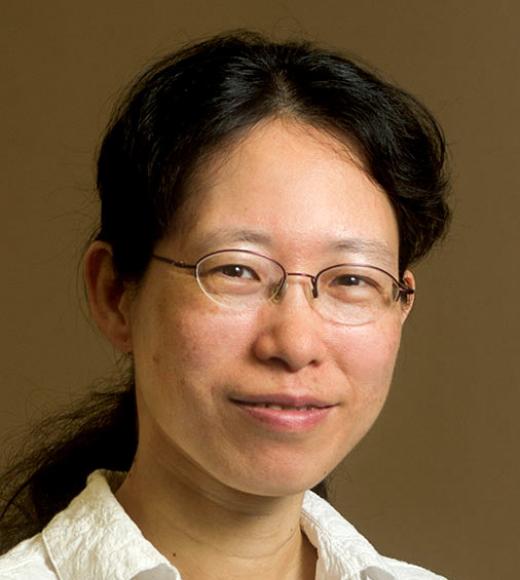
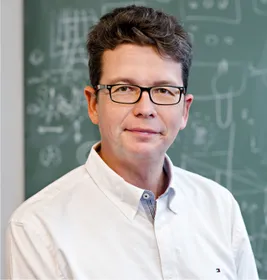
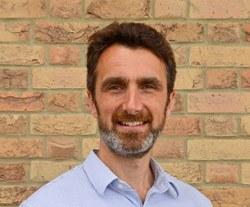
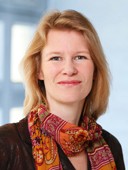
Henrik Rasmus Andersen is a Professor at the Department of Environmental and Resource Engineering, Water Technology & Processes at the Technical University of Denmark (DTU). His research focuses on water treatment processes, particularly the occurrence, transformation, and removal of micropollutants like pharmaceuticals and hormones. Key Research Areas: Chemical analysis, bioassays, ozonation, biofilter optimization, by-product profiling, and advanced oxidation processes. Projects: Leads initiatives like BIZON (ozone technology for fish farms) and Sustainable Industrial Laundry Wastewater Treatment , emphasizing sustainable solutions. Collaborations: Works with institutions such as University of Copenhagen and industry partners on municipal and industrial wastewater challenges. Education: Master of Science in Environmental Chemistry from Copenhagen University (1998).
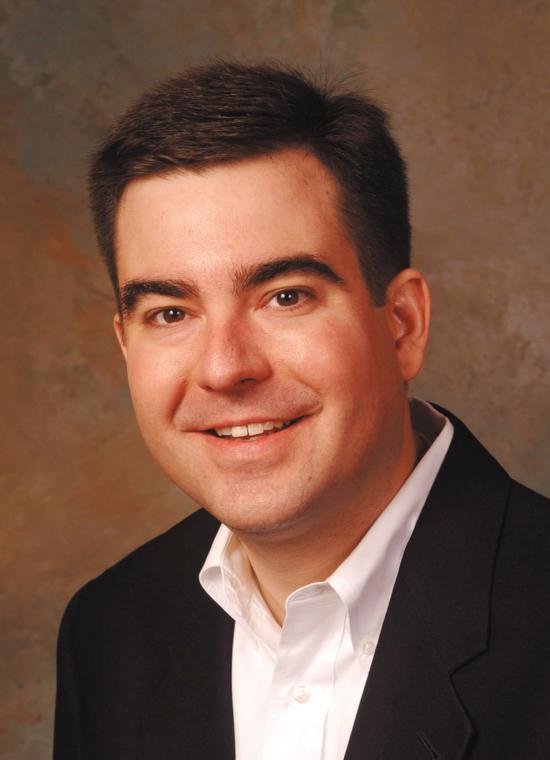
Dr. Xi Chen is a Professor in the Department of Chemistry at the University of California, Davis, where he has been a faculty member since 2003. His research spans carbohydrate chemistry, glycobiology, and cancer biology, with notable contributions to chemoenzymatic methods for glycoconjugate synthesis. Dr. Chen's work focuses on developing hybrid chemical-enzymatic approaches to synthesize complex carbohydrates and glycoconjugates, characterizing glycosyltransferase mechanisms, and designing enzyme mutants for improved catalysis. He also investigates carbohydrate-based diagnostics and therapeutics, particularly in cancer and inflammatory diseases. His recent publications highlight interdisciplinary studies linking carbohydrate metabolism to p53 tumor suppression pathways and RNA-binding protein regulation in cancer. Awards include AAAS Fellow (2015), ACS Isbell Award (2012), and NSF CAREER Award (2006). He earned his Ph.D. at Wayne State University (2000) and B.S. at Xiamen University (1994). Scientific Awards American Association for the Advancement of Science Fellow (2015) Dean's Team Award for Excellence (2013) Carbohydrate Research Award for Creativity (2013) ACS CARB Horace S. Isbell Award (2012)
Gustavo M. Silva is the Jack H. Neely Associate Professor of Biology at Duke University's Trinity College of Arts & Sciences, a position he has held since 2025. Previously, he served as Associate Professor of Biology (2024-present) and Assistant Professor of Cell Biology (2022-present) at Duke. His research is conducted through the Silva Lab (sites.duke.edu/silvalab), which focuses on molecular mechanisms of cellular stress response. Education: Ph.D. from University of Sao Paulo (Brazil), 2010 B.Sc. from University of Sao Paulo (Brazil), 2004 Dr. Silva's research centers on understanding how gene expression is regulated at transcriptional and translational levels during cellular stress. His lab specifically investigates how the ubiquitin system controls protein synthesis and degradation dynamics under stress conditions, which are critical for cellular physiology. His work has significant implications for understanding disease mechanisms where protein homeostasis is disrupted. The research combines biochemical, genetic, and proteomic approaches to dissect these complex regulatory networks. His publication record demonstrates a clear evolution from fundamental studies on redox regulation and proteasome function to more complex investigations of ubiquitin signaling in translation control and stress response. Recent work increasingly focuses on K63-linked ubiquitination's role in ribosome function and translation regulation, with growing emphasis on the clinical implications of these mechanisms in disease contexts including cancer. Scientific Awards & Recognition: Paul T. Englund Emerging Scholar Award (Johns Hopkins School of Medicine, 2024) Dean's Award for Excellence in Mentoring (Duke Graduate School, 2023) Science Diversity Leadership Award (Chan Zuckerberg Initiative, 2022) Best Professor Award (Vanderbilt Basic Sciences Juneteenth Committee, 2022) 100 inspiring Black scientists in America (CellPress, 2020) Dr. Silva actively mentors students at multiple levels, as evidenced by his Dean's Award for Excellence in Mentoring. His research is supported by substantial funding including NIH grants such as the Tri-Institutional Molecular Mycology and Pathogenesis Training Program (2024-2029) and 'Stalling cancer at the ribosome' from the V Foundation for Cancer Research (2025-2028). He also serves as Principal Investigator on multiple R01 grants focused on ubiquitin's role in translation control and stress response. The Silva Lab maintains strong collaborative relationships with institutions including the Chan Zuckerberg Initiative and ETH Zurich, and participates in several interdisciplinary training programs at Duke that support underrepresented students in biomedical sciences.
Prof. Peter Müller-Buschbaum is a Full Professor and Head of the Chair of Functional Materials at the Physics Department of the Technical University of Munich (TUM). He has held this position since April 2018 and also served as Scientific Director of the Research Neutron Source Heinz Maier-Leibnitz (FRM-II) and the Heinz Maier-Leibnitz Center (MLZ) from 2018 to 2023. His leadership extends to multiple roles including Core Member of the Integrated Research Institute Munich Institute of Integrated Materials, Energy and Process Engineering (MEP) since 2021, and Head of the Renewable Energies Network (NRG) at MEP. Full Professor (W3), Head of the Chair of Functional Materials at TUM School of Natural Sciences (since 04/2018) Deputy Editor of "ACS Applied Materials & Interfaces" (since 01/2024) Supervising Professor "Electronics Laboratory" at TUM School of Natural Sciences (since 11/2023) Member of TUM Sustainability Board (since 05/2023) Core Member of MEP Institute (since 10/2021) Head of Renewable Energies Network at MEP (since 10/2021) Prof. Müller-Buschbaum's research spans energy materials for photovoltaics and battery technologies, smart responsive materials that adapt to environmental stimuli, and nanocomposite materials with tailored properties. His group employs advanced scattering techniques to characterize materials at the nanoscale, providing insights into structure-property relationships critical for developing next-generation energy technologies. His extensive publication record demonstrates particular expertise in perovskite solar cells, lithium-ion battery technologies, and polymer-based functional materials, with recent work focusing on improving device stability and efficiency while understanding fundamental degradation mechanisms. His publications reveal a strong emphasis on energy conversion and storage technologies, with particular attention to interfacial engineering in both photovoltaic and battery systems. The research shows sophisticated integration of materials synthesis, advanced characterization, and device engineering to address critical challenges in renewable energy technologies. His work bridges fundamental science with practical applications through collaborations with major international research facilities. Scientific Service and Recognition Member of the Council of the Cluster of Excellence "ORIGINS" (since 01/2019) Spokesperson of the Chemical Physics and Polymer Physics Association of DPG (03/2021-10/2022) Member of the European Spallation Source Scientific Advisory Panel (since 03/2011) German representative at the European Polymer Federation for polymer physics (since 03/2011) Chairman of the Keylab "TUM.solar" in the Bavarian research project "Solar Technologies Go Hybrid" (since 03/2012) Prof. Müller-Buschbaum actively contributes to academic community through editorial work, having served as Associate Editor (2012-2022), Executive Editor (2023), and currently Deputy Editor (2024-present) of "ACS Applied Materials & Interfaces". He maintains strong international collaborations with synchrotron and neutron facilities worldwide, reflecting his expertise in advanced materials characterization techniques essential for cutting-edge materials research.
Christopher Lawson is an Assistant Professor in the Department of Chemical Engineering and Applied Chemistry at the University of Toronto, affiliated with the Faculty of Applied Science and Engineering. He serves as Principal Investigator of the Microbiome Engineering Lab and is part of BioZone – the Centre for Applied Bioscience and Bioengineering. His research focuses on engineering anaerobic microbiomes for resource recovery from waste streams using systems biology, synthetic biology, and machine learning approaches. B.A.Sc., M.A.Sc. (University of British Columbia) Ph.D. (University of Wisconsin-Madison) Postdoctoral Training (Berkeley Lab) Lawson's work addresses the challenge of controlling complex microbial interactions in engineered systems to enable scalable biotechnologies for renewable energy, chemicals, and materials. His lab develops high-throughput methods integrating automation and computational tools to optimize microbiome assembly and metabolic fluxes. Recent publications highlight advancements in metabolic modeling , isotope tracing , and systems-level analysis of anaerobic microbiomes, with applications in wastewater treatment , anammox granules , and bioenergy production . His research bridges fundamental microbiology with industrial-scale bioprocess engineering. Scientific Awards ISME/IWA BioCluster Rising Star Award (2022) Jacobs Engineering Group/AEESP Outstanding Doctoral Dissertation Award (2020) Wesley Eckenfelder Graduate Research Award (2019) WEF Canham Graduate Studies Scholarship (2018) NSERC Post-Graduate Scholarship – Doctoral (2014) Lawson actively mentors students and postdocs, emphasizing technical rigor, communication skills, and independence. His lab collaborates within BioZone and with industry partners to advance "team science" principles. Current projects focus on creating engineered microbiomes for commercial-scale waste valorization.
Professor Howard Stone is a faculty member at the University of Cambridge, affiliated with the Department of Materials Science and Metallurgy. He has progressed through academic ranks, including Professor of Metallurgy (2021), Reader in Metallurgy (2017), and Lecturer in Metallurgy (2012). PhD (University of Cambridge, 2000) MA (University of Cambridge, 1995) His research focuses on metallurgy and materials science , particularly Nickel-Based Superalloys , High-Entropy Alloys , and Titanium Alloys . Key areas include microstructural evolution under thermal stress, oxidation resistance, and additive manufacturing techniques like laser powder bed fusion. Professor Stone’s recent publications highlight trends in superalloy design , phase stability , and additive manufacturing . Topics include gamma prime precipitation, lattice misfit analysis, and oxidation behavior modification. He is associated with the Rolls-Royce UTC (University Technology Centre) at Cambridge, which focuses on advanced metallurgical research and industrial collaboration.
Professor Gideon James Grogan is a distinguished academic at the University of York, holding a position in the Department of Chemistry within the Faculty of Sciences. With expertise spanning structural and applied enzymology, he leads research at the intersection of chemistry and biology, developing novel biocatalysts for sustainable chemical synthesis and pharmaceutical applications. Professor Grogan's research focuses on the identification, characterization, and application of enzymes with biotechnological potential. His work encompasses: Oxygenases including P450s, flavoprotein monooxygenases, and peroxygenases Reductases such as ketoreductases (KREDs), imine reductases (IREDs), and reductive aminases (RedAms) Lyases catalyzing asymmetric hydration of alkenes Ligases for amide bond formation His multidisciplinary approach integrates synthetic chemistry, microbiology, molecular biology, and X-ray crystallography to engineer enzymes using in vitro evolution techniques. Recent research has yielded significant advances in biocatalytic pathways for chiral pharmaceutical precursors and renewable material processing. Professor Grogan's publication record demonstrates consistent innovation in biocatalysis, with recent work focusing on peroxygenase applications, reductive amination technologies, and enzyme engineering for improved catalytic properties. His research shows strong trends in developing sustainable enzymatic routes for pharmaceutical synthesis, with particular emphasis on stereoselective transformations and cascade reactions. Professor Grogan has received significant research funding through major grants from: BBSRC (Biotechnology and Biological Sciences Research Council) EPSRC (Engineering and Physical Sciences Research Council) He actively supervises PhD students and collaborates extensively both within the University of York and internationally. His work bridges the Departments of Chemistry and the York Structural Biology Laboratory (YSBL), leveraging state-of-the-art facilities for organic synthesis, protein expression, and structural analysis. Professor Grogan maintains strong industry connections, translating fundamental research into practical applications for pharmaceutical and chemical manufacturing. His current projects include sustainable production of menthol enantiomers, development of native amine dehydrogenases for chiral amine synthesis, and discovery of securinine alkaloid biosynthesis pathways.
Prof. Dr. Helma Wennemers serves as a Full Professor at ETH Zurich's Department of Chemistry and Applied Biosciences, leading the Laboratory for Organic Chemistry. Her research group operates from HCI H 313 at Vladimir Prelog Way 1-5/10 in Zurich, Switzerland, with active teaching responsibilities including Organic Chemistry I and Chemical Biology - Peptides for the Fall 2025 semester. Her research program centers on the intersection of organic chemistry and chemical biology , with particular emphasis on collagen triple helix engineering , peptide-catalyzed asymmetric synthesis , and development of chemical tools for tissue remodeling diagnostics . Key focus areas include designing hyperstable collagen heterotrimers for fibrosis monitoring, creating fluorophore-based probes for collagen cross-linking visualization, and pioneering organocatalytic methodologies for complex heterocycle synthesis. Her group actively explores how hydrophobic modifications and proline derivatives influence collagen stability and cellular uptake mechanisms. Analysis of her 15 most recent publications (2024-2025) reveals three dominant research trajectories: (1) collagen structural engineering for biomedical applications, (2) innovative peptide/organocatalysis enabling stereoselective transformations, and (3) chemical probe development targeting tissue remodeling processes. These works consistently integrate synthetic chemistry with biological validation, demonstrating translational potential in fibrosis diagnostics and regenerative medicine. While specific grant details aren't provided in available sources, her research program clearly supports advanced laboratory infrastructure including peptide synthesis facilities and photochemical reaction systems like the ETHos photoreactor. Her group maintains strong industry and clinical collaborations evident in applications targeting liver cancer cells and prostate cancer diagnostics. The Laboratory for Organic Chemistry functions as an interdisciplinary hub where synthetic organic chemists collaborate with biologists to develop collagen-based diagnostic platforms and catalytic systems. Current projects focus on lysyl oxidase-responsive probes for real-time tissue monitoring and engineered peptide catalysts for sustainable chemical synthesis under environmentally relevant conditions.
Charles J. Taylor is Professor of Chemistry and Chair of the Chemistry Department at Pomona College, where he has served since 2002. An analytical chemist specializing in instrumental techniques for volatile organic compound (VOC) analysis, his work bridges medical diagnostics, environmental monitoring, and chemical sensing applications. His educational background includes: Ph.D. from University of Minnesota Bachelor of Arts from Macalester College Taylor's research focuses on developing rapid diagnostic methods through VOC analysis, leveraging microhotplate arrays, Raman spectroscopy, and polymer-carbon composites. His work spans biological systems (nematode chemotaxis, wine fermentation flavor compounds) and environmental applications (trace element profiling in coffee beans). Students in his lab gain hands-on experience with advanced analytical instrumentation and multivariate data analysis. Analysis of his publications reveals consistent themes in chemical sensing materials development, with strong emphasis on microsensor arrays, NASA-collaborative electronic nose projects, and applications in medical/environmental diagnostics. His work demonstrates interdisciplinary integration of materials science, analytical chemistry, and data analysis. His scientific achievements have been recognized with: NASA Board Award for Copolymers for Sensors (2013) NASA Board Award for SO 2 Detection (2012) Provisional U.S. Patent #60/861-617 (2007) Multiple NASA Tech Brief Awards (2007) Taylor actively mentors undergraduate researchers, with students co-authoring publications on diverse projects from medical diagnostics to environmental trace analysis. His teaching includes Advanced Analytical Chemistry, Environmental Chemistry, and General Chemistry, emphasizing practical laboratory experience. Research funding has supported instrumentation development and NASA-collaborative sensor projects. His laboratory focuses on chemical sensing materials development, particularly microhotplate-based sensor arrays and VOC analysis systems, with ongoing collaborations with NASA's Jet Propulsion Laboratory for electronic nose applications and environmental monitoring solutions.
Steven F. Son is the Alfred J. McAllister Professor of Mechanical Engineering at Purdue University, affiliated with the College of Engineering. He holds joint appointments in Aeronautics and Astronautics, Materials Engineering, and Mechanical Engineering. His research focuses on energetic materials, combustion science, and propulsion systems, with emphasis on detonation physics, additive manufacturing of explosives, and novel propellant designs. Key projects include developing throttleable solid propellants, studying material-filled void effects on detonation waves, and optimizing nanomaterials for enhanced reactivity. Dr. Son’s work integrates experimental and computational methods, such as laser absorption spectroscopy and machine learning, to advance understanding of high-energy materials. His contributions span from fundamental material characterization to applied systems like Martian perchlorate-based propellants. He leads research at the Maurice J. Zucrow Laboratories, Purdue’s premier facility for propulsion and energetic materials research. His recent studies explore flexoelectricity in fluoropolymer/aluminum composites, laser ignition systems for solid propellants, and thermal decomposition mechanisms of novel energetic formulations. While no awards are explicitly listed, his prolific publication record and interdisciplinary approach highlight his influence in the field.
Meredith Borden is an Assistant Professor in the Department of Chemistry at Trinity University, specializing in organic and polymer chemistry with a focus on sustainable materials. She holds a B.A. in Chemistry from Carleton College, a Ph.D. and M.A. from Princeton University, and completed postdoctoral research at the University of North Carolina-Chapel Hill. Her research bridges photocatalysis, polymer synthesis, and computational methods to develop eco-friendly polymers. She teaches Organic Chemistry and has garnered awards such as the 2022 Polymeric Materials Future Faculty Award and the 2017 Pickering Teaching Award. Her research group, The Borden Group, emphasizes interdisciplinary approaches using visible light to innovate polymer synthesis. Collaborative projects include modifying poly(caprolactone) degradation via C-H functionalization and exploring asymmetric ion-pairing in polymerization. Notable publications include work in Macromolecules , ACS Catalysis , and Nature Chemistry . Award recognition highlights her contributions to polymer science and teaching excellence. She actively mentors students, including the WinSPIRE program, and engages in professional development workshops to advance her academic career. Her work aims to address sustainability challenges through innovative chemical methodologies.
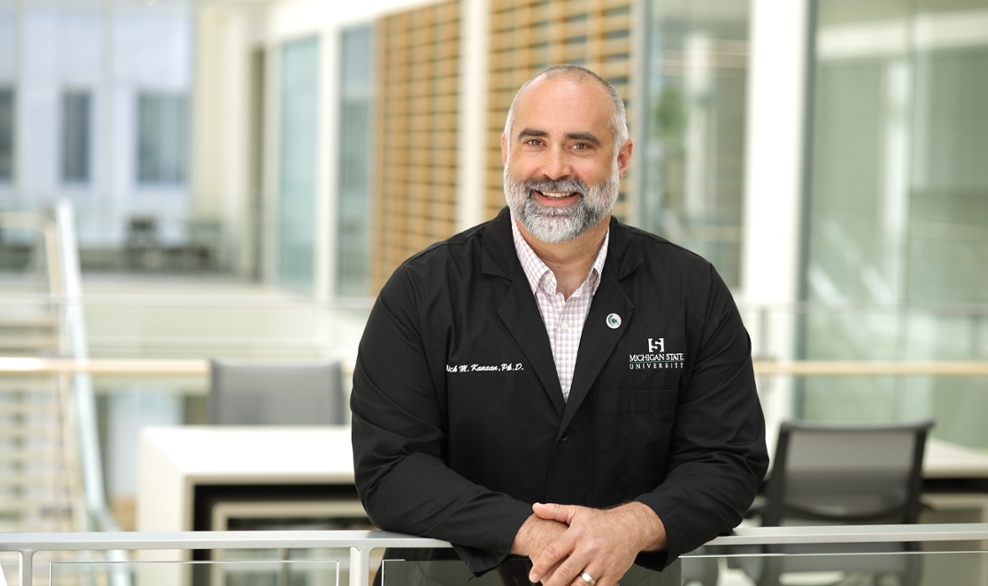
Nicholas M. Kanaan is a Professor of Translational Neuroscience and holds the Maibach Smiley Professorship of Alzheimer's Research at Michigan State University's College of Human Medicine. He serves as Director of Advanced Microscopy and is faculty in both the MSU Neuroscience Program and the MSU BioMolecular Science Gateway. His research is centered at the Grand Rapids Research Center where he leads the Kanaan Laboratory. Dr. Kanaan received his B.S. in Neuroscience, Psychology, and Sociology from Central Michigan University in 2001, followed by a Ph.D. in Neurological Sciences from Rush University Medical Center in 2007. He completed postdoctoral training at Northwestern University from 2007-2010 under Dr. Lester Binder. His research focuses on neurodegenerative diseases, particularly Alzheimer's disease (AD) and Parkinson's disease (PD), with emphasis on tau protein pathology. The Kanaan Lab investigates mechanisms underlying degenerative diseases using a combination of in vitro and in vivo model systems. A major focus is understanding how disease-related alterations in tau cause neuronal dysfunction through disruption of axonal transport. His lab has identified a phosphatase-activating domain (PAD) in tau that inhibits anterograde fast axonal transport. Analysis of Dr. Kanaan's publication record reveals a consistent focus on tau protein biology, with recent work emphasizing iPSC models, CRISPR screening, tau proteostasis, and therapeutic interventions targeting tau phosphorylation and oligomerization. His research spans basic molecular mechanisms to translational applications, with increasing use of primate models and advanced screening technologies in recent years. Scientific Awards and Recognition: Maibach Smiley Alzheimer's Research Professor Maibach Smiley Professor of Alzheimer's Research Dr. Kanaan mentors numerous students and postdoctoral fellows in his laboratory, with research supported by multiple grants focused on understanding and treating neurodegenerative diseases. His lab employs a wide range of technical expertise including recombinant protein purification, cell culture, monoclonal antibody production, various microscopy techniques, and behavioral testing in rodent models. Outside the lab, Dr. Kanaan enjoys photography, woodworking, and fishing.
Professor David R. Clarke is the inaugural Extended Tarr Family Professor of Materials at Harvard School of Engineering and Applied Sciences. He is a Senior Fellow of the Hong Kong Institute for Advanced Study (HKIAS) and member of the US National Academy of Engineering. PhD in Physics (University of Cambridge) B.Sc. in Applied Sciences (Sussex University) ScD (University of Cambridge) His research spans fundamentals and applications of ceramics, metals, semiconductors, and polymers, focusing on mechanical properties, thermal barrier coatings, dielectric elastomers, oxidation fundamentals, and microelectronics reliability. Recent work explores electro-adhesive forces and nanopore evolution in yttria-stabilized zirconia. With over 500 publications in journals like Nature and Advanced Materials, Clarke's work has been cited >50,000 times (h-index 107). He holds 13 patents and has advised students across MIT, UC Berkeley, and Harvard. 2008 Japanese NIMS Award 1993 Humboldt Senior Scientist Award Distinguished Life Member, American Ceramic Society Teaching includes undergraduate courses on heat transfer and materials design, plus graduate courses on dislocations and composites. His lab recently worked on quantum dot displays and fatigue crack sensing technologies.
Professor Ingrid Undeland leads the Marine research group at the Division of Food and Nutrition Science, Department of Life Sciences at Chalmers University of Technology. She is a distinguished researcher with expertise spanning marine food science, lipid chemistry, and blue biorefining, having established herself as a leading figure in sustainable seafood research and marine biotechnology. Her educational background includes food science studies from Linnaeus University and a PhD in bioscience from Chalmers University of Technology and SIK (now RISE). Between 1999-2002, she was a post-doctoral fellow at University of Massachusetts Marine Station, which significantly shaped her research trajectory in marine food science. Professor Undeland's research focuses on pioneering next-generation seafood through innovative value chains from seaweed, small pelagic fish, fish side streams, mussels, and microalgae. Her specialized expertise lies in marine lipids and proteins, particularly their stabilization, isolation from complex sources, and nutritional properties including digestibility. She has extensive experience with antioxidant strategies using plant-derived side streams or extracts and fundamental studies of fish hemoglobins as pro-oxidants. Her work also encompasses innovative technologies for biomass fractionation and nutrient recycling to build blue biorefineries, along with in vitro digestion models and general seafood analytics. Beyond marine research, she explores filamentous fungi as sustainable alternative food protein sources. The trends in her recent publications reveal a strong emphasis on valorizing marine resources through advanced processing techniques. Her work increasingly focuses on sustainable extraction methods for seaweed proteins, particularly Ulva fenestrata, and developing antioxidant strategies using berry side streams to stabilize fish proteins. There's a growing interest in understanding the nutritional properties and digestibility of alternative marine proteins, along with environmental assessments of processing technologies. Her research consistently bridges fundamental science with practical applications for creating sustainable seafood value chains. Swedish representative in Nordic Lipidforum, WEFTA, and EuCheMS Editorial board member of Journal of the Aquatic Food Product Technology Member of the National Committee for Nutrition and Food Science at the Royal Swedish Academy of Sciences Co-founder of the startup company AquaFood H-index of 47 according to Google Scholar Professor Undeland has an extensive record of academic mentorship, having supervised or currently supervising 23 PhD students, 14 postdoctoral researchers, and examining over 25 MSc students. Her research is supported by numerous grants, including the WaSeaBi Project which focuses on valorizing seafood side-streams through holistic value chain design. She collaborates with various industry partners and academic institutions across Europe. Her laboratory includes technicians Dr. Karin Larsson and Dr. Rikard Fristedt, and she leads a dynamic research team working on multiple projects related to marine biorefining and sustainable seafood development. Her research group operates within well-equipped facilities at Chalmers University, with specialized laboratories for marine food analysis, protein extraction, lipid oxidation studies, and in vitro digestion modeling. The team also maintains cultivation systems for seaweed and filamentous fungi, enabling integrated research from raw material production to final product development.
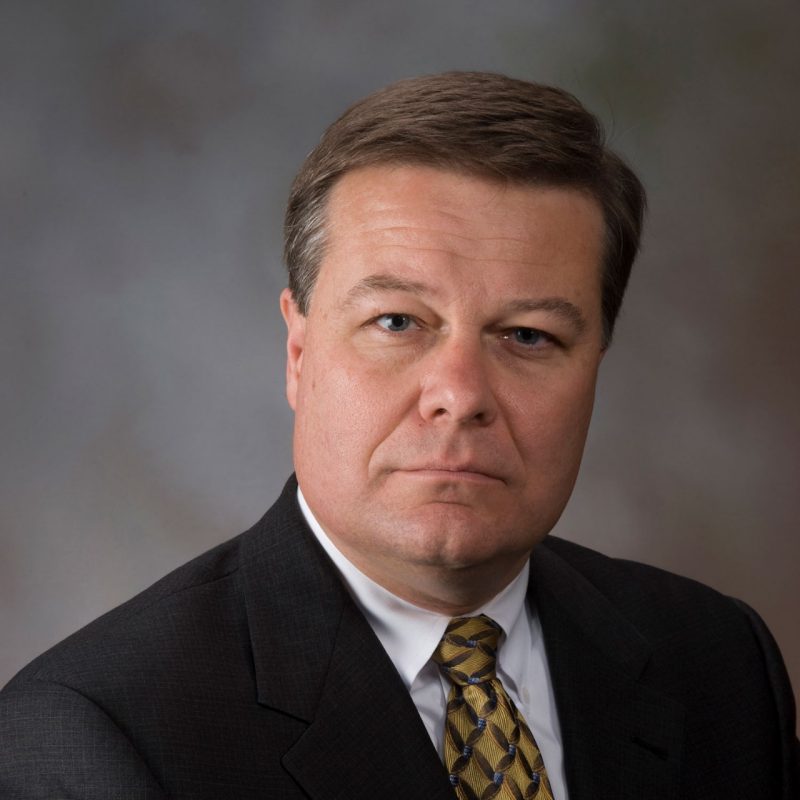
Michael Ellis is an Associate Professor in the Department of Mechanical Engineering at Virginia Tech since 2012, with prior roles as Associate Professor and John R. Jones Faculty Fellow (2007–2012). His work spans fuel cell systems, energy modeling, and sustainable technologies. Ph.D. , Mechanical Engineering, Georgia Institute of Technology (1996) M.S. , Mechanical Engineering, Georgia Institute of Technology (1993) B.S. , Mechanical Engineering, University of Tennessee (1985) Research interests include fuel cell systems for building cogeneration, energy consumption modeling, industrial process analysis, and optimal hybrid energy system design. Recent work focuses on battery recycling processes, microbial fuel cells, and thermal stress characterization of membranes. His 15 most recent publications highlight trends in battery recycling scalability , fuel cell durability , microbial energy conversion , and nanomaterials for energy applications . Key subfields include membrane stress modeling, microbial adhesion mitigation, and hybrid gas/electric system optimization. Excellence in Architecture Award (2006) Woodruff Teaching Fellowship (1995) Tau Beta Pi Member Multiple teaching awards at Virginia Tech (2000–2003) As faculty advisor for the award-winning Solar Decathlon team (2002), he contributed to interdisciplinary energy projects. His work connects mechanical engineering with sustainable energy systems, focusing on practical implementations and material innovations.