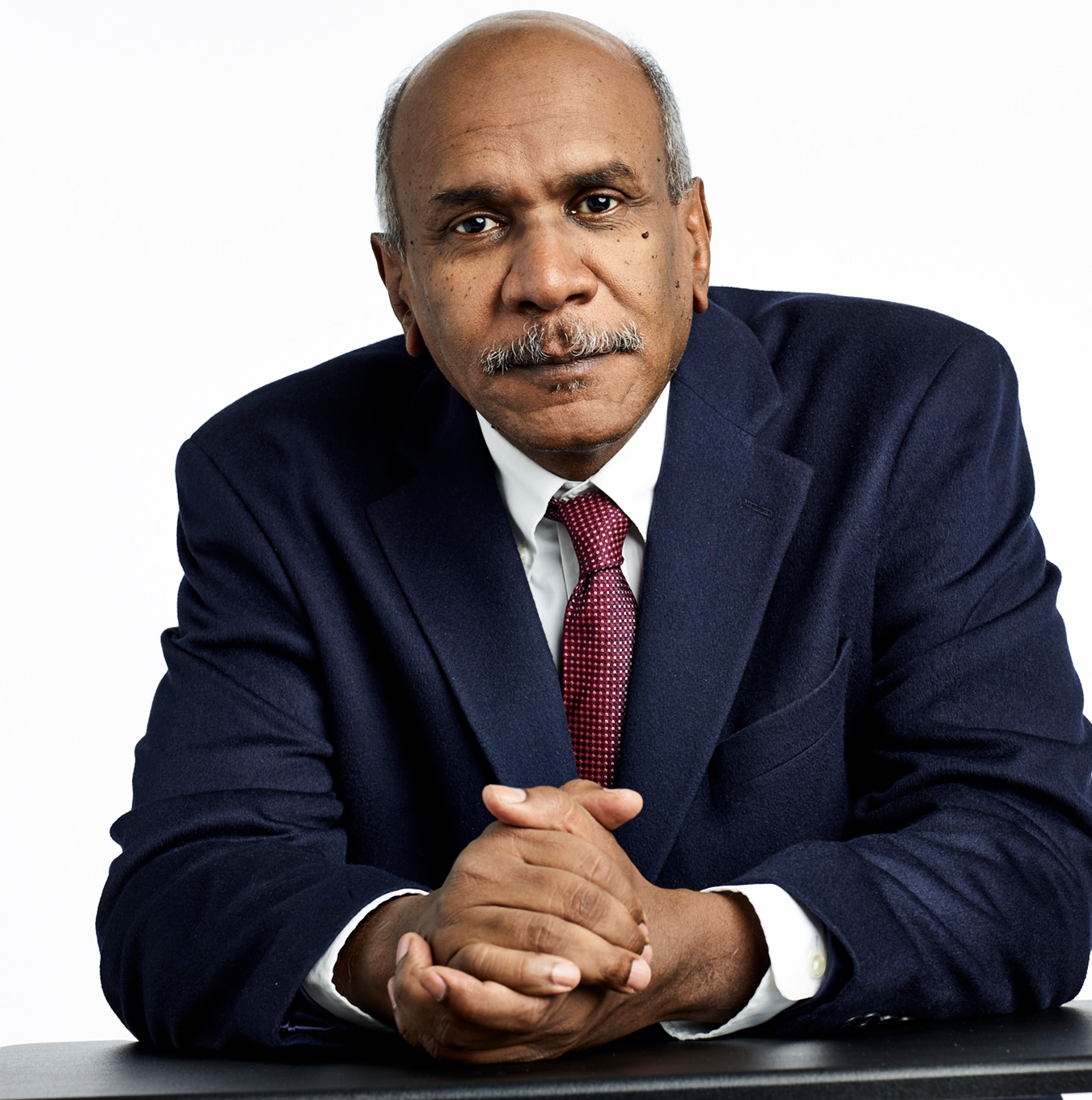
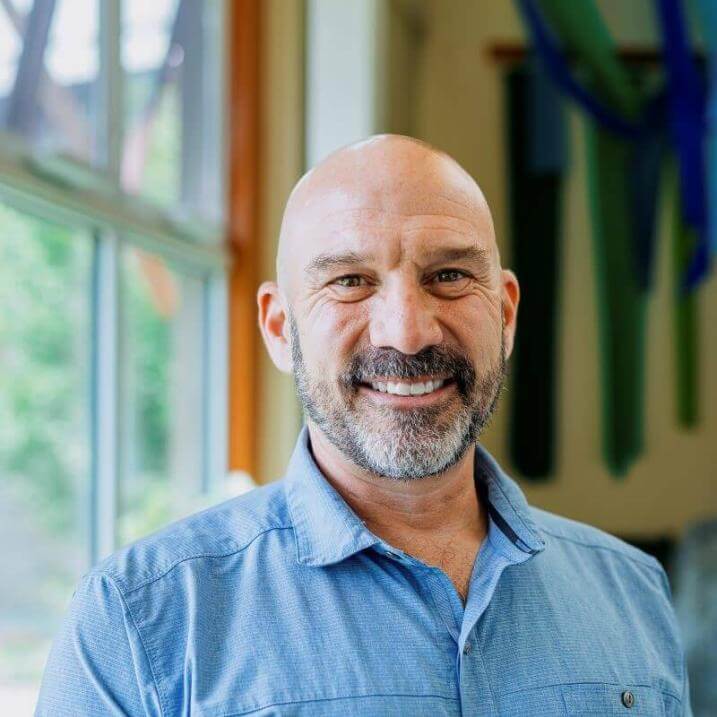
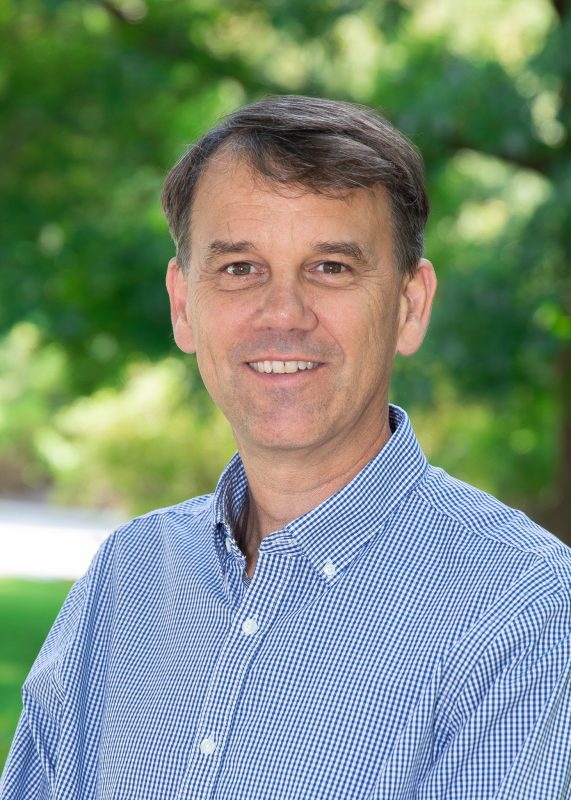
Marketta Kyttä is a Professor of Land Use Planning at Aalto University's Department of Built Environment. She holds a PhD in Architecture from Helsinki University of Technology (2004) and leads the Spatial Planning and Transportation Engineering Master’s program. Research Interests: Child- and age-friendly urban environments SoftGIS methodology for participatory mapping Social sustainability and urban health Public participation in planning Activity space modeling Scientific Awards: Lea Pulkkinen award Tapio Nummenmaa award Geospatial World Forum's WebGIS Innovation Award (2010) Oskari Vilamo award (2020) Oppikirja-palkinto for urban planning literature Methodological Contributions: SoftGIS (PPGIS innovation) Commercialization as Maptionnaire software International Collaborations: Affiliated with universities in Italy, Australia, and the US. Her work spans 80+ countries through Maptionnaire’s global adoption.
Elfatih Eltahir is the H. M. King Bhumibol Professor at MIT, affiliated with the Climate and Environment faculty and the Department of Civil and Environmental Engineering. He holds a B.Sc. in Civil Engineering (University of Khartoum, 1985), M.Sc. in Hydrology (National University of Ireland, 1988), and S.M. and Sc.D. in Meteorology/Hydroclimatology (MIT, 1993). His research focuses on climate change impacts on water availability, extreme weather, and vector-borne diseases, with a particular emphasis on developing numerical models like the MIT Regional Climate Model (MRCM) and the Hydrology-Entomology-Malaria Transmission Simulator (HYDREMATS). Key research areas include projecting climate change effects on regions such as the Mediterranean, South Asia, and West Africa, with a focus on adaptation strategies. He has pioneered the concept of 'outdoor days' to quantify climate impacts on human activity. Awards include membership in the National Academy of Engineering (2023), World Academy of Sciences (2023), and American Geophysical Union Fellowship (2008). Teaching: Global Change Science (1.071), Surface Hydrology (1.714), Environmental Data Analysis (1.073) Projects: UM6P-MIT Research Program, Jameel Observatory Climate Resilience Early Warning System Network (CREWSnet) His work has addressed societal challenges like Nile River water management, malaria transmission dynamics, and climate adaptation in vulnerable communities. Field campaigns and collaborations with institutions like the United Arab Emirates reinforce his applied research focus. Awards: 2023: National Academy of Engineering Member 2023: World Academy of Sciences Fellow 2008: AGU Fellow 2017: Hydrologic Science Award Research grants and funding support impactful projects such as climate modeling for the Middle East, Africa, and the U.S., with a focus on interdisciplinary solutions.
Peter Newman, Ph.D., serves as Dean of the Rubenstein School of Environment and Natural Resources at the University of Vermont since July 1, 2024, and holds the Suzie and Allen Martin Professor title. With a career spanning decades, he has conducted extensive research on visitor management in protected areas, soundscape management, and transportation planning, partnering with the National Park Service's Natural Sounds and Night Sky Division since 2012. Education Ph.D. in Natural Resources, University of Vermont M.S. in Forest Resource Management, SUNY College of Environmental Science and Forestry B.A. in Political Science, University of Rochester His research focuses on social carrying capacity decision-making in protected area management, with fieldwork across major U.S. parks including Denali, Grand Canyon, and Great Smokies. He has developed frameworks for acoustic management and Leave No Trace efficacy, contributing to sustainable outdoor recreation practices. Scientific Awards: Cooperative Ecosystem Studies Unit National Award (2012) George Wright Society National Award for Achievement in Social Sciences (2013) Throughout his career, Newman has led high-quality teaching at Penn State's Graduate Degree Program in Acoustics and mentored numerous students through research projects on wildlife approach norms, pandemic recreation shifts, and waste management strategies in national parks. He previously served as a Park Ranger in Yosemite and Backcountry Patrol member in Idaho.
Robert Pettersson serves as an Associate Professor and Researcher at Mid Sweden University, affiliated with the Department of Economics, Geography, Law and Tourism (EJT) and the European Tourism Research Institute (ETOUR) in Östersund. His academic career spans over two decades with significant contributions to tourism studies, particularly in indigenous tourism, event management, and outdoor recreation. Pettersson's work bridges theoretical research with practical policy applications, focusing on sustainable development in northern contexts. His research centers on indigenous cultural tourism , where he has pioneered studies on Sami festivals and heritage in northern Sweden; event management , with expertise in hallmark events, social impact assessment, and evaluation frameworks; and outdoor recreation , examining environmental sustainability and social integration through sports and nature-based activities. Pettersson employs innovative spatial analysis techniques including GPS tracking to study tourist mobility and behavior, contributing methodological advancements to the field. His work consistently addresses the tension between cultural preservation and tourism development. Analysis of Pettersson's publication trajectory reveals an evolution from foundational research on Sami tourism (early 2000s) to contemporary studies on event portfolios, non-use value, and immigrant integration through outdoor activities. Recent work emphasizes holistic evaluation tools addressing social, environmental, and economic dimensions of events. This progression demonstrates his responsiveness to emerging challenges in sustainable tourism while maintaining focus on marginalized communities and northern regional development. No specific scientific awards are documented in the provided information. However, Pettersson's leadership in major research projects and extensive publication record in high-impact journals like Journal of Policy Research in Tourism, Leisure and Events and Scandinavian Journal of Hospitality and Tourism underscores his scholarly impact. His co-authored review on event evaluation (2015) remains a seminal reference in the field. Pettersson actively contributes to applied research through projects including Mistra Sport and Outdoors and Östersund CCI (Place development through cultural and creative industries). He has produced practical guides on event evaluation covering social effects (2024), environmental impacts (2023), and tourism economics (2023), translating academic insights into tools for event organizers and policymakers. His collaborative work with organizations like the Nordic Symposium in Hospitality and Tourism demonstrates commitment to knowledge exchange. As a core member of ETOUR, Pettersson participates in a multidisciplinary research environment focused on tourism's role in northern societies. The institute facilitates collaboration between tourism, geography, economics, and law scholars to address complex regional challenges including sustainable resource management and community well-being. Pettersson's ongoing projects continue to explore how events and outdoor activities can drive inclusive regional development.
Jorge Gil is an Associate Professor in Urban Analytics and Informatics at Chalmers University of Technology's Department of Architecture and Civil Engineering. His research focuses on integrated urban models, Smart Cities, City Information Modelling (CIM), and Urban Digital Twins, with applications in sustainable mobility, social inclusion, energy transition, and circular economy. He develops GIS solutions and open science methodologies. Teaching includes GIS, sustainable mobility, and spatial data science courses. He supervises Bachelor, Master's, and PhD students. Current projects include LogiNets (logistics network flows analysis), ComCy (cycling safety), and FlowSense (traffic flow data). Key research outputs span agent-based modeling of waste sorting behavior, mobility equity analysis, and multimodal urban network frameworks. He co-authored over 50 publications and actively contributes to interdisciplinary urban planning initiatives.
Spencer Banzhaf is a Professor in the Department of Agricultural and Resource Economics at North Carolina State University (NC State), and Director of the Center for Environmental and Resource Economics Policy (CEnREP). He holds a PhD in Economics from Duke University. His research focuses on environmental policy, particularly land use, urban equity, and the interplay between environmental quality, real estate markets, and urban demographics. Key areas include environmental justice, fiscal federalism, and the historical evolution of environmental economic thought. He has contributed to journals such as the American Economic Review and Journal of Political Economy , and serves as editor of the Review of Environmental Economics and Policy . Recent work explores topics like racial segregation’s environmental impacts, the economic history of pollution pricing, and the valuation of ecosystem services. His scholarship bridges theoretical frameworks with applied policy analysis, emphasizing equity and interdisciplinary approaches. He is associated with NC State’s Economics Graduate Program and actively engages in policy debates through contributions to regulatory analyses and public discourse on environmental governance.
Karin Peters is an Assistant Professor in the Cultural Geography Group at Wageningen University & Research, specializing in leisure, public space, diversity, and social integration. Her research focuses on how marginalized groups, particularly Muslim women and migrants, navigate leisure spaces in the Netherlands and Europe. She holds degrees in Agricultural Economics and Cultural Anthropology, blending interdisciplinary perspectives to study migration, urban environments, and cultural geography. Her work emphasizes the role of public spaces in fostering social cohesion and addressing exclusion. Key projects include analyzing the impact of weather on tourism experiences and the negotiation of identity among diasporic communities. Peters is part of the Mobilities cluster and serves as Editor-in-Chief of Vrijetijdstudies . Her research spans urban sociology, migration regimes, and the intersection of leisure with socio-cultural dynamics. Peters' publications address topics like multicultural neighborhood integration, gendered leisure constraints, and the commodification of landscapes in UNESCO Geoparks. She advocates for inclusive public spaces and sustainable tourism policies, contributing to both academic discourse and practical urban planning initiatives.
Bård Erlend Solstad is an Associate Professor at the Department of Sport Science and Physical Education, University of Agder. His research focuses on youth sports psychology, athlete development, and coach education, with a particular emphasis on the impact of training loads, motivation, and injury prevention in young athletes. He holds a postdoctoral fellowship from the Norwegian Research Centre for Children and Youth Sports (2017–2020) and was a Research Fellow at the Norwegian School of Sport Sciences (2012–2017). Key affiliations: ROPE (Research in Outdoor and Physical Education), SPADE (Sports Performance and Athlete Development Environments). Research interests include the psychological aspects of sport injury, perfectionism in elite performers, and the motivational climate in youth sports. His work integrates qualitative and quantitative methods to address issues like athlete well-being, coaching practices, and retention in organized sports. Recent studies have explored factors influencing dropout rates in youth soccer and the efficacy of interventions like the FUEL program for female endurance athletes. Solstad has advised on coach education initiatives, emphasizing empowering coaching behaviors and the psychological needs of athletes. He collaborates with multidisciplinary teams to advance athlete development programs and policy recommendations.
Henrikki Tenkanen is an Assistant Professor in the Department of Built Environment at Aalto University, specializing in Geoinformatics. His research focuses on geospatial analysis, urban planning, transportation accessibility, and open data applications for sustainable development. His primary research interests include Geospatial Analysis , Urban Planning , Transportation Accessibility , and Population Dynamics . Tenkanen's work integrates mobile phone data, social media, and open geospatial sources to understand urban environments, accessibility patterns, and carbon emissions. His research contributes significantly to UN Sustainable Development Goals related to sustainable cities and communities. Tenkanen's recent publications demonstrate strong trends in high-resolution spatial analysis of urban environments, with particular emphasis on transport equity , carbon emissions mapping , and rural population representation . His work combines advanced geocomputing techniques with practical urban planning applications, often developing open-source tools to enhance reproducibility and accessibility of geospatial research. As an active member of the academic community, Tenkanen serves as a peer reviewer for journals including Big Data & Society and Environment and Planning B, and participates in conference committees such as the International Conference on Location Based Services. His research has garnered significant attention, with multiple publications featured in news outlets and academic platforms. Tenkanen leads several major research projects including Geo-R2LLM (developing geographic large language models), Geoportti (open geospatial infrastructure), MAPICO (mapping commute-related carbon emissions), and LIH: Location Innovation Hub. His work bridges academic research with practical applications for urban planning and sustainable mobility.
Joel Hartter is a Professor in the Department of Environmental Studies at the University of Colorado, where he also served as the founding director of the Masters of the Environment and Outdoor Recreation Economy programs. With dual BS degrees in Mechanical Engineering and German from the University of Michigan, an MS in Forest Engineering from Oregon State University, and a PhD in Geography from the University of Florida, his expertise bridges sustainability science, policy, and practice. His research focuses on private sector engagement in sustainability, ESG frameworks, climate action, and the Sustainable Development Goals (SDGs), with particular attention to net-zero strategies, bioeconomy implementation, and nature-based solutions. Dr. Hartter’s work emphasizes stakeholder engagement, inclusive decision-making, and bridging science with practical applications in conservation, climate resilience, and economic development. He has led projects globally in Africa, South America, and the US, addressing challenges such as wildlife conservation, sustainable supply chains, and community-based natural resource management. As a National Geographic Explorer and advisor to Fortune 500 companies, NGOs, and governments, he integrates sustainability into organizational strategies to drive innovation and competitive advantage. His teaching reaches over 20,000 students annually through courses on sustainability leadership and workforce development. Dr. Hartter’s interdisciplinary approach combines geospatial analysis, participatory methods, and behavioral science to address complex socio-ecological issues. His research spans topics like climate migration, household vulnerability, and the impact of conservation policies on communities. Notable projects include studying land-use changes in Uganda’s Albertine Rift and evaluating the effects of oil exploration on protected areas in Murchison Falls Conservation Area. Dr. Hartter collaborates closely with communities, governments, and international organizations to create equitable, actionable sustainability solutions.
Joachim Sundqvist is Associate Professor at the Department of Food, Nutrition and Culinary Science of Umeå University, Sweden. With a dual commitment to teaching and research, he explores the sociological and cultural dimensions of food and meals, bridging theory and practice for gastronomy, dietetics, and food-science students. Research Focus: His work delves into the meal experience as a complex social phenomenon, integrating consumption value, social identity, cultural norms, and personal taste within everyday practices. Studies of business travel, outdoor dining, and Arctic hiking illuminate how context shapes eating behaviors. Research Groups & Projects: Member, Sustainable Food Transitions Member, Sympoietic Collaboratory Project lead (2024-2027) Providing evidence-based insights on alternative proteins for EU sustainability Project lead (2023-2026) LOCALITY Project lead (2020-2022) Off-grid gastronomy Project lead (2016-2017) Eating out – visitors’ food-related activities Publications Overview: Since 2015, Sundqvist has published extensively on gastronomic experiences, business-travel meals, outdoor food practices, and sustainable restaurant strategies, appearing in International Journal of Gastronomy and Food Science , Journal of Outdoor Recreation and Tourism , and multiple Swedish academic reports.
Dr. John McGee serves as Professor and Geospatial Extension Specialist in the Department of Forest Resources and Environmental Conservation at Virginia Polytechnic Institute and State University (Virginia Tech), within the College of Natural Resources and Environment. He holds a B.A. from the University of North Carolina Chapel Hill (1988), M.A. from the University of North Carolina Charlotte (1992), and Ph.D. from the University of Massachusetts Amherst (1997). VirginiaView (www.virginiaview.net) GeoTEd (www.geoted.org) Virginia Geospatial Extension Program (http://gep.frec.vt.edu/) Urban Tree Canopy Program (http://gep.frec.vt.edu/va_utc.html) Dr. McGee's research focuses on Natural Resource Management, Geospatial Applications, and Technology Transfer, with particular emphasis on practical applications of geospatial technologies in urban forestry, natural resource management, and education. His scholarly work demonstrates consistent integration of academic research with community-based applications, particularly through the development of decision support tools for local governments assessing urban tree canopy and creating accessible educational resources for diverse audiences. His publications reveal strong thematic patterns across geospatial education, urban forestry applications, and sustainable tourism research. The most recent works emphasize workforce development through geospatial technician education, innovative educational approaches using geocoins and web-based mapping, and interdisciplinary applications of GPS tracking in tourism research. Distinguished Geospatial Education Partner Award (2015) AmericaView Education Award (2013) Virginia Tech XCaliber Award (Team Nomination, 2014) Special Achievement in GIS Award (SAG) (2004) Dr. McGee has directed significant extension efforts including the Virginia Geospatial Extension Program, which has conducted over 100 workshops between 2009-2014, directly training more than 1,300 individuals with multiplied impact through 'train the trainer' approaches. He co-founded Virginia's first formal geospatial mentoring program and serves as Co-PI of VirginiaView, coordinating national geospatial education initiatives through AmericaView while maintaining seven professional listservs and social media resources.
Dr. Gebeyaw Degarege serves as Senior Lecturer and Coordinator for both the Bachelor of Sustainable Tourism (2024-present) and Bachelor of Tourism Management (2021-present) at Lincoln University's Department of Tourism, Sport & Society. His academic journey includes lecturing positions at Royal Melbourne Institute of Technology (2019-2020), Addis Ababa University (2011-2015), and Hawassa University in Ethiopia (2008-2011). His educational background features a PhD from University of Otago, Master of Tourism and Development from Addis Ababa University, Higher Diploma in Learning and Teaching, and BA from University of Gondar. His research spans sustainable tourism development with strong focus on food security, poverty reduction, and sustainable livelihoods across Ethiopia and New Zealand. Analysis of his publications reveals consistent interdisciplinary work bridging tourism studies with food systems, climate action, and sustainable development. His recent research examines pandemic impacts on tourism-food security nexus, indigenous food sovereignty, and agricultural heritage tourism in Africa. Key thematic clusters include sustainable livelihood diversification, policy barriers in coffee tourism, and crisis management in nature-based tourism destinations. Exceptional Thesis status awarded by University of Otago Regular media contributor on food security and tourism (SBS Amharic 2020) Actively supervising postgraduate research in sustainable tourism development, Dr. Degarege leads projects exploring New Zealanders' outdoor recreation patterns during pandemic constraints. His work aligns with UN Sustainable Development Goals 1 (No Poverty), 2 (Zero Hunger), 5 (Gender Equality), 8 (Decent Work), 12 (Responsible Consumption), 13 (Climate Action), and 17 (Partnerships).
Sarah D. Wald is an Associate Professor in the Department of Environmental Studies & English at the University of Oregon's College of Arts and Sciences. She also serves as Director of Graduate Admissions for the English program. Her research focuses on environmental justice, Latinx and Asian American cultural studies, and food systems, with a particular emphasis on farmworker rights and migration narratives. She holds a Ph.D., M.A., and B.A. in American Studies from Brown University and Reed College respectively. Wald's academic work bridges environmental humanities with critical race theory, examining issues like decolonial frameworks in outdoor spaces, food justice, and the intersection of labor and citizenship. She has published extensively, including co-editing volumes such as Latinx Environmentalisms and authoring The Nature of California . Her research collaborations include the Tierra Viva Collaborative and the Northwest Forest Plan Just Futures initiative. Her teaching focuses on inclusive pedagogy and community-based learning, including developing the UO Common Reading Program's Under the Feet of Jesus guide. She actively engages in public scholarship through symposia like the Race, Environmental Justice and Public Lands Symposium and digital humanities projects like Racial Ecologies of Mt. Hood National Forest . Wald's scholarly contributions span peer-reviewed articles, edited collections, and interdisciplinary projects addressing environmental equity, transmedia narratives, and racialized access to natural spaces. Her work consistently integrates activism, literature, and policy analysis to advance justice-centered environmental scholarship.
Marcus Hedblom is a Professor in Landscape Management at the Swedish University of Agricultural Sciences (SLU) in Uppsala, Sweden. His academic career focuses on the intersection of urban ecology, landscape management, and human well-being, with extensive research on how people interact with and benefit from urban green spaces. Professor Hedblom's research interests span several interconnected domains related to urban environments and human-nature interactions. His primary focus areas include urban ecology and biodiversity conservation in cities, landscape management for recreational purposes, and the psychological benefits of nature exposure. He has made significant contributions to understanding soundscape perception in urban forests, children's interactions with natural environments, and the development of nature-based interventions for health and well-being. His work often employs multisensory approaches to studying how visual and auditory elements of landscapes affect human experiences and stress recovery. The trends in Professor Hedblom's recent publications (2023-2025) reveal a strong emphasis on practical applications of landscape research. His work increasingly focuses on design frameworks for multifunctional green spaces, particularly those serving children's developmental needs through nature-based play environments. He has developed innovative approaches like the Contemplative Landscape Model for assessing therapeutic outdoor settings and has conducted cross-continental studies on urban wildlife adaptation. His research consistently bridges ecological science with social science perspectives, examining how landscape characteristics correlate with human perceptions and behaviors in urban settings across different cultural contexts. Professor Hedblom has contributed extensively to the understanding of urban bird ecology, particularly how species like house sparrows adapt their vocalizations to urban noise environments. His work on "play biotopes" represents a significant practical application of ecological principles to landscape design, creating synergistic environments where children's development and ecological functions reinforce each other. Recent publications also address the challenges of balancing traditional lawn maintenance with more sustainable alternatives in the face of climate change.