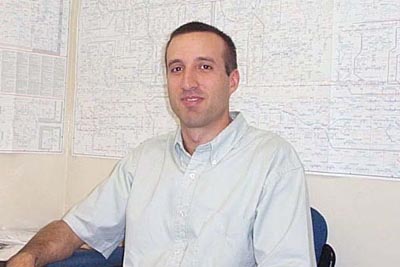
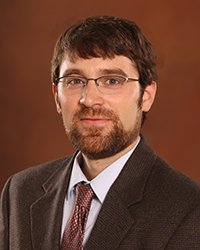
Michael Beach is an Associate Professor in the Department of Biology at Kennesaw State University . He teaches undergraduate courses in genetics and microbiology, including laboratory components. Research Focus: Microbial Source Tracking (MST) of fecal contamination in environmental waters, utilizing qPCR protocols to detect host-specific DNA markers from Bacteroides , Lachnospiraceae, and mitochondrial DNA. Applications: Providing MST services for local governments and private companies, with future plans to develop animal-specific tests and adapt methods for SARS-CoV-2 wastewater monitoring. Education: Ph.D. in Biological Science (Molecular Biology), University at Albany B.S. in Biological Science, University at Albany Current Projects: Developing SARS-CoV-2 RNA detection systems in wastewater to predict outbreaks, aligning with national campus monitoring initiatives.
Sarah Sansom is an Assistant Professor in the Department of Internal Medicine, Division of Infectious Diseases at Rush Medical College, and serves as the Director of Infectious Diseases at Rush Specialty Hospital. Her research focuses on infectious disease epidemiology, antimicrobial resistance, and genomic surveillance in healthcare settings. Research Interests: Her work spans infectious diseases , hospital epidemiology , genomic surveillance , infection control , and public health . She investigates the transmission dynamics of multidrug-resistant organisms (MDROs), Candida auris , and viral pathogens such as SARS-CoV-2 and Clostridioides difficile . Her research integrates molecular biology with clinical epidemiology to improve outbreak response and patient safety. Her recent publications in high-impact journals like Nature and Clinical Infectious Diseases reflect a strong trend toward translational research using whole-genome sequencing to track pathogen spread in ICUs, nursing homes, and hospitals. This work has critical implications for infection prevention and public health policy. Scientific Contributions: Developed genomic methods for outbreak investigation in neonatal and adult ICUs. Identified environmental contamination risks from colonized patients. Contributed to understanding transmission networks of MRSA and SARS-CoV-2. Advising and Grants: While no formal advisees are listed, her collaborative research involves mentorship within multidisciplinary teams. She has likely contributed to or led federally funded research in infectious disease epidemiology and antimicrobial resistance, though specific grants are not detailed in the text. Labs and Teams: She collaborates extensively with teams at Rush University and beyond, including researchers from the University of Michigan and the NIH. Her work is conducted within hospital epidemiology and infection control units, with access to clinical microbiology and genomic sequencing facilities.
Jonas Juul is an Assistant Professor in Data Science Networks, Data, and Society at the IT University of Copenhagen. His research employs statistical methods, mathematical modeling, and computer simulations to study social networks, spreading processes, and human behavior, with particular focus on content diffusion online and disease spread mitigation in human populations. His research interests span multiple domains: Epidemiological modeling and forecasting Social network analysis and information diffusion Contagion dynamics in biological and social contexts Mathematical modeling of complex systems Public health intervention strategies Dr. Juul's publication record shows consistent output since 2018, with a strong focus on contagion processes across different contexts. His work bridges theoretical physics approaches with practical data science applications, particularly in epidemiology and social dynamics. Recent publications demonstrate expansion into genomic epidemiology and cultural evolution while maintaining his core focus on network-based spreading processes. Key scientific recognitions: Data Science Emerging Investigator 2024 grant from the Novo Nordisk Foundation Carlsberg Foundation Fellowship Dr. Juul currently leads the InForM project (Inference, Forecasts and Mitigation of future epidemics), a major research initiative funded by the Novo Nordisk Foundation running from 2025-2030 with significant policy impact (referenced in policy sources) and media attention (picked up by 11 news outlets). He has also contributed to Denmark's COVID-19 response as part of Statens Serum Institut's expert group during the 2020 reopening phase. He maintains external research positions as a Member (Representing ITU) at Det Koordinerende Organ for Registerforskning and as a Guest researcher at Danmarks Statistik, demonstrating his expertise in data governance and statistical analysis beyond his primary appointment.
Michael James Conway, Ph.D., is a tenured Professor of Microbiology in the Foundational Sciences Discipline at Central Michigan University College of Medicine. He earned a B.S. from Northern Michigan University, a Ph.D. from Pennsylvania State University College of Medicine, and completed postdoctoral training at Yale University School of Medicine under Dr. Erol Fikrig. His research focuses on virology and vector-borne diseases, particularly flaviviruses (dengue, West Nile) and virus-vector-host interactions. Key investigations include: Mosquito saliva proteins and midgut factors in virus transmission Host lipid metabolism in viral replication Molecular surveillance of SARS-CoV-2, RSV, and influenza via Michigan Network for Environmental Health & Technology (MiNET) Novel insecticide development targeting mosquito metabolism Recent publications emphasize arbovirus mechanisms and public health surveillance, with trends in wastewater epidemiology, metabolic manipulation of vectors, and innovative pathogen detection methods. His work consistently bridges basic virology and applied disease control. Awards & Honors: Provost’s Award for Outstanding Research CMED Excellence in Research Award Sigma Xi and CMU Academy of Medical Educators memberships NIH/Roche Training Award Dr. Conway leads the Conway Lab, which performs molecular surveillance of emerging pathogens and investigates fundamental arbovirus transmission mechanisms. No student advisees or grant details were specified in the source material.
Shannon Manning, Ph.D., M.P.H., is an MSU Foundation Professor in the Department of Microbiology and Molecular Genetics at Michigan State University. As a molecular biologist and epidemiologist, she specializes in the molecular epidemiology and evolutionary genetics of infectious diseases, particularly focusing on food- and waterborne pathogens like Shiga toxin-producing Escherichia coli (STEC) and Group B Streptococcus. Her research integrates molecular biology, population genetics, and phylogenetic methods to understand pathogenesis, virulence, and transmission dynamics. Education: M.P.H. and Ph.D. in Molecular Epidemiology from the University of Michigan (1998 and 2001) Appointments: Joined MSU in 2004 as a Research Assistant Professor; promoted to faculty in 2010 Laboratory: Directs the Manning Lab, which investigates bacterial pathogen evolution and gut microbiome interactions Center Leadership: Manages the Thomas S. Whittam Shiga-Toxin Producing E. coli (STEC) Center Her work on STEC includes creating standardized strain repositories and studying antibiotic resistance emergence. Current projects examine how diarrheal disease and antibiotic use impact gut microbiomes and resistance gene persistence. She has secured NIH funding for dementia risk research linked to microbial factors. The Manning Lab maintains extensive STEC strain databases and reference sets, including O157 and non-O157 serogroups. Her publications highlight human milk oligosaccharides' antimicrobial and anti-biofilm properties against Group B Streptococcus, and she explores environmental toxicants' effects on placental immune responses.
Alexandria Boehm is the Richard and Rhoda Goldman Professor of Environmental Studies and Professor of Oceans at Stanford University. She serves as a Senior Fellow at the Woods Institute for the Environment and is affiliated with Bio-X, the Maternal & Child Health Research Institute, and the Center for Innovation in Global Health. BS, California Institute of Technology, Engineering & Applied Science (1996) MS, UC Irvine, Environmental Engineering (1997) PhD, UC Irvine (2000) Her research focuses on pathogens in the environment , including their sources, fate, and transport in natural and engineered systems, with applications in both developed and developing countries . She investigates how pathogens transmit to humans through water, feces, and contaminated surfaces, and her work on coastal water quality addresses biocolloids like fecal indicator organisms, pathogens, and nitrogen dynamics. She also explores wastewater-based epidemiology for tracking diseases like SARS-CoV-2, influenza, HIV, and antibiotic resistance genes. Recent publications highlight her leadership in wastewater surveillance for respiratory viruses, antibiotic resistance, and emerging pathogens like Candida auris. Her work integrates field studies with computational modeling to inform public health policies. Open Science Champion Prize (2024) National Academy of Engineering (2024) Huber Prize, ASCE (2016) NSF CAREER Award (2007) She advises doctoral students and postdocs in environmental engineering and microbiology. Her lab collaborates with institutions globally on projects related to sanitation in Bangladesh and coastal water management .
Professor Raina MacIntyre is NHMRC Leadership 3 Fellow and Professor of Global Biosecurity at the University of New South Wales, Faculty of Medicine & Health. She heads the Biosecurity Program at the Kirby Institute, conducting research in epidemiology, bioinformatics, health intelligence, vaccinology, bioterrorism prevention, mathematical modelling, and public health. As of 2024, she is ranked #1 globally on Respiratory Protective Devices and highly ranked in Smallpox research according to Expertscape, with an H-index of 81/64 and over 30,000 citations. Her educational background includes: MBBS (1st Class Honours), University of Sydney, 1988 Master of Applied Epidemiology, Australian National University, 1992 PhD (Epidemiology), Australian National University, 1998 Fellow, Royal Australasian College of Physicians (FRACP), 1994 Fellow, Australian Faculty of Public Health Medicine (FAFPHM), 1995 Professor MacIntyre's research spans four key areas: Personal protective equipment, Vaccinology, Epidemic response and emerging infectious diseases, and bioterrorism prevention. Her innovation, EPIWATCH®, is an advanced AI system for real-time global health intelligence that uses NLP, prioritization algorithms, and LLMs to scan open-source data for early epidemic signals. She has a 31-year track record in pandemics and respiratory virus control, with particular expertise in mask research, having published the largest body of clinical trials on face masks for healthcare workers internationally. Her research publications demonstrate strong focus on emerging infectious disease modeling, vaccine effectiveness, and biosecurity threats. Recent work emphasizes AI-driven health intelligence systems, airborne transmission mitigation, and preparation for re-emergent pathogens like smallpox. Her articles consistently address practical applications of epidemiological research to inform public health policy and emergency response. Professor MacIntyre has received numerous prestigious awards including the Eureka Prize for Leadership and Innovation in Science (2022), the Frank Fenner Award for Research in Infectious Diseases (2003), and the Sir Henry Wellcome Medal and Prize (2007). Her work has been globally recognized, with a quote from her mask research featured on the cover of Lancet in 2020. She currently supervises PhD, ILP, and Masters students in infectious diseases epidemiology and biosecurity. Her research is supported by significant grants including an NHMRC Investigator grant (2023-2027), an MRFF grant for aerosol transmission of SARS-CoV-2, and a $5.39 million gift from Vitalik Buterin's Balvi Philanthropic Fund for EPIWATCH expansion in low and middle-income countries. Professor MacIntyre leads a multidisciplinary team at the Kirby Institute including analysts, epidemiologists, AI specialists, and software engineers developing EPIWATCH® into a global hub for epidemic detection and mitigation. She also co-founded the ARM network for Australian outbreak response and serves on multiple WHO committees including the Technical Advisory Group on COVID-19 Vaccine Composition and the SAGE Ad Hoc Working Group on Smallpox and Monkeypox.
Associate Professor Charles Caraguel affiliated with the School of Animal and Veterinary Science at the University of Adelaide specializes in aquatic animal health and epidemiology. After graduating from the National Veterinary School of Toulouse and obtaining a specialized diploma in aquaculture and fish pathology from Nantes, he completed a Master of Science at the Lobster Science Centre in Canada. His PhD in aquatic epidemiology at the Centre for Aquatic Health Sciences focused on infectious salmon anaemia virus diagnostics. Education : DVM (Toulouse), MSc (Canadian Lobster Science Centre), PhD (Atlantic Veterinary College) Research Areas : Aquatic epidemiology, diagnostic test validation, zoonotic disease dynamics, wildlife-livestock interface health Supervision : Eligible to supervise Masters and PhD students in animal health and disease ecology Publications : 15 most recent works address climate-disease modeling, metatranscriptomics in aquaculture, and zoonotic pathogen surveillance His field-based epidemiology research informs evidence-based health policies for aquaculture industries, emphasizing complex interactions between environmental factors, host responses, and disease management effectiveness.
Luce Landraud is an Associate Professor (MCU-PH) and permanent researcher at University of Paris, Faculty of Medicine, affiliated with IAME INSERM U1137. She serves as a core investigator in the EVREST team, which addresses antibiotic resistance and virulence evolution in bacterial pathogens through ecological and evolutionary frameworks. Her academic credentials include: PhD in Bacteriology, Medical School, Nice Sophia Antipolis (2004-2015) PhD in Microbiology, Medical School, Paris Sorbonne Cité (2015-present) Dr. Landraud's research centers on antibiotic resistance dynamics in Enterobacterales , with emphasis on plasmid fitness costs , virulence-resistance coevolution , and E. coli pathogenomics. She integrates genomic surveillance, experimental evolution, and clinical data to investigate how resistance mechanisms emerge and persist in bacterial populations across healthcare and environmental settings. Analysis of her 2020-2023 publications reveals consistent focus on genomic epidemiology of resistance plasmids, iron-mediated virulence pathways, and therapeutic alternatives like phage therapy. Key contributions appear in high-impact venues including Nature Communications and Antimicrobial Agents and Chemotherapy, demonstrating methodological innovation in resistance tracking and evolutionary modeling. No specific scientific awards were documented in available sources. Dr. Landraud actively supervises research within the EVREST framework and participates in multicenter clinical trials. Her work receives support from INSERM and national research agencies, enabling large-scale genomic studies and translational projects addressing urgent antibiotic resistance challenges. As an EVREST team member, she contributes to three research axes: (1) virulence/resistance evolution, (2) antibiotic response in microbial communities, and (3) therapeutic repurposing. The team employs advanced genomic, microbiological, and computational approaches to investigate resistance mechanisms in clinical isolates and experimental models.
Dr. James Price is a Clinical Associate Professor (Honorary Consultant) at Brighton and Sussex Medical School, University of Sussex, and an Honorary Consultant at University Hospitals Sussex NHS Foundation Trust. His career includes prior roles as Director of Infection Prevention at Imperial College Healthcare NHS Trust and Honorary Senior Lecturer at Imperial College London. He holds leadership positions in the Healthcare Infection Society, NHS England, and European infection control bodies. Education includes: MBBS from St. George’s Hospital Medical School (2005) PhD from University of Sussex (2013) on S. aureus genomics His research bridges genomics, AI, and epidemiology to combat healthcare-associated infections and antimicrobial resistance. Key themes include: Real-time genomic surveillance of pathogens like SARS-CoV-2 and MRSA AI-driven prediction models for hospital outbreaks Sustainable infection control integrating decarbonization Global AMR mitigation in low-resource settings Analyzing 128+ publications reveals a focus on translating genomic data into actionable infection prevention strategies. Recent work emphasizes pandemic response, including: Cost-benefit frameworks for pathogen sequencing in hospitals Dynamic contact networks predicting COVID-19 transmission Environmental studies of SARS-CoV-2 contamination Awards recognizing his impact: Healthcare Infection Society Early Career Award (2023) ESCMID Young Investigators Award (2018) Royal College of Pathologists Research Medal (2017) National Clinical Impact Award He leads the £8M-funded Centre for Infection and Antimicrobial Research (CINAMR), advising 15+ early-career researchers. National grants include NIHR support for AMR capacity-building in Sudan. His NHS roles involve redesigning IPC protocols and advising on pandemic policy.
Leonardo Victor de Knegt serves as an Associate Professor in the Department of Veterinary and Animal Sciences at the Faculty of Health and Medical Sciences, University of Copenhagen. His research centers on animal welfare and disease control within livestock production systems, with particular expertise in swine nutrition, gastrointestinal health, and veterinary epidemiology. Dr. de Knegt's research program investigates critical challenges in modern livestock farming, including optimizing piglet development through dietary interventions (e.g., benzoic acid and lactose supplementation), mitigating stress in gestating sows, and enhancing disease surveillance in cattle populations. His work integrates molecular biology, nutritional science, and advanced statistical modeling to address complex interactions between feed composition, animal physiology, and production outcomes. Key methodologies include gene expression analysis, state space modeling for dairy herd management, and genomic contact-tracing for infectious disease control. Analysis of his 2020-2025 publications reveals a cohesive research trajectory focused on improving animal health through nutritional innovation and precision monitoring. Dominant themes include feed additive efficacy in neonatal piglets, risk factor identification for reproductive challenges in hyperprolific sows, and computational approaches to dairy farm management. His collaborative network spans multiple University of Copenhagen departments and international research teams, consistently targeting practical solutions for sustainable livestock production. Dr. de Knegt maintains an active publication record with 34 research outputs including 22 peer-reviewed journal articles. His work appears in high-impact journals such as Animals , Journal of Dairy Science , and Preventive Veterinary Medicine , demonstrating significant contributions to veterinary science methodology and livestock welfare applications.