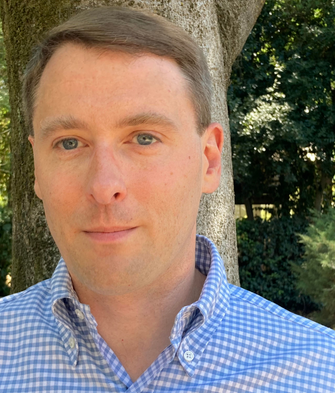
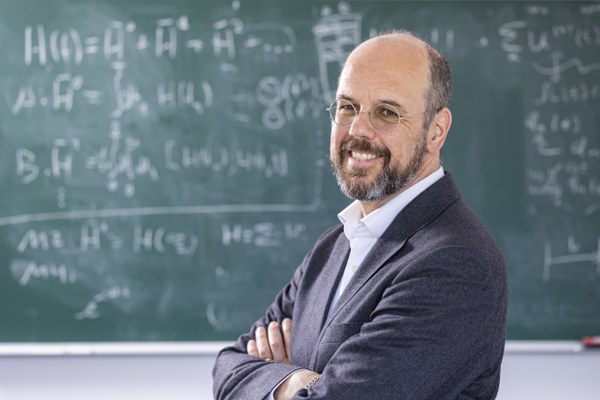
James Bremer is a Professor in the Department of Mathematics and holds a cross-appointment in the Department of Computer and Mathematical Sciences at the University of Toronto's Scarborough campus. His research focuses on developing efficient numerical algorithms for solving elliptic boundary value problems, integral equations, and special function transforms.
Yasushi Sakurai is a Professor in the Department of Translational Datability at Osaka University's Institute of Scientific and Industrial Research, co-leading the Sakurai and Matsubara Laboratory within the Center for Industrial Science and AI. His research mission focuses on transforming society through real-time prediction of natural and social phenomena using large-scale data analytics, with emphasis on practical technological implementation. His research spans time-series big data analysis, dynamic learning systems, and real-time information provision. Key areas include tensor stream mining, EEG-based healthcare applications, cybersecurity anomaly detection, and multi-omics cancer subtyping. The lab specializes in developing deployable technologies that optimize social activities through predictive modeling of evolving data streams. Recent publications (2023-2025) reveal concentrated innovation in time-series data stream processing, with dominant themes in tensor analytics, frequency-domain forecasting, and causal modeling. His team produces high-impact work accepted at premier AI venues (ICLR, AAAI, KDD, WWW), consistently featuring oral presentations that highlight technical novelty and societal relevance. Scientific Awards: FY2024 Minister of Education, Culture, Sports, Science and Technology Award for Science and Technology (Research Category) for dynamic learning and real-time data stream analysis Professor Sakurai mentors graduate students including Naoki Chihara (DEIM2024 Outstanding Paper Award winner), Yuka Tamura (DEIM2024 Student Presentation Award winner), and Ren Fujiwara. His lab maintains active industry-academia partnerships focused on practical technology deployment, with research directly addressing real-world challenges in healthcare monitoring and cybersecurity. The Sakurai and Matsubara Laboratory operates as a dynamic research unit within Osaka University's Center for Industrial Science and AI, structured around specialized teams for tensor stream analysis, medical data mining, and network dynamics. Current projects emphasize real-time prediction systems with immediate societal applications, supported by strong industry collaboration frameworks.
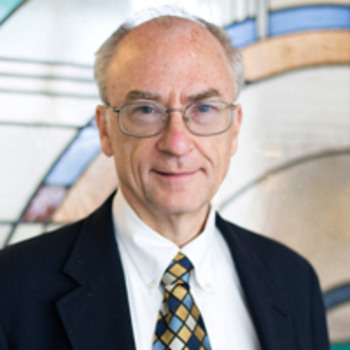
Betsy Stovall is a Professor of Mathematics at the University of Wisconsin–Madison and holds the Letters and Science Mary Herman Rubenstein Professor chair. She serves as the AMS Associate Secretary for the Central Section . Education : Not explicitly stated in provided text. Appointments : Regular faculty at UW–Madison since at least 2012 Organizer of graduate analysis seminars Research Interests : Stovall specializes in harmonic analysis , focusing on operators involving curvature, oscillatory integrals, and Fourier restriction phenomena. Her work intersects with partial differential equations (PDEs) through the study of dispersive equations and geometric analysis problems. Teaching : Complex Analysis (Math 623) - Fall 2021 Calculus III (Math 234) - Fall 2020 Graduate Analysis Seminar - Spring 2022 Organized UW Madison undergraduate summer school in Analysis (2018) Scientific Contributions : Sole or joint author of 15+ publications NSF RTG grant in Analysis and PDE Active in harmonic analysis seminars and educational initiatives Administrative Roles : AMS Associate Secretary Co-organizer of RTG/Student seminars Summer school director
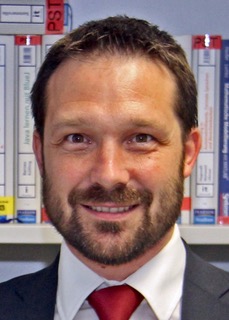
Xiaochun Li is a Professor of Mathematics at the University of Illinois at Urbana-Champaign, affiliated with the Department of Mathematics within the College of Liberal Arts & Sciences. His research focuses on Harmonic Analysis, with expertise in multilinear oscillatory integrals, Hilbert transforms along vector fields, and multilinear Carleson theorems. He earned his Ph.D. from the University of Missouri at Columbia in 2001. His recent work explores topics such as pointwise convergence of cone multipliers, Stein-Tomas restriction theorems, and polynomial Roth theorems. These studies bridge functional analysis, Fourier analysis, and operator theory, contributing to foundational advancements in mathematical analysis. No scientific awards or grants are explicitly listed in the provided materials. His research is supported through his academic appointment, and he maintains an active publication record in prestigious journals such as the Journal of Functional Analysis and Mathematische Annalen.
Ronald G. Larson serves as the George Granger Brown Professor of Chemical Engineering and A. H. White Distinguished University Professor at the University of Michigan's College of Engineering, with additional appointments in Mechanical Engineering and Macromolecular Science & Engineering. His research leadership spans multiple departments within the Chemical Engineering Division, where he directs the Larson Lab focused on fundamental and applied soft matter physics. His research program investigates complex fluids through computational and theoretical frameworks, emphasizing polymer physics, rheology, and molecular simulations. Key thrusts include polymer melt processing, biomembrane dynamics, colloidal systems, and polyelectrolyte coacervation. The group employs advanced techniques like Brownian dynamics, coarse-grained modeling, and multiscale simulation to address challenges ranging from industrial polymer processing to biomedical applications. Recent publications (2023-2025) reveal strong momentum in rheological modeling of complex fluids, with particular emphasis on self-healing materials, wax deposition in pipelines, and crystallization mechanisms. The work bridges fundamental molecular insights with industrial applications, demonstrating consistent high-impact output across polymer science, soft matter physics, and chemical engineering domains. The Larson Lab operates as a collaborative hub within the Chemical Engineering Department, leveraging computational resources to advance understanding of fluid mechanics and material properties. Current projects integrate machine learning with traditional modeling approaches, reflecting the group's commitment to methodological innovation while maintaining strong connections to experimental validation and real-world engineering problems.
Lillian Beatrix Pierce is a Professor of Mathematics at Duke University, affiliated with the Trinity College of Arts & Sciences. She holds a B.A. from Princeton University (2002), an M.Sc. from the University of Oxford (2004), and a Ph.D. from Princeton University (2009). Her research focuses on analytic number theory and harmonic analysis, exploring intersections between oscillating functions, Diophantine equations, and arithmetic structures. Pierce has been recognized with prestigious awards, including the 2023 Guggenheim Fellowship, the 2018 Sloan Research Fellowship, and the 2019 PECASE award. She leads research grants from the NSF and Simons Foundation, investigating topics like class groups, character sums, and oscillatory integrals. Her work bridges number theory and harmonic analysis, with contributions to sieve methods, maximal operators, and decoupling techniques. She serves on editorial boards for journals like the Journal of the AMS and Duke Mathematical Journal. Pierce also advocates for accessibility in mathematics, co-founding the journal Essential Number Theory to disseminate foundational research. Her academic journey includes roles as a von Neumann Fellow at the Institute for Advanced Study and a Rhodes Scholar. Notable publications include breakthroughs on the Vinogradov mean value theorem, ℓ-torsion in class groups, and polynomial Carleson operators. She actively mentors and collaborates in global research networks, fostering interdisciplinary approaches to mathematical challenges.
Katrina Choe serves as Assistant Professor in the Department of Psychology, Neuroscience & Behaviour at McMaster University and holds a Tier 2 Canada Research Chair in Neurobiology of Social Behaviour. Her research program investigates the multi-level neurobiological mechanisms underlying psychiatric disorders, with primary focus on autism spectrum disorders (ASD) and oxytocin signaling pathways. Her academic training includes: PhD in Neuroscience from McGill University (2013) Honours BSc in Zoology from University of Toronto (2002-2006) Postdoctoral Fellowship at UCLA (2013-2020) Dr. Choe's research employs an integrative approach spanning molecular, cellular, circuit, and network levels to examine how ASD-associated gene mutations disrupt social behavior. Current work centers on oxytocin signaling mechanisms in ASD, convergent neurobiological pathways across psychiatric disorders, and the role of glial cells in neural circuit function. Her lab utilizes advanced techniques including optogenetic fMRI, single-cell RNA sequencing, and multi-level behavioral assays in genetic mouse models. Analysis of her 15 most recent publications reveals a clear research trajectory: early work (2015-2020) established foundational knowledge in vasopressin neuron regulation and salt homeostasis, while recent publications (2022-2025) demonstrate a focused shift toward ASD mechanisms, oxytocin signaling, and social circuit dysfunction using the Cntnap2 knockout model. This evolution reflects her transition from postdoctoral training to independent research leadership. Her scientific recognition includes: Tier 2 Canada Research Chair in Neurobiology of Social Behaviour (2022) NIMH K99/R00 Award CIHR Postdoctoral Fellowship Dr. Choe actively mentors six graduate students across PhD and MSc programs while leading a dynamic research team comprising postdoctoral fellows, laboratory technicians, and undergraduate researchers. Her program receives substantial support from major grants including a 5-year CIHR Project Grant and NSERC Discovery Grant focused on 'The role of CASPR2 in central oxytocin system development.' The Choe Lab maintains active collaborations with leading neuroscience groups including the Bourque, Prager-Khoutorsky, and Cunningham labs, as evidenced by participation in the 4th 1000 Islands/Gananoque Meeting on Hypothalamic Mechanisms. Her laboratory, established in 2020, operates as a multidisciplinary hub utilizing molecular biology (qPCR, RNA-seq), advanced imaging (lightsheet, confocal), electrophysiology (in vitro and in vivo), and behavioral neuroscience approaches to investigate social behavior mechanisms. Current projects examine microglia-astrocyte-neuron interactions in social circuit function and the therapeutic potential of oxytocin for ASD-related social deficits.
Rupert Frank is a Professor of Mathematics at the University of Munich (LMU Munich) . He has held academic positions at Caltech (2013–2021) and Princeton University (2009–2013). His research spans Mathematical Physics , Spectral Theory , and Functional Inequalities , with a focus on quantum many-body systems, stability of matter, and nonlocal operators. Research Themes : Analysis of eigenvalues for Schrödinger and Pauli operators with complex potentials Semi-classical spectral asymptotics and effective theories for quantum systems Matrix inequalities and quantum information theory Calculus of variations in models like the liquid drop problem Geometric inequalities and their applications to quantum mechanics Magnetic field effects on spectral properties Recent Publications : 2025: Sharp stability for Sobolev/log-Sobolev inequalities with dimensional dependence 2025: Endpoint Schatten class properties of commutators 2024: Degenerate stability of Caffarelli-Kohn-Nirenberg inequality 2024: Hardy inequalities for large fermionic systems 2023: Review on Scott conjecture for Coulomb systems Scientific Awards : Young Scientist Prize in Mathematical Physics (2009) Grants and Collaborations : Principal Investigator in CRC TRR 352 (2023–) PI in Munich Center for Quantum Science and Technology (2019–) Multiple NSF grants (2009–2020) DFG and DAAD grants Editorial and Conference Leadership : Editorial boards: Communications in Mathematical Physics , Journal in Mathematical Physics , Journal of Spectral Theory , SIAM Journal on Mathematical Analysis , Springer Lecture Notes Organized conferences/workshops on quantum many-body systems, spectral methods, and functional inequalities (2018–2025)
Farshad Moradi is a Professor at the Department of Electrical and Computer Engineering at Aarhus University, specializing in neuromorphic engineering, spintronics, and biomedical device design. His work focuses on integrating advanced materials and circuits for applications in neural interfaces, energy-efficient computing, and wireless biomedical systems. Research Interests include: Spintronic-based neuromorphic computing architectures Ultra-low power analog/mixed-signal integrated circuits Ultrasonically powered implantable medical devices Neural signal processing and seizure detection systems Wireless energy transfer and structural health monitoring Key Projects (2016-2026): SPICE: Spintronic-Photonic Integrated Circuit Platform PHOTON-NeuroCom: Photonic-assisted Neuromorphic Computing Neuro-Sense: Flexible bioinspired neuroprostheses CorroSense: Self-powered corrosion monitoring HERMES: Hybrid Enhanced Regenerative Medicine Systems Recent innovations include: Ultrasonically powered optogenetic implants Low-power neural amplifiers for deep-brain interfaces Spin-torque nano-oscillator-based neuromorphic hardware Energy harvesting systems for structural monitoring
Kirill Serkh is an Assistant Professor in the Department of Mathematics at the University of Toronto, with a cross-appointment to the Department of Computer Science. His research focuses on advanced numerical methods for solving complex mathematical problems. Key Research Areas: Numerical analysis, Scientific computing, Partial differential equations, Numerical linear algebra, Quadrature and approximation theory, Special functions His recent work explores high-order numerical schemes for PDEs on non-smooth domains, adaptive methods for oscillatory integrals, and efficient evaluation of Newtonian potentials. He has contributed to the development of hybrid boundary integral methods and spectral techniques for challenging computational problems. While no specific scientific awards are mentioned in the provided text, his publications demonstrate expertise in computational mathematics and interdisciplinary applications in fluid dynamics, wave propagation, and machine learning. His methodological innovations span both theoretical and applied domains.
Prof. Raoul-Martin Memmesheimer is a Professor at the University of Bonn's Institute of Genetics , contributing to the Transdisciplinary Research Area (TRA) - Life and Health . His research focuses on understanding neural network dynamics across microscopic, mesoscopic, and large-scale phenomena, integrating mathematical approaches with neurophysiological insights. Key interests include the dynamics of precise spiking activity, collective network behavior, and computational principles underlying neural systems. Education & Background : While specific educational details are not listed, his position as a Professor indicates advanced academic qualifications in theoretical neuroscience or related fields. Research Interests : Memmesheimer's work bridges theoretical physics and computational neuroscience, addressing topics like spiking neuron models, learning in neural networks, and the emergence of complex behaviors. His group employs methods from computer science and applied mathematics to study how neural systems perform computations through their dynamic properties. Publications : Recent work explores topics such as gradient descent learning in spiking networks, STDP-based assembly dynamics, and oscillatory phenomena in hippocampal regions. These publications highlight his focus on both foundational theory and applications to biological systems. Awards & Collaborations : While no specific awards are listed, his participation in TRA Life and Health underscores collaborative efforts in transdisciplinary health-related research. His work is supported by the University of Bonn's strong focus on transdisciplinary innovation. Labs & Teams : His research group operates within the Institute of Genetics, leveraging interdisciplinary resources at the University of Bonn to advance theoretical neuroscience and computational biology.
Tommaso Calarco serves as Director of the Institute for Quantum Control (PGI-8) at Jülich Research Centre, leading cutting-edge research in quantum optimal control methodologies for next-generation quantum technologies. His work focuses on developing transformative computational frameworks applicable to natural sciences, logistics, and high-performance computing through advanced quantum device engineering. His research spans quantum optimal control for computation and many-body systems, emphasizing physical model development, model reduction techniques, and machine learning integration for scalable quantum hardware. Key focus areas include spin-qubit optimization, diamond quantum register engineering, and error suppression in gate operations, with significant contributions to ultracold atom systems and semiconductor-based quantum platforms. Analysis of his 2024-2025 publications reveals concentrated efforts on hardware-specific challenges across multiple quantum modalities: spin shuttling fidelity in semiconductor systems, gate optimization for nitrogen-vacancy centers, and photon-spin interface engineering. This work demonstrates a unifying thread of optimal control solutions tailored to platform-specific decoherence mechanisms and scalability constraints. As Director of PGI-8 within the Peter Grünberg Institut, Calarco oversees a dedicated research team advancing quantum control theory and applications, contributing substantially to European quantum technology roadmaps including the Quantum Flagship initiative and strategic European Commission reports.
Po Lam Yung is an Associate Professor and ARC Future Fellow at the Mathematical Sciences Institute of The Australian National University. His research focuses on harmonic analysis, specifically singular integrals, Sobolev embeddings, time-frequency analysis, oscillatory integrals, and Fourier decoupling, with applications to partial differential equations, complex variables, and analytic number theory. He has contributed to sharpening Sobolev space embeddings and developing pseudodifferential calculi for complex variables/CR geometry. His work also explores Stein-Wainger oscillatory integrals and Fourier decoupling inequalities. His recent research includes studies on superorthogonality, discrete restriction estimates for parabolas, and polynomial Carleson operators. Notable collaborations involve projects like decoupling interpretations of Vinogradov's Mean Value Theorem. His ARC Future Fellowship supports work on decoupling inequalities and Bourgain-Brezis inequalities. Yung actively supervises research students in harmonic analysis and related fields. His academic profile includes over 35 publications and 311 citations, with an h-index of 11. Further details are available on his institutional webpage.
Prof. Dr. Andrea Kühn serves as Professor of Neurology at Charité - Berlin University of Medicine since 2007 and leads the Movement Disorders and Neuromodulation Unit within the Department of Neurology since 2016. She maintains dual affiliation with Charité and the German Center for Neurodegenerative Diseases (DZNE) Berlin, where her primary research operations are coordinated. Her research centers on elucidating the pathophysiology of movement disorders and optimizing neuromodulation therapies, with specific emphasis on how oscillatory network activity influences deep brain stimulation efficacy. This work bridges clinical neurology and translational neuroscience to develop targeted interventions for Parkinson's disease and related conditions. Prof. Kühn actively contributes to major clinical studies including MIGAP (Multicenter Interventional Gait Analysis in Parkinson's) and DESCRIBE-PSP (Describing the Natural Course of Progressive Supranuclear Palsy), advancing understanding of neurodegenerative movement disorders through longitudinal data collection and neuromodulation protocol refinement. Her Movement Disorders and Neuromodulation Unit operates as a dedicated clinical-research hub integrating patient care with cutting-edge electrophysiological investigations.
Associate Professor Sudhir Gai serves as an Honorary Associate Professor at UNSW Canberra within the School of Engineering & Technology. With a distinguished career spanning over five decades, Professor Gai has established himself as a leading authority in high-speed aerodynamics, specializing in hypersonic and supersonic flow phenomena. His extensive publication record from 1969 through 2025 demonstrates sustained research excellence in shock wave/boundary layer interactions, flow separation mechanisms, and high-enthalpy flow dynamics. Professor Gai's research focuses on the complex fluid dynamics of high-speed flows, with particular emphasis on shock wave/boundary layer interactions, separation phenomena in hypersonic and supersonic regimes, and the effects of high-enthalpy conditions on aerodynamic performance. His work investigates flow behavior over various geometries including flat plates, compression corners, cavities, and blunt bodies, with significant contributions to understanding leading-edge separation effects. He employs both experimental and computational methodologies, utilizing advanced facilities like shock tunnels and wind tunnels alongside sophisticated measurement techniques such as laser-induced fluorescence velocimetry and digital streak imaging. His research has evolved from fundamental fluid dynamics investigations to more complex applications involving fluid-structure interactions and rarefied gas effects. Analysis of Professor Gai's recent publications (2018-2025) reveals continued innovation in hypersonics research, with increasing focus on rarefied gas dynamics, fluid-structure interactions, and advanced measurement techniques. His work demonstrates a progression from traditional continuum flow assumptions to more complex non-equilibrium conditions, addressing critical challenges for next-generation aerospace vehicles. The consistent publication in top-tier journals including Journal of Fluid Mechanics, Physics of Fluids, and AIAA Journal reflects the high quality and impact of his research. Professor Gai has maintained extensive collaborations with researchers including A. Khraibut, D. Exposito, A.J. Neely, S. O'Byrne, V. Sridhar, and H. Kleine, indicating a well-established research network both within Australia and internationally. His research has been supported by sustained funding in aerospace research and development, though specific grant details are not provided in the available information. Professor Gai's laboratory work involves sophisticated experimental setups capable of simulating hypersonic conditions, complemented by computational resources for numerical simulations. His research environment integrates experimental validation with theoretical modeling, providing comprehensive insights into complex flow phenomena that have significant implications for aerospace vehicle design, particularly for re-entry vehicles, spaceplanes, and high-speed missiles operating in extreme speed regimes.