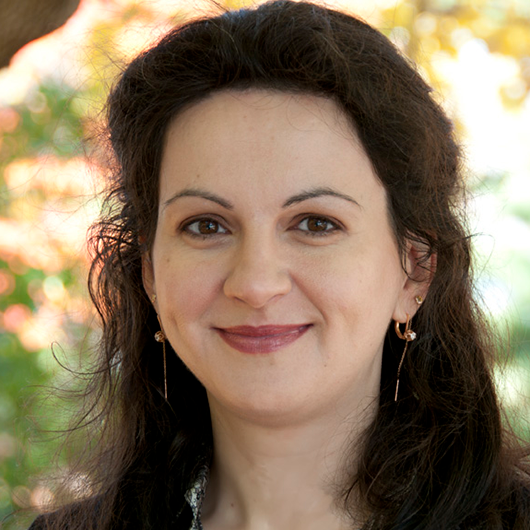
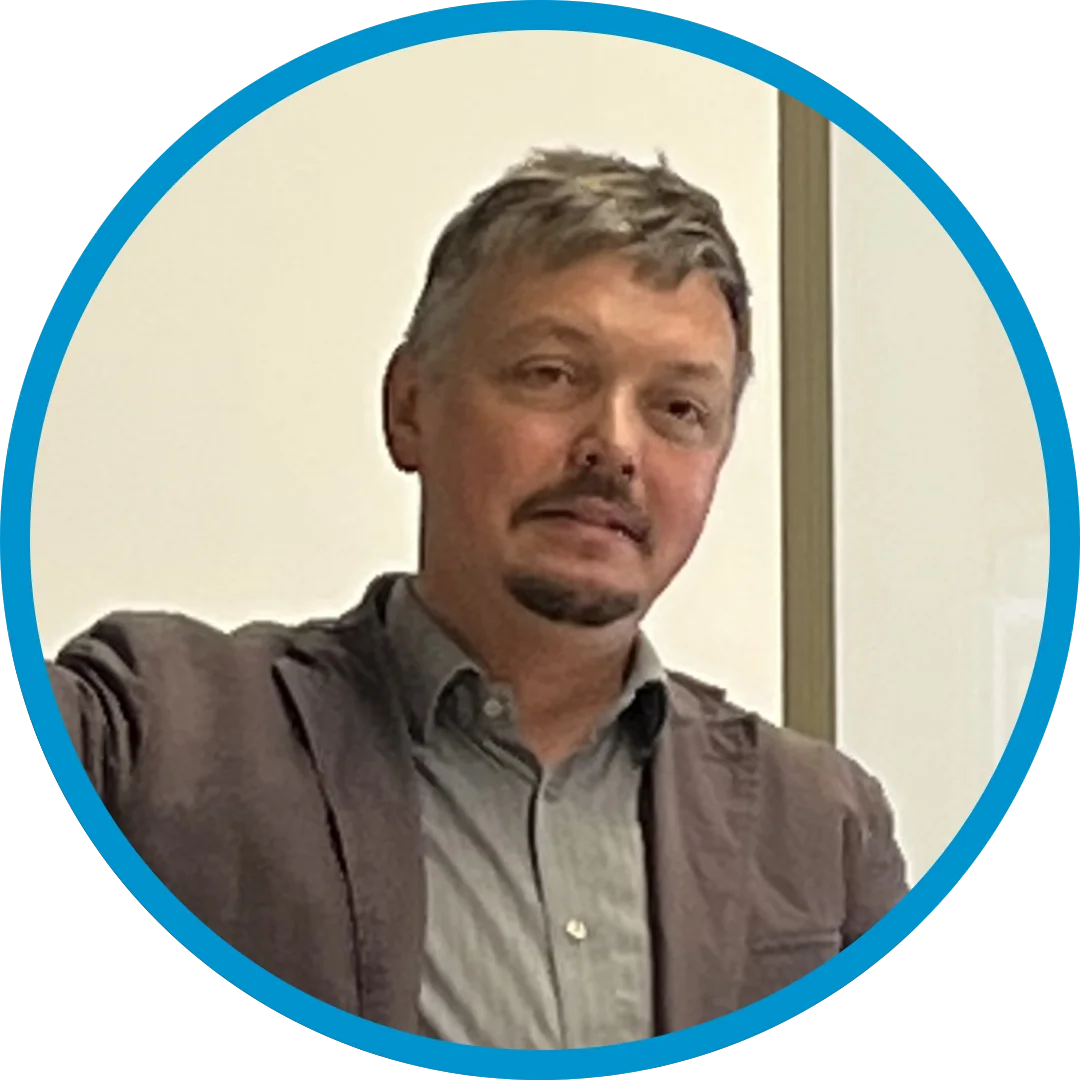
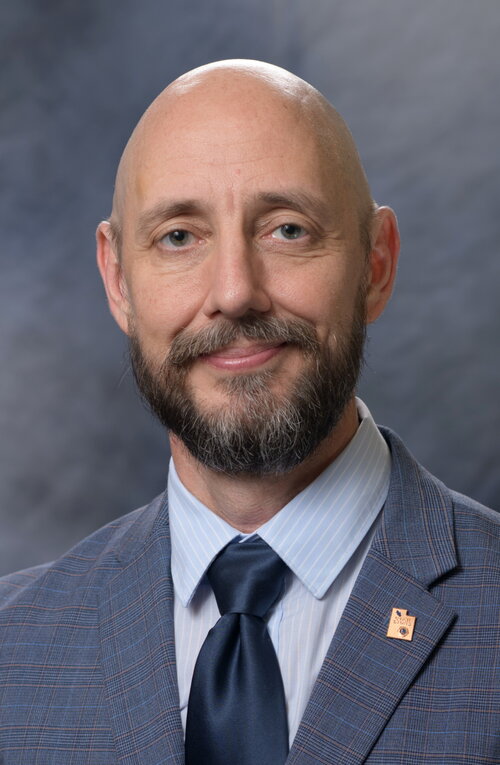
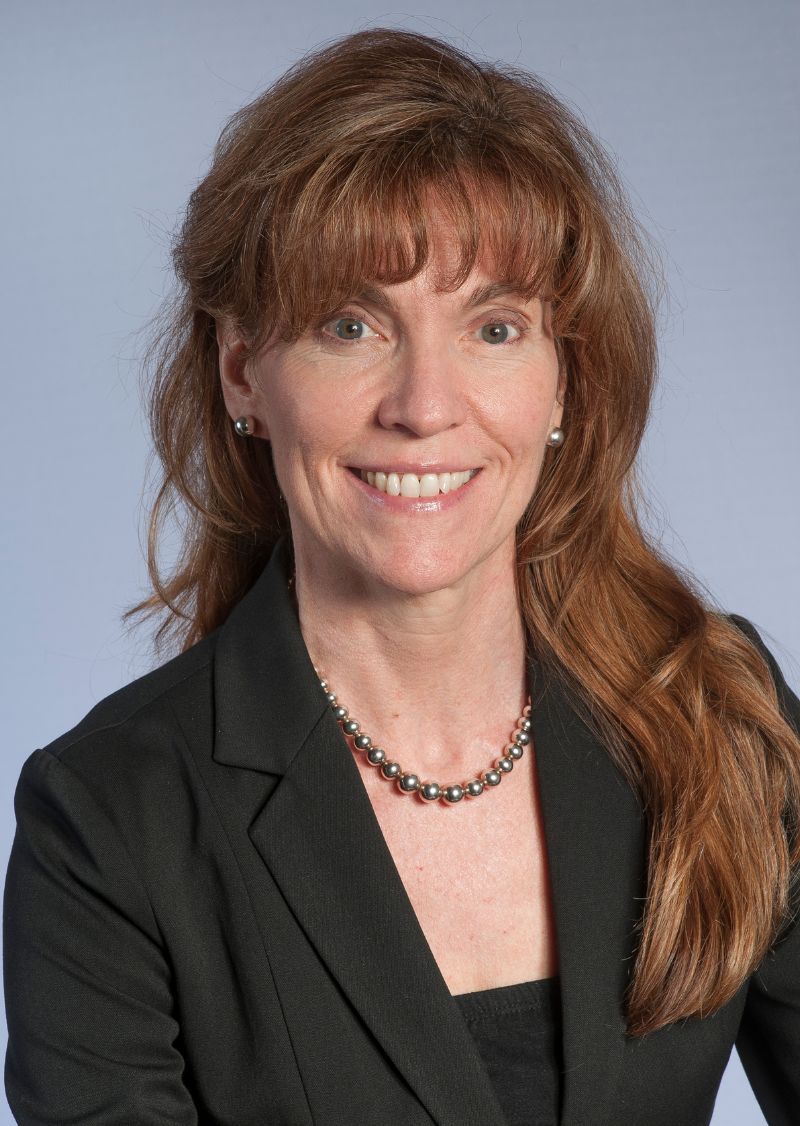
Animesh Garg is an Assistant Professor at the School of Interactive Computing at Georgia Tech, where he leads the People, AI, and Robotics (PAIR) research group . He holds a Senior Researcher position at Nvidia Research and has courtesy appointments at the University of Toronto and Vector Institute. Previously, he served as Chief Scientific Officer at Apptronik (2024-2025) and Senior Staff Research Scientist at Nvidia Research (2018-2024). Education : Ph.D. in Operations Research from UC Berkeley (2011-2016), MS in Computer Science and Industrial Engineering from Georgia Tech and University of Delhi. Research Focus : Building Generalizable Autonomy through Reinforcement Learning , Control Theory , and 3D Vision , with applications in Surgical Robotics , Self-Driving Labs , and Manufacturing . Key Article Themes : His recent work emphasizes Foundation Models for robotics, Differentiable Simulation , Language-Guided Autonomy , and Structured Inductive Biases in sequential decision-making. Scientific Awards : Stephen Fleming Early Career Professorship at Georgia Tech. Teaching : Courses on AI, Deep Reinforcement Learning, and Algorithmic Intelligence in Robotics at Georgia Tech. Labs & Collaborations : Affiliated with Institute for Robotics and Intelligent Machines (IRIM) and ML@GT at Georgia Tech; collaborates intensively with Nvidia Robotics.
Mani Golparvar Fard is a Professor at the University of Illinois at Urbana-Champaign, holding joint appointments in the Siebel School of Computing and Data Science and the Department of Civil and Environmental Engineering. He also contributes to the Technology Entrepreneur Center. His research focuses on integrating artificial intelligence, computer vision, and data analytics to advance construction management, infrastructure monitoring, and automation. Key areas include BIM integration, reality capture systems, and deep learning-based progress tracking. His work emphasizes automated construction progress monitoring through semantic segmentation, vision-language models, and UAV-based data collection. He has pioneered methods like Scan2BIM-NET for converting point clouds into BIM models and developed frameworks for worker safety analysis using machine learning. Awards: Walter L. Huber Civil Engineering Research Prize (2018) Daniel W. Halpin Award for Scholarship (2016) Advising & Grants: While no specific grant details are provided, his research is supported by collaborations with industry and government initiatives, such as the Japanese national bridge inspection project. He advises a team focused on AI-driven construction solutions and maintains active partnerships with engineering firms. Labs & Teams: Leads research groups in vision-based construction analytics, automated scheduling systems, and BIM integration. His work is disseminated through platforms like the VisualSiteDiary system and the InstaDam open-source platform for structural damage analysis.
Georgia Zellou is an Associate Professor in the Department of Linguistics at the University of California, Davis, where she co-directs the Phonetics Lab and conducts award-winning research at the intersection of phonetics, speech perception, and human-AI interaction. Her work investigates how phonetic detail is cognitively represented through variations in speech production, with significant contributions to understanding speech alignment with voice assistants, face-masked speech intelligibility, and cross-linguistic perception of synthetic voices. Her academic credentials include a Ph.D. in Linguistics from the University of Colorado at Boulder (2012), an M.A. in Linguistics from Stony Brook University (2007), and a B.A. in Linguistics & Anthropology from the University of Florida (2005, Cum Laude, Phi Beta Kappa). Ph.D., Linguistics, University of Colorado at Boulder (2012) M.A., Linguistics, Stony Brook University (2007) B.A., Linguistics & Anthropology, University of Florida (2005) Professor Zellou's research program centers on laboratory phonology approaches to real-world communication challenges, examining how acoustic-phonetic details influence speech perception across contexts. Her studies span speech alignment with voice-AI systems (e.g., Amazon Alexa), sociophonetic variation in bilingual speech, and the cognitive mechanisms underlying perceptual compensation for coarticulation. She employs experimental methods including eye-tracking, acoustic analysis, and perceptual testing to uncover how phonetic variation functions pragmatically in human communication and human-machine interaction. Analysis of her 15 most recent publications (2023-2025) reveals three dominant research trajectories: (1) human-AI voice interaction dynamics, including prosodic alignment and social evaluation of TTS voices; (2) intelligibility optimization in challenging contexts (face masks, clear speech for diverse listeners); and (3) cross-linguistic phonetic variation in vowelless words and consonant clusters. These works consistently bridge theoretical phonology with applied speech technology, demonstrating how fine-grained phonetic detail influences communication effectiveness in both human-human and human-machine contexts. Her scientific recognition includes: Fulbright Scholar (2022) for research in France Chancellor’s Award for Excellence in Undergraduate Mentoring (2019) Fellow of the Linguistic Society of America (2020) Amazon Faculty Research Award (2019) for Alexa-related speech studies Dean’s Fellow designation at UC Davis (2020-2023) Professor Zellou maintains an active mentoring practice recognized with the Chancellor’s Award, supervising undergraduate researchers in the Phonetics Lab while teaching core linguistics courses from introductory to advanced graduate levels. Her research program is supported by competitive grants including NSF funding, Amazon Research Awards, and UC Davis internal grants (Hellman Foundation, ISS Junior Faculty Grant), reflecting the translational value of her work for speech technology development. She has co-directed major initiatives including the 2019 LSA Linguistic Institute. The Phonetics Lab she co-leads serves as a hub for experimental phonetics research, focusing on speech production-perception relationships through projects investigating vocal accommodation to voice assistants, nasal coarticulation dynamics, and cross-linguistic prosody. Current collaborations with industry partners aim to implement human speech adaptation principles into voice assistant design to enhance naturalness and engagement.
Mohammad T. Alhawary is Professor of Arabic Linguistics and Second Language Acquisition at the University of Michigan's Middle East Studies department within the College of Literature, Science, and the Arts. He serves as Director of both the MA Program in Arabic for Professional Purposes (APP) and the MA Program in Teaching Arabic as a Foreign Language (TAFL). His educational background includes a Ph.D. from Georgetown University (1999). Prior to joining the University of Michigan, he contributed to developing Arabic and Middle Eastern Studies programs at various US institutions. Professor Alhawary's research spans both theoretical and applied Arabic linguistics, with particular focus on second language acquisition processes. His work examines how factors like age, input quality, output practice, and first language transfer affect Arabic language learning. He has made significant contributions to understanding Arabic language pedagogy, curriculum design, proficiency testing, and the application of technology in language learning. His research also extends to bilingualism, multilingualism, language impairment, and Arabic medieval grammatical traditions. His publications reflect a strong trajectory in Arabic linguistics research, with recent works focusing on practical language teaching applications, reading comprehension mechanisms, code-switching patterns in digital communication, and multilingual acquisition processes. The 2023 publication 'Teaching Arabic as a Foreign Language' represents his latest contribution to language pedagogy methodology. 2019 AATA Book Award for 'Arabic Second Language Learning and Effects of Input, Transfer, and Typology' As an academic leader, Professor Alhawary serves as Executive Director of the American Association of Teachers of Arabic and edits both the Journal of Arabic Linguistics Tradition and Al-'Arabiyya journal. He continues to develop empirical research on Arabic second language acquisition to inform teaching practices both in America and globally.
Professor Aditi Lahiri is a Research Professor of Linguistics at the University of Oxford's Faculty of Linguistics, Philology and Phonetics. She holds positions in the Centre for Linguistics and Philology and directs the Language and Brain Laboratory. Her research focuses on phonology, phonetics, historical linguistics, psycholinguistics, and neurolinguistics, with special expertise in metrical theory, feature theory, and morphological complexity. Education : BA (Mathematics, Economics) from University of Calcutta (1971); MA (Comparative Philology) from University of Calcutta (1973); DPhil (Comparative Philology and Linguistics) from University of Calcutta (1979); PhD (Linguistics) from Brown University (1982). Research Interests : Her work spans experimental and theoretical linguistics, including prosodic phrasing, lexical representation, language change, and neural correlates of phonological processing. Key areas include: Metrical phonology and historical sound change Cognitive representation of speech sounds Morphological complexity in the mental lexicon Speech perception and production mechanisms Recent Research Trends : Over the past decade, her publications emphasize cross-disciplinary approaches, integrating experimental psycholinguistics with computational modeling (e.g., ERC-funded projects on morphophonological alternations). Recent work explores language processing in multilingual speakers and the neural basis of phonological features. Awards : Recipient of prestigious awards including the Leibniz Prize (2000), Max Planck Research Prize (1994), and Fellow of the British Academy (2010). She serves as Vice President of the British Academy and President of the Philological Society. Grants & Leadership : Secured over €8 million in research funding, including ERC Advanced Grants (e.g., MORPHON, WORDS). Directed the DFG-funded Sonderforschungsbereich 471 (2006-2008). Established key partnerships in India through endowed scholarships and academic outreach initiatives. Labs & Collaborations : Leads the Language & Brain Laboratory, collaborating internationally on projects combining neurolinguistic methods with historical and experimental linguistics. Supervised numerous PhD students who have become leading academics globally.
Camillo J. Taylor is the Raymond S. Markowitz President’s Distinguished Professor in the Department of Computer and Information Science at the University of Pennsylvania , where he has been a faculty member since 1997. He also serves as Associate Dean for Diversity, Equity, and Inclusion at the School of Engineering and Applied Science. His research focuses on Computer Vision and Robotics , particularly in 3D reconstruction, semantic mapping, and autonomous navigation. Education: A.B. in Electrical Computer and Systems Engineering, Harvard College (1988) M.S. and Ph.D. in Computer Science, Yale University (1990, 1994) Research Interests: Dr. Taylor’s work bridges Computer Vision and Robotics to enable autonomous systems to perceive and navigate complex environments. Key themes include semantic SLAM, event camera applications, and meta-learning for adaptive controllers. His projects often integrate vision, physics, and multi-agent collaboration, as seen in systems like EvMAPPER and OCCAM . Recent Article Trends: His 2024–2025 publications focus on semantic mapping , event-based vision , and multi-agent LLM systems , reflecting his lab’s emphasis on real-time perception, physics-informed reconstruction, and rational decision-making in robotics. These works span applications from solar eclipse imaging to wildfire analysis and natural hazard resilience. Awards: NSF CAREER Award (1998) Lindback Minority Junior Faculty Award (2001) IEEE WACV Best Paper Award (2012) Lindback Distinguished Teaching Award (2012) Advising and Service: Dr. Taylor has advised numerous PhD students, including Jason Hughes and Bowen Jiang. He has served as a Program Chair for CVPR (2006, 2017) and General Chair for ICCV (2021). His contributions to the GRASP Laboratory have advanced autonomous micro-UAVs and semantic SLAM.
Viorica Marian is the Ralph and Jean Sundin Endowed Professor of Communication Sciences and Disorders at Northwestern University's School of Communication. Her research focuses on bilingualism/multilingualism, the neurocognitive mechanisms underlying language processing, and the interplay between language, memory, and cultural factors. She holds a PhD in Experimental Psychology from Cornell University, alongside multiple MA and BA degrees in psychology-related fields. Education: PhD (Cornell), MA (Cornell), MA (Emory), BA (University of Alaska). Research Interests: Bilingualism, cognitive neuroscience, language processing, memory, psycholinguistics, and cross-cultural communication. Labs: Bilingualism and Psycholinguistics Research Group. Marian's work bridges behavioral, cognitive, and neurological methodologies. Her studies reveal how bilingualism enhances executive control, influences memory retrieval, and shapes cross-modal perception. Recent research highlights cultural differences in mother-child communication and the cognitive benefits of multilingualism. Her awards include the 2019 JSLHR Editor’s Award and recognition for teaching excellence. She actively contributes to translational research through grants like the NIH-funded Cognitive Architecture of Bilingual Language Processing project. Courses taught include CSD 309: Culture, Language, and Learning, and CSD 551: Topics in Bilingualism. Key Grants: NIH RO1 HD059858 (2022-2027), NIH R21 DC018349 (2021-2023). Prominent Publications: The Power of Language (2023), LEAP-Q methodology (2007), and foundational bilingualism studies in Bilingualism: Language and Cognition .
Shannon Barrios is an Associate Professor in the Department of Linguistics at the University of Utah, where she has served since 2022. She co-directs the Speech Acquisition Lab and specializes in second language acquisition, phonetics/phonology, and psycholinguistics. Her research explores how adult learners develop perceptual and lexical representations of novel phonological contrasts, with a focus on cross-language speech perception, orthographic effects, and social factors in input processing. BA, Spanish (SUNY Geneseo, 2004) MA, Linguistics (Syracuse University, 2007) PhD, Linguistics (University of Maryland, 2013) Her research interests span adult second language acquisition , phonolexical development , and accent bias . She investigates how learners process phonological contrasts, the role of orthography in speech perception, and the influence of social roles (e.g., teachers vs. peers) on language learning. Her work combines behavioral experiments, ERP/MEG neuroimaging, and computational modeling. Barrios’ recent publications (2024–2020) focus on representational fuzziness , talker variability , and lexical contrast mechanisms . Her 2024 Languages paper proposes a factorial typology for evaluating auditory word recognition scenarios, while her 2024 JASA Express study highlights individual listener variation in cross-language speech perception. Earlier works examine allophone acquisition, orthographic input effects, and neural correlates of phonological mapping. She has received two teaching awards from the University of Maryland (2013). Her teaching portfolio includes undergraduate and graduate courses in phonetics , psycholinguistics , and second language acquisition theory . She also leads workshops on research ethics, mentee development, and academic literacies.
Przemysław Kordos is a Professor at the University of Warsaw , affiliated with the Faculty of Liberal Arts , where he serves as Coordinator for the Development of the Modern Greek Philology Program . He holds two PhDs in Humanities (2007, 2019) and was awarded the Loukis Papaphilippou Seat of Advancement in Modern Greek scholarship. Education: MA in Ethnology and Cultural Anthropology (University of Warsaw, 2001) MS in Sociology (University of Warsaw, 2002) PhD in Humanities (University of Warsaw, 2007) Second PhD in Humanities (University of Warsaw, 2019) His research interests span: Contemporary Modern Greek and Cypriot literature Polish-Greek cultural relations (philhellenism) Social and ethnographic issues in Greece and Cyprus Travel literature analysis Fantasy literature's cultural implications His scientific work reveals a focus on linguistic assimilation in foreign language learning (via fMRI studies), historical parallels between Polish and Greek independence movements, and critical analyses of Cypriot folk culture's politicization. Key scientific awards include: Loukis Papaphilippou Seat (University of Warsaw) Internships at EKPA and IKY (Greece) Scholarships at IMXA (Greece) and MUNI (Czech Republic) His academic contributions include cataloging 60+ Polish travel accounts to Greece, analyzing the shift from travel literature to tourism discourse, and examining the Hellene-Romios dichotomy's role in modern Greek identity construction.
Unn Røyneland is a Professor of Scandinavian Linguistics and Multilingualism at the University of Oslo 's Faculty of Humanities . She is affiliated with the Center for Multilingualism in Society Across the Lifespan (MultiLing) and has been a key figure in Norwegian language policy and standardization efforts, including the Nynorsk 2011 orthographic revision . Current Research Focus: Multilingual and multilectal practices on social media Dialect acquisition among migrants Dialect levelling and language attitudes Language and embodiment Multiethnolectal speech styles Language policy and planning Ongoing Projects: Multilectal Literacy in Education (2020-2025) (RCN-funded, Co-PI) Multilectal Practices on Social Media (2020) (with Øystein A. Vangsnes) Urban Talk and Text (MultiLing Core-group project, 2021) AquaAurora (2021, UiT The Arctic University of Norway) Her scholarly work spans 15+ years of research output, with recent publications analyzing: Language activism and social justice (2024) Multilingualism across the lifespan (2022) Migration-induced dialect acquisition (2020) Youth multilingual practices in digital spaces (2018) Nynorsk standardization processes (2016) Multiethnolectal speech patterns (2008-2010) As Co-Chief Editor of the LME Linguistic Minorities in Europe Online series at De Gruyter, she continues shaping academic discourse in multilingualism studies.
Prof. Ryan Keith Shosted is a full-time tenured Professor at the University of Illinois at Urbana-Champaign , affiliated with the Department of Linguistics , Spanish and Portuguese , American Indian Studies Program , Beckman Institute , Lemann Center for Brazilian Studies , Center for Latin American and Caribbean Studies , and Center for African Studies . He serves as Director of the Program in Translation and Interpreting Studies and leads the Chin-Woo Kim Phonetics Laboratory . Education: Ph.D. , Linguistics, University of California, Berkeley (2006) M.A. , Linguistics, University of California, Berkeley (2003) B.A. , Linguistics, Brigham Young University (2000) Shosted's research focuses on the intersection of phonetics , phonology , and historical linguistics . He pioneered the application of ultrafast dynamic MRI to study the vocal tract's physiological-acoustic mapping in diverse languages, including Hittite cuneiform , Deseret Alphabet , and endangered languages like Q'anjob'al. His work spans speech production modeling , nasalization mechanisms , and cross-linguistic articulatory analysis . The 15 most recent publications demonstrate his leadership in dynamic speech imaging , phonetic-aerodynamic modeling , and historical sound change analysis . Key trends include advanced MRI techniques for speech study, phonetic universals , and historical writing systems as tools for linguistic reconstruction. Scientific Awards: Campus Award for Excellence in Undergraduate Teaching (2021) Dean's Award for Excellence in Undergraduate Teaching (2021) Arnold O. Beckman Award (2009, 2010) Jacob K. Javits Fellowship (2001-2005) Shosted's grant portfolio includes NSF funding for nasalization research (BCS-1651197, BCS-1121780) and NIH collaboration (1R01DE027989-01A1) on cleft palate speech. He has directed 12 graduate students and taught courses ranging from Hittite language to quantitative phonetic methods . The Chin-Woo Kim Phonetics Laboratory , under his directorship since 2007, expanded in 2010 to include articulatory phonetics facilities with EPG, ultrasound, and MRI analysis capabilities. He continues to lead Beckman Institute collaborations in speech imaging technology.
Reynaldo Romero serves as Associate Professor in the Department of History, Humanities and Languages at the University of Houston-Downtown, where he has maintained active teaching and research since at least 2012. His academic foundation spans linguistics, public health, and translation studies across multiple institutions. His educational background includes: Ph.D. in Spanish Linguistics from Georgetown University (Dissertation: Structural Consequences of Language Shift: Judeo-Spanish in Istanbul) M.P.H. in Community Health Practice from UTHealth (Dissertation: Beliefs on COVID-19 vaccination among Hispanic day laborers) M.A. in Translation from Kent State University Multiple B.A. degrees in French, General Linguistics, and Spanish Language/Linguistics from Rice University Romero's research creates critical intersections between linguistic theory and real-world applications. His work on Spanish for the Professions establishes frameworks for medical and legal interpreting while addressing systemic language access barriers. The scholarship on endangered languages—particularly Judeo-Spanish and Afro-Hispanic varieties—combines rigorous documentation with urgent revitalization efforts. His healthcare access research directly engages Houston's linguistic minorities through community-based projects like the Medical Translation Project with HISD. Recent publications reveal three dominant trajectories: (1) advancing methodologies in Afro-Hispanic linguistics through collaborative edited volumes; (2) developing social justice frameworks for marginalized language communities; and (3) documenting endangered linguistic varieties with innovative digital approaches. These threads converge in his community-engaged scholarship that bridges academic research and practical language access solutions. Professional recognition includes: Certified Translator status from the American Translators Association Advanced Professional Analytic Linguist certification Specialized medical and legal interpreter credentials Online teaching certification with digital tools specialization Romero's grant activity demonstrates sustained commitment to practical applications of linguistic research. Current projects include 'Promoting the Critical and Responsible Use of Digital Tools and AI in Written Tasks' (2024-2025), while past work developed medical interpreter training during disaster relief and language access protocols for healthcare settings. His service learning initiatives—like the Medical Translation Project with Houston ISD—create tangible community impact while advancing pedagogical innovation. Through the Medical Translation Project and language access advocacy, Romero cultivates collaborative spaces where academic research directly serves Houston's linguistic minorities. His work with heritage speakers and endangered language communities establishes frameworks for linguistic empowerment beyond traditional academic boundaries.
Margaret Greenwald serves as Associate Professor and Ph.D. Coordinator in the Department of Communication Sciences and Disorders (CSD) within Wayne State University's College of Liberal Arts and Sciences. Previously department chair (2014-2020), she is a Licensed and Certified Speech-Language Pathologist (CCC-SLP) recognized in 2022 as Wayne State's Outstanding Graduate Mentor in the health sciences. Her academic credentials include: M.A. in Speech-Language Pathology (University of Florida) Ph.D. in Communicative Sciences and Disorders (University of Florida) Post Doctoral Research Training in Cognitive Neuropsychology (University of Maryland, Department of Neurology) Dr. Greenwald's research centers on adult neurogenic communication disorders , specializing in aphasia, traumatic brain injury, and stroke rehabilitation through cognitive neuropsychology. Her work employs Magnetoencephalography (MEG) to map brain-behavior relationships during language and musical processing tasks, revealing critical insights for rehabilitation. She actively bridges clinical practice with neuroscience to develop evidence-based interventions. Analysis of her recent publications shows consistent focus on neuroimaging applications for understanding language disorders, with growing emphasis on telepractice implementation and the cognitive effects of musical training. Her work demonstrates strong translational value, connecting basic neuroscience to clinical rehabilitation protocols while maintaining rigorous methodological standards. Her scientific recognition includes: Outstanding Graduate Mentor in the Health Sciences, Wayne State University (2022) As an educator, Dr. Greenwald teaches graduate courses in aphasia, neuromuscular speech disorders, research methods, and doctoral seminars, plus undergraduate speech-language pathology instruction. She supervises doctoral research as Ph.D. coordinator and mentors students through clinical research projects. Her teaching integrates current neuroscience findings with clinical practice standards. She maintains active professional engagement through memberships in the American Speech-Language Hearing Association (ASHA), Academy of Aphasia, and International Neuropsychological Society, contributing to both clinical guidelines development and research community advancement.
Prof. Dr. Axel Mecklinger is a leading cognitive neuroscientist at Saarland University , specializing in the neurocognition of memory and language through spatiotemporal brain imaging (EEG/MEG/fMRI). His career spans over three decades, with significant contributions to understanding visual working memory , associative recognition , and memory development . Key research areas: Memory binding, ERP subsequent memory effects, novelty detection, and cognitive aging Major grants: DFG Research Groups, Collaborative Research Centers, and international collaborations with the Chinese Academy of Sciences Scientific leadership: Organized conferences, edited journals, and served as speaker for research training groups His recent work explores unitization in memory formation , cross-cultural differences in memory processing , and theta neurofeedback interventions . Awards include the Early Career Award of the German Psychophysiology Society (1992) and the European Federation of Psychophysiology Societies' Federation Prize (1994). Current projects investigate the neural mechanisms of semantic surprisal and memory plasticity in aging populations.
Chung-Lin Martin Yang is an Assistant Professor (Instructional Track) in the Department of Brain and Cognitive Sciences at the University of Rochester, School of Arts & Sciences. His research focuses on psycho- and neurolinguistics, speech perception/production, word recognition, word learning, evolution of human cognition, and second language acquisition. His work investigates how orthography influences second language phonological encoding, the role of Broca’s area in non-linguistic sequence learning, and neural correlates of emotional processing in early childhood. He has published extensively on topics such as bilingual phonological processing, individual differences in language learning, and the impact of orthographic depth on lexical representation. Notable research themes include the interplay between orthographic cues and phonological encoding in Mandarin and English, as well as neurodevelopmental aspects of emotional and linguistic processing in children. His contributions bridge cognitive neuroscience, psycholinguistics, and educational linguistics. Dr. Yang holds a PhD in Cognitive Science and teaches courses related to language acquisition and cognitive mechanisms. His lab explores experimental methods to understand how linguistic and cognitive systems interact during learning and perception.