
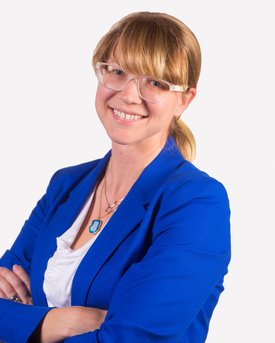
Jennifer Ross is a Professor of Physics and Associate Dean for Creativity, Scholarship, and Research at the College of Arts & Sciences of Syracuse University . As a biophysicist, she investigates how cells organize their interiors through self-assembly and active matter principles, focusing on the microtubule cytoskeleton and enzyme-driven systems using single-molecule imaging . Her research bridges fundamental physics with biological organization . Education: Ph.D. in Physics, University of California, Santa Barbara (2004) B.A. in Physics and Mathematics, Wellesley College (2000) Research Focus: Self-organization of cytoskeletal networks Active matter dynamics in biological systems Motor protein interactions and cargo transport Programming circadian materials via biomolecular systems Microtubule severing mechanisms Recent Article Trends: 2025 studies explore kinesin-driven cytoskeletal composites, urease-DNA origami engineering, and crosslinker-regulated network mechanics 2024-2023 work examines ionic strength effects on microtubules, programmable circadian materials, and motor-cargo dynamics Earlier studies analyze actin-microtubule composites, liquid crystal phase control, and severing enzyme mechanisms Scientific Awards: Fellow of the American Physical Society (APS) and American Association for the Advancement of Science (AAAS) Cottrell Scholar (2025) and STAR Award Margaret Oakley Dayhoff Award (Biophysical Society) Grants: Leads multiple NSF, Sloan Foundation, and Research Corporation grants for projects like "Energy and Entropy Sculpting" and "Explorations: SUPER-Tech SHIP" . Teaching: Offers courses in experimental physics, microscopy, and biophysics, including a globally adopted hands-on microscope-building curriculum. Lab: Heads the Bio-Active Matter Lab , studying how cells harness noisy systems for autonomous organization.
جستجوی استاد راهنمای دانشگاهی
برای مسیر پژوهشیتان، استاد راهنما، استاد دانشگاه و پژوهشگر مناسب را پیدا کنید و با آنها ارتباط بگیرید.
نمایش ۱-۱۵ از ۴٬۵۱۷ استاد راهنما
اطلاعات پروفایلها از صفحات عمومی دانشگاهها گرفته شده و ممکن است بهروز نباشد.
- Nanotechnology
- Materials Science
- Photovoltaics
- +۴ مورد دیگر
Professor Thomas Bein is affiliated with the Department of Chemistry at Ludwig-Maximilians-Universität München (LMU) , where he leads the Functional Nanosystems research group. His work focuses on synthesizing and characterizing nanostructured materials with applications in energy, catalysis, and biomedical delivery. Mesoporous nanoparticles for drug delivery Semiconductor nano-morphologies for photovoltaics Photoelectrochemical water splitting Metal-organic frameworks (MOFs) Electroactive networks His research emphasizes atomic-scale control of material architectures using self-assembly, hydrogen bonding, and covalent interactions, enabling precise tuning of electronic, optical, and catalytic properties. A review of his recent publications reveals cutting-edge investigations into covalent organic frameworks (COFs), perovskite-inspired solar materials, and functional nanoparticle systems. Key trends include optimizing energy conversion efficiency, enhancing stability in optoelectronic devices, and exploring bio-compatible nanocarriers for targeted therapies. Professor Bein’s group actively contributes to interdisciplinary projects at the intersection of chemistry, physics, and biomedical engineering, with ongoing collaborations in solar energy, sustainable materials, and nanomedicine.

Dr. James McDonald serves as a Lecturer and Research Fellow at the University of New South Wales (UNSW) within the School of Civil and Environmental Engineering's Water Research Centre (WRC). His work at the Vallentine Annexe (H22), Room 102, Kensington Campus focuses on advancing water treatment technologies and understanding contaminant behavior in water systems. His position bridges academic instruction with cutting-edge research in environmental engineering. McDonald's research spans multiple critical areas in water science and engineering, with particular emphasis on trace organic contaminants, membrane technologies, and advanced water treatment processes. His work investigates the fate and removal of pharmaceuticals, personal care products, and industrial chemicals in various water treatment systems. He has made significant contributions to understanding disinfection by-product formation, chiral inversion of pharmaceuticals, and the development of novel membrane technologies for improved water purification. His research combines experimental approaches with computational modeling to address complex water quality challenges. Analysis of McDonald's recent publications reveals a strong focus on emerging contaminants, particularly PFAS compounds and chiral pharmaceuticals, and their behavior in water treatment systems. His work demonstrates expertise in both conventional and advanced water treatment technologies, with increasing emphasis on sustainable approaches including green infrastructure and novel membrane processes. The interdisciplinary nature of his research connects environmental engineering, chemistry, microbiology, and materials science to address contemporary water quality challenges. McDonald actively collaborates with researchers across multiple institutions and has contributed to numerous significant studies on water quality and treatment. His work supports the development of more effective water recycling systems and safer drinking water supplies. While specific grant information isn't detailed in the available text, his extensive publication record suggests sustained research funding in water treatment technologies and contaminant fate studies. As part of UNSW's Water Research Centre, McDonald contributes to one of Australia's leading water research facilities. The WRC provides a collaborative environment for addressing complex water challenges through interdisciplinary research that integrates engineering, chemistry, and environmental science perspectives.
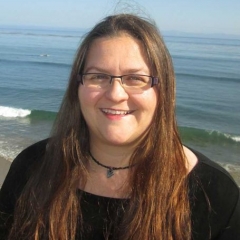
Megan Valentine is a Professor of Mechanical Engineering at the University of California, Santa Barbara (UCSB), affiliated with the College of Engineering. She leads an interdisciplinary research group focused on biological and bioinspired materials, investigating how forces are generated and transmitted in living systems to design responsive synthetic materials. Her work bridges engineering, physics, chemistry, and biology. Education: PhD in Physics from Harvard University, MS in Physics from the University of Pennsylvania, and BS in Physics from Lehigh University. Affiliations include the California NanoSystems Institute (CNSI), Materials Research Laboratory (MRL), Neuroscience Research Institute, and the Center for Stem Cell Biology and Engineering. Research interests span soft material mechanics, bioengineering, and systems biology, with applications in marine-inspired materials, mechanobiology, and soft robotics. Her lab employs advanced experimental techniques to study biophysical and biochemical mechanisms in living systems and translate them into engineered materials capable of self-healing, movement, and environmental responsiveness. Notable awards include the NSF Early CAREER Award, Fulbright Scholarship, and election as Fellow of the American Physical Society and American Institute for Medical and Biological Engineering. Her contributions emphasize creativity, collaboration, and diversity, with a focus on addressing societal challenges through interdisciplinary innovation.
Prof. Dr. Günther Dissertori is a Full Professor and Rector of ETH Zurich, where he oversees teaching and academic affairs. His academic journey began at the University of Innsbruck, followed by a doctoral position at CERN, and he joined ETH Zurich as an Assistant Professor in 2001 before becoming a Full Professor in 2007. Academic Role: Full Professor of Particle Physics Institutional Leadership: Rector of ETH Zurich (since 2022) Contact: guenther.dissertori@sl.ethz.ch Research Interests: Dissertori's work spans Particle Physics and Experimental Physics , notably contributing to the CMS experiment at CERN, which was instrumental in the Higgs boson discovery. His group also developed cost-effective PET devices, leading to the spin-off Positrigo AG . Research keywords include Detector Development , Medical Imaging , and Quantum Physics . Teaching Excellence: Recognized with multiple Golden Owl awards (2005–2020) and the Credit Suisse Award for Best Teaching (2013), Dissertori is celebrated for his pedagogical impact in the Department of Particle Physics. Scientific Contributions: His publications include advancements in CMOS technology, quantum dynamics, and medical applications, reflecting interdisciplinary expertise in high-speed electronics, environmental science, and architectural history.

Peter A. Raymond is the Oastler Professor of Biogeochemistry at Yale University's School of the Environment and Department of Geology and Geophysics. He serves as Senior Associate Dean of Research & Director of Doctoral Studies and is Co-Director of the Yale Center for Natural Carbon Capture. Raymond leads the Raymond Biogeochemistry Lab, which investigates the biogeochemistry of inland waters, enhanced weathering, methane cycling, and blue carbon systems through cutting-edge field, laboratory, and modeling approaches. Education B.S., Marist College Ph.D., College of William and Mary/Virginia Institute of Marine Science Research Focus Raymond's research fundamentally reshapes our understanding of carbon cycling in aquatic systems, demonstrating that rivers serve as dynamic conduits rather than passive pipes in the global carbon cycle. His work examines how biology and watershed variables alter carbon chemistry in streams, rivers, and estuaries, with particular emphasis on understanding global carbon cycles in relation to climate change. Raymond employs radiocarbon measurements to explore the age and turnover of carbon in aquatic ecosystems, revealing that rivers are variable sources of both old and young terrestrial dissolved organic carbon to oceans. The Raymond Lab is particularly known for developing the Pulse-Shunt Concept, which challenges traditional views of riverine biogeochemistry by emphasizing the episodic and dynamic nature of elemental fluxes. Current research directions include enhanced weathering and alkalinity studies for carbon removal, global greenhouse gas budgets through projects like RECCAP 2, natural methane cycling in aquatic systems, and blue carbon ecosystems such as mangroves and salt marshes. Publication Trends Raymond's recent publications (2023-2025) demonstrate a strong focus on global carbon and methane cycling, with particular attention to inland water systems' role in the Earth's climate system. His work increasingly integrates large-scale datasets with field measurements to understand how climate change and human activities affect greenhouse gas emissions from rivers and streams. A significant portion of his recent work contributes to international efforts like the Global Carbon Project, aiming to refine estimates of global carbon and methane fluxes. His research also shows growing emphasis on carbon removal strategies, particularly enhanced rock weathering through the Earthshot-funded GOAL-A project, and their potential for climate mitigation. Scientific Recognition Fellow of the American Association for the Advancement of Science Member of the Connecticut Academy of Science and Engineering Coastal and Estuarine Research Federations Cronin Award for Young Scientists ISI highly cited author Past Editor and Chief of the American Geophysical Union's journal Global Biogeochemical Cycles Mentorship and Funding Professor Raymond currently mentors four doctoral students (Jon Gewirtzman, Shou-En "Samuel" Tsao, Benjamin Saalidong, and Mingyu Zhang) and masters student Bella Garrioch. His research is supported by multiple grants from the National Science Foundation (NSF), including CAREER awards, and participation in the Earthshot-funded GOAL-A (Global Ocean And Land Alkalinization) project. Raymond has also been involved in significant collaborative projects with USGS data to research how climate and land use change alter carbon export from US watersheds, and with Lamont Doherty to develop methods for measuring air-sea gas exchange of CO2 in rivers and estuaries. Research Infrastructure The Raymond Biogeochemistry Lab at Yale is a dynamic research group comprising research scientists, postdocs, doctoral and masters students, and postgraduate researchers. The lab recently acquired a Mini Carbon Dating System (MICADAS) at Yale, significantly expanding their research capabilities in ecosystem carbon turnover and verification of natural climate solutions. The lab collaborates globally on projects in the Arctic, Hudson River, and middle Atlantic Bight, and is actively involved in the NASA Carbon Monitoring System BlueFlux field campaign to assess carbon exchange in coastal wetlands.
- Geobiology
- Paleobiology
- Geochemistry
- +۳ مورد دیگر
Dawn Y. Sumner is a Professor in the Department of Earth and Planetary Sciences at the University of California, Davis. Her research focuses on geobiology, paleobiology, and planetary science, particularly reconstructing ancient environments on Earth and Mars. She is a key member of NASA’s Mars Science Laboratory team, contributing to the Curiosity rover’s exploration of Gale Crater on Mars. Sumner’s work integrates field studies, lab analyses, and interdisciplinary approaches to understand microbial life’s role in shaping Earth’s history and potential habitability on other planets. Education: Ph.D., Massachusetts Institute of Technology (1995). Research interests include microbialite formation, Antarctic lake ecosystems, and the evolution of oxygenic photosynthesis. She investigates modern microbial communities in ice-covered lakes (e.g., Lake Vanda) to understand ancient environments and their biosignatures. Her scientific awards include the California Academy of Sciences Academy Fellow (2020) and Geological Society of America Fellow (2014). Sumner emphasizes inclusive education and supports student success in STEM through feminist research practices. Labs/Teams: W.M. Keck Center for Active Visualization in the Earth Sciences (KeckCAVES), Antarctic Lake Research Group.
Yaojun Zhangمشاهده پروفایل
استادیار
- Biological Physics
- Biophysics
- Theoretical Physics
- +۳ مورد دیگر
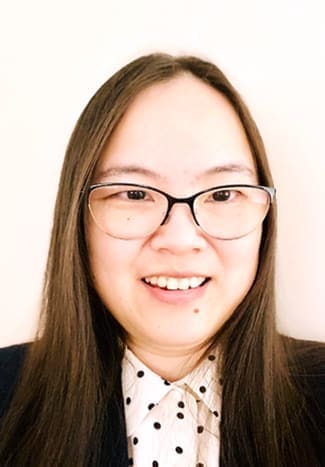
Yaojun Zhang is an Assistant Professor in the Department of Physics & Astronomy and the Department of Biophysics at Johns Hopkins University. She earned her PhD in Physics from the University of California, San Diego (2015), followed by postdoctoral fellowships at the Princeton Center for Theoretical Science (2015-2018) and the Princeton Center for the Physics of Biological Function (2018-2021). Her research focuses on biological physics, particularly the complex behaviors of biomolecules and their assemblies across scales—from single-molecule folding to intracellular transport and biomolecular phase separation. She employs theoretical, mathematical, and computational tools to bridge biological questions with physical principles. Education PhD in Physics, University of California, San Diego (2015) Postdoctoral Fellowships: Princeton University (2015-2021) Research Interests Her group studies biomolecular condensates and liquid-liquid phase separation, exploring how microscopic interactions determine macroscopic properties of cellular compartments. Key areas include: Biomolecular condensate formation and dynamics Phase separation in cellular environments Interactions between biomolecules and cellular components Biophysics of intracellular transport Collaborations & Tools Zhang collaborates with experimentalists to validate theoretical models and develops frameworks for understanding condensate functions, such as surface tension, stoichiometry, and phase diagrams. Her work addresses challenges like condensate stability, molecular exclusion, and biological function regulation. Labs & Resources She leads the Zhang Lab , which integrates experimental and computational approaches. Her team’s research is supported by resources at the Bloomberg Center for Physics and Astronomy.

Prof. Jean-Philippe Thiran is a Full Professor at École Polytechnique Fédérale de Lausanne (EPFL), where he serves as Director of the Signal Processing Laboratory (LTS5) and Director of the Institute of Electrical and Micro Engineering. He also maintains a part-time Associate Professor position with the Department of Radiology of the University Hospital Center (CHUV) and University of Lausanne (UNIL). Born in Namur, Belgium in 1970, he received his Electrical Engineering degree and PhD from the Université catholique de Louvain (UCL), Belgium, in 1993 and 1997 respectively. He joined EPFL in 1998 and has established himself as a leading researcher in computational imaging. His research focuses on computational imaging , with significant contributions to medical image analysis (particularly diffusion MRI, ultrasound imaging, and digital pathology) and computer vision . His recent work integrates advanced modeling, simulation, and machine learning techniques to extract microscopic tissue information from macroscopic MRI signals. This approach combines hyper-realistic synthetic tissue models, advanced Monte-Carlo simulations, and ML-based estimation techniques for brain microstructure analysis with potential applications to other tissues. Senior Member of IEEE Fellow of the European Association for Signal Processing (EURASIP) Prof. Thiran has authored or co-authored 1 book, 9 book chapters, 250 journal papers and over 270 peer-reviewed conference papers, and holds 12 international patents. He previously served as Co-Editor-in-Chief of the Signal Processing journal (2001-2005) and associate editor of IEEE Transactions on Image Processing. He has chaired major conferences including EUSIPCO 2008 and IEEE ICIP 2015. His laboratory at EPFL brings together interdisciplinary researchers to develop innovative imaging techniques that bridge macroscopic measurements and microscopic tissue properties, with significant potential for medical diagnostics and treatment planning applications.
Albert Prestoمشاهده پروفایل
استاد پژوهش
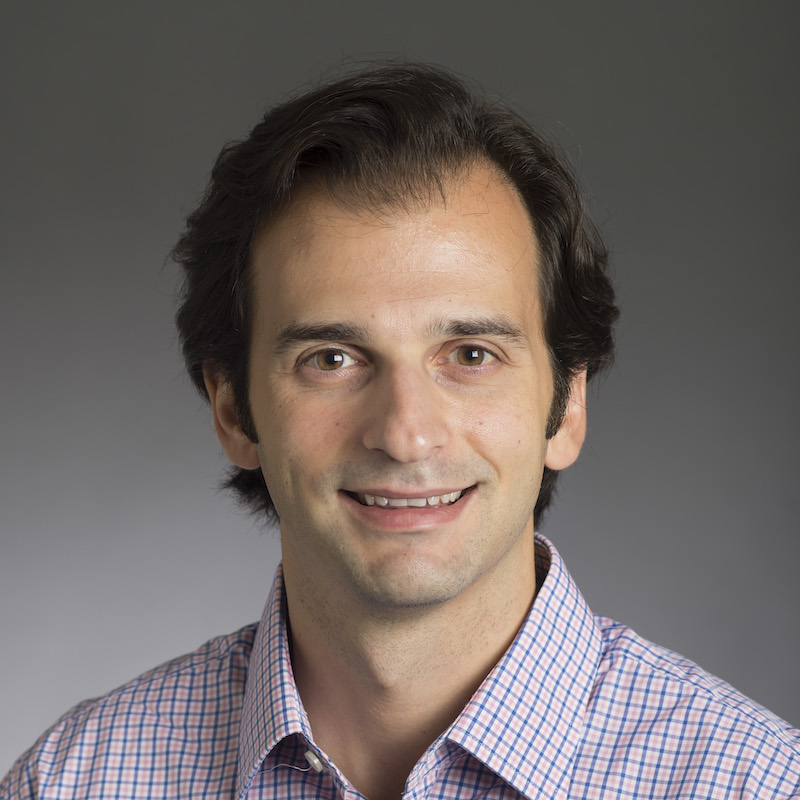
Albert Presto is a Research Professor in the Department of Mechanical Engineering at Carnegie Mellon University with a courtesy appointment in Civil and Environmental Engineering. He serves as Director of the Center for Atmospheric Particle Studies (CAPS) and is a Faculty Affiliate at the Steinbrenner Institute for Environmental Education and Research. His work spans multiple interdisciplinary collaborations across environmental science, engineering, and public health domains. Department of Mechanical Engineering, College of Engineering Center for Atmospheric Particle Studies (CAPS) Steinbrenner Institute for Environmental Education and Research Africa Clean Air Network Advisory Council Health Effect Institute's Energy Review Committee Presto's research focuses on pollutant emissions from energy extraction and consumption and their subsequent atmospheric transformations. His work examines how gas and oil wells emit methane, how vehicles emit carbon monoxide and particulate matter, and how these pollutants undergo oxidation in the atmosphere to create secondary pollutants like ozone and secondary particulate matter. His approach combines ambient measurements, laboratory experiments, source testing of pollution sources, and atmospheric models to provide a holistic view of pollutant emissions and transformations. His recent publications reveal a strong emphasis on air quality monitoring technologies, particularly low-cost sensor networks deployed internationally. There's a clear trend toward studying air pollution in African cities (especially Nairobi, Kampala, and Addis Ababa), examining spatial and temporal variability of particulate matter, and investigating the health impacts of air pollution exposure. His work increasingly integrates machine learning approaches for pollution forecasting and leverages international collaborations to address global air quality challenges. Member of Africa Clean Air Network Advisory Council Collaborator with US embassies worldwide on air quality data collection Quoted in The Guardian on inequality of air pollution exposure, specifically noting how people of color are more likely to be exposed to harmful air pollution Collaborated on research regarding chemicals released during the Ohio train derailment Presto actively collaborates with medical professionals to develop neighborhood-by-neighborhood studies of pollutant exposure and to understand relationships between emissions and health effects like childhood asthma. His work includes investigating racial-ethnic exposure disparities to airborne pollutants and examining how proximity to pollution sources like fast-food restaurants affects pediatric asthma outcomes. He has received seed funding from the Scott Institute for Energy Innovation for research in clean hydrogen production, AI hardware efficiency, and decarbonizing transportation. As Director of CAPS, Presto leads a research team focused on atmospheric particle studies with applications ranging from local Pittsburgh air quality to global monitoring initiatives. His lab develops and deploys advanced air quality monitoring technologies, including low-cost sensor networks that have been implemented in multiple cities across Africa. The CAPS research group works at the intersection of environmental engineering, atmospheric science, and public health to address critical air quality challenges worldwide.
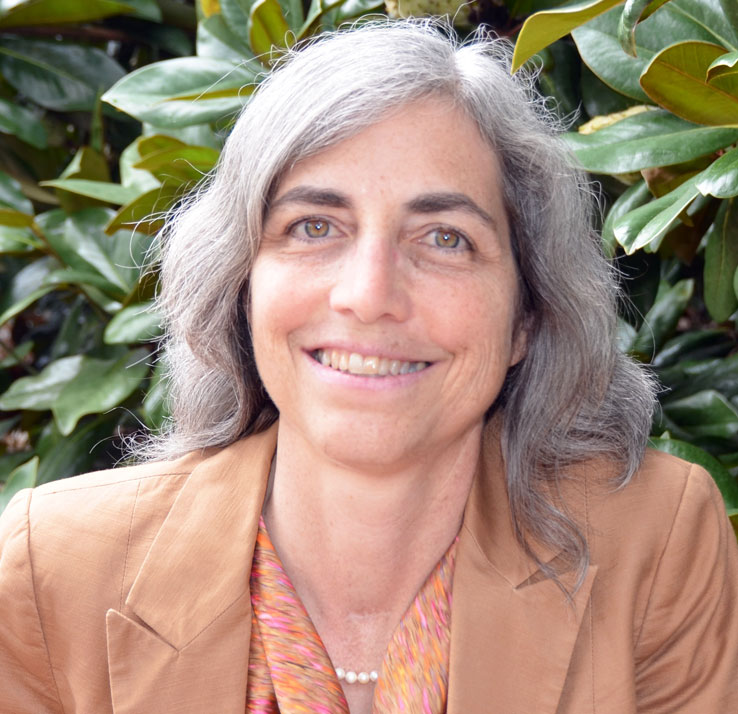
Barbara J. Turpin, PhD, is a Professor and Director of Graduate Studies in the Department of Environmental Sciences and Engineering at the UNC Gillings School of Global Public Health. She specializes in aerosol science, atmospheric chemistry, and environmental engineering, with a focus on linking air pollution emissions to human exposure risks. Her research integrates laboratory experiments, chemical modeling, and field studies to advance public health protection strategies. Dr. Turpin holds a BS from the California Institute of Technology and a PhD from OGI at Oregon Health and Science University. Her work has contributed to understanding organic particulate formation, indoor-outdoor air pollution dynamics, and the health impacts of PM2.5. She currently serves on the EPA’s Clean Air Scientific Advisory Committee (CASAC) and is an Associate Editor of Environmental Science and Technology . Her research highlights include studies on aerosol chemistry in clouds, PM2.5 exposure disparities, and regulatory model development. Key awards include the Haagen-Smit Prize (2009) and AAAS Fellowship (2011). She actively advises on EPA air quality standards and collaborates with faculty in atmospheric chemistry and public health at UNC.
Ingjerd Hoëm is a Professor at the Department of Social Anthropology, University of Oslo, and serves as Vice-Dean for Education at the Faculty of Social Sciences. She holds a Magister (1990) and PhD (1996) from the University of Oslo. Her research focuses on communication, political change, labor dynamics, and performance in Pacific Island societies, particularly Tokelau and New Zealand. Education: Magister (1990), PhD (1996), University of Oslo Her work examines governance conflicts, identity formation through performance, and the interplay between state structures and kinship-based labor systems. Recent publications analyze democratic negotiations in Tokelau and the role of theatre in political processes. She directed NFR-funded projects 'Anthropos and the Material' and 'Identity Matters: Movement and Place'. Her research combines ethnographic fieldwork with theoretical frameworks in political anthropology and Pacific studies.
Rebecca Schulman is an Associate Professor in the Department of Chemical and Biomolecular Engineering at the Whiting School of Engineering, Johns Hopkins University. She holds secondary appointments in Chemistry and Computer Science and is affiliated with multiple interdisciplinary institutes, including the Institute for NanoBioTechnology, the Hopkins Extreme Materials Institute, the Chemistry-Biology Interface Program, the Center for Cell Dynamics, and the Laboratory for Computational Sensing and Robotics. She currently co-directs the Passport to Future Technology Leadership program for PhD students. Research Interests: Schulman's research lies at the intersection of DNA nanotechnology, synthetic biology, and smart materials. Her group develops intelligent, adaptive biomolecular materials and nanostructures by integrating concepts from materials science, biochemistry, circuit design, and soft matter physics. The team focuses on engineering dynamic self-assembly processes using DNA to create reconfigurable materials, molecular circuits, and autonomous soft micro-robots. Key themes include self-healing nanostructures, feedback-regulated crystallization, programmable hydrogels, and synthetic genetic networks for materials control. Publication Trends: Her recent publications demonstrate a consistent focus on using DNA-based chemical reaction networks to program spatial and temporal behavior in materials. The work spans from fundamental mechanisms like catalytic polymerization and crystal growth regulation to applications in soft robotics, self-wiring circuits, and synthetic pattern formation. The research is highly interdisciplinary, combining synthetic biology with materials engineering to achieve life-like functionalities in non-living systems. Scientific Awards: AIMBE Fellowship Award Vannevar Bush Faculty Fellowship Award Hartwell Individual Biomolecular Research Award President’s Early Career Award in Science and Engineering (PECASE) DARPA Young Faculty Award DARPA Directors Fellowship NSF CAREER Award Turing Scholar Award DOE Early Career Award Advising and Grants: Schulman mentors graduate students and leads a vibrant research group focused on next-generation biomolecular engineering. Her work is supported by major federal grants, including the NSF CAREER, DOE Early Career, DARPA, and the Vannevar Bush Fellowship—a prestigious Department of Defense award for basic research. She is actively involved in training future leaders through programs like the Passport to Future Technology Leadership. Labs and Teams: The Schulman Lab at Johns Hopkins is a multidisciplinary team working on DNA-powered materials and molecular programming. The lab is embedded within several collaborative centers, enabling strong cross-departmental and cross-institutional research. Their work combines experimental biochemistry with theoretical modeling to design and implement complex molecular systems.

Andrew Spakowitz is a Professor of Chemical Engineering, Materials Science and Engineering, and by courtesy, Applied Physics and Chemistry at Stanford University. He currently serves as the Senior Associate Dean for Research and Faculty Affairs and holds the Tang Family Foundation Chair of the Department of Chemical Engineering. His academic career at Stanford spans from Assistant Professor (2006-2014) to Associate Professor (2014-2020) and now Professor since 2020. Dr. Spakowitz earned his PhD in 2004, MS in 2001 from the California Institute of Technology, and his BS in Chemical Engineering from the University of Wisconsin, Madison in 1999. He completed postdoctoral training in Molecular and Cell Biology and Biophysics at UC Berkeley from 2004-2006. His research focuses on theoretical and computational approaches to understanding biological processes and complex materials. The Spakowitz lab addresses fundamental chemical and physical phenomena through four main research themes: chromosomal organization and dynamics, protein self-assembly, polymer membranes, and charge transport in conducting polymers. His group employs diverse theoretical and computational methods including analytical theory of semiflexible polymers, polymer field theory, continuum elastic mechanics, Brownian dynamics simulation, equilibrium and dynamic Monte Carlo simulations, and reaction-diffusion modeling. Analysis of his recent publications reveals a strong emphasis on epigenetics and chromatin dynamics, with significant work on DNA methylation patterns, nucleosome clustering, and chromosome organization. His research also extends to polymer physics applications in biological systems, particularly in respiratory diseases, water purification membranes, and bacterial phage interactions with human mucus. Tang Family Foundation Chair of the Department of Chemical Engineering Professor Spakowitz mentors several graduate students and postdoctoral scholars in the Chemical Engineering and Materials Science departments. His lab members work on diverse projects spanning from chromatin dynamics to polymer membranes for water purification. He teaches multiple courses including CHEMENG 120B (Energy and Mass Transport), CHEMENG 340 (Molecular Thermodynamics), CHEMENG 466 (Polymer Physics), and CHEMENG 467 (Physics of Biomacromolecules). The Spakowitz lab operates from Clark S295 at Stanford University, conducting theoretical and computational research that bridges chemistry, physics, biology, and engineering disciplines to address complex problems across multiple length and time scales.
Ng How Yongمشاهده پروفایل
استادیار
- Membrane Science and Technology
- Water Reclamation and Reuse
- Anaerobic/Aerobic Wastewater Treatment
- +۳ مورد دیگر
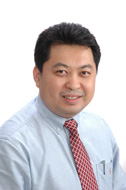
Dr. Ng How Yong is an Assistant Professor at the Department of Civil and Environmental Engineering, National University of Singapore (NUS). He specializes in membrane science and wastewater treatment technologies, with a focus on membrane fouling mitigation and bioelectrochemical systems. His research integrates membrane bioreactors, anaerobic/aerobic processes, and microbial sensors for sustainable water reclamation and industrial wastewater management. Education: BEng/MEng (Civil Engineering, NUS, 1997/2000), Ph.D. (Environmental Engineering, UC Berkeley, 2002) Research interests include membrane separation processes, microbial fuel cell-based sensors for heavy metal detection, and energy recovery from wastewater. He has pioneered advancements in anaerobic ceramic membrane bioreactors and forward osmosis technologies. Key contributions span over 50 peer-reviewed publications, focusing on optimizing biological treatment systems, understanding fouling mechanisms, and developing novel desalination processes. His work bridges fundamental science and engineering applications, addressing global water scarcity challenges. Awards: IWA Fellow (2012), NUS Young Researcher Award (2009), Singapore Youth Award (2008) Dr. Ng has led multiple international conferences, including the 8th IWA Specialist Conference on Membrane Technology (2017) and the 3rd Asia-Pacific Young Water Professional Conference (2010). He serves on editorial boards of Water Research , Journal of Water Reuse and Desalination , and the International Water Association committees.
نمایش نتایج تا ۷۵۰ مورد اول. برای یافتن نتایج دقیقتر، جستجوی خود را با فیلترها محدود کنید.