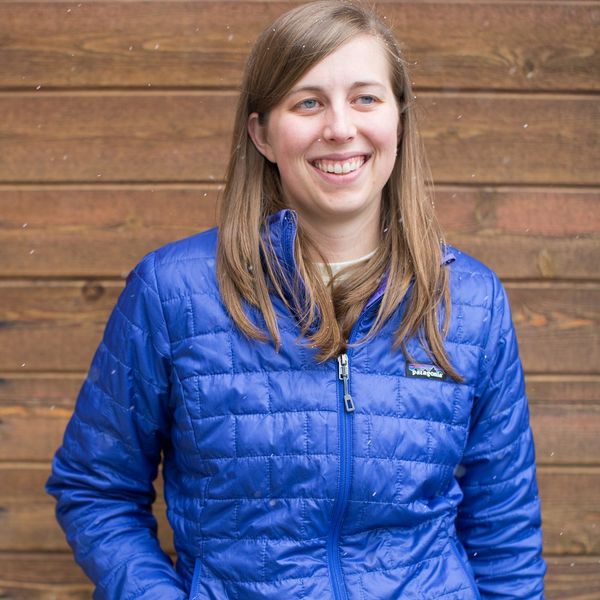
Hau-Tieng Wu is a Professor in the Department of Mathematics at the Courant Institute of Mathematical Sciences, New York University. Originally from Kaohsiung, Taiwan, he holds an MD from National Yang-Ming University (2003) and a PhD in Mathematics from Princeton University (2011). His research focuses on developing mathematical foundations for biomedical signal analysis, particularly in high-frequency and heterogeneous physiological signals such as ECG, EEG, and PPG. He leads the MISTA Lab, which bridges theoretical advancements with clinical applications in areas like sleep dynamics, surgical monitoring, and wearable device data analysis. Key academic roles include tenured positions at Duke University (2017–2023) and the University of Toronto (2014–2017). Notable awards include the Sloan Research Fellowship (2015) and PIMS Early Career Award (2017). His lab actively collaborates with physicians and engineers to advance interpretable medical AI systems. Research interests span nonlinear time-frequency analysis, manifold learning, and spatiotemporal data processing. Over 100+ journal publications and 10 conference proceedings highlight contributions to signal processing theory and clinical applications. The lab is recruiting PhD students/postdocs with backgrounds in applied math, statistics, or biomedical engineering.
Prof. Dr. Stefan Luther is a Max Planck Research Group leader (W2, tenured since 2013) at the Max Planck Institute for Dynamics and Self-Organization, Göttingen, and an Honorarprofessor at the Faculty of Physics, University of Göttingen. He holds adjunct roles as Adjunct Associate Professor at Cornell University (2009–2012) and Northeastern University (2016–2018), and serves as DZHK-Professor at the Institute of Pharmacology and Toxicology, University Medical Center Göttingen. His research focuses on nonlinear spatiotemporal dynamics in excitable biological media, particularly cardiac arrhythmias. He pioneered 4D imaging of heart function and developed algorithms for optogenetic and electrical control of arrhythmias. Translational efforts span basic research to preclinical and clinical studies. Education includes a Diplom in Physics (1997) and PhD (2000) from Georg-August-University, Göttingen. Postdoctoral training followed at the University of Twente (2001–2004) and Cornell University’s LASSP (2004–2006). His lab, the Biomedical Physics group, explores electromechanical coupling in cardiac systems and develops novel therapeutic approaches. Collaborations include work on computational modeling, uncertainty quantification in dynamical systems, and fluid dynamics of multiphase flows.
Shuran Song is an Assistant Professor of Electrical Engineering at Stanford University, with a courtesy appointment in Computer Science. Previously, she was faculty at Columbia University. She holds a Ph.D. in Computer Science from Princeton University and a BEng from HKUST. Her research focuses on the intersection of computer vision and robotics, particularly in embodied AI, robot manipulation, and sensorimotor learning. Song's work emphasizes learning from physical interactions to enable robots to perform complex tasks autonomously. She leads the Robotics and Embodied AI Lab (REAL@Stanford) and has received prestigious awards, including the NSF Career Award, Sloan Fellowship, and Microsoft Faculty Fellowship. Education: Ph.D., Computer Science, Princeton University; BEng, HKUST Affiliations: Stanford School of Engineering, Department of Electrical Engineering Research interests include deformable object manipulation, visuomotor policy learning, and generalizable robot skills. Her lab develops algorithms for robots to learn through interaction, with applications in household assistance (e.g., TidyBot) and industrial automation. Notable contributions include the TossingBot and Diffusion Policy frameworks. Publications span robotics, computer vision, and AI conferences (RSS, ICRA, CVPR), focusing on policy learning, deformable object handling, and embodied intelligence. Awards highlight her impact in advancing robot learning and perception. Advises doctoral and master's students in robotics and AI, and collaborates on grants from NSF, DoD, and industry partners. Teaches courses on robot perception and embodied AI at Stanford.
Edward H. Kaplan is the William N. and Marie A. Beach Professor of Management Sciences at the Yale School of Management, Professor of Public Health at the Yale School of Medicine, and Professor of Engineering at the Yale School of Engineering and Applied Sciences. He holds secondary appointments in Chemical and Environmental Engineering, Health Policy & Management, the Institution for Social and Policy Studies, and Statistics. Education: PhD in Urban Studies, Massachusetts Institute of Technology (1984) SM in Mathematics, Massachusetts Institute of Technology (1982) SM in Operations Research and City Planning, Massachusetts Institute of Technology (1979) BA in Urban/Economic Geography, McGill University (1977) Kaplan is an expert in operations research, mathematical modeling, and statistics, focusing on public policy and management. His research spans counterterrorism, HIV prevention, bioterrorism, and public health modeling. He has developed models for suicide bomber detection, smallpox response logistics, needle exchange program effectiveness, and wastewater-based disease surveillance. His work has been recognized with numerous awards, including the Koopman Prize (2003, 2005), INFORMS President’s Award (2002), Charles C. Shepard Science Award (2009), and INFORMS Fellow (2005). He has also served as President of INFORMS (2016) and co-directs the Daniel Rose Technion-Yale Initiative in Homeland Security.
Michael Lepech is a Professor of Civil and Environmental Engineering and Senior Fellow at the Woods Institute for the Environment at Stanford University. His research focuses on integrating sustainability into civil engineering through quantitative assessment and multi-scale modeling, particularly via the Sustainable Integrated Materials, Structures, Systems (SIMSS) framework. He also leads the Stanford Center at the Incheon Global Campus (SCIGC) in South Korea, exploring smart city technologies for urban sustainability. Education : PhD in Civil and Environmental Engineering (2006), MBA in Finance and Strategy (2008) from the University of Michigan. Research Areas : Sustainable infrastructure design, biopolymer composites, life cycle assessment, digital twinning, smart city technologies, and multi-physics deterioration modeling. Leadership : Director of SCIGC, advancing research on smart and sustainable urban environments in Songdo, South Korea. His recent publications focus on biopolymer-bound composites, traffic signal optimization, and life cycle sustainability analysis. He has received recognition as a Senior Fellow at Stanford’s Woods Institute for environmental research.
Hamsa Bastani is an Associate Professor of Operations, Information and Decisions at the Wharton School, University of Pennsylvania, with a secondary appointment in Statistics and Data Science. She co-directs the Wharton Healthcare Analytics Lab and serves as an Associate Editor for Operations Research, M&SOM and OR Letters. Her academic journey began with summa cum laude graduation from Harvard in 2012 with an A.M. in physics and A.B. in physics and mathematics. She completed her PhD in Stanford's Electrical Engineering department under Mohsen Bayati, followed by a Herman Goldstine postdoctoral fellowship at IBM Research. Professor Bastani's research focuses on developing novel machine learning algorithms for data-driven decision-making, with applications spanning healthcare operations, social good, and revenue management. Her work demonstrates particular expertise in sequential decision-making (bandits, reinforcement learning), learning from auxiliary data sources (transfer learning, meta-learning), and designing effective human-AI interfaces (interpretability, fairness). She has made significant contributions to understanding how AI systems affect and augment human behavior, with the goal of designing AI tools that help humans thrive. Her publications reveal a strong trend toward high-impact applications of machine learning in critical societal domains. A significant portion of her recent work focuses on healthcare applications, including optimizing health supply chains in low- and middle-income countries, designing clinical trial protocols, and creating targeted public health interventions. Another major theme examines the complex relationship between humans and AI systems, particularly how AI affects learning outcomes and decision-making processes. Her work frequently bridges theoretical advances with practical implementation, as evidenced by country-scale deployments in Greece and Sierra Leone. Wagner Prize for Excellence in Operations Research Practice (2021) Pierskalla Award for Best Paper in Healthcare (2021, 2019, 2016) Behavioral OM Best Paper Award (2021) Public Sector in OR Best Paper Award (2024) INFORMS Data Mining Best Paper Award (2022) Wharton Teaching Excellence Award (2019, 2020, 2021) Professor Bastani has advised numerous PhD students who have gone on to prominent positions, including Pia Ramchandani (Director of Responsible AI at PwC), Arielle Anderer (Assistant Professor at Cornell Johnson), and Kan Xu (Assistant Professor at ASU Carey). Her research has been supported by collaborations with national governments, including the Greek government where she co-designed Eva, the national-scale reinforcement learning system for targeted COVID-19 testing, and the Government of Sierra Leone where she improved patient access to essential medicines by nearly 20% via decision-aware learning. She has also conducted the first large field study deploying generative AI tutors in high school math classes. She leads the Wharton Healthcare Analytics Lab and serves on the Steering Committee for the Penn Center for Health Incentives and Behavioral Economics and on the statistics advisory committee for the AHA Food is Medicine Initiative. Outside academia, she serves on the Workday AI Advisory Board, demonstrating her commitment to translating academic research into practical applications.
Prof. Dr. Rudi Zagst is a Professor of Mathematical Finance at the Technical University of Munich (TUM), where he serves as Head of the Department of Mathematical Finance within the TUM School of Computation, Information and Technology. He has held this position since 2001 and is actively involved in teaching, research, and academic leadership. In 2003, he was appointed as a second member of the Faculty of Economics, and since 2004, he has served as Deputy Chairman of the joint elite degree program 'Finance & Information Management' of the University of Augsburg and TUM. Prof. Zagst earned his doctorate in business mathematics from the University of Ulm, where he later completed his habilitation in 2000. His academic journey began with a professional career at HypoVereinsbank AG, where he served as Head of Product Development in Institutional Investment Management before becoming Managing Director of RiskLab GmbH in 1997. His research focuses primarily on financial engineering, risk management, and asset management, with particular emphasis on portfolio optimization, mathematical finance, and quantitative risk management. His work bridges theoretical finance with practical applications, often incorporating advanced mathematical techniques to solve complex financial problems. Recent publications demonstrate his continued interest in GARCH models, portfolio optimization under various constraints, and the application of machine learning techniques to financial problems. Analysis of his recent publications (2024-2025) reveals a strong focus on portfolio optimization under complex market conditions, particularly using GARCH models to capture volatility dynamics. His work increasingly incorporates machine learning techniques (as seen in the credit spread analysis paper) while maintaining rigorous mathematical foundations. Many papers explore the intersection of theoretical finance with practical investment strategies, reflecting his commitment to bridging academic research with real-world financial applications. Professor of the Year 2007 (awarded by Unicum Profession magazine) Prof. Zagst has supervised numerous bachelor's, master's, and doctoral theses through TUM's Finance and Actuarial Science research group. His collaborative work with industry partners through the TUM CAIR Labs and RiskFactory demonstrates strong connections between academic research and practical financial applications. He has received research funding through various industry partnerships with major financial institutions including Allianz, Munich Re, and ERGO Group AG. Prof. Zagst leads the Research Group Finance and Actuarial Science at TUM, which includes Professors Matthias Scherer, Aleksey Min, and Christoph Knochenhauer. The group maintains strong industry connections through the TUM CAIR Labs initiative, collaborating with over 25 financial institutions including Allianz, Munich Re, Deloitte, PwC, and KPMG. Their RiskFactory laboratory serves as a bridge between academic research and practical financial risk management applications in the industry.
Minsu Kim is a CIFAR AI Safety Post-doc Fellow at KAIST and Mila, collaborating with Prof. Yoshua Bengio, Prof. Sungjin Ahn, and Prof. Sungsoo Ahn. His work bridges System 2 Deep Learning, Bayesian posterior inference, and combinatorial optimization. Ph.D., Industrial Engineering, KAIST (2025) M.S., Electrical Engineering, KAIST (2022) B.S., Mathematics and Computer Science (Dual Degree), KAIST (2020) Kim's research focuses on enabling AI systems to measure uncertainty, represent causality, and perform sequential reasoning for safety-guaranteed planning. His methodology integrates GFlowNets and diffusion models with off-policy amortized inference, targeting applications in scientific discovery , hardware design optimization , and large language model alignment . Recent work explores Bayesian posterior inference through GFlowNets, aiming to unify deep learning with probabilistic reasoning. His 15 most recent publications (2025–2024) reveal a trend of combining combinatorial optimization with generative models for tasks like molecular graph discovery, vehicle routing, and neural architecture search. He also investigates diffusion samplers for Bayesian inverse problems and symmetry-based neural methods (Sym-NCO) to enhance sample efficiency. Jang Yeong Sil Fellowship (2025) KAIST Presidential Best Ph.D. Thesis Award (2025) Qualcomm Innovation Fellowship (2023) DesignCon Best Paper Awards (2021–2022) Kim's collaborations span KAIST's Industrial Engineering department and Mila's AI research groups. He actively contributes to academic peer review for top conferences (NeurIPS, ICML, ICLR) and journals (IEEE TNNLS, TPAMI), emphasizing the intersection of AI safety , uncertainty quantification , and systemic reasoning .
Miroslav Pajic serves as a Professor in the Department of Electrical and Computer Engineering at Duke University's Pratt School of Engineering. He also holds joint appointments as Associate Professor in the Thomas Lord Department of Mechanical Engineering and Materials Science and Associate Professor of Computer Science. As Director of Master's Studies, he oversees the graduate program in Electrical and Computer Engineering and teaches numerous courses spanning embedded systems, cyber-physical systems design, and robotics. Education: Ph.D. in Electrical and Computer Engineering from University of Pennsylvania (2012) Miroslav Pajic's research focuses on the design and analysis of cyber-physical systems (CPS) with varying levels of autonomy and human interaction. His work spans the intersection of embedded systems, artificial intelligence, machine learning, control theory, formal methods, and robotics. He specializes in developing high-assurance autonomous systems with applications in robotics, automotive systems, and medical devices, with particular emphasis on CPS security and resilient autonomy. His research addresses fundamental challenges in creating systems that can operate reliably in uncertain environments while maintaining security against potential cyber attacks. Analysis of Pajic's recent publications reveals a strong interdisciplinary research program bridging theoretical foundations with practical applications. His work spans secure sensor fusion for distributed autonomy, medical applications of CPS (particularly deep brain stimulation for neurological disorders), and innovative sensing technologies for autonomous vehicles. A significant portion of his research addresses security challenges in cyber-physical systems, including stealthy GPS attacks on UAVs and methods for attack-resilient state estimation. His publications increasingly integrate machine learning techniques with traditional control theory to create more adaptive and robust autonomous systems. Pajic actively mentors graduate students and leads research groups focused on cyber-physical systems security and high-assurance autonomy. His research is supported by multiple grants, including the NSF AI Institute for Edge Computing (Athena), which he co-leads. He has received funding from various sources to support his work on secure and resilient cyber-physical systems, medical device security, and autonomous vehicle technologies. Pajic collaborates extensively with medical researchers on applications of cyber-physical systems in healthcare, particularly in deep brain stimulation for neurological disorders. His work bridges the gap between theoretical control systems and practical implementations in safety-critical domains, with a growing emphasis on translating research into real-world applications that improve system security and reliability.
Francis Bach is a Professor and researcher at INRIA, leading the SIERRA project-team since 2011, which is part of the Computer Science Department at Ecole Normale Supérieure (ENS) within PSL Research University. His work bridges CNRS, ENS, and INRIA as a joint research effort. Elected to the French Academy of Sciences in 2020, he currently runs the ERC project SEQUOIA following his previous ERC project SIERRA (2009-2014). His research spans statistical machine learning with focus on optimization, sparse methods, kernel-based learning, neural networks, graphical models, and signal processing. Bach completed his Ph.D. in Computer Science at U.C. Berkeley under Professor Michael Jordan, followed by work at Ecole des Mines de Paris and the WILLOW project-team at INRIA/ENS/CNRS (2007-2010). His recent book "Learning Theory from First Principles" was published by MIT Press in December 2024. Bach's publication record shows consistent high-impact contributions across machine learning theory and applications, with recent work focusing on conformal prediction, diffusion models, optimization theory, and learning theory foundations. His research demonstrates strong connections between theoretical guarantees and practical algorithms, with applications spanning generative modeling, robust optimization, and statistical inference. Elected to French Academy of Sciences (2020) ERC project SIERRA (2009-2014) ERC project SEQUOIA (current) Author of "Learning Theory from First Principles" (MIT Press, 2024) Bach actively mentors numerous PhD students and postdocs, with many alumni now holding faculty positions at institutions like EPFL, Ecole Polytechnique, University of Washington, and University of Montreal. His teaching includes advanced courses on learning theory at ENS's Master's programs. He regularly presents tutorials at major conferences including COLT, NeurIPS, and ICML, demonstrating his leadership in the theoretical machine learning community.
Prof. Dr.-Ing. Ahmad Osman is a Professor at the Saarland University of Applied Sciences (htw saar), specializing in Test Technologies and Test Methods within the Faculty of Engineering. He also holds an Adjunct Professor position at Laval University in Quebec, Canada, in the Department of Electrical Engineering and Computer Science. His research focuses on Artificial Intelligence applications in Signal and Image Processing for Non-destructive Testing (NDT) , with extensive work on Deep Learning , 3D Ultrasound Tomography , and Sensor Data Fusion in industrial contexts. Engineering Artificial Intelligence Signal Processing Image Processing Non-destructive Testing Quality Control Augmented Reality Osman leads the AutomaTiQ research group and serves as Head of the Algorithms/Signal and Data Processing Department at Fraunhofer IZFP . His recent publications (2017–2022) emphasize Deep Learning for defect detection in CFRP , Terahertz Imaging for artwork diagnostics, and Acoustic Sensors for agricultural quality control. He has organized international conferences on Structural Health Monitoring and contributed to Springer books on NDT technologies. His projects include ComforTex-AI (2024) and development of 3D positioners for ultrasound measurements. Collaborations span institutions in Germany, Canada, Italy, and Brazil, with advisory roles in the German Society for NDT and technical committees for conferences in Montreal and Egypt.
Raphael Franzini serves as Associate Professor of Medicinal Chemistry at the University of Utah, actively contributing to the Biological Chemistry PhD Program. His research pioneers innovative chemical approaches for therapeutic development, with dual focus on DNA-encoded library technologies and bioorthogonal drug delivery systems. His educational foundation includes an M.S. from the Swiss Federal Institute of Technology (Lausanne) and a Ph.D. from Stanford University. This training underpins his group's multidisciplinary methodology combining organic synthesis, bioconjugation, computational modeling, and advanced imaging techniques. Dr. Franzini's research program centers on two transformative areas: First, advancing DNA-encoded library screening through computational integration to identify leads for challenging targets like Tankyrase and Sirtuin 6, with recent work addressing false negatives in machine learning prediction. Second, developing novel bioorthogonal release chemistry using isonitrile-tetrazine reactions for spatiotemporally controlled drug activation, validated in zebrafish models. His group emphasizes both technological innovation and therapeutic translation, with chemistry designed to minimize off-target effects in solid tumors. Analysis of his 15 most recent publications reveals escalating integration of computational methods with experimental library screening, alongside refinement of bioorthogonal release kinetics. The work spans chemical biology, medicinal chemistry, and pharmaceutical sciences, with growing emphasis on machine learning for library data interpretation and in vivo validation of drug-release systems. Dr. Franzini maintains an active research laboratory that provides comprehensive training in cutting-edge drug discovery methodologies. His group culture prioritizes both scientific innovation and researcher development, with projects spanning from fundamental reaction kinetics to therapeutic applications. The lab's infrastructure supports organic synthesis, molecular imaging, and computational analysis for advancing precision therapeutics.
Deji Akinwande is a Professor and holds the Cockrell Family Regents Chair in Engineering #8 at The University of Texas at Austin's Chandra Family Department of Electrical and Computer Engineering. He earned his PhD in Electrical Engineering from Stanford University (2009) and an MS in Applied Physics from Case Western Reserve University. His research focuses on 2D materials, nanotechnology, and flexible electronics, with breakthroughs in atomristors, graphene-based biosensors, and wearable electronic tattoos. Key achievements include pioneering work on silicene, being elevated to IEEE Fellow (2021), and receiving the PECASE Award (Obama administration). His lab, the Akinwande Nano Research Group, explores nanoelectronics, bioelectronics, and RF systems for societal applications like health monitoring and 6G communications. Education: PhD, Electrical Engineering, Stanford University, 2009 MS, Applied Physics, Case Western Reserve University Awards: 2021 IEEE Fellow APS Fellow (2017) PECASE Award Moore Inventor Fellowship His research spans neuromorphic computing, flexible sensors, and energy-efficient memory devices. Over 100+ publications highlight his work on graphene, MXenes, and 2D material applications. He co-authored a textbook on carbon nanotubes and graphene (Cambridge University Press, 2011) and serves as an IEEE Distinguished Lecturer and editor for Nature NPJ 2D Materials . Lab and Collaborations: The Akinwande Nano Lab develops scalable 2D electronics, wearable health monitors, and next-gen RF components. Recent grants include NSF CHIPS Act funding and DoD support for 6G switches and neuromorphic hardware.
Timothy Bretl is a Professor of Aerospace Engineering at the University of Illinois at Urbana-Champaign, holding the Severns Faculty Scholar position since 2021. He also serves as Associate Head of the Aerospace Engineering department. His research focuses on robotics, control systems, rehabilitation robotics, and engineering education. Bretl earned his Ph.D. from Stanford University (2005), with prior degrees from Swarthmore College. He holds affiliate roles across multiple departments, including Neuroscience, Coordinated Science Laboratory, and Computer Science. Education: Ph.D. in Aeronautics and Astronautics, Stanford University (2005) B.A. in Mathematics and B.S. in Engineering, Swarthmore College (1999) His research spans engineering education innovations, robotic manipulation, and brain-machine interfaces. Notable awards include the NSF CAREER Award (2010), Best Manipulation Paper (2012), and multiple teaching honors like the Rose Award for Teaching Excellence (2016). Bretl’s work integrates theoretical foundations with practical applications in prosthetics, autonomous systems, and educational technology. He has advised numerous projects on robotics, control systems, and human-robot interaction. His lab explores advanced topics like elastic rod manipulation, magnetic positioning, and curriculum reform in STEM education. Collaborative projects include partnerships with industry and interdisciplinary teams at the Beckman Institute.
Alyssa Pierson is an Assistant Professor in the Department of Mechanical Engineering at Boston University, with affiliations in Robotics & Autonomous Systems and Systems Engineering. She leads the Collaborative Autonomy Group and serves as Chief Scientist at Ava Robotics. Her research focuses on trust, cooperation, and distributed control in multi-agent systems, emphasizing socially-compliant and autonomous robotic systems interacting in dynamic environments. Education: PhD in Mechanical Engineering, Boston University (2017) BS in Engineering, Harvey Mudd College Research Interests: Multi-agent systems, distributed robotics control, socially-compliant autonomous systems, and human-robot interaction. Her work addresses challenges in cooperative teaming, trust modeling, and safe navigation in complex environments. Key Awards: NSF Career Award (2023) MassRobotics Rising Star in Robotics Medal (2023) Clare Booth Luce Fellowship Grants & Projects: Recipient of NSF CAREER Award for 'Decentralized and Online Planning for Emergent Cooperation in Multi-Robot Teams'. Active in projects like heterogeneous teaming and privacy-aware trajectory planning. Labs & Affiliations: Principal Investigator of the Collaborative Autonomy Group. Affiliated with BU's Intelligent, Autonomous & Secure Systems division and the Hariri Institute for Computing.