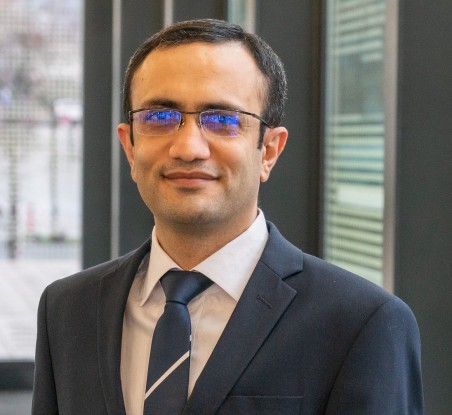
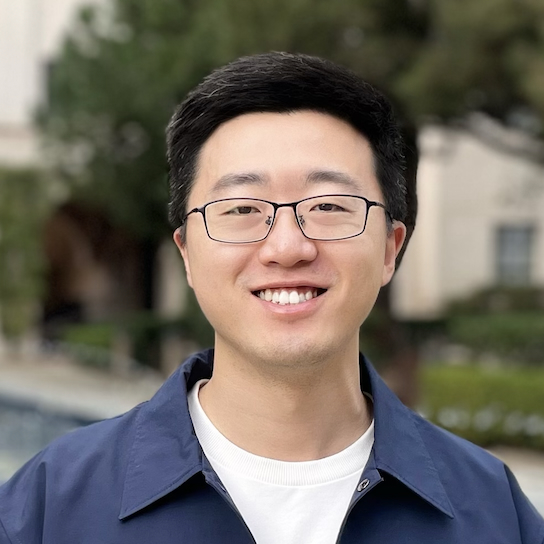
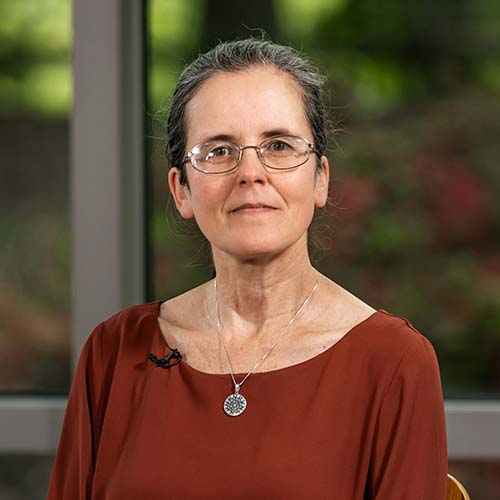
Fiona A. Harrison is the Harold A. Rosen Professor of Physics and Kent and Joyce Kresa Leadership Chair at the California Institute of Technology (Caltech), within the Division of Physics, Mathematics, and Astronomy. She holds a B.A. from Dartmouth College (1985) and a Ph.D. from the University of California (1993). Her career at Caltech includes roles as a Robert Millikan Research Fellow (1993–95), Assistant Professor (1995–2001), Associate Professor (2001–2005), and full Professor (2005–2013). Since 2013, she has held the Rosen Professorship and served as Division Chair since 2015. Her research focuses on observational and experimental high-energy astrophysics, including studies of black holes, neutron stars, and gamma-ray bursts using X-ray and gamma-ray telescopes like NuSTAR. She leads the Ultraviolet Explorer (UVEX) mission, designed to study gravitational wave events and low-mass galaxies. Harrison is also involved in developing advanced detectors and optical systems for NASA missions. Her leadership roles include overseeing the Division of Physics, Mathematics, and Astronomy, and she is affiliated with Caltech’s Space Radiation Laboratory (SRL). Collaborations include work with institutions like Orbital Sciences Corporation and Danish Technical University (honorary doctorate).
Professor Francois Ladouceur is a distinguished academic at the University of New South Wales (UNSW), where he serves in the Faculty of Engineering, specifically within the School of Electrical Engineering and Telecommunications. With a career spanning over three decades, Professor Ladouceur has established himself as a leading expert in photonics, optical engineering, and neural interfaces. His educational background includes: Ph.D. in Optical Communication from The Australian National University (1992) Masters in Solid State Physics from École Polytechnique, Montréal, Canada (1987) B. Eng. in Engineering Physics from École Polytechnique, Montréal, Canada (1985) Professor Ladouceur's research spans several cutting-edge areas in photonics and optical engineering. His work focuses on integrated optics, silica and diamond-based photonics, optical sensing networks, and photonics-based brain/machine interfaces. He has made significant contributions to both fundamental waveguide theory and applied integrated optics, introducing innovative approaches to waveguide path design that have improved the size and ease of design of integrated optics devices. His recent work has particularly emphasized the development of liquid crystal-based optical electrodes for neural interfacing and brain/machine interfaces. Analysis of his recent publications reveals a strong trend toward biomedical applications of photonics, particularly in neural interfaces and optrode technology. His research has evolved from fundamental optical engineering to practical applications in healthcare, with a focus on developing novel optical sensing technologies for electrophysiological measurements. The interdisciplinary nature of his work combines optical engineering, materials science, and biomedical engineering to create innovative solutions for neural interfacing. Professor Ladouceur has secured significant research funding through multiple prestigious grants: ARC Discovery (DP200102825): "A Multi-Optrode Array for Closed-Loop Bionics" ($495k) NHMRC Ideas Grant (APP2002282): "Re-engineering the Future of Electrophysiological Measurements" ($732k) ARC Discovery 2016 (DP160104625): "Design of an optrode for next generation brain-machine interfaces" ($457.6k) CRC Project 2016: "High performance optical telemetry system for ocean monitoring" ($1,014,320) US Office of Naval Research: "Multi-Optrode Array for Neural Interfacing" (US$360,000) Professor Ladouceur has extensive experience in translating research into practical applications, having founded Bandwidth Foundry Pty Ltd after raising approximately $20 million from private and public sources. His work bridges the gap between academic research and commercial applications, with a particular focus on developing novel hybrid opto-electronics devices from initial design through to commercial realization. He collaborates extensively with researchers across disciplines, particularly with Professor Nigel Lovell and other colleagues in biomedical engineering. His laboratory focuses on developing optical technologies for neural interfaces, with current projects including multi-optrode arrays for brain-machine interfaces, optical telemetry systems for various sensing applications, and diamond-based photonic structures. The research group maintains strong connections with industry partners and defense organizations, applying photonics solutions to real-world problems in healthcare, mining safety, and ocean monitoring.
Prof. Vahid Jamali is an Assistant Professor and Head of the Resilient Communication Systems Group at the Technical University of Darmstadt, Germany. His research focuses on resilient communications, 6G wireless systems, bio-inspired molecular communication, and reconfigurable intelligent surfaces (RIS). He holds a Doctoral Degree from Friedrich-Alexander-Universität Erlangen-Nürnberg (FAU), Germany, and has served as a postdoctoral researcher at Princeton University and FAU. Education PhD in Communication Systems, FAU (2019) Visiting Researcher at Stanford University (2017) Research Assistant at FAU's Institute for Digital Communications (2013-2019) Research Interests Resilient Networks : Emergency networks, RIS-based systems, and resilience-by-design architectures. Wireless Innovations : 6G technologies, holographic MIMO, and joint communication-sensing systems. Bio-inspired Systems : Molecular communication modeling using biological principles like diffusion and chemical reactions. Recent Work Trends His 2024-2025 publications emphasize RIS optimization (e.g., temperature-aware phase shifts, fast beam switching) and molecular communication (e.g., Poisson channel identification, bio-inspired receiver designs). Emerging themes include AoI-based RIS reconfiguration and integrated sensing-communication-powering (ISCAP) for IoT. Lab Activities He leads the Resilient Communication Systems Group, exploring cutting-edge RIS hardware (e.g., liquid crystal implementations) and theoretical foundations for future wireless systems.
Kyusang Lee is an Associate Professor in the Electrical and Computer Engineering and Materials Science and Engineering departments at the University of Virginia. His research focuses on optoelectronic devices, neuromorphic computing, and smart sensors, emphasizing applications in solar energy conversion and flexible electronics. He holds a B.S. from Korea University (2005), M.S. from Johns Hopkins University (2009), and Ph.D. from the University of Michigan (2014). He conducted postdoctoral research at the University of Michigan and MIT. Education: B.S., Electrical Engineering, Korea University, 2005 M.S., Electrical and Computer Engineering, Johns Hopkins University, 2009 Ph.D., Electrical Engineering and Computer Science, University of Michigan, 2014 Postdoctoral Fellowships: University of Michigan (EECS), MIT (Mechanical Engineering) His research interests span thin-film and flexible optoelectronics, neuromorphic computing architectures, and AIoT-enabled smart sensors. Notable contributions include remote epitaxy techniques for semiconductor membrane integration and solar-tracking concentrator designs. His work bridges materials science and device engineering to advance energy-efficient optoelectronics and bioinspired systems. Key Research Themes: Organic/inorganic optoelectronic devices for solar energy Flexible and stretchable electronics Neuromorphic hardware for edge computing Gas sensing and bioinspired sensor systems Lee’s publications reflect interdisciplinary innovation, with recent work on ferroelectric transistors, neuromorphic vision systems, and high-efficiency photovoltaics. He received the NSF CAREER Award (2020) and AFOSR YIP Award (2023).
Jiaxuan Li is an Assistant Professor of Geophysics in the Department of Earth and Atmospheric Sciences at the University of Houston's College of Natural Sciences and Mathematics. His research focuses on developing fiber-optic sensing technologies for seismic monitoring across diverse geological environments including volcanic, crustal, and glacial settings. Dr. Li's educational background includes a Ph.D. in Geophysics from the University of Houston (2015-2020) and a B.S. in Geophysics from Peking University (2011-2015). He previously held a postdoctoral position at Caltech Seismolab under Prof. Zhongwen Zhan. His research program centers on distributed acoustic sensing (DAS) applications, with major contributions in volcanic eruption forecasting through minute-scale magma migration imaging, earthquake rupture dynamics via high-frequency fault asperity analysis, and subsurface characterization for carbon sequestration and geothermal energy. Recent work demonstrates DAS capabilities as dense geodetic arrays for real-time volcanic monitoring systems deployed in Iceland through collaborations with the Icelandic Met Office and Reykjavik University. Analysis of Dr. Li's publication record reveals a strong emphasis on operationalizing fiber-optic networks for geophysical monitoring, with significant advancements in eruption early warning systems, earthquake source characterization, and subsurface imaging techniques. His work bridges fundamental seismological research with practical hazard mitigation applications. Dr. Li actively mentors graduate students and recently welcomed postdoc Dr. Tianfan Yan to his research team. His lab operates real-time DAS streaming systems for volcanic eruption monitoring in Iceland, developed through international collaborations involving the University of Houston, Caltech, Ljósleiðarann, and Reykjavik University. Current research directions include expanding DAS applications for carbon sequestration verification and deep geothermal reservoir characterization.
Nathalia Peixoto is an Associate Professor in the Department of Electrical and Computer Engineering and Affiliate Faculty in Bioengineering at George Mason University. Her work bridges neural engineering, biomedical applications, and assistive technology development with international collaborations across Israel, Ireland, Peru, and Korea. Educational background: PhD in Electrical Engineering, Universidade de Sao Paulo MS, University of Campinas Research Interests: Dr. Peixoto specializes in neural engineering with focus on brain-computer interfaces using wearable devices. Her lab develops: Neural prosthetics and implantable systems Bioimpedance-based medical sensors Low-cost electrophysiological recording platforms Community-centered engineering design solutions Publication Trends: Her 2022-2025 publications demonstrate strong interdisciplinary convergence between neuroscience, biomedical engineering, and AI. Key trends include machine learning for seizure detection in zebrafish models, electrochemical optimization of neural interfaces, and community-engaged design projects addressing societal challenges through transdisciplinary graduate training. Grants and Projects: Principal investigator for multiple NSF-funded initiatives: NRT-HDR: Transdisciplinary Graduate Training (2019-2024) Smart and Connected Communities: Networked Devices (2017-2019) Bioimpedance for retinal implants (2015-2017) C2MW: Classroom to Makers Week (2015-2016) Additional funding from VA STEM CoNNECT and Longwood University. Laboratory: The Neural Engineering Lab integrates chemistry, physics, and engineering disciplines through team-based projects involving high school to graduate students. Current work includes sustainable food-waste solutions, tremor-capturing robots for low-resource areas, and neural implants with international academic partnerships.
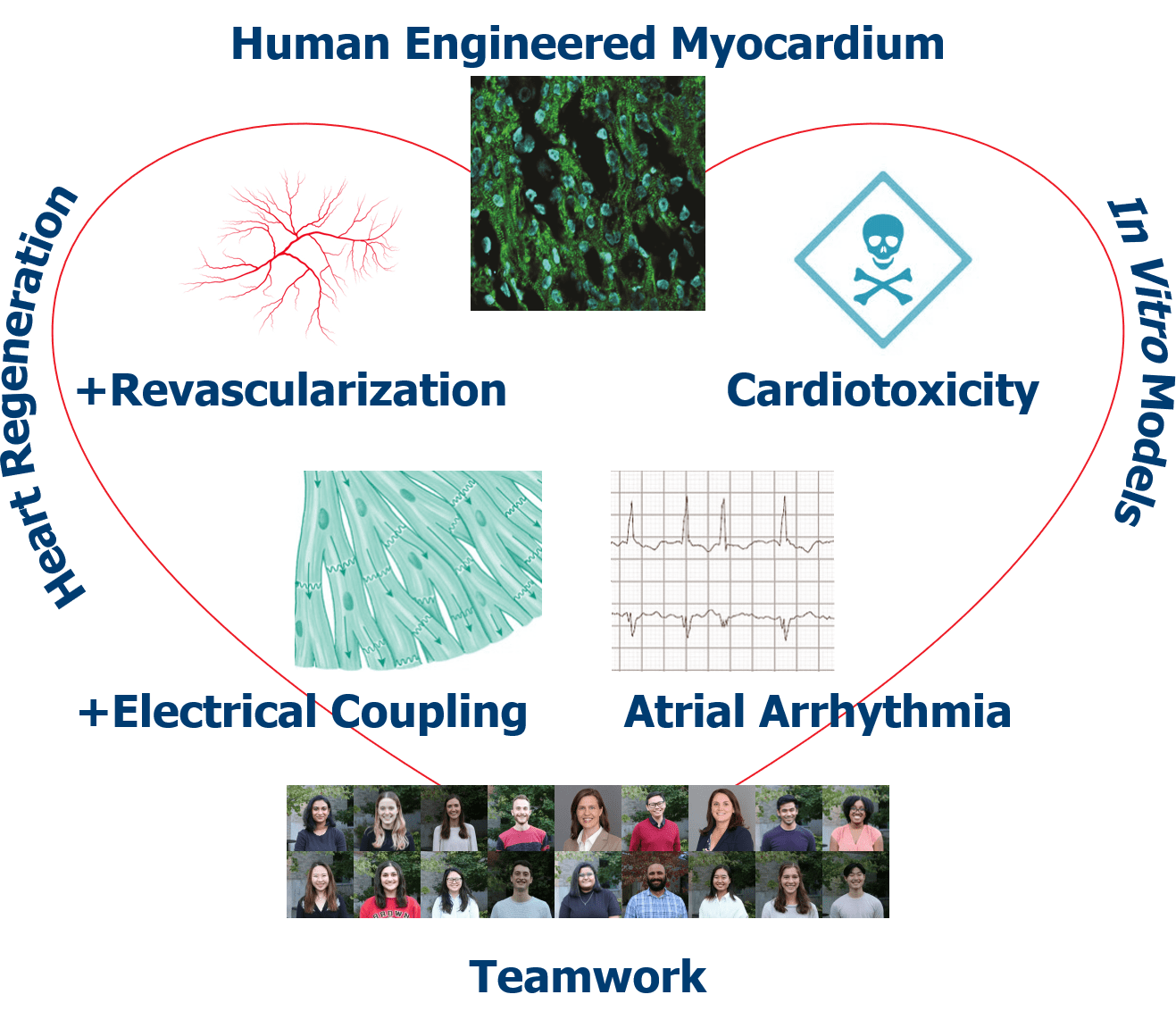
Kareen L.K. Coulombe is an Associate Professor of Engineering at Brown University, affiliated with the Institute for Biology, Engineering and Medicine . She collaborates with researchers from the Department of Medicine and institutions like the University of Edinburgh and ScitoVation, Inc . Education: B.S. in Biomedical Engineering, Summa Cum Laude (University of Rochester, 2001) Ph.D. in Bioengineering (University of Washington, 2007) Her research focuses on cardiovascular regenerative engineering , including: Developing human iPSC-derived cardiac tissues for heart attack therapy Creating anisotropic biomaterial scaffolds to enhance tissue integration Designing in vitro cardiotoxicity testing platforms for pharmaceuticals and environmental chemicals Optimizing electrical coupling between engineered and native heart tissue Recent publications highlight advancements in: Predictive 3D cardiac microtissue models for arrhythmic risk assessment Custom polycaprolactone scaffolds for tailored mechanical properties Immunomodulatory biomaterials that reshape cardiac repair processes Computational strain continuum modeling of cardiac tissue mechanics Scientific Awards: 2023 - Brown University Innovation of the Year 2021 - NSF CAREER Award & Young Innovator Award (BMES) 2019 - Dean’s Award for Excellence in Mentoring 2017-2012 - Rising Star Award & NIH Pathway to Independence K99/R00 Dr. Coulombe mentors students through programs like: Brown Leadership Alliance (undergraduate research) Tougaloo College Partnership (student development) NIH-IMSD Programs (graduate mentoring)
Yiming Li is an Associate Professor in the Department of Biomedical Engineering at Southern University of Science and Technology's School of of Engineering. His research focuses on cutting-edge 3D super-resolution imaging techniques and their biological applications, with expertise spanning optical instrumentation, theoretical optics, and advanced imaging algorithms developed during his postdoctoral work at EMBL and Yale University. Education: Ph.D. in Biophysics, Karlsruhe Institute of Technology (2010-2015) M.Sc. in Medical Physics, Heidelberg University (2009-2010) B.Eng. in Biomedical Engineering, Shanghai Jiao Tong University (2005-2009) Research Interests: Dr. Li specializes in developing advanced 3D super-resolution microscopy techniques with particular expertise in single-molecule localization microscopy , point spread function engineering , and real-time 3D imaging systems. His work bridges optical physics and biological applications, enabling nanoscale observation of cellular processes. His software earned first place in the SMLM Challenge 2016, the field's most prestigious software contest. Publication Trends: Dr. Li's research shows a clear progression from fundamental algorithm development to comprehensive imaging system design, with increasing emphasis on real-time 3D applications. His publications in Nature Methods, Nature Communications, and other high-impact journals demonstrate consistent innovation in super-resolution microscopy, particularly in point spread function calibration, aberration correction, and biological applications at the nanoscale level. Scientific Awards: National Overseas High-level Talents (Youth Program) (2020) Shenzhen Overseas High-level Talents Category B EMBL-EIPOD Marie Curie Postdoc Fellowship (2016-2019) Karlsruhe School of Optics and Photonics Fellowship (2010-2013) International Symposium on Biomedical Imaging Travel Grant (2013) Professional Activities: As a PhD supervisor at SUSTech, Dr. Li mentors graduate students in biomedical engineering. He serves as a reviewer for top journals including Nature Methods, Light: Science & Applications, and Optics Letters. His laboratory maintains active international collaborations with EMBL, Yale University, Oxford University, and Cambridge University, facilitating cross-institutional research in advanced imaging techniques. Research Laboratory: Dr. Li leads an active research group focused on next-generation imaging technologies, operating under the website https://li-lab-sustech.github.io/ . His laboratory combines theoretical optics, software development, and biological applications to push the boundaries of what's possible in optical microscopy for cellular and subcellular observation.
Lucca Geurts is a Senior Lecturer at the Faculty of Industrial Engineering Sciences at KU Leuven, where he is affiliated with the Department of Computer Science. He serves as chairman of the Leuven Centre for Accessible Health Technology, subdivision head of Subdivision 3, Campus Group T Leuven, and Head of Education of the OC Innovative Health Technology. Additionally, he is an active member of DigiSoc – KU Leuven Institute for Digital Society. His research focuses on Technology for Tangible and Playful Interactions, particularly in healthcare applications. Dr. Geurts leads numerous research projects including therapeutic games for children with visual disorders, flexible activity measurement systems, intimate interactive systems, and early-stage glaucoma screening platforms. His work bridges human-computer interaction with accessible health technology, emphasizing user-centered design principles and practical healthcare solutions. Dr. Geurts' publication record demonstrates a consistent trajectory from fundamental interaction techniques to applied healthcare contexts. His recent work shows increasing sophistication in squeeze interactions, emotion regulation through tangible interfaces, and medical applications of interactive technology. The research trends indicate a growing focus on accessible medical diagnostics, therapeutic applications, and user experience in healthcare technology. As an educator, Dr. Geurts teaches across multiple domains including Electronics, Computer Architectures, Health Entrepreneurship, Sensors and Circuits for Healthcare Applications, and Extended Reality. His educational leadership extends to Master's theses and internships in health engineering, reflecting his commitment to training the next generation of healthcare technologists. Committee for Culture, Art and Heritage Faculty Council of Industrial Engineering Sciences Evaluation Committee of the Faculty of Industrial Engineering Sciences POC Advanced Education Faculty of Industrial Engineering Sciences Secretary of the OC Innovative Health Technology Departmental Council for Computer Science Interfaculty Council for Global Development (as substitute member) Dr. Geurts maintains an active research profile with numerous publications in top-tier human-computer interaction conferences and journals. His work shows a clear progression toward increasingly impactful healthcare applications, with strong emphasis on accessibility and user experience in medical technology development.
Patrick Wagner is a full professor at the Catholic University of Leuven (KU Leuven), affiliated with the Faculty of Sciences and the Department of Physics of Soft Matter and Biophysics. His research focuses on biosensors, soft matter physics, and nanotechnology, often intersecting with biomedical and environmental applications. Head of the Department of Physics of Soft Matter and Biophysics Member of Leuven One Health and LIMNI institutes Active in interdisciplinary projects involving sensor development and biophysical systems His current projects include PFAS contamination monitoring, thermally responsive biosensors, and advanced electrode systems for lab-on-chip integration. While no explicit awards or students are listed in the provided text, his publications highlight collaborations across Europe and involvement in clinical, environmental, and materials science domains. Recent works emphasize electrochemical sensing, molecular imprinting, and temperature-driven cell adhesion techniques.
Herb Winful is a Professor of Optics at the University of Michigan's College of Engineering, Department of Electrical and Computer Engineering. He specializes in nonlinear optics, laser physics, quantum tunneling , and photonics , with a focus on phenomena like superluminal group velocities, frequency comb generation, and light storage via stimulated Brillouin scattering. Research areas span quantum tunneling times , nonlinear photonic materials , and coherent beam combining in fiber laser arrays. His work includes frequency comb spectroscopy using quantum-well diode lasers, ultrafast erbium fiber lasers , and negative group delay engineering in birefringent waveguides. The article list reveals expertise in supercontinuum generation , evanescent wave dynamics , photonic crystals , and nonlinear pulse manipulation . Key subfields include stimulated Brillouin/Raman scattering , parabolic similaritons , and time-domain modeling of optical systems. Award-winning scientific contributions include resolving the Hartman effect paradox and optimizing fiber laser arrays for high-power applications. His research bridges theoretical insights with practical innovations in optical engineering and quantum optics .
Sandeep Sangal serves as a Professor in the Department of Materials Science & Engineering at the Indian Institute of Technology Kanpur. His academic career spans several decades with significant contributions to metallurgical research and education. As a distinguished faculty member at one of India's premier technical institutions, he has established himself as an expert in physical and mechanical metallurgy. Dr. Sangal's educational background includes a PhD (1989) and M.S. (1985) from the University of Manitoba, Canada, along with a B.Tech from IIT Kanpur (1982), demonstrating his strong foundation in materials science. His research interests focus on physical and mechanical metallurgy, particularly examining grain boundary phenomena, material characterization techniques, and industrial applications of metallurgical principles. His publication record reveals a consistent research trajectory spanning multiple decades, with significant contributions to understanding polycrystalline materials, grain boundary engineering, and metallurgical applications in industrial contexts. His work demonstrates both theoretical depth in fundamental metallurgical concepts and practical applications in industrial settings, particularly evident in his research on railway components and material characterization systems. Dr. Sangal maintains an active email contact (sangals@iitk.ac.in) and office presence within the Materials Science & Engineering Department at IIT Kanpur, where he continues to contribute to academic and research activities in the field of metallurgy.
Professor John G Rarity serves as Professor of Optical Communication Systems within the School of Electrical, Electronic and Mechanical Engineering at the University of Bristol, where he leads research at QET Labs and the Bristol Quantum Information Institute. His work spans quantum communication, photonics, and quantum information systems with significant contributions to quantum cryptography and sensing. Research focuses on quantum communication networks , quantum cryptography , and quantum sensing applications . His fingerprint reveals dominant expertise in Quantum Dot Physics (100%), Photonics Physics (94%), Photonic Crystal Material Science (60%), and Quantum Cryptography (48%). Current work emphasizes entanglement distribution, counterfactual communication protocols, and quantum-enhanced sensing for environmental monitoring. Recent publications (2025) demonstrate leadership in multi-node quantum networks, deterministic teleportation, and methane sensing via quantum techniques. His 438 research outputs show consistent focus on practical quantum systems integration, particularly in overcoming classical-quantum channel coexistence challenges in fiber networks. Principal Investigator for 75 projects including active EPSRC grants EP/N00762X/1, EP/R022054/1, and EP/R023018/1 Supervised 36 research students Developed quantum communication systems for CubeSat deployment Pioneered quantum sensing applications for greenhouse gas detection Rarity actively collaborates across international quantum research networks, with recent work involving hollow-core fiber quantum channels, NV-center quantum sensors, and photonic integrated circuits for scalable quantum systems. His lab maintains strong industry partnerships with BT Research and optical communications firms.
Adriano Jorge Cardoso Moreira is an Associate Professor with Habilitation at the Department of Information Systems, School of Engineering, Universidade do Minho, Portugal. He is also a Senior Researcher at the Algoritmi Research Centre and Scientific Coordinator of the Urban and Mobile Computing department at Centro de Computação Gráfica. His research focuses on indoor positioning , mobile and context-aware computing , urban computing , and simulation of wireless networks . Research Interests : Indoor Positioning, Mobile Computing, Urban Mobility, Sensor Networks, Wi-Fi and UWB Localization, Smart Cities. Leadership : Coordinated the Computer Communications and Pervasive Media Group (2008-2016), Scientific Committee member (Director of MAP-tele PhD program in multiple terms), and leads the Master in Telecommunications and Informatics since 2021. Publications : Over 100 papers, including IEEE Transactions and Sensors journal articles, with an h-index of 23 and 2136 citations. Awards : First and second prizes in EvAAL-ETRI Indoor Localization Competitions (2015, 2016, 2017).
Hokyung Kay Chung, PhD is an Assistant Professor in the Department of Cell Biology and Physiology at the University of North Carolina at Chapel Hill School of Medicine and a member of the UNC Lineberger Comprehensive Cancer Center. Her research program integrates synthetic biology, immunology, and cancer biology to engineer T cells for enhanced anti-tumor efficacy. Dr. Chung's research focuses on harnessing synthetic biology to reprogram T cell differentiation states for cancer immunotherapy. Her laboratory employs protein engineering, next-generation sequencing, CRISPR screening, and bioinformatics to develop three core platforms: (1) Transcription factor recipes for T cell programming using multiomics atlas-based analysis and in vivo CRISPR screening; (2) Synthetic toolkits for designer immunity including drug-inducible transcription factor circuits and signal rewiring platforms; (3) Hijacking tumors via engineered oncolytic viruses to encode immune modulators. Her work aims to create context-specific cell state programming that enhances T cell therapy efficacy across diverse cancer types. Her publication portfolio demonstrates significant contributions to synthetic immunology, with high-impact papers in Science, Nature Chemical Biology, Cell, and Immunity covering protease-based control systems, T cell differentiation engineering, and tumor microenvironment remodeling. Recent work includes developing sonogenetic CAR-T cells controllable by ultrasound and elucidating metabolic mechanisms of T cell exhaustion. K01 Research Scientist Development Award, NIH, 2023 Keystone Symposia Future of Science Fund Scholarship, 2020 Damon Runyon Fellowship Award, 2019 Salk Women & Science Special Award, 2019 Hans Neurath Outstanding Promise Travel Award, 2017 Dr. Chung leads the Chung Lab at the UNC Lineberger Comprehensive Cancer Center, where she directs research on synthetic T cell engineering. Her lab utilizes advanced techniques including single-cell CRISPR screening, protein engineering, and oncolytic virology to develop next-generation immunotherapies. Current projects focus on creating artificial T cell differentiation pathways and engineering the tumor microenvironment to support persistent anti-tumor immunity.