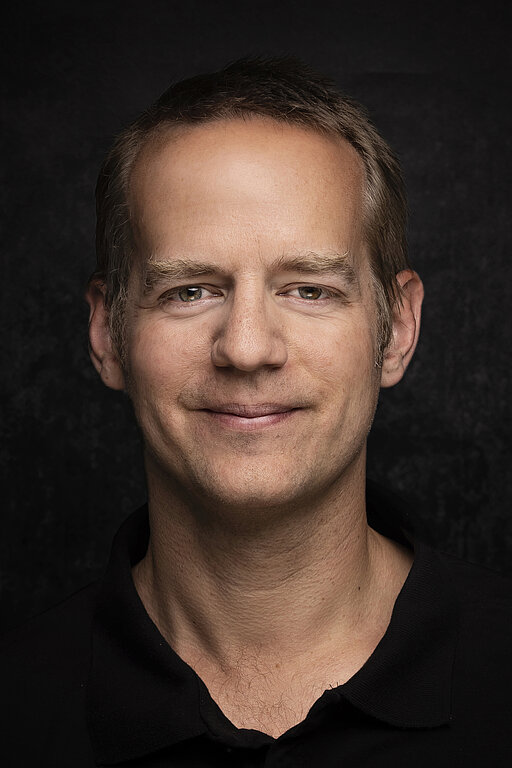
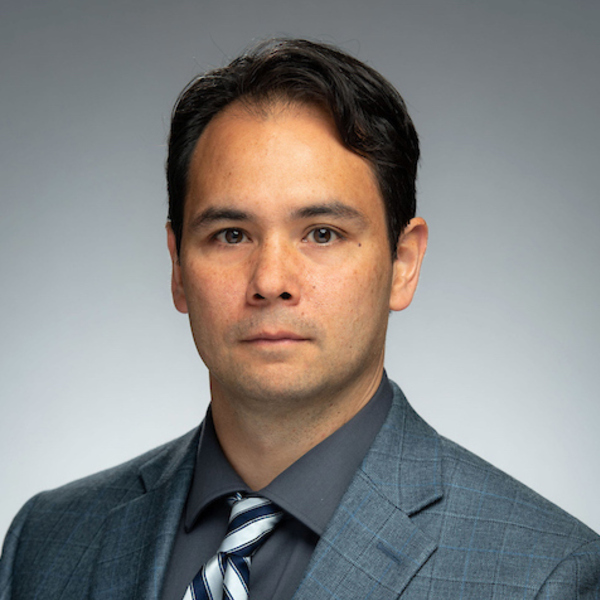
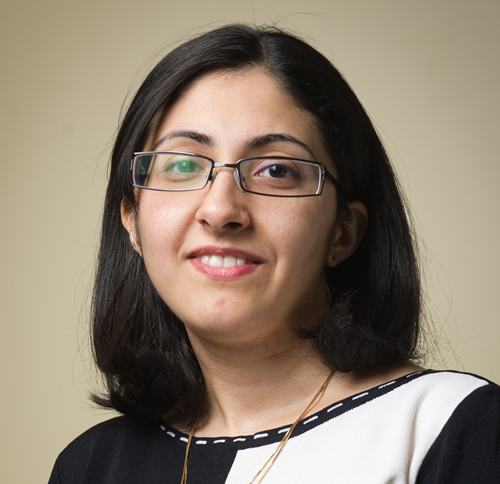
Prof. Dr. Sebastian von Mammen is a tenured professor at the University of Würzburg's Institute for Computer Science, where he heads the Games Engineering research group and contributes to the Chair for Human-Computer Interaction. His group leads the Games Engineering academic program. Previously, he completed his habilitation (2012-2016) at the University of Augsburg's Chair of Organic Computing and was a postdoctoral fellow at the University of Calgary. His research spans: Real-Time Interactive Systems : Visual programming, immersion techniques, software engineering Interactive Simulations : Serious games for healthcare/logistics/construction Artificial Life : Self-organisation, adaptive systems, evolutionary computation Artificial Intelligence : Agent-based modeling, procedural content generation Recent publications (2023-2025) demonstrate strong focus on: Virtual reality applications in education (femtoPro optics simulator, BrainBuilder neuroanatomy) Healthcare technology platforms (VIA-VR for medical serious games) Game mechanics analysis (Match-3, Jump'n'Run flow) AI-driven emotion recognition and interactive systems Computational modeling of biological systems He leads the Games Engineering research group and previously participated in the Evolutionary and Swarm Design group (Calgary) and LINDSAY project. His lab develops VR simulations for scientific training and serious games applications.
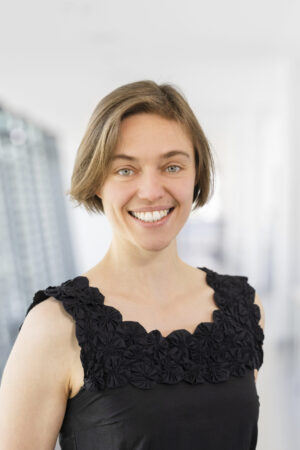
Dr. Julia Carina Böttcher is a research associate in the field of scientific reflection at ZIWIS (Zentrum für Interdisziplinäre Wissenschaftsforschung) at Friedrich-Alexander University Erlangen-Nürnberg. She holds a habilitation from Ludwig Maximilian University of Munich (2025) and is a member of the Leopoldina Center for Science Studies project group. Her work bridges the history of science, early modern history, and the interplay between natural science and politics. PhD in History of Science (University of Regensburg, 2017) Habilitation in History of Science (LMU Munich, 2025) Researcher at University of Regensburg and LMU Munich post-2017 Her research focuses on observation practices during 18th-century exploration trips, academic communities (e.g., Leopoldina Academy), and the political behavior of scholars . Key themes include elite identity formation, bodily practices, and the institutional dynamics of scientific networking. She is currently concluding her DFG-funded project on The Politics of Networking (2020–2023) and will serve as interim professor for History of Science at LMU Munich in 2025. Her 15 most recent publications (2024–2019) analyze collection practices, scientific communities, and the cultural history of expeditions. Articles span topics from 18th-century anatomical research to Enlightenment botanical enthusiasm, often emphasizing methodological innovation and institutional interplay. She is an alumna of the Young Research Fellows program at the Bavarian Academy of Sciences and Humanities and maintains active collaborations in international research networks. Her work has contributed to re-evaluating the Leopoldina Academy's role as a strategic scholarly collective in early modern Europe.
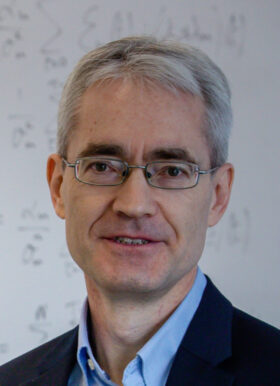
Geoffrey Goodhill is Professor of Neuroscience and Professor of Developmental Biology at Washington University School of Medicine, where he directs the Center for Theoretical & Computational Neuroscience. His laboratory bridges experimental and theoretical approaches to study brain development. Goodhill earned his BSc in Mathematics and Physics from the University of Bristol (1986), MSc in Artificial Intelligence from the University of Edinburgh (1988), and PhD in Cognitive Science from the University of Sussex (1992). His postdoctoral training included a Medical Research Council Fellowship and a Sloan Theoretical Neuroscience Fellowship at the Salk Institute. His research focuses on computational principles of brain development, particularly using larval zebrafish to investigate neural coding development, behavioral emergence, and alterations in Autism Spectrum Disorders. Key projects examine neural coding and spontaneous activity patterns zebrafish behavioral development autism-related circuit dysfunction calcium imaging analysis methods historical work on axon guidance mechanisms His recent publications show a clear trajectory from molecular gradient studies toward complex systems neuroscience using zebrafish models. Scientific recognition includes: Paxinos-Watson Prize (2012) Elspeth McLachlan Plenary Lecture (2019) Keynote at Computational Neuroscience Meeting (2020) Sloan Theoretical Neuroscience Fellowship (1995) The Goodhill Lab maintains an interdisciplinary team with backgrounds in biology, mathematics, physics and engineering. Current research analyzes human video data for early autism detection while continuing zebrafish neural circuit investigations. The lab has received consistent funding for its innovative approaches to developmental neuroscience questions.
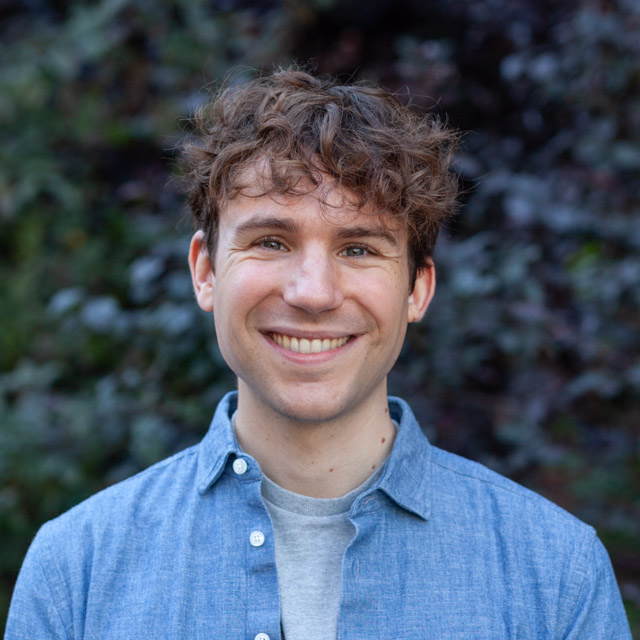
Frank Schindler is an Assistant Professor in Condensed Matter Theory at Imperial College London, Department of Physics (Faculty of Natural Sciences). He joined Imperial in August 2023 and is also a UKRI Future Leaders Fellow (2024–present). His research focuses on topological phases of matter, quantum materials, metamaterials, and quantum dynamics. He leads the 'Theory of Topological Matter' research group, currently supervising 4 PhD students, 3 master’s students, and expects a postdoc in 2025. His work bridges theoretical physics and materials science, with a focus on non-Hermitian topology and topological metamaterials. Education: BSc Physics (LMU Munich, 2012–2015), Part III Mathematics (Cambridge, 2015–2016), PhD in Condensed Matter Theory (University of Zurich, 2016–2020) Research interests include topological phases in quantum materials, non-Hermitian systems, and moiré superlattices. His recent articles explore topics like non-Hermitian topology, topological invariants, and quantum dynamics. Awards include the James Clerk Maxwell Medal (2024) and the Sam B. Treiman Fellowship (2022). Grants and collaborations: Supported by UKRI Future Leaders Fellowship and the Simons Foundation. Active in UKRI EPSRC Materials for Quantum Network (M4QN) initiatives. His lab focuses on experimental collaborations and theoretical modeling of topological phenomena.
Prof. Dr.-Ing. David E. Rival is a full Professor at the Institute of Fluid Mechanics within the Faculty of Mechanical Engineering at Technische Universität Braunschweig. His research spans interdisciplinary domains at the intersection of experimental fluid dynamics, data assimilation, network science, and bio-inspiration, with applications in renewable energy systems and bio-mimetic engineering. Former Associate Professor at Queen’s University, Canada Doctoral work on dragonfly flight aerodynamics at TU Darmstadt Alexander von Humboldt research fellowship recipient (2020) Postdoctoral associate at MIT studying shape morphing in nature Research chair at University of Calgary on atmospheric sensing His work focuses on unsteady flow phenomena, bio-inspired design, and advanced measurement techniques. Key projects include: Co-chairing NATO AVT task group on flow separation International collaborations with AFOSR, NATO, and ONR Development of cost-effective flow-tracking sensors for natural environments Investigations into shear-thinning suspension dynamics and vortex ring behavior Recent publications demonstrate a strong emphasis on: Large-scale particle tracking with natural light and UAVs Machine learning for sparse data reconstruction in fluid flows Soft coastal protection methods and ecohydraulics Advanced sensing techniques for atmospheric and industrial applications Scientific Awards: 2020: Alexander von Humboldt Research Fellowship Notable research achievements include textbook authorship on Biological and Bio-Inspired Fluid Dynamics (Springer) and media features in The Nature of Things (David Suzuki) and Discovery Channel’s Daily Planet .
Professor Dan Sievenpiper is a faculty member at the University of California San Diego (UCSD) in the Jacobs School of Engineering, Department of Electrical and Computer Engineering. He joined UCSD in 2010 and leads the Applied Electromagnetics Group. His research focuses on artificial media, electromagnetic structures, and antennas, with applications in metamaterials, plasma physics, and topological insulators. He has over 200 publications and 80 patents, and has held roles including Vice Chair of the ECE Department and membership in the UCSD Admissions Committee. Education: B.S. and Ph.D. in Electrical Engineering from UCLA (1994 and 1999) Research Interests: His work spans artificial media, metamaterials, non-reciprocal devices, and time-modulated surfaces. Recent innovations include photonic topological insulators and plasma-based systems. His group explores applications in antennas, wireless communication, and biomedical neuromodulation. Awards: URSI Isaac Koga Gold Medal (2008) IEEE Fellow (2009) John D. Kraus Antenna Award (2019) Advising & Labs: He supervises a dynamic group of graduate students and postdocs, with over 30 alumni in academia and industry. The Applied Electromagnetics Group collaborates with institutions like HRL Laboratories and the Air Force Research Lab. Service: Past roles include Associate Editor of IEEE Antennas and Wireless Propagation Letters, and Chair of the IEEE Antennas and Propagation Symposium (2017).
Louise Jawerth is an Assistant Professor at the Leiden Institute of Physics (LION), Biological, Soft and Complex Systems group, within Leiden University's Faculty of Science. Her research bridges soft condensed matter physics and biological material studies. Research Focus: Protein condensates, fiber formation in neurodegenerative diseases, and emergent mesoscale behaviors. Key Techniques: High-resolution imaging, atomic force microscopy, quantitative image processing. Collaborations: Works with theoretical physicists to develop frameworks for material properties. Her work on protein condensates explores their liquid-solid phase transitions and interactions with fibrous growth patterns. She received a Vidi grant in 2021 for her innovative research directions. Scientific Awards: Vidi grant (2021) for understanding protein fiber dynamics
Ramachandran Vaidyanathan (Vaidy Vaidyanathan) is the Elaine T. and Donald C. Delaune Distinguished Professor in the School of Electrical Engineering and Computer Science at Louisiana State University (LSU). His research focuses on parallel and distributed computing, reconfigurable architectures, interconnection networks, and autonomous robot coordination. Developed the Reconfigurable Multiple Bus Machine (RMBM) model Authored the book Dynamic Reconfiguration: Architectures and Algorithms Holds multiple patents for optical networking and reconfigurable hardware Research Interests : Parallel and distributed algorithms Reconfigurable computing models Autonomous robot coordination Optical interconnection networks Scientific Awards : US Patent 6,332,050 US Patent 6,792,175 US Patent 8,862,854 US Patent 9,257,988 US Patent 10,282,347 Advising and Grants : Supervises students in reconfigurable computing and distributed systems. Collaborates with institutions on NSF-funded projects. Labs : Leads the Reconfigurable Computing Group at LSU.
James Watkins is a Professor in the Department of Polymer Science and Engineering at the University of Massachusetts Amherst. His research focuses on nanoscale and hybrid materials for advanced devices, including energy storage, flexible electronics, and metamaterials. He leads the Watkins Research Group, which integrates fundamental studies of polymer phase behavior with scalable manufacturing techniques like roll-to-roll processing and nanoimprint lithography. Key applications include structural batteries, metalenses, and supercapacitors. Education: B.S. and M.S. in Chemical Engineering from Johns Hopkins University (1987–1988), followed by a Ph.D. in Polymer Science & Engineering from UMass Amherst (1997). His work spans interdisciplinary collaborations in materials science, electrical engineering, and chemistry. Research Interests: Macromolecular templates for device structures, materials synthesis in supercritical fluids, phase behavior studies, and scalable nanomanufacturing. His team develops novel approaches for large-area nanostructured materials, leveraging photothermal processing and brush block copolymers. Key Projects: Advanced Print and Roll-to-Roll Manufacturing Facility, Myrias Optics Inc. (metalenses commercialization), Metaoptics Research. Awards: Includes Fellowships from the National Academy of Inventors (2021), American Physical Society (2012), and prestigious grants like the Packard Foundation and NSF CAREER awards. His contributions span academic and industrial partnerships, with technology transfer to commercial partners. Lab/Teams: The Watkins Group includes graduate students, postdocs, and senior scientists. They utilize the UMass facility for roll-to-roll manufacturing, advancing technologies like Fano-resonant metamaterials and instant-healing elastomers.
Xiaoqiang Wang is a Professor in the Department of Scientific Computing at Florida State University (FSU). His research focuses on numerical analysis, applied partial differential equations, mathematical biology, image processing, and scientific computing. He holds a Ph.D. from Pennsylvania State University (2005). His work emphasizes phase-field modeling for elastic bending energy, biological microstructures, and computational methods for complex systems. Notable contributions include advancements in centroidal Voronoi tessellation algorithms for image segmentation and high-performance computing techniques for scientific visualization. Recent publications highlight innovations in topology-preserving phase-field models, neural network-based energy minimization, and stochastic resource competition models. His research bridges theoretical mathematics with practical applications in biophysics, materials science, and biomedical engineering. Wang collaborates actively with interdisciplinary teams, contributing to FSU's computational science initiatives. His lab focuses on developing novel numerical methods and simulations for biological and physical systems, reflecting a commitment to both foundational and applied research.
Judith West-Mays is a Professor in the Department of Pathology & Molecular Medicine at McMaster University . Her research focuses on: Molecular mechanisms of eye development and disease Role of transcription factors (AP-2β, AP-2α) in ocular morphogenesis Transforming Growth Factor Beta (TGF-β) signaling in epithelial-mesenchymal transition (EMT) Matrix Metalloproteinases (MMPs) in vision disorders Biomaterials for intraocular pressure management Key scientific contributions include: Elucidating AP-2β's role in trabecular meshwork formation and glaucoma Characterizing MMP-9's impact on aqueous humor drainage Developing conditional knockout mouse models for vision research Investigating YAP signaling in lens fibrosis Creating mucoadhesive micelles for glaucoma therapy Scientific awards : Brockhouse Canada Prize (2025) for interdisciplinary vision health research Teaching : Biomedical Engineering II (2018) at McMaster University. Collaborators include Taiyab, Sheardown, and Ball. Research hubs involve McMaster's interdisciplinary vision science team.
Bernhard Rappenglueck is a Professor of Atmospheric Chemistry at the University of Houston within the Earth and Atmospheric Science Department, part of the College of Natural Sciences and Mathematics. He maintains an active research group with students from diverse international backgrounds originating from over 15 countries, with expertise spanning Chemistry, Environmental Sciences, Mathematics, Engineering disciplines, Meteorology, and Physics. His educational background includes a Habilitation in Bioclimatology & Atmospheric Environmental Chemistry from Munich University of Technology (TU Munich) in 2003, a PhD in Physics from University of Munich (LMU Munich) in 1996, an M.S. in Meteorology from University of Munich (LMU Munich) in 1991, and a B.S. in Technical Physics from Munich University of Technology (TU Munich) in 1985. Rappenglueck's research integrates meteorology and atmospheric chemistry through both experimental field work and numerical modeling. His primary research interests encompass meteorological processes and their impacts on atmospheric chemical composition across spatial and temporal scales, micrometeorological and boundary layer studies, regional and large-scale transport processes within the troposphere, air quality studies in polluted and unpolluted areas including photochemical processes, and the application and development of atmospheric modeling. His work spans from biosphere-atmosphere exchange processes to regional urban air quality studies and long-range transport studies, utilizing various meteorological measurement tools including micrometeorological towers, tethered sondes, SODAR, RASS, and radio- and ozonesondes. His publication record shows consistent research output focused on urban air quality assessment across multiple global megacities including Munich, Berlin, Athens, Santiago de Chile, Mexico City, Houston, Los Angeles, Dallas/Ft Worth, and Doha, Qatar. Recent work emphasizes machine learning applications for ozone forecasting, boundary layer height determination, VOC source apportionment, and the impacts of emission changes on atmospheric composition. His research demonstrates strong methodological diversity, combining field measurements with advanced modeling approaches to address complex air quality challenges. Rappenglueck actively mentors numerous graduate and undergraduate students, with a track record of successful student placements in academic, government, and industry positions. His group has participated in major field campaigns including TexAQS-II/TRAMP, SHARP, and TCEQ O3 formation campaigns in Houston. His teaching portfolio includes advanced courses in Atmospheric Chemistry, Boundary Layers and Turbulence, Remote Sensing for Atmospheric Science, Aerosols and Climate, and Air Pollution Meteorology, contributing to both undergraduate and graduate degree programs in Atmospheric Science at the University of Houston.
David Go is the Vice President and Associate Provost for Academic Strategy at the University of Notre Dame, where he also holds the Viola D. Hank Professorship in Aerospace and Mechanical Engineering. He oversees implementation of the University Strategic Framework and manages faculty appointment processes, with administrative oversight of institutes including the Lucy Institute for Data and Society and the Fitzgerald Institute for Real Estate. His research focuses on plasma science, heat transfer, fluid dynamics, and chemical analysis, with significant contributions to plasma-electrochemistry and sustainable chemical synthesis. Education: B.S. (2001) and M.S. (2004) from University of Notre Dame, Ph.D. (2008) from Purdue University His work explores plasma-liquid interfaces, solvated electron dynamics, and plasma-assisted catalysis, particularly for light hydrocarbon conversion. Recent publications highlight advancements in non-aqueous plasma electrolysis, machine learning-enhanced plasma sintering, and interfacial transport phenomena. Awards include the Air Force Young Investigator Award, NSF CAREER award, and multiple honors for teaching and innovation. Current research trends integrate plasma physics with chemical engineering and materials science, focusing on sustainable energy solutions and microscale manufacturing. Scientific recognitions include: Fellow of the American Society of Mechanical Engineers Senior Member of IEEE IEEE Early Achievement Award First-Source Bank Commercialization Award Go has supervised graduate studies and received patents for technologies in plasma-assisted synthesis and microfluidic diagnostics. His leadership roles involve committees addressing academic governance, risk management, and foreign influence in research.
Miroslaw Bober is Professor of Video Processing at the University of Surrey, where he joined in 2011. He leads the Visual Media Analysis team within the Centre for Vision, Speech and Signal Processing (CVSSP) in the School of Computer Science and Electronic Engineering. His extensive industry experience includes 15 years as General Manager of the Mitsubishi Electric R&D Centre Europe and Head of Research for its Visual & Sensing Division. BSc and MSc in Electrical Engineering from AGH University of Science and Technology, Krakow, Poland (1990) MSc in Machine Intelligence with distinction from Surrey University (1991) PhD in Computer Vision from Surrey University (1995) Professor Bober's research focuses on novel techniques in signal processing, computer vision and machine learning with applications in industry, healthcare, big-data and security. His expertise particularly lies in image and video analysis and retrieval, including visual search, object recognition, and analysis of motion, shape and texture. His algorithms for shape analysis, image/video fingerprinting, and visual search are considered world-leading and have been selected for ISO International standards within MPEG, with applications used by organizations like the Metropolitan Police. His recent publication trends show a strong focus on hybrid network architectures, scene graph generation, medical imaging applications, and augmented reality publishing systems. His work spans both theoretical advancements in computer vision and practical implementations addressing real-world challenges in media, healthcare, and security domains. The research demonstrates a consistent pattern of bridging academic innovation with industrial applications, particularly in visual search technology and media analysis. Presidential Award for strengthening the TV business in Japan via innovative 'Visual Navigation' content access technology (2010) Mitsubishi Best Invention Award for Image Signature Technology (2008) Professor Bober serves as Programme Director for the MSc in Multimedia Signal Processing and Communications and holds various teaching and mentoring roles. He has secured over 30 research and industrial grants totaling more than £16M, including the BRIDGET FP-7 project (5.28 M€) as coordinator and PI, and the CODAM project (£1.05 M) as PI. His work with the BBC, Huawei, and other industry partners demonstrates strong industry-academia collaboration. As chair of MPEG technical work on Compact Descriptors for Visual Search (CDVS) and Compact Descriptors for Video Analysis (CDVA), Professor Bober leads international standardization efforts. His Visual Media Analysis team develops cutting-edge visual search and media analysis algorithms with applications across broadcast, security, and healthcare domains.
Shabnam Raayai is an Assistant Professor in the Department of Mechanical Engineering at Boston University. Her research focuses on fluid mechanics, aerodynamics, and flow control, particularly exploring bio-inspired designs such as riblet surfaces and V-formation dynamics. She holds a PhD and MS in Mechanical Engineering from MIT. Education: PhD (MIT, 201?), MS (MIT, 201?) Her research integrates experimental, theoretical, and computational approaches to study drag reduction techniques and fluid dynamics in nature-inspired systems. Key interests include fluid-solid interactions, laser diagnostic methods, and complex geometric boundary analyses. Her recent work examines riblet-covered surfaces for drag reduction, bio-inspired formations, and multi-propeller flow dynamics. She has pioneered techniques like double-light-sheet PIV for studying opaque object flows and volume-controlled cavity expansion for soft material analysis. Awards: Rowland Fellowship (2019-2025) Andreas Acrivos Dissertation Award (2018) Rising Stars in Mechanical Engineering (2018) Her grants and advising activities are not detailed here, but her research team actively explores nature-inspired fluid dynamics applications in engineering systems.