Weiqiang Zhuمشاهده پروفایل
استادیار
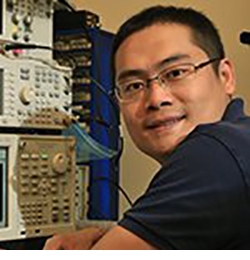
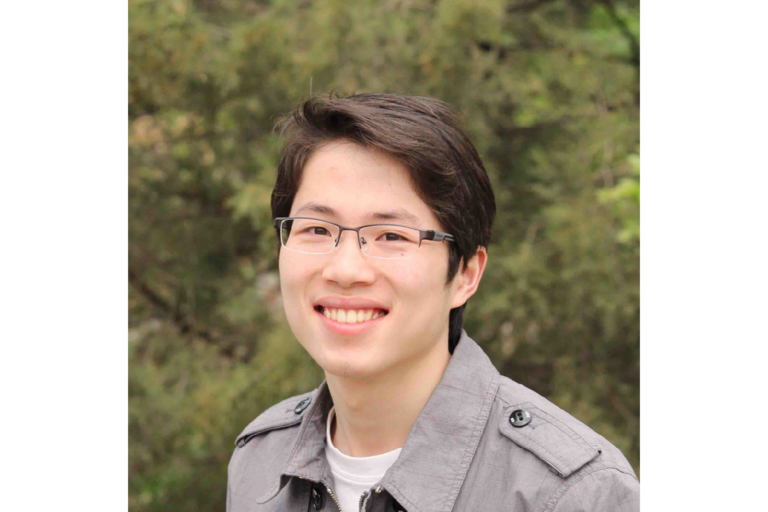
Weiqiang Zhu is an Assistant Professor at the University of California, Berkeley, specializing in earthquake physics and geophysical signal analysis. His research integrates machine learning, deep learning, and cloud computing to analyze large seismic datasets, focusing on understanding complex earthquake sequences, fault zone structures, and subsurface processes like fluid migration and volcanic unrest. He develops advanced computational methods such as neural operators and physics-informed models to improve seismic inversion, earthquake simulation, and early warning systems. Key contributions include the development of tools like PhaseNet for seismic phase picking, QuakeFlow for scalable earthquake monitoring, and DeepShake for shaking intensity prediction. His work bridges artificial intelligence with geophysical applications, emphasizing high-resolution earthquake cataloging and fault zone mechanics. Collaborative projects include imaging fault zones using fiber optics and studying magmatic systems beneath Hawaii. Zhu’s research also explores the interplay between fluid dynamics and seismic activity, particularly in simulating earthquake sequences with inertia, viscoelasticity, and fault zone fluid migration. He advocates for open-source tools, contributing datasets like the STanford EArthquake Dataset (STEAD) to advance AI-driven seismology.