Lena Maria Hansen is a Researcher affiliated with the Faculty of Physics, specializing in quantum technologies, quantum optics, and quantum information science. Her work focuses on solid-state quantum systems, including quantum dots, low-noise light sources, and multi-photon interference. Current affiliation: Faculty of Physics Key collaborations: University of Paris IV - Paris-Sorbonne (2025) Research Interests: Hansen’s research explores foundational aspects of quantum systems, including: Quantum coherence control in solid-state emitters Entangled photon source development for quantum networks Integrated photonic circuits for programmable quantum processing Non-classical excitation techniques for quantum dots Publications: 4 peer-reviewed articles in 2024, including high-impact studies in npj Quantum Information , Physical Review Letters , and Science Advances , addressing quantum cryptography, entanglement, and interference. Activities: Active in academic presentations (3 poster presentations in 2024-2025) and international research exchanges, such as a 2025 visiting researcher role at Université Paris IV - Paris-Sorbonne.
Xinwei Wang is a Professor at Nanjing University of Aeronautics and Astronautics with an extensive publication record spanning over two decades. Their research primarily focuses on autonomous systems, UAV trajectory planning, medical imaging, and computer vision applications. Wang has established significant collaborative networks with researchers including Yan Zhou, Liang Sun, Xichao Su, and Lei Wang across multiple Chinese institutions. Wang's research interests center on the intersection of robotics, artificial intelligence, and practical engineering applications. Their work demonstrates particular expertise in UAV coordination systems, medical diagnostic technologies, and underwater imaging solutions. Recent publications reveal a growing emphasis on explainable AI systems for medical applications and safety-critical trajectory planning for autonomous vehicles. The publication trends show a consistent output of high-impact research, with recent work increasingly focusing on practical implementations of AI systems in medical diagnostics, autonomous vehicle navigation, and aerospace applications. Wang's research bridges theoretical control systems with real-world engineering challenges, particularly in safety-critical domains requiring precise motion planning and reliable decision-making. Wang has contributed significantly to both theoretical frameworks in optimal control and practical implementations in medical imaging and autonomous systems. Their work on UAV cooperative task assignment and flight deck operations demonstrates strong connections to aerospace engineering applications, while medical imaging research shows interdisciplinary collaboration with healthcare professionals.
Miguel A. Nunes serves as Assistant Researcher and Deputy Director at the Hawaiʻi Space Flight Laboratory (HSFL) within the University of Hawaiʻi at Mānoa's College of Engineering. Specializing in small satellite design and multi-agent robotic systems , he leads systems engineering for missions like Neutron-1 and HyTI, while teaching space systems design in programs including the Vertical Integrated Project Aerospace Technologies and Earth and Planetary Exploration Technology (EPET) capstone courses. PhD in Aerospace Engineering (2010) focusing on autonomous satellite swarm control Developed COSMOS mission operations system for managing multiple spacecraft Key work in thermal control systems for hyperspectral imagers and satellite constellations His 10+ years of subsystem expertise spans ADCS, OBC, flight software, and radio communications. Recent publications highlight advancements in T2SL detector arrays and active thermal management for CubeSats. As Deputy-PI for HyTI mission, he contributes to volcanic monitoring and agricultural sensing applications through high-resolution thermal imaging. Research trends show consistent focus on distributed satellite systems and autonomous operations , transitioning from foundational work on multi-agent control to current applications in Earth observation constellations . His collaborations span JPL, NASA, and Saraniasat Inc., with technical contributions to 6U CubeSat standardization and onboard computing architectures.
Dr. Bill Brocklesby is an Associate Professor at the Zepler Institute for Photonics and Nanoelectronics, University of Southampton. He has been with the university since 1989, initially joining as a lecturer in the Physics Department before moving to the Optoelectronics Research Centre (ORC), now known as the Zepler Institute, in 2003. His work bridges physics, engineering, and biological imaging through advanced optical techniques. Dr. Brocklesby's primary research interests focus on novel imaging and microscopy techniques across the visible and extreme ultraviolet (XUV) spectral regions. His work encompasses: Coherent diffractive imaging of nanoscale systems using XUV radiation generated by high-power ultrashort pulse lasers Large-scale beam combination for applications like wake-field acceleration Raman microscopy and near-field techniques including scanning near-field optical microscopy (SNOM) Atomic force microscopy and scanning tunneling microscopy Optical spectroscopy of rare-earth doped materials and optical fibers Analysis of Dr. Brocklesby's recent publications reveals a strong focus on XUV imaging applications in biological systems, particularly neural tissue. His work increasingly incorporates AI and machine learning approaches for image reconstruction and analysis. The research spans fundamental optical physics, engineering of specialized equipment, and practical applications in fields ranging from neuroscience to fuel quality monitoring. Dr. Brocklesby's significant scientific recognition includes: Being named one of the 'Beacons of the Photonics Industry' in teaching by Photonics Spectra magazine (2016) Multiple teaching awards from the Southampton Students Union, including runner-up for 'best lecturer' (2017) Recognition for innovation in laboratory technology development As an academic advisor, Dr. Brocklesby currently supervises Michael Blakey (MSc Chemistry by Research) and Rhys Jacob William Donovan (PhD ORC). His research has been supported by diverse funding sources including the European Union (ICAN project), Breakthrough Starshot Foundation LLC, Biotechnology & Biological Sciences Research Council, and EPSRC. These projects span from fundamental optical physics to practical applications in biological imaging and industrial monitoring. Dr. Brocklesby is an active member of multiple research groups including the Nanophotonics Group, Institute for Life Sciences, and Southampton Imaging Ultrafast X-ray Group. His work on the ICAN project, conceived by Nobel laureate Gérard Mourou, demonstrates his involvement in cutting-edge international collaborations focused on large-scale beam combination of ultrafast fiber lasers.
Pere Colet Rafecas is an Associate Professor at the University of the Balearic Islands (UIB) and a Research Professor at the Spanish National Research Council (CSIC) since 2007. His work spans statistical and nonlinear physics , with applications to optical systems , power grid stability , and human mobility analysis . He leads the Complex Systems and Sociotechnical Applications (CSSA) research group. PhD in Physics (UIB, 1991) Postdoctoral Fellowship at Georgia Tech (Fulbright, 1992-1994) His research focuses on noise-sustained structures , synchronization of chaotic systems , and delay effects in optoelectronic devices . Recent work integrates geolocated data to model socio-technical systems , including renewable energy grids and urban mobility. Key projects include: APASOS : Physics of socio-technical systems MdM-IFISC : Excellence grant for complex systems research SIESTA : Secure data analytics in European energy grids He has supervised four completed PhD theses and currently mentors two PhD candidates , with publications in Nature Communications , Physical Review Letters , and IEEE Transactions . His work has accumulated over 5,600 Google Scholar citations and a h-index of 35 .
Michael Neff is a Professor at the University of California, Davis, affiliated with the Department of Computer Science and Department of Cinema and Digital Media. He directs the Motion Lab, an interdisciplinary research group exploring the intersection of computation and human movement. Education: PhD in Computer Science from the University of Toronto (2005), Certified Laban/Bartenieff Movement Analyst (CLMA, 2009) Research Interests: Focus on character animation tools, gesture and nonverbal communication modeling, physics-based animation, and applying performing arts concepts to virtual character movement. His work bridges art and science through collaborations with robotics, psychology, and dance departments. Recent Research Trends: Over the past five years, his publications demonstrate a focus on speech-driven gesture synthesis, physics-based character control in VR environments, and multimodal analysis of movement perception. Key themes include tension modeling, motion style transfer, and avatar trust dynamics. Awards & Recognition: NSF CAREER Award (2009-14) Isadora Duncan Award for Visual Design (2009) Best Paper Awards at Intelligent Virtual Agents (2007), Motion in Games (2015, 2016) Alain Fournier Memorial Award (2005) IBM PhD Fellowship for advisee Simbarashe Nyatsanga Advising & Collaborations: Has mentored 18 graduate students (PhD/Masters) and numerous undergraduates. Collaborates across disciplines with computer scientists, dancers, and psychologists. Currently chairs the Department of Cinema and Digital Media. Laboratory Facilities: Established a motion capture lab in 2007 featuring a 12-camera optical system in a 750 sq ft studio, supporting interdisciplinary research in movement analysis.
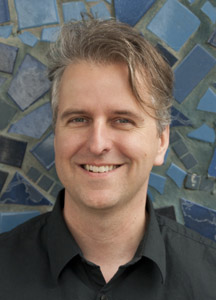
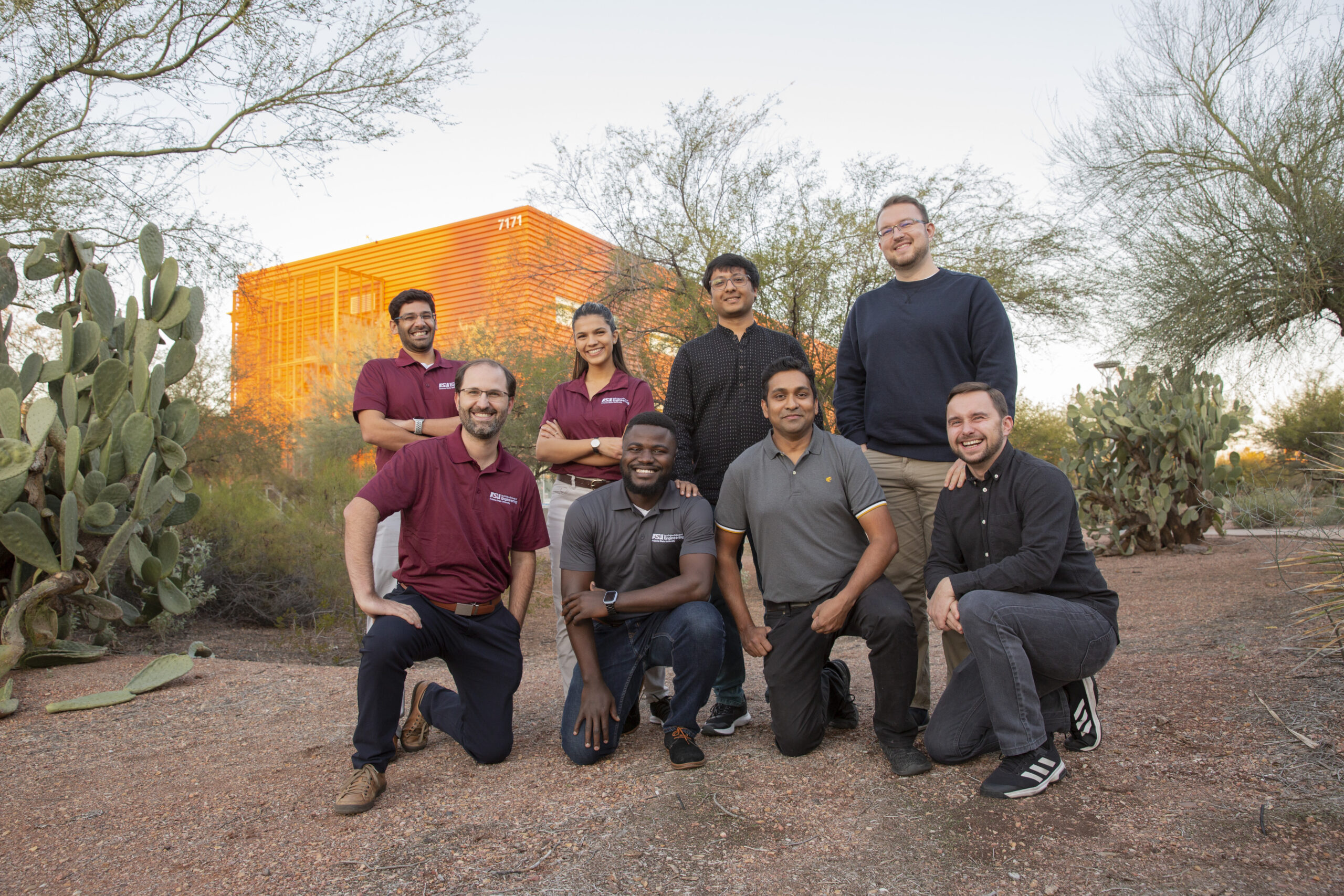
Bruno Azeredo is an Associate Professor at the School of Manufacturing Systems and Networks , Arizona State University (ASU). His research bridges mechanical engineering, material science, and chemistry to advance manufacturing systems for 3D nanomaterials in optics, silicon photonics, and energy harvesting. He also leads STEAM-related educational initiatives. Education Ph.D. Mechanical Engineering, University of Illinois at Urbana-Champaign M.S. Theoretical and Applied Mechanics, University of Illinois at Urbana-Champaign B.S. Engineering Mechanics, University of Illinois at Urbana-Champaign Research Interests include semiconductor manufacturing, electrochemical nanoimprinting, additive manufacturing, and nanomaterials development. His work focuses on scaling 3D nanomaterials for industrial applications while integrating artistic principles into engineering education. Scientific Awards include the prestigious NSF CAREER Award and the Bisgrove Award from Arizona Science Foundation, recognizing his contributions to manufacturing innovation. Students in his research group have successfully defended PhDs, including Aliaksandr Sharstniou and Stanislau Niauzorau, both pursuing careers at Intel. He also mentors students in electrochemical nanoimprinting and nanomaterials for 3D printing.
Dr. Andy Nichols serves as Senior Lecturer in Water Engineering and Director of the General Engineering interdisciplinary degree programme at the University of Sheffield's School of Mechanical, Aerospace and Civil Engineering. Since joining the department in 2015, he has established expertise in water infrastructure management, sensor development, and railway drainage systems through industry collaborations and EPSRC-funded research. His research integrates novel sensing technologies with AI-driven asset management to improve water infrastructure efficiency and safety. Key interests include optical/acoustic sensor development for water industry applications, hydraulic process modeling, asset degradation prediction, and machine learning-based railway drainage management. His work bridges laboratory experimentation with field deployments through partnerships with Network Rail, local authorities, and the Sensors for Water Interest Group (SWIG), which he chairs as founder. Recent publications reveal strong emphasis on computational fluid dynamics, sensor innovation, and data-driven approaches for urban drainage and railway infrastructure. His work connects environmental fluid mechanics with practical engineering solutions for flood risk management, water quality monitoring, and sustainable drainage systems development. Scientific recognition includes: 21st Harold Jan Schoemaker Award for best paper in Journal of Hydraulic Research Royal Academy of Engineering Industrial Fellowship in Railway Drainage Infrastructure Management Outstanding Teaching Award (Sheffield Students' Union, 2018) Multiple early-career awards (CIWEM, IAHR, SWIG, 2012) Fellow of the Higher Education Academy Dr. Nichols secures significant research funding including Horizon 2020's Co-UD Labs project for collaborative urban drainage research and a KTP with Hydro International for sediment monitoring in stormwater systems. He actively supervises PhD students while developing interdisciplinary teaching methods for fluid mechanics and engineering design. He contributes to multiple research groups: Water - Environmental Fluid Mechanics, SuDS and Urban Drainage, Water - Catchments & River Engineering, and Resources, Infrastructure Systems & Built Environment, maintaining strong connections with Pennine Water Group and Sheffield Water Centre.
Björn Johansson is a Professor at Chalmers University of Technology, specializing in Production Systems. His research focuses on sustainability aspects of manufacturing through virtual tools, aiming to minimize environmental, social, and economic impacts. Key methodologies include flow simulation, dynamic environmental assessments, 3D visualization, and layout optimization. Primary research areas: Sustainable Manufacturing, Digital Twins, Environmental Impact Assessment Collaborations: Mélanie Despeisse, Henrik Söderlund, and others in automotive, battery production, and maritime industries His work emphasizes integrating digital technologies (e.g., VR, IoT) with sustainable practices, addressing challenges in supply chain resilience, human-robot collaboration, and circular economy models. Recent studies explore VR training environments, 5G-enabled manufacturing, and extended reality (XR) frameworks. Current projects involve 44 initiatives across battery systems, servitization, and digitalization for sustainability. Publications span 179 articles, including topics like digital twin implementation, ergonomic VR assessments, and hybrid simulation models for environmental analysis.
Edin Omerdic is a Senior Research Fellow at the Department of Electronic and Computer Engineering, University of Limerick, Ireland. His expertise focuses on marine robotics, fault-tolerant control systems, and underwater navigation technologies. Research Interests: Development of advanced control systems for Remotely Operated Vehicles (ROVs) and Unmanned Underwater Vehicles (UUVs) Integration of FPGA-based hardware for high-speed cybersecurity and data processing Design of optical fiber sensors for pressure and depth measurement in marine environments System integration for cyber-physical systems and heterogeneous robotic platforms Applications in offshore renewable energy inspection and maritime emergency response His work emphasizes real-time control allocation, power management, and sensor fusion for long-endurance underwater missions. While no specific awards or students are listed, his research has produced significant publications in marine robotics and embedded systems over two decades.
Martin Parent is a Full Professor in the Department of Psychiatry and Neuroscience at the Faculty of Medicine, Laval University. His research focuses on neural circuits within the basal ganglia and their alterations in Parkinson's and Huntington's diseases. Based at the CERVO Brain Research Centre, he leads a research team that utilizes both animal models and post-mortem human brain tissue to understand neurodegenerative processes and develop potential treatments, with particular emphasis on deep brain stimulation and L-Dopa therapy mechanisms. Dr. Parent's research interests center around the anatomical and functional organization of the basal ganglia in rodents, humans, and non-human primates. His team investigates alterations in neuronal circuits that occur in Parkinson's disease and Huntington's chorea, employing a wide array of methodological approaches including in vivo electrophysiological recordings, tracer injections, three-dimensional neuron reconstructions, electron microscopy, neurotransmitter localization, and analysis of post-mortem human brain tissue. A key focus of his work is understanding how the brain adapts to the loss of dopamine neurons in Parkinson's disease, which explains the onset of dyskinesias following L-Dopa treatment. His research has highlighted the remarkable adaptability of the brain in response to neurodegeneration. Analysis of Dr. Parent's recent publications (2024-2025) reveals a strong focus on developing and applying advanced imaging techniques for deep brain stimulation surgery and neurodegenerative disease research. His work spans multiple disciplines including neuroscience, medical imaging, and biomedical engineering, with particular emphasis on Parkinson's disease mechanisms and treatments. Key trends include the application of optical imaging techniques (polarimetric imaging, Raman spectroscopy, optical coherence tomography) for brain tissue identification during neurosurgery, investigation of serotonin and other neurotransmitter systems in parkinsonian models, and exploration of neuroplasticity and cellular stress responses in neurodegenerative conditions. Dr. Parent leads the Parent Lab (http://www.parentlab.ca/), which maintains a strong collaborative network with researchers specializing in optical imaging, neurosurgery, and neurodegenerative diseases. His lab works closely with the CERVO Brain Research Centre's brain bank, an exceptional resource for studying post-mortem human brain tissue from individuals who suffered from neurodegenerative diseases. The lab's interdisciplinary approach combines expertise in neuroanatomy, electrophysiology, molecular biology, and advanced imaging techniques to address fundamental questions about basal ganglia function and dysfunction, with direct applications to improving neurosurgical procedures and developing better treatments for movement disorders.
Xiang Xi is an Assistant Professor at the Niels Bohr Institute, University of Copenhagen, specializing in Quantum Optics and Photonics. His research focuses on experimental quantum hardware development for quantum information processing, leveraging advanced techniques in optomechanics and topological physics. Xi's work centers on quantum phenomena in engineered systems, particularly at cryogenic temperatures. Key interests include quantum optomechanical transducers, topological protection in phononic waveguides, and long-coherence quantum memory integration. His group develops novel devices like soft-clamped membranes and phononic circuits to overcome decoherence and scalability challenges in quantum technologies, bridging condensed matter physics and quantum engineering. Recent publications (2022-2025) demonstrate a cohesive focus on quantum hardware innovation. The 2025 Nature paper on topological phonon waveguides, 2023 Optics Express study on milliKelvin optomechanics, and 2022 quantum memory transduction work collectively address critical bottlenecks in quantum coherence, transduction efficiency, and topological robustness. These contributions position his research at the forefront of quantum computing and communication hardware development. No scientific awards were mentioned in the available text. Information regarding student advisement and research grants was not provided in the source material. Xi is an active member of the Quantum Optics and Photonics research group at the Niels Bohr Institute, collaborating extensively with Albert Schliesser's team. His work utilizes the institute's advanced cryogenic and nanofabrication facilities for quantum device experimentation, contributing to Copenhagen's prominence in quantum engineering.
Wen-Gui Weng is a Professor at the College of Chemistry and Chemical Engineering at Xiamen University , China. He earned his Ph.D. from Case Western Reserve University in 2007, followed by postdoctoral training at the University of Delaware. His research spans mechanochemistry, supramolecular polymers, and biomedical polymers, with a strong publication record in high-impact journals. Education: Ph.D. in Chemistry, Case Western Reserve University (2007) M.S. in Chemistry, Huaqiao University (2003) B.S. in Chemistry, Huaqiao University (2000) Postdoctoral Fellow, University of Delaware Research Interests: His work focuses on reactive polymers , supramolecular polymers , topological polymers , polymer nanocomposites , and biomimetic and biomedical polymers . He is particularly known for developing mechanoresponsive materials that can sense and respond to mechanical stimuli, including self-healing polymers and mechanochromic systems. His research group explores force-induced chemical reactions at the single-molecule level and designs dynamic covalent networks with tunable mechanical and optical properties. These materials have applications in smart coatings , biomedical devices , and adaptive materials . Scientific Contributions: Prof. Weng has published over 27 peer-reviewed articles in top-tier journals such as Nature Communications , Journal of the American Chemical Society , and Angewandte Chemie . His work is highly cited and recognized for advancing the field of polymer mechanochemistry . Contact: Email: wgweng@xmu.edu.cn Phone: +86 (0592) 2182430 Address: College of Chemistry and Chemical Engineering, Xiamen University, Fujian Province, 361005, China
Karsten Danzmann is a Professor at Leibniz Universität Hannover and Director of the Max Planck Institute for Gravitational Physics (Albert Einstein Institute) since 2002. He leads the Laser Interferometry and Gravitational Wave Astronomy department, focusing on advanced technologies for gravitational wave detection. Education : Diploma in Physics (1977), Universität Hannover PhD in Atomic and Molecular Physics (1980), Universität Hannover His research interests span gravitational wave astronomy, laser interferometry, quantum measurement, and space-based detector technology. He pioneered key innovations at the GEO600 detector, including squeezed light implementation and high-power lasers, now used in LIGO, Virgo, and KAGRA. He also leads the LISA space mission consortium for low-frequency gravitational wave detection in space. Scientific awards : Honorary Doctorate (RWTH Aachen, 2025) Edison Volta Prize (2018) Princess of Asturias Award (2017) Gruber Prize (2016) Hall of Fame der deutschen Forschung (2019)
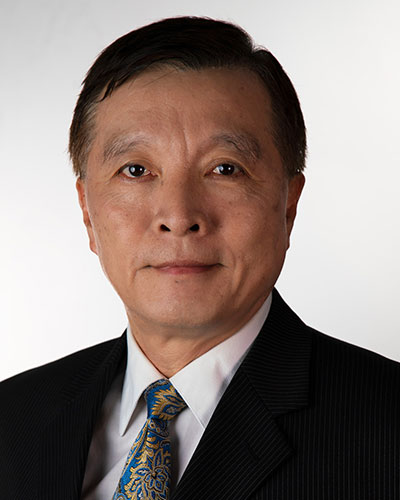
F. Frank Chen is a Professor in the Department of Mechanical Engineering at the University of Texas at San Antonio (UTSA) and holds the Lutcher Brown Distinguished Chair in Advanced Manufacturing. He is a Fellow of both the Society of Manufacturing Engineers (SME) and the Institute of Industrial and Systems Engineers (IISE). Ph.D. & MS, University of Missouri-Columbia BS, Tunghai University (Taiwan) Dr. Chen specializes in flexible manufacturing, lean systems, and AI integration. His research spans predictive maintenance, computer vision for defect detection, cybersecurity in industrial IoT, and sustainable production. He actively combines AI (deep learning, NLP) with lean methodologies to optimize manufacturing and healthcare workflows. Recent publications focus on AI-enabled sustainability (waste reduction, parking efficiency), advanced diagnostics (cancer detection via CNNs, transformers), and cybersecurity enhancements. His work bridges theoretical innovation with practical applications in smart manufacturing and lean healthcare. Fellow, IISE (2019) Operational Excellence Division Teaching Award, IISE (2015) SME College of Fellows (2011) Dr. Chen leads the Flexible Manufacturing and Lean Systems Lab, contributing to AI-aided lean manufacturing, intrusion detection systems, and voice-of-customer extraction. His interdisciplinary approach impacts both industrial processes and healthcare diagnostics, emphasizing efficiency, sustainability, and technological integration.