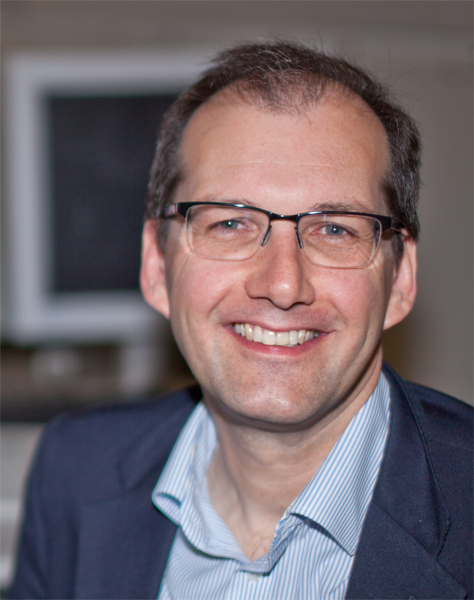
Professor Paul Midgley is a leading academic in Materials Science at the University of Cambridge's Department of Materials Science and Metallurgy, serving as Professor since 2007 and Head of Department from 2018–2020. He is a Fellow of Peterhouse College and holds multiple prestigious awards, including the Royal Society Fellowship and the Ernst Ruska Prize. Education: PhD in Physics (University of Bristol, 1991), MSc (Distinction) in Semiconductor Materials (1988), BSc (Hons) Physics (1987). Administration: Director of the Wolfson Electron Microscopy Suite, and active on various University committees including Research, Teaching, and REF. His research focuses on advanced electron microscopy techniques such as convergent beam diffraction, electron tomography, and nanostructure analysis, with applications in nanoscale materials science and 3D reconstruction using compressed sensing. He has pioneered methods like precession electron diffraction and multi-dimensional electron microscopy, contributing to fields like plasmonic nanoparticles and catalytic materials. Key Research Themes: Electron crystallography, nanomaterial characterization, energy materials, and defect analysis in perovskites. Midgley has delivered over 20 invited/plenary lectures globally, including at EUROMAT, the Welch Symposium, and the John Cowley Memorial Lecture. His grant income exceeds £16M as Principal Investigator. Labs/Teams: Leads the Wolfson Electron Microscopy Suite and collaborates internationally on microscopy advancements and materials innovation.
Georg Fantner is an Associate Professor at the Swiss Federal Institute of Technology Lausanne (EPFL) with dual appointments in the School of Engineering (STI) within the Institute of Bioengineering and the School of Life Sciences (SV) for teaching. He directs the Laboratory for Bio- and Nano-Instrumentation (LBNI) and holds leadership roles including President of the Open Science Strategic Committee and the Association des Professeurs de l'EPFL. Research Focus: Bioinstrumentation, Nanotechnology, Scanning Probe Microscopy, and Metrology Teaching: Structural Mechanics for Life Sciences, Metrology, and Metrology Practicals His research pioneers advanced instrumentation for nanoscale characterization, emphasizing data-driven approaches to enhance microscopy techniques. Recent work integrates deep learning with scanning probe microscopy for real-time biological imaging and develops novel MEMS devices for fluid-compatible nanoscale manipulation. Key innovations include hermetically sealed sample chambers for pathogen studies and deterministic nanotopography engineering. Professor Fantner actively mentors 7 current PhD students and has supervised 14 graduates. His laboratory fosters interdisciplinary collaboration across engineering, physics, and life sciences to advance nanoscale measurement technologies and instrumentation development.
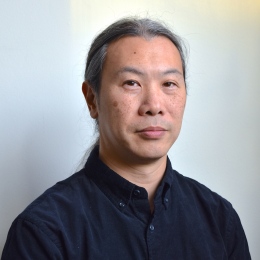
Cheuk Wai Tai is a Senior Staff Researcher at Stockholm University's Department of Environmental and Materials Chemistry since 2009. He manages the transmission electron microscopes and sample preparation equipment at the Electron Microscopy Center and serves as Section Editor for the Journal of Electronic Materials. His work focuses on quantitative structure characterization in functional materials research, particularly within nanoscience and nanotechnology contexts. Education: Ph.D. in Applied Physics, The Hong Kong Polytechnic University, 2004 M.Phil. in Applied Physics, The Hong Kong Polytechnic University, 2001 M.Sc. in Physics, The Chinese University of Hong Kong, 1998 B.Sc. (Hons) in Engineering Physics, The Hong Kong Polytechnic University, 1997 Dip. in Mechanical Engineering (Computer Aided Engineering), Institute of Vocational Education (formerly Haking Wong Technical Institute), Hong Kong, 1992 His research centers on structure-property relationships in functional materials through advanced electron microscopy techniques. Current specializations include Pair Distribution Function (ePDF) & Diffuse Scattering, Energy Materials characterization, and EM sample preparation methodology development. The group maintains strong focus on translating structural data into functional performance metrics for nanomaterials. Recent publications (2013-2019) demonstrate consistent emphasis on electron microscopy applications for energy storage materials (batteries, photocatalysts) and functional ceramics. Key trends include structural disorder analysis in piezoelectrics, development of quantitative TEM methods like SUePDF, and nanoscale characterization of electrocatalyst surface phases. His work bridges materials chemistry with advanced imaging techniques. Scientific recognition includes: Fellow of The Royal Microscopical Society (U.K.) Senior Member of IEEE Marie Curie Fellowship (2007-2009) from European Commission Sir Edward Youde Memorial Fellowship (2003/2004) from Hong Kong S.A.R. Government He teaches Solid State Chemistry (KZ7003) and leads Introduction to Analytical Electron Microscopy (KZ8009), having previously taught Advanced Transmission Electron Microscopy (KZ8010) before 2011. Major grants supporting his work include: "Quantitative structural characterisation using 3D electron-based pair distribution function" (Swedish Research Council) "A Multidimensional Toolkit for Modern Electron Microscopy" (Swedish Foundation for Strategic Research) "Mitigating Ni-rich Li-ion cathode side-reactions" (Swedish Energy Agency, Co-applicant) He leads the Cheuk-Wai Tai group within Stockholm University's chemistry department and oversees operations at the Electron Microscopy Center, where his team develops and applies advanced characterization techniques for functional materials research.
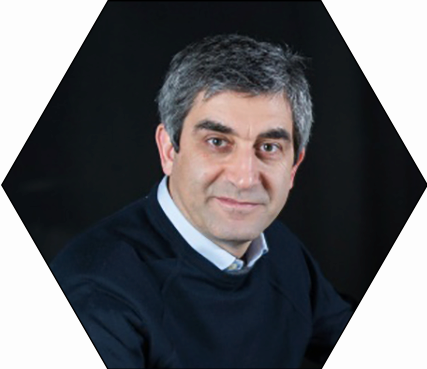
David A. Muller serves as the Samuel B. Eckert Professor of Engineering in the School of Applied and Engineering Physics at Cornell University and co-directs the Kavli Institute at Cornell for Nanoscale Science. His research group focuses on developing quantitative electron microscopy methods to understand materials properties at the atomic scale, with particular emphasis on sustainable energy applications and quantum materials. Muller's laboratory utilizes some of the world's highest resolution electron microscopes housed in specially designed, environmentally isolated rooms. Muller received his undergraduate education at the University of Sydney and earned his Ph.D. in Physics from Cornell University in 1996. Between 1997 and 2003, he was a member of the technical staff at Bell Laboratories, where he applied his expertise in imaging single atoms and atomic-scale spectroscopy to determine the physical limits of transistor miniaturization. In 2003, he returned to Cornell as a faculty member, where he has since established himself as a leader in advanced electron microscopy techniques. Muller's research spans multiple frontiers in materials science, with particular focus on understanding how electronic-structure changes at the atomic scale control macroscopic behavior in diverse systems like turbine blades, fuel cells, and transistors. His current work emphasizes the physics of renewable energy materials, atomic-scale control of materials to create electronic phases that cannot exist in bulk, and developing hardware and algorithms for 'big data' acquisition from high-bandwidth pixelated electron microscope detectors. His group's work bridges theoretical physics and experimental techniques, requiring researchers who can think in both real and reciprocal space while considering both fundamental principles and practical applications. Analysis of Muller's recent publications reveals a strong trend toward advancing electron ptychography and 4D-STEM techniques for atomic-scale imaging. His group has pioneered methods for 3D atomic-scale metrology, strain mapping, and imaging of radiation-sensitive materials. The research spans applications from semiconductor technology to quantum materials and energy storage systems, demonstrating the versatility of his microscopy approaches across multiple scientific domains. Top 100 Young Innovator by Tech Review Magazine (2003) Burton Medal from Microscopy Society of America (2006) Ernst Ruska Prize of German Society for Electron Microscopy (2021) John Cowley Medal from International Federation of Societies for Microscopy (2023) Fellow of American Physical Society Fellow of American Association for the Advancement of Science Fellow of Microscopy Society of America Muller has mentored an extensive group of students and postdocs who have gone on to successful careers in academia and industry. His former students hold faculty positions at institutions including Rice University, University of Southern California, Seoul National University, Colorado School of Mines, and the University of Michigan, among others. His research has been supported by substantial grants, including a $22.5M NSF grant that accelerates materials discovery. The Muller lab maintains close collaborations with the Kavli Institute at Cornell and PARADIM (Platform for the Accelerated Realization, Analysis, and Discovery of Interface Materials). The Muller lab operates at the forefront of electron microscopy, housing specialized instrumentation including high-resolution transmission electron microscopes in environmentally isolated rooms. The group collaborates extensively with other research teams at Cornell and worldwide, focusing on understanding materials atom by atom. Current research directions include applying machine learning to electron microscopy data analysis, developing cryogenic techniques for studying low-melting-point materials, and exploring quantum phenomena in engineered materials systems.
F. Levent Degertekin is a Regents' Entrepreneur and the George W. Woodruff Chair in Mechanical Systems and Professor at the George W. Woodruff School of Mechanical Engineering at Georgia Institute of Technology. His office is located in Love Building, room 311B, and his contact email is levent.degertekin@me.gatech.edu. Dr. Degertekin's academic journey includes a Ph.D. in Electrical Engineering from Stanford University (1997), an M.S. in Electrical Engineering from Bilkent University, Turkey (1991), and a B.S. in Electrical Engineering from Middle East Technical University, Turkey (1989). Dr. Degertekin's research focuses on micromachined ultrasonic devices and systems for medical applications, particularly in intravascular ultrasound imaging, therapeutic ultrasound, and acousto-optical sensors for MRI. His work spans from fundamental research on novel transduction methods to complete catheter-based imaging systems close to commercialization. He has made significant contributions to capacitive micromachined ultrasonic transducers (CMUTs), developing diffraction grating based optomechanical sensing methods now commercialized by Silicon Audio, novel atomic force microscopy imaging probes, and micromachined ultrasonic ejector structures for cell transfection commercialized by OpenCell Technologies. His research integrates acoustics, optics, and their combinations for various medical applications, utilizing conventional microfabrication (MEMS) and integrated circuit technologies. The Degertekin lab exposes students to applied physics, electrical, mechanical and biomedical engineering, biology, and biomimetic systems, providing them with thorough theoretical and experimental education in acoustics and optics while learning interdisciplinary research. Dr. Degertekin's work has received significant media attention, including coverage in IEEE Spectrum, Wired Magazine, The New York Times, and Fox Business News, highlighting innovations such as handheld ultrasound probes, MRI safety sensors, and minimally invasive cardiac imaging technologies. IEEE Fellow for 'Contributions to micromachined ultrasonic and optomechanical transducers and systems,' 2022 IEEE UFFC Society Inaugural Carl Hellmuth Hertz Ultrasonic Achievement Award, 2014 George W. Woodruff School Outstanding Achievement in Commercialization and Entrepreneurship Award, 2024 National Science Foundation CAREER Award, 2004-2009 Whitaker Foundation Biomedical Engineering Research Grant Award, 2001 66 US and 6 International Patents Dr. Degertekin has mentored numerous students who have gone on to make significant contributions in the field. Several of his students have received IEEE Ultrasonics Symposium Best Student Paper Awards, including Jeff McLean (2003), Sheng-Yu Peng (2006), Rasim O. Guldiken (2005 and 2007), and Toby Xu (2014). His research has been supported by various grants including the NSF CAREER Award and Whitaker Foundation grant. His work has led to multiple commercial ventures including Silicon Audio and OpenCell Technologies. The Degertekin Group at Georgia Tech focuses on transducers and systems for medical imaging and sensing, with current projects including capacitive parametric transducers, acousto-optic sensors for MRI, novel transducer methods for focused ultrasound in the brain, microsystems for intravascular and intracardiac ultrasound imaging, and CMUT-on-CMOS systems for IVUS imaging.
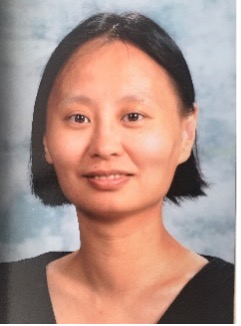
Dr. Qiang Lee is an Associate Professor in the Electrical and Computer Engineering Department at Hampton University, located in the Franklin W. Olin Engineering Building. She holds a Ph.D. in Electrical Engineering from Georgia Institute of Technology (2006), an M.S. in Computer Information Science from Clark Atlanta University (2002), and a B.Sc. in Electrical Engineering from Beijing University of Aeronautics and Astronautics (1995). Her research focuses on multi-modal sensor fusion, multiple target tracking, signal processing, and geospatial data analysis. Notable projects include NASA's ULI initiative on spectroscopy sensors for hypersonic flight control and ARL-funded work on sensor networks for target tracking. She has served as Principal Investigator (PI) on NSF and ARL grants, and co-investigator on NASA projects. Dr. Lee's publications span machine learning applications in spectroscopy, scramjet control systems, and multitarget tracking algorithms. Her work bridges aerospace engineering, data science, and sensor network optimization. She contributes to engineering education research, particularly in minority-serving institutions. Lab affiliations include Hampton University's School of Engineering research groups focused on sensor systems and aerospace applications. Grants highlight her role in advancing sensor technology for defense and aerospace industries.
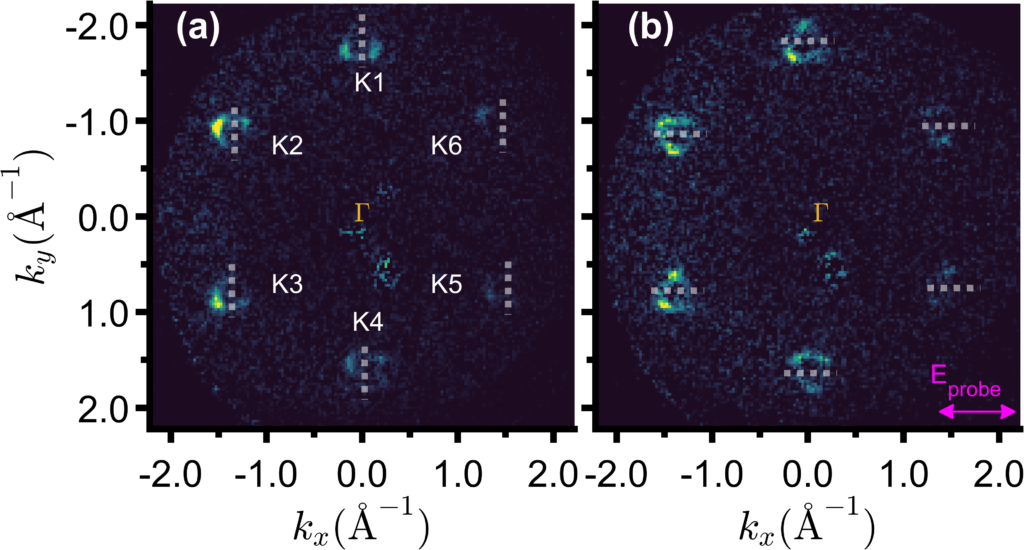
Professor Tom Allison leads an active research group at Stony Brook University focusing on ultrafast laser spectroscopy and nonlinear optics. His laboratory specializes in time- and angle-resolved photoemission spectroscopy (tr-ARPES) and frequency comb laser development for studying ultrafast dynamics in novel materials. His research interests center on understanding electron dynamics in two-dimensional materials, particularly graphene and transition metal dichalcogenides. Using sophisticated tr-ARPES instrumentation, his group investigates pseudospin dynamics, valley polarization, and exciton coupling with unprecedented momentum and energy resolution. The research bridges condensed matter physics, quantum materials, and ultrafast optical science. Professor Allison's recent publications demonstrate a strong focus on 2D materials physics, with particular attention to momentum-resolved phenomena in graphene and TMD heterostructures. His group combines cutting-edge experimental techniques with theoretical modeling to unravel complex ultrafast processes at the quantum level. Scientific Recognition: DOE Office of Science Highlight for work on valley polarization dynamics in monolayer WS2 NSF Major Research Instrumentation grant for developing high-power frequency combs Marie Skłodowskiej-Curie fellowship awarded to group member Grzegorz Professor Allison has successfully mentored multiple graduate students to completion of their degrees, including PhD candidates Jin Bakalis and Myles Silfies, and MS student Michael Wahl. His former postdoc Alice Kunin has secured an assistant professor position at Princeton University. Current research is supported by NSF funding for developing advanced frequency comb technology spanning from THz to soft x-ray regions.
Distinguished Professor Dayong Jin is a leading academic in nanotechnology and biomedical engineering at the University of Technology Sydney (UTS). He holds roles including Director of the Institute for Biomedical Materials and Devices (IBMD), ARC Laureate Fellow, and Chair Professor at Southern University of Science and Technology (China). His research focuses on photonics, luminescent materials, and their applications in healthcare, including cancer detection, rapid diagnostics, and super-resolution microscopy. Key innovations include 'Nano Torch' technology for disease detection and 'Super Dots' nanocrystals for imaging and anti-counterfeiting. Education: PhD from Macquarie University (2007). Leadership: Established UTS's IBMD and multiple research hubs, including the ARC IDEAL Research Hub and Australia-China Joint Research Centre. Research Interests: Transforming nanophotonics into diagnostic tools, rapid antigen tests (e.g., for COVID-19), and biomedical devices. His work bridges physics, engineering, and biology to address global health challenges. Awards: Australian Museum Eureka Prize (2015), Prime Minister's Prize for Science (2017), ARC Laureate Fellowship (2021), and Fellow of the Australian Academy of Technology and Engineering. Grants: Overseeing funded projects on quantum biotechnology, deep-tissue imaging, and nanoscale thermometry. Active in interdisciplinary collaborations, including with Chinese institutions. Labs/Teams: Leads IBMD, the ARC IDEAL Hub, and the UTS-SUSTech Joint Research Centre, fostering innovation in wearable biomaterials and point-of-care technologies.
Chris B. Schaffer is a Professor in the Meinig School of Biomedical Engineering at Cornell University, specializing in developing advanced optical techniques to study neurovascular dynamics in neurological diseases. His lab focuses on Alzheimer’s disease mechanisms, leveraging multiphoton microscopy and in vivo imaging to explore capillary stalling, cerebral blood flow deficits, and their cognitive impacts. He holds a Ph.D. in Physics from Harvard University and postdoctoral training in neuroscience at UC San Diego. Research interests include biomedical imaging instrumentation, neurodegenerative disease modeling, and science education innovation. Awards include AAAS Fellowship (2021), AIMBE Fellowship (2019), and multiple teaching accolades. His work bridges engineering and medicine, with contributions to spinal cord injury studies, epilepsy, and vascular contributions to dementia (VCID). Notable discoveries include identifying neutrophil-induced capillary stalls as a key Alzheimer’s disease mechanism and demonstrating cerebral blood flow improvements can restore memory in mouse models. His lab also develops educational tools emphasizing science as a discovery process, used in K-12 and university settings.
Olof Mikael Lindgren is a Professor of Physics at the Norwegian University of Science and Technology (NTNU) , Department of Physics, Faculty of Natural Sciences. Since 2003, he has led research at the Applied Optics group and Biophysics group , focusing on advanced optical spectroscopy and imaging for biomedical applications. His research spans laser-based spectroscopy, time-resolved optical techniques, and nonlinear optics. He applies these methods to study biomolecular systems, particularly in the context of amyloid diseases like Parkinson’s and Alzheimer’s, and to develop photo-dynamic therapy approaches. He also investigates hybrid organic-inorganic nanomaterials and triplet state dynamics. Recent publications highlight his work on oligothiophenes for amyloid fibril detection, BODIPY-based photosensitizers for cancer therapy, and multimodal fluorescence microscopy of protein aggregates. These studies collectively advance optical diagnostics and therapeutic strategies in life sciences. He teaches the course TFY4195 - Optics and is actively involved in outreach and academic service. His contact email is mikael.lindgren@ntnu.no , and his office is located at Realfagbygget, D4-190, Gløshaugen .
Suliana Manley is a Full Professor at the École Polytechnique Fédérale de Lausanne (EPFL) , affiliated with the School of Basic Sciences and the Laboratory of Experimental Biophysics . She also holds teaching and research roles in EPFL's School of Life Sciences and Swiss Plasma Center , focusing on interdisciplinary biophysical studies. Education : PhD in Physics (2004), Harvard University Bachelor's in Physics & Mathematics (1997), Rice University Manley's research centers on super-resolution fluorescence imaging , single-molecule tracking , and quantitative biophysics . Key themes include: Understanding protein assembly dynamics at cellular membranes Elucidating viral assembly mechanisms (e.g., HIV-Gag) Developing 3D imaging algorithms and high-density data reconstruction tools like PALMsiever and FALCON Quantifying nanoscale organization in systems like telomeres and centrioles Her work bridges optical physics , computational image analysis , and cellular biology , with notable Nature and PNAS publications. Collaborations span bioengineering , genetics , and medical research . Scientific Awards : Featured in Nature Methods Research Highlights (3x) Very Important Paper and Cover Article (ChemBioChem, 2012) Postdoctoral Fellow, NIH and MIT Advising & Collaborations : Current PhD students in biophysics, cellular biology, and bioengineering Former students: Anna Archetti, Aleksandr Benke, Andrea Callegari, and others Co-founder of tools for high-density super-resolution microscopy and live-cell imaging Labs & Teams : Leads the Laboratory of Experimental Biophysics at EPFL, integrating physics-based methods into biological questions. The lab focuses on quantitative imaging , computational modeling , and software development for nanoscale analysis.
Thomas Grenier is an Associate Professor in the Department of Electrical Engineering at INSA Lyon and a member of the CREATIS laboratory (CNRS UMR 5220, INSERM U1294). He obtained his HDR (Habilitation à Diriger des Recherches) in 2023 and his Ph.D. in Image Processing from INSA Lyon in 2005. His research focuses on medical image segmentation, clustering, and filtering using feature space, scale-space, and deep learning approaches. Doctoral School: EEA (Electronics, Energy, and Automatics) Research Affiliation: CREATIS Lab (CNRS/INSERM/INSA Lyon/Université Lyon 1/Université Jean Monnet Saint-Etienne) He has contributed to 20 papers and co-supervised 5 PhD students, including Léo Dumortier and Florent Guépin. Grenier leads the annual Deep Learning for Medical Imaging (DLMI) school, which he co-founded, and has organized five editions across Lyon and Montreal since 2019. The school emphasizes practical deep learning applications in medical imaging for participants of all expertise levels. His work spans interdisciplinary domains such as medical imaging , deep learning , and image processing , with recent publications on generative AI for MRI synthesis, explainable networks, and segmentation of neurological pathologies in preclinical models. He manages pedagogical platforms, coordinates LabEx PRIMES project activities, and oversees lab room infrastructure for 200 hours/year across 10 training programs. Grenier also leads the MUSIC transversal project on Multiple Sclerosis since 2019.
Adam de la Zerda is an Associate Professor at Stanford University's Department of Structural Biology (School of Medicine) and Electrical Engineering (by courtesy). He develops advanced optical molecular imaging technologies combining nanoparticle contrast agents and adaptive OCT systems for cancer and ophthalmic disease research. Technion-Israel Institute of Technology (BSc, 2005) Stanford University (PhD, 2011) UC Berkeley (Postdoctoral Fellowship) Research Themes : Virtual biopsy using machine learning-enhanced OCT Gold nanorod-based molecular contrast agents Speckle noise reduction for cellular resolution Needle beam optical coherence tomography angiography His 15 most recent publications demonstrate technical innovations in: Metasurface optics for extended depth-of-field Spectral deconvolution of multiple contrast agents Speckle modulation for improved diagnostic clarity Noninvasive lymphatic system mapping Scientific Honors : Pew-Stewart Scholar for Cancer Research AFOSR Young Investigator NIH Early Independence Award Forbes 30 Under 30 (x2) Chan Zuckerberg BioHub Investigator His lab team has developed clinical prototypes including OcuBell Inc. 's ophthalmic imaging systems and Visby Medical 's diagnostic platforms. Current research spans from in vivo glycoprotein imaging to de novo biosensor development for real-time disease monitoring in awake animal models.
Prof. Casper Hoogenraad is a full professor in Molecular Neuroscience at the Department of Cell Biology, Faculty of Science, Utrecht University. His research focuses on understanding how intracellular protein trafficking underlies neuronal development and function, with particular emphasis on the microtubule cytoskeleton, synaptic cargo trafficking, and synaptic plasticity. He leads an active research group within Utrecht University's Cell Biology department and collaborates extensively with other neuroscience research groups. Education: PhD, Erasmus University Rotterdam (1996-2001) Postdoc, Massachusetts Institute of Technology (2002-2005) Hoogenraad's research spans three main themes: cytoskeleton dynamics during neurodevelopment and synaptic plasticity, motor proteins and adaptors as regulators of synaptic transport, and psychiatric and neurologic disease disorders linked to intracellular transport. His work combines genetics, biochemistry, molecular, and cellular biology methods in in vitro (neuron cultures), ex vivo (brain slices), and in vivo (mice) systems, along with advanced microscopy techniques including immunofluorescent confocal microscopy, high-resolution live cell imaging, and photo-activated localization microscopy (PALM). Analysis of Hoogenraad's recent publications reveals a strong focus on microtubule organization, neuronal polarity, and the molecular mechanisms underlying synaptic function and dysfunction. His work frequently explores how disruptions in intracellular transport contribute to neurological disorders including Alzheimer's disease, schizophrenia, and autism spectrum disorders, with particular attention to the relationship between cytoskeletal organization and cargo transport in neuronal compartments. Scientific Awards and Memberships: ZonMW-VIDI (2004) European Young Investigators (EURYI) award (2005) NWO-ALW VICI (2011) ERC Consolidator grants (2013) FENS-Kavli Network of Excellence (2014) European Molecular Biology Organization (EMBO) (2015) Young Academy of Europe (YAE) (2015) IBRO Kemali Prize (2016) Hoogenraad leads a research group studying neuronal development and function, with a particular focus on how intracellular transport mechanisms contribute to both normal brain function and neurological disorders. His laboratory employs a multidisciplinary approach combining molecular, cellular, and systems neuroscience techniques to investigate the molecular basis of neuronal polarity, synaptic plasticity, and the pathogenesis of neurological disorders. He has secured significant research funding through prestigious grants including ERC Consolidator grants. The Hoogenraad lab operates within the Cell Biology department at Utrecht University, collaborating with other research groups focusing on cellular dynamics, biophysics, and neurobiology. The lab utilizes advanced microscopy techniques including immunofluorescent confocal microscopy, high-resolution live cell imaging (spinning disc microscopy and total internal reflection fluorescence microscopy), and quantitative analysis using advanced high-resolution microscopy (photo-activated localization microscopy). Current lab technicians include Phebe Wulf and Bart de Haan.
Paolo Samorì is a full-time Professor at the Université de Strasbourg , where he serves as Director of the Nanochemistry Laboratory and Emeritus Director of the Institut de Science et d'Ingénierie Supramoléculaires (ISIS) . He is affiliated with multiple prestigious academies, including the German National Academy of Science and Engineering (ACATECH) , Royal Society of Chemistry (FRSC) , and European Academy of Sciences (EURASC) . Education: Laurea (MSc) in Industrial Chemistry (University of Bologna, 1995), PhD in Chemistry (Humboldt University Berlin, 2000, summa cum laude). His research focuses on Nanochemistry , 2D materials , and supramolecular systems at interfaces , with applications in organic electronics , optoelectronics , and sensing . He pioneered methods for scanning probe microscopies and photoresponsive nanodevices , including graphene-based systems and diarylethene molecular switches. His scientific awards include the ERC Advanced Grant (2019) , Blaise Pascal Medal (2018) , and Catalán-Sabatier Prize (2017) , among 20+ honors. He has trained over 130 students and researchers , including 34 professors now active globally.