

Michel Versluis is a Full Professor at the University of Twente, Netherlands, specializing in Physical and Medical Acoustics within the Physics of Fluids group. His work focuses on microbubbles and microdroplets for medical imaging and therapy, as well as microfluidic applications in medicine and nanotechnology. University of Twente, Physics of Fluids group His research bridges physics and biomedical engineering, with publications in high-impact journals like PNAS and IEEE Transactions. Recent work emphasizes ultrasound-driven microbubble dynamics, additive manufacturing of flow phantoms, and deep learning for super-resolution imaging. 2025 publications: vascular phantoms, PROTEUS simulator, acoustic microbubble control 2024 innovations: 3D-printed medical devices, immunogenic cell death optimization Contact: m.versluis@utwente.nl
جستجوی استاد راهنمای دانشگاهی
برای مسیر پژوهشیتان، استاد راهنما، استاد دانشگاه و پژوهشگر مناسب را پیدا کنید و با آنها ارتباط بگیرید.
نمایش ۱-۱۵ از ۱۹۳ استاد راهنما
اطلاعات پروفایلها از صفحات عمومی دانشگاهها گرفته شده و ممکن است بهروز نباشد.
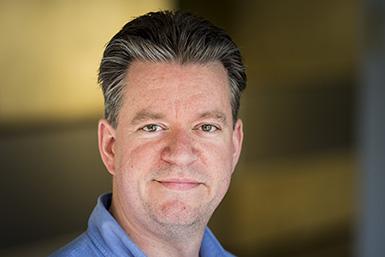
Prof. Casper Hoogenraad is a full professor in Molecular Neuroscience at the Department of Cell Biology, Faculty of Science, Utrecht University. His research focuses on understanding how intracellular protein trafficking underlies neuronal development and function, with particular emphasis on the microtubule cytoskeleton, synaptic cargo trafficking, and synaptic plasticity. He leads an active research group within Utrecht University's Cell Biology department and collaborates extensively with other neuroscience research groups. Education: PhD, Erasmus University Rotterdam (1996-2001) Postdoc, Massachusetts Institute of Technology (2002-2005) Hoogenraad's research spans three main themes: cytoskeleton dynamics during neurodevelopment and synaptic plasticity, motor proteins and adaptors as regulators of synaptic transport, and psychiatric and neurologic disease disorders linked to intracellular transport. His work combines genetics, biochemistry, molecular, and cellular biology methods in in vitro (neuron cultures), ex vivo (brain slices), and in vivo (mice) systems, along with advanced microscopy techniques including immunofluorescent confocal microscopy, high-resolution live cell imaging, and photo-activated localization microscopy (PALM). Analysis of Hoogenraad's recent publications reveals a strong focus on microtubule organization, neuronal polarity, and the molecular mechanisms underlying synaptic function and dysfunction. His work frequently explores how disruptions in intracellular transport contribute to neurological disorders including Alzheimer's disease, schizophrenia, and autism spectrum disorders, with particular attention to the relationship between cytoskeletal organization and cargo transport in neuronal compartments. Scientific Awards and Memberships: ZonMW-VIDI (2004) European Young Investigators (EURYI) award (2005) NWO-ALW VICI (2011) ERC Consolidator grants (2013) FENS-Kavli Network of Excellence (2014) European Molecular Biology Organization (EMBO) (2015) Young Academy of Europe (YAE) (2015) IBRO Kemali Prize (2016) Hoogenraad leads a research group studying neuronal development and function, with a particular focus on how intracellular transport mechanisms contribute to both normal brain function and neurological disorders. His laboratory employs a multidisciplinary approach combining molecular, cellular, and systems neuroscience techniques to investigate the molecular basis of neuronal polarity, synaptic plasticity, and the pathogenesis of neurological disorders. He has secured significant research funding through prestigious grants including ERC Consolidator grants. The Hoogenraad lab operates within the Cell Biology department at Utrecht University, collaborating with other research groups focusing on cellular dynamics, biophysics, and neurobiology. The lab utilizes advanced microscopy techniques including immunofluorescent confocal microscopy, high-resolution live cell imaging (spinning disc microscopy and total internal reflection fluorescence microscopy), and quantitative analysis using advanced high-resolution microscopy (photo-activated localization microscopy). Current lab technicians include Phebe Wulf and Bart de Haan.
Daniel Vanmaekelbergh is a Professor in the Department of Chemistry at Utrecht University, where he leads research in the Condensed Matter and Interfaces group within the Debye Institute for Nanomaterials Science. His academic career spans over two decades with continuous contributions to nanomaterials science and semiconductor physics. Professor Vanmaekelbergh's research focuses on the fundamental properties of semiconductor nanocrystals, quantum dots, and artificial electronic lattices. His work bridges theoretical and experimental approaches to investigate electron transport, quantum confinement effects, and the optical properties of nanoscale materials. He has made significant contributions to understanding the formation mechanisms of nanocrystal superlattices, the electronic structure of artificial honeycomb lattices, and the dynamics of excitons in confined systems. His research group, known as the Vanmaekelbergh Lab, employs advanced techniques including scanning tunneling spectroscopy, electron microscopy, and optical spectroscopy to probe nanoscale phenomena. Analysis of his recent publications reveals a strong emphasis on the physics of quantum-confined systems, particularly in lead chalcogenide and cadmium selenide nanocrystals. His work explores the relationship between nanocrystal structure and electronic properties, with applications in optoelectronics and quantum technologies. Recent research has focused on oriented attachment processes, artificial quantum systems with fractal geometries, and the fundamental limits of light-matter interactions in nanoscale materials. Professor Vanmaekelbergh has established a productive research program with numerous collaborations across the Netherlands and internationally. His work has been published consistently in high-impact journals including Nature Physics, Nano Letters, and ACS Nano, demonstrating the significance of his contributions to the field of nanomaterials science.
Prof. Wouter Roos is a Professor at the University of Groningen's Faculty of Science and Engineering, affiliated with the Molecular Biophysics department at the Zernike Institute for Advanced Materials. His research focuses on viral dynamics, membrane assemblies, and protein mechanics, utilizing advanced techniques like High Speed Atomic Force Microscopy (HS-AFM) and optical tweezers. Education: Studied Physics at the Universiteit van Amsterdam, earned a PhD from the Universität Heidelberg under Joachim Spatz. Conducted postdoctoral research at Max-Planck-Institut, Institut Curie, and Vrije Universiteit before joining Groningen in 2015. Research Interests: Physical Virology (viral material properties and dynamics), membrane biophysics (synthetic cells and lipid interactions), and molecular motor systems. His work bridges physics, chemistry, and biology to understand nanoscale biological processes. Recent Article Trends: Studies on hybrid membranes for synthetic cells, leukemic cell mechanics, and antibiotic-membrane interactions highlight his interdisciplinary approach. Key techniques include HS-AFM and single-particle tracking. Awards: Received a VIDI grant and multiple national/international grants. His lab leads the oLife Co-Fund consortium and participates in the MOSBRI research infrastructure. Grants & Leadership: Coordinates the oLife Fellowship Programme and chairs the Molecular Biophysics Lab. Active in steering committees for EU-funded initiatives. Labs/Teams: Heads the Molecular Biophysics Lab, focusing on viral dynamics and membrane systems. Collaborates globally on projects like ESCRT-III polymerization and antibiotic mechanisms.
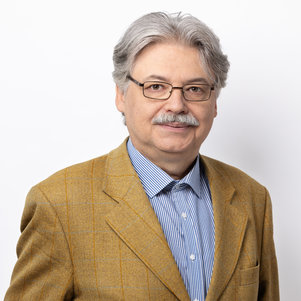
Florian Bociortمشاهده پروفایل
استادیار
Florian Bociort is an Assistant Professor at the Optics Research Group , Delft University of Technology (Faculty of Applied Sciences). He holds a PhD in Physics from TU Berlin (1994) and has dedicated his career to optical system design, gradient-index optics, and computational methods in lens design. Research Interests Bociort’s research focuses on design landscapes of optical systems , where he pioneered the use of saddle points to escape local minima in optimization. His work spans Gradient-index optics (conversion of homogeneous lenses to GRIN media) Artificial intelligence in lens design Optics education (simulation-driven learning) Academic Contributions He has supervised multiple PhD theses on topics like: A. M. Boyd (2025): Generalized gradient-index lens optimization Z. Hou (2023): Systematic lens design searches Y. Shao (2021): Imaging coherence and optimization M. Strauch (2020): Tunable optics M. Mout (2019): Ray-based diffraction simulation Recent Publications His 2025-2018 publications show a trajectory from classical optical design to modern computational approaches, including simulation-driven education, gradient-index conversions, and high-NA diffraction modeling. The 2024 paraxial reconstruction and 2025 simulation-education articles exemplify this evolution. Patents & Expertise He co-invented two ASML-related patents in lithographic design and served as expert witness in the 2018 ASML-Nikon patent lawsuit. His personal webpage details his networks of local minima and fractal basins in optimization.

Dr. Dierck Hillmann is an Associate Professor at the Faculty of Science, Department of Biophotonics and Medical Imaging, Vrije Universiteit Amsterdam. He holds a PhD in Holoscopy from Luebeck University (2013). His research focuses on advanced optical imaging techniques, particularly Optical Coherence Tomography (OCT), with applications in retinal imaging, functional signal analysis, and computational imaging. He is affiliated with the LaserLaB - Biophotonics and Microscopy research group. Key research areas include improving OCT resolution through holographic methods, functional imaging of retinal neurons and photoreceptors, and developing computational adaptive optics to enhance imaging quality. His work addresses challenges like speckle reduction, aberration correction, and real-time data processing in biomedical imaging. Dr. Hillmann’s contributions span over 37 publications, including innovations in full-field OCT, optoretinography, and phase-sensitive measurements. He teaches courses such as Computational Optical Imaging and Light-Tissue Interaction. His current project explores imaging individual retinal cells and their functions using advanced techniques. No scientific awards are explicitly listed, but his extensive publication record reflects significant academic impact. Students advised are not specified in the provided materials.
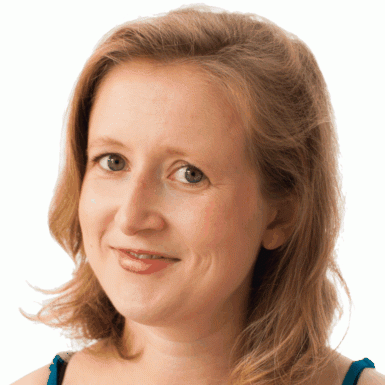
Louise Jawerthمشاهده پروفایل
استادیار
Louise Jawerth is an Assistant Professor at the Leiden Institute of Physics (LION), Biological, Soft and Complex Systems group, within Leiden University's Faculty of Science. Her research bridges soft condensed matter physics and biological material studies. Research Focus: Protein condensates, fiber formation in neurodegenerative diseases, and emergent mesoscale behaviors. Key Techniques: High-resolution imaging, atomic force microscopy, quantitative image processing. Collaborations: Works with theoretical physicists to develop frameworks for material properties. Her work on protein condensates explores their liquid-solid phase transitions and interactions with fibrous growth patterns. She received a Vidi grant in 2021 for her innovative research directions. Scientific Awards: Vidi grant (2021) for understanding protein fiber dynamics

O.J. Luiten is Full Professor in the Coherence and Quantum Technology group at Eindhoven University of Technology. His research focuses on fundamental quantum physics, materials science, nanotechnology, and life sciences, with emphasis on improving temporal resolution in electron microscopy and developing ultracold electron sources. He leads the Coherence and Quantum Technology group and is a core member of ICMS. His research interests center on quantum materials, ultrafast electron microscopy, and coherent light-electron interactions. Key areas include: Ultracold plasma applications for high-coherence electron sources Coherent manipulation of electron beams using laser light X-ray generation via electron beams His publications demonstrate a consistent focus on advancing charged particle beam technologies and light-matter interactions, with recent work emphasizing compact X-ray sources, ultrafast microscopy, and quantum electron manipulation. Scientific Awards: Smart*Light: Een tafelmodel synchrotron (2016) He leads multiple research projects including 'ICS-SAXS: Hard X-ray metrology' and 'Smart*Light 2.0', collaborating with institutions like ASML. Manages labs for ultrafast electron microscopy and quantum beam technology.
- Quantum Physics
- Materials Science
- Nanotechnology
- +۴ مورد دیگر

Peter Zijlstra is a Full Professor in the Department of Applied Physics at Eindhoven University of Technology (TU/e), leading the Molecular Plasmonics group. His research focuses on single-molecule sensing using plasmonic and nanophotonic approaches to study biomolecular interactions in complex environments. He is a core member of the Institute for Complex Molecular Systems at TU/e, collaborating across disciplines like chemistry, biomedical engineering, and mathematics. Education: MSc in Applied Physics, University of Twente (2005) PhD from Swinburne University of Technology (2009), studying plasmonic nanoparticles in optical data storage Postdoctoral fellowship at Leiden University under Prof. Michel Orrit Research Interests: Developing novel sensing concepts via nanophotonics and super-resolution microscopy. Key areas include plasmon-enhanced fluorescence, real-time biomolecular dynamics, and applications in cancer management. His work contributes to UN Sustainable Development Goals through advancements in biosensing technologies. Awards: 2013 NWO Vidi Award for research on plasmonic imaging of enzymes in living cells Teaching & Activities: Teaches courses like Advanced Optical Microscopy and Electromagnetism Supervised 32 academic works Contributed to conferences and editorial roles for journals like npj Biosensing Labs & Collaborations: Molecular Plasmonics group website: www.molecular-plasmonics.nl Marie Curie ITN SuperCol project: www.supercol.eu
- Single-Molecule Sensing
- Plasmonics
- Nanophotonics
- +۴ مورد دیگر
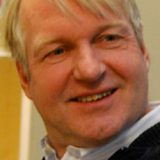
Huib Zuidervaart is a Guest Researcher at the Royal Netherlands Academy of Arts and Sciences (KNAW), affiliated with the Huygens Institute for the History of the Netherlands. His career spans roles at institutions including Huygens ING, Utrecht University, and Leiden University, with expertise in the history of scientific instruments and academic institutions. Educated at VU University Amsterdam and Utrecht University, he holds a Ph.D. on Dutch astronomy in the Eighteenth Century. His research focuses on Early Modern Science, particularly the role of instruments, academic communities, and collections. Notable projects include co-editing the Collected Letters of Antoni van Leeuwenhoek and analyzing Dutch contributions to optical and astronomical innovations. His work bridges technical craftsmanship, institutional history, and cultural contexts of scientific advancement. Publications emphasize interdisciplinary connections between science, art, and society, such as exploring Vermeer’s Delft paintings through a scientific lens. His articles frequently address knowledge circulation in Dutch cities like Middelburg and Delft, highlighting regional networks of scholars, artisans, and collectors. Collaborations include international projects on instrument history and editorial roles in journals like ISIS . His writings span technical analyses, historical biographies, and critical reviews, reflecting a commitment to preserving and interpreting the material and intellectual heritage of early modern science.

Georgios Palasantzas is a Full Professor at the University of Groningen, holding positions in both the Faculty of Science and Engineering within the Nanostructured Materials and Interfaces group and the Faculty of Medical Sciences/UMCG in the Nanotechnology and Biophysics in Medicine (NANOBIOMED) program. His research spans multiple disciplines at the intersection of physics, materials science, and medical applications. Palasantzas earned his PhD in the group of Prof. J. Crimea in the USA, followed by mandatory military service in Greece and a postdoc at Delft University of Technology/DIMES (NEXT Lab). He joined the University of Groningen as a Metals Fellow within the Netherlands Institute of Metals Research (NIMR), became a Lecturer at the Zernike Institute for Advanced Materials in 2000, was promoted to Associate Professor, and has served as a Full Professor since 2019. His research focuses on fundamental nanoscale phenomena with applications in multiple fields. Key areas include Nanoscale surface roughness , Casimir forces , Nano/microelectromechanical systems , Nanoparticles , Kinetic roughening , Scanning probe microscopy , Adhesion , and Wetting . His work has significant implications for both fundamental physics and practical applications in nanotechnology and medicine. Analysis of his recent publications reveals a strong focus on Casimir force phenomena across various materials and conditions, with increasing interdisciplinary applications in medical contexts, particularly in understanding cellular mechanics and developing neuromorphic computing systems using nanoparticle networks. His research demonstrates a consistent trajectory from fundamental surface physics toward practical applications in nanotechnology and biomedicine. NWO/ENW-M1 grant on Surface roughness effects on DLVO forces between functionalized surfaces (Ranked 2, 2020) NWO/ENW-M1 grant on Casimir force control by reversible amorphous-crystalline phase transitions (Ranked 1, 2021) NWO/Open Technology Program (OTP) grant on Repulsive Casimir forces from topological insulators towards device actuation (Ranked 3, 2022) GogiCron/RUG grant on Neuromorphics with nanoparticles (2020) Professor Palasantzas leads research in the Nanostructured Materials and Interfaces group, with significant collaboration between the Faculty of Science and Engineering and the Faculty of Medical Sciences. His work bridges fundamental physics with practical applications in medical diagnostics and nanotechnology, particularly through the NANOBIOMED initiative which explores the intersection of nanotechnology and biophysics in medical contexts.

Sabrina Santos Oliveira is an Associate Professor with a shared position between the Cell Biology, Neurobiology and Biophysics division of the Department of Biology and the Pharmaceutics division of the Department of Pharmaceutical Sciences at Utrecht University's Faculty of Science. Her research focuses on Molecular Targeted Therapies, particularly using nanobodies to enhance the selectivity of photodynamic therapy for cancer treatment. Dr. Oliveira received her initial introduction to Utrecht University through an internship at the Department of Pharmaceutical Sciences in 2004 during her studies at the Faculty of Pharmacy of Coimbra University in Portugal. After graduation, she obtained an individual doctoral grant from the Portuguese Foundation for Science and Technology (FCT) to complete her PhD research on Targeted Cancer Therapies (2004-2008). She then worked as a postdoc on nanobody-based tracers for optical molecular imaging (2008-2012). In 2012, she was awarded a VENI grant from the Netherlands Organisation for Research (NWO-STW), which allowed her to start her own research line focused on rendering photodynamic therapy more selective to cancer cells using nanobodies. In 2016, she received a Starting Grant from the European Research Council (ERC) to continue her research. She was appointed Assistant Professor in July 2016 and Associate Professor in May 2019. Dr. Oliveira's research group focuses on developing and evaluating improved therapies directed at relevant molecular targets. Her work primarily centers on nanobody-targeted photodynamic therapy, which uses the small size and binding specificity of nanobodies to target photosensitizers specifically to cancer cells. This approach aims to improve the selectivity of photodynamic therapy, which is currently limited by the non-specific interaction of hydrophobic photosensitizers with all cell types. Her ERC-funded KILLCANCER project (Starting Grant #677582) has investigated the mechanism of nanobody-targeted PDT and evaluated this approach in larger animals, with the goal of translating findings to human patients. The research has potential applications in treating various cancers, including feline oral carcinoma, which is being studied in collaboration with the University Clinic for Companion Animal Health. Analysis of Dr. Oliveira's recent publications reveals a strong focus on translating nanobody technology from basic research to clinical applications. Her work spans multiple therapeutic areas including cancer treatment, viral infection therapies, and advanced drug delivery systems. The research demonstrates significant translational potential, with applications in both human and veterinary medicine, particularly in improving cancer treatment options through more selective targeting approaches. VENI grant from Netherlands Organisation for Research (NWO-STW) (2012) Starting Grant from European Research Council (ERC) (2016) Individual doctoral grant from Portuguese Foundation for Science and Technology (FCT) Dr. Oliveira's laboratory includes a technician, multiple postdocs, and PhD students working on various aspects of nanobody-targeted therapies. Her research has been highlighted by the Morris Animal Foundation as a promising new treatment for cats suffering from oral squamous cell carcinoma, demonstrating the translational potential of her work from bench to bedside (and clinic). The collaborative nature of her research is evident in the numerous collaborations with other departments and institutions, including the University Medical Center Utrecht and veterinary clinics.
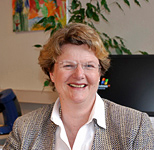
Prof. Petra Rudolf is a Professor of Experimental Solid State Physics and Dean of Graduate Studies at the University of Groningen. She holds a PhD from the University of Namur (Belgium) and a MSc from the University of Rome "La Sapienza". Her research focuses on molecular motors/switches, 2D materials (graphene, transition metal dichalcogenides), organic thin films, and energy-related nanomaterials. She leads the Surfaces and Thin Films group at the Zernike Institute for Advanced Materials. Education: PhD in Physics (1995) from University of Namur MSc in Physics (1987) from University of Rome Research Interests: Design of functional surface architectures using molecular switches and motors Synthesis and characterization of 2D materials (graphene, MXenes) Development of nanomaterials for energy storage (lithium-sulfur batteries) and catalysis Electrochemical processes and surface functionalization techniques Recent Article Trends: Advances in organic solar cell efficiency via interlayer engineering Electrocatalytic strategies for sustainable chemical production Innovative 2D material synthesis methods (vapor phase, solvothermal) Self-healing materials and smart adhesives Awards: EU Descartes Prize (2007) for molecular machine research Member of Academia Europaea (2021) Fellowships: APS (2010), Institute of Physics (2001) Advising & Grants: Guided 35+ PhD students and 10 current advisees Leadership in European research networks and funding initiatives Labs/Teams: Surfaces and Thin Films Group at Zernike Institute Collaborations with Max Planck Institute, SOLARIS Synchrotron, and others

Vittorio Saggiomo is an Associate Professor in BioNanoTechnology at Wageningen University & Research , with significant collaborations at University College Dublin and other institutions. His work bridges material science, microfluidics, and open science hardware development. Research Interests include: 3D Printing Innovations Nanocomposite Material Development Open-Source Scientific Hardware Microplastic Detection Systems Algae-based Biopolymers Peptide Hydrogel Engineering Recent Publications demonstrate expertise in: Low-cost microscopy solutions (EnderScope/ESPressoscope) Algae-derived 3D printing resins Optical waveguide biomaterials Open science frameworks for fluidics Key Projects involve: Modular Microfluidic Catalysis Systems Self-optimizing Fluidic Technologies Microalgal Biorefineries for Food/Nutraceuticals Low-Field NMR/MRI Development Academic Activities feature multiple oral presentations on open microfluidics and hardware at international conferences (2025) and workshop organization like the Wageningen Biodiversity Challenge.

Chase Broedersz is an Associate Professor at Vrije Universiteit Amsterdam, affiliated with the Faculty of Science's Physics of Living Systems department and the LaserLaB - Energy research group. He leads interdisciplinary research on cell migration, chromosome mechanics, and active matter, combining experimental and theoretical approaches. His work contributes to UN Sustainable Development Goals related to health and innovation. Research Interests: Focus on cell migration dynamics , chromosome organization , biopolymer mechanics , and nonlinear elasticity . Recent studies explore bacterial chromosome topology, metastasis prevention mechanisms, and 3D nuclear deformation during cell movement. His methods include Hi-C data analysis, single-molecule tweezers, and computational modeling. Publications Trends: Recent work emphasizes chromosome condensation mechanics , active matter dynamics , and nonlinear elasticity in biopolymers . Key 2024-2025 studies include ion-mediated mitotic chromosome mechanics and metastasis suppression by miR-200c. Awards: None explicitly listed. Grants/Advising: Supervised one PhD thesis and contributes to datasets like biopolymer matrix nonlinear elasticity studies. Labs/Teams: Active in LaserLaB and collaborates internationally on cell migration and chromosome physics.