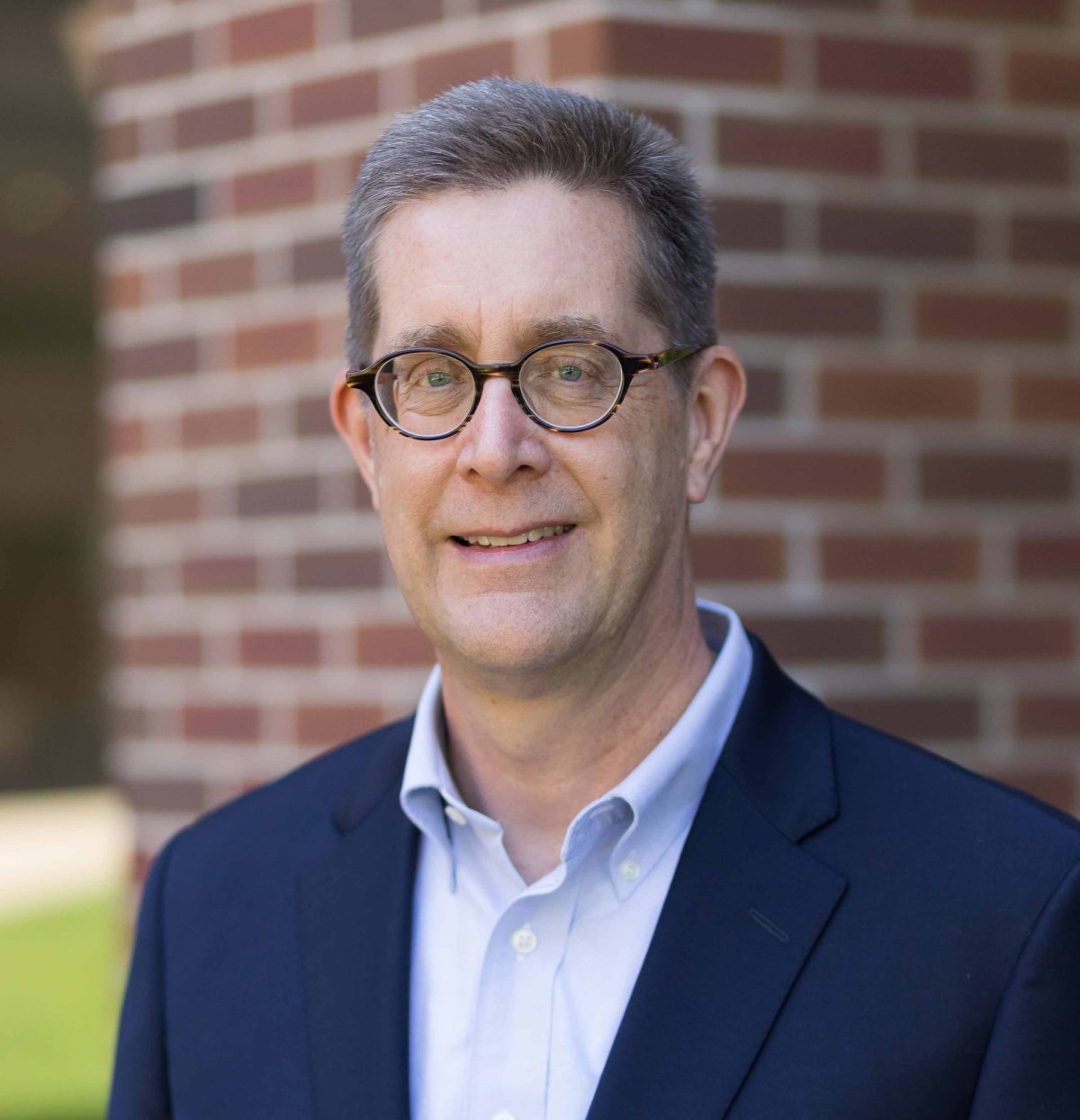
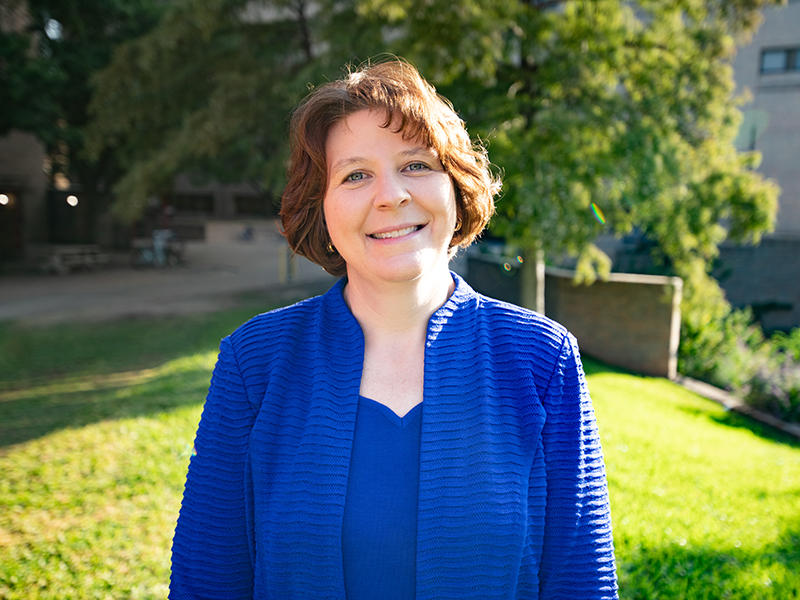
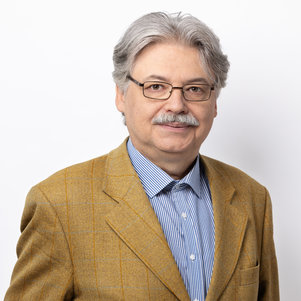
Jens Kattge is an Independent Research Group Leader at the Max Planck Institute for Biogeochemistry in Jena, Germany, specializing in Functional Biogeography. His career spans roles from Research Associate (2002–2005) to Senior Scientist (2010–2012) and current group leadership since 2013. He focuses on plant functional traits, their role in terrestrial ecosystems, and their integration into Earth system models. He coordinates the global TRY Initiative , a plant trait database for biodiversity research, and contributes to the German Centre for Integrative Biodiversity Research (iDiv). His research spans functional biogeography, trait-climate relationships, ecosystem modeling, and biodiversity-ecosystem functioning. Key projects include developing the rtry R package for trait data preprocessing and analyzing global datasets like CoRRE Trait Data and sPlotOpen. Recent publications investigate leaf cuticle thickness, drought responses in tree species, trait controls on biomass, global biodiversity patterns, and the integration of citizen science with Earth observation data. His work emphasizes trait data representativeness and future-proofing ecological science.
Gonzalo Manzano Paule is a Ramón y Cajal tenure-track researcher at IFISC (Instituto de Física Interdisciplinar y Sistemas Complejos), a joint research institute of CSIC (Consejo Superior de Investigaciones Científicas) and UIB (University of the Balearic Islands), where he has been working since January 2023. He previously held a Juan de la Cierva Incorporation fellowship (2021-2023), was an ESQ Postdoc at IQOQI Vienna (2020-2021), and a Postdoc at ICTP Trieste (2018-2020) funded by Scuola Normale Superiore. He obtained his PhD in Physics from Universidad Complutense de Madrid in July 2017, followed by a short Postdoc at IFISC (2017-2018). His research interests focus on quantum and stochastic thermodynamics, open quantum systems, information theory, and the foundations of nonequilibrium statistical physics and quantum mechanics. He is particularly interested in applying concepts from nonequilibrium thermodynamics to understand classical and quantum complex systems. While his work is primarily theoretical, he actively seeks collaborations with experimentalists. His research has been featured in popular science journals including Physics, Quanta Magazine, and Diario de Mallorca. He has also collaborated with artist Evarist Torres to merge art and science and has written a popular science article for Investigación y Ciencia (Scientific American). Manzano Paule's recent publications demonstrate a strong focus on quantum thermodynamics, fluctuation theorems, and quantum information processing. His work spans theoretical foundations of quantum thermodynamics to applications in quantum heat engines and molecular motors. A notable pattern in his research is the exploration of how quantum effects can enhance thermodynamic processes and the relationship between information theory and thermodynamics. His scientific achievements have been recognized through prestigious fellowships including the Ramón y Cajal program, Juan de la Cierva Incorporation fellowship, and ESQ Postdoc fellowship. His work has also garnered attention in popular science media, indicating its broader impact beyond academic circles. As an educator, Manzano Paule supervises Master's students and teaches advanced courses including Open Quantum Systems for the Master's Degree in Advanced Physics and Applied Mathematics and the Master's Degree in Physics of Complex Systems. His teaching portfolio also includes Quantum Collective Phenomena, Quantum and Nonlinear Optics, Thermodynamics, and Atomic and Molecular Physics. He currently leads the research project 'QTD-InFlexity Quantum thermodynamics: information, fluctuations and complexity' and participates in the 'CoQuSy Complex Quantum Systems' project. He is also part of the María de Maeztu Unit of Excellence at IFISC, which has received continuous funding since 2008.
Anubhav Pratap-Singh is an Associate Professor in the Food, Nutrition and Health department within the Faculty of Land and Food Systems at the University of British Columbia, where he holds the Food and Beverage Innovation Professorship. He leads the UBC Food Process Engineering Laboratory and his research spans environmental and natural resources economics, food chemistry (including fermentation), and natural resource management. His primary research interests focus on agri-food transformation, cold plasma food engineering, food processing, functional foods, heat transfer, high pressure mass transfer, novel non-thermal processing, nutraceuticals, pasteurization, and pulsed light sterilization. Dr. Pratap-Singh's work addresses fundamental questions about the impact of food processing on food quality, how technology can maximize desirable effects while minimizing deleterious ones to feed the growing global population, and how to ensure food safety and nutrition for all socioeconomic groups. His research program is organized around three main pillars: developing novel processing technologies for food preservation, developing technologies for food fortification, and modeling the human GI tract to understand the interaction between food processing and human health. He has made significant contributions to sonic mixing technology for thermal processing and pulsed UV light processing for food surface decontamination, with particular expertise in processing of liquid particulate matter. Dr. Pratap-Singh has received numerous prestigious awards throughout his career, including the Banting Fellowship (2016) and Green College Leading Scholar award (2017). His work has been recognized with the Young Entrepreneur Award (2009), IFTPS Graduate Scholar designation (2014), and Gold Medal from the Institute for Thermal Processing Specialists (2014), among other fellowships and honors. He is affiliated with the BioProducts Institute and Materials and Manufacturing Research Institute at UBC, and supervises graduate students in Food Science (MSc and PhD programs). His laboratory focuses on interdisciplinary research that addresses critical challenges in food science, with implications for feeding the projected 10 billion people by 2050 while countering negative public perceptions around processed foods.
Jukka Tuhkuri is a Professor at Aalto University's Department of Energy and Mechanical Engineering, specializing in ice mechanics and arctic marine technology . He serves as Editor-in-Chief of Cold Regions Science and Technology and became an Honorary Professor at University College London (Department of Earth Sciences) in 2023. His work spans numerical simulations using the Discrete Element Method (DEM) and experimental research in the Aalto Ice and Wave Tank, with fieldwork in both Arctic and Antarctic regions. Research Focus : Understanding ice fracture mechanics, sea ice ridge formation, and ice-structure interaction processes. He investigates how global warming alters ice conditions and affects loads on ships/marine structures, addressing risks from increased Arctic shipping activity. Scientific Awards 2023 POAC Founders Lifetime Achievement Award Teacher of the Year 2003 Espoo Ambassador 2012 1996 Best Dissertation Stipend from Helsinki University of Technology Collaborative Impact : His research directly informs offshore wind engineering and Arctic risk management frameworks through publications like Challenges with sea ice action on structures for Offshore wind (2023) and A comprehensive approach to scenario-based risk management for Arctic waters (2022).
Jeff Derby is a Professor at the University of Minnesota within the College of Science and Engineering , affiliated with the Department of Chemical Engineering and Materials Science . He leads the Derby Group , focusing on computational modeling of materials processing. His research integrates transport phenomena , phase change , and reaction dynamics to advance crystalline material growth techniques. Contact: derby@umn.edu | 612/625-8881 | 239 Amundson Hall, 421 Washington Avenue SE, Minneapolis, MN 55455 Research Interests span nonlinear phenomena in crystal growth , microstructure evolution , defect formation , and high-pressure growth processes for semiconductors (e.g., II-VI crystals), silicon, sapphire, and diamond substrates. His group develops open-source computational tools to model incompressible fluid dynamics , heat/mass transfer , and radiation heat transfer . Scientific Awards : Distinguished McKnight University Professor Labs & Collaborations : The Derby Group collaborates with experimental teams to validate simulations and optimize materials processing across applications in semiconductors , photovoltaics , and optical systems .
Prof. Dr. Oliver Hayden holds the Heinz-Nixdorf-Chair for Biomedical Electronics at the TUM School of Computation, Information and Technology, Technical University of Munich. His research develops innovative in-vitro diagnostic techniques using interdisciplinary approaches spanning electronics, optics, microfluidics, and materials science. Current investigations focus on magnetic/optical diagnostics for blood cell analysis. Education includes a biochemistry degree and doctorate (1999) from the University of Vienna, postdoctoral work at Harvard University, and a teaching qualification in Analytical Chemistry. Professional experience encompasses positions at IBM Research Zurich and Siemens Healthcare, where he pioneered organic electronic techniques for medical diagnostics prior to joining TUM in 2017. Research explores biomedical electronics, microfluidic systems, and materials science for diagnostic applications. Recent publications demonstrate strong focus on quantitative imaging and magnetic cytometry for blood analysis, particularly in point-of-care diagnostics, COVID-19 severity assessment, and leukemia detection. Scientific Awards: European Inventor Award (2017) AMA Innovation Award (2016) Siemens NTF Award for Medical Imaging Patents (2013) Young Investigator Award, Society of Austrian Chemists (2002)
Pleros Nikos is a Professor in the Department of Informatics at Aristotle University of Thessaloniki (AUTH), leading the Photonics Systems and Networks (Phos-Net) research group and co-founding the interdisciplinary Wireless and Photonic Systems and Networks (WinPhoS) research group in 2016 at AUTH’s Center for Interdisciplinary Research and Innovation (C.I.R.I.). His office is located in Kalamaria, Office 15, with office hours Tuesday/Wednesday 10:00-12:00 and Thursday 16:00-17:00. His research spans optical and photonic systems, specializing in Optical Packet/Burst Switching, High-Speed Optical Signal Processing, Wireless Optical Networks (including Radio-over-fiber access networks), and High-Speed WDM/OTDM Optical Transmitters. The WinPhoS group, which integrates departments of Physics, Informatics, and Electrical Engineering, advances applications in integrated photonics, plasmonics, optical interconnects for DataCenters, neuromorphic photonics, and 5G mmWave fiber-wireless systems, supported by state-of-the-art laboratories for optical interconnects and mmWave testing. WinPhoS has participated in over 30 FP7 and Horizon EU research projects during the last 15 years, frequently serving as project coordinators, and maintains global collaborations with institutions and industry across Greece, Europe, the USA, and Japan. Professor Nikos actively mentors PhD students, with current openings in “Photonic Neural Networks and Photonic AI processors”, and oversees research grants focused on next-generation optical networking technologies.
Lu Wei is an Assistant Professor of Chemistry at the California Institute of Technology and an Investigator at the Heritage Medical Research Institute. She holds a B.S. from Nanjing University (2010) and a Ph.D. from Columbia University (2015), joining Caltech in 2018. Research Areas: Optical spectroscopy, Biophysics, Bio-imaging, Chemical probe development Education: B.S. Nanjing University (2010), Ph.D. Columbia (2015) Research Interests include next-generation optical imaging techniques based on nonlinear vibrational spectroscopy for live-cell dynamics. Her work spans super-resolution label-free imaging , quantitative polyQ aggregate analysis in Huntington’s disease, Raman-guided pharmacometabolomics for melanoma, and environmental sensing in subcellular systems. Recent Publications highlight trends in vibrational thermometry (2025), high-speed bond-selective imaging (2025), and photochromic Raman microscopy (2023), with applications from single-molecule to cellular biology . 2024 Margaret Oakley Dayhoff Award 2023 NSF CAREER Award 2022 Sloan Research Fellowship 2021 Scialog Fellow Students : 5 Ph.D. graduates (Dr. Jiajun Du, Dr. Kun Miao, Dr. Xiaotian Bi, Dr. Li-En Lin, Dr. Dongkwan Lee) and current advisees including Adrian, RJ, Phil, Yulu, Berea, and Kwan. The lab has received grants from the Chan Zuckerberg Initiative, NSF, Curci Foundation, and Eli Lilly. Labs & Collaborations : The Wei Lab at Caltech collaborates with Karthikeyan (metabolic imaging) and Mazmanian Labs (microbiome studies). They host interdisciplinary teams in physical chemistry and chemical biology.
Carolyn Conner Seepersad serves as the J. Mike Walker Professor of Mechanical Engineering at the University of Texas at Austin and directs the Center for Additive Manufacturing and Design Innovation. She holds membership in the U.T. System Academy of Distinguished Teachers and maintains active leadership in the additive manufacturing community through roles such as co-organizer of the Solid Freeform Fabrication Symposium and ASME Design Engineering Division Executive Committee membership. Her academic credentials include: PhD in Mechanical Engineering from Georgia Tech (2004) MA/BA in Philosophy, Politics and Economics from Oxford University (1998, Rhodes Scholar) BS in Mechanical Engineering from West Virginia University (1996) Dr. Seepersad's research centers on computational design methodologies and additive manufacturing innovation , with particular expertise in simulation-based design of complex systems, environmentally conscious product development, and materials engineering. Her work bridges theoretical design frameworks with practical manufacturing applications, emphasizing sustainability and performance optimization across aerospace, automotive, and energy systems. Current projects explore reactive extrusion additive manufacturing, negative stiffness materials, and machine learning integration for process-aware design. Analysis of her 15 most recent publications reveals a dominant focus on process innovation in additive manufacturing (70%), particularly stereolithography and selective laser sintering, with growing emphasis on data-driven design approaches (20%) and sustainable engineering applications (10%). Her work demonstrates consistent progression from fundamental material design toward integrated system optimization and industrial scalability. Her scientific recognition includes: International Outstanding Young Researcher Award in Freeform and Additive Manufacturing (2009) UT System Regents’ Teaching Award (2010) ASME Design Automation Committee Outstanding Young Investigator Award (2010) ASEE Outstanding New Mechanical Engineering Educator Award (2013) Multiple ASME and ASEE best paper awards U.T. System Academy of Distinguished Teachers membership Dr. Seepersad maintains an extensive advising portfolio with 48 graduate students (16 PhD, 24 MS, and 8 current) plus 2 postdoctoral researchers, reflecting sustained research productivity and educational impact. Her Product, Process, and Materials Design Lab fosters interdisciplinary collaboration between mechanical engineering, materials science, and computational design teams.
Georges FOKOUA is a Lecturer-Researcher at ESTACA (École Supérieure des Techniques Aéronautiques et de Construction Automobile), Paris-Saclay Campus, Saint-Quentin-en-Yvelines, France. He serves as the Training Manager for the 5A Specialty in New Energies and Environment. His academic career spans multiple institutions, including IRSTEA Rennes as a Research Engineer (2014-2016) and the Naval School in Brest as a Teaching and Research Assistant (2009-2014). Dr. FOKOUA's research focuses on experimental and numerical fluid mechanics with particular interest in multiphase flows, turbulence, wake flows, and the characterization of spatio-temporal dynamics of particulate and gaseous pollutants. His work bridges fundamental fluid mechanics with practical applications in transportation systems, naval propulsion, and environmental engineering. He has developed expertise in advanced measurement techniques including PIV, LDV, Ombroscopy, hot wire, optical probes, PTV, and both mono- and biphasic CFD using Ansys-Fluent, Comsol Multiphysics, and Matlab. His publication record demonstrates strong expertise in particle dispersion in transportation systems, with recent work focusing on brake particle dispersion in underground train stations, vehicle wake flows, and ultrafine particle dispersion. His earlier work investigated bubble effects in Taylor-Couette flow for naval propulsion applications. His research consistently combines experimental work with numerical modeling to address complex fluid dynamics problems. Dr. FOKOUA actively supervises doctoral and master's students, with current PhD candidates working on topics related to air quality in vehicle cabins, particulate pollutant dispersion in vehicle wakes, and navigation emissions. He has also contributed significantly to major research projects including CEPARER (2022-2025), AmCoAir (2020-2023), and CAPNAV (2019-2022), all funded by ADEME with various industrial partners. As an educator, he teaches Fluid Mechanics, Thermodynamics, Thermal Engineering, and Energy Conversion and Transfer courses across all undergraduate and graduate levels at ESTACA. He has also led the Euroglider project (2016-2019), developing a two-seat electric propulsion glider for pilot training.
Florian Bociort is an Assistant Professor at the Optics Research Group , Delft University of Technology (Faculty of Applied Sciences). He holds a PhD in Physics from TU Berlin (1994) and has dedicated his career to optical system design, gradient-index optics, and computational methods in lens design. Research Interests Bociort’s research focuses on design landscapes of optical systems , where he pioneered the use of saddle points to escape local minima in optimization. His work spans Gradient-index optics (conversion of homogeneous lenses to GRIN media) Artificial intelligence in lens design Optics education (simulation-driven learning) Academic Contributions He has supervised multiple PhD theses on topics like: A. M. Boyd (2025): Generalized gradient-index lens optimization Z. Hou (2023): Systematic lens design searches Y. Shao (2021): Imaging coherence and optimization M. Strauch (2020): Tunable optics M. Mout (2019): Ray-based diffraction simulation Recent Publications His 2025-2018 publications show a trajectory from classical optical design to modern computational approaches, including simulation-driven education, gradient-index conversions, and high-NA diffraction modeling. The 2024 paraxial reconstruction and 2025 simulation-education articles exemplify this evolution. Patents & Expertise He co-invented two ASML-related patents in lithographic design and served as expert witness in the 2018 ASML-Nikon patent lawsuit. His personal webpage details his networks of local minima and fractal basins in optimization.
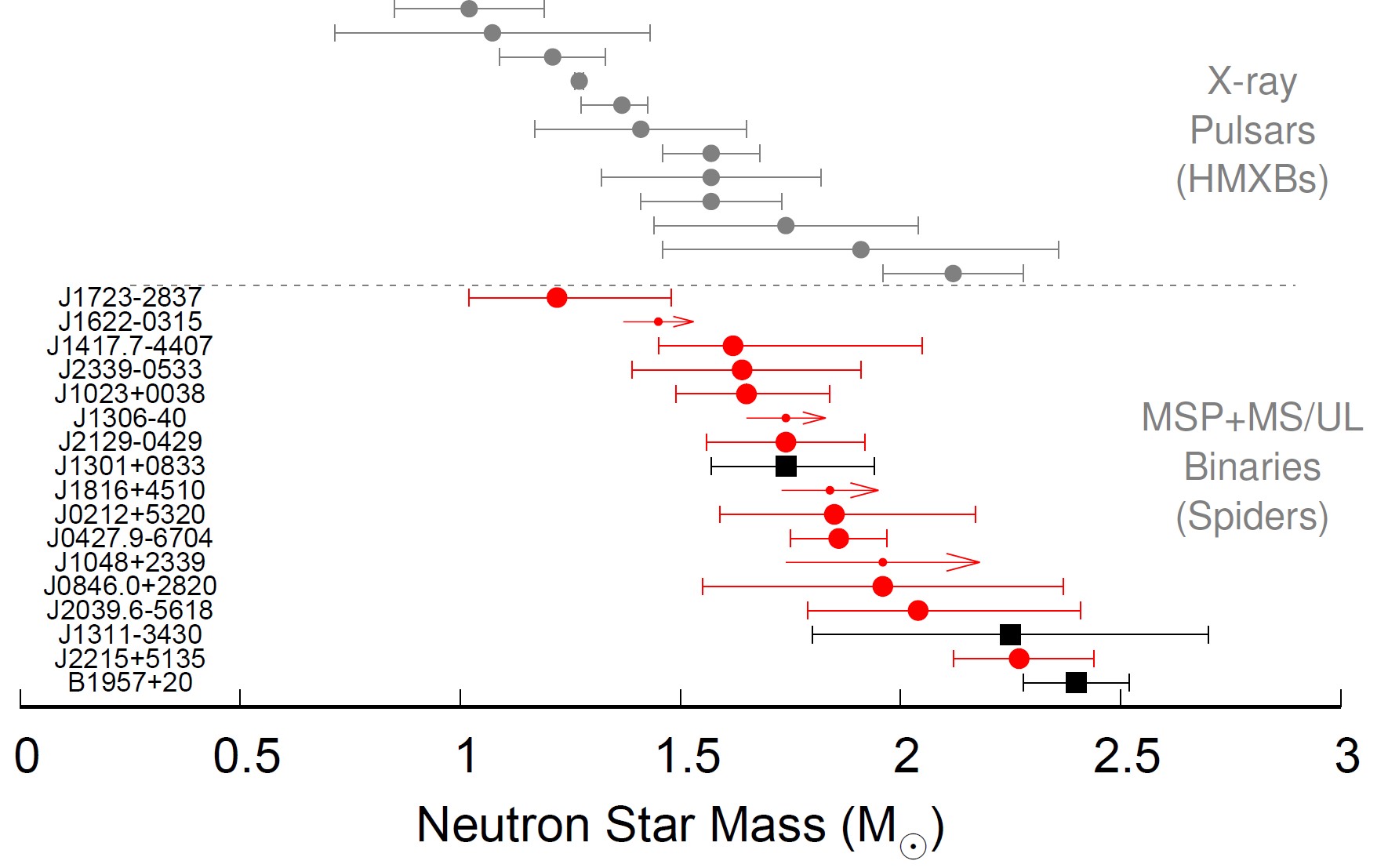
Manuel Linares Alegret is a Professor in the Department of Physics at the Norwegian University of Science and Technology (NTNU) in Trondheim, Norway, where he has been employed since September 2021. He also holds an Associate Professor position at the Polytechnic University of Catalonia (UPC) in Barcelona, Spain, since 2018. His research focuses on high-energy astrophysics with particular emphasis on neutron stars, black holes, white dwarfs, and compact objects in binary systems. Dr. Linares earned his Physics Degree from Universitat de Barcelona (1998-2004) followed by a PhD in Astronomy from Universiteit van Amsterdam (2004-2009). His subsequent career includes prestigious fellowships including Rubicon Fellow at MIT (2009-2012), IAC Fellow (2012-2017), and Marie Curie Fellow at UPC (2017-2018). His research interests primarily center on compact binary systems, particularly millisecond pulsars known as 'spiders' (including black widows and redbacks), neutron star physics, accretion flows, thermonuclear bursts, and the search for super-massive neutron stars. His work combines observational astronomy with theoretical modeling to understand extreme physics in these systems. He leads the LOVE-NEST project, which investigates compact binary millisecond pulsars to find the most massive neutron stars and understand the interaction between accretion flows, pulsar winds, and neutron star magnetospheres. An analysis of his recent publications reveals a strong focus on spider pulsar systems, with particular attention to mass measurements, orbital dynamics, irradiation effects, and the relationship between accretion and rotation-powered states. His work spans multiple observational wavelengths including optical, X-ray, and radio, often utilizing data from major telescopes and space observatories. ERC Consolidator Grant for LOVE-NEST project Marie Curie Fellow IAC Fellow Rubicon Fellow Dr. Linares has supervised numerous students at various levels, including PhD candidates, Master's students, and undergraduate research projects. He currently leads a substantial research team under the LOVE-NEST project, which has received 2M EUR in funding. His group includes multiple postdoctoral fellows and PhD candidates working on various aspects of compact object astrophysics. He teaches Observational Astrophysics (FY3215) at NTNU and has previously taught Quantum Physics and Physics I at UPC. He is the principal investigator of the LOVE-NEST (Looking for Super-Massive Neutron Stars) research group at NTNU, which focuses on compact binary millisecond pulsars. This team conducts research using multiple observational facilities worldwide and collaborates with international groups including those at the Instituto de Astrofísica de Canarias and the University of Manchester.
Dr. Freija De Vleeschouwer is a postdoctoral researcher and teaching faculty member in the Department of Chemistry at Vrije Universiteit Brussel (VUB) in Brussels, Belgium. With an ORCID identifier 0000-0003-0563-1509, she has established herself as a prominent researcher in computational chemistry with 927 citations and a 15 h-index. Her academic journey includes multiple FWO postdoctoral fellowships and a Research Professor appointment in Basic, Nature & Applied Sciences (2020). Dr. De Vleeschouwer's research focuses on the application of computational quantum chemical methods to solve complex problems in molecular design and materials science. Her work spans several key areas including density functional theory, molecular reactivity, self-healing polymers, and nonlinear optical materials. She employs a multidisciplinary approach combining computational predictions, molecular dynamics simulations, and experimental validation to advance understanding in these fields. Her recent research output demonstrates a strong trend toward computational-experimental integration, particularly in the development of self-healing polymer networks through Diels-Alder chemistry. She has also made significant contributions to understanding hexaphyrin compounds and their optical properties using explainable machine learning approaches. This work bridges traditional computational chemistry with modern data science techniques. Scientific Awards: FWO postdoctoral fellowship (2010) for molecular design using conceptual DFT FWO postdoctoral fellowship (2013) for inverse molecular design in radical chemistry Poster prize at the 15th International Congress of Quantum Chemistry (2015) Research Professor in Basic, Nature & Applied Sciences (0.1 ZAP) (2020) Dr. De Vleeschouwer actively supervises graduate students and has served on PhD committees. Her research is supported by multiple competitive grants including FWOTM and SRP projects. She organizes international conferences, including the 19th International Conference on Density Functional Theory and its Applications (2022), and participates in international collaborations such as research stays at Palacky University Olomouc. She leads several active research projects through 2026-2027, including FWOTM1148 on accelerating Diels-Alder kinetics in self-healing polymers and SRP73 on molecular and material property prediction using combined quantum chemical approaches.
Professor Jana Zaumseil is a distinguished academic at Heidelberg University, holding the position of Professor for Applied Physical Chemistry at the Faculty of Chemistry and Earth Sciences since 2014. She also maintains a co-opted position with the Faculty of Physics and Astronomy since 2016. Currently serving as Executive Director of the Institute for Physical Chemistry and Spokesperson for the DFG Research Training Group GRK 2948, she leads the Zaumseil research group (also known as the Nanomaterials for Optoelectronics group) at Heidelberg University's Institute for Physical Chemistry. Her educational background includes a PhD in Physics from the University of Cambridge (2003-2007) with a Gates Cambridge Trust Scholarship, and a Diplom (equivalent to M.Sc.) in Chemistry from the University of Leipzig (1997-2022). Prior to her position at Heidelberg, she served as Professor for Nanoelectronics at Friedrich-Alexander-Universität Erlangen-Nürnberg (2009-2014), and completed postdoctoral work at Argonne National Laboratory (2007-2009) following an internship at Bell Laboratories (2002-2003). Zaumseil's research program focuses on the optical and electronic properties of carbon-based nanomaterials, particularly single-walled carbon nanotubes (SWCNTs) and organic semiconductors. Her group specializes in processing, functionalization, characterization and application of these unconventional semiconductors for optoelectronic devices and sensors. They investigate charge transport and light-matter interaction using a wide range of experimental techniques including synthesis, optical spectroscopy, atomic force microscopy, device fabrication, and electrical/optical device characterization. Their work bridges fundamental understanding with potential applications in sensing, imaging, circuits, and energy conversion. Analysis of her recent publications reveals a strong trend toward defect engineering in carbon nanotubes, particularly creating and optimizing luminescent sp 3 defects for near-infrared applications. Her research increasingly integrates fundamental studies of charge transport with practical device applications, especially in neuromorphic computing, biosensors, and thermoelectrics. The interdisciplinary nature of her work is evident in the combination of chemistry, physics, and materials science approaches across her publication record. Dan Maydan Prize for Nanoscience and Nanotechnology (2024) Jahrespreis der Universität Heidelberg (2023) ERC Consolidator Grant (2019) ERC Starting Grant (2012) Alfried-Krupp-Award for Young University Professors (2010) Professor Zaumseil has secured substantial research funding including multiple ERC grants and leads several major collaborative projects such as the ERC Advanced Grant SCALE-NT, Collaborative Research Center SFB 1249, Cluster of Excellence 3D Matter Made to Order, and Research Training Group GRK 2948. She has mentored numerous doctoral and master's students, with her group recently receiving recognition including a Student Poster Presentation Award for Niklas Herrmann. As Dean of the Faculty of Chemistry and Earth Science (2019-2021) and current Vice Dean (2021-), she has played significant leadership roles within the university structure. The Zaumseil research group operates within Heidelberg University's Institute for Physical Chemistry, utilizing advanced facilities for nanomaterial synthesis, optical spectroscopy, and device characterization. The group participates in several major collaborative initiatives including the Cluster of Excellence 3D Matter Made to Order and the Collaborative Research Center SFB 1249, reflecting its integration within Heidelberg's broader research ecosystem focused on molecular systems and materials science.
Pearl Sandick is a Professor in the Department of Physics and Astronomy and Interim Dean in the College of Science at the University of Utah. She has previously served as Associate Chair of the Department of Physics and Astronomy and Associate Dean for Faculty and Research in the College of Science. Her academic journey at the University of Utah began in 2011 as an Assistant Professor, progressing to Associate Professor in 2017, and achieving the rank of Professor in 2022. Her educational background includes: BA in Mathematics from New York University (2003) PhD in Physics from the University of Minnesota (2008) Sandick is a theoretical particle physicist whose research focuses on physics beyond the Standard Model, with particular emphasis on dark matter. Her work spans theoretical modeling, connections to astrophysical observations, and implications for experimental detection. She investigates various dark matter candidates and their potential signatures in current and future experiments, including collider searches, direct detection experiments, and indirect detection through astrophysical observations. Her research also extends to connections between particle physics and cosmology, including early universe phenomena and implications for cosmic structure formation. She has developed computational tools like MADHAT for dark matter analysis and has made significant contributions to understanding how stellar evolution can constrain axion physics. Her scholarly contributions have been recognized with several prestigious awards: University of Utah Early Career Teaching Award (2016) University of Utah Distinguished Mentor Award Linda K. Amos Award for Distinguished Service to Women University of Utah Presidential Scholar Sandick has been actively involved in mentoring graduate students, as evidenced by her teaching of PhD thesis research and Master's research courses. She has secured significant research funding from the National Science Foundation and other agencies to support her work on dark matter, dark energy, and new physics. Her grant portfolio includes projects on theoretical particle physics, connections to astrophysical observations, and studies on graduate education reform following a departmental tragedy. She is an active member of the American Physical Society, having served as Chair of the regional Four Corners Section in 2021-2022, demonstrating her commitment to the broader physics community and leadership in her field.