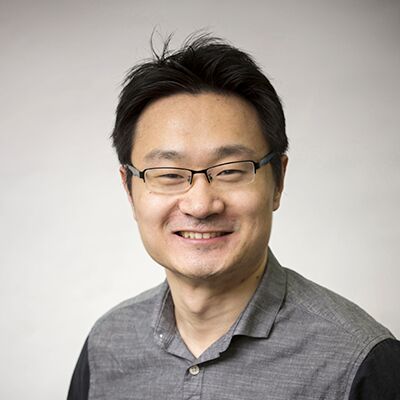
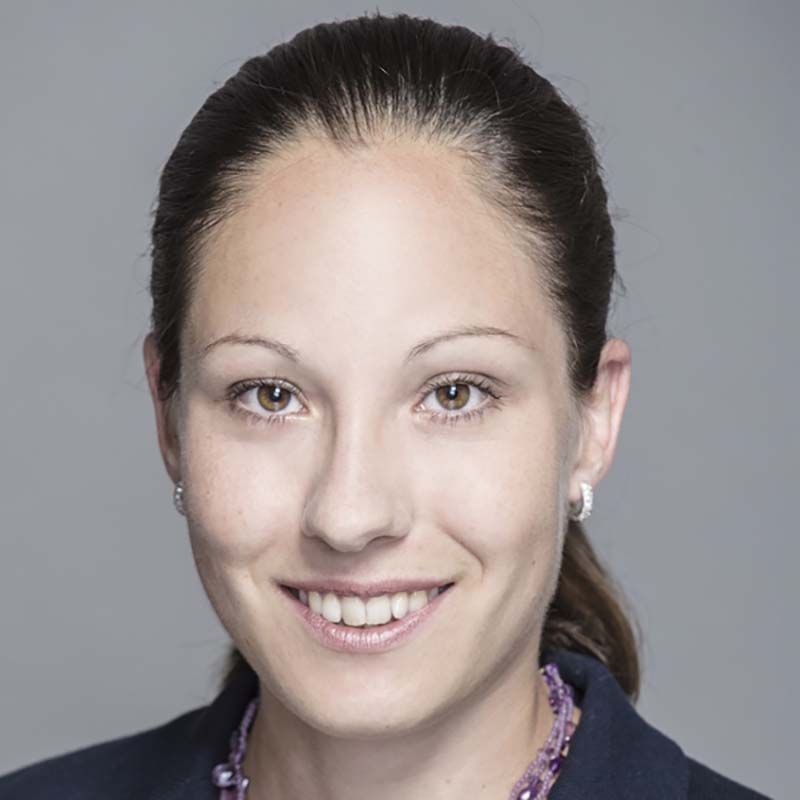
Dr. He Wang is an Associate Professor in the Department of Computer Science at University College London (UCL), affiliated with the Virtual Environment and Computer Graphics (VECG) group and the UCL Centre for Artificial Intelligence. He holds a Visiting Professorship at the University of Leeds and previously served as an Associate Professor and Lecturer there, as well as a Senior Research Associate at Disney Research Los Angeles. His research focuses on computer graphics, vision, and machine learning, with notable contributions to crowd simulation, generative models, and physics-informed neural networks. Dr. Wang earned his BEng from Zhejiang University and his PhD from the University of Edinburgh, followed by postdoctoral work at the University of Edinburgh's School of Informatics. He has been recognized as a Turing Fellow and serves as an Academic Advisor to the Commonwealth Scholarship Council and an Associate Editor of Computer Graphics Forum . His research spans cutting-edge topics including 3D reconstruction, adversarial attacks on motion recognition, and AI-driven groundwater modeling. He has supervised six PhD students to completion and actively engages in collaborative projects, consultancy, and grant evaluations. His lab welcomes students through dedicated recruitment channels.
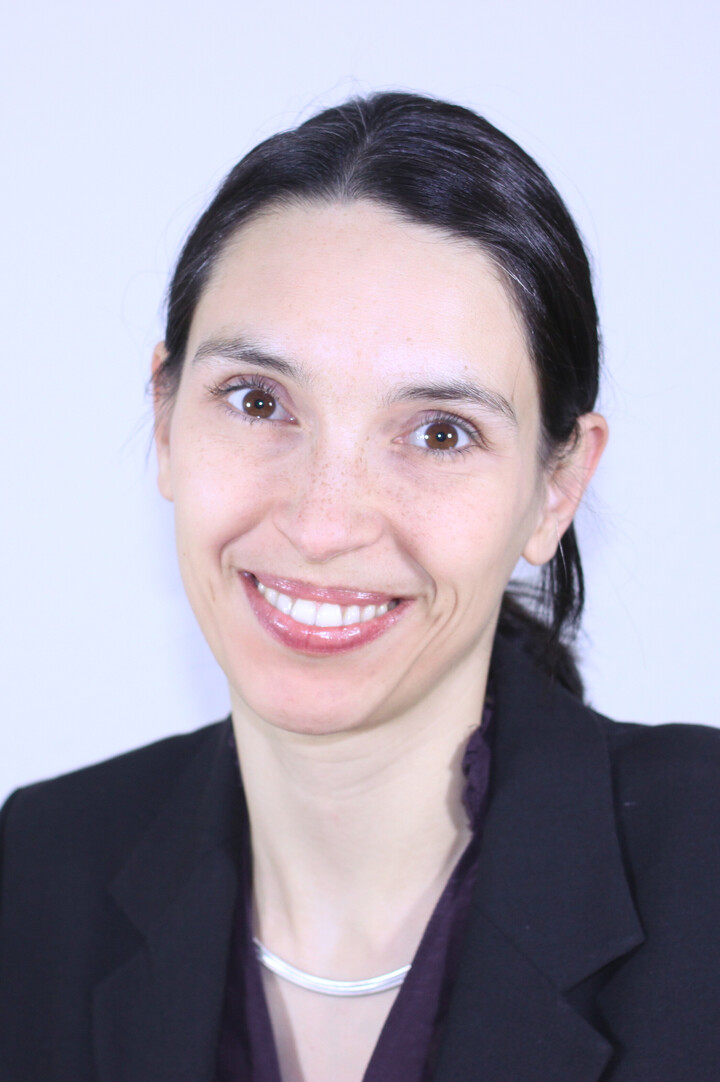
Prof. Margret Keuper is a Professor of Machine Learning at the University of Mannheim's School of Business Informatics and Mathematics, leading the Data and Web Science Group. She is also affiliated with the Max-Planck-Institute for Informatics and ELLIS (fellow since 2024). Her research focuses on robust deep learning, neural architecture search, and computer vision tasks like motion segmentation and adversarial defense. She holds a PhD from the University of Freiburg and previously held positions at the University of Siegen and the University of Mannheim. Her work spans projects funded by DFG and BMBF, including Climate Visions for social media analysis and TrackOpt for motion tracking. She teaches courses on computer vision, generative models, and reinforcement learning. She actively serves on program committees for top conferences like CVPR, ECCV, and NeurIPS, and is an associate editor for IEEE TPAMI and JAIR. Education: PhD in Computer Science from University of Freiburg (advisor: Thomas Brox) Research Projects: Learning to Sense (DFG), Climate Visions (BMBF), TrackOpt (BMBF) Key Roles: Head of Mannheim Master in Data Science Examination Board, Member of MSc Business Informatics Board Her research emphasizes robustness in AI systems, with contributions to adversarial attacks, domain generalization, and efficient solvers for large-scale problems. She advises over 15 PhD students across academic and industry partnerships.
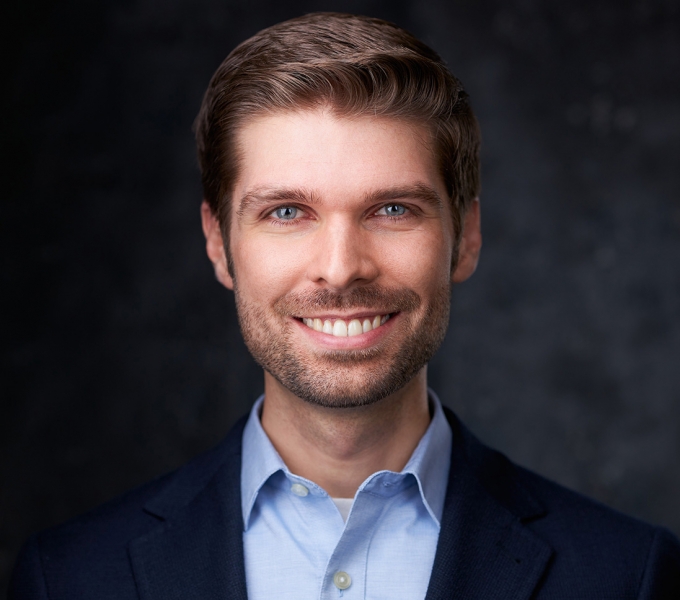
Nathan Youngblood is an Assistant Professor in the Department of Electrical and Computer Engineering at the University of Pittsburgh , with a secondary appointment in the Department of Physics and Astronomy . His research focuses on reconfigurable photonic materials and devices for energy-efficient artificial intelligence applications. Educational Background: PhD in Electrical Engineering from the University of Minnesota Postdoctoral research at the University of Oxford (2017–2019) His work explores photonic in-memory computing, neuromorphic systems, and phase-change materials to minimize computing latency and energy consumption. Recent publications highlight advancements in magneto-optical non-reciprocity, coherent crossbar arrays, and plasmonic-enhanced phase-change devices. Scientific Awards: NSF CAREER Award (2024) AFOSR Young Investigator Award (2024) William Kepler Whiteford Faculty Fellowship (2024) Dr. Youngblood's lab develops photonic accelerators like LightML and LightBulb for machine learning, emphasizing scalable integration and novel material applications in silicon photonics.
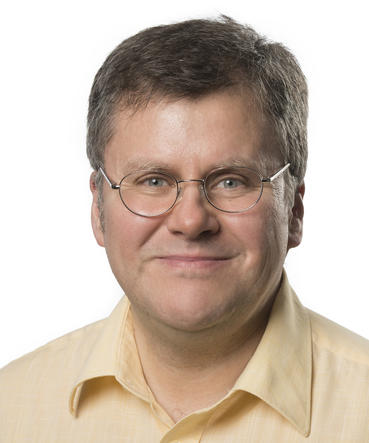
Joachim Weickert is a Professor of Mathematics and Computer Science at Saarland University where he heads the Mathematical Image Analysis Group since 2001. He received his diploma and Ph.D. in mathematics from the University of Kaiserslautern (1991, 1996), and a habilitation degree in computer science from the University of Mannheim (2001). Prior to his current position, he worked as a research assistant at the University of Kaiserslautern, as a post-doctoral researcher at the universities of Utrecht and Copenhagen, and as an assistant professor at the University of Mannheim. His research focuses on image processing, computer vision, and scientific computing, with special emphasis on techniques based on partial differential equations, variational principles, wavelets, morphological and nonlocal methods, as well as neuroexplicit approaches. He has developed mathematical models and efficient numerical algorithms for image restoration, enhancement, segmentation, compression, optic flow computation, stereo reconstruction, shape from shading, and signal processing methods for tensor fields. These ideas have been successfully applied in industry, biomedical image analysis, and other fields. Analysis of his recent publications reveals a strong trend toward combining traditional PDE-based methods with modern deep learning approaches, particularly in the areas of image inpainting and compression. His work increasingly explores the connections between numerical algorithms for partial differential equations and neural network architectures, demonstrating how mathematical foundations can inform cutting-edge AI techniques while maintaining strong theoretical guarantees. Gottfried Wilhelm Leibniz Prize (2010), considered the most important research award in Germany ERC Advanced Grant (2017) for "Inpainting-based Compression of Visual Data" Elected member of Academia Europaea - The Academy of Europe Jan Koenderink Prize for Fundamental Contributions in Computer Vision (2014) Multiple DAGM Prizes and Best Paper Awards throughout his career AAIA Fellow (2021) and Highly Ranked Scholar (2024) distinctions Professor Weickert has supervised over 250 bachelor's and master's theses and initiated the Master Programme in Visual Computing at Saarland University, the first of its kind in Germany taught in English. He has established numerous interdisciplinary collaborations with colleagues from medicine, bioinformatics, pharmacy, physics, mechatronics, and mechanical engineering. As Principal Investigator for Visual Computing within the Multimodal Computing and Interaction Cluster of Excellence, and former dean of the Faculty of Mathematics and Computer Science (2008-2010), he has played a significant leadership role in advancing visual computing research and education. He heads the Mathematical Image Analysis Group, which has been at the forefront of developing mathematical methods for image analysis. The group maintains strong connections with both theoretical mathematics and practical applications, bridging the gap between fundamental research and real-world implementation across various domains including medical imaging, industrial inspection, and multimedia processing.
Gabriele Facciolo is a Professor at the Centre Borelli, ENS Paris-Saclay, France. He is a Senior Member of the Institut Universitaire de France (IUF) and holds an Innovation Chair (2025). His research focuses on image and video processing, remote sensing, and super-resolution techniques. Current affiliations: Centre Borelli (ENS Paris-Saclay), Institut Universitaire de France His research explores advanced algorithms for satellite stereo pipelines, real-time deblurring, denoising, and explainable AI systems for legal evidence enhancement. He coordinates projects like ANR SURECAVI (Super-resolution for visible camera systems) and ANR IMPROVED (video enhancement for judicial use), with recent work on Gaussian Splatting for Earth Observation and multi-date satellite super-resolution. Notable scientific achievements include the IGARSS 2025 Top 10 Student Paper Award and leadership in projects funded by ANR (€890k) and Prime Minister's entities (SGDSN/ANSSI). His work bridges computational imaging, defense applications, and digital forensics. Project leadership: SURECAVI, IMPROVED, BOFOR Key technologies: GPU acceleration, real-time processing, optical flow estimation, RPC refinement Gabriele actively contributes to open-source tools like S2P (Satellite Stereo Pipeline), MGM (MultiGlobal Matching), and OMNIflip. He teaches in the Master MVA program and collaborates across institutions (ENPC, UPF).
Dr. Janis Nötzel is a senior researcher at the Chair of Theoretical Information Technology (Technische Universität München) and leads his independent Emmy Noether research group. Previously, he held a postdoctoral position at Universitat Autónoma de Barcelona and contributed to 5G practical implementations at TU Dresden's 5G Lab. His research spans quantum information theory, physical layer security, and machine learning applications. Key focuses include Quantum channel capacities under adversarial conditions Entanglement-assisted communication Quantum software frameworks (QuNetSim, QuReed) Interplay between classical and quantum communication Security analysis for 6G networks Resource optimization in quantum systems Recent publications (2023-2025) showcase innovations in Quantum satellite communication architectures Hybrid quantum-classical clustering algorithms Photonic processor instability modeling Covert capacity of compound channels Quantum key distribution resilience Free-space Bessel beam communication He actively collaborates with 6G-life research hub and contributes to quantum network simulation tools. Grants include funding from DFG (Leibniz Program), BMBF (6G-life, Q.Link.X), and StMWi (6G Zukunftslabor Bayern).
Lande Liu is a Senior Lecturer in Chemical Engineering at the University of Huddersfield's School of Applied Sciences. Previously, he held a Lectureship at the University of Manchester (2010-2014), and earlier worked as an industrial consultant and research fellow at Leeds and Sheffield Universities. His academic journey began with a MEng in Chemical Engineering and a PhD in kinetic theory of aggregation from Sheffield (2004), preceded by a visiting PhD at Twente University (2002). Education: PhD in Chemical Engineering (University of Sheffield, 2004) Visiting PhD (Twente University, 2002) MEng in Chemical Engineering (Tsinghua University, 1999) BSc in Applied Mathematics (Tsinghua University, 1996) Liu's research focuses on multi-scale particle interactions (molecular to granular) using kinetic theory of aggregation, with applications spanning nanotechnology, pharmaceutical engineering, and sustainable chemical processes. His work aligns with UN Sustainable Development Goals for environmental protection and industrial innovation. Recent publications examine particle deposition in turbulent flows, enhanced heat exchanger designs, and nanofluid stabilization techniques. He teaches core chemical engineering topics including transport phenomena, unit operations, and process design. Active in collaborative research, Liu has partnered with institutions across Europe on projects involving spectroscopy, ultrasonics, and dynamic modeling. His technical expertise includes particle size analysis, tomography, and computational simulation of complex systems.
Chris B. Schaffer is a Professor in the Meinig School of Biomedical Engineering at Cornell University, specializing in developing advanced optical techniques to study neurovascular dynamics in neurological diseases. His lab focuses on Alzheimer’s disease mechanisms, leveraging multiphoton microscopy and in vivo imaging to explore capillary stalling, cerebral blood flow deficits, and their cognitive impacts. He holds a Ph.D. in Physics from Harvard University and postdoctoral training in neuroscience at UC San Diego. Research interests include biomedical imaging instrumentation, neurodegenerative disease modeling, and science education innovation. Awards include AAAS Fellowship (2021), AIMBE Fellowship (2019), and multiple teaching accolades. His work bridges engineering and medicine, with contributions to spinal cord injury studies, epilepsy, and vascular contributions to dementia (VCID). Notable discoveries include identifying neutrophil-induced capillary stalls as a key Alzheimer’s disease mechanism and demonstrating cerebral blood flow improvements can restore memory in mouse models. His lab also develops educational tools emphasizing science as a discovery process, used in K-12 and university settings.
Dimitrios Tsaoulidis is a Senior Lecturer in Chemical Engineering at the University of Surrey and an Honorary Lecturer at University College London . He holds a PhD in Chemical/Nuclear Engineering and a Diploma in Chemical Engineering. University roles: Academic Integrity Officer, Senior Personal Tutor, Disability & Neurodiversity Representative Research spans clean energy (nuclear, bio, solar), healthcare (bioprocess scalability), and manufacturing using process intensification and microfluidics . His work combines experimental investigation , CFD simulations , and scale-up optimization for multiphase reactors . Notable research trends include: 15+ publications (2012–2023) on uranium extraction , biodiesel production , and pharmaceutical microfluidics , with grants from UKRI and Innovate UK . Scientific Awards : David Newton’s Award for Sustainability (UCL) Springer Thesis Award Fellow of the Higher Education Academy (FHEA) Associate Member of the Institution of Chemical Engineers (AMIChemE) Research Collaborations : Academic : Prof Panagiota Angeli (UCL), Prof Eric Fraga (UCL), Dr Maryam Parhizkar (UCL) Industrial : UK Atomic Energy Authority, National Nuclear Laboratory, GSK, Greenergy Ltd, Armfield Dr Tsaoulidis supervises PhD students (e.g., Mustapha Hamdan, Anna Tsitouridou) and PDRA staff (e.g., Dr Jamshid Zarkesh) in projects related to solar energy systems , nuclear fuel cycles , and pharmaceutical automation .
Terese Løvås serves as Vice Dean of Research and Innovation at the Faculty of Engineering, Norwegian University of Science and Technology (NTNU), where she leads strategic development of research and innovation activities. She concurrently holds the position of Professor of Combustion and Thermodynamics within the Department of Energy and Process Engineering. Her leadership responsibilities include oversight of Centers of Excellence, Horizon Europe projects, and PhD researcher training. Her research focuses on combustion engineering and alternative fuel technologies , particularly investigating ammonia and hydrogen combustion for zero-emission engines, biomass gasification processes, and reactive multiphase flow modeling. She heads the Engine Lab at NTNU and teaches Thermodynamics, Heat, and Combustion courses. Her work bridges theoretical modeling with experimental validation in sustainable energy systems. Løvås actively contributes to major research initiatives including LowEmission (SFI center), ACTIVATE (ammonia-powered agricultural vehicles), AMAZE (ammonia zero-emission), and CAHEMA (marine ammonia/hydrogen engines). Her publications reveal strong trends in ammonia combustion chemistry , emissions reduction , and advanced computational modeling for sustainable fuel systems, with increasing focus on nitrogen oxide formation mechanisms and dual-fuel strategies. Member of the Board of Directors, Combustion Institute (2022–present) Joint Editor, Proceedings of the Combustion Institute (2019–present) Alumni Fellow in Engineering, Churchill College, Cambridge University As Vice Dean, she manages NTNU's Research and Innovation Committee and represents the faculty in NTNU's Research and Innovation Committee. She supervises multiple PhD candidates and leads international collaborations through projects funded by the Norwegian Research Council, Nordic Energy Research, and EU programs. Her laboratory work focuses on optical engine diagnostics and advanced combustion testing. Løvås maintains active industry engagement through her leadership in the ComKin Research Group and membership in the Institute of Physics and Scandinavian-Nordic Section of the Combustion Institute. Her current work emphasizes practical implementation of ammonia-fueled engine technologies for marine and agricultural applications.
Adam de la Zerda is an Associate Professor at Stanford University's Department of Structural Biology (School of Medicine) and Electrical Engineering (by courtesy). He develops advanced optical molecular imaging technologies combining nanoparticle contrast agents and adaptive OCT systems for cancer and ophthalmic disease research. Technion-Israel Institute of Technology (BSc, 2005) Stanford University (PhD, 2011) UC Berkeley (Postdoctoral Fellowship) Research Themes : Virtual biopsy using machine learning-enhanced OCT Gold nanorod-based molecular contrast agents Speckle noise reduction for cellular resolution Needle beam optical coherence tomography angiography His 15 most recent publications demonstrate technical innovations in: Metasurface optics for extended depth-of-field Spectral deconvolution of multiple contrast agents Speckle modulation for improved diagnostic clarity Noninvasive lymphatic system mapping Scientific Honors : Pew-Stewart Scholar for Cancer Research AFOSR Young Investigator NIH Early Independence Award Forbes 30 Under 30 (x2) Chan Zuckerberg BioHub Investigator His lab team has developed clinical prototypes including OcuBell Inc. 's ophthalmic imaging systems and Visby Medical 's diagnostic platforms. Current research spans from in vivo glycoprotein imaging to de novo biosensor development for real-time disease monitoring in awake animal models.
Robert Kingham is a Reader in Plasma Physics at the Department of Physics, Faculty of Natural Sciences, Imperial College London. His research focuses on theoretical plasma physics, including Laser-Plasma Interaction (LPI), Inertial Confinement Fusion (ICF), and High Energy Density Physics (HEDP). He specializes in developing multi-dimensional kinetic and fluid simulation codes to study energy and particle transport, magnetic-field dynamics, and non-local transport phenomena in laser-plasmas. Over 20 years, he has contributed to understanding fundamental processes in high-power laser interactions with matter (10^12–10^15 W, 1 ps–10 ns durations). He has conducted research on magnetized transport in tokamak scrape-off layers during a 2016/17 sabbatical at Culham Centre for Fusion Energy (Oxfordshire). His affiliations include the Plasma Physics Group, Space, Plasma and Climate Community, and the Physics Department at Imperial College. Key research themes include fast-electron transport in fast-ignition scenarios (CTC, KALOS projects), non-local heat-flow modeling, and spontaneous B-field generation in plasmas. Teaching roles include undergraduate courses in Differential Equations (2019), Computational Physics (2013–2016), Plasma Physics (2009–2014), and Basic Mechanics, Vibrations & Waves (2006–2009). He also served as a lecturer at the Culham Summer School (2004–2010). His invited talks span topics like Vlasov-Fokker-Planck methods, non-local transport modeling, and magnetic confinement fusion. Research collaborations include projects on magnetized transport in laser-plasmas and advanced simulation techniques for fusion energy applications.
Hamouda Ghonem is a Professor in the Department of Mechanical, Industrial and Systems Engineering at the University of Rhode Island . He established the Mechanics of Materials Research Laboratory (MMRL) in 1981, focusing on experimental and computational studies of deformation and damage in advanced engineering materials under extreme conditions. Education: Ph.D., Mechanical Engineering, McGill University (1978) M.S., Mechanical Engineering, McGill University (1976) B.Sc., Nuclear Engineering, University of Alexandria (1969) Research Interests span high-temperature deformation of metallic alloys, creep-fatigue-environment interactions, dislocation-precipitate interactions, grain boundary mechanics, and ultrafine grain manufacturing. His work quantifies microstructural effects on material failure and develops predictive models for damage evolution in aerospace and nuclear materials. Scientific Awards include: Fellow of ASME Sabbatical appointments at European universities and aerospace research centers Laboratory Facilities at MMRL include: MTS servohydraulic testing machines Creep and high-strain rate (Split Hopkinson Bar, gas gun) systems Computational modeling with Abaqus, MATLAB, and in-house codes Microstructural analysis via SEM and optical microscopy Vacuum and high-temperature (-196°C to 1200°C) testing environments
Jana Kainerstorfer is a Professor of Biomedical Engineering at Carnegie Mellon University (CMU), with courtesy appointments in the Neuroscience Institute and Electrical & Computer Engineering. She serves as Associate Department Head for Faculty and Graduate Affairs within the College of Engineering. Her research focuses on developing non-invasive optical imaging methods for disease detection and treatment monitoring, particularly in diffuse optical imaging. Key areas include cerebral hemodynamic monitoring in traumatic brain injury and handheld devices for breast cancer imaging. Dr. Kainerstorfer holds senior membership in the Optical Society of America and has received prestigious awards such as the NIH Trailblazer Award and AHA Scientist Development Grant. She leads the Biophotonics Lab, which bridges engineering and clinical applications, emphasizing translational research. Education: PhD from University of Vienna/NIH (2010), Postdoc at Tufts University Research Interests Her work revolves around biomedical optics , neurophotonics , and medical device innovation . Current projects include: Non-invasive cerebral hemodynamic monitoring Transabdominal fetal pulse oximetry Optical imaging in extreme environments (e.g., freediving physiology) Her lab develops tools like wearable NIRS for marine mammals and self-calibrating pulse oximetry algorithms. Research spans clinical translation and physiological mechanism discovery , with emphasis on microvascular imaging. Awards & Recognition NIH Trailblazer Award (2020) AHA Scientist Development Grant SPIE Fellow (2022) George Tallman Ladd Award (CMU) Lab & Collaborations The Biophotonics Lab collaborates with neurosurgery, oncology, and marine biology teams. Projects address clinical needs in neurocritical care and fetal monitoring, leveraging optical technologies for real-time diagnostics. Ongoing work includes: Optical assessment of cerebral metabolic rates Non-invasive intracranial pressure estimation Multi-modal EEG-NIRS fusion for neural source localization
Steven F. Son is the Alfred J. McAllister Professor of Mechanical Engineering at Purdue University, affiliated with the College of Engineering. He holds joint appointments in Aeronautics and Astronautics, Materials Engineering, and Mechanical Engineering. His research focuses on energetic materials, combustion science, and propulsion systems, with emphasis on detonation physics, additive manufacturing of explosives, and novel propellant designs. Key projects include developing throttleable solid propellants, studying material-filled void effects on detonation waves, and optimizing nanomaterials for enhanced reactivity. Dr. Son’s work integrates experimental and computational methods, such as laser absorption spectroscopy and machine learning, to advance understanding of high-energy materials. His contributions span from fundamental material characterization to applied systems like Martian perchlorate-based propellants. He leads research at the Maurice J. Zucrow Laboratories, Purdue’s premier facility for propulsion and energetic materials research. His recent studies explore flexoelectricity in fluoropolymer/aluminum composites, laser ignition systems for solid propellants, and thermal decomposition mechanisms of novel energetic formulations. While no awards are explicitly listed, his prolific publication record and interdisciplinary approach highlight his influence in the field.