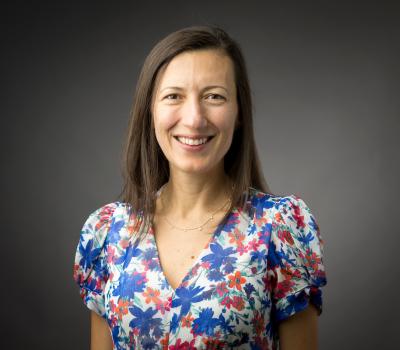
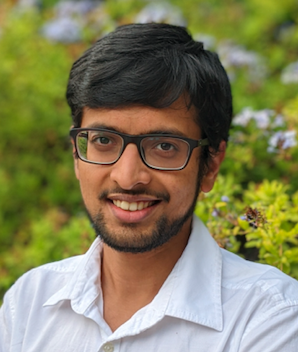
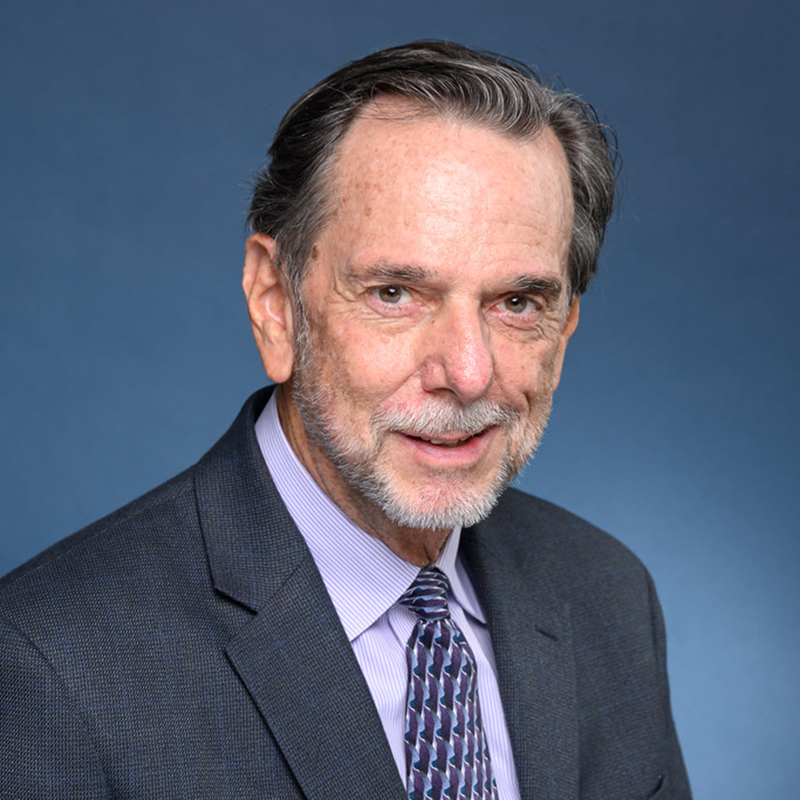
Dr. Yelda Turkan is an Associate Professor in the School of Civil and Construction Engineering at Oregon State University, where she leads research in automation, computer vision, and machine learning for sustainable infrastructure. She holds a PhD from the University of Waterloo and dual BS degrees in Civil Engineering and Geomatics Engineering from Istanbul Technical University. Her work focuses on leveraging lidar, digital twins, and BIM to improve construction operations and decision-making in the built environment. She has secured over $4M in grants from NSF, FHWA, and other agencies, and currently leads the NSF Convergence Accelerator-funded 'Deep Reality' project for AI-driven infrastructure management. Education: Ph.D., Civil Engineering, University of Waterloo, 2012 M.S., Engineering Informatics & Remote Sensing, Istanbul Technical University, 2006 B.S., Civil Engineering (double major in Geomatics Engineering), Istanbul Technical University, 2005/2003 Professional Roles: Vice President, International Association for Automation and Robotics in Construction (IAARC) Chair, ASCE Computing Division Education Committee Associate Editor, ASCE OPEN Journal Her research emphasizes automation in construction quality control, infrastructure inspection via drones and lidar, and immersive education tools using VR/AR. Recent projects include automated curb ramp compliance analysis, wildfire impact modeling, and digital twin development for timber structures. She has published over 80 peer-reviewed articles and actively promotes computing integration in civil engineering education and professional practice.
Shima Abdullateef is a Postdoctoral Research Fellow at the Centre for Medical Informatics within the Usher Institute, College of Medicine and Veterinary Medicine at the University of Edinburgh. Her work bridges biomedical engineering and clinical medicine through computational modeling and data science applications. Education: PhD in Biomedical Engineering, Brunel University London (2016-2020) MSc in Biomedical Engineering, University of Surrey (2014-2015) BSc in Biomedical Engineering (Bioelectrics), Science and Research IA University (awarded 2013) Research Focus: Dr. Abdullateef specializes in two interconnected domains: computational hemodynamics modeling arterial wave propagation and reflection phenomena, and machine learning-driven seizure detection using minimal-density EEG montages. Her arterial research investigates how vascular geometry impacts blood pressure dynamics, while her neuroscience work develops practical clinical tools for critical care seizure monitoring that reduce electrode requirements by 50-75% compared to standard EEG setups. Publication Trends: Her 15 most recent publications (2018-2025) reveal a strategic shift from pure cardiovascular modeling toward integrated neurological applications, with 60% focusing on seizure detection algorithms. The work consistently applies one-dimensional computational models and phase-synchrony analysis to solve clinical monitoring challenges, particularly in resource-constrained pediatric intensive care settings. Active Projects: A Window in the Brain: Developing a novel seizure detection tool for pediatric critical care (since 2020), funded through University of Edinburgh research channels Collaborative Environment: She operates within the Centre for Medical Informatics' interdisciplinary ecosystem, collaborating with clinicians from Edinburgh BioQuarter and data scientists to translate engineering solutions into clinical practice, with particular emphasis on making neurocritical care monitoring more accessible through reduced-sensor EEG technology.
Michael Levine is the Anthony B. Evnin '62 Professor in Genomics and Professor of Molecular Biology at Princeton University, where he also serves as Director of the Lewis-Sigler Institute for Integrative Genomics. He joined Princeton in 2015 after a distinguished career at UC Berkeley, where he was Professor of Genetics and held leadership roles in genetics and genomics programs. His research focuses on how noncoding regions of the genome regulate gene expression in space and time during development. His lab has pioneered studies in Drosophila and the protovertebrate Ciona intestinalis , uncovering fundamental mechanisms such as enhancer function, transcriptional bursting, short-range repression, and long-range enhancer-promoter interactions. His work has also revealed evolutionary insights into the origins of vertebrate innovations like the neural crest and neurogenic placodes. Levine's recent publications demonstrate a strong emphasis on quantitative and live-imaging approaches to dissect gene regulation dynamics. His work integrates experimental embryology with computational modeling, especially using deep learning to predict transcriptional outcomes. Themes across his recent articles include biomolecular condensates, chromatin architecture, and the physical principles underlying enhancer function. Elected to the National Academy of Sciences (1998) Molecular Biology Award, National Academy of Sciences (1996) Wilbur Cross Medal, Yale University (2009) EG Conklin Medal, Society of Development Biology (2015) Dr. Levine has trained numerous researchers and co-authored studies with emerging scientists, indicating active mentoring and grant-funded research. His leadership roles at major institutes and sustained publication record reflect a robust, well-supported research program. He has also contributed to national genomics initiatives, including service at the DOE Joint Genome Institute. His lab operates at the intersection of molecular biology, genomics, and quantitative developmental biology, utilizing model organisms and cutting-edge imaging and computational tools to unravel the logic of gene regulatory networks.
Vatsal Sharan is an Assistant Professor in the Thomas Lord Department of Computer Science at the University of Southern California's Viterbi School of Engineering. He maintains affiliations with the Theory Group, Machine Learning Center, and the Center for AI in Society at USC. Education: Ph.D. in Computer Science from Stanford University, advised by Greg Valiant Postdoctoral research at MIT, hosted by Ankur Moitra Vatsal Sharan's research centers on the theoretical foundations of machine learning, positioned at the intersection of machine learning, theoretical computer science, and statistics. His work investigates fundamental limits for solving learning and estimation tasks under computational and information-theoretic constraints, with the goal of developing practical algorithms that are efficient, fair, and robust. His research spans memory-efficient learning, algorithmic fairness, robustness in deep learning, and the theoretical underpinnings of transformers and large language models. A significant portion of his work explores how memory constraints affect learning algorithms and whether memory can serve as a distinguishing factor between 'efficient' and 'expensive' techniques in machine learning. His recent publications demonstrate a strong focus on multicalibration, transformer interpretability, and trustworthy AI systems. Scientific Awards: Amazon Research Award (2021 and 2023) SoCal NLP Symposium 2023 Best Paper Award COLT 2022 Best Paper Award Vatsal Sharan advises a diverse group of Ph.D. students including Siddartha Devic, Bhavya Vasudeva, Julian Asilis, Deqing Fu, Devansh Gupta, Spandan Senapati, and Tianyi Zhou. His research is supported by multiple prestigious grants from the NSF, Amazon Research, Google Research, and the Okawa Foundation. He is an active participant in the Learning Theory Alliance (LeT-All), a community-building and mentorship initiative for the learning theory community. His teaching portfolio includes advanced courses on machine learning theory and trustworthy machine learning at USC, where he shapes the next generation of researchers in theoretical aspects of artificial intelligence.
Dr. Kezhi (Ken) Li is an Associate Professor of AI in Healthcare at the Institute of Health Informatics, University College London (UCL). He leads the AI for Health research group and has established himself as a leading expert in applying artificial intelligence to solve complex problems in healthcare, with over 130 publications in leading journals (total impact factor greater than 400). Dr. Li earned his Doctor of Philosophy from Imperial College of Science, Technology and Medicine in 2013, followed by research positions at the Medical Research Council (2015-2017), University of Cambridge (2014-2015), and Royal Institute of Technology (KTH) (2013-2014). His academic journey reflects a consistent trajectory from technical AI research toward increasingly healthcare-focused applications. Dr. Li's research focuses on solving physiological, medical, clinical, and operational problems in healthcare using AI techniques. His specific expertise includes AI in healthcare using electronic health records (EHR), biomedical time series analysis using monitors/wearables, diabetes management, large language models (LLM) in healthcare (especially mental health), patient flow optimization, and digital health with federated learning. His work bridges the gap between cutting-edge AI methodologies and practical healthcare applications, with a strong focus on improving patient outcomes and healthcare system efficiency. Analysis of Dr. Li's publication history reveals a strong emphasis on diabetes management technologies, particularly blood glucose prediction systems using advanced neural network architectures. More recently, his work has expanded into mental health applications of large language models, blockchain-based federated learning for healthcare data, and mortality prediction in critical care settings. His research demonstrates a clear evolution from purely technical AI development toward increasingly clinically impactful applications, with growing emphasis on explainability, privacy preservation, and real-world implementation challenges. Dr. Li has received numerous prestigious awards recognizing his contributions to healthcare AI: Best Application Award of IEEE Global Blockchain Conference (2025) Fellow of British Computer Society (2025) Fellow of the Royal Society for Public Health (2024) Healthcare Partnership of the Year category at the London Higher Awards (2024) ECR Promising Project Award (2023) Gallivan Award finalists (2022) Stylianos Kalaitzis PhD Award Winner (2022) HDR UK Team of the Year (COVID-19) Award (2021) As an educator, Dr. Li serves as the Director of MRes study (AI-enabled Healthcare Systems) at UCL. He leads multiple key modules including Healthcare Artificial Intelligence Journal Club, Dissertation in Artificial Intelligence Enabled Healthcare, and Advanced Machine Learning for Healthcare. His supervision extends across dissertation projects and junior researchers in his AI for Health group. His research has been supported by various grants, including those from HDR UK, focusing on translating AI innovations into practical healthcare solutions. Dr. Li leads the AI for Health research group (https://ai4hucl.github.io/ai4h_webs/), which comprises researchers with diverse expertise in machine learning, healthcare systems, and clinical domains. The group maintains strong collaborations with healthcare providers and industry partners to ensure their research addresses real-world healthcare challenges and can be effectively translated into clinical practice.
Aaron J. Chalfin serves as Associate Professor and Graduate Chair of Criminology within the Department of Criminology at the University of Pennsylvania's College of Liberal and Professional Studies. He maintains significant external affiliations as a Senior Fellow at the Niskanen Center, faculty research fellow at the National Bureau of Economic Research, and research affiliate at the University of Chicago Crime Lab. His academic foundation includes: PhD in Public Policy, University of California, Berkeley (2013) MA in International and Development Economics, Yale University (2004) BS in Industrial & Labor Relations, Cornell University (2003) Chalfin's research program centers on policing economics, officer behavioral preferences, place-based crime prevention strategies, and victimization determinants. He concurrently advances methodological rigor in social science through innovations in measurement error correction, spatial crime concentration metrics, and administrative data linkage techniques. His empirical approach consistently bridges theoretical criminology with practical policy evaluation. Recent publications reveal evolving research trajectories across bias-motivated violence measurement during pandemics, low-cost gun violence interventions, racial disparities in traffic fatalities, and methodological improvements for policy analysis. This body of work demonstrates sustained commitment to evidence-based criminal justice solutions through experimental and quasi-experimental designs. His ongoing collaboration with the University of Chicago Crime Lab exemplifies integration between academic research and real-world crime laboratory operations, focusing on scalable public safety innovations.
Ian Greenhouse serves as an Assistant Professor in the Department of Human Physiology within the College of Arts and Sciences at the University of Oregon. He directs the Action Control Laboratory, where he investigates the neurophysiological mechanisms underlying human movement initiation and cancellation using multimodal approaches including electrophysiology, neuroimaging, and brain stimulation. Education: Undergraduate degree in Psychology from Tufts University Ph.D. from the University of California, San Diego Postdoctoral training at the University of California, Berkeley Research Focus: Dr. Greenhouse's work centers on action control neurophysiology , specifically examining motor inhibition processes during response stopping and preparation. His lab employs electromyography (EMG) , transcranial magnetic stimulation (TMS) , and magnetic resonance spectroscopy (MRS) to probe corticospinal excitability in healthy and clinical populations. Key investigations include neural computations for action preparation, biomarkers of stopping failure, and relationships between motor performance and brain chemistry (e.g., GABA). Publication Trends: Analysis of Dr. Greenhouse's 2022-2025 publications reveals intensified focus on subcomponents of response inhibition (pause vs. cancel processes) and neurochemical modulation of motor control. His work increasingly integrates menstrual cycle effects on GABA with action stopping metrics, while maintaining core investigations of corticospinal dynamics during unimanual/bimanual preparation. Recent studies show growing clinical applications in stroke rehabilitation. Scientific Awards: No awards were documented in the source materials. Advising and Research: As laboratory director, Dr. Greenhouse mentors students in the Action Control Laboratory's research program. Although specific grants aren't detailed, his high-output publication record spanning neuroimaging, electrophysiology, and clinical applications suggests sustained external funding for equipment-intensive neuroscience research. Laboratory Operations: The Action Control Laboratory (https://actioncontrollab.uoregon.edu) operates from Gerlinger Hall (Room 348), utilizing TMS-EMG integration, MRS, and behavioral paradigms to study action control. Current projects examine preparatory inhibition in stroke recovery, interhemispheric dynamics during movement preparation, and individual differences in stopping processes using the stop-signal task framework.
John Buschman serves as an Assistant Professor at Florida International University's Chaplin School of Hospitality & Tourism Management, holding dual administrative roles as Director of Assessments and Accreditation and Co-Director of the Global Sustainable Tourism Program. His research focuses on sustainability and social impact in hospitality, with key interests: Community Food Security Corporate Social Responsibility Food Rescue and Recovery International Group Travel Operations International Hospitality & Tourism Sales & Marketing Service Learning Contact: Office HM 338, Phone 305-919-4033, Email jbuschma@fiu.edu .
SangHyung Ahn is a Lecturer at the School of Civil Engineering , University of Queensland (UQ), since 2017. He joined UQ as a postdoctoral research fellow in 2015 after earning his PhD in Civil Engineering (Construction Engineering and Management) from Purdue University, USA. Prior to his academic career, he worked as an assistant manager at Hyundai Engineering and Construction Co., Ltd. (2003-2007) and holds an MBA in international business from Hanyang University and a B.Sc in Civil Engineering from Korea University. Research Focus: Construction process modelling with virtual reality, decision support systems for construction, automation of data-driven simulation modelling, sensor-based operations analysis, and integration of Building Information Modelling (BIM). Teaching: Coordinates undergraduate courses Introduction to Project Management (CIVL3510) and Construction Engineering Management (CIVL4522) . Research Trends: His recent publications highlight interdisciplinary work in transportation engineering, structural design, and AI-driven simulation tools. Key themes include application of machine learning to car-following models, drone-based vehicle identification, and optimization of public transport systems using agent-based simulations. Supervision: Available for supervision, with completed supervision of PhD and Master’s theses on topics such as BIM-LCA integration, pedestrian trajectory analysis, and AI-driven driving behavior models.
Dr. Yi-Ping Fang is an Assistant Professor at the EDF Chair SSEC with a joint appointment at the Industrial Engineering Laboratory, CentraleSupélec, Université Paris-Saclay, France. His research focuses on computational methods for risk, vulnerability, and resilience analysis of critical infrastructures including smart grids, electrified transportation, and interdependent lifeline systems. Risk Analysis Resilience Engineering Optimization Under Uncertainty Game Theory Applications His work applies advanced techniques like distributionally robust optimization, POMDP modeling, and interdependency analysis to enhance infrastructure resilience against climate change, natural hazards, and intentional attacks. Publications demonstrate expertise in hybrid optimization algorithms, stochastic modeling, and network vulnerability assessment. Recent trends include: Smart grid resilience enhancement Uncertainty quantification in infrastructure systems Multi-stage decision modeling Game-theoretic approaches for interdependent networks Integration of deep learning for dynamic system prediction
Ryan P. Huang is an Associate Professor in the Computer Science & Engineering department at the University of Michigan, College of Engineering, where he leads the Order Lab. Previously, he was an Assistant Professor at Johns Hopkins CS department from 2017 to 2022. His research focuses on computer systems, particularly operating systems and distributed systems, with emphasis on reliability, efficiency, and defensibility across cloud data centers and mobile devices. Dr. Huang's research interests center on pushing the boundaries of cloud systems availability and observability. His work addresses critical challenges such as gray failures and partial failures in distributed systems, developing principled techniques for failure detection and localization. His research spans multiple thrusts including Panorama for enhanced observability, Watchdog for runtime checking, OmegaGen for partial failure localization, and Narya for predictive failure mitigation. He also investigates energy-efficient mobile systems and system misconfiguration prevention. His recent publications demonstrate a strong trend toward addressing silent failures in distributed systems, with multiple papers accepted to top-tier conferences including SOSP and OSDI in 2025. His work bridges theoretical principles with practical system implementations, focusing on real-world challenges in cloud infrastructure and distributed computing environments. NSF CAREER award recipient Multiple Best Paper Awards (OmegaGen, Argus, LeaseOS) CRA Outstanding Undergraduate Researcher Award honorable mentions for advisees Dennis Ritchie doctoral dissertation award honorable mention Dr. Huang actively mentors PhD students including Yuzhuo Jing, Wanning He, Yuxuan Jiang, and others. His lab has produced graduates who have gone on to faculty positions at institutions like University of Virginia and Boston University. He serves on program committees for major systems conferences including SOSP, OSDI, and NSDI, contributing significantly to the academic community. The Order Lab maintains active research collaborations and regularly publishes in top-tier venues, with multiple papers accepted to SOSP and OSDI in 2025.
Ada Gavrilovska is a Professor at Georgia Tech's School of Computer Science under the College of Computing. Her work focuses on systems software for emerging technologies, including hybrid memory systems, edge computing, and cloud infrastructure. She leads projects in the PRISM Center and ADA Center , with funding from NSF, DoE, SRC, and industry leaders like Cisco and VMware. Education: PhD in Computer Science, Georgia Tech (2004) Research Interests: Designing systems for new hardware and applications, including edge computing, heterogeneous memory management, and LEO satellite platforms. Her work bridges low-level OS mechanisms with high-level distributed systems challenges. Recent Publications highlight trends in LEO satellite resource scheduling Edge-based ML preprocessing Hybrid memory OS abstractions Disaggregated graph analytics Compiler-assisted performance optimization Scientific Awards: Best paper, NFV World Congress (2016) Spotlight paper, IEEE Transactions on Cloud Computing (2014) ISCA-50 25-year retrospective (2023) Advising & Grants: Ada has mentored over 15 PhD students and 10 MS students, with research supported by NSF, DoE, SRC, and industry grants. She serves as PI in the SRC/DARPA PRISM Center.
Sean Andersson is a Professor in Mechanical Engineering and Systems Engineering at the College of Engineering, Boston University, and serves as Director of the BU Robotics Lab. His research bridges systems and control theory with applications in nanotechnology , atomic force microscopy , and robotics . His work in nanobioscience focuses on single molecule tracking and high-speed imaging in atomic force and fluorescence microscopy, leveraging control theory to enhance imaging capabilities. In robotics, he develops stochastic control methods for autonomous systems operating in complex environments, emphasizing multi-agent systems , sparsely sampled data , and symbolic control frameworks . Recent publications highlight trends in receding horizon control , persistent monitoring , neural style transfer for imaging , and stochastic policy optimization . The Andersson Lab also explores compressive sensing and optimal control for sensor networks and nanoscale fluid dynamics.
Sainyam Galhotra is an Assistant Professor in the Department of Computer Science at Cornell University. His research focuses on developing data science tools for effective and responsible analytics, leveraging techniques from causal inference, data management, theoretical computer science, machine learning, and human-computer interaction to address challenges in trustworthy system design including robustness, explainability, and fairness. Education: Postdoc: University of Chicago PhD: University of Massachusetts Amherst (supervised by Barna Saha) BTech: Indian Institute of Technology Delhi (IIT Delhi) (supervised by Prof. Amitabha Bagchi) Research Interests: Dr. Galhotra's research spans several interconnected areas in data science and artificial intelligence. His work primarily focuses on Responsible Data Science , where he develops methods to ensure that data-driven systems operate fairly and transparently. Within this broad area, his specific interests include: Causal Inference techniques for understanding cause-effect relationships in complex data Algorithmic Fairness approaches to mitigate bias in machine learning systems Explainable AI methods that make black-box models more interpretable Data Management systems for efficient and reliable data processing Entity Resolution techniques for integrating data from multiple sources Trustworthy System Design that addresses robustness, explainability, and fairness His recent publications demonstrate a clear trend toward developing frameworks that combine causal reasoning with practical data management systems, particularly focusing on how to make data-driven decisions more transparent and equitable. The intersection of database systems with fairness considerations appears to be a particularly active area of his research. Scientific Awards: Rising Star in Data Science at the Data Science Institute, UChicago (Oct 2021) Computing Innovation Fellowship Award Recipient (by CRA, CCC and NSF) (Apr 2021) DAAD AInet Fellow (Feb 2021) ACM SIGMOD Entity Resolution Programming Contest – Top 5 finalist (May 2020) Most reproducible paper award in SIGMOD 2018 and 2019 (Jun 2019) First recipient of Krithi Ramamritham Computer Science Scholarship (Jun 2019) Best paper award in SIGSOFT FSE 2017 (May 2017) Dr. Galhotra is actively seeking students to collaborate with on his research projects. His work has been supported by various fellowships and awards, including the prestigious Computing Innovation Fellowship. He has mentored several students through his research projects, with a focus on developing the next generation of data scientists who can build responsible and trustworthy systems. His research group appears to focus on the intersection of database systems and responsible AI, developing tools like HypeR for causal reasoning, Ver for view discovery, and Nexus for correlation discovery in spatio-temporal data. This work suggests a cohesive research agenda centered around making data systems more transparent, fair, and user-friendly.
Yang P. Liu is an Assistant Professor in the Computer Science Department at Carnegie Mellon University's School of Computer Science. Previously, he was a Postdoctoral Member at the Institute for Advanced Study and earned his PhD from Stanford University under the supervision of Aaron Sidford. He completed his undergraduate studies at MIT, graduating in May 2018. His educational background includes: PhD in Computer Science, Stanford University (Advisor: Aaron Sidford) Bachelor's degree, Massachusetts Institute of Technology (graduated May 2018) Dr. Liu's research spans the intersection of mathematics and computer science, with particular focus on graph algorithms , optimization , high-dimensional geometry , and additive combinatorics . His work often develops novel algorithmic techniques that bridge theoretical insights with practical applications. He has made significant contributions to areas such as convex optimization, linear programming, and combinatorial problems. His teaching includes courses like "A Principled Approach to Optimization" (CS 15-759), which covers rigorous treatments of convex optimization topics including gradient descent, interior point methods, linear regression, linear programming, and sparsification. His extensive publication record in top-tier conferences (FOCS, STOC, SODA) demonstrates a consistent focus on developing almost-linear time algorithms for fundamental graph problems, optimization techniques, and combinatorial theorems. Recent work shows increasing emphasis on combinatorial lines, corners theorem, and k-CSP approximability, while maintaining strong connections to optimization theory and graph algorithms. Dr. Liu has received notable recognition for his work: National Defense Science and Engineering Graduate (NDSEG) Fellowship (2018-2021) Google PhD Fellowship (2022-2023) Best Paper award at FOCS 2022 for "Maximum Flow and Minimum-Cost Flow in Almost Linear Time" Best Student Paper at STOC 2021 for "Discrepancy Minimization via a Self-Balancing Walk" His research has been supported by prestigious fellowships including the NDSEG Fellowship and Google PhD Fellowship. His work on graph algorithms, optimization, and combinatorics involves collaborations with researchers across theoretical computer science and mathematics. His publications often involve co-authors from multiple institutions, suggesting active research collaborations across the field. Dr. Liu maintains an active research program with a focus on developing efficient algorithms for fundamental computational problems. His recent work continues to push the boundaries of what's computationally feasible in graph algorithms, optimization, and combinatorial mathematics, with particular emphasis on achieving almost-linear time complexity for challenging problems.