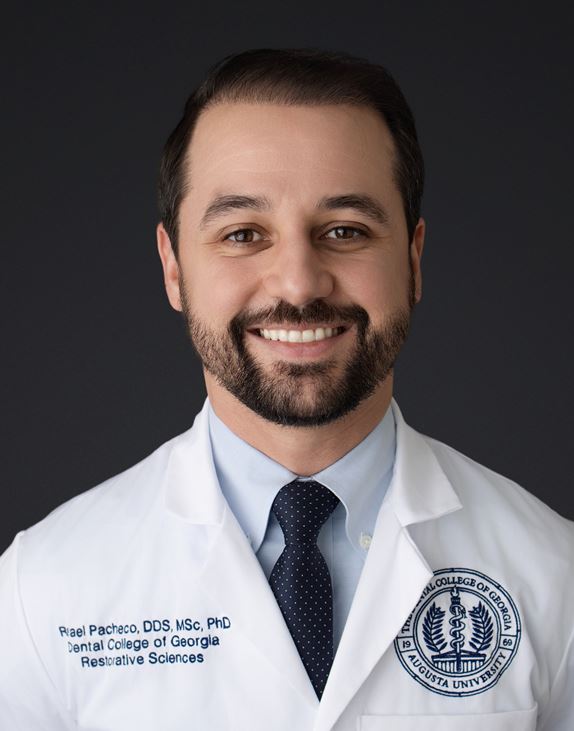
Anna Taylorمشاهده پروفایل
دانشیار
- Chronic Pain
- Opioid Dependence
- Addiction
- +۷ مورد دیگر
Anna Taylor, PhD, is an Associate Professor in the Department of Pharmacology within the Faculty of Medicine & Dentistry at the University of Alberta. She holds the Canada Research Chair in Pain and Addiction and the Alberta Cancer Foundation Chair in Palliative Care, and is a member of both the Neuroscience and Mental Health Institute and the Cancer Research Institute of Northern Alberta. Dr. Taylor completed her doctoral training at the McGill Pain Center followed by postdoctoral research at UCLA's Hatos Center for Opioid Pharmacology. Her educational background established a foundation in pain mechanisms and opioid pharmacology that directly informs her current research program. Her research critically examines how chronic pain alters affective and cognitive brain regions, with particular focus on interactions between pain pathways, opioid systems, and emotional processing. Key areas include neuroinflammation in pain chronification, gut microbiome-pain interactions, sex differences in pain and addiction, and the development of non-addictive analgesics targeting alternative opioid pathways. Her work consistently employs sophisticated rodent models to dissect neural circuitry underlying pain and reward. Analysis of her recent publications reveals an accelerating focus on neuroimmune mechanisms and sex-specific pain processing, with growing emphasis on the gut-brain axis. A defining trend is her investigation of non-canonical opioid agonists as safer alternatives to traditional opioids - research that directly addresses the dual crises of chronic pain management and the opioid epidemic through mechanistic innovation. Dr. Taylor's significant contributions to pain and addiction research have been recognized through prestigious appointments: Canada Research Chair in Pain and Addiction Alberta Cancer Foundation Chair in Palliative Care She actively mentors graduate students and postdoctoral fellows while securing competitive research funding from national agencies. Her collaborative approach spans neuroscience, immunology, and clinical pain medicine, with particular emphasis on translating basic findings into improved therapeutic strategies for pain and addiction disorders. The Taylor Lab operates as a multidisciplinary hub within the Medical Sciences Building, integrating molecular, behavioral, and neuroanatomical approaches to study pain's emotional dimensions. Current team projects investigate central amygdala neuroinflammation in pain hypersensitivity, microbiome-mediated modulation of opioid responses, and sex chromosome effects on pain processing - all aimed at developing targeted interventions for chronic pain conditions.