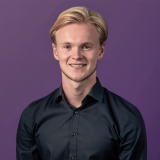
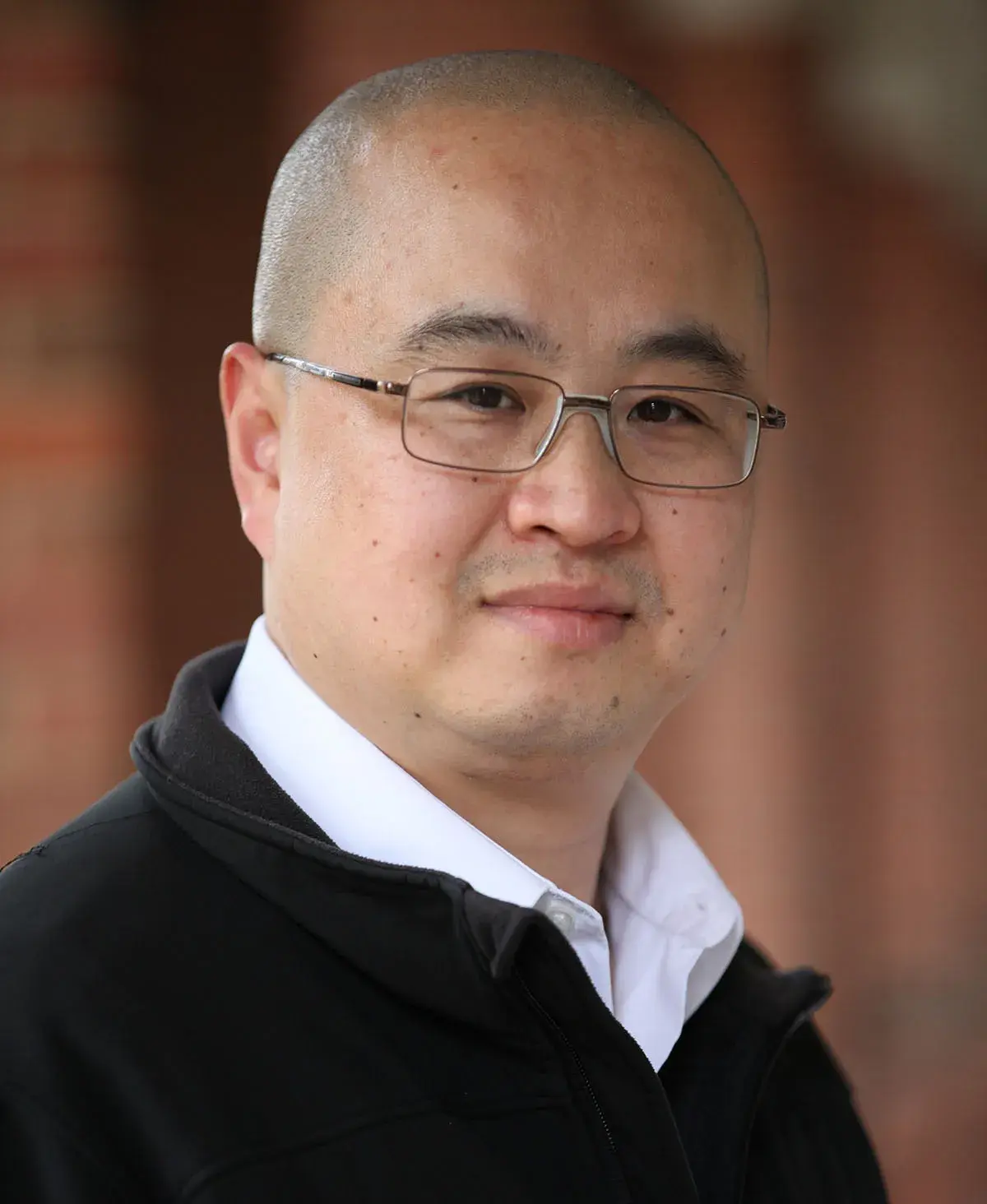
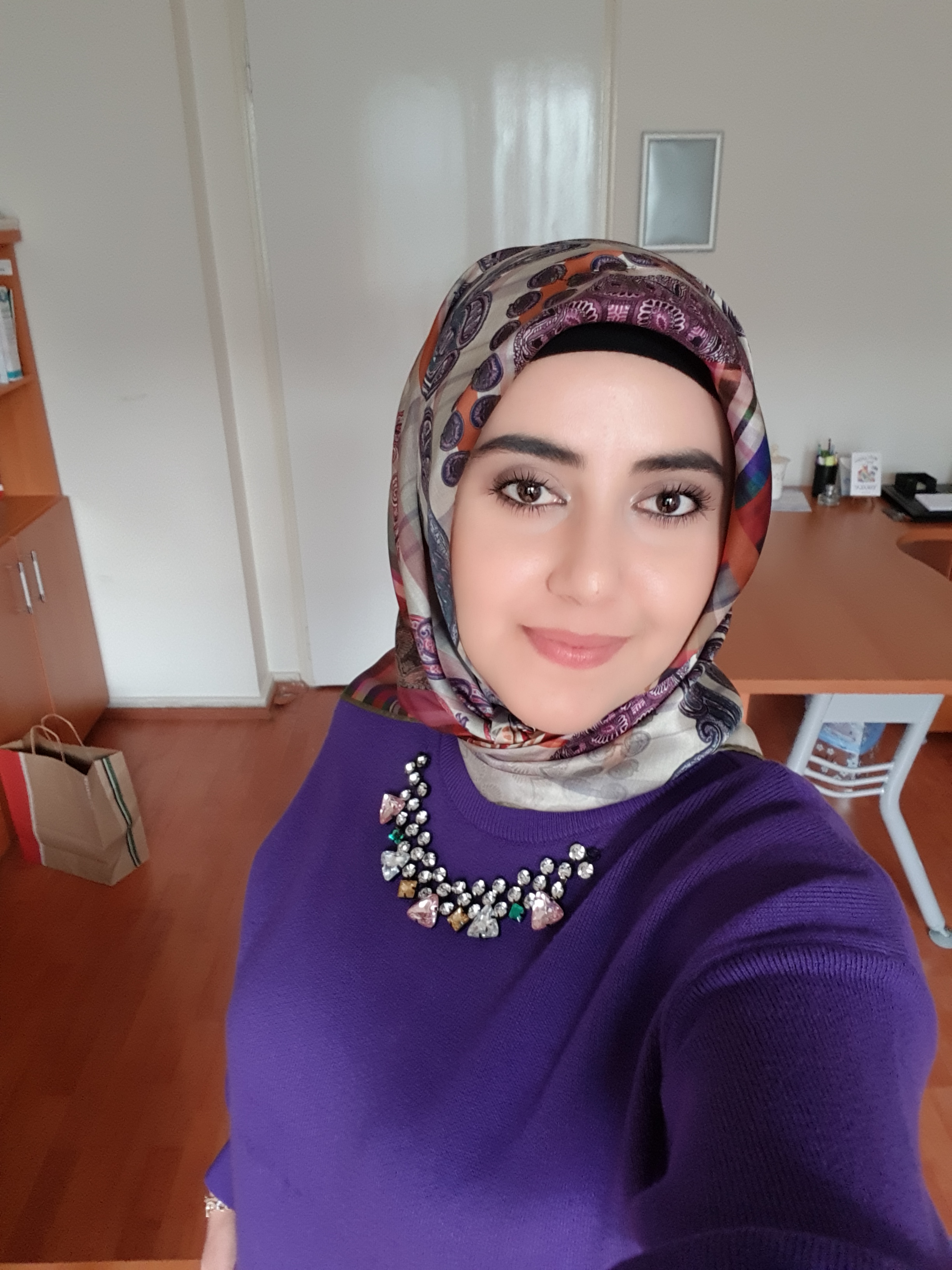
Renata Medeiros de Carvalho is an Assistant Professor at Eindhoven University of Technology (TU/e), affiliated with the Process Analytics and EAISI Health groups. She holds a PhD in Computer Science from Federal University of Pernambuco (Brazil), an MSc and BSc in Computer Engineering from University of Pernambuco, and has conducted postdoctoral research at UQAM (Canada). Her research focuses on adaptive and declarative business processes, with particular emphasis on healthcare and data privacy. Education: PhD in Computer Science, Federal University of Pernambuco (2015) MSc in Computer Engineering, University of Pernambuco BSc in Computer Engineering, University of Pernambuco Research Interests: Flexible business processes and Process Mining Declarative modeling (e.g., OCBC language) Healthcare process optimization GDPR compliance frameworks Key Projects: PATIENCE 2 : Patient-centric healthcare through nomadic sensing BPR4GDPR : GDPR compliance toolkit Awards: Xerox University Affairs Committee Grant NSERC Engage Grant Teaching & Leadership: Local coordinator for EIT Digital Data Science and Erasmus Mundus BDMA master programs Teaches courses like Advanced Process Mining and DBL Data Challenge
Hege Kristin Aslaksen Kaldheim is an Associate Professor at the Department of Health and Nursing Science, University of Agder (UiA). She holds a Master's in Health Sciences (2012) and a PhD (2023) from UiA, focusing on interprofessional simulation-based learning in surgical nursing education. Her clinical background includes over 20 years in perioperative nursing at Sørlandet Hospital and roles as a college lecturer in nursing education. Research Interests: Her work centers on perioperative nursing practice, simulation-based educational methods, and interprofessional collaboration in healthcare. She emphasizes how simulation enhances clinical competence and teamwork in acute care settings. Recent studies explore newly graduated nurses' transition to clinical practice and the role of simulation in preparing nursing students for acute situations. Publications: Her research trends show strong focus on qualitative studies examining simulation-based learning outcomes, interprofessional education impacts, and clinical practice transitions. Key contributions include scoping reviews on simulation use in perioperative contexts and longitudinal studies on nurse training effectiveness. Affiliations & Groups: Member of the Q-safe research group (patient safety and quality improvement). Active in UiA's academic community as a lecturer since 2018 and contributor to regional healthcare education initiatives.
Prof. Qeis Kamran holds the position of Professor at the Weiden Business School, part of the Ostbayerische Technische Hochschule Amberg-Weiden (OTH Amberg-Weiden). He is based at the Digital Business Campus Weiden, Room 0.13, and can be reached via phone +49 (961) 382-1327. His academic expertise spans a wide range of strategic and operational business disciplines. Educational Background: Holds multiple advanced qualifications including Ph.D., MBA-GM, MBA-PPM (EMBL-HSG), LL.M, and M.Sc. His primary research and teaching areas focus on Strategic Management , Management Science and Operations , Change Management & Leadership , Corporate Governance & Ethics , Marketing Science & AI-Driven Marketing , Complexity & Sustainable Economics , and Design Science & Design Thinking . These interdisciplinary fields emphasize innovation, ethical practices, and data-driven approaches in modern business environments. No specific publications or awards are listed in the provided information. His professional activities likely involve academic leadership and curriculum development within the business school's strategic initiatives.
Dr. Tijn Fleuren is a researcher and teacher at the Department of Econometrics and Operations Research within the Tilburg School of Economics and Management (TiSEM) at Tilburg University. His work focuses on optimizing production-inventory systems under uncertainty, with applications in high-tech, low-volume manufacturing supply chains. Institution: Tilburg University School: Tilburg School of Economics and Management Department: Department of Econometrics and Operations Research Email: T.W.A.Fleuren@tilburguniversity.edu ORCID: https://orcid.org/0000-0002-0925-6892 Office: Koopmans Building, Room K 423, Warandelaan 2, 5037 AB Tilburg, Netherlands His research lies at the intersection of operations research and supply chain management, with a strong emphasis on stochastic modeling, risk-aware decision-making, and integrated planning under uncertainty. Key themes include production-inventory optimization, customer portfolio selection, procurement planning, and dynamic supply chain configurations. His work often addresses real-world challenges in collaboration with industry leaders like ASML. The recent publications demonstrate a consistent focus on advanced optimization techniques applied to complex supply chain environments. These include multi-stage stochastic programming, conic quadratic programming heuristics, sampling-based methods, and deep reinforcement learning. The research spans both theoretical contributions—such as optimality conditions and bounds—and practical applicability, particularly in high-tech sectors with long lead times and customization requirements. Dr. Fleuren completed his doctoral studies at Tilburg University in January 2025, contributing significantly to the field through his dissertation on stochastic approaches in production-inventory planning. While no formal scientific awards are listed, his research outputs have been published in top-tier journals such as International Journal of Production Economics and Omega–International Journal of Management Science . He is actively involved in teaching courses such as Supply Chain Analytics and Introduction to Data Analysis. As a recent PhD graduate, he may be mentoring students informally, though no formal advisees are listed. His research has been supported through collaboration with industrial partners and academic grants, likely via CentER and the Operations Research Center at Tilburg University. Dr. Fleuren is affiliated with the Operations Research Center at TiSEM, where he contributes to a vibrant research environment focused on quantitative methods in economics and management. His ongoing work continues to advance methodologies for decision-making under uncertainty in complex, real-world supply chains.
Thomas Byrd, MD, MS, serves as Assistant Professor in the Division of Hospital Medicine within the Department of Medicine at the University of Minnesota School of Medicine. His academic work bridges clinical practice with cutting-edge informatics research, focusing on improving hospital-based care through technological innovation and data-driven approaches. Dr. Byrd's research program centers on artificial intelligence applications in surgical and critical care settings, patient deterioration detection systems, and secure clinical communication technologies. His investigations span validation of deterioration index models, barriers to secure messaging adoption, AI-driven radiology follow-up systems, and earlier work in medical imaging and biomedical engineering. This multidisciplinary focus aims to enhance patient safety through real-time monitoring, workflow optimization, and predictive analytics in hospital environments. Analysis of his 15 most recent publications (2014-2024) reveals an evolving research trajectory from biomedical engineering foundations toward AI-driven clinical solutions. Key thematic clusters include: (1) AI applications in surgery and critical care triage; (2) patient deterioration monitoring systems; (3) secure mobile communication adoption; and (4) earlier biomedical engineering work in medical imaging and drug delivery systems. The publications demonstrate increasing focus on translational informatics with strong emphasis on real-world implementation challenges. Scientific Awards: No scientific awards documented in available source material Advising and Grants: While Dr. Byrd's role as faculty suggests potential advising responsibilities, no student names or grant funding details appear in the provided documentation. His research output indicates active investigation in clinical informatics but specific mentoring activities or funded projects remain unspecified in the source text. Laboratory and Team Affiliations: Dr. Byrd is institutionally anchored in the Division of Hospital Medicine at the University of Minnesota, though specific laboratory facilities or dedicated research teams are not described. His collaborative work appears cross-disciplinary, spanning departments of medicine, surgery, radiology, and biomedical engineering as evidenced by publication topics.
Edward Elias serves as a Senior Lecturer in the Department of Mechanical Engineering at the University of Bath, maintaining an office in room 4 EAST 3.32 with contact details E.Elias@bath.ac.uk and +44 (0) 1225 385924. His academic profile demonstrates sustained contributions to engineering education and sustainable design since completing his doctoral studies. His educational background includes: PhD in Engineering, University of Bath (2011) Dr. Elias's research centers on transformative approaches to engineering pedagogy and environmental sustainability. Key focus areas include: Integration of professional practice in engineering curricula User-centered sustainable product design Energy conservation through behavioral design interventions Creativity enhancement in virtual design environments His work directly contributes to UN Sustainable Development Goals related to responsible consumption and sustainable industrialization. Publication trends reveal an evolution from foundational design methodology research (2011-2012) toward applied pandemic-responsive manufacturing systems (2020). The 2020 study on distributed medical face shield production achieved significant impact with 112 citations, demonstrating real-world applicability of his sustainable engineering frameworks. While no specific awards are documented in the provided materials, his research exhibits substantial scholarly engagement through 13 peer-reviewed outputs and active collaboration with Bath colleagues including Dekoninck, Culley, and Dhokia. As an academic supervisor, Dr. Elias guides emerging researchers within Bath's Mechanical Engineering ecosystem. His advising approach emphasizes industry integration, as evidenced by studies examining practitioner engagement models in design engineering education. Current supervision activities appear focused on sustainable manufacturing and educational innovation projects. His research operations likely connect with Bath's Engineering Design Centre, though specific lab affiliations aren't detailed in the source materials. The fingerprint analysis confirms deep specialization in engineering education (100% topical alignment) with significant cross-disciplinary contributions to energy conservation (53%) and learning science (46%).
Professor Robert Mason is a Professor of Logistics in the Logistics and Operations Management section at Cardiff Business School, Cardiff University. He has over 25 years of experience in academia and is actively involved in research, teaching, and leadership. He supervises PhD and dissertation students and is available for postgraduate supervision. University: Cardiff University School: Cardiff Business School Department: Logistics and Operations Management Academic Rank: Professor Email: MasonRJ@cardiff.ac.uk Phone: +44 29208 75511 Office: Aberconway Building, Second Floor, Room C46, Colum Road, Cathays, Cardiff, CF10 3EU Robert Mason holds a PhD (2009) from Cardiff University on 'Collaborative Logistics Triads in Supply Chain Management' and an MBA with distinction (2000) from Cardiff Business School, focusing on e-commerce in the UK grocery industry. He has been recognized with multiple awards, including the Best Dissertation Supervisor award in 2012 and multiple National Transport Awards from the Chartered Institute of Logistics and Transport (Wales) between 2008 and 2013. His research focuses on the decarbonisation of logistics, supply chain optimisation, inter-organisational relationships (vertical and horizontal), and the organisation of enterprise to deliver customer value, with a particular emphasis on retail logistics. He has published over 100 papers and co-authored three books, including The Lean Supply Chain , which won the prestigious Les Plumes des Achats - Prix des Associations in 2016. His recent publications explore topics such as lean projects in SMEs, supply chain resilience amid geopolitical risks, freight driver behaviour, and distributed manufacturing. These works reflect a strong trend toward sustainable, technology-integrated, and collaboratively managed supply chains. His scientific accolades include: Les Plumes des Achats - Prix des Associations (2016) James Cooper Cup for best PhD (2015) Best Cardiff Business School Dissertation Supervisor (2012) National Transport Award Winner (2008, 2009, 2011, 2013) Robert Mason has supervised several doctoral students, including Dong-Wook Kwak (winner of the James Cooper Cup), and currently mentors Yingkai Wang, Seungmin Lee, and Zhuowu Zhang. He has also served as an internal and external PhD examiner and has extensive experience in external examining and course validation for UK and international universities. His leadership roles include Head of the Logistics and Operations Management section (2019–2023), Chair of the Shadow Management Board (2018–2019), and Programme Director for MSc Logistics and Sustainable Supply Chain Management. He is affiliated with: British Academy of Management (BAM) Chartered Institute of Logistics and Transport (CILT)
Joe Charles Campbell is the Lucien Carr III Professor of Electrical and Computer Engineering at the University of Virginia. Previously, he held the Cockrell Family Regents Chair in Engineering at the University of Texas at Austin (1989–2006). His research focuses on optoelectronic devices, particularly high-performance photodetectors for fiber optics communications, including avalanche photodiodes (APDs), Si-based optoelectronics, and mid-infrared detection technologies. He has authored over 400 journal articles and 400 conference presentations, with notable contributions to low-noise avalanche photodiodes and material innovations like AlInAsSb alloys. His work emphasizes high-speed, low-noise, and radiation-tolerant photodetection systems. Education: B.S. Physics (University of Texas at Austin, 1969), M.S. and Ph.D. Physics (University of Illinois at Urbana-Champaign, 1971 and 1973). Postdoctoral research at University of Illinois (1973–1974). Early career included roles at Texas Instruments (integrated optics) and AT&T Bell Labs (optoelectronic devices). Research Highlights : Development of AlInAsSb-based APDs for single-photon counting and mid-infrared detection. Advances in high-power, high-linearity photodiodes and flip-chip bonded designs for thermal dissipation. Pioneering work in staircase avalanche photodiodes with optimized excess noise characteristics. Awards & Recognition : Member of the National Academy of Engineering (2002). Lucien Carr III Professorship (University of Virginia). Labs & Teams : Leads the Photonic Devices Group at UVA, focusing on optoelectronic materials and device fabrication. Collaborates on radiation-tolerant photodetectors and integrated photonic platforms.
Wei Mike Li is an Assistant Professor in the Department of Mechanical Engineering at the University of Kentucky. His research focuses on Production Scheduling , Adaptive Production Control , and Operating Room Scheduling , applying optimization techniques to dynamic environments in manufacturing and healthcare systems. Education B.Eng. in Mechanical Engineering from Tsinghua University (1997) M.Sc. in Manufacturing Systems from the University of Calgary (2006) Ph.D. in Industrial Engineering from the University of Calgary (2011) Postdoctoral Fellowship in Information Systems at the Haskayne School of Business, University of Calgary (2013) Research Trends Dr. Li's work emphasizes heuristic algorithms for one-of-a-kind production , mass customization , and hybrid flow shops . His operating room scheduling research bridges industrial engineering with healthcare operations, while his e-business integration studies highlight interdisciplinary applications. Publications consistently address dynamic scheduling challenges and process optimization . Publications Key themes: State-space heuristics, adaptive scheduling, optimization in manufacturing and healthcare. Contributions to INFORMS, ISERC, CIE, NAMRC conferences and journals.
SEMA KONATEKE is a Research Assistant at the Department of Surgical Diseases Nursing, Faculty of Health Sciences, Gaziantep University. With a Doctorate in Surgical Diseases Nursing (2019–2024), a Master’s (2016–2019) and Bachelor’s (2011–2016) in Nursing, she focuses on patient safety , pressure injury prevention , emergency nursing , and perioperative care . Her work includes international peer-reviewed publications and co-authored book chapters on surgical patient safety and nursing practices. Education: Doctorate, Surgical Diseases Nursing, Gaziantep University (2019–2024) Master’s, Surgical Diseases Nursing, Sivas Republic University (2016–2019) Bachelor’s, Nursing, Erciyes University (2011–2016) Her research interests span surgical nursing, pressure injury risk assessment, and patient safety protocols. Key themes include perioperative optimization , non-pharmacological pain management , and COVID-19 nursing challenges . She has presented at 28 international conferences, including studies on retained surgical items and awake prone positioning for COVID-19 patients . Professional activities include serving on academic committees (Graduation, Measurement & Evaluation, Accreditation) at Gaziantep University (2021–2025). She has contributed to 9 book chapters, such as Perioperative Normoglycemia Control (2025) and Malignant Hyperthermia (2023), and participated in 14 research projects.
Anne Fischer, M.Sc., is a researcher at the Chair of Material Handling, Material Flow, and Logistics at the Technical University of Munich (TUM). Her work focuses on digital twins, construction automation, and resource scheduling in heavy civil engineering. She is based in Garching near Munich and collaborates with institutions like UC Berkeley and Stanford University. Research Interests: Digital Twin frameworks, simulation-based optimization, BIM integration, activity recognition in construction, and sustainable logistics systems. Collaboration: Serves as a contact person for international exchanges with U.S. institutions. Publication Trends: Her recent articles (2024–2021) address construction automation, digital twin applications, and variability management in civil engineering projects. Key Projects: Engaged in initiatives like Bauen 4.0 , MiProcess2Twin , and SiteRoute , which focus on digitalization and automation in construction. Location: Boltzmannstraße 15, Garching bei München (Room: 5505.EG.501).
Candace C. Chang, MD, MPH is a Clinical Associate Professor in the Department of Anesthesiology at the University of Utah . Her clinical and academic roles include directing Non-Operating Room Anesthesia (NORA) and leading global health engagement initiatives. She specializes in patient safety, simulation-based training, and healthcare capacity building, particularly in The Gambia. Education: B.S. in Chemistry, California Institute of Technology (Caltech) M.D., University of California San Francisco (UCSF) M.P.H., Harvard School of Public Health Her research focuses on anesthesiology safety protocols , simulation training for medical professionals , and global health equity . Recent publications emphasize teamwork in perioperative settings, NORA risk mitigation, and international healthcare education. Dr. Chang teaches medical students , anesthesia residents , and board-certified anesthesiologists through the University of Utah's Center for Patient Simulation . She has authored multiple articles on safety checklists, positioning injuries, and global health collaborations.
Kai Kuck, PhD, ME, serves as Director of Bioengineering in the Department of Anesthesiology at the University of Utah School of Medicine since 2014. With expertise spanning multiple engineering disciplines and clinical applications, he bridges the gap between medical technology development and clinical practice in anesthesia and critical care settings. His educational background includes doctoral training at the University of Utah, an ME from Hamburg University of Applied Sciences, and executive education from Babson College. This diverse academic foundation supports his interdisciplinary approach to medical device innovation. Dr. Kuck's research focuses on three primary areas: cardiorespiratory monitoring systems, intelligent decision support tools for clinicians, and advanced ventilation technologies. His work emphasizes practical solutions that address real-world clinical challenges, particularly in the operating room and critical care environments. He has pioneered non-invasive monitoring techniques, including urine oxygen monitoring for acute kidney injury detection and novel approaches to anesthetic gas concentration sensing. Analysis of his recent publications reveals a strong emphasis on solving critical clinical problems through engineering innovation. His work spans from fundamental research on physiological monitoring to practical device development, with particular focus on kidney injury prediction, propofol dosing algorithms, and ventilator technology - especially highlighted during the COVID-19 pandemic with the Utah-Stanford Ventilator project. Dr. Kuck has co-authored numerous patents related to anesthesia monitoring and delivery systems, demonstrating his commitment to translating research into practical clinical tools. His collaborations span engineering, clinical anesthesia, and critical care medicine, reflecting the interdisciplinary nature of modern medical technology development. His leadership in developing the Utah-Stanford Ventilator (Vent4US) during the pandemic exemplifies his ability to rapidly mobilize engineering resources to address urgent clinical needs. This project, along with his work on urine oxygen monitoring and propofol dosing algorithms, demonstrates his focus on technologies that improve patient outcomes through better physiological monitoring and treatment delivery.
Brigitte K. Smith, MD, MHPE, FACS, FSVS is an Associate Professor of Vascular Surgery and Vice Chair of Education for the Department of Surgery at the University of Utah. She directs the Vascular Surgery Fellowship and leads surgical education research initiatives. Education: Doctor of Medicine (University of Wisconsin), Master of Health Professions Education (University of Illinois at Chicago), Integrated Vascular Surgery Residency (University of Wisconsin) Research Interests: Dr. Smith specializes in surgical education, focusing on team-based experiential learning for value-driven healthcare, ACGME Milestone assessment tools, and integrated vascular surgery residency program development. Her work explores how training paradigms affect clinical judgment and resident preparedness. Recent Publications: Her articles analyze predictive analytics for surgical competency, frailty assessment in vascular surgery, robotic training barriers, and high-value care curriculum implementation. Key journals include Annals of Surgery , JAMA Surgery , and Journal of Vascular Surgery . Scientific Awards: Recognized as a Fellow of the American College of Surgeons (FACS) and Fellow of the Society for Vascular Surgery (FSVS), she has received grant support from the Accreditation Council for Graduate Medical Education (ACGME) and the Association for Surgical Education.
Andrea Bonomi Savignon is an Associate Professor in Business Economics (SECS-P/07) at the University of Rome Tor Vergata. He is actively involved in teaching and coordinating courses related to public administration, sustainability, and digital governance. Teaches Accenture Public Management Consulting Lab Coordinates the Master's Degree in Economics and Sustainability of Companies and Public Administrations Lectures in courses on Public Management , Business Economics , and Artificial Intelligence Governance His research focuses on the intersection of business economics, public sector management, and sustainable digital transformation. He operates within the Department of Economics, though formal affiliations with specific schools/colleges are unspecified in the provided text. Contact: Office hours Thursday 11am-1pm (Room 1C3-10). Email: bonomi.savignon@economia.uniroma2.it