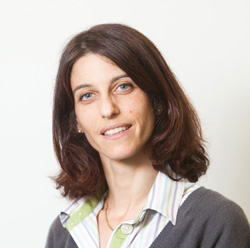
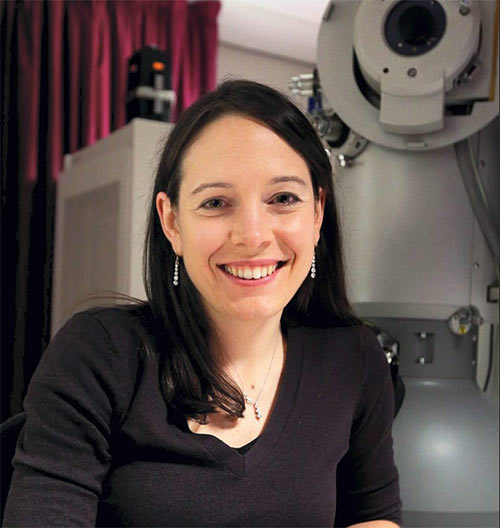
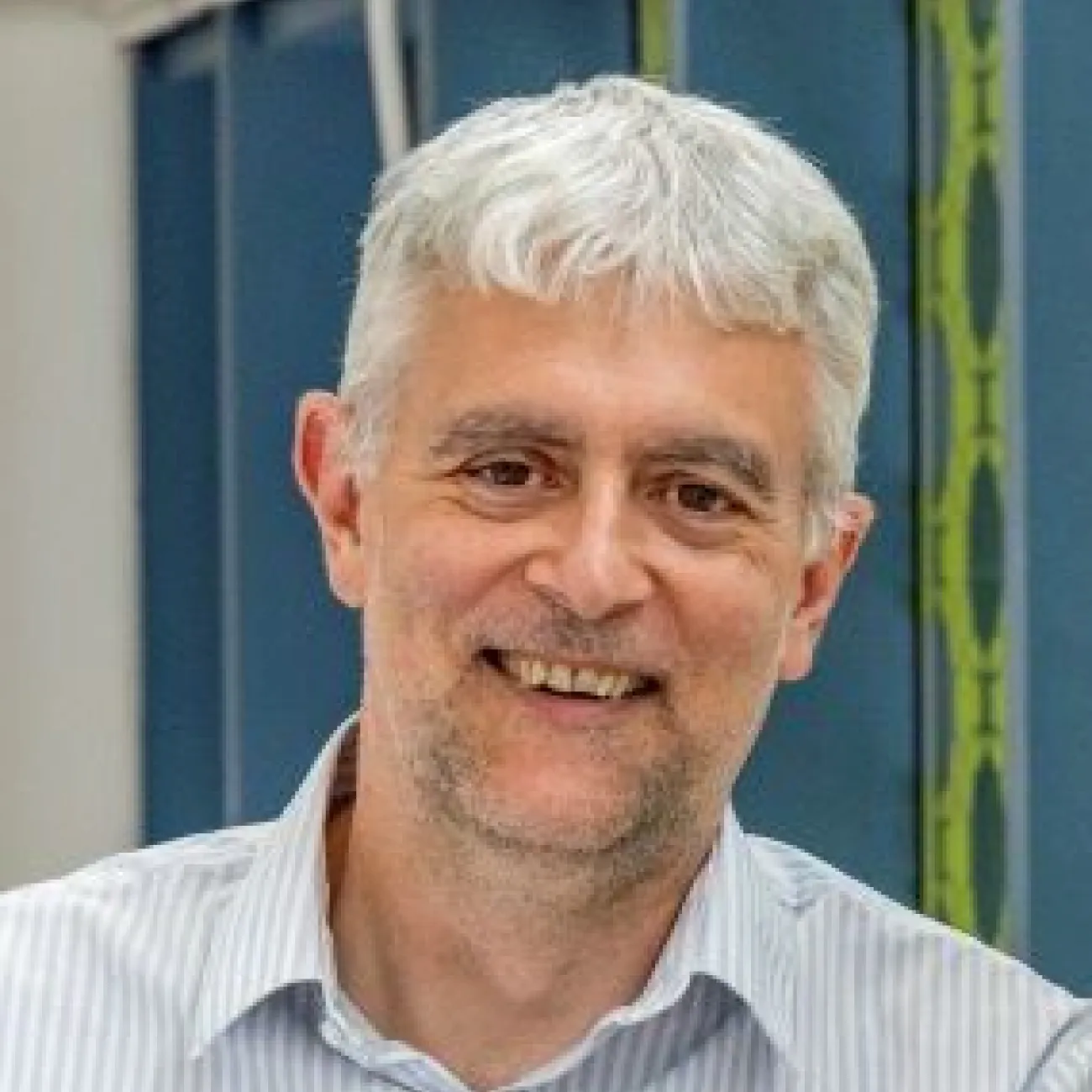
Caterina Ducati is a Professor of Nanomaterials at the Department of Materials Science & Metallurgy, University of Cambridge. Her research focuses on nanomaterials, their structure-property relationships, and applications in energy technologies, particularly photovoltaics, photocatalysis, and optoelectronics. Research Interests: In situ electron microscopy of nanomaterials under external stimuli (electrical, thermal, photonic), growth mechanisms of nanostructures (carbon nanotubes, semiconductor nanowires), and degradation processes in energy devices. Methodologies: Advanced characterization via HAADF STEM, TEM, and development of tools for real-time nanoscale observation. Recent publications highlight her work on perovskite solar cells, battery materials (Li, Zn, Na-ion), and ferroelectric thin films. She actively investigates degradation mechanisms in energy devices and develops novel fabrication techniques for nanocomposites. Scientific Recognition: A&B Post-doctoral Fellowship winners (institutional award) She supervises research groups utilizing the Wolfson Electron Microscopy Suite and contributes to interdisciplinary collaborations in materials for sustainability and healthcare applications.
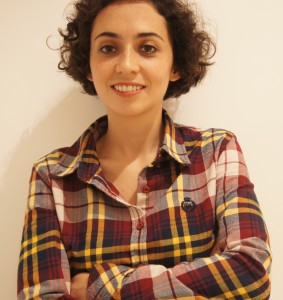
Saltanat Toleukhanova is a Researcher and Doctoral Assistant at the École Polytechnique Fédérale de Lausanne (EPFL) , based in the Lab for in situ Nanomaterials Characterisation with Electrons (INE) within the School of Engineering . She is affiliated with the Institute of Materials (IMX) and the Department of Materials . Her doctoral program is in Materials Science and Engineering . She holds offices at MXG 134 and MXD 220 at EPFL's Station 12 campus in Lausanne. Research Interests : Her work focuses on advanced materials characterization techniques, particularly using graphene-based platforms for studying nanocatalysts in electrochemical systems. Key areas include CO2 electroreduction, liquid-phase electron microscopy, and in situ analysis of catalytic materials. She develops innovative electrode designs and microfluidic systems to observe material behavior under realistic operating conditions. Grants & Advising : No specific grants or advising roles are detailed in the provided information. She is part of the INE lab team, contributing to projects involving nanomaterials and energy conversion technologies. Labs/Teams : Active in the INE lab , collaborating on interdisciplinary research at the intersection of nanotechnology and electrochemistry.
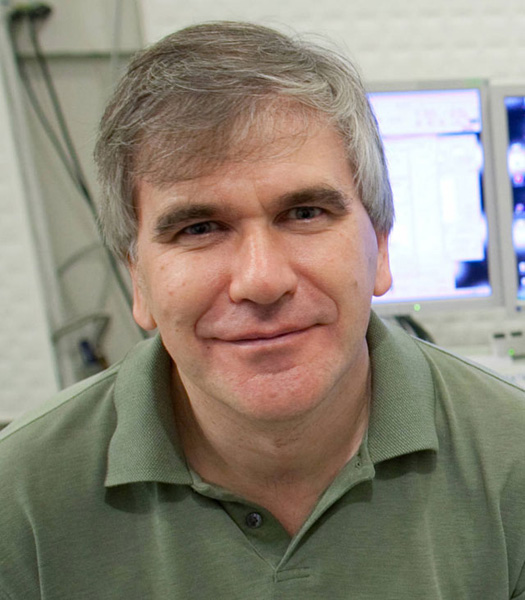
Professor Michael Preuss is a leading academic in the Department of Materials Science & Engineering at Monash University, Faculty of Engineering, where he joined in August 2020. He also holds a 20% continuing position at the University of Manchester, UK, where he previously served in multiple leadership roles. His research focuses on the relationship between manufacturing, processing, and performance of structural materials, particularly titanium and zirconium alloys, nickel-base superalloys, and steels for high-temperature and nuclear applications. First Degree: Technical University Berlin, Germany PhD: Technical University Hamburg-Harburg, Germany Michael Preuss’s research interests lie at the intersection of materials processing and performance prediction. He investigates how microstructural evolution during manufacturing affects mechanical behavior, with a focus on reducing safety margins in safety-critical components such as aeroengine parts and nuclear fuel claddings. His work emphasizes in-situ characterisation using advanced tools like synchrotron X-ray , neutron diffraction , digital image correlation , and 3D X-ray tomography . The research is highly interdisciplinary, combining experimental data with modelling to understand degradation mechanisms under stress, temperature, and irradiation. The recent publications highlight a strong focus on irradiation damage in zirconium alloys , plasticity in Ni-base superalloys , and advanced alloy development . These works employ cutting-edge diffraction and imaging techniques to probe dislocation structures, phase evolution, and mechanical onset at micro scales, reflecting a trend toward physically based lifetime prediction models. His work is closely tied to large-scale facilities and national initiatives like the European Spallation Source and the Sir Henry Royce Institute. Scientific awards include: Grunfeld Memorial Medal (IOM3, 2013) ASTM Kroll Medal (lifetime achievement in zirconium research) EPSRC Leadership Fellowship (2011) Fellow of Materials, Minerals and Mining (2016) MWA Research Activation Fund (2024) Michael Preuss actively supervises PhD students and leads major research projects, including those funded by EPSRC and focused on fuel cladding (MIDAS) and advanced manufacturing. He collaborates extensively with researchers across institutions and industries. He chairs the Scientific Advisory Committee of the European Spallation Source and serves on panels for neutron facilities like ILL and ISIS. His labs and research teams are equipped for solid-state additive manufacturing, in-operando micromechanical testing, and advanced microstructural analysis, forming a robust ecosystem for materials innovation.
Professor Laurie King is a Material Chemist at Manchester Metropolitan University, specializing in electrocatalysis and sustainable energy technologies. Her research focuses on developing novel materials for clean energy applications, including fuel cells, electrolysers, and CO2 reduction systems. She leads a collaborative group engaging with theorists, microscopists, and engineers. Her work emphasizes catalyst design, nanomaterial synthesis, and electrochemical characterisation. Research Interests: Electrocatalysis and photoelectrochemistry Water splitting, CO2 reduction, and groundwater remediation Energy storage/conversion technologies Nano-material synthesis and characterisation Professional Impact: Advisor to UK Parliament on hydrogen fuel cells and net-zero transport Peer reviewer for Nature , ACS Catalysis , and EPSRC Committee member of the UK Catalysis Hub and Royal Society of Chemistry Teaching: Undergraduate/MSc courses on energy materials, solar cells, and physical chemistry Supervisor for MRes/PhD students and summer researchers Labs & Collaborations: Works with industrial partners and academic networks like the Henry Royce Institute and APPCCG.
Christopher J. Kiely is the Harold B. Chambers Senior Professor of Materials Science and Chemical Engineering at Lehigh University (USA) and, since 2017, Professor of Electron Microscopy and Catalysis in the School of Chemistry at Cardiff University (UK). He also serves as Co-Director of the Cardiff Catalysis Institute and Director of the Materials Characterisation Facility at Lehigh. Education Ph.D., Microstructural Physics, Bristol University, 1986 B.Sc. (1st Class Honours), Chemical Physics, Bristol University, 1983 Research Focus Professor Kiely is internationally recognised for applying aberration-corrected analytical electron microscopy (AC-AEM), scanning transmission electron microscopy (STEM) XEDS/EELS spectrum imaging, and electron diffraction to the study of nanoscale features in particulate materials and interfaces. His work spans catalyst design, nanoparticle self-assembly, quantum dots, carbonaceous materials, and heteroepitaxial interfaces, with a strong emphasis on elucidating structure–activity relationships in supported gold, gold-palladium, and other bimetallic nanocatalysts. Scientific Awards & Distinctions Member of Academia Europaea (2019) Fellow of the Microscopy Society of America (2017) Fellow of the Learned Society of Wales (2015) Harold B. Chambers Senior Professorship (2010) Honorary Visiting Professor, Cardiff University (2009–2016) Innovator Award, NanoTECH Briefs (2005) Personal Chair in Materials Chemistry, University of Liverpool (1999) Leadership & Outreach Dr Kiely has directed the Lehigh Microscopy Summer Schools for two decades (2004–2024), sits on the Council of the Microscopy Society of America, and is a founding member and grant-holder of the UK’s SuperSTEM facility at Daresbury. He has published >350 journal papers and delivered numerous invited lectures across Europe and the United States.
Matthew Potter is a Lecturer in the Department of Chemistry at the University of Bath, affiliated with the Institute of Sustainability and Climate Change. His research focuses on sustainable chemical technologies, particularly through the development of porous materials for heterogeneous catalysis, CO2 capture and utilisation, and advanced characterisation techniques like synchrotron-based methods. Research Interests : Designing atomic-scale active sites for catalysis, understanding catalyst degradation, operando characterisation, and integrating computational fluid dynamics into catalytic processes. Projects : Royal Society-funded work on solid acid catalysts, RSC-funded studies on CO2 capture mechanisms, and a UK charity project applying 2D GCxGC for polymer cracking. His work aligns with UN Sustainable Development Goals, notably Climate Action. Recent articles highlight methanol dehydration, Fischer-Tropsch synthesis, and plastic degradation, employing experimental and computational approaches. Collaborations include researchers like Raja, Carravetta, and Beale. Grants : Royal Society Research Fund (2025), RSC Research Fund (2024), and another UK charity grant (2024). Activities : Supervision of external projects like 'Breathing Materials' and participation in academic events such as the Images of Research 2024 Exhibition.
Dr. Maria Crespo-Ribadeneyra is a Lecturer in Green Materials for Energy at the School of Engineering and Materials Science , Queen Mary University of London. She is also a member of the Equality, Diversity, and Inclusion (EDI) School Culture and Policy Team and serves as a Mental Health First Aider. Her research focuses on sustainable energy materials, particularly sodium-ion batteries and carbon composites. Current affiliations: Queen Mary University of London, Centre for Sustainable Engineering Research themes: Sustainable battery design, operando characterization, biomimetic materials Grants: Royal Society grant (2024-2026) for sodium-ion battery interfaces; British Council funding (2023-2024) for education partnerships Research Trends: Recent work spans sodium-ion battery anodes, sulfur-doped carbon electrodes, structural supercapacitors, and sustainable upcycling of waste materials like PET. Collaborations include institutions across Europe and the UK. Teaching & Outreach: Maintains in-person office hours (Wednesdays 10-12) and is part of the EDI/mental health support infrastructure.
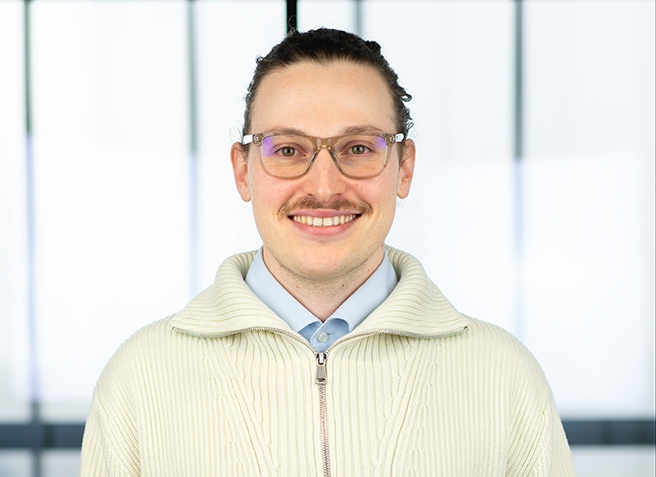
Alexandar Marinov is a Postdoctoral Researcher at CIC energiGUNE, working in the Cell Design and Manufacturing research group since November 2024. His research focuses on optimizing sodium-ion pouch cell performance and investigating presodiation strategies for O3-type layered oxide cathodes and hard carbon anodes. His educational background includes: PhD in Chemical Engineering from University College London (UCL) (2019-2024), where he studied the lithiation mechanism of MoS 2 in lithium-ion batteries and developed an aqueous electrophoretic deposition process for MoS 2 . Master's in Chemical Engineering from UCL (2015-2019) with distinction, with a thesis on "Novel 2D Materials for Application as Battery Electrodes". Dr. Marinov's research interests span electrochemical energy storage with emphasis on 2D materials like MoS 2 for battery electrodes, lithiation/sodiation mechanisms , and advanced characterization techniques . He integrates big data electrochemistry with material science to analyze battery degradation pathways and optimize performance. His work bridges fundamental material properties with practical cell engineering for next-generation energy storage. His notable recognition includes: BEAMS Summer Studentship (2018) for research on platinum nanoparticle formation on MoS 2 nanosheets for hydrogen evolution catalysis. At CIC energiGUNE, Dr. Marinov contributes to industrial-scale sodium-ion battery development through experimental cell testing, data-driven optimization, and collaboration with multidisciplinary teams focused on commercializing sustainable energy storage solutions.
Jerrik Mielby is an Associate Professor in the Department of Chemistry at the Technical University of Denmark (DTU). He is affiliated with the Inorganic Chemistry section within the Catalysis and Sustainable Chemistry group, working out of Building 206, Room 158 at Chemistry Square, DTU Lyngby Campus. Research Interests Mielby’s research sits at the intersection of heterogeneous catalysis and sustainable chemistry, with a strong emphasis on designing advanced zeolite- and carbon-based nanomaterials that drive energy-efficient and environmentally benign transformations. His core activities encompass: Encapsulation and stabilization of metal nanoparticles inside tailored porous supports (zeolites, ordered mesoporous carbons, MOF-derived matrices). CO₂ valorisation routes such as methanation, alcohol synthesis, and low-temperature hydrogenation enabled by Ni-, Cu-, and Pd-based catalysts. Deep methane oxidation for emission control, focusing on sulfur-tolerant Pd/zeolite systems that withstand realistic exhaust conditions. Bioethanol upgrading via dehydrogenation and aromatisation over Zn- or Cu-promoted zeolite catalysts, bridging biomass conversion and fuel chemistry. Operando spectroscopic studies (modulation-excitation DRIFTS, XAS) that unravel active-site dynamics under reaction conditions. Publication Profile Since 2010, Mielby has co-authored more than 35 peer-reviewed papers spanning high-impact journals in catalysis and materials science. The body of work exhibits a clear temporal evolution from fundamental mechanistic studies of gold-catalysed oxidative coupling reactions to the latest 2025 publication on sulfur-tolerant methane oxidation catalysts. Collectively, the literature demonstrates sustained innovation in catalyst design, advanced characterisation, and process intensification for carbon-neutral fuel and chemical production. Scientific Awards While the provided text does not list specific honours, the breadth and longevity of Mielby’s publication record and his academic rank at DTU suggest recognition within the catalysis community. Contact & Identifiers Email: jjmie@kemi.dtu.dk ORCID: 0000-0001-6588-2495 Phone: +45 4525 2363
Professor Sarah Haigh is a Professor of Materials Characterisation at the University of Manchester, leading the Electron Microscopy Centre within the School of Natural Sciences. She specializes in advanced transmission electron microscopy (TEM) techniques to study nanomaterials' atomic-scale structure and properties, particularly focusing on 2D materials like graphene and their heterostructures. Her research also addresses nanoparticle interactions, catalysis, and sustainable energy applications. She directs the bp International Centre for Advanced Materials, a $100M collaboration with bp targeting net-zero technologies. Education: BSc and PhD in Materials Science from the University of Oxford (2004 and 2008). Professional Roles: Elected Liveryman of the Worshipful Company of Armourers and Brasiers, former Chair of the Institute of Physics EMAG group, and Director of Manchester’s Electron Microscopy Centre. Awards: Blavatnik UK Finalist (2022), Rosenhain Medal (2017). Research Interests: TEM-based analysis of nanomaterials, in-situ imaging, electron tomography, and functional 2D material devices. Projects include optimizing CO2 conversion, fuel cell efficiency, and quantum device development. Her work aligns with UN Sustainable Development Goals on clean energy and climate action. Publications: Over 320 peer-reviewed articles (h-index 68), including key contributions on nanomaterial characterization, catalysis, and energy materials. Active in mentoring PhD students and industrial collaborations.
Professor Andrew Hector is a Professor of Inorganic Chemistry and Head of the School of Chemistry at the University of Southampton. His research focuses on materials synthesis (including metal nitrides, thin films, and porous structures), materials characterization techniques (diffraction, microscopy, spectroscopy), and electrochemistry applications such as battery and supercapacitor development. He leads the Electrochemistry research group and has extensive experience in electrodeposition and energy storage materials. Education: BSc Chemistry, Imperial College (1992) PhD, University College London (1996) Teaching: Module coordinator for CHEM6152 (Battery Materials and Characterisation) Lecturer for CHEM6146 (X-Ray Crystallographic Techniques), CHEM6153 (X-Ray Diffraction), and Electrochemistry Summer School Tutor for CHEM1048/1053 (Chemistry fundamentals) Research Highlights: Active projects include solid-state battery manufacturing, lignocellulosic biomass valorisation, and ammonia synthesis via computational/experimental approaches EPSRC-funded projects on nitride catalysis, microfocus diffraction, and topological engineering Grants & Roles: EPSRC College member and Royal Society Research Grants panel member Treasurer of RSC Electrochemistry Interest Group Lab & Teams: Electrochemistry group at Southampton Collaborations with international researchers in energy materials and advanced characterization
Dr. Xiangling Yue is a Rutherford Fellow and Researcher at the School of Chemistry, University of St Andrews. Her work focuses on energy materials and engineering in solid oxide cells (SOCs), including fuel cells, CO₂ electrolysis, and green hydrogen production. She holds a M.Eng. (2009) and Ph.D. (2014) from the Dalian Institute of Chemical Physics, Chinese Academy of Sciences, under Prof. John Irvine’s supervision. Her research emphasizes exsolution materials, nanomaterial optimization via high-temperature electrolysis, and advanced characterization techniques. Key research areas include: solid oxide fuel cells (SOFCs), solid oxide electrolysis cells (SOECs), ceramic processing, and electrochemical material design. Her projects involve developing alternative cathodes and fuel electrodes, enhancing CO₂ electrolysis efficiency, and exploring nanomaterial applications. She has secured an EPSRC UKRI Innovation Fellowship (2018) to advance independent research. Education: M.Eng., Dalian Institute of Chemical Physics, Chinese Academy of Sciences (2009) Ph.D., Dalian Institute of Chemical Physics, Chinese Academy of Sciences (2014) Her publications highlight advancements in nanoparticle exsolution, electrode materials, and electrolyte compatibility. Awards include the prestigious Rutherford Fellowship, underscoring her contributions to sustainable energy technologies.
Joanne Etheridge is a Professor (Research) in the Department of Materials Science and Engineering at Monash University's School of Physics and Astronomy. She holds dual roles as Georgina Sweet Australian Laureate Fellow and Science Director of the Monash Centre for Electron Microscopy. Her research focuses on developing advanced electron microscopy and diffraction techniques to study functional materials' atomic-scale structure and properties, with applications in sustainable energy and nanotechnology. Education: PhD in Physics, RMIT University B.Sc (Hons I) in Physics, University of Melbourne Her expertise includes electron crystallography, nanomaterials characterization, and energy materials. She has led major research projects like 'UltraTEM' and 'The Australian Characterisation Commons at Scale.' Awards include the John Sanders Medal and Fellow of the Australian Academy of Science. Current projects explore in-operando microscopy, perovskite materials, and novel electron microscopy methods. She collaborates internationally and serves on editorial boards for journals like Physical Review Materials and Microscopy .
Dr Nik Reeves-McLaren is a Senior Lecturer in Energy Materials at the School of Chemical, Materials and Biological Engineering, University of Sheffield. He serves as Interim Head of the Engineering Graduate School and leads the Raman Small Research Facility. His research focuses on energy storage materials, particularly electrode and solid electrolyte materials for lithium-ion and sodium-ion batteries. BSc (Hons) in Chemistry with New Materials Technology, University of Aberdeen (1999) PhD in Energy Materials, University of Sheffield His research program emphasizes in situ and operando characterization of energy storage materials using X-ray diffraction/tomography, neutron diffraction, muon spectroscopy, and Raman spectroscopy. He authored the primer Inside Energy Storage Materials (AIP, 2022) and has contributed chapters on X-ray absorption spectroscopy and future directions in energy storage research. Key research themes include: Development of novel electrode materials for lithium/sodium-ion batteries Operando diffraction studies of battery materials Improving battery safety and manufacturing costs Raman spectroscopy applications in quality control He has published extensively in journals like Advanced Science , Materials Research Express , and Journal of Physical Chemistry C , with a focus on solid-state electrochemistry and materials characterization. Scientific contributions include: Senior Fellow of the Higher Education Authority Member of the Royal Society of Chemistry Dr Reeves-McLaren supervises four PhD researchers and contributes to teaching through modules such as Materials Processing and Characterisation, Energy Generation and Storage, and Transferable Skills for Engineers.
John Lowe serves as a Senior NMR Spectroscopist at the University of Bath, where he manages seven NMR spectrometers (six solution, one solids/solution) operating at 400/500 MHz. He leads the Chemical Characterisation Facility, which houses advanced mass spectrometry and chromatography equipment alongside NMR capabilities. His research profile demonstrates significant contributions to nuclear magnetic resonance methodology and applications. His primary research focus centers on developing FlowNMR as a tool for online reaction monitoring, with additional expertise in inorganic NMR, pore size determination via NMR techniques, and diffusion NMR applications. His work contributes to multiple UN Sustainable Development Goals related to scientific advancement and technological innovation. Analysis of his 84 research outputs reveals consistent contributions to materials science, particularly in NMR methodology development, organometallic chemistry, and catalytic applications. His recent publications (2024-2025) demonstrate active engagement in heterometallic complex synthesis, catalytic mechanisms, and advanced NMR applications for reaction monitoring. Lowe has served as a Co-Investigator on six major research projects funded by EPSRC and MRC, with project durations spanning from 2012 to 2024. These projects focus on NMR facility enhancement, in-operando reaction monitoring, and chemical characterization infrastructure. His collaborative network extends across multiple research areas, with significant contributions to nanoparticle characterization, surface science, porosimetry, and oxidation reactions. The fingerprint analysis of his work shows strong connections to Nuclear Magnetic Resonance (100%), NMR Spectroscopy (29%), Surface Science (19%), and Porosimetry (18%).