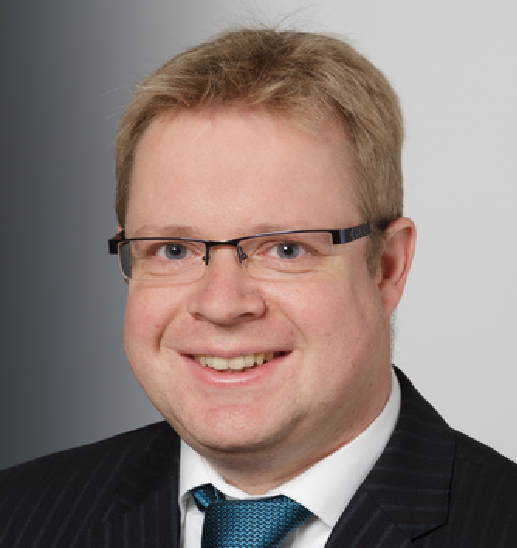
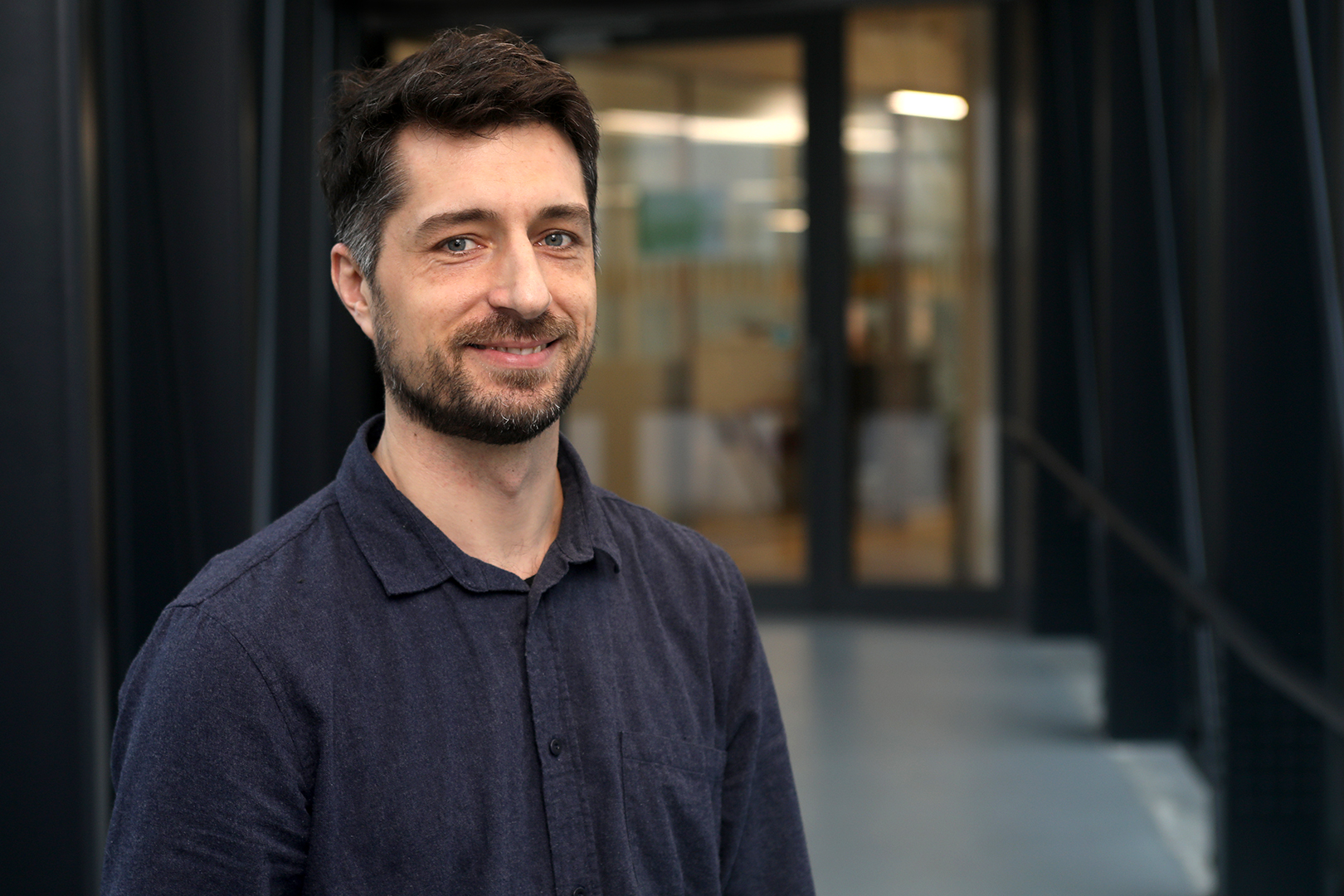
Prof. Dr. Peter Strasser is a faculty member at the Technische Universität Berlin , affiliated with the Institute of Chemistry and leading the Electrochemical Catalysis, Energy and Materials Sciences Group within the Faculty II - Mathematics and Natural Sciences . His research spans electrocatalysis , fuel cell technology , and high-throughput materials testing , with a focus on nanostructured catalysts for clean energy systems. Research Interests : High Throughput Testing Fuel Cells Electrocatalysis Electrochemical Materials Water Splitting CO2 Conversion Scientific Contributions highlight trends in oxygen evolution reactions , dealloyed catalysts , and non-noble metal electrocatalysts . His work bridges materials science and energy storage , particularly for hydrogen fuel cells and magnesium batteries . Awards : Otto Roelen Medal 2016 Advising notable researchers like former PhD student Mehtap Özaslan , who established a junior research group at the University of Oldenburg and won the Umicore Scientific Award. Prof. Strasser's team collaborates with UniSysCat and has secured funding from the Federal Ministry of Research for catalyst innovation.
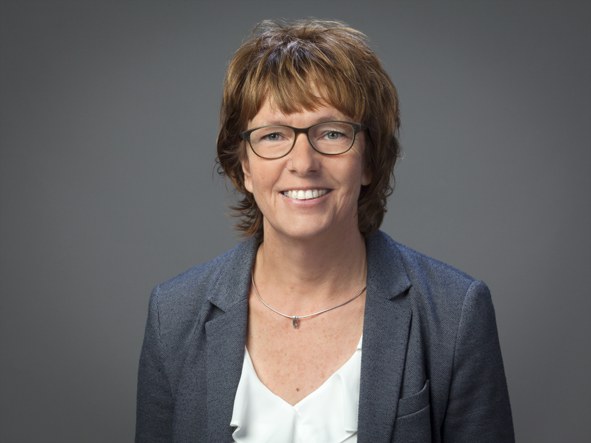
Prof. Johannes A. Lercher is a retired professor (as of April 2023) at the Technical University of Munich (TUM), holding the Chair of Chemical Technology II within the Department of Chemistry. His research focuses on heterogeneous catalysis, particularly understanding catalytic processes at solid-liquid and solid-gas interfaces, with applications in sustainable energy production, CO₂ conversion, and catalytic upcycling of polymers. He has held academic positions at the University of Twente (Netherlands) and the Pacific Northwest National Laboratory (USA), and has been Editor-in-Chief of the Journal of Catalysis . His honors include the Alwin Mittasch Prize (2021), ENI Award (2016), and Kozo Tanabe Prize (2013). His recent work emphasizes low-temperature polymer upcycling, methane activation, and bioinspired catalyst design, leveraging advanced spectroscopic and operando techniques. Despite retirement, his contributions to catalysis research remain impactful. Education: PhD (1980) and Habilitation (1985), Vienna University of Technology Visiting Lecturer, Yale University (1982) Research Interests: Heterogeneous catalysis, catalytic interfaces, sustainable energy carriers, CO₂ valorization, and polymer waste upcycling. Key areas include: Design of catalysts for selective hydrocarbon synthesis Mechanistic studies using advanced spectroscopy Development of scalable catalytic processes for industrial applications Recent Trends in Publications: Focus on low-temperature polymer recycling (e.g., PVC and polyolefin upcycling), methane activation via novel catalysts (e.g., Co 2+ in ZSM-5), and bioinspired catalytic strategies. His work bridges fundamental catalysis with industrial relevance, emphasizing sustainability and energy efficiency. Awards and Recognition: Member, Academia Europaea and US National Academy of Engineering Recipient of multiple international catalysis awards (see full list above) Grants and Labs: Led the Institute for Integrated Catalysis (Pacific Northwest National Lab, 2011–present). His research groups have pioneered studies on zeolite-confined reactions and interfacial catalysis, with collaborations spanning academia and industry. Labs/Teams: Active in the TUM Department of Chemistry and international networks focused on catalytic innovation for a carbon-neutral economy.
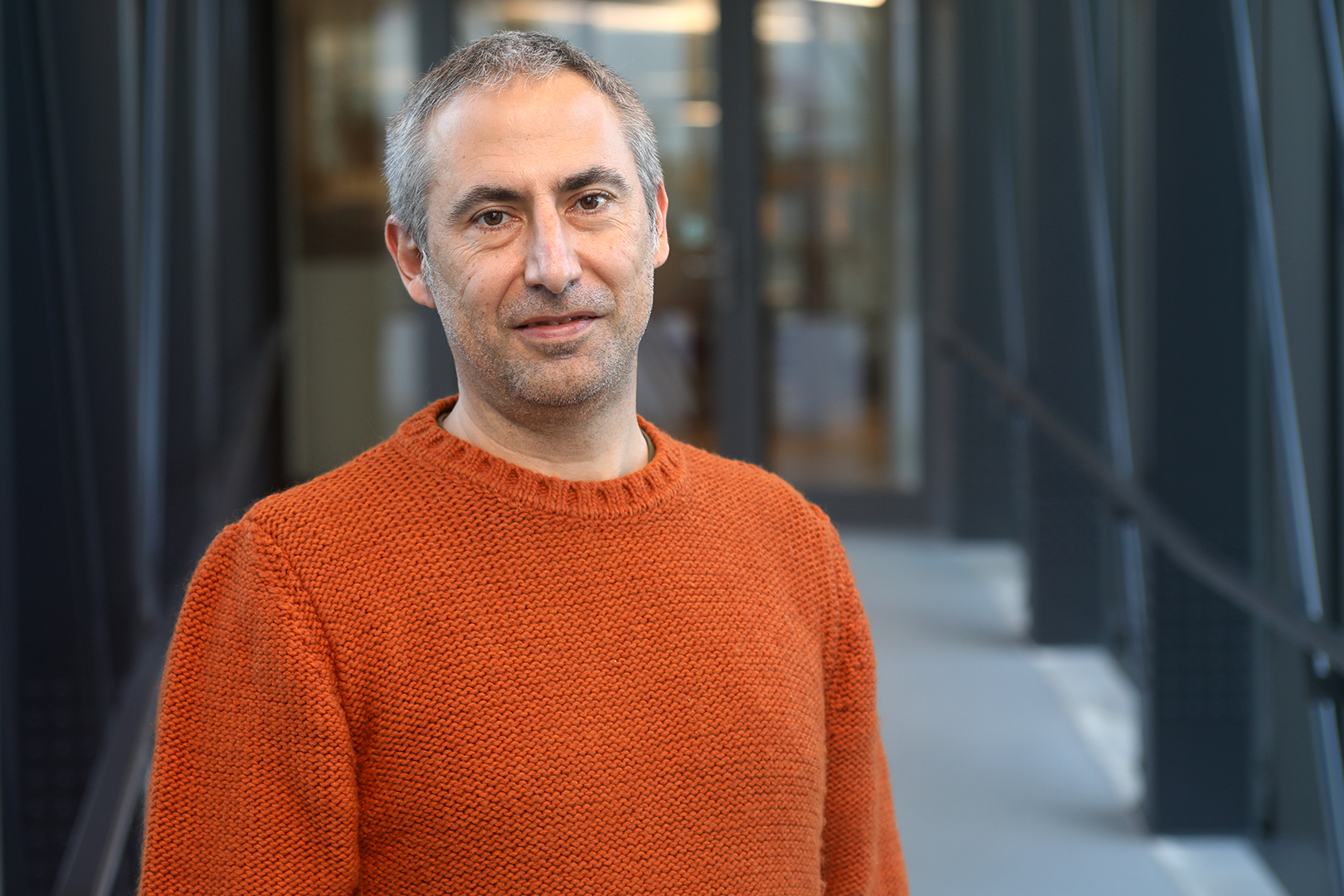
Ina Vollmer is an assistant professor at the Inorganic Chemistry and Catalysis group at Utrecht University, Netherlands. She focuses on mechano-catalytic depolymerization of plastic waste to produce high-quality chemical building blocks, combining heterogeneous catalysis with mechano-chemical bond scission at room temperature. Education : Process Engineering (Hamburg University of Applied Science), Chemical Engineering (Massachusetts Institute of Technology, 2015), PhD in methane aromatization over zeolite catalysts (2019). Research : Develops novel strategies for plastic recycling using ceramic grinding spheres functionalized with catalytic sites, enabling radical-based polymer conversion without high-temperature pyrolysis. Awards : Veni and XS grants from Dutch Research Council (NWO) in 2021 for room-temperature plastic conversion technology. Patents : Holds a patent (2022) for mechano-catalytic plastic recycling methods.
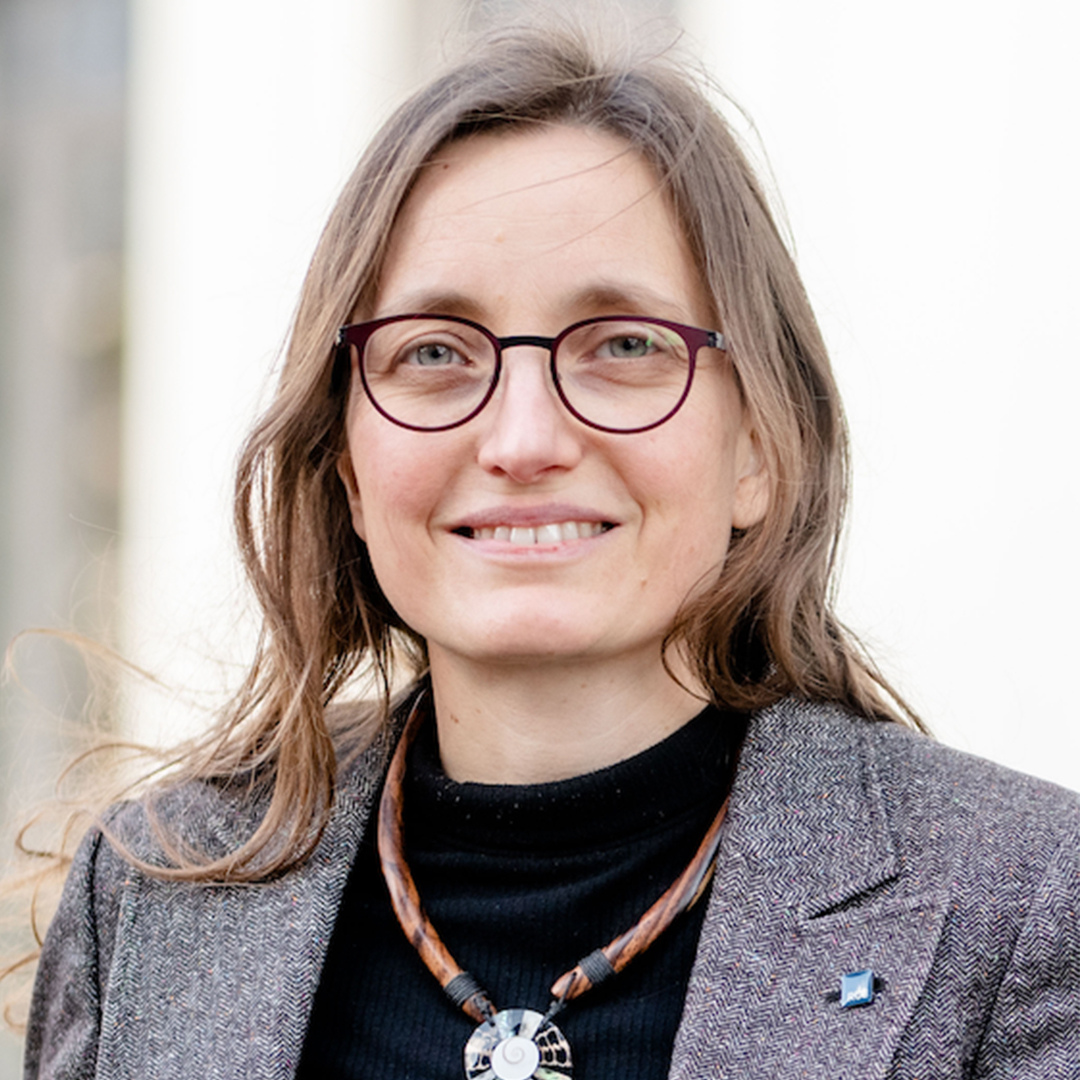
Prof. Ian D. Sharp is a Professor and Head of the Functional Semiconductors and Catalysts Group at the Walter Schottky Institute, Technical University of Munich (TUM). His research focuses on synthesizing and characterizing semiconductors and catalysts for renewable energy applications, particularly solar fuel production and photocatalytic systems. He leads a multidisciplinary team investigating material interfaces, charge carrier dynamics, and advanced deposition techniques like atomic layer deposition (ALD) and molecular beam epitaxy (MBE). Research Interests: His work centers on developing materials for efficient photochemical conversion, including nitride/oxynitride thin films, nanostructured catalysts, and heterostructured materials. Key areas include optimizing semiconductor interfaces for water splitting, enhancing charge collection efficiency, and studying defect properties using advanced spectroscopic and microscopic tools. Publications: Recent work emphasizes stable photoelectrodes, chiral perovskite heterostructures, and functional nanoarchitectures. His group's contributions span energy materials, nanotechnology, and sustainable chemistry, with a focus on bridging fundamental science and practical applications. Awards: ERC Consolidator Grant (2019) Grants: Active funding for solar fuels research and materials engineering. Advising: Mentors ~20 PhD and Master's students in experimental and theoretical projects. Labs/Teams: Oversees state-of-the-art facilities for thin film deposition, characterization (e.g., in situ spectroscopy), and nanofabrication. Collaborates with institutions like EPFL, National Taiwan University, and Lawrence Berkeley National Lab.
Prof. Dr. Thomas Taubner serves as a Professor at the Institute of Physics within the Faculty of Mathematics, Computer Science and Natural Sciences at RWTH Aachen University. He leads the IR Nano-Optics and Metamaterials research group, operating from Campus Melaten (Physics Building 26, Room A 104). His team focuses on cutting-edge nanophotonic technologies with applications in infrared optics and reconfigurable optical systems. Taubner's research spans nanophotonics, infrared spectroscopy, metamaterials, and phase-change materials, with particular expertise in plasmonic phase-change materials like In 3 SbTe 2 . His group pioneers techniques for dynamic control of light at the nanoscale through near-field microscopy, beam steering, and thermal emission manipulation. Key areas include 2D material characterization, phonon polariton engineering, and ultrafast optical phenomena in semiconductor heterostructures. Analysis of his recent publications reveals a dominant focus on programmable infrared nanophotonics using plasmonic phase-change materials. His work consistently demonstrates reconfigurable optical devices through direct laser writing, geometric phase metasurfaces, and real-space imaging of confined electromagnetic waves. The research shows strong interdisciplinary connections between condensed matter physics, materials science, and optical engineering, with practical applications in thermal management, sensing, and next-generation optical computing. Prof. Taubner actively supervises doctoral and master's students, regularly advertising thesis positions and doctoral openings through his research group. His team maintains advanced laboratory facilities for nanofabrication, near-field optical characterization, and ultrafast spectroscopy, supporting both fundamental research and technology development in infrared nanooptics.
Christoph T. Koch is a Professor of Physics at Humboldt-Universität zu Berlin, where he has held the W3 Chair since 2015. Previously, he held a similar position at Ulm University (2011–2015), supported by the Carl Zeiss Foundation. His research focuses on advanced electron microscopy techniques, including quantitative transmission electron microscopy (TEM), electron holography, and strain mapping. He leads the AG Strukturforschung/Elektronenmikroskopie group, advancing materials science through innovations in imaging and spectroscopy. Education: B.Sc./M.Sc. in Physics at Heidelberg University (1996–1998), followed by an exchange at Arizona State University (1997–1998). PhD in Physics from Arizona State University (2002, advisor: Prof. John C.H. Spence). Postdoctoral research at the Max Planck Institute for Metals Research, Stuttgart (2002–2011). Research interests include: Electron diffraction and phase retrieval Nanometer-scale strain and defect analysis Electron energy-loss spectroscopy (EELS) for plasmonics and bandgap mapping Development of FAIR data infrastructure for materials science Leadership: Managed the Department of Physics at Humboldt University (2020–2024). Collaborates widely, with key co-authors including P.A. van Aken, W. Sigle, and C. Felser. His work bridges experimental microscopy and computational modeling, addressing challenges in semiconductors, ceramics, and 2D materials. Notable contributions include pioneering methods for 3D reconstruction via electron ptychography, dynamic electron diffraction analysis, and strain mapping in advanced CMOS technologies. Current efforts emphasize real-time imaging and AI-driven data analysis in materials research.
Florian Hausen is a Professor for Applied Interface Electrochemistry at RWTH Aachen University and leads the scanning probe microscopy focused group at the Fundamentals of Electrochemistry (IET-1) department within Forschungszentrum Jülich . His work bridges electrochemistry, nanotechnology, and materials science, with a focus on energy storage systems. Education : Studied Chemistry at the University of Bonn PhD in Physics from Saarland University Hausen's research interests center on in-situ/operando scanning probe techniques to study interfaces in energy materials, including solid-state batteries , proton exchange membrane water electrolyzers , and ionic liquids . His group explores: Correlative microscopy (AFM, SEM, EPR) for multi-scale analysis Mechanical properties under electrochemical load Tribology of materials in battery systems Interphases in lithium, zinc, and silicon-based energy technologies The article trends reflect his expertise in: Nanoscale electrochemical characterization of battery and electrolyzer components Material degradation under dynamic cycling and electrochemical stress Correlation of electrical, mechanical, and chemical properties in energy systems Technique development for operando studies and data reproducibility His work contributes to understanding and improving: Lithium plating and SEI formation Nanomechanical stability of electrolyzer anodes and cathodes Carbon nanofiber properties for battery electrodes Doping effects in ceramic solid electrolytes
Prof. Dr. Bettina V. Lotsch is Director of the Nanochemistry Department at the Max Planck Institute for Solid State Research (Stuttgart) and Honorary Professor at Ludwig-Maximilians-Universität München's Faculty for Chemistry and Pharmacy. She holds a prestigious Leibniz Prize (2025) and leads research in nanochemistry, materials science, and energy conversion technologies. Her multidisciplinary research focuses on developing multifunctional materials through solid-state and nanochemistry approaches, with emphasis on covalent organic frameworks, photonic nanostructures, and solid electrolytes for energy applications. Current projects explore solar batteries, electrocatalysis, and quantum materials. Prof. Lotsch has received numerous international honors including Baker Lectureship (Cornell), Materials Lectureship (Warwick), and EU-40 Materials Prize. She coordinates a large research team of >20 doctoral students and postdocs working on solid-state electrolytes, COF photocatalysis, and 2D material design. Education: PhD (summa cum laude) from LMU Munich, postdoctoral training at University of Toronto with G.A. Ozin, and visiting studies at University of Oxford. Research Leadership: Manages laboratories at both Max Planck Institute (Stuttgart) and LMU Munich (Chemistry Department) with specialized facilities for materials synthesis and characterization.
Prof. Robert Schlögl is a leading researcher in heterogeneous catalysis and electrochemistry, serving as Director of the Fritz Haber Institute of the Max Planck Society since 1994 and Founding Director of the Max Planck Institute for Chemical Energy Conversion (MPI CEC) since 2011. He holds honorary professorships at TU Berlin, Humboldt-Universität Berlin, and the University of Duisburg-Essen. His work focuses on catalytic materials for energy storage (e.g., CO₂ conversion, hydrogen production), with contributions to methane oxidation, water splitting, and electrochemical systems. Schlögl has led national initiatives like the Carbon2Chem project and serves on key advisory boards, including the German National Academy of Sciences Leopoldina. His accolades include the 2017 ENI Award for Energy Transition and the 2019 Ipatieff Lectureship. Research teams under his leadership utilize advanced tools like operando X-ray spectroscopy and microreactors to study catalyst dynamics. Ongoing projects address sustainable hydrogen technologies and CO₂ utilization. Education: Diplom (1979), Dr. rer. nat. (1982) from Ludwig-Maximilians-Universität München, followed by postdoctoral research at Cambridge and Switzerland. Key roles include leadership in the Helmholtz Association and the German Catalysis Society. His labs at the Fritz Haber Institute and MPI CEC host interdisciplinary collaborations in catalytic innovation.
Prof. Dr. Regina Dittmann is the Director of the Electronic Materials division (PGI-7) at the Peter Grünberg Institute (PGI), part of the Research Center Jülich. Her research focuses on memristive systems, resistive switching phenomena, and neuromorphic computing architectures. She leads a team exploring novel oxide materials and their applications in advanced electronics, including memristive heterostructures, nanoelectronics, and energy-efficient computing systems. Her work integrates materials science, device physics, and computational modeling to develop next-generation memory and neuromorphic hardware. Key research areas include the design and characterization of memristive devices, understanding ion migration in perovskite materials, and optimizing thermal and electronic stability in nanoscale systems. Recent studies emphasize the role of space charge effects in metal exsolution, the development of fault-tolerant neuromorphic architectures, and the application of synchrotron-based techniques for in-situ material analysis. Her contributions have advanced the theoretical and practical foundations of resistive switching mechanisms and their implementation in energy-efficient computing systems.
Dr. Olaf Rüdiger is a Group Leader at the Max Planck Institute for Chemical Energy Conversion (MPI CEC), leading the Spectroelectrochemistry group within the Department of Inorganic Spectroscopy. His research focuses on understanding and designing bio-inspired catalysts for hydrogen production/oxidation and energy conversion systems, particularly using hydrogenases and earth-abundant metal complexes. He earned his B.Sc. from the University of Valencia (2003), M.Sc. from Universidad Autónoma de Madrid (2006), and Ph.D. from Universidad Autónoma de Madrid and CSIC (2009). His work combines electrochemistry with advanced spectroscopic techniques to study catalyst dynamics under operational conditions. Key research areas include: Development of redox hydrogels to protect oxygen-sensitive hydrogenases Electrochemical and spectroscopic analysis of OER catalysts (e.g., cobalt oxides) Immobilization strategies for bio-inspired and enzymatic catalysts on electrodes His group has pioneered methods to stabilize hydrogenases in harsh environments using redox polymers, enabling their application in fuel cells. Recent studies emphasize operando characterization of catalysts during turnover, revealing insights into active site structures and reaction mechanisms. Laboratory collaborations include partnerships with Ruhr University Bochum (W. Schuhmann, N. Plumeré) and the Savitsky/Cox groups for in situ EPR/XAS studies. Current projects explore single-atom catalysts for water oxidation and light-responsive spin-state switches in iron complexes.
Carolin Müller is a Juniorprofessor for the Theory of Electronically Excited States at the Friedrich-Alexander University Erlangen-Nuremberg since November 2023. Previously, she was a Feodor Lynen Postdoctoral Researcher at the University of Luxembourg (June 2022-October 2023) and a Postdoctoral Researcher at Friedrich Schiller University Jena (March 2021-May 2022). Dr. Müller received her B.Sc. (2016) and M.Sc. (2018) in Chemistry from Friedrich Schiller University Jena, followed by her Ph.D. (Dr. rer. nat) in 2021 from the same institution. Her doctoral research focused on "Towards Operando Spectroscopy of Supramolecular Photocatalysts – A Case Study on Ru-dppz-derived Systems" under the supervision of Prof. B. Dietzek-Ivanšić. Dr. Müller's research focuses on the theoretical understanding of photoinduced processes in molecules and materials. Her group (CPC Group) investigates electron transfer processes, isomerization reactions, and excited-state dynamics with the goal of controlling and optimizing light-driven processes for increased reactivity and efficiency. Her work combines computational chemistry, spectroscopy, and machine learning approaches, specifically utilizing methods like TD-DFT, CASSCF, molecular/quantum dynamics, and cheminformatics techniques including SVD, MCR, and global/target lifetime analysis. Her recent publications demonstrate a strong interdisciplinary approach spanning computational chemistry, spectroscopy, and machine learning. Key themes include nonadiabatic molecular dynamics, excited-state simulations, photoswitch design, photocatalysis, and the development of computational tools like KiMoPack for kinetic modeling. Her work often bridges theoretical predictions with experimental validation through close collaboration with spectroscopy research groups. Feodor Lynen Research Fellowship (Alexander von Humboldt Foundation) Thuringian Research Award 2023 for Applied Research Albert-Weller Award (German Chemical Society) Dissertation Award (Faculty of Chemistry and Earth Sciences) FCI Kekulé PhD fellowship As a Juniorprofessor, Dr. Müller leads the CPC Group at FAU, where she mentors students in computational chemistry research. She has developed expertise in combining spectroscopic techniques (resonance Raman, transient absorption, and time-resolved emission spectroscopy) with computational methods and cheminformatics approaches. She also actively contributes to the scientific community through service roles including co-organizing the ESTML 2023 Workshop and serving as an active member in the yPC organization of the German Bunsen Society. Dr. Müller is actively developing the CPC Group research program at the Computer Chemistry Center, focusing on light-induced physical processes and chemical reactions. Her group combines quantum chemistry, chemoinformatics, and experimental spectroscopy to reveal mechanisms behind photoinduced phenomena and optimize light-driven processes.
Prof. Dr. Hans-Georg Steinrück is a faculty member at Forschungszentrum Jülich GmbH, affiliated with the Institute for Sustainable Hydrogen Economy (INW) and leading the Department of Catalytic Interfaces (INW-1). His research spans electrochemical systems, materials science, and interface engineering for energy applications. University: Forschungszentrum Jülich GmbH Institute: Institute for Sustainable Hydrogen Economy (INW) Department: Catalytic Interfaces (INW-1) Rank: Professor Research Focus: Dr. Steinrück investigates structural and dynamic properties of materials in electrochemical systems. Key areas include: Hydrogen economy and sustainable energy storage Thin film characterization via X-ray and electron diffraction Electrolyte dynamics in battery technologies Surface science applications for catalysis and corrosion resistance Organic electronics and molecular alignment in semiconductors Recent Publication Trends: Recent works emphasize operando structural analysis of energy materials, ion transport mechanisms in electrolytes, and advanced characterization techniques like grazing incidence X-ray diffraction (GIWAXS) and 3D electron diffraction. His research bridges fundamental materials science with applied energy technologies. Laboratory Affiliations: He leads the Catalytic Interfaces group within the Institute for Sustainable Hydrogen Economy, focusing on sustainable hydrogen systems and interfacial processes.
Prof. Dr. Marialore Sulpizi is a Professor of Theoretical Physics of Electrified Liquid-Solid Interfaces at Ruhr-University Bochum, Germany, and a core member of the RESOLV Cluster of Excellence. Previously, she served as Junior Professor (2010–2017) and Adjunct Professor (2017–2021) at Johannes Gutenberg University Mainz. Her research focuses on molecular-scale understanding of electrified solid-liquid interfaces using ab initio and atomistic simulations, addressing phenomena like charge/mass transport in energy conversion and biomembrane systems. She holds a Laurea (M.Sc.) in Theoretical Physics from Università di Roma La Sapienza (1997) and a PhD in Condensed Matter Theory from SISSA (2001), followed by postdoctoral work at EPFL/ETHZ (Switzerland) and the University of Cambridge (UK). Research interests span interfacial electrochemistry, nanomaterials, and environmental interfaces. She explores how interfacial structure influences reactivity in systems like platinum electrodes, gold nanoparticles, and silicate surfaces. Key contributions include modeling electrolyte double layers, nanoparticle growth mechanisms, and surface acidity effects. Publications (2021–2025) highlight advancements in interfacial dynamics, ionic liquid confinement, and biomolecular solvation. Her work bridges fundamental physics with applied challenges in energy storage and biointerfaces. Collaborations with experimental groups enable validation of simulation predictions. Current projects investigate non-equilibrium interface behavior and solvent roles in chemical reactions.
Dr. Yves Kayser is a Researcher and Project Leader at the Max Planck Institute for Chemical Energy Conversion (MPI CEC), leading the In-house X-ray Spectroscopy group since 2022. His work focuses on developing advanced X-ray spectroscopic techniques for studying catalytic materials and energy storage systems. He holds a B.Sc., M.Sc., and Ph.D. in Physics from the University of Fribourg, Switzerland, followed by postdoctoral research at the University of Fribourg, Paul Scherrer Institut (Switzerland), and the Physikalisch-Technische Bundesanstalt (Germany). Affiliations: Max Planck Institute for Chemical Energy Conversion (MPI CEC) Research Interests: X-ray absorption spectroscopy (XAS), X-ray emission spectroscopy (XES), high-energy-resolution spectroscopy for catalytic materials, in situ/operando analysis, and instrumentation development. Dr. Kayser’s research emphasizes leveraging X-ray techniques to probe electronic and geometric structures of catalytic materials. His group develops stand-alone laboratory instruments for high-energy-resolution studies, including laser plasma sources and von Hamos spectrometers. Key contributions include advancing grazing incidence X-ray fluorescence (GIXRF) for nanostructure analysis and integrating time-resolved experiments for catalytic reaction monitoring. His recent publications explore topics such as differential scattering coefficients for metals, semiconductor nanostructure metrology, and TiO₂ doping effects. He received the 2018 Young Scientist Award from the European X-ray Spectrometry Association for his contributions to instrumentation and methodology. Awards: Young Scientist Award (2018) Students: Advising John Carl Camayang (PhD). Lab Infrastructure: In-house X-ray spectrometers for transmission XAS, EXAFS, and XES, including laser plasma and von Hamos setups.