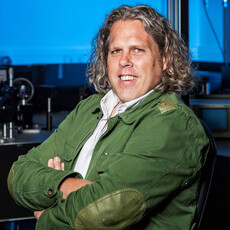
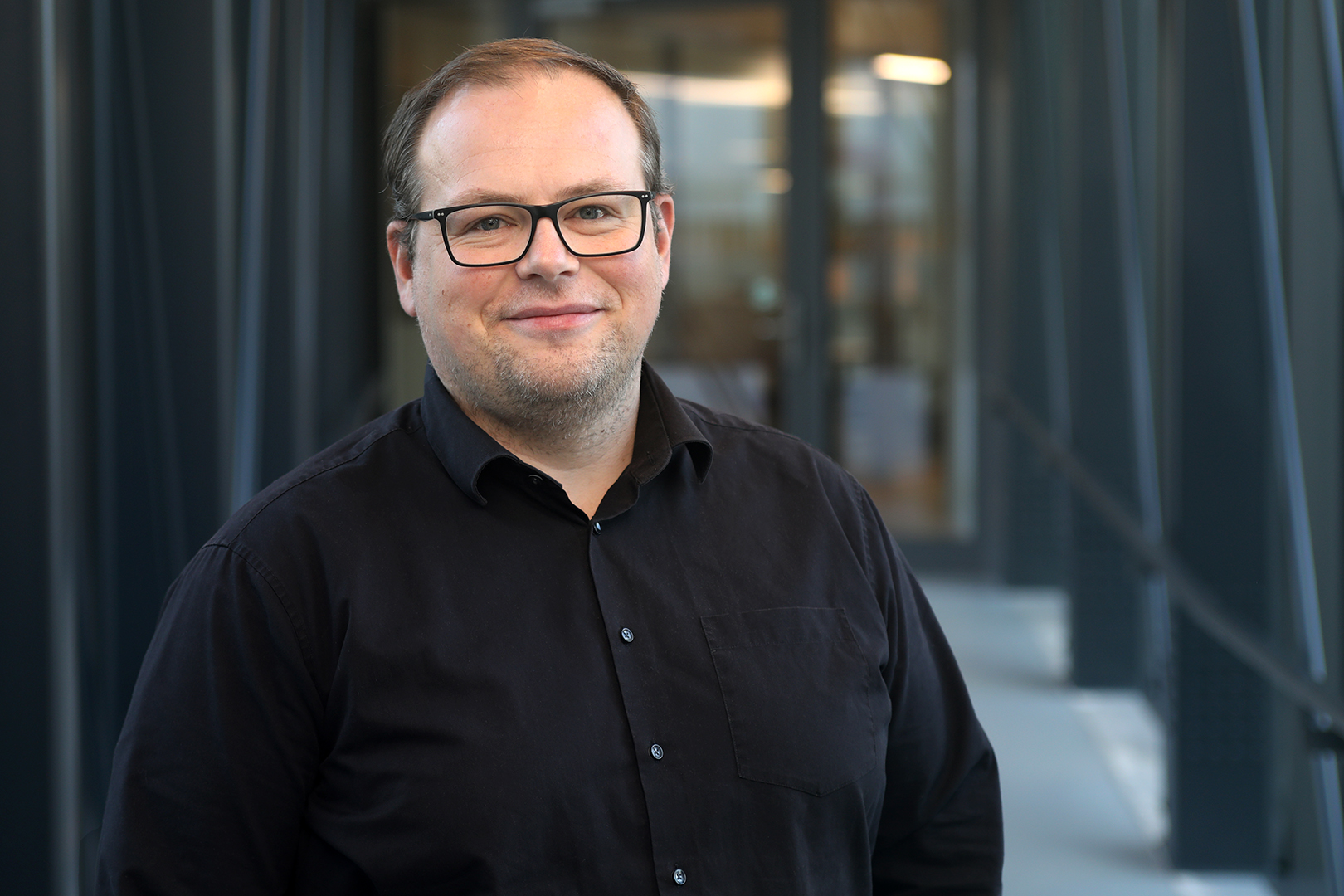
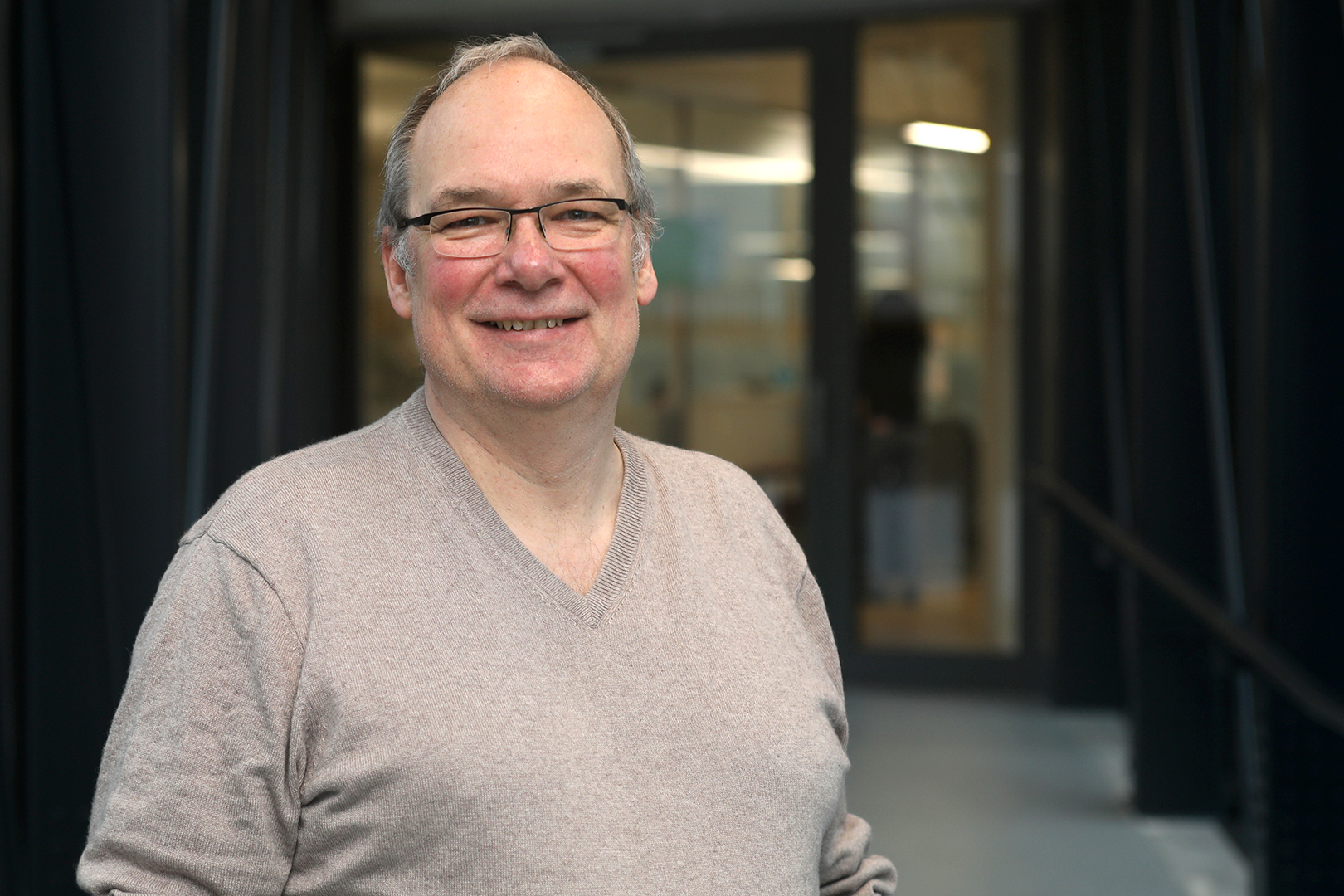
Prof. Dr. Marc-Georg Willinger is a Professor at the Technical University of Munich (TUM), leading the Chair of Electron Microscopy with research emphasis on Energy Materials . His work focuses on understanding material structure-property correlations through advanced in-situ and operando electron microscopy techniques. He studies catalytic processes in energy storage/conversion systems, combining transmission electron microscopy (TEM) and scanning electron microscopy (SEM) for multi-scale analysis of atomic-scale dynamics and collective phenomena like dissipative structures and redox oscillations. His research group investigates how materials behave under real-world reaction conditions, moving beyond traditional vacuum-based studies. Key projects include analyzing catalyst nanoparticle interactions with oxide supports, studying dynamic surface reactions, and developing methods to observe material behavior during critical processes like methane oxidation and CO₂ reduction. The group’s facilities are part of TUM’s Catalysis Research Center , emphasizing collaborative, application-driven materials science. Willinger’s methodologies bridge gaps between atomic-scale observations and macroscopic material behavior, enabling insights into catalyst stability, reaction mechanisms, and material degradation. His work has applications in renewable energy systems, electrochemical processes, and sustainable materials design.
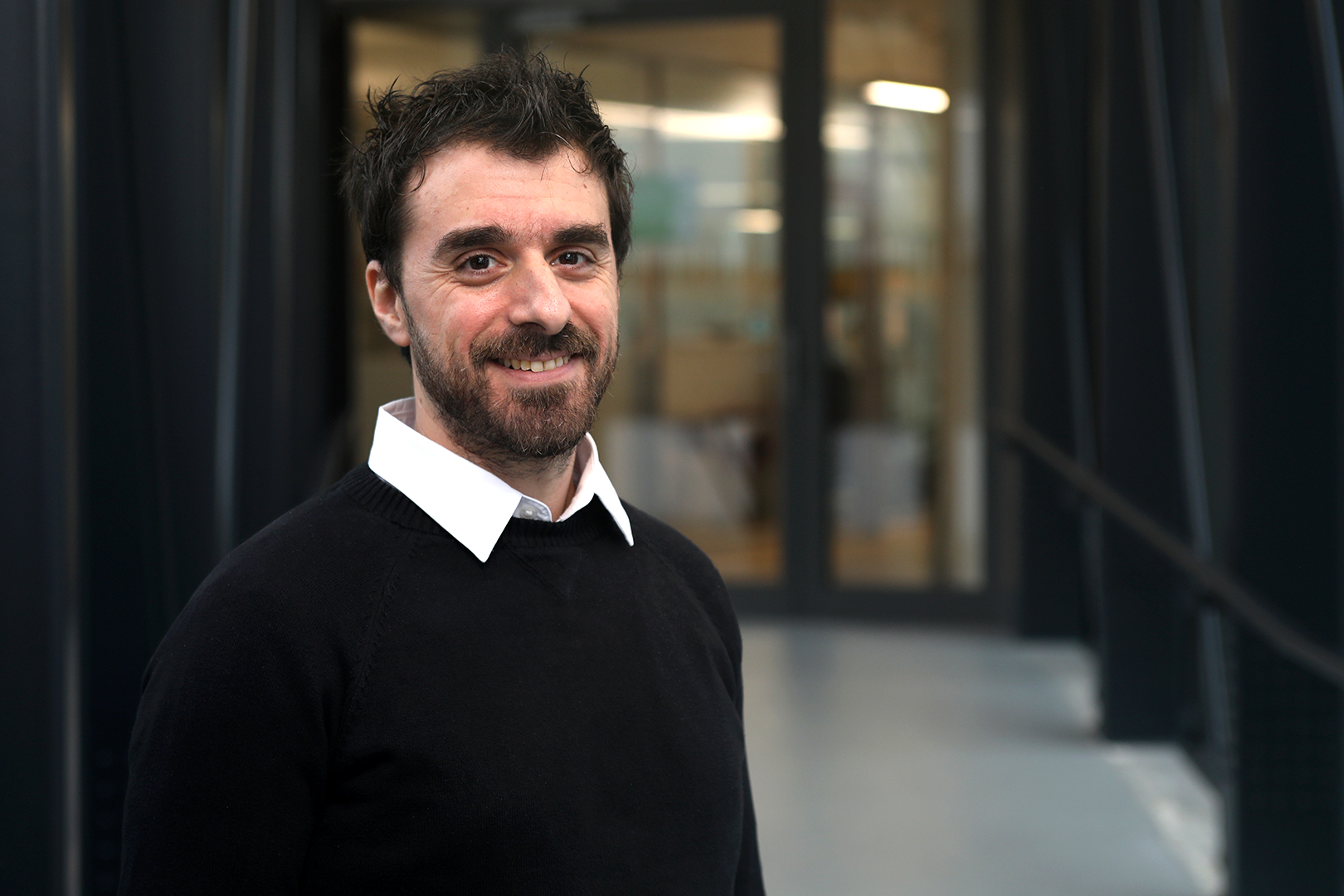
Maik Eichelbaum is a Professor of Analytical Chemistry at the Faculty of Applied Chemistry of Nuremberg Technical University (Technische Hochschule Nürnberg Georg Simon Ohm), where he has been employed since 2018. He holds multiple leadership roles including Spokesperson for the DFG Research Initiative DuraFuelCell and Collegial Management of the Institute for Applied Hydrogen Research, Electrochemical and Thermochemical Energy Systems H 2 Ohm. Additionally, he serves as a professorial member with the right to award doctorates in the Energy Technology Doctoral Center and is a member of the Expert Committee for Knowledge and Technology Transfer at the university. Professor Eichelbaum's research spans multiple areas of analytical chemistry with a strong focus on electrochemical energy systems. His work encompasses electrochemical analytics, elemental analytics, water analytics, and the analysis of fuel cells, electrolyzers, and batteries. He has made significant contributions to photoelectrochemistry, electrochemical CO 2 activation, and the application of machine learning in chemical analysis. His laboratory focuses on developing advanced analytical techniques for characterizing degradation processes in hydrogen fuel cells, particularly for heavy-duty vehicle applications. His recent publications demonstrate a clear trend toward the development and application of advanced electrochemical microscopy techniques for fuel cell diagnostics, with growing emphasis on machine learning approaches for predicting degradation. His work increasingly addresses practical challenges in hydrogen technology, with numerous publications focusing on PEM fuel cells for heavy-duty transportation. The research also shows a strong interdisciplinary character, bridging fundamental electrochemistry with practical engineering applications in renewable energy systems. 2025 Future Prize of the Innovation and Future Foundation for the project 'Climate, Energy and Raw Materials Change - Interactive (KERWa-interactive)' 2023 N-ERGIE Aktiengesellschaft Award for elucidating corrosion and aging processes in anion exchange membrane water electrolyzers 2016-2017 Mercator Science-Policy Fellow of the Rhine-Main Universities 2012 Hot Topic Prize of the German Bunsen Society for Physical Chemistry 2008-2009 Postdoctoral fellowship from the BASF/Columbia University program Professor Eichelbaum actively supervises numerous Master's and Bachelor's theses, with over 20 students listed in recent years. His current research is supported by multiple significant grants including the DFG-funded DuraFuelCell project (2024-2029), the LiSea project on photoelectrochemical lithium extraction from seawater (2025-2026), and the SMART-H 2 project funded by the Federal Ministry of Education and Research and MAN Truck & Bus SE (2022-2027). He serves as a scientific reviewer for major organizations including the German Research Foundation (DFG), the Federal Ministry for Research, Technology and Spaceflight, and the American Chemical Society. His laboratory, part of the Environmental and Electroanalytical Laboratory at TH Nürnberg, focuses on developing and applying advanced analytical techniques for electrochemical energy systems. The team works closely with industry partners including MAN Truck & Bus SE and BASF, with strong connections to the Energy Campus Nuremberg. Current research directions include smart monitoring of fuel cell aging using neural networks, development of new standard methods for semiconductor photoactivity analysis, and investigation of corrosion and aging processes in next-generation electrolyzers.
Dr. See Wee Chee is a Researcher and Director of the Interface Science Department at the Fritz Haber Institute of the Max Planck Society in Berlin. His research focuses on advanced materials characterization, particularly in the development and analysis of electrocatalysts for energy technologies. He specializes in in situ and operando transmission electron microscopy (TEM) techniques to study catalyst dynamics during reactions such as CO2 reduction and nitrate electroreduction. His work bridges nanotechnology, electrochemistry, and materials science, aiming to improve the efficiency and stability of energy conversion systems. Dr. Chee’s recent studies emphasize real-time observation of catalyst restructuring, nanoparticle behavior under reaction conditions, and the design of novel electrocatalytic materials. His methodologies include multi-modal approaches combining TEM, X-ray spectroscopy, and liquid-cell experiments, enabling deeper insights into catalytic mechanisms. Publications highlight advancements in understanding catalyst stability, selectivity, and material interactions in energy-related reactions. His group’s contributions are pivotal in advancing sustainable energy technologies through precise material analysis and innovation.
Dr. Andreas Beyer-Leser is a Researcher in the Physics Department (Department 13) at Philipps University of Marburg, where he leads the Structural and Technological Research Laboratory (STRL) and Functional Materials Group (AG Volz) within the Marburg Center for Quantum Materials and Sustainable Technology (mar.quest). His office is located in Building H|04 (Room 02C14) at Hans-Meerwein-Straße 6, 35032 Marburg. His research focuses on advanced electron microscopy techniques for materials characterization, particularly in energy storage systems and semiconductor heterostructures. Key areas include 4D-STEM electric field mapping , solid-state battery materials , quantum well formation , and 2D material synthesis . His work bridges fundamental physics with practical applications in sustainable energy technologies. Analysis of his recent publications reveals a strong emphasis on developing novel electron microscopy methodologies for nanoscale characterization. His 2025-2024 work shows increasing focus on in-situ characterization of battery materials under operational conditions and precise control of quantum heterostructures for optoelectronic applications. The research consistently integrates advanced computational analysis with experimental validation. Dr. Beyer-Leser maintains active laboratory facilities including the Structural and Technological Research Laboratory (STRL) and Functional Materials Group, which provide specialized infrastructure for electron microscopy, semiconductor growth, and materials synthesis. His work supports the university's strategic focus on quantum materials and sustainable technology development through the mar.quest initiative.
Prof. Dr. Martin Winter is the Scientific Director of the MEET - Münster Electrochemical Energy Technology at the University of Münster, affiliated with the Faculty of Chemistry and Pharmacy and the Institute of Physical Chemistry. His research focuses on electrochemical energy storage systems, particularly lithium-ion batteries, solid-state batteries, and advanced battery materials. He leads interdisciplinary projects on battery safety, electrolyte design, and recycling technologies. Winter holds honorary doctorates (h.c.) from multiple institutions, reflecting his contributions to electrochemical energy research. His work spans experimental and analytical methods, including operando measurements, spectroscopy, and material characterization. Key research areas include SEI formation mechanisms, high-voltage battery optimization, and sustainable battery production. Recent articles highlight advancements in lithium plating detection, polysulfide distribution analysis in Li-S batteries, and thermal safety improvements in lithium metal batteries. Winter collaborates with institutions like the Helmholtz Institute Münster and Fraunhofer Research Institution for Battery Cell Production FFB, driving innovation in battery technology and industrial applications.
Prof. Rafal Dunin-Borkowski is the Director of the Physics of Nanoscale Systems group (ER-C-1) and the Managing Director of the Ernst Ruska Center for Electron Microscopy and Spectroscopy (ER-C) at the Research Center Jülich GmbH. His research focuses on advanced electron microscopy techniques, magnetic nanostructures, and quantum magnetism. He leads a team advancing Lorentz microscopy, electron holography, and 4D STEM for studying nanoscale phenomena in materials. Current projects include mapping magnetization dynamics in skyrmions, optimizing battery cathodes, and developing novel memristive devices. His work bridges fundamental physics with applied nanotechnology. Research Interests: 3D magnetization reconstruction Operando TEM for catalysis and phase transformations Spintronic materials and skyrmion physics Nanoscale electron microscopy innovations Key Achievements: Developed iterative reconstruction algorithms for holographic tomography Pioneered large-angle Lorentz 4D-STEM for simultaneous magnetic and atomic mapping Advanced real-time liquid-cell TEM for nanoscale process observation Labs/Teams: Leads the Physics of Nanoscale Systems lab (ER-C-1) within the ER-C infrastructure, collaborating with international microscopy networks. Active in the TOMO project for tomographic imaging advancements.
Dr. Carsten Korte serves as Head of the Physico-Chemical Laboratory at the Institute of Energy Technologies (IET-4), Electrochemical Process Engineering department at Forschungszentrum Jülich, while maintaining academic affiliations with RWTH Aachen University. His research spans fundamental solid state chemistry and electrochemistry with a strong focus on energy conversion technologies. Dr. Korte's research interests encompass solid electrolytes, solid state reactions, proton conducting membranes, ionic liquids, and electrode kinetics in non-aqueous electrolytes. His work particularly emphasizes charge transfer between solid and liquid electrolytes , with significant contributions to understanding interfacial phenomena in electrochemical energy systems. His laboratory investigates both fundamental mechanisms and applied aspects of electrochemical processes for energy technologies. The publication record reveals a strong focus on protic ionic liquids for intermediate-temperature fuel cells, proton-conducting membranes , and solid-liquid electrolyte interfaces . His research combines experimental electrochemistry with spectroscopic techniques and computational modeling to unravel complex interfacial phenomena. Recent work demonstrates increasing emphasis on high-temperature polymer electrolyte fuel cells and the fundamental understanding of ionic liquid behavior at electrode interfaces. Dr. Korte has established productive collaborations across multiple institutions, with frequent co-authorship patterns indicating strong working relationships with researchers such as Rodenbücher, Wippermann, Chen, and Hou. His laboratory appears to maintain active projects in both fundamental electrochemistry and applied fuel cell technology development.
Prof. Bryce Richards is a Professor at the Karlsruhe Institute of Technology (KIT), leading the Institute of Microstructure Technology (IMT) within the Department of Electrical Engineering and Information Technology (ETIT). His research focuses on nanophotonics for energy applications, including luminescent materials, renewable energy systems, and environmental photocatalysis. Notable projects include developing solar-powered desalination systems, optimizing photovoltaic technologies, and creating luminescent markers for waste sorting and anti-counterfeiting. Key technical contributions include advancements in luminescent solar concentrators, photocatalytic membrane reactors, and high-performance phosphors for temperature sensing and optical coding. His work bridges materials science, photonics, and environmental engineering to address challenges in sustainable energy, water treatment, and circular economy solutions. Prof. Richards' research emphasizes translating fundamental material properties into practical applications, such as transparent photovoltaic coatings for buildings and scalable solar-pumped lasers. His interdisciplinary approach combines experimental physics, computational modeling, and device engineering.
Dr. Andrea Martini is a Research Fellow in the Operando Hard X-ray Spectroscopy group at the Max Planck Society's Fritz Haber Institute. She received the SILS Young Scientist Award 2024 for contributions to synchrotron radiation methods. Her research focuses on advanced spectroscopy techniques for analyzing catalytic mechanisms and nanostructured materials. Martini develops innovative approaches to study surface reactions using synchrotron radiation and free electron lasers. She collaborates with international research teams to advance techniques for in situ and operando analysis of catalytic processes at atomic and molecular levels.
Prof. Moniek Tromp holds the Chair of Materials Chemistry at the University of Groningen's Zernike Institute for Advanced Materials, where she also serves as Scientific Director. Her research focuses on developing operando spectroscopy techniques for catalysis and materials research, with emphasis on X-ray spectroscopy applications for batteries, fuel cells, and catalytic processes. Research interests include: Advanced characterization of catalytic systems Electrochemical processes in energy storage Design of functional materials Reaction mechanism elucidation Her recent publications demonstrate strong focus on energy materials (battery anodes, fuel cells) and catalytic systems, using advanced spectroscopic and electrochemical methods. Theoretical modeling frequently complements experimental work. Awards and honors: EPSRC Advanced Research Fellowship NWO VIDI Award NWO Athena Prize Leads research group with postdoctoral researchers and PhD students. Serves as Captain of Science for the Topsector Chemistry and executive board member of the Dutch Chemistry Council.
Dr. Andreas Vorholt is a Group Leader for Multiphase Catalysis at the Max Planck Institute for Chemical Energy Conversion (MPI CEC) in the Department of Molecular Catalysis. He also serves as an Acting Professor for Technical Chemistry and Petrochemistry at RWTH Aachen University. His research focuses on developing sustainable catalytic processes through multiscale approaches that integrate molecular understanding with process engineering. Dr. Vorholt's research interests center on multiphase catalytic systems, with particular emphasis on catalyst recycling strategies, novel reactor design, and process intensification. His work bridges chemistry and chemical engineering to develop sustainable solutions for resource conversion. He investigates thermomorphic systems, CO 2 -switchable solvents, and alternative reaction media to create more efficient catalytic processes that minimize waste and energy consumption while maximizing catalyst lifetime and recyclability. His recent publications demonstrate a strong focus on hydroformylation chemistry, tandem catalytic processes, and innovative approaches to catalyst separation. The research spans fundamental mechanistic studies to applied process development at miniplant scale, with particular attention to green chemistry principles and sustainable process design. DECHEMA Award (2023) Jochen Block Prize of the German Society for Catalysis (2018) DECHEMA Young Academic Award (2017) Carl Zerbe Award of DGMK (2017) H.P. Kaufmann Award of DGF (2016) Dr. Vorholt supervises a vibrant research group comprising multiple postdocs, PhD students, and technical staff. His group actively collaborates with industry partners and academic institutions worldwide, with a focus on translating fundamental research into practical applications. The group maintains strong connections with TU Dortmund and RWTH Aachen, where Dr. Vorholt holds teaching responsibilities. The Multiphase Catalysis group operates state-of-the-art laboratory facilities including miniplants for continuous flow chemistry, specialized equipment for multiphase reaction studies, and analytical tools for operando monitoring of catalytic processes. The group's research infrastructure supports the development and testing of novel catalytic systems from bench scale to pilot scale.
Dr. Axel Knop-Gericke is a Research Professor and Group Leader of the Electronic Structure group at the Fritz Haber Institute of the Max Planck Society (MPG) in Berlin. Since 1998, he has led research focused on heterogeneous reactions, inorganic spectroscopy, molecular catalysis, and electrosynthesis. His work bridges theoretical and experimental approaches to understand catalytic and electrochemical processes. Education: Bachelor's/Master's in Physics, Technical University of Berlin (-1989) PhD in Physics, Technical University of Berlin (1995) Research Interests: Dr. Knop-Gericke’s research emphasizes electronic structure analysis of catalytic materials, particularly in energy-related systems like CO₂ reduction and fuel cells. His team employs advanced spectroscopic techniques (e.g., XPS, XANES) to study surface reactivity and interface dynamics in electrocatalysts and oxides. Key themes include catalyst design, degradation mechanisms, and operando characterization. Publications: His recent work spans over 150 scientific articles, with a focus on electrocatalytic systems, oxygen evolution reactions, and advanced material characterization. Notable contributions include studies on Cu-based catalysts for biomass conversion and IrOx systems for water splitting. Lab/Team: The Electronic Structure group collaborates widely with institutions like TU Berlin and MPI CEC, leveraging interdisciplinary approaches to tackle challenges in sustainable energy and materials science.
Dr. Ioannis Spanos is a Researcher and Group Leader at the Max Planck Institute for Chemical Energy Conversion (MPI CEC), leading the Electrochemistry research group. He holds a BSc in Physics (University of Patras, 2006), MSc in Environmental Sciences (University of Patras, 2009), and a PhD in Nanochemistry (University of Copenhagen, 2014). His research focuses on electrochemical energy conversion, particularly water electrolysis (OER/HER) and fuel cell reactions (ORR). His group employs advanced analytical techniques like ICP-OES, RDE, and operando spectroscopy to study dynamic electrochemical interfaces, aiming to design efficient electrocatalysts and electrodes. Key areas include catalyst benchmarking, descriptors for structure-activity relationships, and metal-metalloid alloy catalysis. Group members include Dr. Justus Masa (Materials Electrochemistry) and Dr. Aleksandar Zeradjanin (Physical Electrochemistry), supported by postdocs and lab staff.
Dr. Chun Ann Huang is an Associate Professor in Energy Storage Materials at the Department of Materials, Faculty of Engineering, Imperial College London. She holds affiliations with the Centre for Processable Electronics and Energy Futures Lab. Her education includes a First Class Honours undergraduate degree in Materials Science and Engineering from Imperial College London and a DPhil in Materials Science from the University of Oxford. She previously held roles at King’s College London as Lecturer, and Senior Lecturer/Reader at Imperial College London. Her research focuses on sustainable manufacturing of electrochemical energy storage devices (e.g., solid-state Li/Na batteries), operando X-ray correlative imaging techniques, and advanced material characterization. Key achievements include pioneering a novel operando imaging method combining X-ray Compton scattering and tomography to study ion diffusion in batteries. She was awarded the 2025 Royal Society of Chemistry Faraday Early Career Prize. Teaching responsibilities include Electroceramics (MATE70017) and Performance of Functional Materials – Batteries (MATE50002). Her future research plans involve extending microstructural design principles to sodium-ion batteries and renewable energy conversion systems. Current research collaborations and grants focus on enhancing energy device performance through innovative processing and characterization techniques. Her work bridges materials science, engineering, and energy applications to address global decarbonization goals.
Dr. Daniel Escalera is a Researcher at the Fritz Haber Institute of the Max Planck Society, affiliated with the ISC Department. His research focuses on electrocatalysis, particularly the stability and performance of catalysts for water electrolysis and fuel cells. He leads the ISC-AG-Roldan research group, investigating advanced materials for energy storage and conversion systems. Key areas of expertise include oxygen evolution reaction (OER) mechanisms, iridium dissolution dynamics, and the design of durable non-noble metal catalysts. His work integrates operando spectroscopy and advanced characterization techniques to study catalyst degradation under realistic operating conditions. Dr. Escalera has contributed to benchmarking protocols for electrocatalyst stability and pioneered strategies to enhance the longevity of materials in acidic and alkaline environments. His publications address challenges in PEM electrolyzers, graphene-modified electrodes, and eco-friendly e-waste recycling solutions. Current research emphasizes atomic-level understanding of surface reconstructions, phase changes, and compositional evolution during electrochemical reactions. He collaborates on projects involving high-entropy alloys, transition metal sulfides, and core-shell nanoparticles. Despite the lack of explicitly listed students or awards, his extensive publication record reflects significant contributions to the field of electrochemical energy systems.