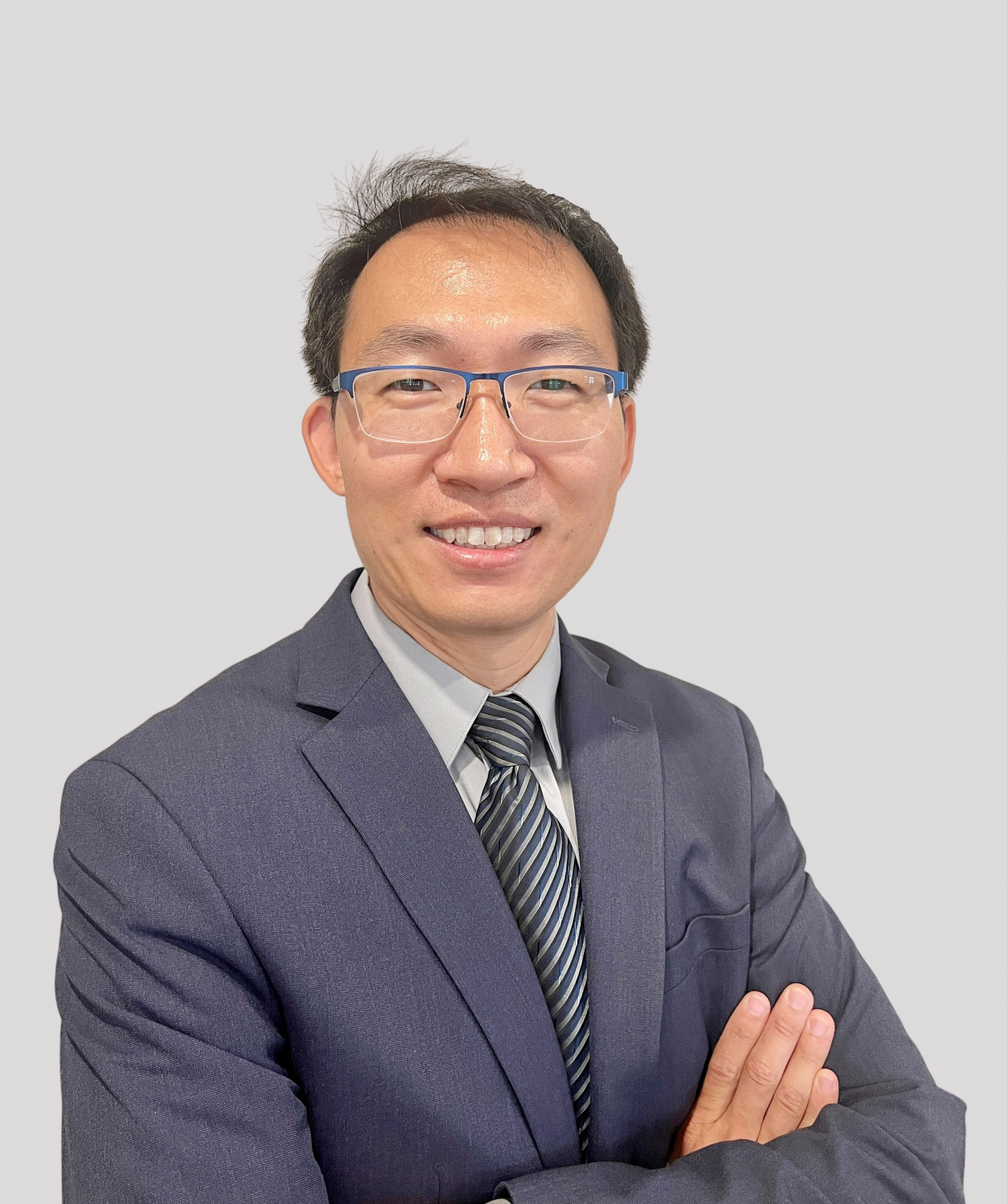
Jeffery Horsburgh is a Professor in the Department of Civil and Environmental Engineering and the Utah Water Research Laboratory at Utah State University, where he conducts research and teaches in hydroinformatics, GIS, and environmental data systems. He is affiliated with the College of Engineering and actively contributes to advancing cyberinfrastructure for hydrologic science. His educational background includes a PhD (2009), MS (2001), and BS (1999), all in Civil and Environmental Engineering from Utah State University. Horsburgh's research focuses on watershed hydrology, surface water quality, environmental sensor networks, data models, and cyberinfrastructure for environmental observations. He leverages GIS for data analysis and develops modeling techniques for hydrologic and water quality prediction. His work emphasizes open, reproducible science and data interoperability. His recent publications highlight a strong trend in hydroinformatics, with emphasis on open data platforms (e.g., HydroShare), sensor data integration, metadata standards, and reproducible modeling. The articles span topics from edge computing in smart water meters to national-scale hydrologic modeling frameworks. Outstanding Researcher, USU CEE, 2024 Reproducibility Author Award, 2023 Outstanding Teacher, USU CEE, 2019 Early Career Excellence Award, iEMSs, 2014 Outstanding Reviewer Award, Environmental Modelling & Software, 2014 Horsburgh has mentored over a dozen graduate students in civil and environmental engineering, focusing on hydroinformatics and water systems. He leads multiple research projects funded by federal and state agencies, including HydroShare, I-GUIDE, and Logan River Observatory. He is also involved in developing open-source software for environmental data management and has contributed to national standards for hydrologic data sharing. He leads or participates in key research initiatives such as the Logan River Observatory, HydroShare, and the Critical Zone Collaborative Network, emphasizing interdisciplinary collaboration, real-time data integration, and next-generation water infrastructure.