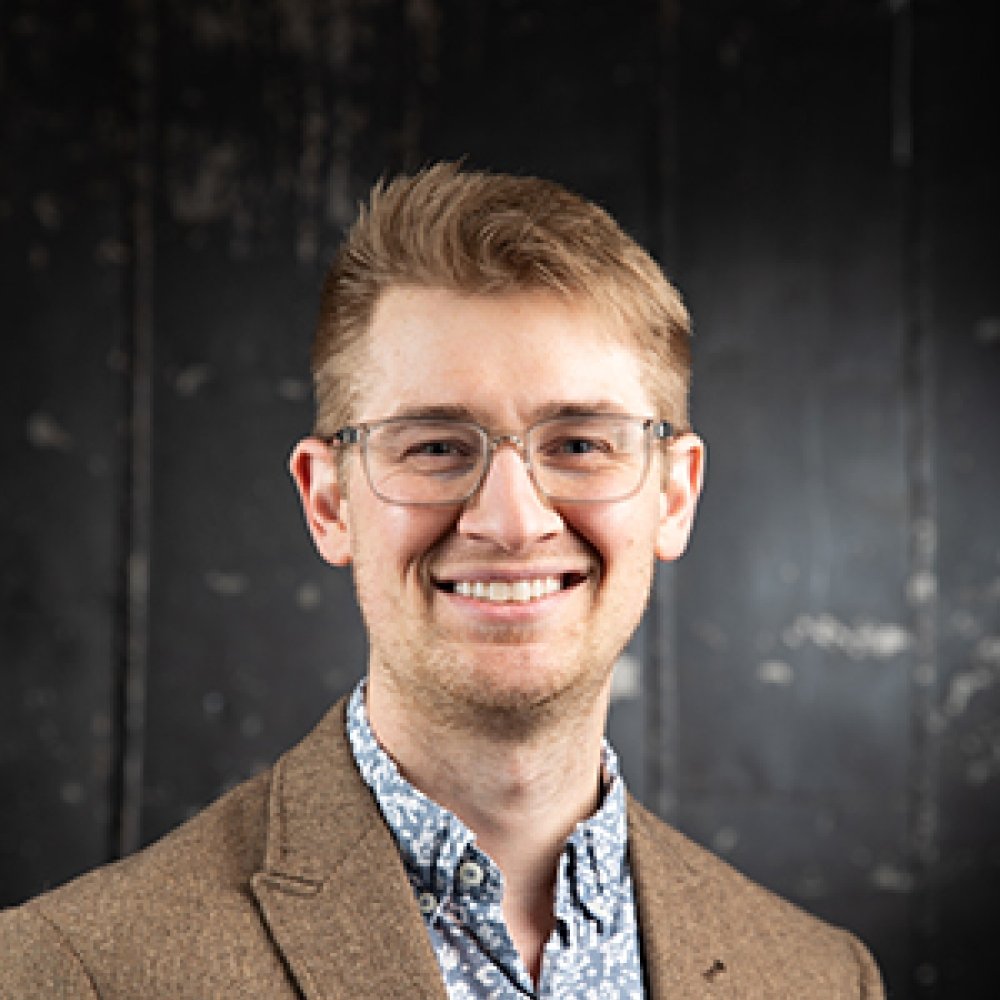
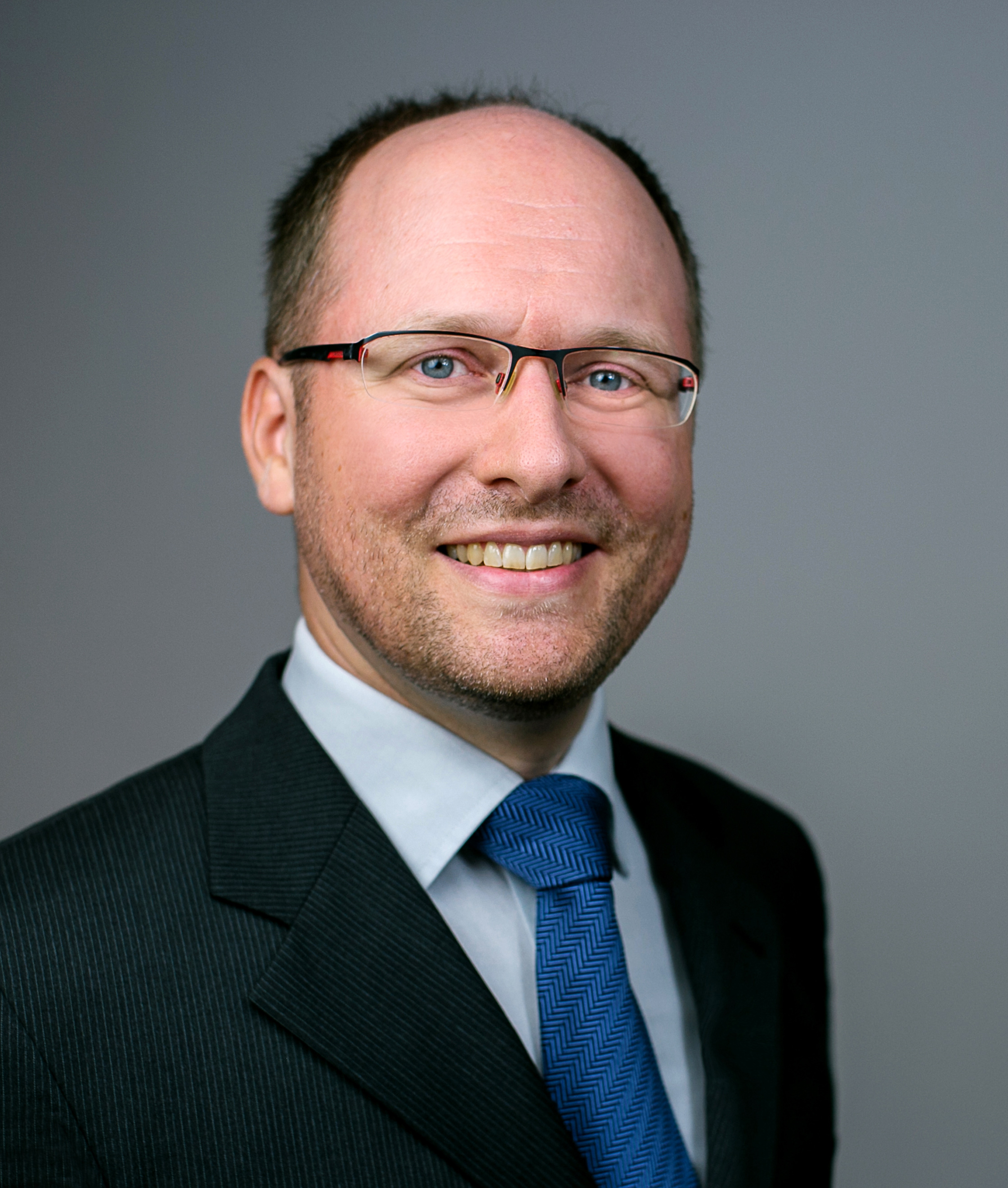
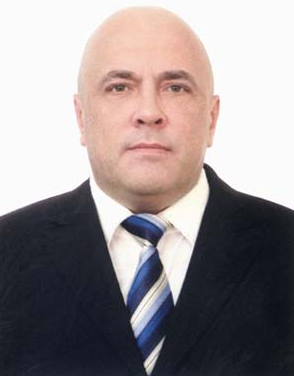
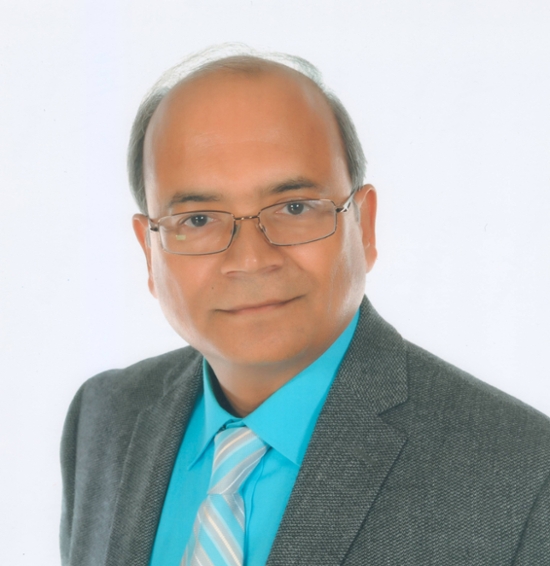
Prof. Kerim Aydiner has been a full-time faculty member at Karadeniz Technical University since 2017, serving as Professor in the Faculty of Engineering, Mining Engineering Department. He previously held academic positions as Associate Professor (2012-2017), Assistant Professor (2001-2012), and Research Assistant (1993-2001). His research focuses on Mining Engineering , Rock Cutting Technology , Diamond Sawblade Performance , Abrasive Waterjet Machining , and Methane Emission Mitigation . With over 139 WoS publications and 1749 citations, he has developed predictive models for cutting processes and investigated environmental impacts of mining operations. Key research trends in his 15 most recent articles include abrasive waterjet cutting optimization , diamond sawblade wear analysis , and environmental sustainability in mining . His work combines experimental testing with statistical modeling across granite processing, rock mechanics, and cutting parameter analysis. Scientific Awards: Mehmet Kemal Dedeman Research and Development Projects Award (2013) He has supervised 16 funded projects as Principal Investigator, including TUBITAK-supported research on abrasive waterjet cutting performance (2008-2010) and higher education institution projects on rock drillability (2016-2018). Current activities include peer review work for Renewable and Sustainable Energy Reviews and Journal of Materials Processing and Technology .
Drew Morris serves as Associate Professor of Psychology and Chair of the Psychology Program at Centre College, where he also directs the Institutional Review Board. His academic leadership includes a 2024 visiting scholar appointment at Akita International University and the 2025 Stodghill Professorship award, reflecting significant institutional recognition. His educational foundation comprises: BS in History and Psychology from The University of South Dakota MS in Applied Psychology from Clemson University PhD in Human Factors Psychology from Clemson University Dr. Morris specializes in psychophysiology and applied cognitive psychology, with active research programs examining art perception valuation mechanisms (particularly knowledge and attention effects on painting evaluation), sleep-cognition interactions, and thermal stress impacts on cognitive performance. His work integrates physiological measurement with real-world applications in ergonomics, workplace safety, and human-technology interaction, bridging theoretical psychology with practical human factors solutions. Publication trends reveal consistent interdisciplinary contributions spanning cognitive neuroscience, occupational health, and aesthetic psychology. His work demonstrates methodological diversity through physiological monitoring, behavioral experiments, and field studies across domains including art evaluation, driving safety, Antarctic expeditions, and workplace ergonomics. Significant professional recognition includes: Visiting Scholar at Akita International University (2024) Stodghill Professorship from Centre College (2025) As an educator-researcher at a liberal arts institution, Dr. Morris actively mentors undergraduate students through collaborative publications across his research domains. His professional engagement includes membership in the Human Factors and Ergonomics Society and the Society for the Psychology of Aesthetics, Creativity, & the Arts, with research implications for workplace productivity, safety protocols, and human-centered design. His teaching portfolio includes foundational and specialized courses such as Introduction to Psychological Science, Research Methods, Cognition, and Work and Design Psychology.
Peter Trebsche is a Professor of Prehistory and Early History at the University of Innsbruck , heading the Metal Ages Department and Microarchaeological Laboratory . His career spans roles at institutions including the German Archaeological Institute, Danube University Krems, and University of Vienna (where he completed habilitation in 2018). Research Focus: Settlement archaeology, mining archaeology, and microarchaeology with emphasis on Bronze/Iron Age Central Europe. Key Projects: Excavations at Prigglitz-Gasteil copper mine (Lower Austria), French-Austrian collaboration at Haselbach settlement, and leadership in Tauferer Ahrntal montane archaeology (South Tyrol). Methodology: Integrates micromorphology, metallography, geophysical prospection, and interdisciplinary analysis of material culture. Collaborations: Works with institutions like the University of Strasbourg, Czech Republic’s University of Hradec Králové, and Bundesdenkmalamt (Vienna).
Morin Andrey Stepanovich is a Doctor of Technical Sciences and Professor at the Department of Mining Machines and Complexes within the Institute of Mining, Geology and Geotechnology at Siberian Federal University. He was born in 1966 and has over 30 years of experience in mining engineering, specializing in open geotechnology and mine aerology. He has served as Head of the Department of Engineering Graphics (2003) and concurrently as Professor of Mining Machines and Complexes (2005). Born: September 25, 1966, Krasnoyarsk Education: Krasnoyarsk Institute of Non-Ferrous Metals (1988), PhD (1993), Doctoral Dissertation (2011) Key Roles: Head of Department of Mining Machines and Complexes, Chairman of student Olympiads in graphical disciplines (2003–2017) Research Interests span geotechnology (open mining), theoretical foundations of mining engineering systems design, and mine aerology. His work focuses on energy-efficient ventilation for deep open-pits, aerostatic transport systems, and environmental safety in mining operations. He also contributes to pedagogical innovations in engineering graphics and geological drawing. Recent Publications (23 in 5 years) highlight advancements in pipeline ventilation systems , aerostatic transport , and thermal air regulation for deep open-pits. Patents address methods for frost rock preparation, dust-gas suppression, and flexible duct designs, emphasizing ecological optimization and resource conservation. Students under his supervision include postgraduates and applicants working on topics like mine ventilation , dewatering systems , and gas emission control . His collaborations with researchers such as Butkin V.D. , Korzukhin I.V. , and Brovina T.A. demonstrate interdisciplinary efforts in mining and environmental engineering. Labs/Teams: Involved in R&D at Siberian Federal University’s Institute of Mining, Geology and Geotechnology, leading projects on aerostatic transport and ventilation systems. Education: Specialized in 'Technology and integrated mechanization of development of placer mineral deposits' (1988), with postgraduate training in 'Open mining of mineral deposits' (PhD 1993) and 'Geotechnology (underground, open and construction)' (Doctoral 2011).
Elham Mardaneh is an Associate Professor at Curtin University's Centre for Optimisation and Decision Science. She develops mathematical frameworks for optimizing complex industrial systems, with applications in mining logistics, agricultural supply chains, and energy-efficient scheduling. Her grain industry optimization research won Curtin University's 2018 Business and Law innovation prize. Research Focus: Decision support systems for resource-constrained environments; stochastic optimization under uncertainty; applications in mining operations and supply chain management. Recent publications address open-pit mine scheduling and parallel machine optimization challenges.
Alok K. Verma is the Powell Chair Professor and Head of the Department of Marine Engineering Technology at Texas A&M University. His research focuses on lean manufacturing, engineering education, and STEM outreach. He holds a Ph.D. in Mechanical Engineering from Old Dominion University and a B.S. in Aeronautical Engineering from IIT Kanpur. Verma has secured over $2.5M in grants for projects like MarineTech (NSF) and developed lean enterprise simulations for shipbuilding. He received the 2019 Humanitarian Award and 2018 Isadore Davis Award for educational leadership. His publications span aquaculture optimization, geotechnical engineering, and cybersecurity. Humanitarian Award (2019) Isadore Davis Award (2018) John R. Broderick Diversity Champion Award (2014) He leads initiatives in workforce development for the blue economy and marine mechatronics education.
Dr. Arman Melkumyan serves as a Senior Research Fellow at the University of Sydney, specifically affiliated with the Australian Centre for Field Robotics and the Rio Tinto Centre for Mine Automation within the Faculty of Engineering. His research focuses on applying advanced machine learning techniques to solve complex problems in mining automation and geoscience. He maintains an active research profile with numerous publications in top-tier journals and conferences, demonstrating his expertise in bridging theoretical machine learning with practical mining applications. Dr. Melkumyan's research interests center on the application of machine learning, particularly Gaussian processes, to mining automation challenges. His work spans hyperspectral imaging analysis, geological boundary detection, ore/waste classification, and measure-while-drilling data interpretation. He has developed innovative approaches for probabilistic geological modeling, spatial data analysis, and autonomous systems in mining environments. His research demonstrates strong interdisciplinary connections between computer science, geostatistics, and mining engineering, with a particular emphasis on creating practical solutions for the mining industry. Analysis of Dr. Melkumyan's recent publications reveals a consistent focus on applying Gaussian processes and other machine learning techniques to mining automation problems. His work shows a progression from theoretical developments in covariance functions and regression methods toward increasingly practical applications in real-world mining operations. Key trends include the integration of multiple data sources, development of robust algorithms for noisy field data, and creation of automated systems for geological interpretation. His research has strong industry relevance, particularly for iron ore mining operations in Australia. Dr. Melkumyan has been granted multiple patents related to mining automation technologies, including methods for boundary detection in natural gamma logs, ore tracking systems, and resource characterization techniques. These patents demonstrate the practical impact and commercial potential of his research. As a Senior Research Fellow, Dr. Melkumyan contributes significantly to collaborative research projects at the intersection of robotics, machine learning, and mining engineering. His work involves close collaboration with industry partners through the Rio Tinto Centre for Mine Automation, ensuring that his research addresses real-world challenges in the mining sector. He has contributed to numerous projects focused on autonomous systems for geological modeling, ore classification, and resource estimation. Dr. Melkumyan is an active member of the Australian Centre for Field Robotics, a world-leading research group specializing in robotics applications for field environments including mining. His work within the Rio Tinto Centre for Mine Automation places him at the forefront of research into autonomous mining systems, where he focuses on the data analysis and machine learning components that enable intelligent decision-making in automated mining operations.
Dr. Alexander Hennig serves as Deputy Director of the Institute of Mining Engineering III at RWTH Aachen University, where he bridges academic research with industrial applications in mining engineering. His work focuses on sustainable extraction methods, environmental protection in quarry operations, and technological innovation within the German aggregates industry since 2015 through specialized training seminars. Educational background includes graduation from Technical University Clausthal (Germany) and receipt of the Borchersplakette award from RWTH Aachen University in 2006. Hennig's research centers on energy efficiency optimization in hard-rock quarrying, dust emission control systems, and sustainable technology adoption. His publications demonstrate consistent emphasis on reducing environmental impacts through belt conveyor systems implementation, renewable energy integration, and digital media applications in mining education. Field studies in Namibia and Germany highlight practical resource assessment approaches. Analysis of his 2015-2023 publications reveals growing emphasis on environmental sustainability metrics, with recurring themes including PM10 reduction techniques, coastal placer resource evaluation, and energy consumption benchmarking in natural stone extraction. His work uniquely connects German quarrying practices with international case studies. Scientific recognition includes: Borchersplakette of RWTH Aachen University (2006) He has managed over 30 industry-funded research projects addressing mining logistics, post-mine land use, and environmental protection. Current initiatives include the European Mining Course field trips to Namibia and Australia, demonstrating commitment to practical education. His project portfolio reflects deep collaboration with German quarry operators and international mining suppliers. Hennig actively participates in the Institute's research infrastructure projects including VR-Mine and SAFE STorAgE, contributing to virtual reality training systems and tailings pond safety monitoring solutions developed at RWTH Aachen.
Behrooz Abbasi is an Associate Professor in the Department of Mining and Metallurgical Engineering at the University of Nevada, Reno (UNR), affiliated with the Mackay School of Earth Sciences and Engineering. His academic background includes a Ph.D. (2016) and M.S. (2011) from Southern Illinois University, and a B.S. (2008) from Tehran Polytechnic University. Education: Ph.D. Engineering Science, Southern Illinois University (2016) M.S. Mining Engineering, Southern Illinois University (2011) B.S. Mining Engineering, Tehran Polytechnic University (2008) Research Interests: Focus on geotechnical challenges in mining, including open-pit and underground mine stability, rock mass characterization via DFN modeling, blast design optimization, mine safety audits, and 3D geological modeling. His work addresses critical issues like slope failure mechanisms, seismic risk in underground mines, and numerical modeling of fault behaviors. Professional Experience: Prior to academia, Abbasi held roles as a scientist/engineer at Golder Associates (2015–2017), geotechnical engineer at CH2M HILL (2014–2015), and mining R&D at Itasca Consulting Group (2012–2013). Notable projects include slope stability assessments for Bingham Canyon Copper Mine and structural evaluations for Jansen Potash Mine. Teaching: Courses include World Mineral Economics, Mining and Sustainable Development, Production Engineering in Mines, and Advanced Ground Control. He integrates practical industry insights into curriculum design. Grants & Projects: His research has been applied to real-world challenges such as optimizing heap leach pad stability, developing UAV-based 3D modeling for open-pit slopes, and improving roof support systems in coal mines. Collaborations with industry partners like BHP Billiton and Kennecott Utah Copper highlight applied research focus. Labs & Teams: His research leverages advanced numerical tools (e.g., FLAC3D) and field data collection methods, often involving interdisciplinary teams in geomechanics and environmental engineering.
Dr Angus Kenny is a Casual Academic at UNSW Canberra within the Engineering and Technology Teaching school. His research focuses on optimization algorithms, machine learning, and their applications in engineering and mining. He has contributed to advancements in multi-objective optimization, automated machine learning pipelines, and structural design problems. Key research interests include developing hybrid algorithms for optimization tasks, improving hyperparameter search in machine learning frameworks (e.g., TPOT), and addressing complex problems in mining engineering such as constrained pit optimization and production scheduling. His work bridges theoretical algorithm development with practical engineering challenges. Kenny has published extensively in conferences like GECCO and journals like Scientific Reports, focusing on evolutionary computation and optimization techniques. He has no listed scientific awards but maintains an active publication record in computational engineering and machine learning domains. No advising or grant details are provided in the available text. His research activities are centered on algorithmic innovation and their real-world applications in engineering systems.
Prof. Dr. Ataç Başçetin is a Professor in the Department of Mining Engineering at Istanbul Technical University (ITU) since 2022. He previously held senior roles at Istanbul University, including Head of Department (2014–2022) and Professor (2009–2022). His expertise spans Mining Economics, Mine Design, and Occupational Safety. He earned his Ph.D. in Mining Engineering from Istanbul University (1995–1999) and has a Master's from ITU (1993–1995). Research Focus: Mine system analysis, cemented paste backfill, surface paste disposal, and environmental impacts of mining. Key Achievements: Recipient of multiple international publication awards (2001–2005), and led projects on coal fire simulation and injection foam engineering. He is a member of the Society for Mining, Metallurgy and Exploration (SME), and the Istanbul University Environment and Earth Sciences Research Center (ÇEYBAM). His recent work emphasizes sustainable mining practices and environmental engineering solutions.
Associate Professor Faur Florin is affiliated with the University of Petroșani's Faculty of Mining, Department of Environmental Engineering and Geology. His work focuses on environmental engineering challenges in mining regions, particularly in Jiu Valley and Oltenia Basin, Romania. Research emphasizes sustainable mining practices, geotechnical stability of waste dumps, ecological rehabilitation of degraded lands, and environmental impact assessments of mining activities. Key research interests include: (1) Post-mining land reclamation through phytoremediation and soil restoration; (2) Geotechnical analysis of waste dump stability; (3) AI-driven solutions for mine site rehabilitation; (4) Hydrogeological impacts of open pits; (5) Ecological recovery of open pit lakes. Recent studies address flooding risks in former open pits, lignite mining sustainability, and biodiversity conservation in post-mining landscapes. His 2024/2025 publications highlight innovative approaches in: (1) AI integration for reclamation design; (2) rapid pedogenesis methods using selected plant species; (3) seismic risk reassessment in open pits; (4) comparative air quality analysis across European cities; (5) environmental implications of the Certej mining project. Ongoing work explores salt dissolution methods for post-closure risk reduction and socio-economic impacts of coal phase-out in Romania. No scientific awards are explicitly mentioned in the provided materials. Advising/grants section remains underdeveloped in the text, though his active publication record suggests significant research engagement. Laboratory activities focus on geological and environmental monitoring systems, with collaboration on projects like Lupeni dump ecological reconstruction and Urdari lake ecosystem studies.
Andras Andrei is a Professor at the Department of Mechanical, Industrial and Transport Engineering, University of Petroșani. His work focuses on mining equipment design, computational mechanics, and geomechanical analysis. He specializes in numerical simulations using FDEM and COMSOL Multiphysics, with a strong emphasis on improving mining operational efficiency and safety through advanced modeling techniques. Research interests include: Rock mechanics and material behavior under extreme conditions Optimization of bucket wheel excavators and cutting teeth Thermal and mechanical stress analysis in mining machinery Integration of AI and data science in mining systems Recent studies highlight innovations in slope stability assessment, microwave-enhanced rock excavation, and energy-efficient mining technologies. His work has addressed challenges in lignite extraction, tailings pond management, and hard rock excavation systems. Notable contributions include: Development of FDEM-based models for lignite shear strength analysis Advancements in brake system thermal management for mine hoists Studies on cutting efficiency improvements through geometric optimization His research bridges theoretical computational methods with practical mining applications, aiming to enhance both operational safety and environmental sustainability in mining operations.
Associate Professor Dinescu Stella is affiliated with the Department of Mechanical, Industrial and Transport Engineering at the Faculty of Mechanical and Electrical Engineering of the University of Petroșani (UPET.RO). Her research focuses on mechanical engineering, mining equipment reliability, energy storage systems, and structural integrity analysis. She holds a PhD and has contributed to advancements in rotor excavator dynamics, corrosion impact assessment, and hydrogen storage solutions. Her work combines experimental and computational methods, including spectral analysis, finite element modeling, and simulation tools like SolidWorks. Key areas of interest include optimizing excavation machinery performance, improving material reliability in harsh environments, and exploring sustainable energy storage technologies such as offshore salt cavern utilization. Recent studies address carbon footprint reduction in shipping and CO2 storage safety in geological formations. Publications span over two decades, with notable contributions to lignite mining processes, vibration analysis of mining equipment, and GIS/GPS applications for mine monitoring. Her interdisciplinary approach integrates mechanical engineering with environmental and biomedical challenges, such as scaffold designs for liver cell asymmetry using 3D bioprinting.
Johan Wesseloo is a Professor at The University of Western Australia, affiliated with the School of Engineering and the Australian Centre for Geomechanics. His academic credentials include a BE, ME, and PhD from the University of Pretoria. His research focuses on critical aspects of mining geomechanics with emphasis on safety and optimization in mining operations. Professor Wesseloo's research interests span mining geotechnical engineering, mining-induced seismicity, rock mechanics, rock engineering, and ground support systems. His work particularly addresses mine-induced seismicity and rockburst behaviour, risk-based geotechnical design, and both open pit and underground geomechanics. His research integrates theoretical modeling with practical applications to solve complex mining challenges. His publication portfolio demonstrates a strong focus on seismic risk assessment, rock failure mechanisms, and optimization of mining operations. Recent work shows increasing attention to probabilistic approaches in geomechanical design and the integration of numerical modeling with field observations to improve mining safety and efficiency. SAIMM Gold Medal (2020) SAIMM Gold Medal (2017) SAIMM Silver Medal (2015) SAIMM Gold Medal (2006) Professor Wesseloo leads an extensive research program with significant industry funding, currently managing multiple active projects through 2028 with major mining companies including Gold Fields, OZ Minerals, Newmont, Agnico Eagle Mines, and Alamos Gold Inc. His research group focuses on mining-induced seismicity and rockburst risk management in hard rock mines. He has also contributed substantially to academic discourse through editorial roles for major conferences including Ground Support 2023, the Second International Conference on Underground Mining Technology, the 1st International Conference on Mining Geomechanical Risk, and the 8th International Conference on Deep and High Stress Mining. The Australian Centre for Geomechanics serves as the primary research hub for Professor Wesseloo's work, where he leads the mXrap development project, Ground Support Systems Optimisation (GSSO), probabilistic stope support design initiatives, and physical and numerical modeling of caving geomechanics. His team collaborates extensively with industry partners to translate research findings into practical mining applications.