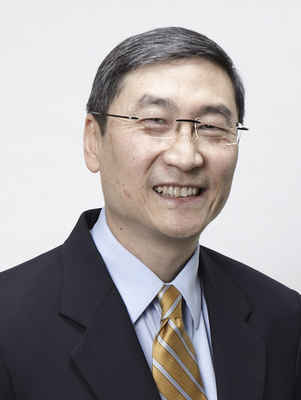
Martin Schlag is Professor at the University of St. Thomas holding the Alan W. Moss Endowed Chair for Catholic Social Thought and serving as Co-director of the Terrence J. Murphy Institute for Catholic Thought, Law, and Business within the Opus College of Business's Department of Ethics and Business Law. His educational background includes: JD from University of Vienna Licentiate in Theology (Lic. Theol.) from Pontifical University of the Holy Cross, Rome Doctorate in Sacred Theology (STD) from Pontifical University of the Holy Cross, Rome Schlag's research centers on Catholic social thought's application to political and economic systems, examining historical Christian perspectives on markets, trade, money, private property, and social justice. He advocates for principled business leadership that promotes the common good and integrates the poor into market economies through Christian humanism. His work emphasizes truth, goodness, and beauty as foundational to business as a noble vocation. Analysis of his 2022-2025 publications reveals dominant trends in subsidiarity theory, gift economies in business, digital ethics, and pandemic policy through theological frameworks. His scholarship consistently connects Catholic social teaching to contemporary challenges including e-commerce morality, technological unemployment, diversity initiatives, and integral ecology of work. As Co-director of the Terrence J. Murphy Institute, Schlag leads interdisciplinary initiatives bridging Catholic thought with business practice, organizing global conferences that inform his research and publications. No information is available regarding student advising or research grants.
Dr. Daniel Carrión is an Assistant Professor of Epidemiology at the Yale School of Public Health, Department of Environmental Health Sciences. His work bridges climate science , energy transitions , and health equity , focusing on structural inequality’s role in exposure and health disparities. Education: PhD in Environmental Health Sciences (Columbia University, 2019); MPH in Environmental Health Sciences (New York Medical College, 2011); BA in Environmental Studies (Ithaca College, 2008). His research examines how home and neighborhood environments serve as intervention points for climate and health equity . Recent studies include modeling heat vulnerability in U.S. housing, geospatial analysis of lead water lines, and clean cooking interventions in Ghana. Articles span climate change , air pollution , and social determinants , with methodological focus on exposure science and case-crossover designs . Scientific honors include: Senior Fellow, Agents of Change in Environmental Justice (2022) Fellow, New York Academy of Medicine (2022) Senior Fellow, Environmental Leadership Program (2019) He contributes to community service as a member of the New York State Minority Health Council (2016–present) and the International Society for Environmental Epidemiology (2018–present). His work integrates satellite data , machine learning , and policy evaluation to address energy insecurity , racial segregation , and climate justice .
Prof. Dr. Michael Schloter serves as Director of the Research Unit for Comparative Microbiome Analysis at Helmholtz Munich since 2011 and holds a Professorship in Microbiology at the Technical University of Munich since 2010. He concurrently acts as Principal Investigator at both the German Center for Lung Diseases (DZL) and the Central for Food and Nutrition (ZIEL) at TU Munich, driving interdisciplinary research at the intersection of environmental and human health through the "Planetary Health" framework. His educational foundation was built through diploma studies at Ludwig Maximilian University Munich and doctoral research at the University of Bayreuth, followed by formative work in Brazil and the United States where he pioneered bioinocula development for stress-resilient agriculture. At Helmholtz Munich (formerly GSF), he evolved from group leader in soil microbial ecology (2001) to Research Unit Director, expanding his focus from agricultural systems to human microbiome-health connections. Dr. Schloter's research program centers on microbiome-host crosstalk across ecological scales, investigating how environmental microbiota interact with human and plant microbiomes to influence health outcomes. His work integrates ecological theory with microbiome analysis to decode host-microbe co-evolution patterns, with applications spanning sustainable agriculture, allergy prevention, and infection control. Key thematic pillars include holobiont theory, probiotic development, and microbiome-mediated disease prevention through environmental quality improvement. Analysis of his 2025 publications reveals a strategic research portfolio bridging fundamental and applied microbiome science. Agricultural studies dominate (maize, potato, apple systems), examining microbial inoculants and soil management, while human health investigations explore preterm birth complications and Antarctic mammal microbiomes. Computational approaches for antimicrobial resistance assessment and ecosystem-scale projects like JenaTron demonstrate methodological breadth, all converging on translating microbiome functionality into real-world sustainability solutions. Major recognitions include: Election to the Bavarian Academy of Science (2021) Consistent placement among the top 1% of highly cited global researchers (2019-2021) Heinrich Baur Research Award (2011) for agricultural microbiology contributions As Research Unit Director, Schloter leads large-scale collaborative initiatives including the DZL and ZIEL consortia, securing major funding for microbiome standardization projects and international research networks. His leadership extends to developing analytical frameworks for cross-ecosystem microbiome comparisons and establishing protocols for translating microbial ecology principles into clinical and agricultural applications. The Comparative Microbiome Analysis unit operates as a nexus for multi-host microbiome research, employing comparative genomics, field-scale agricultural trials, and clinical cohort studies to investigate microbiome dynamics across environmental, plant, and human systems. Current infrastructure includes advanced sequencing facilities and experimental platforms for plant-microbe and host-microbe interaction studies under controlled and natural conditions.
Xenophon Papademetris is a Professor of Biomedical Informatics & Data Science and Radiology & Biomedical Imaging at Yale School of Medicine. He serves as Associate Director of Biomedical Imaging Data Sciences at Yale Biomedical Imaging Institute and directs the Medical Software and Medical Artificial Intelligence Certificate Program. PhD in Electrical and Information Sciences from Yale University (2000) BA from Cambridge University (1994) Postdoctoral Fellowship at Yale University (2002) His research focuses on medical image analysis, machine learning, and biomedical software development. He has developed tools like BioImage Suite Web and contributed to standards committees at the Association for the Advancement of Medical Instrumentation (AAMI). His work spans modalities including MRI, CT, PET, and optical imaging. Recent publications emphasize neuroimaging analysis, explainable AI in healthcare, and multimodal data integration across species. He leads NIH-funded research under the BRAIN Initiative (R24 MH114805) and has authored a textbook on Medical Software published by Cambridge University Press. IEEE Senior Member Yale Brown-Coxe Postdoctoral Fellowship Harding Bliss Prize for Excellence in Engineering He directs the BioImage Suite Project, creating web-based image analysis tools using JavaScript and WebAssembly. His teaching includes both academic courses and a Coursera program on Medical Software with over 14,000 enrollments.
Giulia Giordano is a Full Professor in the Department of Industrial Engineering at the University of Trento, Italy, where she leads the Dynamical Networks and Systems Biology research group. She also holds a dual appointment as Visiting Professor and Delft Technology Fellow at the Delft Center for Systems and Control, Delft University of Technology, The Netherlands. Her career includes previous positions as Assistant Professor at Delft University of Technology (2017-2019), Postdoctoral Research Fellow at Lund University, Sweden (2016-2017), and Research Fellow at the University of Udine, Italy (2016). Giulia earned her Ph.D. in Industrial and Information Engineering: Automation (Excellent) from the University of Udine with a thesis titled "Structural Analysis and Control of Dynamical Networks." She completed her M.Sc. and B.Sc. in Electrical Engineering (both Summa cum laude) at the same institution. She also undertook research visits at Caltech (2012) as a SURF Fellow and at the University of Stuttgart (2015) as a DAAD Research Scholar. Her primary research focuses on the analysis and control of dynamical networks with applications in systems biology, mathematical ecology, and mathematical epidemiology. She develops mathematical frameworks that bridge control theory, network theory, and dynamical systems to address complex problems in biological systems. Her recent work spans epidemic modeling, opinion dynamics, biochemical networks, and neurological disorders, with a particular emphasis on structural analysis of networked systems. She employs both theoretical and computational approaches to understand system behavior under uncertainty. Giulia's publications reveal a strong interdisciplinary focus, spanning from theoretical control systems to practical applications in epidemiology and biology. Her recent work shows increasing emphasis on epidemic modeling (particularly related to mpox and SARS-CoV-2), network synchronization, and the application of control theory to biological phenomena like fibromyalgia pathogenesis and opinion formation. Many of her papers appear in top-tier control journals including Automatica and IEEE Transactions on Automatic Control. 2024: Outstanding Service as Associate Editor of IEEE Control Systems Letters 2021: SIAM Activity Group on Control and Systems Theory Prize 2020: Outstanding Reviewer, Annals of Internal Medicine 2017: NAHS Best Paper Prize and EECI PhD Award 2016: Outstanding TAC Reviewer, IEEE Transactions on Automatic Control Giulia actively mentors students and postdoctoral researchers, currently supervising five postdoctoral researchers and two Ph.D. students at the University of Trento. She has advised numerous M.Sc. and B.Sc. students on topics ranging from bio-inspired modeling to optimal control of epidemic systems. Her research is supported by competitive grants including the ERC Starting Grant INSPIRE (Integrated Structural and Probabilistic Approaches for Biological and Epidemiological Systems). She serves as Associate Editor for IEEE Control Systems Letters and Automatica, and is a Senior Member of IEEE and the Control Systems Society. Giulia leads the Dynamical Networks and Systems Biology research group at the University of Trento, which maintains strong international collaborations across Europe and North America. The group's work combines theoretical advances in control theory with practical applications to pressing problems in public health and biological systems, demonstrating the power of mathematical approaches to understanding complex phenomena in the life sciences.
Bérénice Benayoun, PhD is an Associate Professor at the USC Leonard Davis School of Gerontology , with secondary appointments in the Department of Molecular and Computational Biology (USC Dornsife College of Letters, Arts and Sciences) and the USC Norris Comprehensive Cancer Center . Her research bridges aging biology , epigenetics , and sex differences using vertebrate models like the African turquoise killifish and machine learning . Education : École Normale Supérieure (BSc, MSc), Paris Diderot-Paris 7 University (PhD in Genetics and Cell Biology) Her lab investigates epigenome and transcriptome remodeling during aging , focusing on how biological sex influences these processes. Key themes include inflamm-aging , genomic instability , and immune senescence , with applications in neurodegeneration and reproductive longevity . Recent publications highlight sex-dimorphic gene regulation in neutrophils , macrophages , and brain aging , alongside novel insights into transposable elements and MOTS-c mitochondrial signaling . She pioneers the use of single-cell transcriptomics and multi-omics in aging research. Scientific awards include: 2024 Vincent Cristofalo Rising Star in Aging Research Award 2023 AGHE Rising Star Early Career Faculty Award 2023 USC Mentoring Award 2023 Rising Star in Reproductive Biology 2021 Nathan Shock New Investigator Award 2019 Rosalind Franklin Young Investigator Award Her editorial roles include Geroscience , Translational Medicine of Aging , and eLife . She mentors students across PhD programs in Biology of Aging , Neuroscience , and Molecular Medicine , as well as Master's and undergraduate trainees.
Sylvia Richardson is an MRC Investigator at the MRC Biostatistics Unit and holds a Research Professorship at the University of Cambridge, where she served as Director of the Biostatistics Unit from 2012 to 2021. She is affiliated with the Cambridge Mathematics of Information in Healthcare Hub (CMIH) at the Centre for Mathematical Sciences. Her work bridges advanced statistical methodology with critical healthcare applications, particularly in the analysis of complex biomedical data. Richardson's research spans multiple domains of biostatistics with a strong emphasis on Bayesian approaches. Her work has significantly advanced spatial modeling and disease mapping techniques, developed sophisticated methods for handling measurement error in epidemiological studies, and pioneered mixture and clustering models for integrative analysis of heterogeneous data sources. Her research addresses fundamental challenges in analyzing longitudinal health data, multimorbidity patterns, and complex disease trajectories. Her publication record demonstrates consistent methodological innovation applied to pressing healthcare challenges. Recent work focuses on traumatic brain injury outcomes, multimorbidity progression, genomic analysis, and statistical approaches to pandemic data. The articles reveal a strong pattern of methodological development driven by real-world healthcare challenges, with particular attention to longitudinal analysis, Bayesian computation, and integrative modeling approaches that can handle diverse and complex data structures. While specific awards are not detailed in the available information, Richardson's leadership as Director of the MRC Biostatistics Unit for nearly a decade and her continued Research Professorship reflect significant recognition of her contributions to the field. Her work with major international consortia like CENTER-TBI demonstrates her role in large-scale collaborative research efforts addressing critical health challenges. Richardson's research has substantial implications for healthcare policy and practice, particularly in understanding disease progression, developing predictive models for patient outcomes, and creating methodological frameworks that can integrate diverse data sources to generate meaningful clinical insights. Her work continues to influence both statistical methodology and healthcare applications through ongoing research and leadership in the field.
Dr. Sophie Adams serves as an ARC DECRA Fellow in the Department of Sociology at La Trobe University, where she conducts interdisciplinary research at the intersection of human geography and Science and Technology Studies. Her work critically examines the social dimensions of climate change mitigation and adaptation, with particular emphasis on renewable energy transitions and the societal implications of technological solutions to environmental crises. Adams' research program centers on the politics of environmental knowledge , investigating how climate science informs policy formation and the negotiation of social objectives in decarbonisation processes. She employs qualitative and participatory methodologies to analyze climate change adaptation in energy systems , social license for technological interventions , and the redistribution of expertise in public health and environmental governance. Her scholarship consistently addresses power dynamics in knowledge production and the democratic challenges of sustainability transitions. Analysis of her publication trajectory (2019-2025) reveals increasing focus on energy-social interfaces, with significant contributions to understanding virtual power plants, demand-side management, and the role of modeling in climate policy. Her work demonstrates methodological innovation through participatory approaches while maintaining critical engagement with resilience thinking and adaptation frameworks. Scientific recognition includes: Australian Research Council Discovery Early Career Researcher Award (ARC DECRA) Supported by her DECRA fellowship, Adams leads independent research projects examining the societal dimensions of energy transitions. Her collaborative work spans geography, public health, and energy engineering, as evidenced by interdisciplinary co-authorship patterns. Current projects investigate Australian householders' conditions for participating in virtual power plants and the social implications of climate modeling in adaptation planning, reflecting her commitment to socially relevant environmental research.
Fritz Brugger is a Lecturer at the Department of Humanities, Social and Political Sciences at ETH Zürich and serves as the executive director of NADEL (Network for African-Ethiopian Development Linkages). He holds a PhD in Development Studies from the Graduate Institute of International and Development Studies in Geneva. His research focuses on the developmental impacts of natural resource extraction, extractive industries' corporate roles, and governance challenges in Sub-Saharan Africa. Key areas include health impacts of mining, illicit financial flows, and policy interventions in resource-dependent economies. Prior to joining ETH Zürich, Brugger worked at Helvetas for eight years, later becoming a consultant on governance issues in water management, agriculture, and corporate responsibility. He designed an index-based agricultural insurance system and a mobile-tech platform for smallholder farmers' market access. His work spans diverse regions, with a focus on Burkina Faso, Ghana, and Mozambique. His publications emphasize interdisciplinary approaches, such as Q-methodology for policy engagement, and address topics like mercury use in artisanal mining, corporate due diligence, and the energy transition's impact on social licenses. He contributes to global debates on illicit financial flows, tax evasion, and sustainable development goals implementation through multilateral institutions. Brugger's advisory and grant work includes projects on health impact assessments in mining communities, policy coherence in development aid, and the nexus of extractive industries and conflict. He collaborates with NGOs, governments, and private sector entities to bridge research and policy, particularly in fragile contexts.
Professor Susan Thorp is a Finance academic at the University of Sydney Business School . With a PhD in Economics from UNSW and prior roles at University of Technology Sydney and the Reserve Bank of Australia, she focuses on household finance , retirement planning , and financial market behavior . BEc (Hons) - University of Sydney Dip. Ed. - University of New England PhD - University of New South Wales Her research interests include: Life-cycle financial decision-making Behavioral influences on savings and investments Superannuation policy and market integration Commodity market dynamics Economic impacts of financial literacy Crises-driven market contagion Recent publications analyze retirement decumulation , financial trust , and commodity-equity market correlations . She leads cross-disciplinary teams applying dynamic programming , econometric modeling , and experimental design to financial challenges. Her grants include ARC Linkage Projects and ASIC commissions for improving financial communication and regulatory frameworks . Media outlets frequently cite her expertise on superannuation policy , market volatility , and retirement savings behavior .
Dr. Margaret Elizabeth Kruk is a Professor of Health Systems at the Harvard T.H. Chan School of Public Health, part of Harvard University. She previously held roles as Associate Professor at Columbia University and Assistant Professor at the University of Michigan. Her research focuses on improving health system quality in low-income countries, using implementation science and econometric methods to evaluate large-scale reforms. She chairs the Lancet Global Health Commission on High Quality Health Systems in the SDG Era and directs the QuEST Network, a multi-country initiative to enhance health systems globally. Education: MD from McMaster University, MPH from Harvard University. Affiliations: Director of QuEST Centers and Network, former roles at UNDP and McKinsey & Company. Her research interests span healthcare quality measurement, maternal and newborn health, and policy solutions for systemic deficits. Key projects include the People’s Voice Survey on health system performance and mobile phone eCohorts for tracking care quality in LMICs. Publications highlight maternal health outcomes, vaccination decision-making, and health system confidence across countries. Grants include NIH funding for maternal-newborn health integration with HIV programs in Tanzania. Twitter: @mkruk
Lin Chen is the Chair Professor of Finance and Stelux Endowed Professor in Finance at the University of Hong Kong (HKU), serving as Associate Dean (Research and Knowledge Exchange) in the Faculty of Business and Economics. He holds a PhD from the University of Florida and has held academic leadership roles at HKU and Chinese University of Hong Kong (CUHK). His research focuses on financial technology, banking systems, corporate finance, and economic development, with notable contributions to understanding financial resilience during crises and institutional reforms. Educations: PhD/MBA in Finance from University of Florida, B.E. in Engineering from South China University of Technology Leadership roles: Associate Dean (HKU), Board Member of HKU-Standard Chartered FinTech Academy, Currency Board Committee member Research interests span financial innovation , banking competition , corporate governance , and ESG integration . Key projects include RGC Theme-based grants on FinTech stability/inclusion and HK's financial center development. His work is published in top journals like Journal of Financial Economics and Review of Financial Studies . He has advised major institutions including Hong Kong Monetary Authority, World Bank, and China Construction Bank. Awards include the Jensen Prize (2011), Nobel nomination (2016), and honorary professorships from Edinburgh and Berkeley. Grants coordination includes HK$24.4 million FinTech project (2020-2025) and leadership roles in research centers like HKU’s Financial Innovation & Development Centre. Active in editorial roles for Management Science and policy advisory groups. Media engagements include BBC, Bloomberg, and Harvard Law School forums. Current initiatives focus on Web3.0 development in HK and financial inclusion strategies.
Professor John Eu-Li Wong serves as Senior Vice President (Health Innovation & Translation) at the National University of Singapore (NUS) and Senior Advisor to the National University Health System (NUHS). Previously, he held pivotal roles including Dean of NUS's Yong Loo Lin School of Medicine (2003-2011), Senior Vice President (Health Affairs), and Director of the National University Cancer Institute. His leadership has been instrumental in developing Singapore's Health and Biomedical Sciences initiative through strategic international partnerships. His educational background includes an MBBS from NUS, residency and fellowship at New York Hospital-Cornell Medical Center (where he served as Chief Resident in Medicine), and specialized training at Memorial Sloan-Kettering Cancer Center. He maintains active clinical expertise as a medical oncologist-haematologist. Professor Wong's research spans comprehensive cancer centers , healthy longevity initiatives , and value-based healthcare systems . His work focuses on translating biomedical research into national health strategies, with particular emphasis on global health security , academic health system integration , and cancer clinical trials infrastructure . He champions multinational collaborations to address transnational health challenges through frameworks like the Cancer Therapeutics Research Group. His scholarly output demonstrates consistent leadership in global health policy and translational medicine , with recent publications addressing pandemic response systems (2020), genomic medicine implementation (2015), and sustainable healthcare models (2021-2022). The work reveals a strategic shift toward healthy longevity roadmaps and value-based healthcare ecosystems while maintaining foundational focus on cancer therapeutics. International Member, US National Academy of Medicine (2019) Doctor Philosophiae Honoris Causa, Hebrew University of Jerusalem (2019) President’s Science & Technology Medal, Singapore (2014) Public Administration Medal (Gold), Singapore National Day Awards (2016) Fellow of Royal Colleges of Physicians (London, Edinburgh) and American College of Physicians Professor Wong co-founded the multinational Cancer Therapeutics Research Group (nine institutions) and serves on editorial boards for JAMA and American Journal of Medicine. His grant leadership includes directing Singapore's National University Cancer Institute and spearheading the Global Genomic Medicine Collaborative. Current initiatives focus on the National Academy of Medicine's Healthy Longevity Roadmap and Qatar's Academic Medicine Advisory Board. He established the Cancer Therapeutics Research Group and maintains strategic partnerships with Karolinska Institute, University of Cambridge, Harvard, and Stanford. His leadership extends to the M8 Alliance of Academic Health Centers (past World Health Summit President) and Global Genomic Medicine Collaborative Steering Committee, driving transnational research infrastructure.
Francesc Miralles Torner is an Associate Professor affiliated with the Department of Enterprise and Technology, specializing in digital innovation, artificial intelligence, and entrepreneurial ecosystems. He leads the BOCETO: Boosting Comfort in Educational Environments project and participates in initiatives like Digital Innovation and AI as an agent for Digital Transformation . His work focuses on sustainability frameworks, innovation intermediaries, and technology's role in addressing global challenges. Academic Rank: Associate Professor Department: Enterprise and Technology Key Research Areas: Digital Innovation, Entrepreneurial Ecosystems, Sustainability, AI Recent research explores configurational approaches to startup innovativeness, orchestration of innovation networks, and digital transformation through global and sustainable lenses. His collaborations span institutions like AGAUR and international researchers.
Sarah Bankins is an Associate Professor at Macquarie University's Department of Management. Her research focuses on AI's impact on work, organizational ethics, and human resource management. She holds editorial roles at The Australian Journal of Management and Group and Organization Management . Before academia, she worked in public sector HR and management consulting. Education: PhD from Queensland University of Technology, B. Business/B. Economics from University of Queensland, and a Graduate Certificate in Tertiary Teaching from University of Newcastle. Research Interests: AI ethics, future of work, workplace technology, and interdisciplinary collaboration with fields like computer science and philosophy. Recent articles explore AI's role in decision-making, workplace trust, and educational ethics. Key projects include studies on mining sector mental health and ethical AI applications. Awards include teaching excellence (2013) and research supervision (2017).