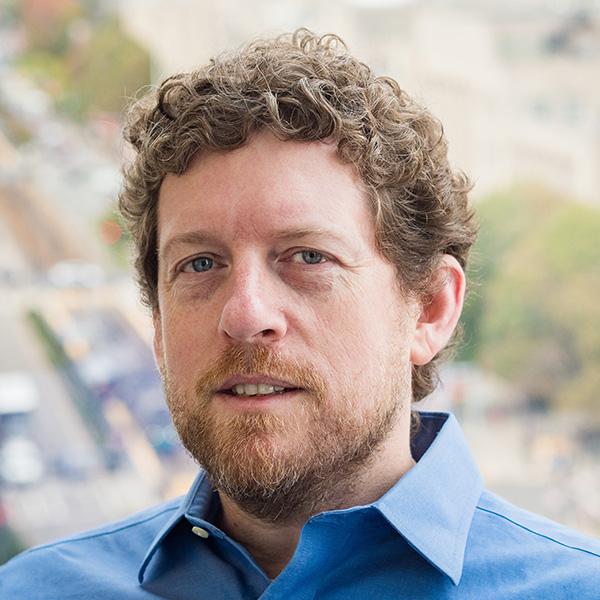
Jason Ritt is an Associate Professor of Brain Science (Research) and Scientific Director of Quantitative Neuroscience at the Robert J. and Nancy D. Carney Institute for Brain Science, Brown University. He holds affiliations with the Data Science Institute and collaborates across disciplines on quantitative research methods. Education : B.S., M.A., and Ph.D. in Neuroscience from Boston University (1997–2003). Research : Focuses on neural processing during active sensing and neuroengineering for neurostimulation. Combines electrophysiology, optogenetics, and theoretical approaches in rodent models. Develops closed-loop systems for studying sensory neural prosthetics and brain-machine interfaces. Key areas include synaptic diversity, neurocontrol algorithms, and sensory restoration. Teaching : Instructs NEUR 2100 NeuroPracticum, integrating hands-on neuroscience research training.
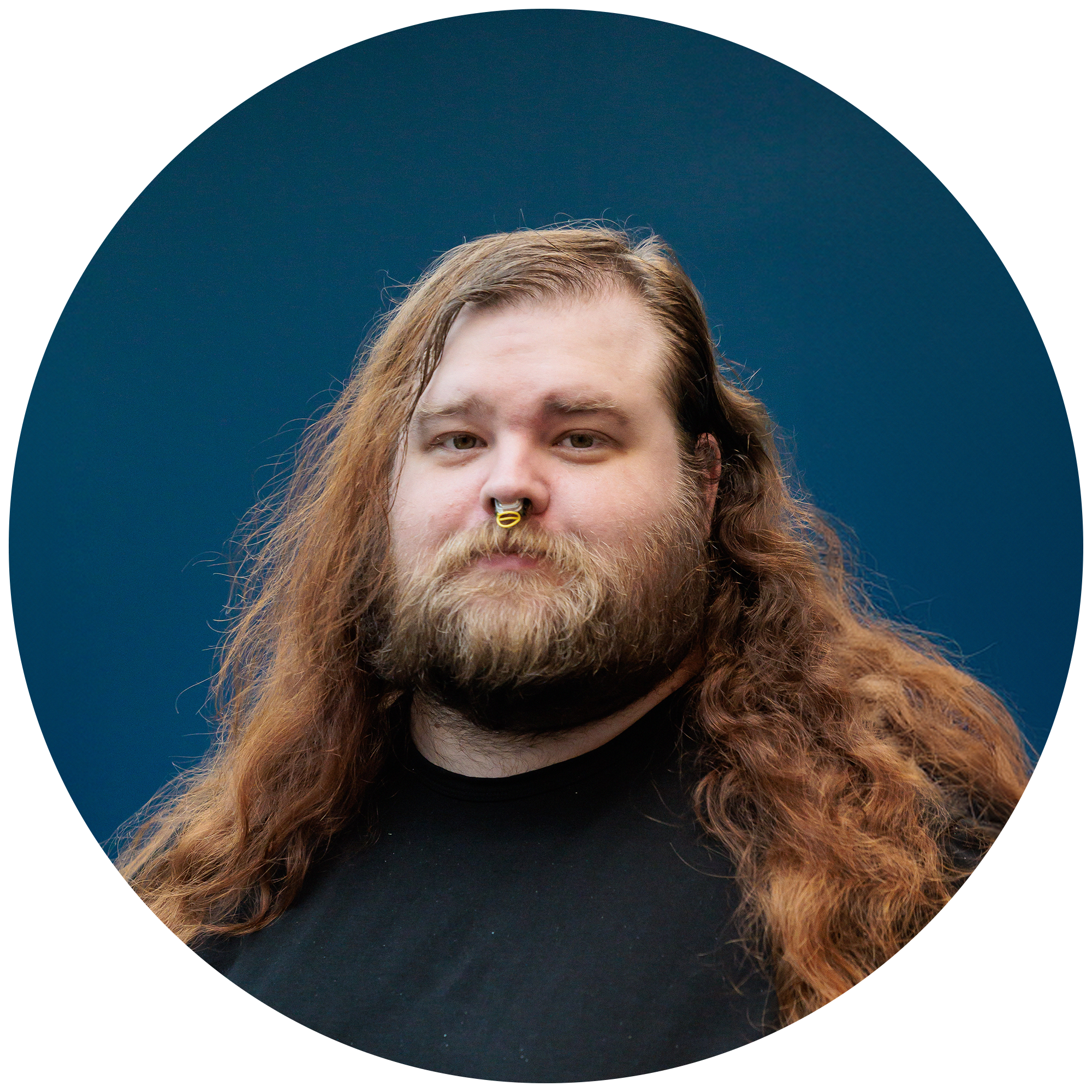
Jas Brooks is an incoming Assistant Professor at MIT's Department of Electrical Engineering and Computer Science (EECS) and the Computer Science and Artificial Intelligence Laboratory (CSAIL), starting Fall 2026. They completed a PhD in Computer Science at the University of Chicago under Prof. Pedro Lopes, focusing on perceptual engineering—designing interfaces to modulate human sensory perception. Their work addresses challenges in power efficiency and miniaturization for senses like taste, touch, and smell, enabling applications in health, safety, and immersive experiences. Research interests span HCI, olfactory interfaces, thermal feedback systems, and wearable technology. Notable publications include Best Paper Awards at CHI 2020 and CHI 2021, and Honorable Mentions at UIST 2023 and UIST 2021. Awards include the NSF Graduate Research Fellowship, Siebel Scholar, and Rising Star in EECS. Brooks has presented at MIT, UCSD, and international symposia, including a keynote at the 'New Metabolism' event. They co-organized workshops on smell/taste interfaces (STT21, STT23) and led projects like the Timeless Smell Archive and Smell & Paste prototyping toolkit. Teaching includes a graduate VR course at SAIC and contributions to sensory education via the CBORG initiative. Labs/teams include Pedro Lopes' research group at UChicago and collaborations with institutions like the Media Archaeology Lab. Current projects explore adaptive EMS systems, thermal feedback wearables, and historical scent technologies.
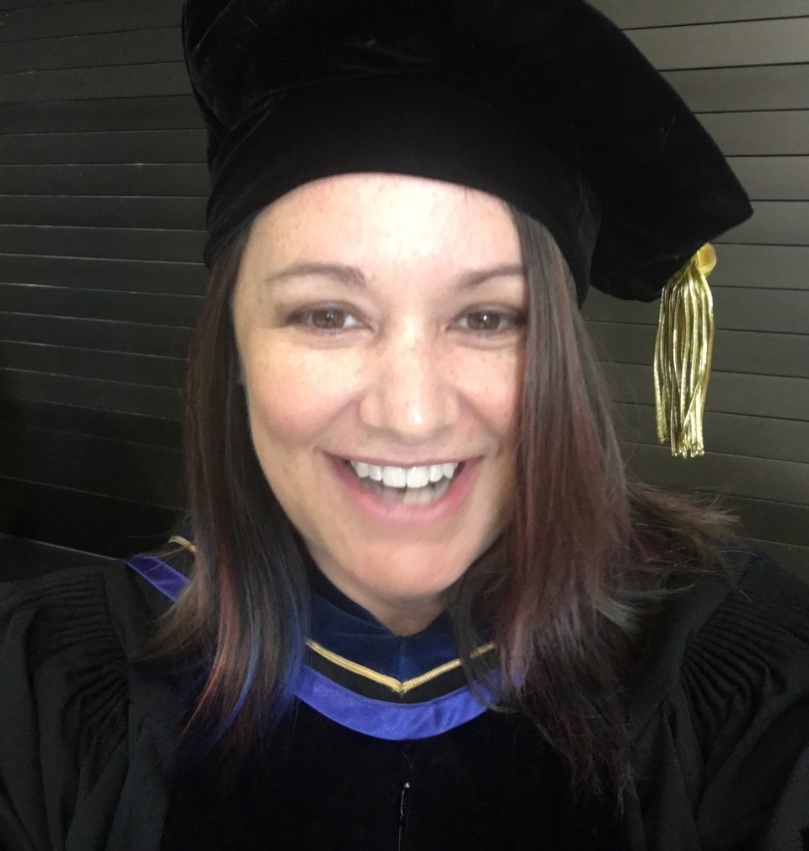
Gülçin Elboga is an Associate Professor at Gaziantep University Faculty of Medicine, Department of Psychiatry. She has been serving in this position since 2019, following her tenure as a Doctor Lecturer from 2017-2019 at the same institution. Her academic career is deeply rooted in the Department of Psychiatry within the Faculty of Medicine at Gaziantep University. Her educational background includes Medical Specialization (2010-2015) and a Medical License (2004-2009), both completed at Gaziantep University Faculty of Medicine. This strong foundation in medical education has supported her specialized focus in psychiatry. Dr. Elboga's research interests span across multiple critical areas in mental health, with particular emphasis on bipolar disorder, depression, schizophrenia, and anxiety disorders. Her work frequently explores the biological underpinnings of psychiatric conditions, including neuroimaging studies, biomarker research, and neuroendocrine aspects of mental illnesses. She has made significant contributions to understanding the application of cognitive behavioral therapy, electroconvulsive therapy, and novel pharmacological approaches in psychiatric treatment. Her publication record demonstrates consistent productivity with a focus on clinically relevant research. Recent work shows increasing attention to pandemic-related mental health issues, neuroimaging correlates of psychiatric disorders, and the biological mechanisms underlying mood disorders. Her research often involves collaborations with colleagues across multiple institutions, reflecting an interdisciplinary approach to psychiatric research. Dr. Elboga has authored numerous scientific publications including 90 articles and 7 book chapters, with a strong presence in both national and international psychiatric literature. Her work appears in reputable journals across various psychiatric subfields, demonstrating breadth and depth in her scholarly contributions. She has been actively involved in research related to the psychological impact of the COVID-19 pandemic on healthcare workers, circadian rhythm disturbances in psychiatric disorders, and innovative treatment approaches for treatment-resistant depression. Her work bridges clinical practice with scientific investigation, contributing valuable insights to the field of psychiatry.
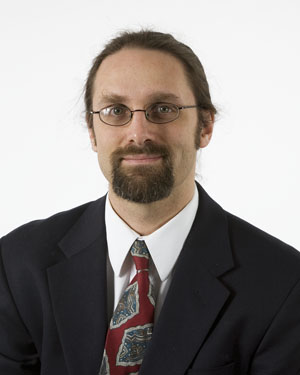
Yujia Zhang is a Tenure Track Assistant Professor at the School of Engineering , École Polytechnique Fédérale de Lausanne (EPFL), leading the Laboratory for Bio-Iontronics (BION) since January 2025. His work focuses on developing iontronic biointerfaces and hybrid intelligent systems for biomedical applications. Academic Affiliations: EPFL School of Engineering, STI-SMT SMT-ENS PhD program committee Research Themes: Droplet-based iontronics, synthetic tissues, advanced manufacturing Research Trends from his publications emphasize microscale droplet iontronics , soft energy systems , and biohybrid interfaces , with applications in neurostimulation , tumor modeling , and biomedical devices . Scientific Awards : 2023: Early-career Research Scientist Representative, UK Parliamentary & Scientific Committee 2022: Excellent Doctoral Dissertation, Chinese Academy of Sciences 2021: Outstanding Doctoral Thesis, Chinese Institute of Electronics 2020: Special Prize for President Scholarship, Chinese Academy of Sciences Academic Contributions include mentoring PhD students and teaching microfabrication technologies. His lab develops 3D-printed synthetic tissues and droplet networks for interactive biological communication.
Prof. Dr. Andreas Stadlbauer is a medical physicist affiliated with the Clinical Institute for Diagnostic and Interventional Radiology at St. Pölten University Hospital and the Department of Neurosurgery at Friedrich-Alexander University Erlangen-Nuremberg. He holds an adjunct professorship at the University of Erlangen-Nuremberg and contributes to both clinical and academic research in biomedical imaging and AI applications in oncology. University: Friedrich-Alexander University Erlangen-Nuremberg Hospital Affiliation: St. Pölten University Hospital Department: Department of Neurosurgery Academic Rank: Adjunct Professor His research focuses on advanced MRI techniques, particularly physio-metabolic imaging of brain tumors, oxygen metabolism, and the integration of artificial intelligence in clinical diagnostics. He has led research on glioma classification, tumor microenvironment characterization, and deep learning models for radiomic analysis. The recent publications highlight a strong trend toward AI-driven diagnostic tools in neuro-oncology, particularly in differentiating glioblastomas from metastases and predicting genetic mutations using machine learning. His work emphasizes the clinical translation of complex imaging data into actionable insights. Artificial Intelligence in Oncology Medical Imaging and Radiomics Brain Tumor Metabolism Deep Learning for MRI Analysis Oxygen Metabolism Imaging Clinical Decision Support Systems Prof. Stadlbauer has been involved in seed-funded research projects developing deep learning algorithms for clinical integration. He collaborates extensively with neurosurgeons, radiologists, and oncologists across institutions, contributing to multidisciplinary tumor boards and translational research initiatives. He completed his doctorate in medical physics in 2004, habilitation in 2008, and an MBA in Health Management in 2010. His academic journey reflects a blend of technical expertise and leadership in healthcare innovation.
Dr. Emily Gibson is an Associate Professor in the Department of Bioengineering at the University of Colorado School of Medicine. She holds a PhD from the University of Colorado Boulder (2004) and a BS from the Colorado School of Mines (1997). Her multidisciplinary research focuses on developing advanced optical technologies for neuroscience applications. Her primary research interests include: Development of implantable miniature microscopes for two-photon brain imaging in freely behaving animals Superresolution STED microscopy for subcellular imaging of protein dynamics Optical interfaces for neural modulation and sensing in central and peripheral nervous systems Applications in brain mapping, neural circuit analysis, and bioelectronic medicine Dr. Gibson's recent publications demonstrate a strong focus on neurophotonic tool development, including miniature microscopes, fiber-optic imaging systems, and superresolution techniques. Her work consistently applies these technologies to study neural coding, learning mechanisms, and neurodegenerative processes. She leads the Biophotonics Lab at CU Anschutz, which actively develops open-source neurophotonic tools. Current projects include BRAIN Initiative-funded work on voltage imaging and NSF-supported research on odor navigation. Her lab maintains active collaborations with neuroscientists and clinicians to translate optical technologies into neuroscience research and clinical applications.
Heidi Lyn, Ph.D., is an Associate Professor and Joan M. Sinnott Chair of Psychology at the University of South Alabama. She holds a Ph.D. in Psychology (Comparative Animal Communication and Cognition) from Georgia State University (2001), an M.A. in Psychology from Georgia State University (1998), and dual B.A./B.S. degrees in Linguistics and Computer Science Engineering from the University of Pennsylvania (1992). Her research focuses on nonhuman animal cognition and communication, including studies of intelligence in animals, neural-behavioral correlates in primates, and communication in dolphins, sea mammals, and primates. Notable contributions include over 25 articles on topics such as cognitive differences in dogs, environmental influences on ape social behavior, and cross-species symbolic development. Her work has been featured in Scientific American , Science , and media outlets like the Today show. Dr. Lyn has held positions at UCLA, the New York Aquarium, St. Andrews University, and the University of Southern Mississippi. She actively advises graduate students and contributes to marine mammal welfare research. Her lab explores cognitive mechanisms in sea turtles, enrichment programs for bottlenose dolphins, and comparative studies of animal communication across species. Recent projects include investigations into spatial memory in dogs, vocal communication in dolphins, and the role of socio-communicative environments on ape cognition. She has presented at major conferences such as the Evolution of Language and the Comparative Cognition Conference, and her edited works include The Evolution of Language: Proceedings of EVOLANG10 . Labs/Teams: Her research involves collaborations with institutions like the Gulf Coast Research Laboratory and the Institute for Marine Mammal Studies, focusing on marine and terrestrial animal cognition.
Dr. Stefano Vaglio is a Reader in Animal Behaviour at the University of Wolverhampton, affiliated with the School of Life Sciences within the Faculty of Science and Engineering. He leads the Animal Behaviour & Wildlife Conservation research group and serves as Principal Investigator on multiple funded research projects, including the EU Erasmus+ InterZooMaster and the University’s Research Investment Fund project. He previously held a Marie Curie Postdoctoral Fellowship at Durham University and maintains an honorary association with the Primatology Group there until 2021. PhD, Biological Anthropology (Primatology), University of Florence MS, Biological Sciences (Behavioural Neurobiology), University of Pisa FHEA, University of Wolverhampton His research centers on primate sensory ecology, particularly chemical communication, and extends to zoo animal welfare, reproduction, and conservation. He employs interdisciplinary methods including semiochemistry, bioacoustics, endocrinology, and digital imaging. His work spans both captive primates in European zoos and field studies in Madagascar and the Democratic Republic of Congo. The recent publications reflect a strong focus on olfactory enrichment, fertility signalling, and welfare assessment in primates and other zoo animals. Trends include the use of synthetic scents to enhance breeding, non-invasive monitoring of hormonal and behavioural responses, and evaluating the impact of environmental changes such as zoo closures during the pandemic. 2018 Project Support Office's Bidding Excellence Award 2021 VC Award for Staff Excellence - Outstanding Contribution to Research Fellow of the Higher Education Academy (FHEA) Dr. Vaglio has supervised several PhD students and postdoctoral fellows, including Emily Elwell, Rachel Sawyer, and Sara Fontani. He has secured significant grant funding from the European Commission, British Academy, and internal university sources, supporting research in primate communication, disease recognition, and conservation. He actively mentors students and integrates research into teaching. He leads the Animal Behaviour & Wildlife Conservation research group and collaborates with institutions such as Garda Zoological Park, Durham University, and multiple European zoos. He is a member of the Steering Committee for the EU LIFE20 Northern Bald Ibis project and advises on conservation initiatives through InterLife ONLUS and other organizations.
John Binks is a Lecturer in Animal Science and Programme Manager for the BSc (Hons) Animal Behaviour and Welfare at Hartpury University, where he has been teaching since 2017. He is affiliated with the Department of Animal and Agriculture and plays a key role in curriculum delivery and student supervision across undergraduate and access-level programmes. Education: BSc (Hons) in Animal Behaviour & Welfare, University of the West of England (UWE), awarded July 2016 MRes in Animal Behaviour & Welfare, University of the West of England (UWE), awarded August 2017 John's research centers on animal welfare, particularly sensory and environmental enrichment in captive animals. His work emphasizes olfactory and auditory stimulation in shelter dogs to reduce stress and improve rehoming outcomes. He also investigates animal cognition, theory of mind, and affective states, contributing to broader understanding of animal awareness and communication. His teaching includes modules such as Animal Welfare Assessment, Animal Psychology, and Fundamental Skills for the Animal Scientist. His recent publications highlight innovative applications of sensory enrichment, including the use of scents like vanilla and ginger to influence canine behavior and promote wellbeing. These studies reflect a consistent focus on practical, evidence-based strategies to enhance animal welfare in real-world settings. Scientific Awards and Recognition: British Veterinary Association Foundation Trophy (Undergraduate) Postgraduate Scholarship Prize (Top MRes Student) HE Inspiring Lecturer Award Winner, Hartpury StAR Awards 2023 Nominee, Expert in their Field Award (2023, 2024) Nominee, Most Inspiring Lecture HE Award (2024) Nominee, Heart of Hartpury Award (2023) John has supervised over 25 student research projects, often in collaboration with external partners such as the RSPCA, veterinary clinics, and zoological collections. He is actively involved in professional development, including participation in workshops on change management and a Virtual Reality Pilot Project with Avantis. His engagement with industry and commitment to student-centered learning underscore his impact beyond the classroom. He is a Fellow of the Higher Education Academy (FHEA) and contributes to animal welfare discourse through blog posts, media appearances, and specialist publications, demonstrating a strong public engagement profile.
D. Matthew Wachowiak is a Professor in the Department of Neurobiology at the University of Utah School of Medicine, where he serves as Principal Investigator of the Wachowiak Lab. His research focuses on understanding how neural circuits transform sensory representations, with particular interest in how animals actively acquire sensory information to guide behavior. He uses the mouse olfactory system as a powerful model to analyze sensory representations and investigate how the dynamics of neural circuits process incoming information to guide behavior and shape perception. Dr. Wachowiak's educational background includes: PhD from University of Florida Postdoctoral Fellowship at Yale University School of Medicine Multiple Fellowships at Marine Biological Laboratory BS from Duke University His research program centers on four interconnected areas: (1) Olfaction as an Active Sense, investigating how sniffing shapes odor representations; (2) Cracking the Olfactory Code, analyzing how odor information is represented across the olfactory bulb; (3) Organization of Inhibition in the Olfactory Bulb, studying how synaptic inhibition shapes odor processing; and (4) Top-down Modulation of Olfactory Processing, examining how neuromodulatory pathways affect early olfactory processing. His lab employs optical reporters of neural activity targeted to genetically-defined neuron populations, two-photon imaging in awake behaving animals, and custom olfactometers for precise odor delivery. Dr. Wachowiak's publication record demonstrates consistent contributions to understanding the neural basis of olfaction, with recent work focusing on how sniffing parameters affect odor representations, mitral/tufted cell processing, and olfactory bulb inhibition. His lab has developed innovative tools including high-throughput olfactometers and functional atlases of odorant responses, contributing significantly to the field's methodological toolkit. His research has received substantial funding including: NSF Neuronex Award under the BRAIN Initiative as part of the 'Odor2Action' network NSF IDEASLab funding As a mentor, Dr. Wachowiak has guided numerous students and postdoctoral fellows who have established independent research programs at institutions including Yale University, Rutgers University, University of Florida, and University of Magdeburg. His lab continues to recruit graduate students through the University of Utah's Interdepartmental Program in Neuroscience and welcomes postdoctoral researchers interested in olfactory neuroscience. The Wachowiak Lab maintains state-of-the-art facilities for in vivo imaging, including widefield and high-resolution two-photon microscopy systems, custom olfactometers, and behavioral setups combining odor presentation with locomotion tracking. They actively collaborate with researchers across the US, UK, and Canada through the 'Odor2Action' project, which addresses how high-dimensional sensory variables are represented in brain circuits and mapped to actions.
Prof. Michael Krieg leads the Neurophotonics and Mechanical Systems Biology group at the Institute of Photonic Sciences (ICFO), focusing on mechanosensation and cell mechanics in health/disease. His research uses C. elegans as a model, combining optogenetics, optical tweezers, and microfluidics to study how mechanical forces influence biology. Key areas include protein condensates in touch sensing, neurodegeneration under mechanical stress, and synthetic neural circuits. Technological innovations include time-shared optical tweezers for microrheology and photon-based communication systems. He received a Proof of Concept Grant (2023) for advancing these tools. Current projects explore age-related viscoelastic changes in cells and 'prosthetic' cellular communication systems. Advising and hiring: Open PhD positions in neuronal cell biology and biochemistry master’s projects. Collaborations involve deep learning microscopy and synthetic biology approaches to mechanobiology.
Bernadette M. Cortese is an Associate Professor in the Department of Psychiatry and Behavioral Sciences at the Medical University of South Carolina (MUSC), affiliated with the College of Medicine. Her research focuses on olfactory biomarkers of neuropsychiatric disorders, anxiety, stress, fear, and the neurobiological mechanisms underlying sensory dysfunction in chronic disease. She leads a clinical trial investigating smell training and trigeminal nerve stimulation for post-COVID olfactory loss, with a subspecialty interest in the interplay between emotional processing and long-COVID symptoms. Research Contributions: Dr. Cortese’s work integrates neuroscience and clinical psychiatry, particularly addressing sensory deficits in neurological conditions. Her 2023 trial explores innovative at-home therapies for smell recovery, combining behavioral interventions with neurostimulation techniques. She also investigates cognitive and emotional impacts of long-COVID through EEG studies of emotional cue processing. Professional Activity: She holds a primary appointment in Psychiatry and collaborates with interdisciplinary teams across MUSC’s clinical and research divisions. Her lab focuses on translational approaches to sensory and affective disorders, aiming to bridge basic science discoveries with clinical applications.
James Jeanne is an Assistant Professor in the Department of Neuroscience at Yale School of Medicine. He holds affiliations with the Interdepartmental Neuroscience Program, Molecular Medicine, Pharmacology, and Physiology, as well as the Wu Tsai Institute. His research focuses on understanding how neural circuits implement computations supporting behavior, particularly in Drosophila melanogaster. He earned a B.S.E. in Electrical Engineering from Princeton University (2005), a Ph.D. in Computational Neuroscience from UC San Diego (2012), and completed postdoctoral work at Harvard Medical School (2017). Primary Research Themes: Sensory processing, working memory, decision-making, and neural circuit mechanisms in Drosophila Techniques: 2-photon optogenetics, whole-cell electrophysiology, connectomics, and calcium imaging Recent awards include the 2020 Klingenstein-Simons Fellowship and 2019 Smith Family Foundation Award. His lab investigates how circuit architecture enables flexible behavioral responses to sensory stimuli, with recent work exploring synaptic plasticity's role in odor tracking and decision-making algorithms in mushroom body circuits. Key collaborations include work with Rachel Wilson (Harvard), Timothy Gentner, and Tatyana Sharpee. His team has published in high-impact journals like Nature Communications , Current Biology , and Neuron .
Mark A. Minor is an Associate Professor in the Department of Mechanical Engineering at the University of Utah's College of Engineering, where he serves as Director of the Robotics Systems Lab and Coordinator of the Robotics Track within Mechanical Engineering. His research spans multiple domains of robotics including climbing robots, terrain adaptable mobile robots, virtual interfaces, autonomous vehicles, and flying robots. The Robotics Systems Lab under his direction synergizes design, modeling, and control to create novel robotic embodiments with enhanced adaptability, mobility, and immersion. Dr. Minor's research focuses on the synergistic integration of design, modeling, and control of robotic systems. His lab specializes in several types of robotic systems including climbing robots, terrain adaptable mobile robots, virtual interfaces, autonomous vehicles, and flying robots. With extensive expertise in the design and control of under-actuated nonholonomic systems, kinematic motion control, dynamic motion control, state estimation, sensor development, and data fusion, his work pushes the boundaries of what robotic systems can achieve in challenging environments. His research portfolio demonstrates a consistent focus on practical robotic applications across multiple domains. Recent work shows increasing emphasis on immersive virtual environments with wind, olfactory, and thermal displays, as well as sophisticated control systems for autonomous vehicles and terrain-adaptive locomotion. The integration of haptic feedback, multi-sensory stimulation, and soft robotics components represents an emerging trend in his research trajectory, bridging the gap between physical robotics and human perception. Dr. Minor has successfully advised numerous graduate students through completion of their degrees, with alumni now working at institutions including Harbin Institute of Technology, University of Utah, Orbital Sciences Corporation, and Western Digital Corporation. His research has been supported by prestigious sponsors including the National Science Foundation, NASA, Army Night Vision Lab, and industry partners such as ATK Launch System and Kairos Autonomi. The Robotics Systems Lab, directed by Dr. Minor, maintains several active research projects including Hybrid Mobility Research (investigating robots capable of rolling, walking, and climbing), Autonomous Vehicle Research (particularly related to the DARPA Urban Challenge), Traction Sensing and Control in Wheeled Mobile Robots, Immersive Virtual Environments (including the TreadPort Active Wind Tunnel), and Compliant Framed Modular Mobile Robots. The lab continues to push the boundaries of robotic mobility, control, and human-robot interaction.
Professor Paula Moynihan is an Adjunct Professor at the Adelaide Dental School within the Faculty of Health and Medical Sciences at the University of Adelaide . From 2019 to 2024, she served as Director of Food and Health and Academic Coordinator for the University's Healthy Societies FAME Strategy. She is an internationally renowned researcher with over 145 publications, an H-index of 58, and more than 22,000 citations, focusing on the interrelationships between nutrition and oral health across the life-course. Her research spans topics such as the impact of dietary sugars on dental caries , the influence of compromised oral health on nutritional well-being, and novel dietary interventions using co-development methods. Her work has directly informed WHO guidelines on sugars intake and USDA Dietary Guidelines , contributing to sugars-sweetened beverage taxation in over 50 countries. Professor Moynihan has led multidisciplinary projects like the MAPPmal initiative (involving 9 disciplines) and collaborated with organizations including Age UK . She is Eligible to supervise Masters and PhD students Recipient of the 2010 IADR Distinguished Scientist Award Awarded the 2004 Nutrition Society Silver Medal Her research has been funded by entities such as RCUK , NIHR , and the Borrow Foundation , with recent projects focusing on systematic reviews of sugars intake and co-design methods in aged care .