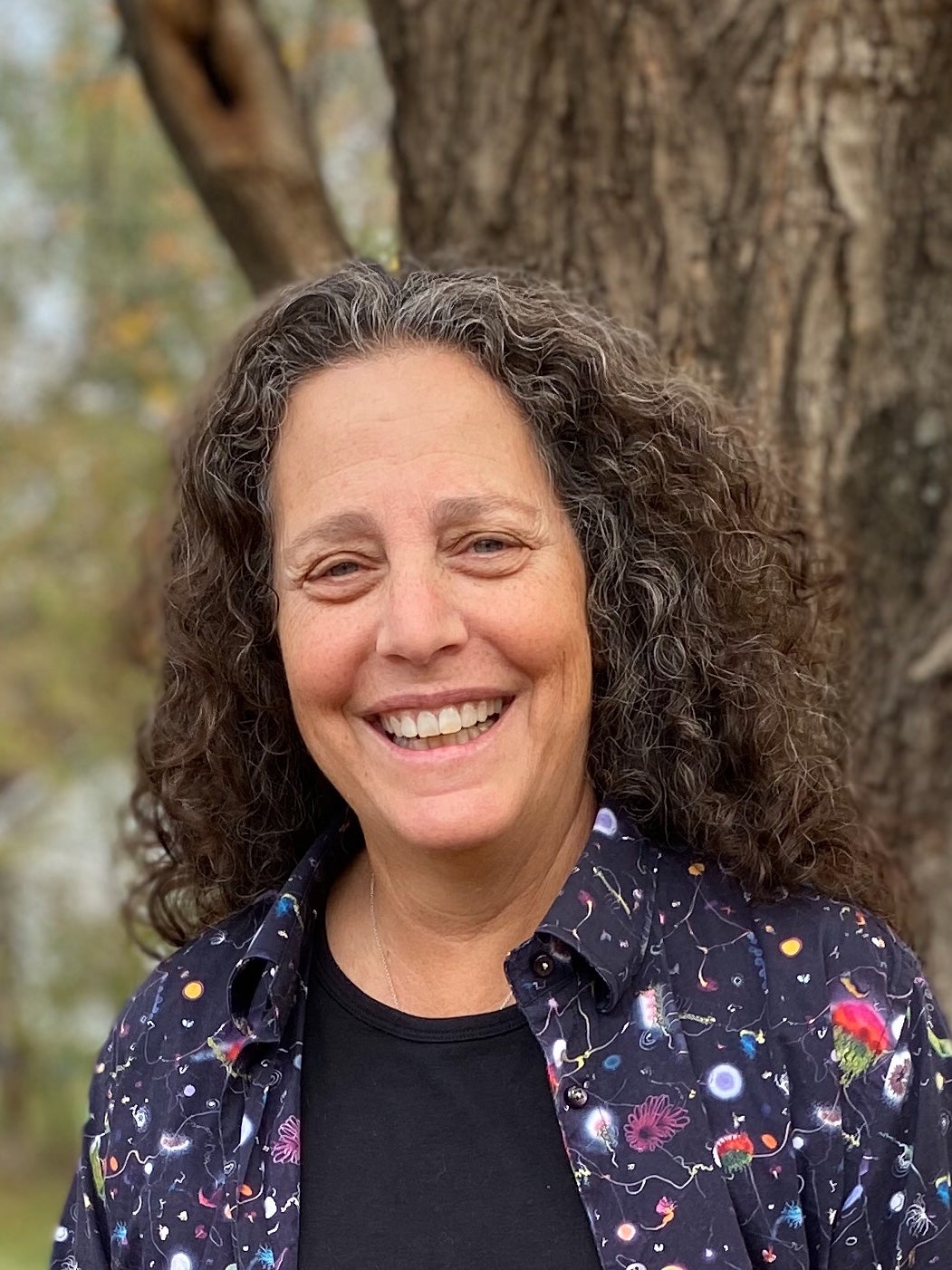
Kevin M. Franks is an Associate Professor of Neurobiology at Duke University, where he investigates how the olfactory system forms neural representations of sensory environments. His work focuses on functional neural circuits in the olfactory bulb and piriform cortex, using techniques like in vivo recordings, optogenetics, and behavioral assays. His research explores Neural circuit dynamics and plasticity Odor coding mechanisms Role of recurrent circuitry Integration of sensory modalities Recent publications highlight his contributions to understanding cortical odor representations, developmental neural connectivity, and cross-modal interactions. Awards include the 2024 Don Tucker Finalist recognition. He teaches advanced neuroscience courses at Duke, including Neurobiology research and concepts in neuronal systems.
Prof. Dr. Susanne Foitzik is a Professor of Evolutionary Biology at Johannes Gutenberg University Mainz since 2010, where she leads the Evolution & Behavioral Ecology of Ants research group at the Institute of Organismic and Molecular Evolution (IOME). Previously, she was Professor in Behavioral Ecology at LMU Munich (2004-2010) and Assistant Professor in Zoology at the University of Regensburg (2000-2004). She earned her PhD in Biology from Julius Maximilian University, Würzburg in 1998. Her research integrates approaches from behavioral ecology through genomics to epigenetics, focusing on ants as model organisms to study complex social behaviors. Host-parasite coevolution and social parasitism in ants Molecular mechanisms underlying division of labor Reversal of the fecundity-longevity trade-off in social insects Gene regulation in phenotypic plasticity Evolution of chemical communication systems Analysis of her recent publications (2022-2025) reveals a strong focus on molecular mechanisms of social behavior, with particular emphasis on host-parasite interactions, epigenetic regulation of behavior, and genomic adaptations in social insects. Her work increasingly combines transcriptomic, proteomic, and functional genomic approaches to understand the molecular basis of social evolution. Among her notable scientific achievements: Speaker of Research Training Group 2626 GenEvo: Gene Regulation in Evolution (2019-present) Speaker of EES Master Program funded by VW foundation (2007-2010) DAAD Fellow at State University of New York (1992-93) Prof. Foitzik has supervised numerous PhD students and postdocs, including Maide Macit, Tom Sistermans, and Marcel Caminer. Her research is supported by multiple DFG-funded projects investigating host-parasite coevolution, the role of gene regulation in division of labor, and parasite interference in host gene expression. She serves as Handling Editor for Biology Letters and previously served on the editorial board of Insectes Sociaux. Her research group operates within the Institute of Organismic and Molecular Evolution (IOME) at Mainz, with laboratory facilities at the Biozentrum I. The group collaborates extensively with researchers across Germany and internationally, including partnerships with institutions in Frankfurt, Freiburg, Bristol, and Tel Aviv.
Alexei Koulakov is a Professor at Cold Spring Harbor Laboratory (CSHL) and the Charles Robertson Professor of Neuroscience. His research focuses on applying mathematical and computational approaches to unravel the principles of brain organization, particularly in sensory systems like olfaction and vision. Koulakov's work explores how neural circuits form during development, the role of genetic and experiential factors, and the evolutionary basis of brain architecture. Education: PhD in Physics from the University of Minnesota (1998). Key Research Areas: Olfactory system development, neural network modeling, and AI inspired by biological computation. Koulakov's recent publications emphasize cross-disciplinary integration of neuroscience and AI, including NeuroAI initiatives and DeepNose models predicting olfactory percepts. His team investigates how innate abilities are encoded genomically and how experience shapes neural networks. Scientific contributions include studies on primacy coding in olfaction, stochastic learning mechanisms , and high-throughput neural mapping . Awards include the Charles Robertson Professorship , reflecting his leadership in theoretical neuroscience. Koulakov collaborates extensively, with notable work on genomic bottlenecks , odor mixture interactions , and neural integrator models . His lab at CSHL is at the forefront of NeuroAI research, leveraging brain circuit insights to advance artificial intelligence.
Prof. Thomas Kuner is a Professor and Director of the Department of Functional Neuroanatomy at the University of Heidelberg's Medical Faculty. He holds a medical degree (MD) from Heidelberg (1998) and completed postdoctoral work at Duke University and the Marine Biological Laboratory. Since 2000, he has led a research group at the Max Planck Institute for Medical Research, followed by habilitation in Physiology (2003) and appointment as Professor of Anatomy and Cell Biology (2006). Research Focus: His work focuses on neuroanatomy, synaptic transmission mechanisms, and pain research. Key projects include investigations into the structural and functional properties of synapses (e.g., calyx of Held), the role of presynaptic proteins like Mover, and the molecular basis of pain signaling via the SFB 1158 consortium. His lab uses advanced imaging techniques (e.g., STED microscopy) and genetic models to study neuronal circuits and synaptic plasticity. Funding & Collaborations: Kuner's research is supported by grants from the DFG (e.g., SFB 1158), the Baden-Württemberg Foundation, and other national/international bodies. His interdisciplinary approach bridges cellular neuroscience, molecular biology, and clinical applications in pain management. Teaching & Leadership: He oversees the Institute of Anatomy and Cell Biology, contributing to graduate programs in medical education and anatomy. His team includes postdocs and technicians, with collaborations extending to imaging technology development and medical education innovation.
Richard Axel is a University Professor at Columbia University, holding appointments in the Vagelos College of Physicians and Surgeons as Professor of Neuroscience, Professor of Biochemistry and Molecular Biophysics, and Professor of Pathology and Cellular Biology. He serves as Codirector of Columbia's Mortimer B. Zuckerman Mind Brain Behavior Institute and is an Investigator at the Howard Hughes Medical Institute since 1984. Dr. Axel earned his AB from Columbia College and MD from Johns Hopkins Medical School. His Nobel Prize-winning research identified over 1,000 odorant receptors in the nose that transmit olfactory information to the brain, revolutionizing our understanding of the sense of smell. His early work with colleagues developed groundbreaking gene transfer techniques that enabled the introduction of virtually any gene into any cell, leading to novel approaches for gene isolation and analysis of gene function. Dr. Axel's research focuses on understanding how olfactory information is processed in the brain to create internal representations of the external world. His work spans molecular neuroscience, neural circuitry, and the relationship between sensory input and behavioral output. He has pioneered techniques that have advanced our understanding of neural function and sensory processing mechanisms. Analysis of Dr. Axel's recent publications reveals a continued focus on olfactory processing systems, with increasing integration of computational approaches and machine learning to understand neural representations. His work spans from molecular mechanisms to circuit-level analyses, with particular emphasis on how odor information is encoded and transformed in the brain to produce meaningful perceptions and behaviors across multiple model systems. Nobel Prize in Physiology or Medicine (2004) Howard Hughes Medical Institute Investigator (1984-Present) The Royal Society Foreign Member (2014) Gairdner Foundation International Award (2003) American Philosophical Society Member (2003) National Academy of Sciences Member (1983) Richard Lounsbery Award (1989) American Association for the Advancement of Science Fellow (2018) American Academy of Arts and Sciences Fellow As Codirector of the Zuckerman Institute, Dr. Axel oversees one of the world's leading neuroscience research centers, fostering interdisciplinary collaboration across multiple departments. His lab continues to train the next generation of neuroscientists, investigating how sensory information is transformed into meaningful perceptions and behaviors. Dr. Axel's early work on gene transfer techniques laid the foundation for numerous advances in molecular biology and neuroscience, including the isolation and analysis of the CD4 gene, the cellular receptor for HIV. Dr. Axel leads the Axel Lab at Columbia University, which is part of the Zuckerman Institute. His research team investigates how organisms recognize olfactory information in the environment and transmit it to the brain, where it is processed to create internal representations of the external world. The lab employs multidisciplinary approaches combining molecular, cellular, and systems neuroscience to unravel the neural circuits underlying sensory processing and behavior, with particular focus on understanding how these representations translate stimulus features into appropriate innate and learned behaviors.
Anne-Marie Oswald is an Associate Professor in the Department of Neurobiology within the Biological Sciences Division at the University of Chicago. Her research profile indicates active engagement in neuroscience research with a particular focus on cortical circuits, neural coding, and sensory processing systems. She maintains an active research program with publications spanning from 2011 to the present. Dr. Oswald's research interests span multiple areas of neuroscience, with particular emphasis on cortical circuit function, neural coding mechanisms, and sensory processing. Her work investigates how inhibitory interneurons shape cortical dynamics, how neural assemblies form during learning, and how sensory information is processed across different brain regions. Notably, she has also contributed to discussions on diversity in science through her publication "Curating more diverse scientific conferences" in Nature Reviews Neuroscience (2020). Her research employs a combination of electrophysiological, computational, and behavioral approaches to understand neural circuit function. Analysis of her publication record reveals a strong focus on cortical circuit mechanisms, particularly in the olfactory system. Her work demonstrates expertise in understanding how different interneuron subtypes (particularly parvalbumin and somatostatin-positive cells) regulate cortical dynamics, assembly formation, and sensory processing. Over time, her research has evolved from examining basic circuit mechanisms to investigating how these circuits support complex cognitive functions like odor discrimination and associative learning. The consistent presence of computational and systems neuroscience approaches throughout her publication history indicates a rigorous quantitative approach to understanding neural function. Dr. Oswald appears to be actively mentoring students and postdoctoral researchers, as evidenced by her consistent publication record with multiple collaborators. While specific grant information isn't provided in the available data, her sustained publication output suggests successful funding of her research program. Her work bridges cellular and systems neuroscience, contributing to our understanding of how microcircuit properties shape sensory processing and behavior.
Shantanu Jadhav is a Professor of Psychology at Brandeis University, with affiliations to the Neuroscience Program, the Volen National Center for Complex Systems, and the Sloan-Swartz Center for Theoretical Neurobiology. He earned his B.Tech. from IIT Bombay, Ph.D. from UC San Diego, and completed postdoctoral training at UCSF and UC Berkeley. Research Focus: Neural mechanisms of learning, memory, and decision-making in rodent models Investigation of hippocampal-prefrontal interactions via multielectrode recordings, optogenetics, and computational analysis Role of neural oscillations (theta, gamma, sharp-wave ripples) in memory consolidation and cognitive flexibility Implications for neurological disorders like Alzheimer’s, autism, and schizophrenia Recent work highlights the coordination of dopamine activity with rule representations in the prefrontal cortex and hippocampus, the role of prefrontal ripples in suppressing hippocampal reactivation during sleep, and geometric transformations in cognitive maps enabling cross-environment generalization. His lab has shown that awake sharp-wave ripples are critical for spatial memory and that cross-region neural synchronization underpins memory-guided decisions. Scientific Recognition: Peter and Patricia Gruber International Research Award (2013) Sloan Research Fellow (2015-2017) NARSAD Young Investigator Award (2015-2018) Whitehall Foundation Award (2016-2020) SFARI Core Member (2022-2025) The Jadhav Lab at Brandeis trains postdoctoral fellows, graduate students (via the Neuroscience and Psychology Graduate Programs), and research assistants. Current studies explore hippocampal-prefrontal network dynamics, dopamine signaling in cognitive flexibility, and geometric representations in memory abstraction.
Katrin Vogt is a Group Leader at the University of Konstanz and an Affiliated Scientist at the Max Planck Institute of Animal Behavior. She serves on the IMPRS Board and Faculty, focusing on behavioral neuroscience in Drosophila larvae. Her research explores how social context and internal states (e.g., hunger) modulate neural circuits and behavior, utilizing genetic tools like optogenetics, RNAi, and CRISPR. Key Research Areas: Behavioral flexibility under internal state changes Neural integration of sensory and state signals in the antennal lobe Role of serotonin (CSD neuron) in modulating output pathways Computational modeling of state-dependent circuit dynamics Notable Achievements: Discovered state-dependent olfactory valence switching (e.g., geranyl acetate shifts from aversion to attraction under food deprivation) Elucidated glutamatergic inhibition mechanisms in picky local interneurons Identified 5-HT7 receptor's role in upregulating uniglomerular projection neuron activity Recent Publications: 2025: PLoS Biology on multimodal sensory neurons 2024: Current Biology commentary on behavioral neuroscience 2023: Current Biology on multisensory memory merging Academic Affiliations: University of Konstanz (Group Leader, Department of Collective Behavior) Max Planck Institute of Animal Behavior (Affiliated Scientist) IMPRS for Organismal Biology (Faculty Member) Scientific Awards: DFG Research Fellowship (Project No. 345729665) Students & Collaborators: PhD students: Hari P. Narayanan, Akhila Mudunuri Research assistants: Nora Tutas, Julius Klein, Constantin Dyroff DAAD summer student: Élyse Zadigue-Dubé Recent graduates: Amelie Edmaier (BSc 2023), Constantin Dyroff (BSc 2023)
Summary Pawel Andrzej Herman is an Associate Professor at the Division of Computational Science and Technology within the School of Computer Science and Communication (CSC) at KTH Royal Institute of Technology. His research focuses on computational neuroscience, brain-inspired AI, and machine learning applications in healthcare and cognitive science. He teaches multiple courses including Artificial Neural Networks and Deep Architectures , supervises degree projects across computer engineering and electrical engineering disciplines, and actively contributes to interdisciplinary research initiatives. His work bridges theoretical neuroscience with practical AI solutions, emphasizing synaptic plasticity models, neuromorphic computing, and medical diagnostic systems. Key areas include olfactory perception modeling, working memory mechanisms, and FPGA-accelerated neural networks. He collaborates internationally on projects such as AI-driven medical imaging and cognitive neuroscience studies. Dr. Herman’s research has been published in high-impact journals and conferences, with recent contributions to understanding neural mechanisms of odor naming deficits, beta/alpha oscillations in working memory, and spiking neural network architectures. His technical leadership spans HPC frameworks like StreamBrain and interdisciplinary tools for scientific data storage (NoaSci).
Elizabeth J. Hong is a Professor of Neuroscience and Chen Scholar at the California Institute of Technology, serving as Interim Director of the T&C Chen Center for Systems Neuroscience. She holds academic appointments including Assistant Professor (2015-23), Boothe Luce Assistant Professor (2015-21), and Professor (2023–present). Her research focuses on synaptic molecular diversity and its impact on neural circuit computations, using the Drosophila olfactory system as a model. Key contributions include studies on odor-driven behaviors, synaptic physiology, and genetic manipulation strategies for circuit analysis. Education : B.S., California Institute of Technology, 2002 Ph.D., Harvard University, 2009 Research Interests : Her lab investigates how molecular differences at synapses influence physiological function and circuit-level computations. Using Drosophila's genetic toolkit, they combine in vivo electrophysiology, two-photon imaging, and behavioral assays to link synaptic properties to neural coding. Current projects explore odor representation restructuring, CO₂ sensory pathways, and the developmental basis of neural circuits. Awards : Chen Scholar (2021–present) Advisees/Grants : While specific student names aren't listed, the lab recruits trainees interested in synapse biology, neural circuits, and behavioral genetics. Techniques employed include TRACT (transneuronal transcription control) for circuit tracing and optogenetic tools for functional interrogation. Labs/Teams : The Hong Lab collaborates with the T&C Chen Center, focusing on systems-level neuroscience questions. Their work bridges molecular mechanisms with behavior, emphasizing evolutionary and developmental perspectives.
Dr. Katrin Vogt is a researcher at the University of Konstanz, specializing in neuroethology and sensory systems. Her work focuses on understanding recurrent neural circuits governing state-dependent behavior, particularly in olfactory systems of Drosophila larvae. She leads a subproject investigating hunger-dependent serotonergic modulation in the antennal lobe, collaborating with a doctoral student. Her research bridges vertebrate and invertebrate models to identify conserved network principles across species. Dr. Vogt is part of a DFG-funded interdisciplinary team examining recurrent circuits' roles in flexible behavioral responses to environmental changes. Her research interests include neural circuitry modulation, sensory integration, and behavioral plasticity. Key projects involve analyzing how sensory inputs are modulated by internal states like hunger, and how recurrent connections enable adaptive responses. She has contributed to studies on visual and olfactory memory formation, multisensory integration, and navigational strategies in Drosophila. Publications highlight work on dopamine signaling in taste punishment, social behavior in larvae, and cross-species odor coding principles. Her findings aim to uncover fundamental mechanisms underlying sensory-driven behavior and neural plasticity in both vertebrates and invertebrates.
Aprajita Mohanty, Ph.D., is an Associate Professor of Clinical Psychology at Stony Brook University's Department of Psychology. She holds a Ph.D. from the University of Illinois-Urbana Champaign (2007). Her research focuses on the interplay between emotion, perception, and cognitive control, particularly in anxiety and psychotic disorders. Using fMRI, ERP, and computational modeling, her lab investigates how the brain anticipates emotional stimuli and how these processes contribute to psychopathology. Research Themes: Emotion-cognition interactions in anxiety and psychosis Threat perception and decision-making Predictive processing and neural markers of psychotic disorders Role of contextual learning in threat detection Key Contributions: Elucidated how anticipatory brain activity enhances threat perception in anxiety Identified transdiagnostic neural markers of psychotic disorders (e.g., mismatch negativity) Explored olfactory perception and odor identification in clinical populations Grants & Collaborations: Collaborates with Dr. Roman Kotov (Psychiatry) on emotion-cognition interactions in psychosis. Actively reviews graduate student applications for the 2024-2025 academic year. Labs/Teams: Directs the Emotion, Perception, and Cognition Lab at Stony Brook, integrating cognitive, clinical, and neuroscience methodologies.
Dr. Andrew Lin is a Senior Lecturer and School Director of One University at the University of Sheffield's School of Biosciences. He holds a PhD from the University of Cambridge and a BA in Biology from Harvard University. His career includes roles as a Lecturer (2019-2022), Vice-Chancellor’s Fellow (2015-2019), and Postdoctoral Fellow at the University of Oxford (2009-2015). Research focuses on how the brain encodes sensory information for memory formation, using Drosophila's olfactory system as a model. Key areas include sparse coding in Kenyon cells, synaptic inhibition/excitation balance, and neural circuit dysfunction links to epilepsy. Teaching includes modules like BMS11004 Introduction to Neuroscience and BMS248 Neural Circuits, Behaviour and Memory. He has secured grants from the European Research Council, BBSRC, and Wellcome Trust. Professional memberships include the FENS-Kavli Network and BBSRC Pool of Experts. Lab research employs techniques like in vivo two-photon imaging, electrophysiology, and genetic manipulation. PhD opportunities are available in neural circuitry and sensory processing.
Dr. Emily Gibson is an Associate Professor in the Department of Bioengineering at the University of Colorado School of Medicine. She holds a PhD from the University of Colorado Boulder (2004) and a BS from the Colorado School of Mines (1997). Her multidisciplinary research focuses on developing advanced optical technologies for neuroscience applications. Her primary research interests include: Development of implantable miniature microscopes for two-photon brain imaging in freely behaving animals Superresolution STED microscopy for subcellular imaging of protein dynamics Optical interfaces for neural modulation and sensing in central and peripheral nervous systems Applications in brain mapping, neural circuit analysis, and bioelectronic medicine Dr. Gibson's recent publications demonstrate a strong focus on neurophotonic tool development, including miniature microscopes, fiber-optic imaging systems, and superresolution techniques. Her work consistently applies these technologies to study neural coding, learning mechanisms, and neurodegenerative processes. She leads the Biophotonics Lab at CU Anschutz, which actively develops open-source neurophotonic tools. Current projects include BRAIN Initiative-funded work on voltage imaging and NSF-supported research on odor navigation. Her lab maintains active collaborations with neuroscientists and clinicians to translate optical technologies into neuroscience research and clinical applications.
Leslie M. Kay is a Professor of Psychology and Deputy Dean for Research at The University of Chicago. Her research focuses on olfactory neurophysiology, oscillatory dynamics, and the interplay between context and cognition in sensory processing. Education: BA in Liberal Arts from St. John's College, Santa Fe; PhD in Biophysics from UC Berkeley At the Institute for Mind & Biology, her lab investigates how behavioral context affects olfactory and limbic system neurophysiology through psychophysical and electrophysiological approaches. Key research areas include: Roles of respiratory rhythms in neural synchronization Theta/gamma oscillation mechanisms Odor perception across sensory pathways Neurocognitive strategies in odor processing