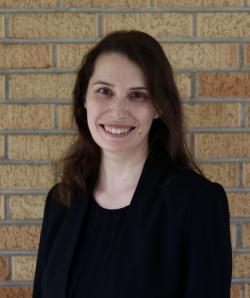
Xinyan Zhang is a Researcher in the Department of Cell Biology at Yale School of Medicine, Yale University. Her research focuses on understanding the molecular mechanisms of viral infections, particularly cytomegalovirus (CMV), and their interactions with host cellular processes such as autophagy and apoptosis. She investigates how viral infections trigger inflammatory responses and contribute to pathologies in organs like the retina and liver. Her work includes studies on the role of caspase-12 in retinal cell death during CMV retinitis, the impact of autophagy inhibition on viral replication, and the long-term ocular pathologies caused by neonatal CMV infection in mice models. She also explored adipokine involvement in Kawasaki disease and meta-inflammation in obese children during her graduate studies. Zhang collaborates with mentors Dr. Feng Fang (pediatric infectious disease expert) and Dr. Ming Zhang, contributing to interdisciplinary projects at the Su Lab. Her research integrates molecular biology, immunology, and clinical insights to address translational challenges in virology and infectious diseases.
Travis W. Hein, PhD, is a Professor in the Department of Medical Physiology at Texas A&M University's School of Medicine. His research focuses on microvascular dysfunction in diabetes, particularly in retinal and coronary microvessels, and its implications for vision loss and heart failure. He also investigates spaceflight-associated neuro-ocular syndrome (SANS) mechanisms in astronauts. Hein holds significant teaching awards, including the 2023 R. Kelly Hester Distinguished Teaching Award and membership in the Academy of Distinguished Medical Educators. Education: BA in Biology from St. Olaf College (1992), PhD in Medical Physiology from Texas A&M Health Science Center (1997). Research interests emphasize molecular mechanisms of vasomotor regulation, diabetes-induced vascular damage, and space health challenges. His work identifies therapeutic targets for microvascular diseases and explores ocular blood flow dynamics in space environments. Key publications highlight breakthroughs in retinal degeneration therapies (e.g., stanniocalcin-1), diabetic microvascular complications, and cardiovascular dysfunction mechanisms. His articles span 20+ years, demonstrating sustained contributions to vascular biology and translational medicine. Scientific awards: 2023 R. Kelly Hester Distinguished Teaching Award 2021 Elected to Academy of Distinguished Medical Educators 2017 Texas A&M Distinguished Teaching Award Grants and mentoring: Extensive NIH-funded research programs and training of graduate students/postdocs in cardiovascular and ocular physiology. Collaborates on space health initiatives through NASA partnerships. Labs/Teams: Directs Texas A&M's Microvascular Physiology Lab, focusing on translational research in diabetes and space health. Active in multidisciplinary teams addressing ocular vascular dysfunction and cardiac microcirculation.
Prof. Konstantin Kotliar is a Professor at Aachen University of Applied Sciences, specializing in Biomedical Engineering and Medical Statistics. He teaches courses in Mathematics, Advanced Medical Statistics, and Space Physiology. His research focuses on retinal vessel analysis to study microvascular dysfunction in diseases such as Fabry disease, diabetes, and Alzheimer’s. Kotliar’s work bridges ophthalmology, neuroscience, and cardiovascular science, with a particular interest in developing non-invasive diagnostic tools for early disease detection. His studies often involve collaborations with global health initiatives and clinical trials, such as the EndoAfrica-NWU Study. He has contributed to understanding neurovascular coupling mechanisms and their implications for neurological disorders. Research interests include retinal vessel dynamics, cardiovascular risk stratification, and the application of statistical methods in medical diagnostics. Kotliar’s methodologies span from biomechanical modeling to machine learning-driven image analysis, emphasizing translational research with clinical relevance. His work has implications for improving therapies and preventive measures in chronic diseases.
Sevim Ayça Seyyar is an Assistant Professor at the Department of Ophthalmology, Faculty of Medicine, Gaziantep University . She specializes in vitreoretinal surgery, choroidal imaging, and diabetic eye complications. Education: Medical specialization, Gaziantep University (2014-2018); Medical degree, Kocaeli University (2007-2013) Research Interests: Diabetic retinopathy, macular hole surgery, OCT angiography, familial mediterranean fever ocular effects, and retinal vascular density assessment Her recent publications focus on vitamin D implications in meibomian gland dysfunction, choroidal vascularity in autoimmune disorders, and novel intraocular surgical techniques . She has pioneered methods reducing postoperative positioning requirements. Scientific Contributions : Co-authored book chapter: Current Approaches to Vitreoretinal Interface Diseases (2024) Published 46 national/international articles, including in Graefe's Archive and Retina journals Participated in 22 international/national research initiatives, including the RBS-AMD-III study She has taught 51 undergraduate courses at Gaziantep University, including systemic diseases and ocular manifestations , pediatric ophthalmology , and uveitis , while advising multiple postgraduate theses.
Maria Grazia Vaccaro is a Researcher at the Department of Law, Economics and Sociology (DiGES) of the University of Chieti-Pescara. Her legal research focuses on topics such as Imputability, Wiretaps, and Testimony. Concurrently, her scientific publications reveal interdisciplinary interests in Radiation Oncology, Neurology, and Medical Physics. She has contributed to advancements in brachytherapy techniques involving 3D-printed devices, dosimetric strategies for cancer treatment, and neuroimaging studies of neurological disorders like essential tremor and Parkinson’s disease. Her work bridges clinical research with technological innovation, particularly in medical device design and radiation therapy optimization. Despite her legal affiliation, her extensive publications indicate a primary focus on biomedical research, spanning topics from gut-brain axis interactions to neuroplasticity mechanisms. No scientific awards or formal advisees are explicitly mentioned in the provided materials.
Mercedes Balcells-Camps is a Principal Research Scientist at MIT's Institute of Medical Engineering & Science and a Profesora Titular in Bioengineering at Ramon Llull University's Institut Químic de Sarrià. She directs the MIT-Spain Program, fostering academic-industrial collaborations. Education: PhD in Macromolecular Chemistry, RWTH Aachen (1999) MS in Chemistry, Ramon Llull University (1996) MS in Chemical Engineering, Institut Químic de Sarrià (1995) Research Interests focus on tissue engineering , particularly endothelial cell dynamics and microvascular disease . Her work bridges cardiovascular and neuroscience domains, integrating computational modeling , animal models , and cell signaling studies to address vascular injury and neurodegeneration. Key article trends reveal interdisciplinary exploration of Shear stress effects on barrier phenotypes Biomarker expression in atherosclerosis Regenerative strategies using cell implants Uremic thrombosis mechanisms Botanical therapies for vascular disease 3D scaffold optimization for cartilage regeneration Scientific Awards Cross of the Order of the Civil Merit (2011) Borchers-Plakette for Best PhD (1999) La Caixa-DAAD PhD Fellowship (1996-1999) Caixa Manresa Business Plan Competition Winner (2010) Catalan AQU Advanced Research Accreditation (2015) Mentorship & Grants include founding Spain's Regenear startup and chairing MIT's IDEA 2 Global program. She mentors interdisciplinary teams in biomedical innovation and collaborative research , with roles as grant reviewer for Spain's MINECO and Catalonia's AGAUR.
Bruno Larrivee is an Associate Professor in the Department of Ophthalmology at the University of Montreal and leads the Developmental and Pathological Angiogenesis Research Unit. His work focuses on identifying novel signaling pathways, particularly in the BMP and Notch families, that regulate blood vessel formation and integrity in ocular diseases and cancer. Affiliation: Faculty of Medicine, University of Montreal Research Units: CRHMR (Maisonneuve-Rosemont Hospital Research Center), Montreal Diabetes Research Center Projects: Targeting VEGF-independent pathways for ocular therapeutics, Vascular normalization in tumors, Mechanisms of ALK1/Notch crosstalk Research Focus: Dr. Larrivee investigates angiogenesis in diabetic retinopathy and AMD, aiming to develop safer inhibitors than VEGF-targeting therapies. His lab also explores tumor vascular normalization to enhance chemotherapy and immunotherapy efficacy, with key work on BMP9/ALK1 pathway regulation of endothelial quiescence. Publication Trends: Recent studies emphasize TGF-β and BMP signaling in ocular pathologies, tumor vascular normalization, and mechanotransduction in hereditary vascular diseases. Collaborative projects span diabetes, cancer, and retinal degeneration, highlighting interdisciplinary approaches. Scientific Awards: Louise Rousselle Trottier Award (2016) New Investigator Award, Heart and Stroke Foundation (2014) Scientist Development Award, American Heart Association (2013) Grants: Funded by CIHR, NSERC, and foundations like Mitacs and the Foundation Fighting Blindness, with projects on AMD, diabetic retinopathy, and tumor angiogenesis. Collaborations include teams at Yale, the College of France, and INSERM. Labs & Teams: Affiliated with CRHMR and the Montreal Diabetes Research Center, working alongside students and researchers like Naoufal Akla, Natalija Popovic, and Cindy Lora Gil. His lab integrates computational methods (e.g., machine learning) for vascular analysis.
Julia Arciero is a Professor in the Department of Mathematical Sciences at Indiana University–Purdue University Indianapolis (IUPUI). Her research focuses on applied mathematics and mathematical biology, particularly in modeling physiological phenomena such as blood flow regulation, immune responses, and inflammation. She holds a Ph.D. in Applied Mathematics from the University of Arizona and has held postdoctoral and faculty appointments in interdisciplinary research. Her work emphasizes collaborations with clinicians and experimentalists to address challenges in health and disease. Notable projects include modeling peripheral arterial disease, glaucoma, transplant rejection, and sepsis. She has received grants from the NIH and NSF, including a NSF CAREER Award. Her research has led to advancements in understanding vascular compensation mechanisms and ocular hemodynamics. Education: Ph.D. in Applied Mathematics, University of Arizona M.S. in Applied Mathematics, University of Arizona B.S. in Mathematics, University of Michigan Awards: 2023 Kathryn J. Wilson Award for Leadership in Undergraduate Research 2021 Women’s Leadership Award 2015 Trustees Teaching Award Grants: NIH R01EY030851 (2020–2024) NSF DMS-1654019 (2017–2024) NSF DMS-2150108 (2022–2025) Her research integrates theoretical models with clinical data, contributing to fields like ocular circulation, transplant tolerance, and systemic inflammation. She leads an REU program in mathematics with applications to medicine and engineering.
Maryse Lapierre-Landry, PhD, is a Research Assistant Professor in the Department of Biomedical Engineering at Case Western Reserve University's Case School of Engineering, with an affiliation to the School of Medicine. Her research focuses on advancing image processing techniques, including machine learning, for applications in biomedical optical imaging. Key areas include automated analysis of 3D microscopy and optical coherence tomography (OCT) data for applications such as corneal nerve evaluation, embryonic heart development, and vascular segmentation. Dr. Lapierre-Landry bridges the gap between novel optical instruments and biomedical scientists by developing algorithms for complex datasets. Her work addresses challenges in segmenting blood vessels in embryonic hearts, analyzing corneal nerve patterns, and optimizing tissue segmentation without vascular contrast agents. Publications span topics like deep learning for 3D histology, nuclei detection in microscopy, and 4D OCT imaging of beating hearts. Her research emphasizes practical solutions for biomedical imaging challenges in ophthalmology, cardiology, and developmental biology. Dr. Lapierre-Landry has contributed to over 20 peer-reviewed articles since 2013, with recent work focusing on corneal nerve activity, vagus nerve segmentation via micro-CT, and multiplexed virtual histology. Her interdisciplinary approach integrates engineering, computer science, and biology to advance medical diagnostics and research tools.
Sabrina Köchli is a Senior Research Associate (Post-Doc Fellow) at Lucerne University of Applied Sciences and Arts' Lucerne School of Music, leading the CC Music Performance Research group. She specializes in interdisciplinary research at the intersection of music, movement science, and neurorehabilitation. Education: PhD in Health Sciences, University of Basel (2015-2019) Master in Human Movement Sciences, ETH Zurich (2013-2015) Bachelor in Human Movement Sciences, ETH Zurich (2009-2013) Research Focus: Her work bridges exercise physiology and clinical applications, with current projects exploring music-based interventions for Parkinson's disease. She investigates how rhythm and movement affect motor symptoms, mood, and quality of life. Previous research examined cardiovascular health in children and ethnic health disparities. Publications: Köchli's extensive publication record focuses on cardiovascular risk development in youth and neurorehabilitation. Recent work explores musical interventions' physiological mechanisms in Parkinson's management. Awards: Young Investigator Award - German Society of Arterial Stiffness (2017) Nominated for EuroPrevent Young Investigator Award (2017, 2018) Projects & Labs: Leads the SNF-funded 'Music, Movement, Mood and Parkinson's' project and co-developed 'Songlines for Parkinson's' intervention. She established the Motion Capture Lab for movement analysis in neurological conditions.
Faran SABETI is an Associate Professor in Optometry and Vision Science at the University of Canberra. He holds adjunct positions as Associate Professor in Neuroscience at the Australian National University (since 2020) and is an active researcher in clinical vision science. His work focuses on objective perimetry, retinal function assessment, and translational rehabilitation strategies for vision disorders. SABETI leads and collaborates on projects addressing diabetic retinopathy, age-related macular degeneration, and mild traumatic brain injury-related vision deficits. Affiliations: University of Canberra (Optometry & Vision Science), Australian National University (Neuroscience) Educations: PhD in Dichoptic Multifocal Pupillographic Perimetry (Australian National University, 2011) Bachelor of Optometry (University of New South Wales, 2004) Graduate Certificate in Ocular Therapeutics (University of New South Wales, 2011) Fellow of Higher Education Academy (ANU, 2020) Research Interests: His work spans objective perimetry techniques for early disease detection (glaucoma, diabetes-related retinopathy), retinal function biomarkers in AMD and diabetic maculopathy, and translational interventions like levodopa eye drops for vision restoration. He also investigates vision loss impact on quality-of-life domains like art appreciation and social interaction. Key Projects (2023-2027): VA-RIS: Vision Assessment pathway in rehabilitation settings ($4M project) Stochastic resonance for visual aids in retinal disease ($3.5M) Enhancing dementia care in aged facilities through allied health integration ($6M) Awards: 2020 Fellow of Higher Education Academy (ANU). Grants & Collaborations: Active in interdisciplinary teams with clinicians, engineers, and neuroscientists. Leads studies on multifocal pupillography, diabetic eye disease biomarkers, and levodopa therapy safety. Labs & Teams: Co-director of the Vision Science Research Group at UC, collaborating with institutions like UNSW, ANU, and industry partners in medical device development.
Jane W. Chan, MD is Professor of Ophthalmology and Neurology at the University of California, Los Angeles (UCLA) David Geffen School of Medicine and serves as a physician-scientist at the Doheny Eye Center. Board-certified in neurology, she is internationally recognized for her expertise in neuro-ophthalmology and optic-nerve disorders. Education & Training MD, Sidney Kimmel Medical College at Thomas Jefferson University, 1990 Internship, Internal Medicine, Thomas Jefferson University Hospital, 1992 Residency, Neurology, UC Davis Medical Center, 1995 Fellowship, Neuro-Ophthalmology, UC San Francisco, 1996 Board Certification, Neurology, American Board of Psychiatry and Neurology, 1997 Research Focus Dr. Chan’s laboratory leverages cutting-edge multi-modal retinal imaging, including optical coherence tomography angiography (OCT-A), to uncover cellular and molecular histopathology of the neuro-retina. By correlating retinal microvascular and structural changes with cerebrospinal fluid and plasma biomarkers, her team is developing AI-driven algorithms to stage pre-clinical Alzheimer’s disease and identify presymptomatic candidates for preventive therapies. Parallel investigations extend these discoveries to age-related macular degeneration and glaucoma, positioning these ocular diseases on a continuum of neurodegeneration with Alzheimer’s disease. Publication Trends Across her >100 peer-reviewed articles, a clear trajectory emerges: early work established clinical phenotypes of optic neuropathies, followed by translational studies integrating retinal imaging biomarkers with molecular pathways in neurodegeneration. Since 2020, the portfolio has concentrated on pre-symptomatic Alzheimer’s disease, with simultaneous exploration of mitochondrial optic neuropathies and therapeutic modulation of neuronal circuitry. Scientific Honors Fellow, American Academy of Neurology Fellow, North American Neuro-Ophthalmology Society America’s Top Doctors recognition Best Doctors recognition Clinical & Academic Leadership Dr. Chan is a sought-after lecturer at national and international venues and holds editorial board positions in leading ophthalmology and neurology journals. She directs clinical trials at the Doheny Eye Center examining longitudinal retinal imaging biomarkers in pre-clinical Alzheimer’s cohorts versus matched controls, funded by NIH and private foundations. Laboratory & Clinical Teams She leads a multidisciplinary team of neuro-ophthalmologists, retinal imaging scientists, bioinformaticians, and AI engineers within the Doheny Eye Center/UCLA Health system. The group operates advanced imaging suites in Pasadena and Fountain Valley, California, and collaborates closely with the UCLA Alzheimer’s and Neurodegeneration Program.
Rodney Braun is an Associate Professor at the School of Medicine , Wayne State University . As Course Director of Medical Histology and Embryology , he leads Year 1 curriculum development while contributing to the Biology of the Eye course. Active in curriculum and promotions committees Research focuses on tumor oxygenation and blood flow modification Current collaboration with Dr. Avril Genene Holt Research Highlights: Specializes in ocular tumor hemodynamics using laser Doppler flowmetry , oxygen microelectrodes , and high-frequency ultrasound to study choroidal melanoma growth patterns. Publication Trends: Recent works (2012-2013) emphasize MRI contrast agents and mitochondrial inhibitors for tumor imaging, while earlier studies (2001-2002) explore neurotrauma and endothelin-1 dynamics .
Ahmed Ibrahim, Ph.D., is an Assistant Professor jointly appointed in the Departments of Ophthalmology, Visual and Anatomical Sciences, and Pharmacology at Wayne State University, where he also teaches graduate-level toxicology courses. Education Bachelor of Pharmacy (BSc. Pharm, Hons.), 2002 M.Sc. in Pharmaceutical Sciences, 2006 Ph.D. in Pharmaceutical Sciences, 2011 Research Focus Dr. Ibrahim’s laboratory investigates the molecular and cellular underpinnings of angiogenesis-driven ocular diseases . His work centers on pathological ocular angiogenesis , the root cause of blinding disorders such as retinopathy of prematurity (ROP) , proliferative diabetic retinopathy (PDR) , and exudative age-related macular degeneration (wet AMD) . A central theme is endothelial metabolic reprogramming , aiming to discover FDA-approved drugs that can be repurposed to modulate energy metabolism in angiogenic endothelial cells and overcome resistance to anti-VEGF therapy. Recent Publication Themes Across the last decade, Dr. Ibrahim’s publications reveal a consistent trajectory from mechanistic studies of lipoxygenase pathways and oxidative stress to translational models of diabetic retinopathy , traumatic optic neuropathy , and AMD . His work integrates in vitro retinal endothelial cell assays, in vivo mouse models of disease, and pharmacological interventions, underscoring a commitment to identifying non-VEGF therapeutic targets. Teaching & Courses BIO7011 – Principles of Toxicology (Fall 2023) PHC7410 – Principles of Toxicology (Fall 2023) Contact Email: gt3759@wayne.edu
Luisa Holguin Colorado is a researcher at Queensland University of Technology (QUT), holding a PhD in optometry-related research (2016). Her work focuses on corneal physiology, immune cell dynamics, and ocular surface health, with particular emphasis on contact lens effects, diabetic eye complications, and dry eye disease mechanisms. She has published extensively in peer-reviewed journals since 2016, collaborating with institutions globally. Key research areas include: Corneal nerve morphology and its association with diabetes and neuropathic pain Immune cell behavior in the human cornea (dendritic cells, goblet cells) Impact of contact lenses on ocular surface health Novel imaging techniques for eyelid margin analysis Menstrual cycle effects on ocular surface parameters Her 2025 research demonstrates advancements in toric contact lens performance and dry eye-pain interconnections. Collaborations span ophthalmology, immunology, and clinical trials for ophthalmic therapies. She has contributed to 21+ peer-reviewed articles and one doctoral thesis, showcasing interdisciplinary contributions to optometry and vision science.