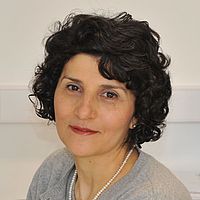
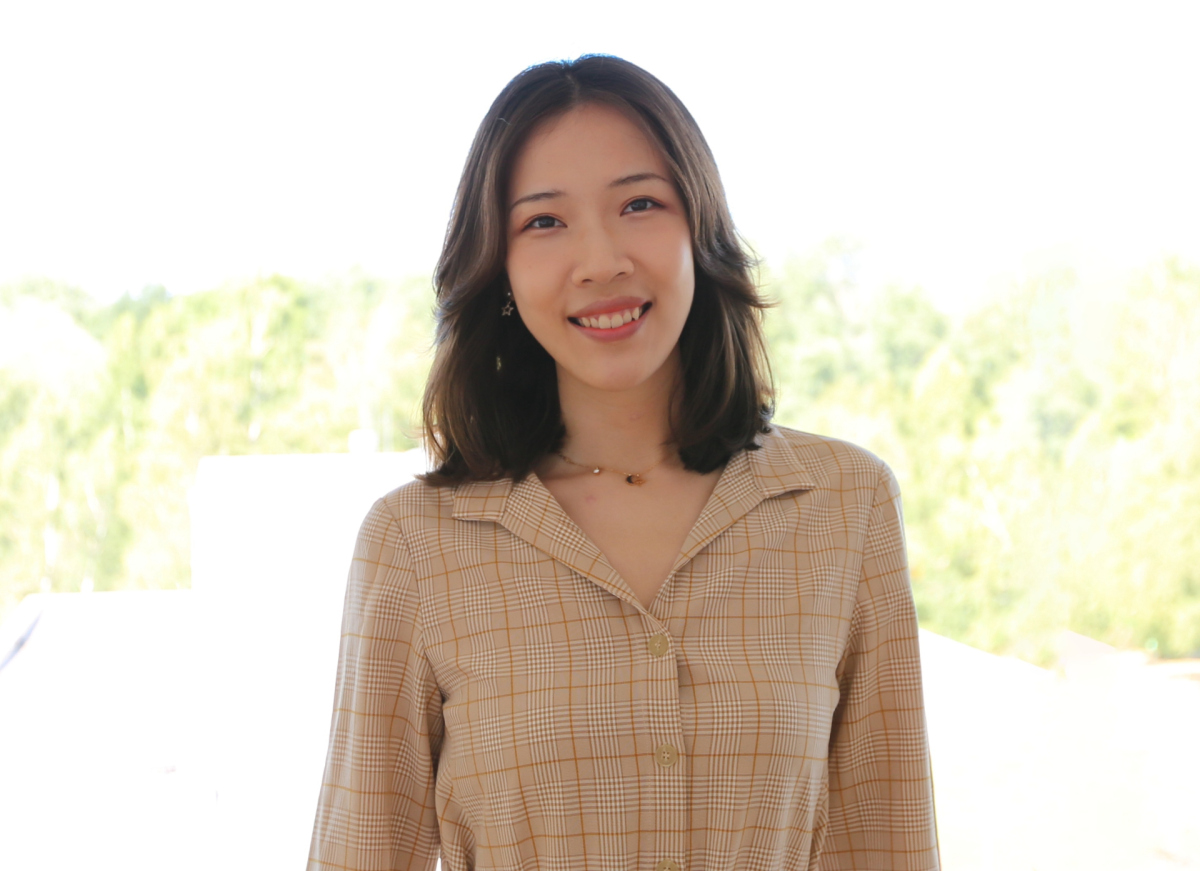
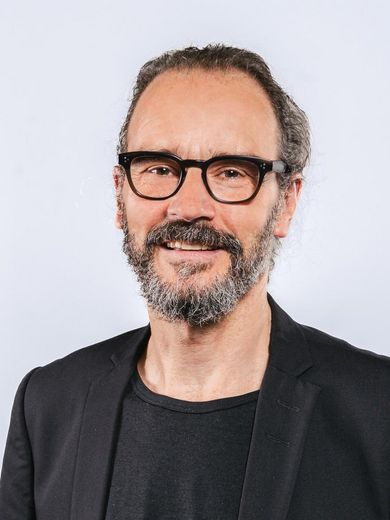
Prof. Dr. Deniz Tasdemir is a Full Professor (W3) of Marine Natural Products Chemistry at GEOMAR Helmholtz-Zentrum für Ozeanforschung Kiel and serves as Director of the GEOMAR-Biotech center and Head of the Marine Natural Product Chemistry Research Unit. Her career spans institutions including the National University of Ireland Galway and UCL School of Pharmacy. PhD in Pharmacy, ETH Zurich (1997) Post-doctoral work, University of Utah (2001) Dr. Helmut Legerlotz Fellowship, University of Zurich (2002-2025) Her research focuses on marine chemical ecology , metabolomics , and bioprospecting for bioactive compounds from sponges, algae, and marine microbiomes. Recent work explores seagrass pathogen reduction, microbiome interactions, and aquafeed applications. Scientific awards include: Waters Award for Natural Products Innovation (2016) Egon Stahl Silver Medal (2005) Pierre Fabre Prize (2004) ETH Zurich Medal (1997) She leads collaborative projects on ocean sustainability and marine drug discovery, with editorial roles in Marine Drugs , Planta Medica , and Phytochemistry Letters .
Alfred Wegener Institute for Polar and Marine ResearchGermany
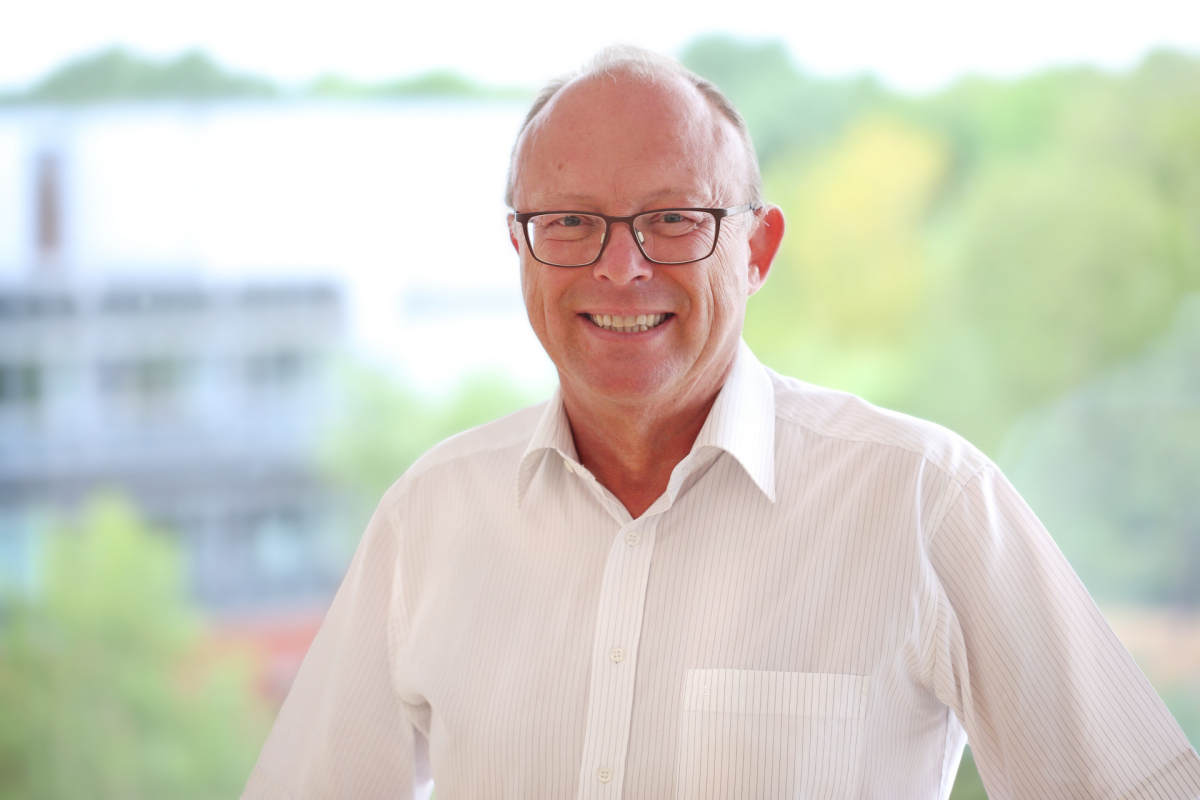
Prof. Morten Hvitfeldt Iversen is a leading researcher in Polar Biological Oceanography at the Alfred Wegener Institute (AWI). He serves as Section Head of the Polar Biological Oceanography department and leads the bridging group 'SeaPump' collaborating with University of Bremen and MARUM. His work focuses on organic matter production, export, and transformation in oceans, linking small-scale microbial processes to large-scale biogeochemical cycles in high-latitude regions. Iversen pioneers optical techniques to study marine aggregates and their role in the biological carbon pump. Research interests include Arctic and Antarctic carbon dynamics, microbial ecology, and the impact of climate change on ocean systems. He leads projects like the 'SeaPump' initiative and contributes to the 6.3 sub-topic 'The future of the biological pump' under POF IV. His work integrates field observations, mooring data, and satellite measurements to understand carbon fluxes and their climate feedbacks. Recent articles highlight his focus on Arctic carbon sinks, microplastic impacts, and zooplankton roles in the biological pump. Iversen actively participates in expeditions aboard the Polarstern and uses advanced optical tools to study particle dynamics. His contributions bridge experimental and observational science to address global climate challenges.
Max Planck Institute for Marine MicrobiologyGermany
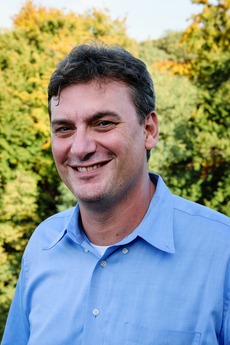
Prof. Dr. Rudolf Amann serves as Managing Director at the Max Planck Institute for Marine Microbiology in Bremen, Germany, and leads the Department of Molecular Ecology. His work pioneers molecular methods for studying marine microorganisms, with a focus on fluorescence in situ hybridization (FISH) to identify and quantify microbial cells. Managing Director, Max Planck Institute for Marine Microbiology (since 2018) Department Head, Molecular Ecology Research Center, Bremen, Germany Research Interests: Marine microbial diversity and ecology Carbon cycle dynamics in coastal and deep-sea environments Phytoplankton-bacterioplankton interactions Microbial taxonomy and phylogenetics Single-cell identification techniques (FISH, CARD-FISH) Integration of metagenomics and proteomics Publication Trends: Recent work focuses on microbial interactions in extreme environments (hydrothermal vents, Arctic waters), carbohydrate cycling in oceanic systems, and ecological differentiation of bacterial populations through advanced imaging and omics technologies. Contact: ramann@mpi-bremen.de
Prof. Dr. Frederik Tilmann is a leading seismologist at the GFZ German Research Centre for Geosciences (Section 2.4 Seismology) and a professor at the Freie Universität Berlin . His work focuses on seismic waveform analysis to understand geodynamic processes in subduction zones and continental collisions. Current affiliations: Head of Seismology Section, GFZ Potsdam University Professor, Freie Universität Berlin Research interests include: Earthquake source characterization Seismic tomography methods Mantle dynamics and lithospheric deformation Machine learning applications in seismic data analysis Volcano-seismic monitoring Ocean bottom seismology techniques Recent publications highlight advancements in: Full waveform inversion for mantle dynamics Machine learning for seismic phase picking Anisotropy studies in Alpine and Himalayan regions Subduction zone microseismicity analysis Volcano-induced landslide detection Scientific awards include: Feodor-Lynen Fellowship (Humboldt Foundation) Trinity Hall College Staff Fellowship Multiple citations in high-impact journals Collaborative work spans global seismic infrastructure projects like SMART cables, the Collaborative Seismic Earth Model, and the AlpArray network. His methodology innovations in shear wave splitting and depth phase picking have become standards in computational seismology.
Professor Joaquim Pinto is a leading climate scientist at the Karlsruhe Institute of Technology (KIT), where he serves as Head of the Working Group "Regional Climate and Weather Hazards" and as Spokesperson of the collegial institute management team. He holds the prestigious AXA Research Fund Chair position at the Institute of Meteorology and Climate Research - Troposphere Research (IMK-TRO). His academic background includes a Licenciate in Geophysical Sciences - Meteorology from the University of Lisbon (1990-1996), PhD studies at the University of Cologne (1998-2002), and academic positions at the University of Cologne (2002-2016) and University of Reading (2013-2016) before joining KIT in 2016. He became a Privatdozent (lecturer) at the University of Cologne in 2011 and earned his habilitation with research on extreme European wind storms. Professor Pinto's research focuses on mid-latitude meteorology and climatology, with special emphasis on extreme weather events , climate variability in Europe across multiple time scales, regional climate modeling and downscaling methods , and the diagnostic modeling and quantification of risks associated with extreme events affecting Europe. His work bridges fundamental climate science with practical applications for risk assessment and management. His extensive publication record demonstrates expertise in analyzing European windstorms, heatwaves, and compound extreme events. Recent work examines the impacts of climate change on wind energy potential, extreme precipitation events, and the complex interactions between atmospheric circulation patterns and regional climate extremes. His research often employs high-resolution climate modeling, statistical-dynamical downscaling approaches, and interdisciplinary collaborations to address pressing climate challenges. AXA Research Fund Chair in Regional Climate and Weather Hazards Professor Pinto teaches graduate and undergraduate courses including "Climate Modelling and Dynamics with ICON," "IPCC Assessment Report," "Climatology," "Energy Meteorology," "Methods of Data Analysis," and "Regional Climate and Weather Hazards." His teaching reflects his research expertise in climate modeling, extreme events, and regional climate change impacts.
Max Planck Institute for Marine MicrobiologyGermany
Dr. Dirk de Beer is the leader of the Microsensor Group at the Max Planck Institute for Marine Microbiology in Bremen, Germany. His research focuses on the structure and function of marine sediments, investigating how microbial conversions (e.g., photosynthesis, chemoautotrophy, anaerobic nitrogen/carbon/sulfur cycling) are controlled by transport processes and how microbial species distributions are regulated in hot spots like seeps, microbial mats, and biofilms. His group employs advanced techniques such as microsensors and planar optodes to study high-resolution geochemical dynamics in marine systems. Key research areas include: Biogeochemical cycling of oxygen, sulfur, and carbon Microbial community interactions in sediments and mats Environmental regulation of microbial processes Reactive oxygen species in marine environments Coral bleaching and ocean acidification Recent publications highlight collaborations on arsenic cycling, hydrogen peroxide dynamics, and microbial respiration in extreme environments. Dr. de Beer's work is central to understanding how microbial processes influence global elemental cycles and climate regulation.
Stefan Gössling is a Professor and Research Coordinator specializing in sustainable tourism and climate change research with dual appointments at Lund University and Kalmar University. He currently serves as Research Coordinator at the Research Centre for Sustainable Tourism, affiliated with Vestforsk (Western Norway Research Institute), where he has been employed since 2007. Gössling earned his BSc in biology and MSc in geography from Westfälische Wilhelms-Universität, Münster, followed by a doctoral degree in Human Ecology from Lund University in 2001. After completing a postdoc at Freiburg University (2002-2003), he became Associate Professor at Lund University in 2005 and was promoted to full Professor in Human Ecology in 2008. He also holds a Professorship in Tourism Research at Kalmar University since 2009. His research focuses on tourism and climate change , sustainable tourism development , mobility studies , and low-carbon tourism systems . His fieldwork spans the Western Indian Ocean region (Mauritius, Seychelles, Zanzibar, Madagascar, Sri Lanka) and Jordan, with significant contributions to understanding tourism's environmental impacts, particularly in aviation and transport systems. Analysis of his recent publications reveals a strong trajectory toward policy-relevant research on carbon management in tourism, with increasing focus on net-zero aviation, economic leakage in digital platforms, and climate risk modeling for tourism destinations. His work bridges academic research with practical policy applications across multiple European contexts. Contributing author of IPCC AR4 Gössling has led numerous significant research projects including TourRisk (modeling climate risk for Norwegian tourism), ECOVET (effects of COVID-19 on cruise tourism in Western Norway), NTRANS (Norwegian Centre for Energy Transition Strategies), and sustainable cruise research examining social, environmental and economic effects. His influential books include Tourism and Global Environmental Change (2006), Sustainable Tourism Futures (2009), and Climate Change and Aviation (2009).
Dr. Florian Börgel is a Senior Research Scientist and leader of the Junior Research Group Large-Scale Circulation and North European Climate Variability at the Leibniz Institute for Baltic Sea Research (IOW) in Warnemünde. He holds a Dr. rer. nat. in Physical Oceanography (2020) from IOW, an M.Sc. in Engineering Physics from the University of Oldenburg (2017), and a B.Eng. from the University of Applied Sciences Münster (2014). His research focuses on large-scale ocean-atmosphere interactions, regional climate dynamics in Northern Europe and the Baltic Sea, and the application of machine learning to improve climate models and river runoff forecasting. Key areas include Atlantic Multidecadal Variability (AMV), teleconnections between the North Atlantic and regional climates, and the impacts of climate drivers on marine environments. Notable achievements include the Outstanding Early Career Scientist Award (EGU 2023) and membership in expert groups such as the UN’s World Ocean Assessment III and the CMIP7 Data Analysis Working Group. He co-leads the Baltic Earth Teleconnections Working Group, focusing on North Atlantic-Baltic Sea linkages. Awards: EGU Early Career Award (2023), Fulbright Scholarship (2015-16) Grants/Positions: IOW appointee to Deutsches Klima-Konsortium (DKK), Parental Leave (2019-2020) Labs/Teams: Leads the Large-Scale Circulation group; contributes to the Baltic Sea Model Intercomparison Project (BMIP) and Validator tool development
Max Planck Institute for Marine MicrobiologyGermany
Shengjie Li is a Researcher in the Department of Biogeochemistry at the Max Planck Institute for Marine Microbiology (MPI-Bremen), Germany. Their postdoctoral research focuses on microbial ecology and biogeochemical processes in marine oxygen minimum zones, particularly linking particle properties, microbial communities, and nitrogen-loss dynamics. Li holds a PhD from Peking University (2017-2022) and conducted a guest PhD at the University of Calgary (2020-2021). Research interests include microbial responses to environmental change, nitrogen cycling in aquatic systems, and the interplay between organic carbon, sulfur, and iron in driving nitrate reduction. Key projects explore isotopic signatures of N₂O production, methane dynamics in groundwater, and the role of biochar in stress resistance. Publications highlight contributions to understanding N₂O emissions, cold seep nitrogen-loss mechanisms, and microbial adaptations in fluctuating environments. Ongoing work bridges microbial community analysis with biogeochemical modeling to address global climate impacts.
Dr. Bronwyn Cahill is a Senior Scientist and Research Group Leader leading the Integrated Optical Remote Sensing Research Group at the Leibniz Institute for Baltic Sea Research Warnemünde (IOW), Germany. Her interdisciplinary research integrates optical remote sensing, in situ data, data science, and bio-optical process modeling to address challenges in coastal and marine ecosystems, with a focus on land-ocean connectivity, underwater lightscapes, and biogeochemical cycles. Education: Ph.D. in Oceanography (2006) – University of Rhode Island, USA BSc (Honours) in Ocean Science (1993) – University of Plymouth, UK BA (Honours) in French and Philosophy (1989) – Trinity College Dublin, Ireland Research Interests: Her work centers on understanding how changing light climates impact marine ecosystems and carbon cycles. Key themes include optical remote sensing applications, climate change effects on coastal seas, marine heatwaves, phytoplankton dynamics, and the development of advanced biogeochemical models for marginal seas like the Baltic. Publication Trends: Her 15 most recent articles (2011-2025) predominantly explore marine biogeochemistry, climate impacts on coastal systems, and ocean-atmosphere interactions. Over 60% focus on Baltic Sea dynamics, employing modeling, remote sensing, and field data to analyze carbon fluxes, algal blooms, and ecosystem responses to environmental stressors. Projects & Grants: She leads several major initiatives: SEAGUARD (2025-2027): AI-driven seagrass adaptation research (BMUKN-funded) ISOLUME (2025-2028): Lightscape indicators in marine ecosystems (BMFTR-funded) KIVib Küste (2025-2026): AI-based Vibrio risk assessment (EFRE-funded) SkaMix-WMT (2025-2028): Water mass transformation in Skagerrak (DFG-funded) Leadership: Heads the Integrated Optical Remote Sensing Research Group at IOW, fostering collaborations across physical, biological, and chemical oceanography to advance predictive capabilities for marine environmental change.
Potsdam Institute for Climate Impact ResearchGermany
Hermann Lotze-Campen is an agricultural economist and Head of Research Department 2 'Climate Resilience' at the Potsdam Institute for Climate Impact Research (PIK). He holds a professorship in Sustainable Land Use and Climate Change at Humboldt-Universität zu Berlin within the Faculty of Life Science, Department of Agricultural Economics. His work bridges climate science, agricultural economics, and food systems research with significant policy implications. Lotze-Campen's research focuses on the interplay between climate change, food systems, land use, and economic modeling. His expertise spans agricultural economics, climate change impacts, land use modeling, food systems transformation, sustainable development pathways, and bioeconomy transitions. He has developed global land use modeling frameworks for assessing climate impacts, food and bioenergy demand, agricultural land and water use, trade, and environmental consequences. His research investigates economic model inter-comparisons, lifestyle impacts on food systems, and monitoring land use change and biodiversity transitions. Analysis of his recent publications reveals a strong focus on food system transformations, dietary shifts, and their environmental and economic implications. His work increasingly examines China's food system, planetary boundaries, and the integration of climate mitigation with sustainable development goals. Lotze-Campen frequently employs economic modeling approaches including Applied General Equilibrium (AGE) modeling of agricultural policies and trade. His research demonstrates growing attention to equity considerations in bioeconomy transitions and the connections between food systems and climate targets. Lotze-Campen is actively involved in major international research initiatives including the Food System Economics Commission (FSEC), the FABLE initiative (Food, Agriculture, Biodiversity, Land-Use, and Energy), and the World in 2050 initiative. He has contributed to significant policy reports including 'The Economics of the Food System Transformation: Global Policy Report' and 'Transformations to Achieve the Sustainable Development Goals.' His work has substantial policy relevance for climate mitigation strategies, food security, and sustainable land management. At PIK, Lotze-Campen leads the Climate Resilience research department and has been instrumental in developing integrated assessment models that connect climate science with economic and social dimensions. His work frequently appears in high-impact journals including Nature Sustainability, Nature Communications, and The Lancet Planetary Health, reflecting the interdisciplinary nature and policy relevance of his research.
Sonal Khanolkar is a researcher at GEOMAR Helmholtz Center for Ocean Research Kiel, Germany, specializing in paleoceanography and marine biogeochemistry. Her work focuses on reconstructing past climate conditions using geochemical proxies and microfossil analysis from ocean sediment cores. Her research interests encompass: Paleoceanography Marine Biogeochemistry Climate Reconstruction Foraminifera Geochemistry Paleoclimatology Dr. Khanolkar employs advanced techniques including stable isotope analysis (carbon, oxygen, boron), trace element geochemistry, and biomarker studies to investigate climate dynamics during the Paleogene period. Her recent publications reveal a strong emphasis on using foraminiferal proxies to reconstruct atmospheric CO 2 , sea surface temperatures, and ocean chemistry across critical climate transitions such as the Paleocene-Eocene Thermal Maximum and Middle Eocene Climatic Optimum. Her research spans multiple ocean basins, with significant contributions to International Ocean Discovery Program (IODP) Expedition 378 in the South Pacific, where she analyzed sediment cores to understand Paleogene climate-ocean interactions. She actively develops and refines paleoproxy methodologies, including high-precision femtosecond laser ablation ICP-MS for trace element analysis in foraminifera and boron isotope applications for pH reconstruction. Her work integrates field data from ocean drilling expeditions with laboratory analyses to address fundamental questions about Earth's climate system evolution. Contact: skhanolkar@geomar.de
Helmholtz Centre for Environmental ResearchGermany
Jürgen Groeneveld is a researcher at the Department of Ecological Modelling at the Helmholtz Centre for Environmental Research (UFZ) in Leipzig, Germany. His work focuses on agent-based modelling of ecological and socio-environmental systems, with a particular emphasis on pollinator conservation, climate change impacts, and biodiversity digital twins. He contributes to the BioDT Project and collaborates on initiatives like the BEEHAVE and BEE-STEWARD models for honeybee and bumblebee dynamics. His research integrates computational methods with ecological theory to address challenges in sustainable land use and environmental policy. Key projects include modeling land use transformations, analyzing the effects of pesticides on pollinators, and exploring risk-sharing mechanisms for smallholder farmers. Groeneveld has published extensively on topics such as metapopulation dynamics, forest fragmentation, and the application of standardized protocols (e.g., ODD) for simulation models. His work bridges theoretical ecology with practical applications, aiming to inform conservation strategies and climate adaptation policies. He participates in interdisciplinary collaborations across the UFZ’s research units, including the 'Smart Models / Monitoring' group. His contributions span publications in journals like Ecological Modelling, Ecosphere, and Nature, reflecting his expertise in both ecological and computational methodologies.
Prof. Dr.-Ing. Jörg Müssig serves as a Professor at Bremen University of Applied Sciences within Faculty 5 (Department 2), focusing on sustainable composite materials development. His research bridges engineering and environmental science through innovation in natural fiber applications for industrial use. His primary research domains encompass natural fiber composites, biobased materials, and sustainable material systems, with specialized expertise in flax, hemp, and nettle fiber reinforcement. He investigates mechanical properties, interfacial adhesion mechanisms, flame retardancy solutions, and processing techniques like injection molding and filament winding, emphasizing sustainability metrics and biomimetic design principles. Analysis of his 2024-2025 publications reveals dominant themes in natural fiber composite optimization, particularly regenerated cellulose systems and coupling agent-free interfaces. Emerging trends include consumer perception studies of biobased materials and integration of ecological parameters into industrial design processes, reflecting expanding interdisciplinary approaches. Prof. Müssig leads extensive grant-funded projects including edible mushroom mycelium composites (2024-2026), sulfur-based flame retardants (2024-2026), natural fiber sector market analysis across Europe (2024-2025), and marine durability studies (2024-2025), demonstrating sustained research leadership with significant industry and cross-institutional collaborations. His work operates within a robust research ecosystem at Bremen University of Applied Sciences, where his project portfolio indicates leadership of a specialized team focused on sustainable material innovation, though specific lab infrastructure details remain unmentioned in source materials.
Bita Sabbaghzadeh is a Marine Biogeochemist affiliated with the Leibniz Institute for Baltic Sea Research (IOW), Germany. Her work focuses on trace gas dynamics, surface microlayer chemistry, and biogeochemical processes in marine systems. She holds a PhD in Marine Biogeochemistry from Newcastle University (2017) and has taught at Newcastle and the University of Glasgow. Her research explores surfactants, chromophoric dissolved organic matter (CDOM), and their impacts on air-sea gas exchange, with implications for climate science and ocean acidification. Education: PhD in Marine Biogeochemistry, Newcastle University (2017) MRes in Marine and Freshwater Ecology, University of Glasgow (2011) MSc in Marine Biology, Azad University (Tehran, Iran) BSc in Natural and Environmental Sciences, Azad University (Tehran, Iran) Research Interests: Her work integrates physical, chemical, and biological oceanography to study trace gases (N₂O, CH₄), surfactant dynamics, CDOM, and their roles in climate systems. Recent projects include the Benguela Upwelling System (EVAR project) and the RAGNARoCC initiative on North Atlantic radiatively active gases. Publications Overview: Her articles highlight surfactant impacts on CO₂ exchange, nitrous oxide biogeochemistry in upwelling systems, and CDOM dynamics across ocean provinces. These studies bridge laboratory and field observations, emphasizing interdisciplinary approaches. Awards: Best Published Paper Prize (Geophysical Research Letters), 2017 NERC PhD Scholarship, Newcastle University Best Presentation Awards (2016–2017) Grants & Projects: EVAR: Benguela Upwelling System under Climate Change RAGNARoCC: North Atlantic Trace Gases Atlantic Meridional Transect (AMT) Labs/Teams: She is part of IOW's Trace Gas Biogeochemistry group, collaborating with institutions like the University of Hamburg and the Natural Environment Research Council (NERC).