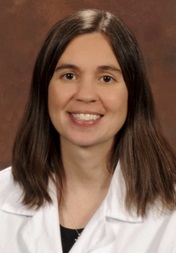
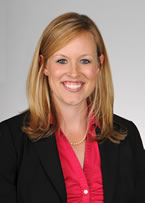
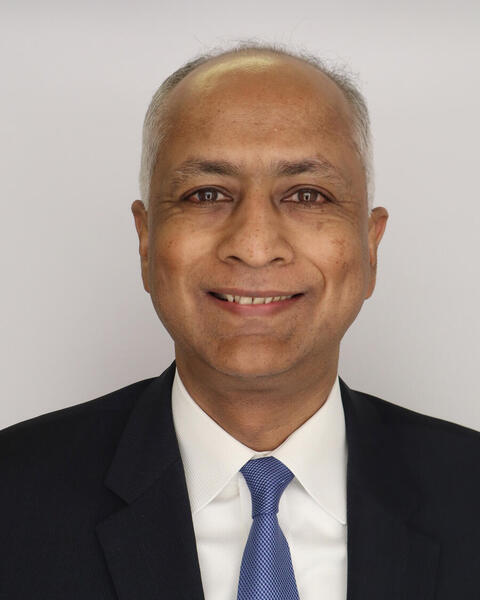
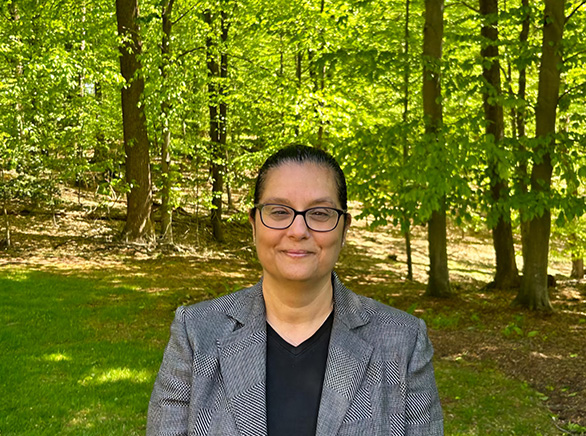
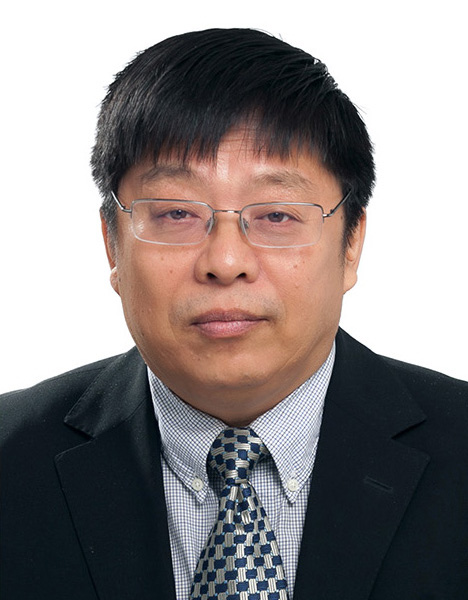
Allison Buchanan is an Associate Professor at the Dental College of Georgia , part of Augusta University . She serves as Interim Chair and Associate Chair for Oral Biology, while teaching at both predoctoral and graduate levels. Her work focuses on Cone Beam Computed Tomography (CBCT) and Digital Radiography , with a special emphasis on Quality Assurance and Obstructive Sleep Apnea imaging. Recent publications address radiation safety, disinfection methods for imaging plates, and software quality control in dental radiology. 2024 : Outstanding Faculty Award, Augusta University 2021 : Honorable mention awardee for Oral and Maxillofacial Radiology (OMR) section 2020 : Inducted into PHI KAPPA PHI Honor Society 2018 : Faculty Research and Scholarship Achievement Award Buchanan serves on multiple committees including the Standards Committee on Dental Informatics (2022-present) and the American Dental Association (2021-present), with editorial board memberships since 2018. Her teaching portfolio includes courses like Radiology Clinic II and Diagnostic Sciences Conference .
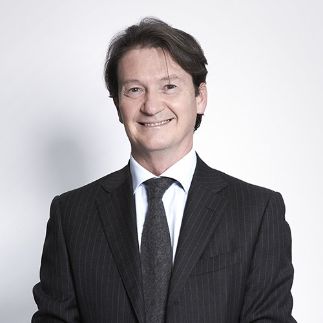
Prof. Raimon Jané Campos is a leading figure in biomedical signal processing at the Universitat Politècnica de Catalunya (UPC) and Universitat de Barcelona (UB). As co-director of UPC's Biomedical Signal and System Group (CREB) and coordinator of the Biomedical Engineering PhD Programme, he bridges engineering and clinical applications. His work focuses on respiratory and sleep disorder diagnostics, with significant contributions to COPD and sleep apnea monitoring through wearable devices and machine learning. PhD in Biomedical Engineering (UPC, 1989) Visiting researcher at Université de Nice-Sophia Antipolis Vice-president of Spanish Society of Biomedical Engineering Research spans respiratory mechanics , sleep-disordered breathing , acoustic biomarkers , bioimpedance , and machine learning in biomedical contexts . His 2025 work on microcalorimetric pathogen classification and 2024 spiking neural networks for apnea detection demonstrate cutting-edge integration of computational methods with physiological monitoring. Articles from 2017-2024 reveal consistent focus on non-invasive diagnostics , cardiorespiratory synchronization , and smartphone-based health solutions . Awarded the Barcelona City Technology Research Award (2005) and serving on the International Advisory Board for Physiological Measurement since 2010, his career combines academic leadership with real-world clinical translation through IBEC's technology transfer initiatives.
Ana Cristina Manso serves as Associate Professor, Vice-Rector, and Member of the Scientific Council at Egas Moniz University Institute. She directs multiple Preventive and Community Dentistry courses within the Integrated Master's Degree in Dentistry program and serves as a researcher at the Egas Moniz Interdisciplinary Research Center. Her clinical practice includes work at the Oral Health Unit - Clinical Center at the Bankers' Union of the South and Islands. Her educational background includes a PhD in Research in Stomatology (2008) from the University of Granada and a Dentistry Degree (1993) from the Higher Institute of Health Sciences South. She has completed numerous specialized trainings including Pedagogical Training, Quality Assurance Systems, and Social Responsibility seminars at Egas Moniz. Manso's research focuses on geriatric oral health, preventive dentistry, and community-based dental care. Her work examines self-perception of oral health among elderly populations using tools like GOHAI, investigates halitosis treatments including cinnamon-based solutions, and studies caries prevention through remineralization techniques. She has published extensively on dental erosion, temporomandibular disorders, and socioeconomic factors affecting oral health outcomes in Portuguese populations. Her recent publications reveal strong trends in geriatric dentistry and health disparities research, with significant focus on oral health literacy, socioeconomic determinants of oral health, and interdisciplinary approaches to managing conditions like xerostomia and temporomandibular disorders. Methodologically, her work combines clinical trials, cross-sectional analyses, and systematic reviews. Manso has supervised 57 master's dissertations (co-supervising 20), 1 doctoral thesis (co-supervised), and 2 undergraduate theses. Her research projects include ADAPTAR - Projeto EduCom and the Egas Moniz Interdisciplinary Research Center (UID/BIM/04585/2019). She actively participates in quality assurance initiatives as a Member of the Quality Assurance Commission for Egas Moniz Teaching. As Director of the Egas Moniz Interdisciplinary Research Center, she leads research on community dentistry and oral health promotion. Her work extends to social responsibility initiatives including oral health programs for prison populations and elderly community outreach through the 'Primeiro Dente, Primeira escovagem' program.
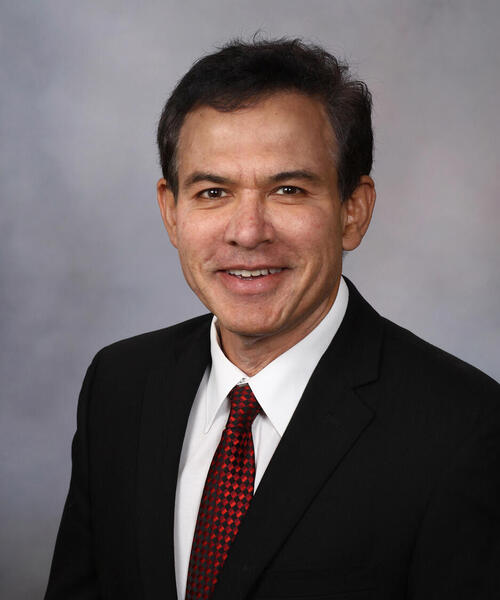
Virend Somers, M.D., Ph.D. , is a Professor of Medicine at Mayo Clinic in Rochester, Minnesota, with primary appointments in the Department of Cardiovascular Medicine, and joint appointments in Physiology & Biomedical Engineering and Nephrology & Hypertension. He directs the Cardiovascular and Sleep Facilities within Mayo Clinic's Center for Clinical and Translational Science. Education: MB ChB, University of Natal D.Phil., University of Oxford Resident, Internal Medicine, University of Iowa Fellow, Cardiovascular Diseases, University of Iowa Hospitals and Clinics Research Interests: Dr. Somers' research centers on neural and vascular mechanisms in circulatory control, particularly in sleep disorders such as obstructive and central sleep apnea, hypertension, obesity, and heart failure. His team investigates autonomic nervous system regulation, chemoreflex responses, and vascular biology in humans. His work bridges basic physiology with clinical applications to improve cardiovascular outcomes. Publication Trends: His recent publications (2021–2025) show a strong emphasis on sleep-cardiovascular interactions, including blood pressure regulation during sleep, cardiovascular mortality in the context of comorbidities like obesity and COVID-19, and neurocardiological mechanisms in arrhythmias and syncope. His work frequently appears in high-impact journals such as Sleep , Journal of the American Heart Association , and Journal of Physiology . Scientific Awards: Alice Sheets Marriott Professor (2016) CTSA Mentor of the Year (2012) Distinguished Scientist in Cardiopulmonary Physiology, American College of Chest Physicians (2017) Stanford University World's Top 2% Scientists (2021) Lifetime Achievement Award, South African Society of Sleep Medicine (2012) Doctor Honoris Causa, Masaryk University (2007) Advising and Grants: Dr. Somers has mentored numerous trainees who have won national awards. His research is supported by four NIH R01 grants, a Dana Foundation grant, and a NATO grant. His leadership in collaborative research spans institutions in the U.S., Europe, and South Africa. Labs and Teams: He leads the Cardiovascular Facility and Sleep Facility at Mayo Clinic’s Center for Clinical and Translational Science, fostering interdisciplinary research on sleep and cardiovascular disease.
Anne Holland is Professor of Physiotherapy and Head of Respiratory Research at Monash University and Alfred Health in Melbourne, Australia. She is an NHMRC Leadership Fellow (2021–2025) and a Chief Investigator for the NHMRC Centre of Research Excellence in Pulmonary Fibrosis and the NHMRC Centre of Research Excellence in Treatable Traits. Her research focuses on supportive therapies for chronic respiratory diseases, particularly COPD and pulmonary fibrosis, with a strong emphasis on pulmonary rehabilitation, telerehabilitation, and ambulatory oxygen therapy. Her research interests include: Respiratory physiotherapy Pulmonary rehabilitation (home-based and low-cost models) Access to care for chronic lung disease Telerehabilitation and digital health Symptom management in interstitial lung disease Exercise training and physical activity promotion Her recent publications focus on symptom management, digital self-management tools, treatable traits models, and clinical trials in pulmonary fibrosis and COPD. The body of work reflects a strong trend toward patient-centered, accessible, and evidence-based interventions that improve quality of life and clinical outcomes in chronic respiratory conditions. Her major scientific awards include: Society Medal, Thoracic Society of Australia and New Zealand (2021) European Respiratory Society Gold Medal for Allied Health Professionals (2022) NHMRC Investigator Fellow (Leadership 1) (2021) Fellow, Thoracic Society of Australia and New Zealand (2019) American Thoracic Society Pulmonary Rehabilitation Assembly Award (2016) Anne Holland supervises PhD students and is actively involved in advising and grant leadership. She is the Primary Chief Investigator on major trials such as the PERFORM trial and the TAPPET trial, and she leads a multinational ambulatory oxygen trial for fibrotic lung disease. Her work is supported by NHMRC and international collaborations. She is also President of the Thoracic Society of Australia and New Zealand, reflecting her leadership in the field. Anne leads the Holland Respiratory Care Research Group at Monash, which focuses on innovative models of care delivery, validation of remote monitoring tools, and improving patient self-management in chronic lung disease. The team collaborates widely across Australia and internationally, particularly in trials involving pulmonary rehabilitation and treatable traits.
Andrea Falini is a Full Professor of Neuroradiology at the Vita-Salute San Raffaele University (School of Medicine). He holds leadership roles including Head of the Neuroradiology Department at the Scientific Institute S. Raffaele Hospital and Head of the Advanced Diagnostic in Neuro-oncology Unit. His career spans clinical, academic, and administrative roles since 1991, with extensive experience in neuroradiology, neuro-oncology, and neuroimaging research. Education: MD (1986, University of Milan), PhD in Neurological Sciences (1989), and specialized training in Neurology and Radiology at leading institutions, including a visiting scholar position at UCSF (1996). Research interests focus on advanced MRI techniques, neuro-oncology, neurodegenerative diseases, and cognitive neuroscience. His work emphasizes functional MRI, diffusion tensor imaging, and clinical applications in glioma management and neurodegenerative disorders. Awarded the 1989 'De Visart' Prize and grants supporting his international collaborations. He has authored 218+ peer-reviewed articles, with an H-index of 40+, and actively contributes to academic committees and international conferences. Leadership roles include Vice-Director of the Neuroscience Division (2014–present) and coordination of the BraiMap Research Program. His academic teaching spans neuroradiology, biomedical engineering, and cognitive neuroscience courses.
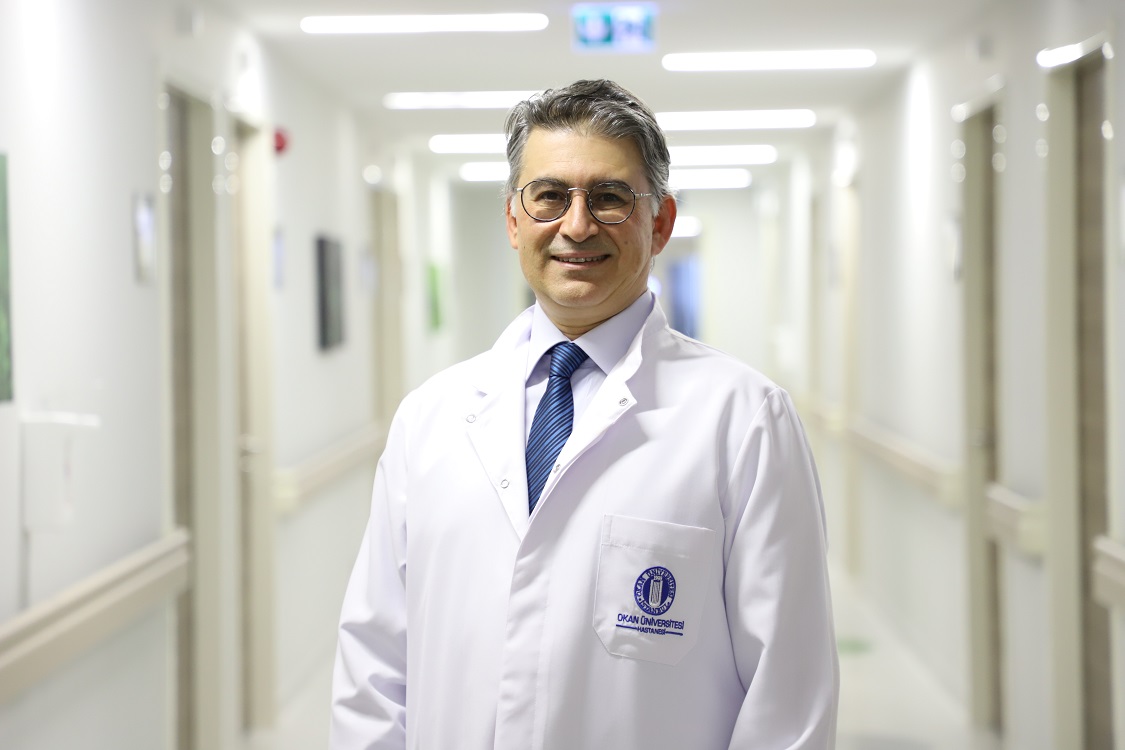
Prof. Dr. Ozan Seymen Sezen is an Associate Professor specializing in Ear, Nose, and Throat (ENT) Diseases with dual affiliations at Istanbul Okan University Hospital since 2019 and Kartal Dr. Lütfi Kırdar Training and Research Hospital since 2001. He earned his medical degree from Istanbul University Cerrahpaşa Faculty of Medicine in 1993, completed his ENT specialization in 2000 after training at the University of Michigan Medical School, and achieved associate professorship status in 2012. His educational background includes: Master's Degree from Istanbul University Cerrahpaşa Faculty of Medicine Medical Specialization in ENT at SB Dr. Lütfi Kırdar Kartal Training and Research Hospital Associate Professorship in ENT at the same institution Prof. Sezen has developed specialized expertise in facial aesthetic and plastic surgery, particularly rhinoplasty, with additional focus on snoring and sleep apnea surgery, ear diseases and surgery, and sinus diseases and surgery. His clinical practice significantly exceeds typical volumes in endoscopic sinus surgery, sleep apnea procedures, rhinoplasty, and head and neck cancer surgeries. His research spans surgical innovations, pathological studies, and interdisciplinary connections between ENT and other medical specialties. His publication record demonstrates consistent scholarly contributions over two decades, with recent emphasis on sleep apnea treatment techniques, rhinoplasty innovations, and physiological impacts of ENT interventions. The research shows strong translational focus from laboratory studies to clinical applications. Key professional recognitions include: European Otorhinolaryngology Head and Neck Surgery Certificate of Competency (2012) Fellow of the European Board of Otorhinolaryngology Head and Neck Surgery As an educator, Prof. Sezen has continuously provided scientific, practical, and surgical training to resident doctors and medical students throughout his career. He has participated in over 20 national and international courses and congresses between 2010-2018, with specialized focus on facial plastic surgery techniques. His research collaborations span multiple institutions with emphasis on advancing ENT surgical practices through evidence-based approaches. Professional affiliations demonstrate his commitment to interdisciplinary collaboration, including membership in the Turkish Otorhinolaryngology Head and Neck Surgery Association, Facial Plastic Surgery Association, Turkish Sleep Research Association, European Academy of Facial Plastic Surgery, and American Academy of Cosmetic Surgery.
Associate Professor Mathias Baumert is affiliated with the University of Adelaide, where he holds a position in the School of Electrical and Mechanical Engineering under the Faculty of Sciences, Engineering and Technology. He leads the Health Technology research theme in the School of Electrical Electronic Engineering and specializes in biomedical signal processing, focusing on dynamic electrocardiography and sleep-related phenomena. His work integrates clinical applications and technological advancements to address challenges in cardiology and sleep disorders. His research interests include the physiological underpinnings of ventricular repolarization variability and its clinical implications, particularly in post-myocardial infarction patients and those with sleep-disordered breathing. He also develops brain-computer interface (BCI) systems for stroke rehabilitation, leveraging real-time EEG analysis and motor function recovery techniques. Collaborations with clinical partners such as the Women’s and Children’s Hospital, Adelaide Institute of Sleep Health, and the Victor Chang Cardiac Research Institute highlight his translational research focus. His recent articles emphasize signal processing applications for risk stratification in cardiovascular disease, sleep apnea, and diabetes. Key themes include nocturnal hypoxemic burden prediction, REM sleep dynamics, and the development of novel diagnostic markers using ECG and EEG data. His work often bridges engineering and medicine, aiming to translate findings into clinical tools like adaptive servo-ventilation treatment optimization and personalized BCI systems. No scientific awards or fellowships are explicitly listed in the provided texts. He is eligible to supervise Masters and PhD students but current advisee names are not available. His research projects are supported by grants such as ARC DP110102049 (as noted in some articles). He teaches courses including Biomedical Instrumentation and Introduction to Medical Technology . His facilities include ECG equipment, polysomnogram repositories, and a BCI workstation with 64-channel EEG capabilities. He collaborates on lab-based and clinical partner studies to advance cardiac sensing algorithms and sleep-related diagnostic technologies.
Clarice Seifert Clemmens, MD, is a Professor at the Medical University of South Carolina (MUSC) in the College of Medicine's Department of Otolaryngology - Head and Neck Surgery. She specializes in pediatric otolaryngology with particular expertise in neonatal airway disorders and thyroid disorders, while also covering pediatric allergy/sinus disease, ear disease, hearing loss, sleep medicine, speech/swallowing disorders, and dysphagia. Dr. Clemmens completed her medical training at MUSC in 2009, followed by a residency at the University of Pennsylvania and a fellowship at Children's Hospital of Philadelphia. Education Medical Degree: Medical University of South Carolina (2009) Residency: University of Pennsylvania Fellowship: Children's Hospital of Philadelphia Her research focuses on pediatric airway disorders, evidenced by her publications on laryngomalacia interventions, cochlear implant auditory outcomes, sleep study diagnostics, and airway emergency protocols. She has contributed to systematic reviews examining tracheostomy management, neonatal airway anomalies, and sociodemographic barriers in newborn hearing screening. Dr. Clemmens maintains an active clinical practice at MUSC Children's Health ENT at Summey Medical Pavilion, where she provides comprehensive care for pediatric ear, nose, and throat conditions. She has presented her work nationally and regionally, and maintains board certification from the American Board of Otolaryngology since 2015.
Lyndia Wu is an Assistant Professor in the Department of Mechanical Engineering at the University of British Columbia's Faculty of Applied Science, where she holds the prestigious Canada Research Chair in Wearable Brain Injury Sensing. She leads the SimPL (Sensing in Biomechanical Processes Lab) and maintains an active research program focused on biomechanics and medical device development. Her educational background includes: B.A.Sc. from the University of Toronto M.S. from Stanford University Ph.D. from Stanford University Postdoctoral Fellowship from Stanford University Dr. Wu's research program centers on developing novel sensing and data analytics technologies to study human biomechanics in health and disease states. Her primary research areas encompass brain injury or concussion biomechanics using advanced sensing, modeling, and machine learning approaches, as well as the development of innovative sensors and algorithms for studying sleep disorders like obstructive sleep apnea. She specializes in wearable sensors for brain health monitoring, traumatic brain injury mechanisms, and AI applications in healthcare settings. Analysis of her recent publications reveals a strong focus on sports-related head impacts (particularly in soccer), EEG monitoring following impacts, and sleep monitoring after concussions. Her work demonstrates interdisciplinary collaboration across biomechanical engineering, neuroscience, and clinical medicine, with publications spanning biomechanics, neurotrauma, biomedical instrumentation, and signal processing domains. Dr. Wu has received significant recognition for her work, including: Scholar Award from the Michael Smith Foundation for Health Research (2019) Junior Faculty Teaching Award from UBC Mechanical Engineering (2022) She actively supervises graduate students in Mechanical Engineering programs (MASc and PhD) and collaborates extensively across disciplines. Dr. Wu is affiliated with multiple research centers including the Institute for Computing, Information and Cognitive Systems (ICICS), Origins of Balance Deficits and Falls, and SmarT Innovations for Technology Connected Health (STITCH), reflecting her interdisciplinary approach to solving complex biomedical challenges. As director of the SimPL lab, she leads a research team developing cutting-edge sensing solutions for biomechanical processes with particular emphasis on brain injury prevention, monitoring, and recovery assessment through innovative engineering approaches.
Christian J. Hochstim, MD, PhD, is a Clinical Assistant Professor of Otolaryngology at the University of Southern California. His clinical expertise includes complex airway disorders, pediatric tracheostomy management, and vocal cord paralysis. He completed a pediatric otolaryngology fellowship at Stanford University and earned his PhD in developmental biology at Caltech. His research focuses on regenerative medicine strategies for airway reconstruction and preventing stenosis, leveraging stem cell technology. Dr. Hochstim’s education includes a dual MD/PhD, with postdoctoral training in head and neck cancer at Stanford. His research bridges developmental biology and clinical otolaryngology, addressing challenges in airway reconstruction and pediatric surgical outcomes. His clinical interests span aerodigestive disorders, obstructive sleep apnea, and cochlear implantation. He has published extensively on pediatric tracheostomy quality of life, biofilm-associated stenosis, and disparities in healthcare access. Notable studies include repurposing evolutionary gill gene programs for outer ear development and evaluating opioid-free anesthesia in OSA surgery. Key contributions include analyzing prognostic factors in pediatric fungal rhinosinusitis and investigating respiratory risks in endoscopic procedures. His work emphasizes translational research with clinical impact, particularly in underserved pediatric populations.
Dr Bastien Lechat is a Research Fellow at Flinders Health and Medical Research Institute (FHMRI): Sleep Health, within the College of Medicine and Public Health at Flinders University. He is also a Full Member of the College of Science and Engineering and the Medical Device Research Institute. As an NHMRC Emerging Leadership Fellow, he leads innovative research at the intersection of sleep medicine, artificial intelligence, and wearable technology. Education: PhD in Sleep Health, Adelaide Institute for Sleep Health, Flinders University (2018–2021) Bachelor of Engineering in Engineering Science/Acoustics, Université du Maine, France (2014–2017) Dr Lechat’s research focuses on understanding the physiological mechanisms and consequences of obstructive sleep apnea (OSA), particularly night-to-night variability and patient subtypes. He develops AI-driven tools for efficient and accurate diagnosis using wearables and signal processing. His work aims to create a scalable, low-cost model of care for sleep-disordered breathing, addressing global diagnostic gaps. His recent publications reveal a strong trend in digital health innovation, with a focus on machine learning for OSA detection, circadian rhythm modeling, cardiovascular risk prediction, and climate impacts on sleep. His research has been published in top journals including Nature Communications , Journal of Sleep Research , and Sleep Medicine , demonstrating interdisciplinary reach. Scientific Awards and Recognition: NHMRC Emerging Leadership Fellow (2023) Helen Bearpark Memorial Scholarship (2022) Emerging Research Leader Award, Flinders University (2021) Multiple early-career awards from Sleep Down Under, Australasian Sleep Association, and Adelaide Sleep Retreat Ranked in the top 5% of international authors in sleep apnea by Expertscape Dr Lechat has secured over $2.5 million in competitive research funding and actively supervises and mentors junior researchers. He serves on the program committee of the American Thoracic Society meetings and contributes to clinical guidelines. He collaborates globally with industry and academic partners to translate research into clinical practice. Laboratories and Research Teams: He co-leads the 'Novel use of digital innovations & technology development' theme at FHMRI: Sleep Health, working closely with Professor Danny Eckert. His team integrates expertise in biomedical engineering, data science, and clinical sleep physiology to advance digital sleep medicine.
Dr. Kannan Ramar is a Physician Scientist at the Mayo Clinic School of Graduate Medical Education within the Mayo Clinic College of Medicine and Science . His dual expertise in Pulmonary Medicine and Sleep Medicine spans clinical practice, research, education, and quality improvement initiatives. MBA from University of Minnesota (2024) Board Certifications: Sleep Medicine (ABIM, ABMS), Critical Care, Pulmonary Disease Leadership Roles: Assistant Dean, Chair of American Academy of Sleep Medicine committees His research focuses on sleep disorders (apneas, REM behavior disorder), critical care quality improvement , and risk communication . Recent work includes updated oral appliance therapy guidelines for sleep apnea and pandemic-era telemedicine adaptations in sleep medicine. Publications in J Clin Sleep Med and Chest highlight his contributions to clinical protocols and quality metrics. Dr. Ramar has received 16 teaching and research awards since 2005, including the 2022 EPITOME Educator Award and 2021 Diamond Lifetime Achievement Award . As a section editor for Mayo Clinic Proceedings and Fellow of multiple societies, he shapes national standards in sleep medicine and ICU safety.
Galit Levi Dunietz, PhD, serves as Associate Professor in the Department of Neurology at the University of Michigan, specializing in Sleep Medicine with a research focus at the intersection of epidemiology, women's health, and cardiometabolic outcomes during key reproductive life stages. Her work investigates how sleep disturbances impact cognitive function and long-term health across pregnancy, postpartum, and menopausal transitions. Her academic foundation includes: PhD in Epidemiology from Michigan State University College of Human Medicine (2015) MPH in Epidemiology from University of Michigan School of Public Health (2011) MA in Statistics from Columbia University Graduate School of Arts and Sciences (1999) Dr. Dunietz's research program centers on identifying sleep-health disparities through large-scale epidemiological studies, with particular emphasis on reproductive health events as critical windows for intervention. She examines bidirectional relationships between sleep patterns and physiological markers across menstrual cycles, pregnancy trajectories, and menopausal transitions, while addressing social determinants that exacerbate sleep inequities in minority and vulnerable populations. Her methodological approach integrates objective sleep metrics with longitudinal health outcomes to establish evidence for public health interventions. Analysis of her 2023-2025 publications reveals dominant themes in sex-specific sleep pathology, reproductive health intersections, and social epidemiology of sleep. Key trends include investigations into obstructive sleep apnea screening challenges in women, sleep characteristics during anovulatory cycles, metabolic biomarker fluctuations across menstrual phases, and structural determinants of sleep deserts. Her work increasingly incorporates intersectional frameworks examining how race, ethnicity, and socioeconomic status compound sleep health disparities during reproductive transitions. While specific awards aren't documented in the source materials, her publication record demonstrates significant scholarly impact through high-impact journals including SLEEP, Journal of Clinical Sleep Medicine, and American Journal of Epidemiology, with consistent contributions to understanding sleep's role in women's cardiometabolic and cognitive health. Dr. Dunietz actively contributes to interdisciplinary research through collaborations with major cohort studies including the Nurses' Health Study, BioCycle study, and MASALA study. Her work within the Division of Sleep Medicine involves clinical-population research translation, though specific grant details and advisee information aren't provided in available materials. She maintains strong institutional connections between neurology, public health, and women's health research initiatives at the University of Michigan.
Liu Derong is a distinguished academic holding the position of Chair Professor at Southern University of Science and Technology (Shenzhen, China) since 2022. He is also a Full Professor at the University of Illinois at Chicago (UIC) since 2006. His academic journey includes roles as Professor at Guangdong University of Technology (2017–2022) and the Chinese Academy of Sciences' Institute of Automation (2008–2016). He earned his Ph.D. in Electrical Engineering from the University of Notre Dame (1994), M.S. from the Chinese Academy of Sciences (1987), and B.S. from Nanjing University of Science and Technology (1982). His research focuses on neural networks, reinforcement learning, intelligent control, and adaptive dynamic programming. He has authored 19 books and 260+ journal papers, contributing significantly to computational intelligence and control systems. Notable works include Adaptive Dynamic Programming with Applications in Optimal Control (2017) and co-editing volumes like Frontiers of Intelligent Control and Information Processing (2014). Liu Derong has held leadership roles in professional societies, including Editor-in-Chief of Artificial Intelligence Review , Deputy Editor-in-Chief of the IEEE/CAA Journal of Automatica Sinica , and President of the Asia Pacific Neural Network Society (2018). He has organized major conferences such as the IEEE World Congress on Computational Intelligence (2014) and received prestigious awards like the Dennis Gabor Award (2018) and membership in Academia Europaea (2021). His contributions span theoretical advancements and practical applications in control systems, with a focus on optimization, robotics, and energy systems. He has also served on editorial boards of leading journals and as a keynote speaker at 30+ international conferences.