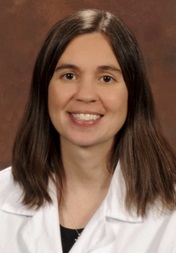
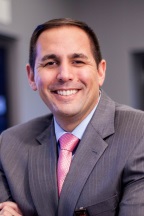
Allison Buchanan is an Associate Professor at the Dental College of Georgia , part of Augusta University . She serves as Interim Chair and Associate Chair for Oral Biology, while teaching at both predoctoral and graduate levels. Her work focuses on Cone Beam Computed Tomography (CBCT) and Digital Radiography , with a special emphasis on Quality Assurance and Obstructive Sleep Apnea imaging. Recent publications address radiation safety, disinfection methods for imaging plates, and software quality control in dental radiology. 2024 : Outstanding Faculty Award, Augusta University 2021 : Honorable mention awardee for Oral and Maxillofacial Radiology (OMR) section 2020 : Inducted into PHI KAPPA PHI Honor Society 2018 : Faculty Research and Scholarship Achievement Award Buchanan serves on multiple committees including the Standards Committee on Dental Informatics (2022-present) and the American Dental Association (2021-present), with editorial board memberships since 2018. Her teaching portfolio includes courses like Radiology Clinic II and Diagnostic Sciences Conference .
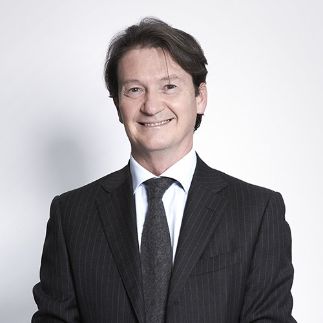
Ana Cristina Manso serves as Associate Professor, Vice-Rector, and Member of the Scientific Council at Egas Moniz University Institute. She directs multiple Preventive and Community Dentistry courses within the Integrated Master's Degree in Dentistry program and serves as a researcher at the Egas Moniz Interdisciplinary Research Center. Her clinical practice includes work at the Oral Health Unit - Clinical Center at the Bankers' Union of the South and Islands. Her educational background includes a PhD in Research in Stomatology (2008) from the University of Granada and a Dentistry Degree (1993) from the Higher Institute of Health Sciences South. She has completed numerous specialized trainings including Pedagogical Training, Quality Assurance Systems, and Social Responsibility seminars at Egas Moniz. Manso's research focuses on geriatric oral health, preventive dentistry, and community-based dental care. Her work examines self-perception of oral health among elderly populations using tools like GOHAI, investigates halitosis treatments including cinnamon-based solutions, and studies caries prevention through remineralization techniques. She has published extensively on dental erosion, temporomandibular disorders, and socioeconomic factors affecting oral health outcomes in Portuguese populations. Her recent publications reveal strong trends in geriatric dentistry and health disparities research, with significant focus on oral health literacy, socioeconomic determinants of oral health, and interdisciplinary approaches to managing conditions like xerostomia and temporomandibular disorders. Methodologically, her work combines clinical trials, cross-sectional analyses, and systematic reviews. Manso has supervised 57 master's dissertations (co-supervising 20), 1 doctoral thesis (co-supervised), and 2 undergraduate theses. Her research projects include ADAPTAR - Projeto EduCom and the Egas Moniz Interdisciplinary Research Center (UID/BIM/04585/2019). She actively participates in quality assurance initiatives as a Member of the Quality Assurance Commission for Egas Moniz Teaching. As Director of the Egas Moniz Interdisciplinary Research Center, she leads research on community dentistry and oral health promotion. Her work extends to social responsibility initiatives including oral health programs for prison populations and elderly community outreach through the 'Primeiro Dente, Primeira escovagem' program.
Andrea Falini is a Full Professor of Neuroradiology at the Vita-Salute San Raffaele University (School of Medicine). He holds leadership roles including Head of the Neuroradiology Department at the Scientific Institute S. Raffaele Hospital and Head of the Advanced Diagnostic in Neuro-oncology Unit. His career spans clinical, academic, and administrative roles since 1991, with extensive experience in neuroradiology, neuro-oncology, and neuroimaging research. Education: MD (1986, University of Milan), PhD in Neurological Sciences (1989), and specialized training in Neurology and Radiology at leading institutions, including a visiting scholar position at UCSF (1996). Research interests focus on advanced MRI techniques, neuro-oncology, neurodegenerative diseases, and cognitive neuroscience. His work emphasizes functional MRI, diffusion tensor imaging, and clinical applications in glioma management and neurodegenerative disorders. Awarded the 1989 'De Visart' Prize and grants supporting his international collaborations. He has authored 218+ peer-reviewed articles, with an H-index of 40+, and actively contributes to academic committees and international conferences. Leadership roles include Vice-Director of the Neuroscience Division (2014–present) and coordination of the BraiMap Research Program. His academic teaching spans neuroradiology, biomedical engineering, and cognitive neuroscience courses.
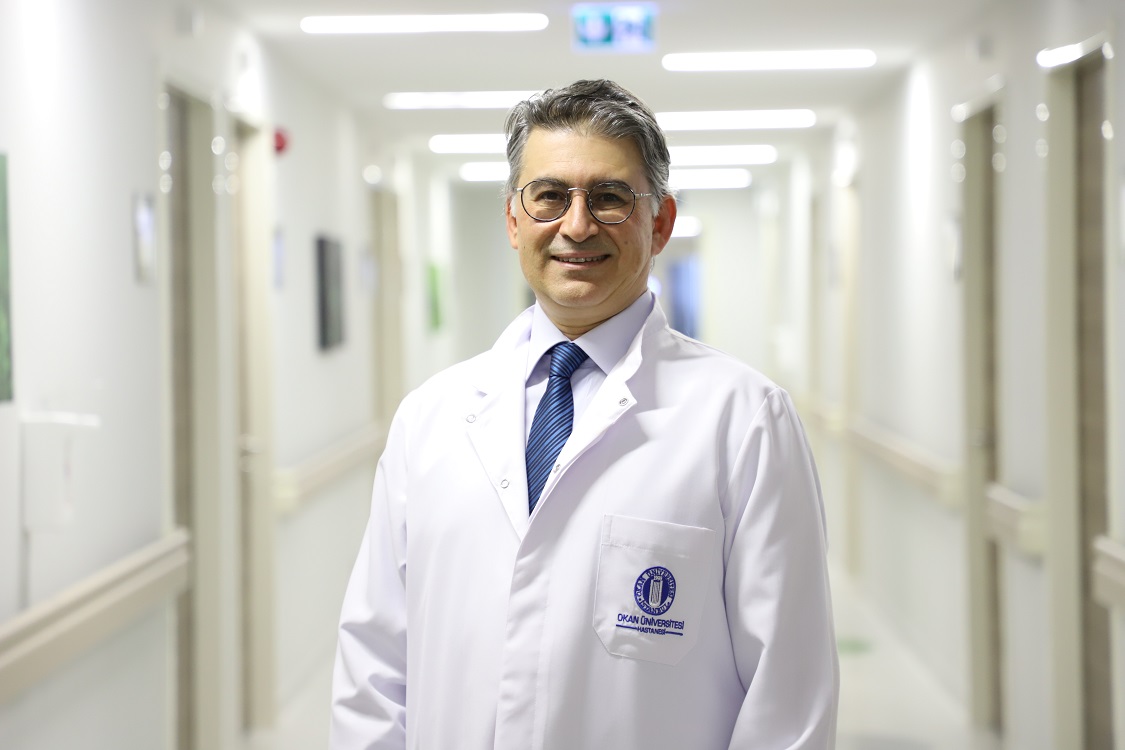
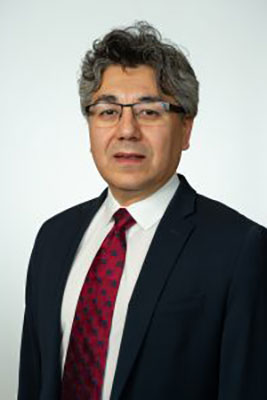
Prof. Dr. Ozan Seymen Sezen is an Associate Professor specializing in Ear, Nose, and Throat (ENT) Diseases with dual affiliations at Istanbul Okan University Hospital since 2019 and Kartal Dr. Lütfi Kırdar Training and Research Hospital since 2001. He earned his medical degree from Istanbul University Cerrahpaşa Faculty of Medicine in 1993, completed his ENT specialization in 2000 after training at the University of Michigan Medical School, and achieved associate professorship status in 2012. His educational background includes: Master's Degree from Istanbul University Cerrahpaşa Faculty of Medicine Medical Specialization in ENT at SB Dr. Lütfi Kırdar Kartal Training and Research Hospital Associate Professorship in ENT at the same institution Prof. Sezen has developed specialized expertise in facial aesthetic and plastic surgery, particularly rhinoplasty, with additional focus on snoring and sleep apnea surgery, ear diseases and surgery, and sinus diseases and surgery. His clinical practice significantly exceeds typical volumes in endoscopic sinus surgery, sleep apnea procedures, rhinoplasty, and head and neck cancer surgeries. His research spans surgical innovations, pathological studies, and interdisciplinary connections between ENT and other medical specialties. His publication record demonstrates consistent scholarly contributions over two decades, with recent emphasis on sleep apnea treatment techniques, rhinoplasty innovations, and physiological impacts of ENT interventions. The research shows strong translational focus from laboratory studies to clinical applications. Key professional recognitions include: European Otorhinolaryngology Head and Neck Surgery Certificate of Competency (2012) Fellow of the European Board of Otorhinolaryngology Head and Neck Surgery As an educator, Prof. Sezen has continuously provided scientific, practical, and surgical training to resident doctors and medical students throughout his career. He has participated in over 20 national and international courses and congresses between 2010-2018, with specialized focus on facial plastic surgery techniques. His research collaborations span multiple institutions with emphasis on advancing ENT surgical practices through evidence-based approaches. Professional affiliations demonstrate his commitment to interdisciplinary collaboration, including membership in the Turkish Otorhinolaryngology Head and Neck Surgery Association, Facial Plastic Surgery Association, Turkish Sleep Research Association, European Academy of Facial Plastic Surgery, and American Academy of Cosmetic Surgery.
Associate Professor Mathias Baumert is affiliated with the University of Adelaide, where he holds a position in the School of Electrical and Mechanical Engineering under the Faculty of Sciences, Engineering and Technology. He leads the Health Technology research theme in the School of Electrical Electronic Engineering and specializes in biomedical signal processing, focusing on dynamic electrocardiography and sleep-related phenomena. His work integrates clinical applications and technological advancements to address challenges in cardiology and sleep disorders. His research interests include the physiological underpinnings of ventricular repolarization variability and its clinical implications, particularly in post-myocardial infarction patients and those with sleep-disordered breathing. He also develops brain-computer interface (BCI) systems for stroke rehabilitation, leveraging real-time EEG analysis and motor function recovery techniques. Collaborations with clinical partners such as the Women’s and Children’s Hospital, Adelaide Institute of Sleep Health, and the Victor Chang Cardiac Research Institute highlight his translational research focus. His recent articles emphasize signal processing applications for risk stratification in cardiovascular disease, sleep apnea, and diabetes. Key themes include nocturnal hypoxemic burden prediction, REM sleep dynamics, and the development of novel diagnostic markers using ECG and EEG data. His work often bridges engineering and medicine, aiming to translate findings into clinical tools like adaptive servo-ventilation treatment optimization and personalized BCI systems. No scientific awards or fellowships are explicitly listed in the provided texts. He is eligible to supervise Masters and PhD students but current advisee names are not available. His research projects are supported by grants such as ARC DP110102049 (as noted in some articles). He teaches courses including Biomedical Instrumentation and Introduction to Medical Technology . His facilities include ECG equipment, polysomnogram repositories, and a BCI workstation with 64-channel EEG capabilities. He collaborates on lab-based and clinical partner studies to advance cardiac sensing algorithms and sleep-related diagnostic technologies.
Clarice Seifert Clemmens, MD, is a Professor at the Medical University of South Carolina (MUSC) in the College of Medicine's Department of Otolaryngology - Head and Neck Surgery. She specializes in pediatric otolaryngology with particular expertise in neonatal airway disorders and thyroid disorders, while also covering pediatric allergy/sinus disease, ear disease, hearing loss, sleep medicine, speech/swallowing disorders, and dysphagia. Dr. Clemmens completed her medical training at MUSC in 2009, followed by a residency at the University of Pennsylvania and a fellowship at Children's Hospital of Philadelphia. Education Medical Degree: Medical University of South Carolina (2009) Residency: University of Pennsylvania Fellowship: Children's Hospital of Philadelphia Her research focuses on pediatric airway disorders, evidenced by her publications on laryngomalacia interventions, cochlear implant auditory outcomes, sleep study diagnostics, and airway emergency protocols. She has contributed to systematic reviews examining tracheostomy management, neonatal airway anomalies, and sociodemographic barriers in newborn hearing screening. Dr. Clemmens maintains an active clinical practice at MUSC Children's Health ENT at Summey Medical Pavilion, where she provides comprehensive care for pediatric ear, nose, and throat conditions. She has presented her work nationally and regionally, and maintains board certification from the American Board of Otolaryngology since 2015.
Christian J. Hochstim, MD, PhD, is a Clinical Assistant Professor of Otolaryngology at the University of Southern California. His clinical expertise includes complex airway disorders, pediatric tracheostomy management, and vocal cord paralysis. He completed a pediatric otolaryngology fellowship at Stanford University and earned his PhD in developmental biology at Caltech. His research focuses on regenerative medicine strategies for airway reconstruction and preventing stenosis, leveraging stem cell technology. Dr. Hochstim’s education includes a dual MD/PhD, with postdoctoral training in head and neck cancer at Stanford. His research bridges developmental biology and clinical otolaryngology, addressing challenges in airway reconstruction and pediatric surgical outcomes. His clinical interests span aerodigestive disorders, obstructive sleep apnea, and cochlear implantation. He has published extensively on pediatric tracheostomy quality of life, biofilm-associated stenosis, and disparities in healthcare access. Notable studies include repurposing evolutionary gill gene programs for outer ear development and evaluating opioid-free anesthesia in OSA surgery. Key contributions include analyzing prognostic factors in pediatric fungal rhinosinusitis and investigating respiratory risks in endoscopic procedures. His work emphasizes translational research with clinical impact, particularly in underserved pediatric populations.
Paul Major is Professor and Chair of the School of Dentistry, Senior Associate Dean (Dental Affairs), and ACFD Project Lead at the University of Alberta's Faculty of Medicine & Dentistry. He leads the Orthodontic Biomechanics Research Group and co-founded the Inter-disciplinary Airway Research Clinic (I-ARC), driving innovation across dental academia and clinical practice. His educational background includes a Doctorate of Dental Surgery (DDS) from the University of Alberta (1980) followed by MSc and Orthodontic Specialty training at the same institution (1988). He joined the academic staff in 1989 and served as Director of the TMD/Orofacial Pain Program (1991-2001) and Orthodontic Graduate Program (2001-2010). Dr. Major's research centers on Orthodontic Biomechanics , 3D Craniofacial Imaging , and Ultrasound Imaging . His Orthodontic Biomechanics Research Group developed the OSIM system for 3D force measurement on dental appliances, while his imaging work pioneers reconstruction of craniofacial structures and periodontal ultrasound diagnostics. Through the I-ARC, he leads interdisciplinary studies on pediatric sleep-disordered breathing, examining craniofacial morphology and orthodontic interventions. Analysis of his 190+ publications reveals consistent innovation in biomechanical analysis of orthodontic appliances, machine learning for dental image processing, and hydrogel development for intraoral imaging. Recent work bridges dentistry with engineering through projects on dental aerosols, clear aligner mechanics, and airway measurement software. Dr. Major has supervised over 75 graduate students while maintaining clinical teaching duties despite administrative leadership roles. His research is supported by grants enabling the OSIM system development and interdisciplinary I-ARC projects. He directs the Orthodontic Biomechanics Research Group's experimental biomechanics work and the I-ARC's clinical research team, which integrates pediatric ENT, pulmonology, radiology, and biomedical engineering specialists to advance treatment of pediatric sleep apnea through craniofacial analysis and innovative imaging techniques.
Michael Johnson is an Adjunct Assistant Professor in the Department of Otolaryngology Surgery at Yale School of Medicine. He serves as Program Director for the Oral and Maxillofacial Surgery Residency Training Program and Associate Chief of Dental Services at Yale-New Haven Hospital. His clinical expertise spans the full scope of oral and maxillofacial surgery, including reconstructive jaw surgery, dental implants, and trauma management. Dr. Johnson holds a DMD from the University of Pittsburgh School of Dental Medicine and a BS in Biology from Eastern Connecticut State University. He is a Diplomate of the American Board of Oral and Maxillofacial Surgery and holds multiple certifications in advanced life support. His research focuses on surgical patient safety, sleep apnea in anesthesia patients, and drug interactions with dental treatments. He has mentored residents in research leading to peer-reviewed publications. Dr. Johnson is a Fellow of the American Association of Oral and Maxillofacial Surgeons and the American College of Surgeons. He has received the Bernard Levine Teacher of the Year Award for his contributions to education, including teaching surgical anatomy and emergency management courses. Professional affiliations include the Connecticut Society of Oral and Maxillofacial Surgeons, American Dental Association, and Shoreline Dental Association. He actively contributes to national lectures on topics such as surgical anatomy, anesthesia safety, and office-based emergency preparedness.
Peter M. Fleischut is a prominent physician and academic leader serving as Senior Vice President and Chief Transformation Officer at NewYork-Presbyterian Hospital. He holds an Associate Professor position in the Department of Anesthesiology at Weill Cornell Medical College, where he has held multiple leadership roles including Vice Chairman and Chief Medical Information Officer. His work focuses on healthcare innovation, digital health integration, and perioperative quality improvement. Education: MD from Jefferson Medical College (2006), BA from University of Delaware (2000) Appointments: Associate Professor of Anesthesiology (Weill Cornell), Senior Vice President (NewYork-Presbyterian) Dr. Fleischut's research spans anesthesiology , digital health , and patient safety . His publications examine topics like telemedicine implementation, sleep apnea impacts on surgical outcomes, and perioperative quality metrics. He has pioneered initiatives in EMR integration, telepsychiatry, and remote patient monitoring. Scientific awards include InformationWeek Elite 100 , Becker’s 40 under 40 , and the John M. Eisenberg Patient Safety and Quality Award . He has also received recognition for his work in healthcare leadership and innovation. Dr. Fleischut actively collaborates with organizations like IOwn2 LLC , PA Consulting , and Temporal Health . His career bridges clinical expertise with transformative healthcare technology and operational strategy.
Dr. Najib Ayas is an Associate Professor in the Division of Critical Care Medicine, Department of Medicine, Faculty of Medicine at the University of British Columbia. He graduated with distinction from the University of Alberta in 1992, completed Internal Medicine residency at the Mayo Clinic in 1996, and postgraduate training in Respiratory, Critical Care, and Sleep Medicine at Brigham and Women's Hospital/Harvard Medical School in 2000. He joined the Sleep Disorders Program at UBC in September 2002 and has maintained an active academic career since. Dr. Ayas received his undergraduate education at the University of Alberta (General Science, 1986-1988), followed by his MD (1988-1992). He completed a Rotating Internship at St Thomas Medical Center in Akron, Ohio (1992-1993), Internal Medicine Residency at Mayo Graduate School of Medicine in Rochester, MN (1993-1996), Pulmonary & Critical Care Fellowship at Harvard (1996-2000), and a Master of Public Health from Harvard School of Public Health (2000-2002). Dr. Ayas's primary research focus centers on the public health and safety consequences of sleep apnea and sleep deprivation. His work spans multiple domains including cardiovascular consequences of sleep disorders, epidemiology of obstructive sleep apnea, development of diagnostic tools, and cost-effectiveness of treatments. He has made significant contributions to understanding how sleep disorders affect occupational safety, cardiovascular health, and overall quality of life. His research often involves interdisciplinary collaborations across sleep medicine, critical care, public health, and epidemiology. Analysis of Dr. Ayas's recent publications reveals a strong focus on obstructive sleep apnea (OSA), particularly its cardiovascular consequences, diagnostic approaches, and treatment effectiveness. His work spans basic science investigating mechanisms like intermittent hypoxia effects on endothelial function, to clinical trials examining CPAP therapy, to large epidemiological studies on OSA prevalence and impact. A notable trend is his increasing focus on special populations including patients with spinal cord injuries, pregnant women, and those with comorbid conditions like COPD. His research maintains a strong translational emphasis, bridging laboratory findings to clinical applications. BC Lung Association Career Development Award (2002) New Investigator Salary Award, CIHR/BC Lung Association Award (2002-2007) Scholar Award, Michael Smith Foundation (2004-2009) Established Clinician Scholar Award, VCHRI (2009-2012) Award for Clinical Teaching Excellence, Division of Critical Care Medicine UBC (2013) Martin Hoffman Award Excellence in Research As an educator, Dr. Ayas has supervised numerous graduate students including Masters candidates, Doctoral students, and Post-doctoral fellows. His students have pursued research in areas including sleep apnea pathophysiology, cardiovascular consequences of sleep disorders, and clinical applications of sleep medicine. Dr. Ayas has served on multiple grant review panels for organizations including CIHR, Canadian Lung Association, and Michael Smith Foundation, contributing to the evaluation and funding of critical research in respiratory and sleep medicine. He has directed the Respiratory Physiology course (MED560/Path518) at UBC since 2006 and has been instrumental in developing clinical guidelines including the Canadian Thoracic Society and Canadian Sleep Society position paper on obstructive sleep apnea and driving.
Dr. Stella Daskalopoulou is a Senior Scientist at the Research Institute of the McGill University Health Centre (RI-MUHC) and a Professor in the Department of Medicine at McGill University's Faculty of Medicine and Health Sciences. She specializes in translational cardiovascular research with a focus on vascular health, atherosclerosis, and hypertension management. Senior Scientist, RI-MUHC Glen site Professor, Department of Medicine, McGill University Member, Cardiovascular Health Across the Lifespan Program Research Focus: Her work integrates biomedical technology with clinical investigation to identify early vascular impairment markers. Key areas include: Arterial stiffness and hemodynamic assessment Adiponectin signaling pathways in atherosclerosis Sex-specific cardiovascular risk stratification Biomarker discovery for plaque instability Pregnancy-related vascular complications Machine learning applications in plaque classification Scientific Engagement: Dr. Daskalopoulou contributes to hypertension guideline development (2024 ESC Guidelines) and explores environmental impacts on vascular health (household pollution studies). Her recent publications emphasize: Deep learning for plaque characterization Sex hormone receptor pathways in atherosclerosis Adipokine interactions with HDL metabolism Clinical decision tools for preeclampsia prediction Laboratory: Leads the Vascular Health Unit at RI-MUHC, combining histopathology, immunophenotyping, and advanced imaging for translational research.
Jolie L. Chang, MD, is a Professor of Otolaryngology, Head and Neck Surgery at the University of California, San Francisco (UCSF), and Chief of the Division of Sleep Surgery and General Otolaryngology. She holds a Medical Degree from UCSF and dual degrees in Electrical Engineering and Computer Science from MIT. Her clinical expertise spans sleep apnea surgery, minimally invasive salivary gland procedures, and ultrasonography for head and neck disorders. Dr. Chang is an Associate Editor of the Laryngoscope journal’s sleep section and Director of Resident Research in the Department of Otolaryngology. Her research focuses on healthcare decision-making, surgical outcomes for sleep apnea therapies, and innovative techniques in sialendoscopy. She co-authored the International Consensus Statement on Obstructive Sleep Apnea and has secured grants from the American Academy of Otolaryngology, Triological Society, and UCSF Academic Senate. Dr. Chang’s awards include the Triological Society Career Development Award, Howard Hughes Fellowship, and inclusion in the Muriel Steele Society for influential women in surgery. Dr. Chang’s academic contributions extend to medical education, mentorship, and leadership training for residents. Her work integrates digital health tools, such as smartphone applications for hearing health promotion and remote diagnostic technologies, to enhance patient care. She actively publishes on topics like opioid prescription trends, patient-reported outcomes, and barriers to sleep surgery access. Education: Bachelor’s and Master’s in Electrical Engineering & Computer Science, MIT Medical Degree, UCSF Residency in Otolaryngology-Head & Neck Surgery, UCSF Awards: Triological Society Career Development Award (2014) Howard Hughes Medical Institute Fellowship (2005) Dean’s Prize for Research (2007) Francis Sooy, MD Award for Clinical Excellence (2024)
Roles and Affiliations: Michelle Tan is a Research Fellow at Monash University's Centre for Medicine Use and Safety, collaborating with the National Centre for Healthy Ageing and Australian Department of Health. She holds honorary positions at King’s College London (Affiliate Research Fellow) and the University of Queensland (Adjunct Research Fellow). Her work focuses on evidence-based guideline development, health policy, and leveraging large datasets to inform national policies. Education: PhD in Medicine (The University of Sydney, 2020) Research Training: King’s College London, Monash University, and Newcastle University. Research Interests: Her expertise spans clinical guidelines, multimorbidity, healthy ageing, and obesity research. She applies advanced statistical methods to study chronic disease management, public health policy, and healthcare quality improvement. Grants and Awards: NHMRC Ideas Grant (2025-2029) European Association for the Study of Obesity Travel Grant (2024) University of Sydney SEED Grant (2019) Multiple scholarships including Commonwealth Government Research Training Program (2017-2020). Key Collaborations: Works with Dr. Nic Kormas on NSW bariatric surgery programs, and with institutions like the NIHR Policy Research Unit (UK), LSE, and WHO-linked initiatives. Labs/Teams: Leads projects in metabolic health, guideline development, and policy analysis across multiple institutions in Australia and the UK.
Arya Varthi, MD, is an Associate Professor in the Department of Orthopaedics & Rehabilitation at Yale School of Medicine, where he also serves as the Spine Surgery Fellowship Director. He is a board-certified orthopaedic surgeon specializing in minimally invasive and open spine surgeries of the cervical, thoracic, and lumbar spine, treating conditions including trauma, deformity, tumors, and degenerative disorders. Associate Professor of Orthopaedics & Rehabilitation, Yale School of Medicine Spine Surgery Fellowship Director Board Certified, American Board of Orthopaedic Surgery Member, North American Spine Society Education and Training: BA, Economics, University of Chicago (Phi Beta Kappa) MD, University of Connecticut School of Medicine Residency, Orthopaedic Surgery, Yale New Haven Hospital Fellowship, Spine Surgery, Rush University Medical Center Dr. Varthi's research is centered on spine surgery outcomes, with a focus on minimizing complications and improving patient recovery. His work spans epidemiological studies on spinal injuries, risk factor analysis for surgical complications, and evaluations of emerging treatments such as semaglutide in diabetic patients undergoing spine fusion. He investigates the impact of comorbidities like sickle cell disease, lupus, and obstructive sleep apnea on surgical outcomes, contributing to more personalized and safer care. His 15 most recent publications reflect a strong trend in clinical outcomes research, particularly in anterior cervical discectomy and fusion (ACDF), posterior lumbar fusion, and the management of complex spine pathologies. The articles emphasize patient safety, complication prevention, and the use of national databases and multicenter collaborations to drive evidence-based practice. Key themes include risk stratification, perioperative optimization, and the evaluation of new technologies and pharmacological interventions in spine care. Scientific Awards and Honors: Todd Albert Scholar Award, AANS Spine Summit (2025) Ogilvie Spine Research Award, Yale School of Medicine (2018) Golden Apple Fellow Award, Rush University Medical Center (2017) Yale Power Day Resident Award (2016) AOA Resident Leadership Forum, American Orthopaedic Association (2015) Dr. Varthi is actively involved in clinical education and mentorship as the fellowship director, shaping the next generation of spine surgeons. He collaborates extensively with colleagues such as Dr. Jonathan N. Grauer and Dr. Daniel R. Rubio, contributing to both research and national presentations. He has no reported grants listed in the text, but his research is supported through institutional affiliations and professional society recognition. Labs and Teams: Dr. Varthi is affiliated with the Yale Spine Center and the Spondyloarthritis Program, working within multidisciplinary teams that integrate orthopaedics, neurology, and physical medicine to provide comprehensive spine care. His research is conducted in collaboration with frequent co-authors at Yale, forming a robust clinical research group focused on advancing spinal surgery practices.