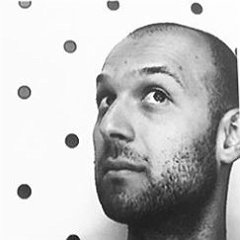
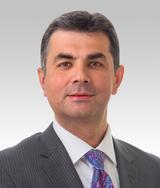
Bert Wouters is an Associate Professor at Utrecht University's Faculty of Science, affiliated with the Department of Dynamics Meteorology. He specializes in satellite-based observations of polar ice sheets and climate dynamics, with a part-time appointment since joining the Institute for Marine and Atmospheric Research (IMAU) in 2015. His work focuses on global glacier mass loss, ice-sheet interactions with climate change, and sea-level rise contributions. Research interests span glaciology, satellite geodesy, and climate modeling. Key themes include: Quantifying ice-sheet mass balance using GRACE/GRACE-FO and ICESat-2 data Analyzing surface melt processes on Antarctic ice shelves Assessing impacts of Arctic warming on glacier dynamics Developing machine learning methods for remote sensing of cryospheric changes Publications emphasize Antarctic and Greenland ice-sheet vulnerabilities, with recurring themes of satellite validation, meltwater hydrology, and decadal climate variability. Research consistently integrates field data, climate models, and novel remote sensing techniques. Wouters leads projects like Future Deltas (water/climate interactions) and Eratosthenes (glacier topography via shadow motion analysis). He collaborates with international teams on IPCC-relevant assessments and edits for The Cryosphere .
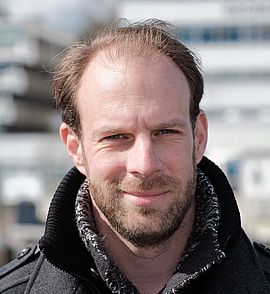
Konstantinos Andreadis is an Associate Professor in the Department of Civil and Environmental Engineering at the University of Massachusetts Amherst. He leads the Computational Hydrology Research Group, focusing on water resources modeling, remote sensing, data assimilation, and climate change impacts. His research spans hydrologic modeling at multiple scales, satellite-based drought monitoring, and reservoir operations analysis. Education: Engineering Diploma in Environmental Engineering (2002), Technical University of Crete MScE in Civil & Environmental Engineering (2004), University of Washington PhD in Civil & Environmental Engineering (2009), University of Washington His work integrates satellite data (e.g., SWOT, SMAP) with numerical models to study freshwater dynamics, floodplain encroachment, and machine learning applications. Key projects include flood risk assessment in urbanizing regions, drought impact analysis in forested environments, and optimizing agricultural water management. Scientific Awards: NASA Early Career Achievement Medal (2015) Professor Andreadis has mentored PhD students like Xinchen He, who successfully defended his dissertation in 2025. His research group collaborates with institutions worldwide, emphasizing data-driven solutions for global hydrology.
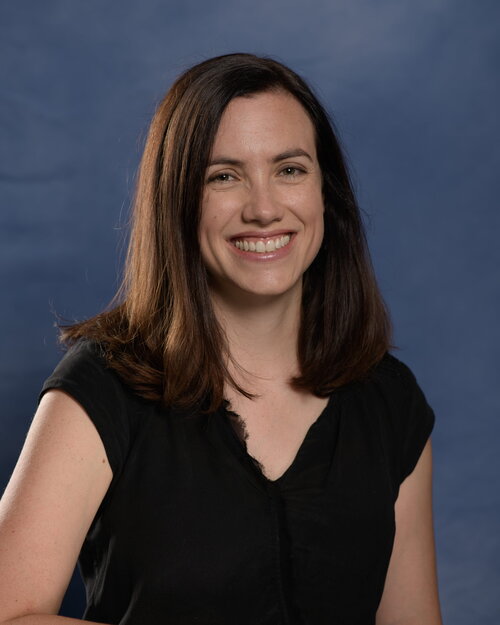
Aws Albarghouthi is affiliated with the University of Wisconsin-Madison, USA. He is an active researcher with significant contributions to program synthesis, formal verification, and machine learning. Key roles: Author, Session Chair, Committee Member in conferences like PLDI, POPL, VMCAI, SPLASH, and ICFP. Research spans quantum computing, differential privacy, and static analysis. Research Trends include: Quantum Circuit Compilation and Optimization Probabilistic Verification of Fairness and Privacy Synthesis of Datalog and MapReduce Programs Neural-Augmented Static Analysis Bias Detection in Data Security Robustness in Machine Learning
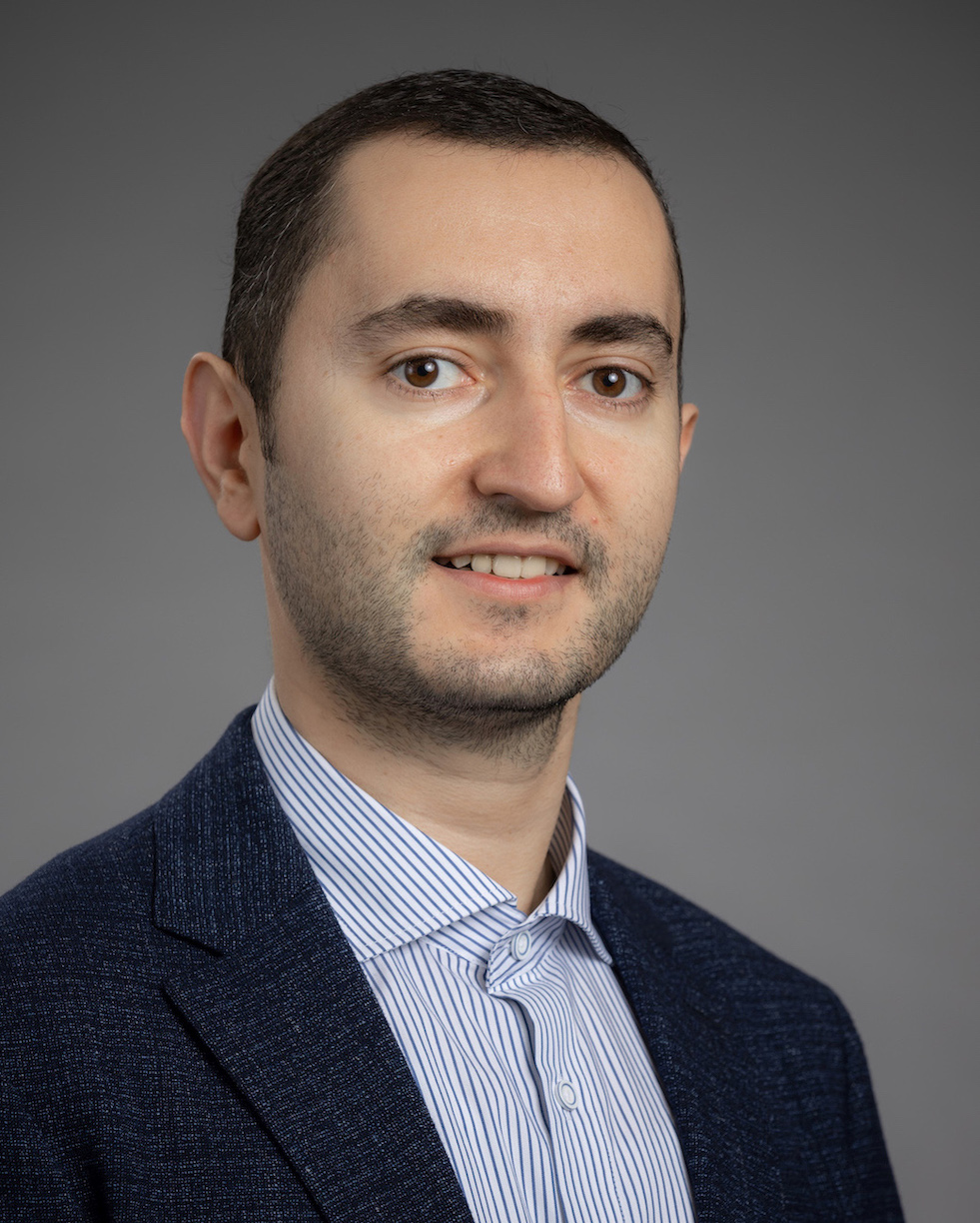
Sirpa Tani is a Professor at the Department of Educational Sciences, University of Helsinki, with a docentship in the Department of Geosciences and Geography. She is affiliated with the Institute of Sustainability Science (HELSUS), the Institute for Urban Studies (Urbaria), and Humanities and Social Sciences Education (HuSoEd). Tani serves as a supervisor in the Doctoral Program in School, Education, Society and Culture. Her educational background includes a doctoral dissertation from 1995 on the relationship between people and the city in Finnish fictional films. She has established herself as a leading scholar in geography and environmental education with expertise in cultural geography and urban studies. Sirpa Tani's research focuses on multisensory and bodily aspects of place attachment, the importance of public space in young people's everyday lives, and environmental education in urban contexts. She examines how meaningful subject knowledge and human capacities for action can promote youth well-being. Her work bridges geography education, youth research, and environmental studies, with particular interest in subject-based integration and the relationships between youth work, cross-curricular school education, and youth geography. Her recent publications demonstrate a strong focus on educational frameworks, geography curriculum development, and urban youth studies. The articles span topics from curricular analysis of powerful knowledge across countries to multisensory observation of everyday environments and the social dynamics guiding young people's movement in urban spaces. Ragnar Hult Medal (October 25, 2018) Ympäristökasvatuksen Ruusu Award (November 19, 2020) Professor Tani has supervised 5 doctoral students and been involved in numerous research projects, including the current PowerKnow project (2023-2027) funded by the Academy of Finland, which focuses on knowledge building sustainable futures through subject-based, integrated, and everyday knowledge in geography, history, and social studies education. She has also been active in the InterEarth RESET project and the "Nuorten paikkataju ja huolet" (Youth's Spatial Awareness and Concerns) project. Her research group and collaborations span multiple institutions, with strong connections to urban studies, sustainability science, and educational research. Tani's work often involves interdisciplinary teams examining the complex relationships between people, places, and educational practices, particularly focusing on youth experiences in urban environments.
Professor Rainer Kiko is a Heisenberg Professor and Make Our Planet Great Again Laureate at GEOMAR Helmholtz Centre for Ocean Research Kiel, where he leads research in Marine Biogeochemistry. His work focuses on understanding how global change impacts marine life distribution and activity, with significant implications for oceanic oxygen dynamics, nutrient cycles, and carbon dioxide transfer from the atmosphere to the deep sea. Kiko's research integrates augmented image observations that combine autonomous camera and environmental sensor systems with state-of-the-art artificial intelligence solutions and ecophysiological approaches to study zooplankton and detrital particle dynamics in a changing ocean. His primary research areas include marine carbon cycling, oxygen minimum zones, zooplankton dynamics, and the development of imaging technologies for marine observations. He leads several major projects including Imaging Marine life in an Ocean of Change (IOChange) funded by the Heisenberg Program of the German Research Foundation, and the Tropical Atlantic Deoxygenation project as part of the Make Our Planet Great Again initiative. His recent publications reveal a strong focus on marine particle dynamics, carbon export mechanisms, and the role of zooplankton in biogeochemical cycles, with particular attention to oxygen minimum zones and the impacts of climate change on marine ecosystems. Kiko employs advanced imaging technologies and machine learning approaches to address fundamental questions about the biological pump and ocean carbon sequestration. Among his notable recognitions are the prestigious Heisenberg Professorship from the German Research Foundation and the Make Our Planet Great Again Laureate award. His work has been published in high-impact journals including Nature Geoscience, Nature Communications, and Global Biogeochemical Cycles. Kiko mentors several researchers including Dr. Joelle Habib (Postdoc at Laboratoire d'Océanographie de Villefranche), Dr. Xiangyu Weng (Machine Vision specialist), Simon-Martin Schröder (computer scientist), and Claudeilton "Claus" Santana (PhD student). His research group develops innovative approaches combining deep learning, in situ imaging, and citizen science to resolve marine ecological questions across multiple scales.
Diana Valencia is an Associate Professor in the Department of Physical and Environmental Sciences at the University of Toronto, with cross-appointments in the Department of Astronomy. She holds positions at both the University of Toronto Scarborough (UTSC) and the St. George campus, focusing her research on the characterization of low-mass exoplanets, particularly super-Earths and mini-Neptunes. Her work aims to determine whether planets with masses between 1-15 Earth masses are scaled-up versions of Earth or scaled-down versions of Neptune in terms of composition, evolution, and physical properties. Ph.D. from Harvard University, Department of Earth and Planetary Sciences (2008) M.Sc. from University of Toronto, Physics Department (2002) B.Sc. (Honours) from University of Toronto, Physics Department (2001) Dr. Valencia's research interests center on the chemical composition and interior structure of super-Earths and mini-Neptunes, formation processes and chemistry of rocky planets, thermal evolution and interior dynamics of rocky and icy planets, and planetary habitability. Her work combines theoretical modeling with observational constraints to understand how planets form, evolve, and develop the properties we observe. She particularly focuses on connecting stellar composition to planetary characteristics and using statistical approaches to infer interior structures from mass-radius relationships. Analysis of her recent publications shows a strong focus on connecting stellar composition to planetary characteristics, with increasing use of advanced statistical methods and machine learning techniques to infer interior structures. Her research spans theoretical modeling of planetary interiors, observational constraints from missions like JWST, and development of instrumentation for exoplanet characterization. The trend shows growing emphasis on understanding the diversity of rocky exoplanets and their formation pathways. Paolo Farinella 2021 Prize awarded by the European Planetary Society (shared with Lena Noack) Dr. Valencia actively mentors PhD students, currently supervising Nathan Winsor (Habitability of M-Dwarf Stars), Jen Scora (Compositional Outcome of Rocky Planet Formation), Bo Peng (Volatile Acquisition of Rocky Planetary Bodies), and Mykhaylo Plotnykov (Statistical Inferences of the Interior Structure and Composition of Exoplanets). Her research group spans a wide variety of topics related to planetary formation and evolution, with particular emphasis on understanding how planets develop their observed properties. She has secured significant research funding, including NASA Sagan Postdoctoral Fellowship and Henri Poincare Postdoctoral Fellowship. Dr. Valencia leads a research group focused on understanding planetary formation and evolution, with projects ranging from statistical inferences of interior structure to thermo-chemical evolution of planetesimals. She has also created the Astro4Kids initiative, providing free astronomy education to children worldwide, demonstrating her commitment to public outreach and science communication.
PD Dr. habil. Thomas Wöhling serves as a Senior Research Scientist and Team Leader for Stochastic Modelling of Hydrosystems at the Chair of Hydrology, Dresden University of Technology's Faculty of Environmental Sciences. His research spans integrated environmental systems modeling with particular expertise in surface water-groundwater interactions, braided river systems, and vadose zone processes. Previously, he held research positions at Water and Earth System Sciences Competence Cluster in Tübingen (2010-2015) and Lincoln Environmental Research in New Zealand (2006-2010). Dr. Wöhling completed his Dipl.-Hydrol. (1999) and PhD in Hydrology (2005) at Dresden University of Technology, followed by habilitation in Stochastic Hydrology (2021). His educational background includes extensive research at the Institute of Hydrology and Meteorology at TU Dresden (1999-2005) where he developed foundational expertise in hydrological modeling. Wöhling's research focuses on integrated modeling of coupled environmental systems , particularly flow and contaminant transport in surface water-groundwater systems, nutrient and energy fluxes in soil-plant-atmosphere systems, and distributed hydrological modeling. His work emphasizes stochastic modeling and uncertainty analysis , with significant contributions to inverse modeling, model calibration, multiobjective optimization, and Bayesian model averaging techniques. He has pioneered methods for evaluating monitoring network worth and data utility for environmental models. His publication record demonstrates consistent contributions to hydrological science, with recent work (2023-2025) focusing on machine learning applications in hydrology, advanced statistical inversion techniques, and complex karst system modeling. Key trends include integration of physics-based and data-driven approaches, improved uncertainty quantification methods, and applications to climate change impacts on water resources. His work bridges theoretical advances with practical applications in New Zealand's braided rivers and European hydrological systems. STAHY Best Paper Award (2018) ASCE Journal of Irrigation and Drainage Engineering Best Reviewer Awards (2008, 2010, 2011, 2015, 2018) ASCE Journal of Irrigation and Drainage Engineering Best Paper Awards (2008, 2009) Dr. Wöhling leads the Stochastic Modelling of Hydrosystems team and has secured funding for numerous projects including Klimakonform, ISOSIM, VAMOS II, and the International Research Training Group 'Integrated Hydrosystem Modelling.' His work combines novel monitoring techniques with modeling and optimal sensor placement to improve prediction reliability for river-groundwater exchange fluxes. He collaborates extensively with international partners, particularly in New Zealand through the Lincoln Agritech's Braided Rivers program. His laboratory work focuses on combining traditional hydrological measurements with advanced computational techniques, including deep learning applications for soil surface hydrology and time-windowed Bayesian analysis for predictive modeling. The team maintains strong connections with field sites in Germany's Saxon region and New Zealand's Canterbury Plains, facilitating integrated theoretical and empirical research approaches.
Jessica Conroy is a Professor in the School of Integrative Biology at the University of Illinois at Urbana-Champaign, with additional appointments in Earth Science and Environmental Change and Plant Biology. Her research program investigates climate variability across timescales using stable isotope geochemistry, paleolimnology, and climate modeling approaches. Education: Ph.D. (2011) and M.S. (2006) from the University of Arizona, B.A. (2003) from the College of Wooster. Research Focus: Conroy's lab specializes in reconstructing past climate dynamics through stable isotope analysis of geological archives. Key interests include: paleoclimate variability (interannual to millennial scales), isotope hydrology, atmospheric circulation patterns, ocean-atmosphere interactions in the tropical Pacific, loess-paleosol records, and climate responses to external forcings. Current projects examine isotopic signatures in precipitation, seawater, and vapor; paleowind reconstructions; and modern wind trend analysis. Publication Trends: Her recent articles (2022-2025) demonstrate a strong focus on isotopic proxies for climate reconstruction, with emphasis on tropical Pacific dynamics, Laurentide Ice Sheet influences, loess chronology, and methodological innovations including machine learning applications. Studies frequently utilize multi-proxy approaches across diverse archives like lacustrine sediments, marine carbonates, and aeolian deposits. Awards and Honors: NSF CAREER Award (2019) Kavli Frontiers of Science Fellow, National Academy of Sciences (2017) List of Teachers Ranked as Excellent (2015, 2017, 2018) Arnold O. Beckman Award, UIUC Campus Research Board (2013) DISCCRS VIII Participant (2013) Lab Leadership: Conroy directs an active research group (Conroy Lab) investigating past, present, and future climate variability using proxy records, observational data, and model simulations. The lab maintains field programs in the Galápagos, Palau, and midcontinental North America.
Dr. Bagrat Mailyan is an Assistant Professor at the Department of Aerospace, Physics and Space Sciences within the College of Engineering and Science at Florida Institute of Technology . His research focuses on Terrestrial Gamma-ray Flashes (TGFs) , Gamma-ray Bursts (GRBs) , and Neutrinoless Double Beta Decay , with a particular emphasis on spectral diversity in TGFs and detector development for particle physics experiments. Expertise : Lightning, Terrestrial Gamma-ray Flashes, Gamma-ray Bursts, Neutrinoless Double Beta Decay, High Energy Astrophysics Contact : mailyanb@fit.edu | F.W. Olin Physical Sciences, 346 | (321) 674-7717 Dr. Mailyan's research spans two primary domains: (1) high-energy atmospheric physics , where he investigates TGFs and their relationship to lightning and thunderstorm dynamics, and (2) high-energy astrophysics , focusing on GRBs and neutrinoless double beta decay. His work on spectral measurements of TGFs has revealed their diversity, contributing to understanding particle acceleration in thunderstorms. In particle physics, he contributes to experiments like AMoRE-I and AMoRE-II, which aim to detect neutrinoless double beta decay and characterize detector backgrounds. Recent publications highlight his involvement in Fermi-GBM observations of GRBs, TGF catalog validation, and detector R&D for cryogenic calorimeters. His collaborations include multi-institutional efforts to link GRBs with gravitational wave events and improve gamma-ray burst localization techniques. He also explores the use of machine learning for lightning classification and TGF detection. Dr. Mailyan's work integrates observational data from space missions (Fermi-GBM, Swift-BAT) and ground experiments (AMoRE, EMBRACE-AGS-Seed) to advance knowledge in both astrophysics and atmospheric radiation phenomena.
Yafang Cheng is Director of the Aerosol Chemistry Department at the Max Planck Institute for Chemistry since 2024, with concurrent appointments as Guest Professor at Peking University (2023-) and Distinguished Guest Professor at University of Science and Technology of China (2021-). Her research integrates experimental methods , multi-scale modeling , and machine learning to advance understanding of aerosol particle dynamics and their impacts on air quality , public health , and climate change . Ph.D. in Environmental Sciences (Peking University, 2007) B.Sc. in Environmental Sciences (Wuhan University, 2001) Her work focuses on reactive nitrogen chemistry , aerosol acidity , black carbon effects , and planetary boundary layer interactions . She has developed novel instrumentation for aerosol analysis and pioneered machine learning applications in atmospheric science. Recent publications emphasize black carbon mitigation strategies (One Earth 2023), aerosol microdroplet pH (Chem 2023), and SARS-CoV-2 transmission modeling (Science 2021). These studies demonstrate interdisciplinary approaches spanning environmental chemistry , climate physics , and public health policy . Fellow: AAAS (2023), AGU (2022) Joanne Simpson Medal (AGU, 2022) Science Breakthroughs of the Year (Falling Walls, 2021) Highly Cited Researcher (Web of Science, 2021-2022) Minerva Outstanding Female Scientist Award (2014) She has mentored 38 early-career researchers (21 postdocs, 17 PhD students) who have achieved professorships , tenured positions , and international awards . Her institutional leadership includes initiating academic exchange programs between European and Chinese institutions.
Konstantinos Alexakos is a Professor and Program Coordinator for General Science (GSCI) and Science Education (covering biology, chemistry, physics and earth science for grades K-12) at the School of Education, Brooklyn College, City University of New York (CUNY). He also holds a professorship in The Ph.D. Program in Urban Education at the Graduate Center, CUNY. His academic work focuses on science education, teacher development, and the integration of mindfulness practices in educational settings. His educational background includes: B.S. in Physics from The City College of New York - CUNY (1989) M.A. in Education in Physics and General Science from New York University (2000) M.Phil. in Science Education from Columbia University (2004) Ph.D. in Science Education from Teachers College, Columbia University (2005) Alexakos's research interests span multiple interconnected domains within science education. He has made significant contributions to understanding mindfulness and wellness in educational contexts , particularly how contemplative practices can enhance teaching and learning environments. His work explores emotional dimensions of science education , examining how teachers and students navigate emotional landscapes in classrooms. He has pioneered research on cogenerative dialogue and coteaching as mechanisms for improving educational practice. His scholarship also addresses diversity, equity, and inclusion in science education, with particular attention to race, gender, and cultural considerations. Alexakos investigates teacher identity formation and the challenges science educators face in urban settings, while also developing frameworks for authentic inquiry that empower teachers as researchers. His recent work increasingly focuses on holistic approaches to education that integrate physical, emotional, and intellectual dimensions of learning. Analysis of his recent publications (2017-2022) reveals a clear trajectory toward integrating contemplative practices with science education. His scholarship demonstrates a consistent focus on teacher development through authentic inquiry, with increasing emphasis on wellness, mindfulness, and emotional dimensions of teaching and learning. The publications show a progression from theoretical frameworks to practical applications of heuristics and contemplative practices in educational settings. His collaborative work with Kenneth Tobin forms a substantial portion of his output, indicating a productive research partnership focused on transforming educational practices. The publications span multiple formats including books, book chapters, and journal articles, demonstrating versatility in scholarly communication. His scientific awards and recognitions include: Brooklyn College Student Technology Fee Award for "Science Lab Probes" ($12,000) PSC-CUNY Research Award (PSCREG-38-335) for "Self and Science Teacher Attrition" ($6,000; 2007-08) PSC-CUNY Research Award (PSCOOC-37-30) for "The Science Teacher, Subjective Constructs of Science Teaching, and the 'Organic Link'" ($5,990; 2006-07) Alexakos has been actively involved in mentoring students through various teaching practicums and research activities. His courses include Natural Science for Early Childhood & Childhood Education, General Science for Child & Elementary School, Physical Science for Childhood Teachers, and multiple student teaching practicum courses. He has developed the master of arts in teaching (MAT) in science education program at Brooklyn College that infuses research and practice in science teaching in urban settings. His grant activities include research projects on teacher attrition, the science teacher as the organic link, and wellness practices in educational contexts. He has also secured funding for technology implementation in science education through the Student Technology Fee Award. While not explicitly mentioned as leading a specific laboratory, Alexakos is deeply involved with the Urban Science Education Research Seminar at the CUNY Graduate Center, where he has presented and organized numerous sessions. He has collaborated extensively with colleagues including Kenneth Tobin, Maria Powietrzynska, and Leah Pride on research related to emotions, mindfulness, and wellness in educational settings. His work with the Association of Greek American Professional Women (AGAPW) on "Inspiring Women in Science, Technology, Engineering, and Mathematics (STEM)" demonstrates his commitment to supporting underrepresented groups in STEM fields.
Steven C. Grambow is an Associate Professor and Associate Chair of Education in the Department of Biostatistics & Bioinformatics at Duke University School of Medicine. He serves as Director of Duke’s Clinical Research Training Program (CRTP) and Co-Director of the Duke Clinical and Translational Science Institute (CTSI) Workforce Development Pillar. With over two decades of experience in graduate education, he has trained more than 1,000 physician-scientists in statistical methods while developing innovative programs for clinical research education across various delivery formats. His work focuses on creating pathways into clinical and translational research through partnerships with institutions like North Carolina Central University and Durham Technical Community College. Grambow actively explores AI integration into biostatistical workflows and leads initiatives in faculty development, active learning models, and cross-disciplinary collaboration frameworks. As a collaborative statistical scientist, his research spans observational studies, randomized trials, and epidemiologic investigations addressing public health challenges including amyotrophic lateral sclerosis (ALS), post-traumatic stress disorder (PTSD), and cardiovascular risk reduction. His recent publications highlight innovations in biostatistical education, AI applications, and community-engaged research models. Scientific Awards: American Statistical Association teaching honors Duke University teaching honors Grambow has secured significant grants from NIH, Department of Defense, and University of Colorado-Denver for projects spanning statistical methods in cardiovascular disease research, patient-focused drug development resources, and multi-component lifestyle interventions. He actively mentors through Duke’s educational programs and leads quantitative collaboration units in academic healthcare settings.
Dr. Adin-Cristian Andrei is a Professor in the Department of Biostatistics and Informatics at Northwestern University Feinberg School of Medicine. He maintains strong affiliations with the Center for Diabetes and Metabolism, Institute for Augmented Intelligence in Medicine, and the Northwestern University Clinical and Translational Sciences Institute (NUCATS). Dr. Andrei's educational background includes: BS from University of Bucharest (1998) MS from Michigan State University (2000) PhD from University of Michigan (2005) As a biostatistician and data scientist, Dr. Andrei specializes in applying machine learning and computationally-intensive methods to large-scale medical research. His methodological expertise encompasses propensity score-based causal inference, nonparametric survival analysis, recurrent event modeling, health-related quality-of-life assessments, and hierarchical Bayesian approaches to multiple testing problems. His work bridges statistical theory with practical clinical applications across diverse medical specialties. His recent publications demonstrate strong interdisciplinary collaboration, particularly in cardiology, oncology, and critical care medicine, with emphasis on developing sophisticated analytical approaches to complex clinical questions using real-world health data. Dr. Andrei has received multiple teaching honors including: IPHAM PPH Teacher of the Year Award Finalist (2020) IPHAM PPH Teaching Excellence Award (2019) Top Performance Award from the Journal of Thoracic and Cardiovascular Surgery editorial board (2017) He serves in significant editorial roles including Associate Statistical Editor for the Journal of Respiratory and Critical Care Medicine and Statistician for the Journal of the American College of Surgeons. Dr. Andrei previously chaired the 2019 Joint Statistical Meetings and represents the Statistical Learning and Data Science section on the American Statistical Association Council of Sections. His professional memberships span both statistical and computing disciplines, including the International Society for Clinical Biostatistics, Association for Computing Machinery, and American Statistical Association, reflecting his interdisciplinary approach to medical data science.
Anna-Lena Sachs is a Senior Lecturer in Predictive Analytics at Lancaster University's Management Science department. Her research bridges inventory management, behavioural operations, and forecasting, with applications in retail, healthcare, automotive, and logistics sectors. She develops quantitative models and leverages industry datasets to solve practical supply chain challenges. Research Interests : Inventory management for spare parts, data-driven decision support systems, multi-echelon optimization, markdown pricing strategies, and human decision behavior in operational contexts. She emphasizes translating academic insights into industry practice through field experiments and lab studies. Scientific Recognition : Dean’s Award for Academic Excellence Fellow of the Higher Education Academy (ATLAS) Research Impact Award for Centre for Marketing Analytics and Forecasting PhD Supervision : Actively mentors students in Operations Research, Management Science, and supply chain analytics. Current PhD candidates include Ritika Arora, Benjamin Lowery, Adam Page, Carlos Rodriguez Calderon, and Joe Rutherford. Collaborative Networks : Affiliated with Lancaster’s STOR-i Centre for Doctoral Training, Centre for Marketing Analytics & Forecasting, and Data Science Institute. She has led projects with Royal Mail, Jaguar Land Rover, and GlaxoSmithKline.
Jason Shahin is an Assistant Professor at the Department of Medicine , Faculty of Medicine and Health Sciences , McGill University . He serves as an Investigator at the Research Institute of the McGill University Health Centre (RI-MUHC) , specifically within the Translational Research in Respiratory Diseases Program . His academic and clinical work bridges critical care medicine and respiratory medicine at the McGill University Health Centre (MUHC) . Research Focus: Dr. Shahin specializes in risk prediction in intensive care units (ICU) , with particular emphasis on prediction tools for complex populations , including the chronic critically ill and potential organ donors . His work integrates clinical data science with translational approaches to improve ICU outcomes. Article Trends: His publications span critical care medicine , sepsis , mechanical ventilation , and organ donation . Recent studies focus on machine learning applications , probiotics in infection prevention , and blood conservation strategies in ICU settings. Key Collaborations: He contributes to large-scale trials like the LOVIT , PROSPECT , and FORECAST studies, collaborating with networks such as the Canadian Critical Care Trials Group and REVA Network .