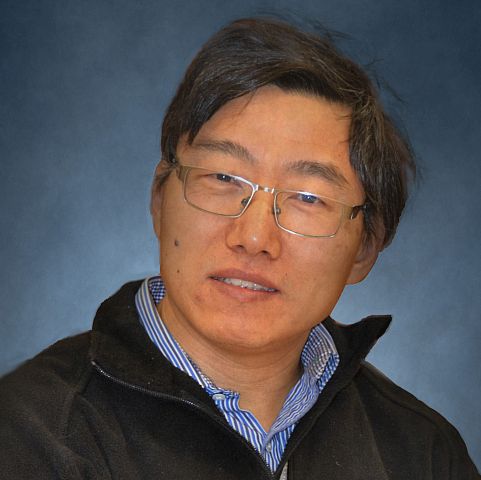
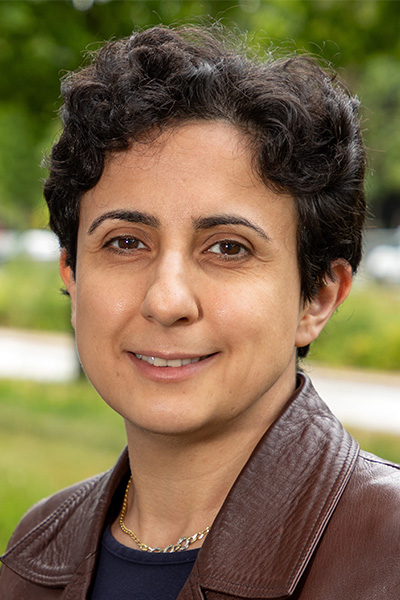
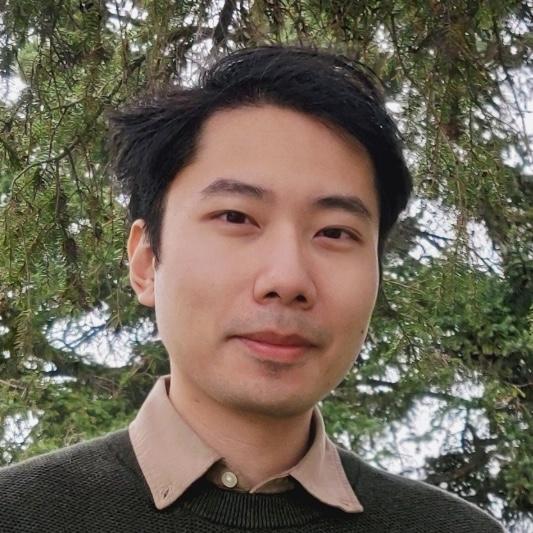
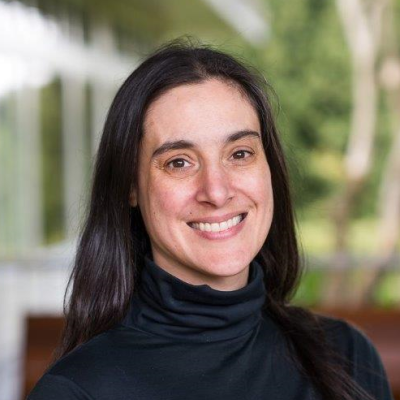
Qingguo Li is a Professor and Associate Head at the Department of Mechanical and Materials Engineering , Queen's University , and a member of the Ingenuity Labs Research Institute . He specializes in biomechanical system design, energy harvesting, wearable sensors, gait analysis, and load carriage systems. His research integrates robotics, biomedical engineering, and sensor technology to develop human-centric devices and mobility aids. Current Roles : Professor, Associate Head, Queen's University Research Institute : Ingenuity Labs Research Institute Lab : Bio-Mechatronics and Robotics Laboratory His work focuses on biomechanical energy harvesting , IMU-based motion analysis , and assistive device development . Key applications include stroke rehabilitation, gait monitoring, and wearable power generation systems. Articles span cable-driven robots , smart walkers , and 3D printing mechanisms , emphasizing human-robot interaction and dynamic modeling . The lab explores sensor calibration , adaptive control algorithms , and human movement optimization . Areas of impact include rehabilitation engineering , load carriage stability , wearable sensor accuracy , and assistive robotics . His team develops solutions for gait asymmetry detection , post-stroke mobility , and low-cost energy systems , leveraging machine learning and kinetic modeling .
Shiva Nejati is a Professor at the University of Ottawa 's School of Electrical Engineering and Computer Science . He holds a PhD in Computer Science from the University of Toronto and previously worked as a Senior Scientist (2012-2019) and Scientist (2009-2012) at the SnT Centre (University of Luxembourg) and Simula Research Laboratory. Research focus: Software engineering for cyber-physical systems (autonomous vehicles, IoT), blending formal verification, machine learning, and search-based testing Key tools developed: ARIsTEO, SOCRaTEs, SimCoTest, EPIcuRus Editorial roles: Associate Editor for EMSE Journal (2025–), ASE Journal (2025–), IEEE Transactions on Software Engineering (2020–2024) His work combines formal methods , empirical software engineering , and AI/ML to address verification challenges in complex systems, particularly through evolutionary algorithms and surrogate modeling . Notable collaborations include industry partners in telecommunications, automotive, and aerospace sectors. Recent publications emphasize large language models for requirements analysis, adversarial testing of vision systems, and multi-objective optimization for test generation. His Sedna Research Lab actively trains graduate students in these cutting-edge methodologies.
Robert S. Allison is a Professor in the Department of Electrical Engineering & Computer Science at York University's Lassonde School of Engineering. His research focuses on human perceptual responses in virtual environments, stereoscopic vision, and eye movement analysis. He is affiliated with the York Centre for Vision Research, Sensorium (Digital Arts & Technology), and the Centre for Innovation in Computing at Lassonde. His research interests include depth perception in natural and virtual environments, human-computer interface design for VR, machine vision applications, and the measurement of human motion. He has supervised multiple graduate students and contributed to over 260 publications. His work spans topics like cybersickness mitigation, display lag effects, and perceptual adaptation in VR. Key grants include NSERC-funded projects on perception in virtual environments and collaborations with institutions like the Australian Research Council. His teaching includes courses on human perception in human-computer interaction and digital logic design. Recent articles highlight advancements in understanding motion perception, VR-induced sickness, and multisensory integration. He collaborates widely, with affiliations including the VISTA program and York's Connected Minds initiative.
Tse-Hsun (Peter) Chen is an Associate Professor in the Department of Computer Science and Software Engineering at Concordia University, Montreal. He leads the Software PErformance, Analysis, and Reliability (SPEAR) lab, focusing on improving software quality through log analysis, AIOps, and mining software repositories. His research collaborates with companies like Microsoft, BlackBerry, and Ericsson. Education: PhD, MSc, and BSc in Computer Science from Queen's University and the University of British Columbia. Awards include the Gina Cody Research Award (2021) and recognition as one of the world's most active software engineering researchers (JSS study). Research interests include software testing, DevOps, and leveraging LLMs for SE tasks. Recent work emphasizes log parsing with LLMs (e.g., LibreLog) and fault localization. Graduates from his lab hold academic positions at institutions like York University and DePaul University. Teaching includes courses on software verification, testing, and process management. Active in program committees for ICSE, FSE, and MSR. Over 50 publications in top venues like TSE, ICSE, and FSE.
Yann-Gaël Guéhéneuc is a Professor at Concordia University's Department of Computer Science and Software Engineering. He leads the Ptidej Team, focusing on software engineering methodologies, IoT systems, and game engine architecture analysis. His research emphasizes static/dynamic analyses, service-oriented architectures, and machine learning design patterns. Current Affiliations: Concordia University (Full-time Professor) Ptidiej Team Lead Research Interests: Specializes in IoT system testing, microservices architecture, game engine design patterns, and anti-pattern detection in multi-language systems. His work bridges theoretical software engineering principles with practical industrial applications, particularly in legacy system modernization and machine learning system design. Recent Trends in Publications: Focuses on IoT testing methodologies, machine learning architecture patterns, and service-oriented system transformations. His 2025 works advance IoT system taxonomy and game engine analysis techniques. Advising: Supervises MASc and PhD programs in Software Engineering and Computer Science Labs/Teams: Ptidej Team develops software tools for system analysis (e.g., Magnet, SyDRA)
Elisa Baniassad is a Teaching Professor in the Department of Computer Science at the University of British Columbia (UBC), within the Faculty of Science. She specializes in software engineering education and has received numerous teaching accolades including the UBC Killam Teaching Prize and CS-Can/INFO-CAN Excellence in Teaching Award. Her courses focus on software construction, engineering principles, and advanced software design. Dr. Baniassad has taught CPSC 310 (Introduction to Software Engineering), CPSC 210 (Software Construction), and CPSC 410 (Advanced Software Engineering) across multiple terms since 2000. Her research interests span educational methodologies in software engineering, aspect-oriented programming, and the design of effective learning tools. Notable contributions include studies on team dynamics in software development, automated assessment techniques, and pedagogical frameworks for large-scale programming courses. She has authored over 50 peer-reviewed articles on topics ranging from mutation analysis in student tests to the efficacy of online learning environments. Awards include recognition for teaching excellence at UBC and contributions to computer science education. Her work emphasizes practical applications of software engineering principles in academic settings, with a focus on fostering student mastery through innovative assessment strategies and feedback mechanisms.
May Haidar is an Assistant Professor in the Department of Electrical Engineering & Computer Science at York University. Her work bridges theoretical and applied domains, focusing on software engineering, web applications, and formal verification techniques. Education: Ph.D. in Computer Science (Université de Montréal, 2008), M.S. (Concordia University), B.S. (American University of Beirut) Current Role: Teaching Object-Oriented Programming, Advanced Programming, and Web Development courses Her research explores formal methods in software engineering, particularly temporal logics and run-time verification for web applications. She has contributed to hybrid analysis techniques for composite web services and anomaly detection frameworks. Publications span formal verification, web application security, and embedded systems design, with a focus on integrating temporal logic extensions into validation processes. While no explicit awards are listed, her work has been presented at global conferences, including events in Dubai, Cambridge, and Las Vegas.
Dr. Melike Schalomon serves as Dean of the Faculty of Arts and Science and Professor in the Department of Psychology at MacEwan University, Edmonton, Alberta. Her enduring commitment since completing her PhD has shaped the university's academic trajectory and research infrastructure, particularly through pioneering animal research programs. Her academic foundation includes advanced training in neuroscience: PhD, University of Alberta M.Sc., University of Alberta B.Sc., Laurentian University Dr. Schalomon's research centers on behavioural neuroscience using zebrafish models to investigate anxiety, memory, and neuropharmacological mechanisms. She develops innovative behavioural paradigms to assess pharmaceutical impacts on neural function, bridging neuroanatomy, psychopharmacology, and animal methodology. Her secondary research explores human sexuality in autism spectrum disorder, examining sexual orientation dynamics in neurodiverse populations. Analysis of her publication history reveals a dominant focus on zebrafish behavioural pharmacology since 2016, with increasing sophistication in anxiety and memory testing methodologies. Earlier work (2012-2014) established foundational contributions to autism and sexuality research, while recent publications (2023-2024) demonstrate methodological innovation in behavioural assessment and cross-disciplinary educational studies. Her distinguished contributions include: Distinguished Teaching Award, MacEwan University (2010) Dr. Schalomon actively mentors honours students and supervises senior independent research projects. Her institutional leadership spans multiple high-impact committees including Academic Planning and Quality Assurance (2020-present), Crisis Management Team (2018-present), Deans' Council (2018-2019, 2020-present), and Strategic Enrolment Management Steering Committee (2023-present), reflecting deep engagement in university governance. Her research operations involve specialized zebrafish behavioural neuroscience facilities at MacEwan, supporting collaborative work in anxiety pharmacology and memory mechanisms through standardized testing protocols developed within her team.
Frederick Kingdom is a Senior Scientist at the McGill Vision Research unit within the Research Institute of the McGill University Health Centre (RI-MUHC), Montreal General Hospital site. He holds the academic rank of Professor in the Department of Ophthalmology and Visual Sciences at McGill University 's Faculty of Medicine and Health Sciences. His research focuses on bridging local feature detection (edges, bars, surface markings) with intermediate visual processing that forms contours, textures, and surfaces. Key domains include spatial vision , color vision , stereopsis , binocular vision , and transparency perception , combining psychophysical methods with natural scene image analysis and mathematical modeling . Recent publications explore stereoscopic depth adaptation , color-enhanced edge classification , co-circularity in texture , and binocular contrast adaptation . His work appears in journals like Vision Research and PLoS Computational Biology . Kingdom's lab maintains the Palamedes Toolbox for psychophysical data analysis. He investigates perceptual mechanisms in contexts ranging from 2D visual illusions to 3D environmental interpretation , with ongoing projects examining visual biases (e.g., falling objects) and contextual modulation in neural coding.
Erez Freud is an Associate Professor in the Department of Psychology at York University, Faculty of Health. He leads the Freud Lab, which is affiliated with the Centre for Vision Research and the VISTA program. He is eligible to supervise graduate students in the Biology Graduate Program and the Brain, Behaviour and Cognitive Science stream. Position: Associate Professor Department: Psychology Faculty: Faculty of Health Institution: York University, Toronto, Canada Lab: Freud Lab Research Affiliations: Centre for Vision Research, VISTA program Dr. Freud's research centers on the cognitive and neural mechanisms of visual perception and object interaction. His work explores how humans recognize objects, guide actions through vision (vision-for-action), and how these systems develop and break down due to aging or brain injury. He investigates the interface between perception and action, with a focus on developmental trajectories and neural reorganization after cortical damage. His lab uses a multidisciplinary approach combining functional MRI, neuropsychological testing, motion tracking, and behavioral experiments in diverse populations including children, older adults, and patients with brain lesions. The recent publications (2022–2025) reflect a strong trend in perception-action dissociation, neural plasticity after brain surgery, face perception under pandemic conditions, and the functional organization of dorsal and ventral visual pathways. Topics include depth perception, attention allocation, motor control, and the impact of environmental changes (e.g., face masks) on social and visual cognition. The research spans cognitive neuroscience, developmental psychology, and clinical neuropsychology, with methodologies rooted in advanced neuroimaging and behavioral analysis. No scientific awards are explicitly mentioned in the provided text. Dr. Freud actively mentors a diverse team of graduate and undergraduate researchers. His lab includes PhD and Master’s students in Psychology, Biology, and Neuroscience programs, working on topics such as visuomotor control in autism, depth perception, memory, and neurodivergence. He has co-supervised students with other faculty members and has hosted postdoctoral researchers. While specific grant details are not listed, the involvement of students in NSERC USRAs suggests participation in funded research projects. The Freud Lab is a dynamic research group within the Department of Psychology at York University, focused on vision science and cognitive neuroscience. It is part of the Centre for Vision Research and the VISTA program, indicating strong interdisciplinary collaboration. The lab investigates brain representations for visual behavior, developmental changes, and neural resilience after injury. Resources include shared fMRI datasets, behavioral paradigms, and stimulus sets (e.g., possible/impossible objects) made publicly available under Creative Commons licensing.
Professor Kathy T. Mullen is a distinguished academic at McGill University's Department of Ophthalmology, affiliated with the McGill Vision Research unit. Her research focuses on understanding visual pathways and color perception through human behavioral experiments and brain imaging techniques like fMRI and MEG. She investigates how the brain processes color differences to construct spatial maps and perceives objects, with particular attention to chromatic and achromatic contrast encoding. Her work also explores developmental aspects of color cognition in young children. Her studies use advanced neuroimaging to identify brain regions involved in color processing, including the lateral geniculate nucleus (LGN) and visual cortex. Key areas of inquiry include cross-orientation masking in color vision, fMRI adaptation effects, and the impact of attention on binocular vision dynamics. Notable projects address amblyopia mechanisms, contrast sensitivity deficits, and the role of different visual pathways (parvocellular vs. magnocellular) in perception. Recent research highlights include uncovering 'coarse-to-fine' temporal dynamics in color representation and demonstrating how monocular attention can shift eye dominance. Her work bridges fundamental neuroscience with clinical applications, such as understanding neuroretinal dysfunction in multiple sclerosis and optimizing contrast sensitivity assessments for clinical use. No specific awards or grants are listed in the provided materials. Her lab's outputs emphasize methodological innovation in neuroimaging and psychophysics, with a focus on translating findings to improve understanding of visual disorders.
Dr. Peter Walsh is a Professor in the Department of Computing Science at Vancouver Island University. He holds a B.Sc. and M.Sc. from University College Cork (Republic of Ireland) and a Ph.D. from the University of Victoria (Canada). His teaching and research focus on Embedded Systems and Design Verification , particularly using VHDL for hardware description language applications. University College Cork - B.Sc. (Republic of Ireland) University College Cork - M.Sc. (Republic of Ireland) University of Victoria - Ph.D. (Canada) Research Focus Dr. Walsh's research explores the intersection of Software Engineering and Hardware Verification . He investigates how techniques from software testing can be applied to VHDL design verification , emphasizing automated testing tools and specification-driven development . His work on object-oriented software engineering focuses on creating behavioral test benches for class libraries. Selected Publications His publications from 1994-1999 include works on VHDL integration in education, automated behavioral testing , and document-driven software design methodologies. These works connect software testing with hardware verification practices.
Dr. Lucas Hof is a Professor at the Department of Mechanical Engineering , École de technologie supérieure (ÉTS), University of Québec . He holds a B.Sc. , M.Sc. from Delft University of Technology and a Ph.D. from Concordia University. Research Axes: Aeronautics/Aerospace, Sustainable Development & Circular Economy, Innovative Materials, Intelligent Systems Labs: NUMERIX (Organizational Engineering), DYNAMO (Machine Dynamics), CIRODD (Sustainable Development), LFIC (Smart Manufacturing) His research focuses on advanced manufacturing (SACE micromachining, additive manufacturing), smart corrosion monitoring in bolted joints, industry 4.0/5.0 integration , and circular economy strategies for materials like eggshells and titanium alloys. Recent work explores neural networks for powder coating optimization and electrochemical post-processing of 3D-printed parts. Key publications span glass machining ( Manufacturing Letters ), smart maintenance systems ( IFAC-PapersOnLine ), and circular supply chains ( Journal of Cleaner Production ). He co-supervises numerous PhD/MSc students in topics including solar panel design, medical mask recycling, and metamaterial applications.
David Lamb is an Associate Professor in the School of Computing at Queen’s University, affiliated with the Faculty of Arts and Science. He retired at the end of 2023 after 39 years of service. His research focuses on software engineering methodologies, including software architecture, requirements engineering, and design metrics. Lamb holds a PhD in Computer Science from Carnegie-Mellon University and a BSc from the University of Waterloo. He taught courses such as CISC/COGS499: CAS Labs and CISC500: Undergraduate Thesis. His work includes contributions to frameworks like SPRUCE for software restructuring and the development of the Charrette Ada compiler. He is a member of the ACM, IEEE, and Sigma Xi Honor Society. Post-retirement, Lamb has explored writing and systems analysis, including a planned book on academic life. He remains active in scholarly discussions through blogs and social media, focusing on topics like Canadian civics and systems thinking in phone game design.
Jean-Pierre Corriveau is an Associate Professor and Graduate Director at the School of Computer Science, Carleton University. He holds a Ph.D. in Natural Language Processing from the University of Toronto (1991), an M.C.S. from the University of Ottawa (1984), and a B.Sc. from the University of Ottawa. His research focuses on Object-Oriented Testing (scenario testing, test data generation) and Text Understanding (contextualized and generative comprehension), with recent emphasis on behavior-driven development and acceptance testing of systems with complex scenarios. Dr. Corriveau has extensive industry experience, including roles at Nortel where he contributed to the TELOS project, leading to the ObjecTime startup and subsequent IBM Rational Software Architect tools. His work bridges academia and industry, addressing challenges in software engineering, cybersecurity, and natural language processing. Notable contributions include frameworks for MapReduce optimization, secure localization in wireless sensor networks, and privacy-preserving data anonymization techniques. His publications span topics like AI detection in text, federated learning for NER, intrusion detection systems, and resilient network algorithms. He has advised on graduate studies as Director and contributed to teaching strategies for millennial students through innovative virtual learning environments in platforms like Second Life. His research trends reflect a blend of theoretical advancements in computational linguistics and practical software engineering solutions, with a recurring focus on system reliability, distributed computing, and privacy-preserving technologies. Grants and collaborations are implied through his tool development and industry partnerships, though specific grant details aren’t explicitly listed. Labs/teams associated with his work include the ObjecTime initiative and Carleton’s distributed systems research groups, though no dedicated lab names are mentioned. Future directions emphasize scalable testing methodologies and ethical AI integration in text analysis.