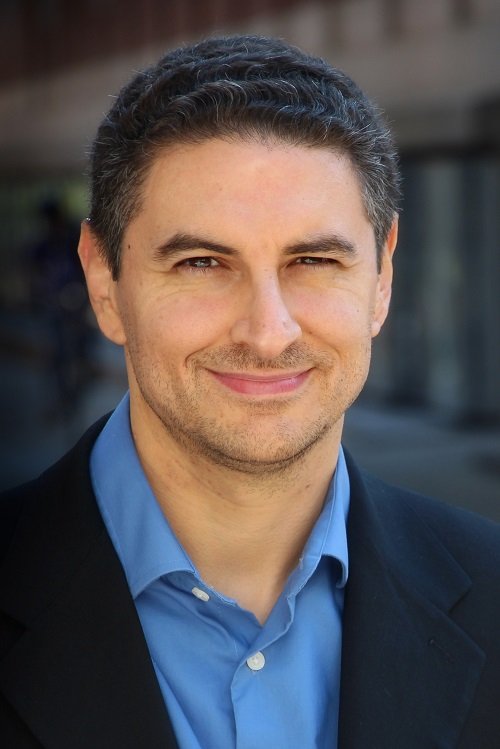
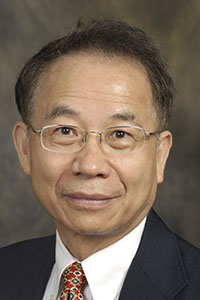
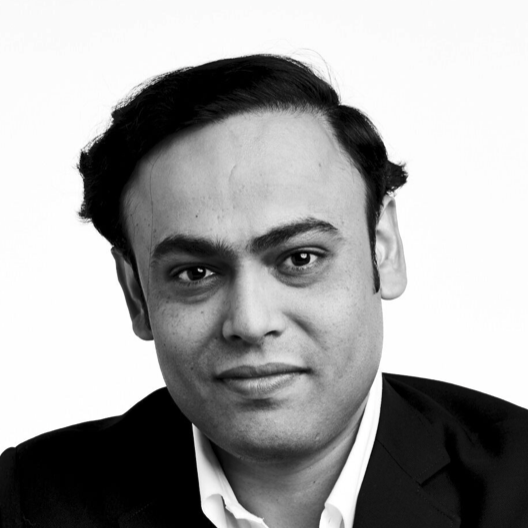
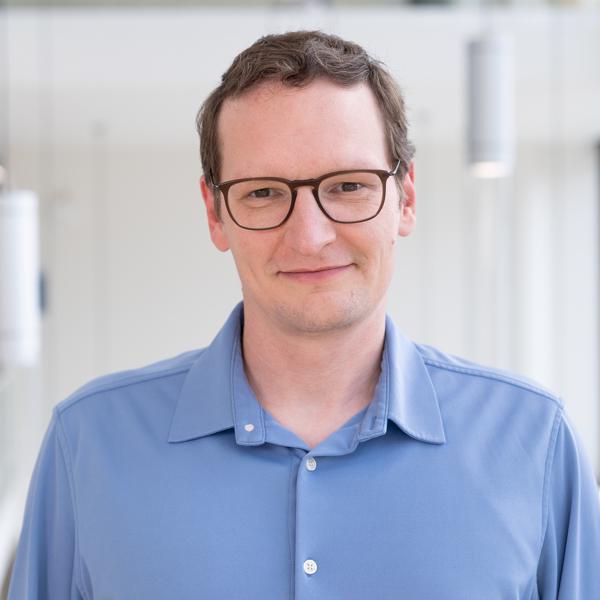
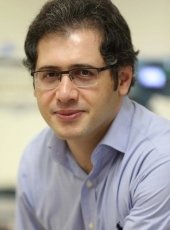
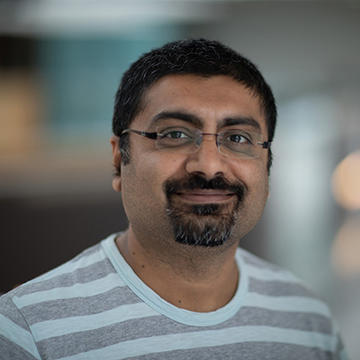
Michael McAlpine is a Professor in the Mechanical Engineering department at the University of Minnesota . He also holds affiliations with the Biomedical Engineering and Electrical and Computer Engineering departments. His research focuses on 3D printing functional materials & devices , Nanoscale inks , Biomedical devices , Bioelectronics , and Flexible Microsystems . Research Interests : 3D Printing, Biomedical Engineering, Nanotechnology, Flexible Electronics, Microfluidics Labs : ME 361/363 Contact : mcalpine@umn.edu , (612) 626-3303, ME 117 Recent Research Trends include 3D Printed Biomedical Devices , Flexible Electronics , and Bioprinting Applications . His work spans from Spinal Organoid Formation to Programmable Drug Release Capsules . Scientific Award : Circulation Research 2020 Best Manuscript Award
Ashis K. Patra is a full-time Professor in the Department of Chemistry at the Indian Institute of Technology Kanpur (IIT Kanpur). After obtaining his Ph.D. from the Indian Institute of Science (IISc) Bangalore in 2008, he carried out post-doctoral research at Harvard University and the University of Georgia before joining IIT Kanpur in 2012. Education & Academic Training Ph.D. (2008), Indian Institute of Science (IISc), Bangalore M.Sc. (2002), The University of Burdwan Research Interests Professor Patra leads an interdisciplinary program that sits at the interface of inorganic chemistry, chemical biology, and medicinal chemistry. His work is organized into three principal thrusts: Therapeutic Applications of Metal Complexes: Design and mechanistic evaluation of cytotoxic transition-metal complexes that target nucleic acids and proteins, aiming to overcome multidrug resistance in cancer. Nitric Oxide Delivery from Transition Metal Nitrosyls: Development of photo- and redox-triggered metal nitrosyl complexes for controlled NO release to biological targets such as hemoglobin, myoglobin, and glutathione. Luminescent Lanthanide Complexes: Synthesis and photophysical characterization of Eu(III) and Tb(III) complexes that serve as luminescent probes and theranostic agents. Research Output & Impact His group has published extensively in leading journals including Dalton Transactions , Inorganic Chemistry , Chemical Science , and Journal of Inorganic Biochemistry . The collective work demonstrates a clear trajectory from fundamental coordination chemistry to translational applications in drug delivery and bioimaging, with recurring themes of redox control, light activation, and biological targeting. Scientific Awards & Fellowships CSIR Junior & Senior Research Fellowships (2001, 2003) West Bengal SLET Qualification (2001) International Travel Grants from CSIR & INSA (2006) DST Fast-Track Fellowship for Young Scientists (2013) Erasmus Mundus NAMASTE Scholarship for Academic Staff (2014) JSPS Invitation Fellowship (2016) Teaching & Mentoring Professor Patra teaches core and advanced courses in inorganic chemistry, including Inorganic Chemistry Laboratory, Bioinorganic Chemistry, and Frontiers in Inorganic Chemistry. He actively mentors Ph.D. and master’s students (full list available on his lab website ) and has established the Laboratory of Inorganic Chemical Biology in the Old Core Lab complex at IIT Kanpur.
Dr. Ayşe Nihan AVCI is an Assistant Professor at the Department of Interior Architecture, Faculty of Architecture at Çankaya University. She holds a PhD in Design (2022), Master's in Interior Architecture (2017), and Bachelor's in Interior Architecture (2010) from the same institution. Her research focuses on lighting design's impact on health and well-being, biophilic design principles, and OLED/LED lighting technologies. She has been a full-time faculty member since 2015, progressing from Research Assistant (2015-2022) to Doctoral Researcher (2022-2024) before her current role. Education: PhD in Design, Çankaya University (2017-2022) MSc in Interior Architecture, Çankaya University (2014-2017) BSc in Interior Architecture, Çankaya University (2005-2010) Research Interests: Her work integrates lighting science with human-centric design principles, emphasizing: Salutogenic lighting strategies for health promotion OLED technology's circadian rhythm effects Biophilic daylighting in historical buildings Visual comfort in workplaces Publications: Over 15 peer-reviewed articles (2016–2025) focus on OLED/LED lighting applications, circadian rhythms, and daylighting in heritage buildings. Recent work explores salutogenic design in coffee shop environments and workplace environmental quality. Awards: No specific awards listed, but active in academic service: Member of Aydınlatma Türk Milli Komitesi since 2017 Member of TMMOB İç Mimarlar Odası since 2010 Reviewer for journals including PLANARCH Grants & Projects: Led a university-supported research project (2020–2021) on lighting design's health impacts. Currently teaches courses on lighting design, materials science, and interior design fundamentals.
Dr. Karen Anderson is a Professor at Arizona State University (ASU), affiliated with the School of Life Sciences, the Biodesign Center for Personalized Diagnostics, and the College of Health Solutions. Her research focuses on tumor biology and immune system interactions in cancer, particularly developing biomarkers for early detection of cancers like breast, ovarian, pancreatic, and HPV-related cancers. She employs molecular techniques such as protein arrays, next-gen sequencing, and functional genomics to identify therapeutic targets and vaccine candidates. Education: Ph.D. in Microbiology and Immunology (Duke University), M.D. from Duke University School of Medicine, and B.A. in Chemistry (University of Virginia). Research interests include cancer immunotherapy, autoantibody profiling, and translational applications of proteomics. Key achievements include pioneering autoantibody-based biomarker assays and investigating HPV serology in head and neck cancers. Awards include the Health Care Heroes Award and recognition as one of Arizona's Most Influential Women. Teaching responsibilities include courses on research techniques and honors thesis supervision. Grants span biomarker validation, cancer genomics, and point-of-care diagnostics. Active in professional service, including roles in grant review panels and public health initiatives.
Dr. Shin-Tson Wu is a UCF Trustee Chair Professor in Optics & Photonics at CREOL, The College of Optics and Photonics. His research focuses on augmented and virtual reality systems, including microdisplays (mini-LEDs, micro-LEDs, OLEDs), optical systems (lightguides, diffractive optics), and materials (liquid crystals, quantum dots, perovskites). He earned his Ph.D. in Physics from the University of Southern California and BS from National Taiwan University. Awards include the SID Lawrence Tannas Award (2025), Optica/IS&T Edwin H. Land Medal (2022), and SPIE Maria Goeppert-Mayer Award (2022). He has authored over 690 journal papers, 330 conference papers, and 100 patents, with an h-index of 114. His work spans academic leadership roles, including founding editor of the IEEE/OSA Journal of Display Technology. Current graduate students include Luke Benoit, Po-Sheng Chiu, Yuqiang Ding, and Shruti Jayaprakash Saiji. Notable alumni include Qian Yang, Zhiyong Yang, and En-Lin Hsiang. His research group explores cutting-edge AR/VR technologies, emphasizing optical efficiency and material innovation.
Saurabh Amin is a Professor in the Department of Civil and Environmental Engineering at the Massachusetts Institute of Technology (MIT), where he also serves as the Edmund K. Turner Professor and Undergraduate Officer. He is a Principal Investigator at the Laboratory of Information and Decision Systems and holds affiliations with the Operations Research Center and the Center for Computational Science and Engineering. His educational background includes: B.Tech. 2002, Indian Institute of Technology (IIT) Roorkee M.S. 2004, University of Texas (UT) Austin Ph.D. 2011, University of California (UC) Berkeley Saurabh Amin's research focuses on the design and control of infrastructure systems using game theory and optimization in networks. His work spans three main areas: resilient network control, information systems and incentive design, and optimal resource allocation in large-scale infrastructure systems. By concentrating on critical infrastructure domains including highway transportation, electric power distribution, and urban water networks, his research develops innovative theory and tools to enhance system performance against both stochastic and adversarial disruptions. His approach involves modeling cyber-physical interactions in infrastructures to assess vulnerabilities, developing detection and response tools for failures at various scales, and designing economic incentive schemes that improve aggregate public good while accounting for dependencies and private information among strategic entities. Amin's work bridges mathematical systems theory with practical civil engineering applications, creating a rigorous theoretical foundation for infrastructure resilience that addresses diverse failure mechanisms from natural disasters to deliberate malicious actions. His recent publications demonstrate a strong focus on decarbonization of energy systems, resilient infrastructure planning under climate uncertainty, optimization methods for complex networked systems, and game-theoretic approaches to sustainable infrastructure management. His work increasingly integrates artificial intelligence and machine learning techniques with traditional control theory to address contemporary challenges in infrastructure resilience and sustainability. The research shows a clear trajectory toward addressing climate change impacts on infrastructure systems while maintaining economic efficiency and operational reliability. Professor Amin has received numerous prestigious awards and honors: Common Ground Excellence in Teaching Award, 2025 HSCC Test-of-Time Award, 2024 MIT CEE, Distinguished Service and Leadership Award, 2023 Samuel M. Seegal Prize (SoE) – inspiring students in pursuing and achieving excellence, 2022 Earll M. Murman for Excellence in Undergraduate Advising, 2022 C3.ai Digital Transformation Institute Research Award, 2020 MIT, Ole Madsen Mentoring Award, 2020 MIT, Energy Initiative Research Award, 2020 National Academy of Engineering, China-America Frontiers of Engineering Symposium speaker, 2019 MIT, Robert N. Noyce Career Development Professor, 2015-2018 Google Faculty Research Award, 2015 National Science Foundation CAREER Award, 2015 Siebel Energy Institute Research Award, 2015 MIT, Solomon Buchsbaum AT&T Research Fund Award, 2012 Professor Amin has been actively involved in significant research projects including the C3.ai DTI project on Causal Reasoning for Real-Time Attack Identification in Cyber-Physical Systems and another on Learning in Routing Games for Sustainable Electromobility. He serves as the chief scientist on multi-institutional NSF grants, including the $9 million Foundations of Resilient Cyber-Physical Systems (CPS) project. His teaching portfolio includes courses such as 1.008 Engineering for a Sustainable World, 1.104 Sensing and Intelligent Systems, 1.020 Engineering Sustainability: Analysis and Design, and 1.208 Resilient Networks. As Undergraduate Officer, he plays a key role in shaping the educational experience for civil and environmental engineering students at MIT. Professor Amin leads the Resilient Infrastructure Networks Lab at MIT, where his team develops theoretical foundations and practical tools for infrastructure resilience. The lab focuses on the intersection of control theory, game theory, and optimization applied to cyber-physical infrastructure systems. Current research directions include pandemic-resilient urban mobility and hurricane-resilient smart grid operations, reflecting the lab's commitment to addressing pressing societal challenges through rigorous systems engineering approaches.
Nils Ole Tippenhauer is a faculty member at the CISPA Helmholtz Center for Information Security , leading the SCy-Phy research group . His academic journey includes an Assistant Professorship at the Singapore University of Technology and Design (SUTD) (2014–2018), a PhD in Computer Science from ETH Zurich (2012), and a Diploma in Computer Engineering from Hamburg University of Technology (2007). He also holds an exchange study year at the University of Waterloo (2004–2005) supported by a DAAD scholarship. Research Interests focus on practical systems security , particularly Security of Cyber-Physical Systems Industrial Control Systems (ICS) and Industrial IoT (IIoT) Physical-Layer Security and Wireless Security Privacy-Preserving Technologies (e.g., DP3T project) Embedded Systems Security Threat Detection & Defenses His work integrates both theoretical and applied approaches, addressing vulnerabilities in critical infrastructures like water systems and power grids. Recent Publications highlight trends in Anomaly detection evasion in industrial networks Microarchitectural side-channel defenses Localization techniques in cellular networks Security analysis of ICS protocols Data-driven vulnerability assessments for robotics Cyber-physical simulation for infrastructure security Scientific Awards include Best paper at DIMVA'23 Distinguished Paper at ACSAC 2022 Best paper at CPSIOTSEC 2022 Best paper at CPSS 2017 K-H Ditze Award for diploma thesis (2007) SG Mark Institution award (2016) Runner-Up at smart energy hackathon (2013) Advising and Grants feature PhD defenses of Daniele Antonioli and Hamid Reza Ghaeini (2022), co-organizing conferences like WiSec and CPSS , and leading projects such as the National Science Experiment (NSE) with 50,000 mobile sensors in Singapore. He also contributed to the DP3T project for privacy-preserving contact tracing. Labs and Teams include the SCy-Phy research group at CISPA and the development of testbeds like SWaT (Secure Water Treatment), WADI (Water Distribution), and EPIC (Electric Power and Industrial Control) at SUTD. These platforms enable hands-on security research in realistic industrial environments.
Kjell Jorner is an Assistant Professor of Digital Chemistry in the Institute for Chemical and Bioengineering at ETH Zurich's Department of Chemistry and Applied Biosciences. His research group focuses on integrating computational methods and machine learning to address challenges in chemical synthesis, materials design, and reaction prediction. Education: PhD from Uppsala University (Photochemistry of aromatic compounds) Postdoctoral studies at AstraZeneca UK (Reaction prediction using computational chemistry and ML) Postdoctoral studies at University of Toronto (Molecular design of catalysts and organic electronic materials) Research Interests: Professor Jorner's work bridges computational chemistry, machine learning, and experimental design. Key areas include: Development of quantum mechanics-machine learning hybrid approaches for reaction feasibility prediction Inverse molecular design of functional materials (e.g., singlet-fission systems) Computational catalyst optimization and high-throughput screening methods Digital tools for chemical education and cheminformatics Publication Trends (2023-2025): Recent articles demonstrate a strong focus on machine learning applications in chemistry, including reaction prediction algorithms, catalyst design frameworks, and automated molecular generation. A recurring theme is the development of computational tools to accelerate materials discovery and optimize chemical processes. Laboratory & Team: Leads the Digital Chemistry research group at ETH Zurich (HCI E 137) exploring computational approaches to chemical challenges.
Associate Professor Paola Leardini holds dual roles as Director (Research) and Associate Professor at the University of Queensland's School of Architecture, Design and Planning, within the Faculty of Engineering, Architecture and Information Technology. Her work bridges design and performance in built environments, focusing on net-zero targets, urban resilience, and circular economy strategies in construction. She is a key researcher in the Centre for Future Building Structures and advises on Queensland’s social/affordable housing through the Design Excellence Panel. Leardini earned a PhD in building energy efficiency and environmental quality from Politecnico di Milano, supervised by Prof. P. Ole Fanger. Her educational journey includes studies in Milan, Berlin, Leicester, and Copenhagen. Research highlights include eco-retrofitting of historical districts (e.g., Milan’s Quartiere Mazzini), Passive House adaptations for subtropical climates, and timber construction innovations with the ARC Advance Timber Hub. She co-founded Passive House Institute New Zealand (PHINZ) and collaborates globally on projects like water-sensitive cities and flood-resilient urban design. Her recent publications emphasize timber’s role in sustainable construction, circular economy frameworks, and climate-responsive building systems. Advising includes leading an ARC Linkage project on adaptable housing while fostering industry partnerships through projects like Norman Creek Catchment flood resilience studies. She actively contributes to labs/teams advancing timber use and urban resilience, aligning with UQ's mission for future-ready built environments.
Professor Lydia Bourouiba is a faculty member at the Massachusetts Institute of Technology (MIT), affiliated with the Department of Civil and Environmental Engineering and the Institute for Medical Engineering and Science (IMES). Her research focuses on the intersection of fluid dynamics and disease transmission, with a strong emphasis on biophysics, interfacial flows, turbulence, and multiphase systems. Ph.D. in Applied Mathematics from McGill University (2008) Research on fluid fragmentation, droplet/bubble dynamics, and pathogen transport Co-Founder and Associate Director of the NSF Center for Pandemic Prevention (APPEX) Her work spans fundamental and applied domains, including: Biophysics of pathogen transport in air and water Turbulent multiphase flows in respiratory events Fluid-plant interactions in agricultural disease Nonlinear dynamics in public health contexts Key article trends highlight: Biomedical fluid mechanics Climate and environment-driven disease modeling High-risk/high-reward public health innovations Interdisciplinary approaches combining physics, biology, and engineering Scientific awards include: Fellow of the American Physical Society (2021) American Institute for Medical and Biological Engineering Fellow (2022) Smith Family Foundation Odyssey Award for biomedical research Ole Madsen Mentoring Award She serves as Associate Editor for the journal FLOW and has founded conferences like the Gordon Research Conference on Fluids in Disease Transmission. Her lab (Fluids and Health Network) develops experimental and theoretical frameworks to address contamination, pandemic control, and fluid-health-environment interactions.
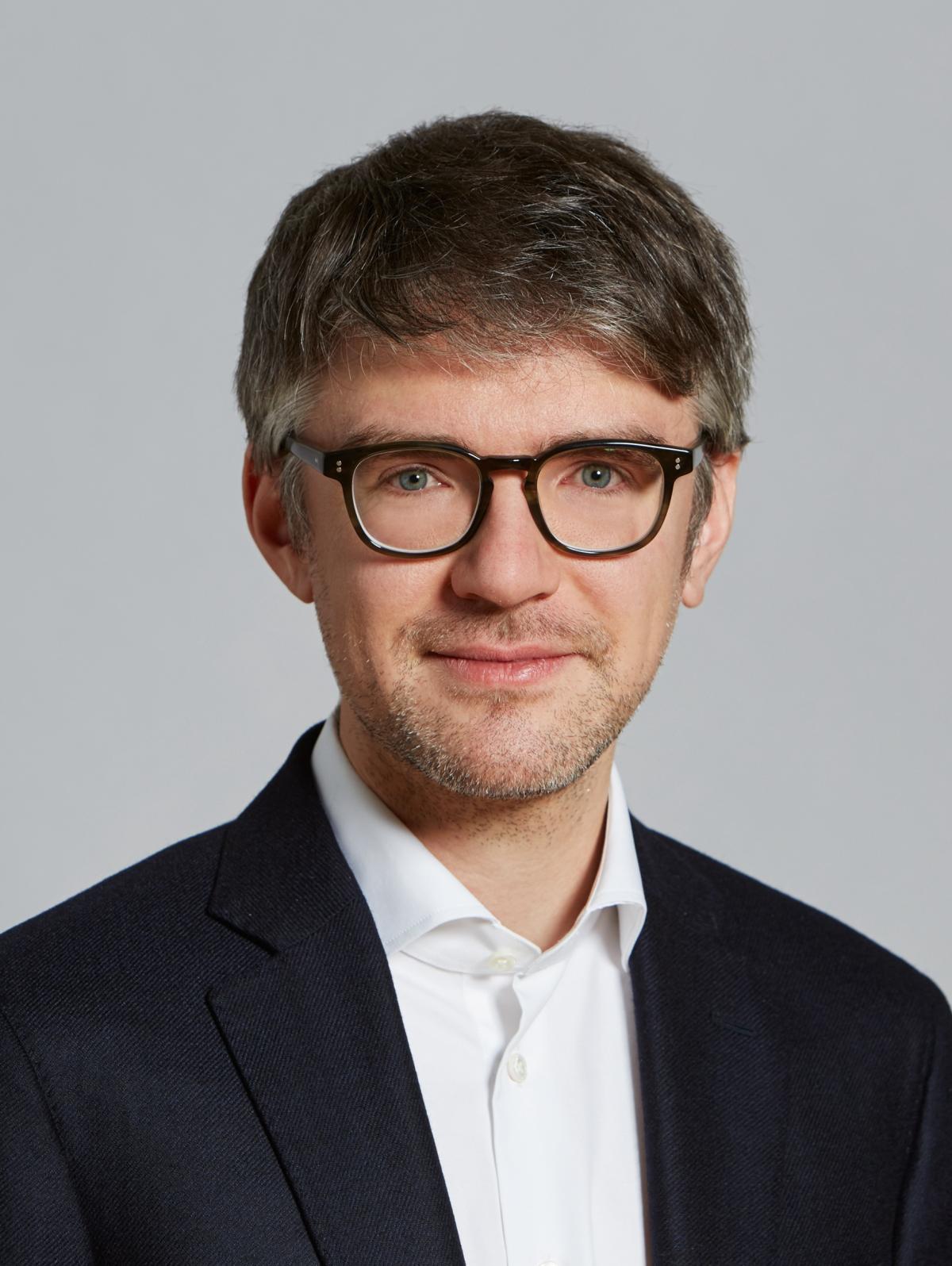
Ole Wæver is a Professor of International Relations at the Department of Political Science, University of Copenhagen. He founded the Centre for Advanced Security Theory (CAST) and directs the Centre for Resolution of International Conflicts (CRIC) . His work spans security theory, conceptual history, and sociology of science, with global recognition for developing the Copenhagen School of securitization theory. Primary Research Areas: International Relations, Security Studies, Climate Change, Religion/Secularism, Conflict Analysis Notable Contributions: Pioneering securitization theory, interdisciplinary analysis of security concepts, and theoretical developments in regional security complexes. His recent work explores the intersection of technology, philosophy of language, and security. Scientific Awards: Royal Danish Academy of Sciences and Letters (2007) Carlsberg Foundation Research Prize (2012) Knight of the Order of Dannebrog (2014) Hesbjerg Foundation Peace Prize (2015) Honorary Doctorate, University of Turku (2015) Publications: Authored and co-authored influential books such as Security: A New Framework for Analysis and Regions and Powers , and contributed to leading journals including International Organization , Security Dialogue , and Millennium .
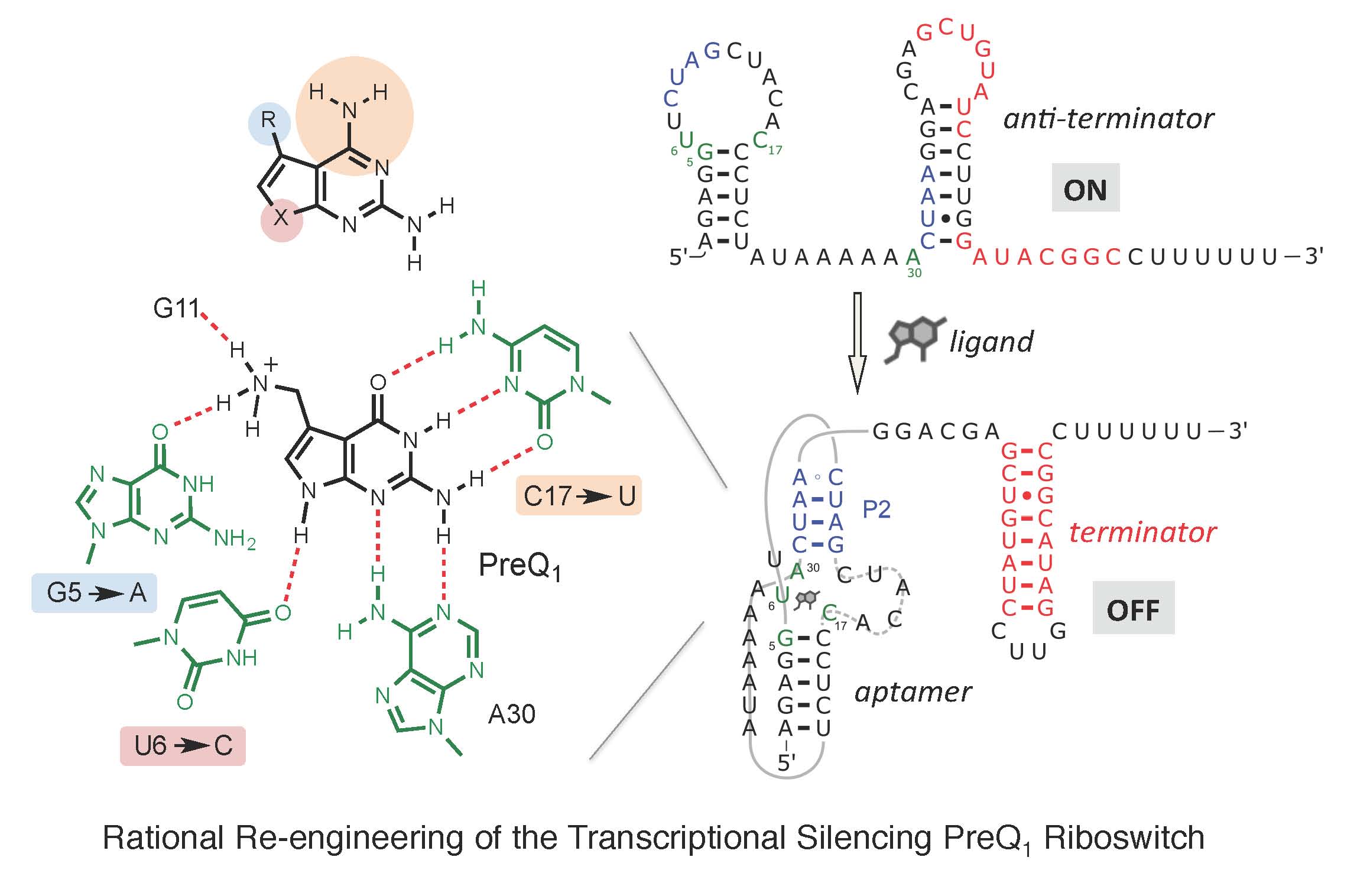
Jason Micklefield is a Professor of Chemical Biology at the University of Manchester's School of Chemistry and Manchester Institute of Biotechnology. His research focuses on sustainable bio-inspired molecular synthesis, integrating organic chemistry, enzymology, and molecular microbiology. He holds an honorary Visiting Professorship at East China University of Science and Technology. Micklefield earned his PhD in Chemistry from the University of Cambridge in 1993 and completed postdoctoral work at the University of Washington before joining Manchester in 1998. His lab specializes in biosynthesis pathway engineering, biocatalysis, and nucleic acid chemistry. Education: PhD in Chemistry (1993), University of Cambridge NATO Postdoctoral Fellowship, University of Washington, USA (1993–1995) Lecturer in Organic Chemistry, Birkbeck College, University of London (1995–1998) Research Themes: Biosynthesis of novel antibiotics to combat AMR, including pathway engineering for agrochemicals and drug discovery. Biocatalysis and integrated catalysis for sustainable synthesis of pharmaceuticals, focusing on amide ligases and halogenases. Nucleic acid therapeutics and riboswitch engineering for synthetic genetic control. Key Achievements: Discovered CfaL ligases enabling amide synthesis without protecting groups. Engineered vitamin K-dependent carboxylases for novel antibiotic pathways. Developed orthogonal riboswitches for synthetic biology applications. Awards: RSC Bader Award (2019) NPR Lecture Award Lab & Collaborations: The interdisciplinary Micklefield Lab includes chemists, biochemists, and bioinformaticians. Projects include MESNA (modified nucleic acid synthesis) and collaborations on sustainable chemical manufacturing.
Dr. Sajjad Bigham is an Associate Professor in the Department of Mechanical and Aerospace Engineering at North Carolina State University and serves as an Adjunct Associate Professor at Michigan Technological University. He holds a PhD in Mechanical Engineering from the University of Florida and directs the Energy-X Lab (Energy eXploration Laboratory), which focuses on high-impact research in energy science and technology. His research interests encompass: Advanced thermal management solutions including microscale heat transfer, boiling/condensation phenomena, and interfacial transport Energy-efficient systems for HVAC&R, desalination, and clean water production Development of micro/nano-engineered materials and devices for energy conversion/storage Sorption-based gas management and multiphase systems under extreme conditions Recent publications demonstrate strong focus on thermal management innovations (45%), sustainable energy systems (30%), and advanced materials applications (25%). Dominant themes include heat transfer enhancement techniques, energy-efficient appliance design, desalination technologies, and microscale phase-change phenomena, with increasing emphasis on additive manufacturing approaches. Dr. Bigham leads the Energy-X Lab research group, which tackles high-risk, high-reward problems across four thrust areas: Terrestrial and space life support systems Advanced thermal management Clean energy production Clean water supply The lab's mission is to improve energy efficiency, reliability, and economy across defense, environmental, and energy sectors.
Sang-Hoon Bae is an Assistant Professor in the Department of Mechanical Engineering & Materials Science at Washington University in St. Louis, part of the McKelvey School of Engineering. His research focuses on materials innovation in 2D atomic layers and 3D thin films, aiming to advance ubiquitous electronics through novel material platforms. He holds a PhD from UCLA (2017), and BS/MS degrees from Sungkyunkwan University (SKKU), Korea. Education: PhD in Materials Science and Engineering, University of California, Los Angeles, 2017 MS in Materials Science and Engineering, Sungkyunkwan University, Korea, 2013 BS in Materials Science and Engineering, Sungkyunkwan University, Korea, 2011 Research Interests: Bae’s work integrates thermodynamics, kinetics, and solid-state physics to address challenges in materials science. His lab explores three key areas: Development of freestanding 3D films and 2D materials, and their functional architectures Advanced solar cell technology via solid-state photovoltaic physics Heterogeneous integration for self-powered ubiquitous electronics with AI capabilities Awards & Recognition: 2024 Falling Walls Science Breakthroughs Award (Energy & Technology) Grants & Collaborations: Received NSF funding (2024) for integrated photonics research with Prof. Lan Yang. His work on high-density energy storage via novel material heterostructures earned global recognition. Labs: Bae directs a lab located in Jubel Hall (Room 033), focusing on material innovation and device fabrication. His team collaborates with leading institutions like MIT and IBM.
Shabaz Mohammed is an Associate Professor of Proteomics at the University of Oxford, holding joint appointments in the Departments of Chemistry and Biochemistry. Since 2020, he has served as Head of the Mechanistic Proteomics research programme at the Rosalind Franklin Institute. His research focuses on advancing proteomics technologies to study protein post-translational modifications and their roles in cellular processes, with applications in viral infections and disease mechanisms. Education: BSc in Chemistry, UMIST (now The University of Manchester), 1999 PhD in Biological Mass Spectrometry, University of Manchester, 2003 Postdoctoral Research, University of Southern Denmark (with Ole Jensen), 2005-2008 Postdoctoral Research, Utrecht University (with Albert Heck), 2008 Professor Mohammed's research centers on developing novel mass spectrometry approaches for large-scale characterization of protein post-translational modifications (PTMs). His group innovates in chromatographic techniques for single-cell proteomics, creates materials for PTM enrichment (glycosylation/phosphorylation), and applies these tools to study viral infections (SARS-CoV-2), cell cycle regulation, and signaling pathways. His work bridges chemistry, biochemistry, and cell biology to understand dynamic protein functions in health and disease. His recent publications (2023-2025) demonstrate strong emphasis on viral proteomics, particularly virus-host RNA-binding protein interactions, and innovations in mass spectrometry fragmentation techniques and chromatography. Key themes include viral remodeling of host cells, new labeling strategies for PTMs, and advancements in single-cell proteomics, with significant implications for understanding viral pathogenesis. Scientific Awards: No specific awards or fellowships were detailed in the source material. Advising and Grants: Information regarding graduate students supervised or specific research grants was not provided in the available text. As an active research group leader, Professor Mohammed likely mentors PhD students and secures competitive funding for proteomics research. Laboratories and Collaborations: Professor Mohammed leads a research group at Oxford focused on proteomics technology development. He collaborates extensively with the Ben Davis group on PTM detection materials and across the university on biochemical applications. At the Rosalind Franklin Institute, he heads the Mechanistic Proteomics programme to unravel protein functions through advanced proteomic methods.