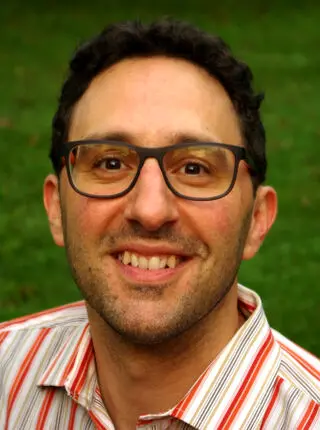
Dr. Tobias Hauser is a Professor of Computational Psychiatry at the University of Tübingen, Germany, and a Group Leader at the Max Planck UCL Centre for Computational Psychiatry and Ageing Research. His research spans clinical neuroscience, developmental psychiatry, and computational modeling, focusing on the neurocognitive mechanisms underlying psychiatric disorders like OCD and ADHD. MSc in Psychology (2010), University of Zurich PhD in Psychology (2014), University of Zurich Hauser's work employs a translational approach, integrating clinical, pharmacological, and basic neuroscience to characterize neural network deficiencies in mental health. His developmental perspective investigates how psychiatric symptoms emerge through deviations from canonical brain development trajectories. Recent publications highlight his focus on dopaminergic midbrain activity, frontostriatal myelination, and computational mechanisms of decision-making. These studies utilize techniques like fMRI, EEG, and computational modeling to explore compulsivity, impulsivity, and developmental neurocognitive processes. Sir Henry Dale Fellowship (Wellcome Trust & Royal Society) Research Fellowship (Jacobs Foundation) Kramer-Pollnow Award for ADHD research Hauser leads the Developmental Computational Psychiatry Group and co-founded the Brain Explorer app, a citizen science project investigating brain development and mental health. He actively seeks PostDocs and PhD students for collaborative research in computational psychiatry and cognitive neuroscience.
Marc V Fuccillo is an Associate Professor of Neuroscience at the Perelman School of Medicine, University of Pennsylvania, where he leads a research laboratory focused on understanding the neural circuit mechanisms underlying behavioral control. His work bridges molecular, synaptic, and behavioral approaches to investigate how striatal circuits regulate mouse behavior from simple motor patterns to complex goal-directed actions. Fuccillo holds dual appointments in the Neuroscience and Cell and Molecular Biology Graduate Groups at Penn and maintains an active laboratory investigating the synaptic and circuit basis of neuropsychiatric disorders. Education: B.A. in Molecular and Cellular Biology and Music Performance (Violin) from Brown University (1998) Ph.D. in Developmental Genetics from New York University School of Medicine (2007) M.D. from New York University School of Medicine (2008) Fuccillo's research centers on the synaptic and circuit mechanisms of behavioral control, with particular emphasis on striatal circuits. His laboratory employs a range of technologies including mouse genetics, in vitro electrophysiology, in vivo imaging, and quantitative behavioral analysis to explore how neural circuits of the striatum regulate behavior and how disruptions in these circuits contribute to neuropsychiatric disorders. His work has particularly focused on autism-associated abnormalities in behavioral control, examining how synaptic adhesion molecules like neuroligins and neurexins shape circuit function and behavior, with significant findings regarding D1 dopamine receptor positive medium spiny neurons in the nucleus accumbens. Analysis of Fuccillo's recent publications reveals a strong focus on striatal circuit function across multiple dimensions. His work spans molecular neuroscience (examining synaptic adhesion molecules), cellular physiology (studying specific neuron types in striatal circuits), systems neuroscience (mapping circuit connectivity), and behavioral neuroscience (quantifying motor learning and decision-making). A unifying theme is how disruptions in specific molecular pathways lead to circuit-level abnormalities that manifest as behavioral phenotypes relevant to neuropsychiatric disorders, with particular attention to autism, OCD, and schizophrenia models. Scientific Recognition: Publications in high-impact journals including Nature Neuroscience, Current Biology, Cell Reports, and Neuron Research supported by multiple NIH grants including NIMH F32, NIMH K01, and HHMI Gilliam Fellowship awards for lab members Fuccillo actively mentors a diverse group of trainees including postdoctoral fellows, graduate students, and undergraduates. His laboratory has produced numerous successful alumni who have gone on to faculty positions, medical residencies, and graduate programs at prestigious institutions. His mentoring approach emphasizes technical skill development across multiple neuroscience disciplines while fostering independent scientific thinking. Current research in his lab is supported by NIH funding focused on understanding the molecular architecture of striatal circuits and their role in behavioral control, with three major research directions exploring molecular logic of striatal circuits, circuit mechanisms of behavioral control, and striatal dysfunction in neuropsychiatric disease models. The Fuccillo Laboratory operates within the Department of Neuroscience at the University of Pennsylvania, with access to state-of-the-art facilities for molecular, electrophysiological, imaging, and behavioral neuroscience research. The lab maintains active collaborations with other neuroscience research groups at Penn and beyond, creating a rich intellectual environment for studying the neural basis of behavior. Current research directions include investigating whether there is a molecular logic to striatal circuit composition, how striatal circuits shape behavioral control, and what mouse models of autism, schizophrenia, and OCD can reveal about striatal circuit dysfunction in disease pathophysiology.
Tengyao Wang is a Professor in the Department of Statistics at the London School of Economics and Political Science (LSE), serving as the MSc Statistics (Financial Statistics) Programme Director. Prior to LSE, he held positions as a Lecturer at University College London and a Research Fellow at the Cantab Capital Institute for the Mathematics of Information, University of Cambridge. His research focuses on high-dimensional statistics, computational efficiency, and statistical limitations imposed by computational constraints. Education: PhD in Statistics under Prof Richard Samworth at the University of Cambridge, with earlier studies including a Part III Essay in Empirical Process Theory. Research interests include sparse signal detection, change-point analysis, dimension reduction, robust statistics, and applications in medical statistics, financial data analysis, and material discovery. Key contributions include methodologies for handling missing data, high-dimensional change-point detection algorithms, and statistical learning techniques. Publications span theoretical advancements and applied innovations, with recent work emphasizing deep learning with missing data, residual permutation tests, and semi-supervised learning via random projections. His work has been recognized with awards such as the Royal Statistical Society Research Prize (2019) and the Guy Medal in Bronze (2023). He is an Associate Editor of the Journal of the Royal Statistical Society, Series B (JRSS B), and actively contributes to open-source tools like the 'ocd' and 'MissInspect' R packages for changepoint detection and missing data analysis.
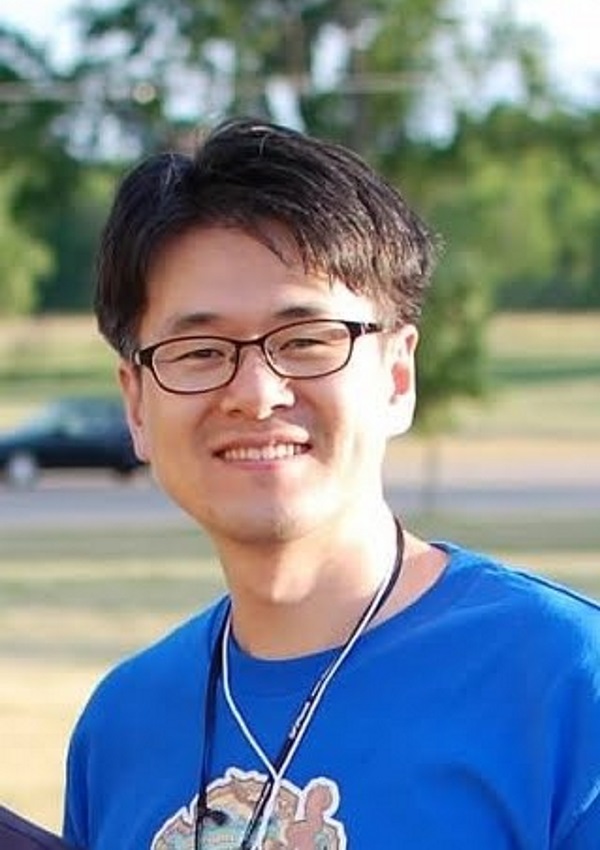
Han Joo Lee is a Professor and Director of Graduate Studies in the Department of Psychology at the University of Wisconsin-Milwaukee (UWM). He holds appointments in both the College of Letters & Science and the Clinical Psychology program. Lee earned his Ph.D. from the University of Texas at Austin in 2009. His research focuses on adult psychopathology, particularly anxiety disorders (e.g., OCD, social anxiety, PTSD), cognitive-perceptual processing abnormalities, and web-based psychological interventions. He has developed online assessment systems for anxiety disorders and conducted experimental studies on attentional biases and error-monitoring processes in clinical populations. Key research themes include: (1) maladaptive cognitive-perceptual mechanisms underlying anxiety disorders, (2) digital tools for mental health assessment, and (3) behavioral interventions targeting compulsive behaviors. His work integrates experimental, clinical, and neuroscientific approaches to understand symptom maintenance and treatment development. Lee's recent studies explore functional connectivity in skin-picking disorders, predictive factors for OCD treatment outcomes, and dual-hormone stress reactivity in PTSD. He collaborates with institutions like the UWM Psychology Clinic and maintains active grant-funded research projects. No specific awards are listed, but his extensive publication record reflects sustained contributions to clinical psychology. He advises the graduate program at UWM, overseeing training for clinical psychology doctoral students. His lab develops innovative interventions, including computerized response inhibition training for trichotillomania and interpretation-based treatments for thought-action fusion.
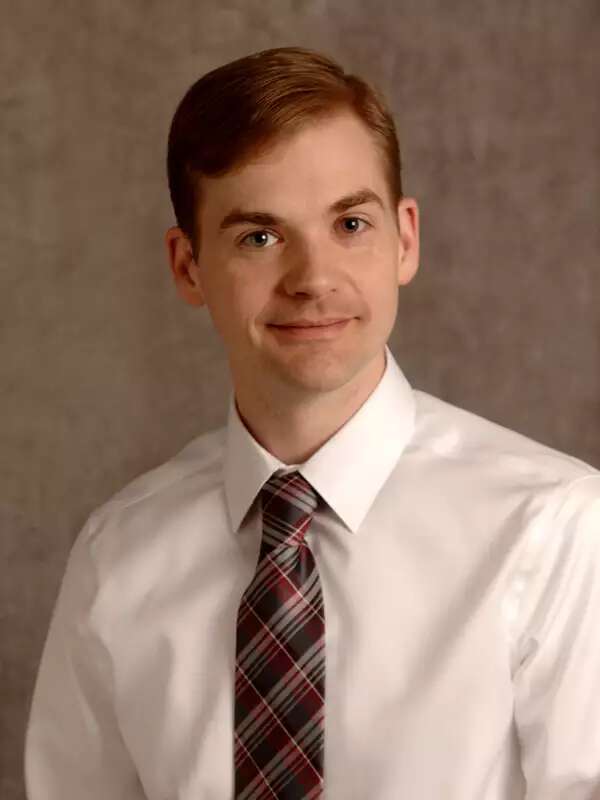
Brian Zaboski, PhD, is an Assistant Professor of Psychiatry at the Yale School of Medicine. He holds dual expertise as a licensed Connecticut psychologist and Nationally Certified School Psychologist. His primary academic affiliation is with the Obsessive Compulsive Disorder Research Clinic within the Department of Psychiatry. Dr. Zaboski completed his PhD in School Psychology at the University of Florida, gaining clinical experience across school-based to acute inpatient settings. He specializes in cognitive-behavioral therapy (CBT) and exposure-based interventions for psychological disorders, with particular focus on OCD neurobiology and treatment innovation. His research integrates advanced quantitative methods and translational neuroscience to improve exposure therapy efficacy. Key areas include neurobiological network analysis, machine learning applications for OCD severity prediction, and neurofeedback treatment trials. He leads clinical trials investigating psilocybin therapy, pharmacotherapy combinations, and brain network changes in OCD patients. Dr. Zaboski's work has been funded by prestigious grants including the 2022 Brain & Behavior Research Foundation Young Investigator Award. Collaborations include prominent researchers like Christopher Pittenger, Terence Ching, and Michelle Hampson. His publications span peer-reviewed journals in psychiatry, neuroscience, and school psychology, with a focus on OCD mechanisms, treatment innovation, and school-based mental health interventions. Clinical trials he participates in explore novel treatments like troriluzole and psilocybin while investigating biomarkers for treatment response prediction.
Professor Brett Hayes is a distinguished cognitive psychologist at the University of New South Wales, serving in the School of Psychology. He is the founding Director of the Sydney Thinking and Reasoning (STAR) Laboratory, which he has led for over 15 years, securing more than $4 million in competitive research funding. Professor Hayes has previously held the position of Head of the School of Psychology and served as a member of the Australian Research Council (ARC) College of Experts. His research expertise spans reasoning, concept learning, memory, and developmental changes in these cognitive processes. Professor Hayes employs both experimental investigation and computational modeling in his work, with a particular focus on applying fundamental cognitive research to practical problems in forensic and clinical decision-making, early childhood education, and climate change science communication. His research has significant interdisciplinary applications across psychology, education, and environmental science. Professor Hayes has published extensively in top cognitive science journals, with his most recent work focusing on inductive reasoning, sampling assumptions, learning traps, and consensus perception. His research demonstrates consistent innovation in understanding how people process information, make decisions under uncertainty, and develop reasoning abilities across the lifespan. His scientific contributions include numerous journal articles, book chapters, and co-authored textbooks on developmental psychology. Professor Hayes has also contributed to teaching through courses such as PSYC3341 Developmental Psychology (which he chairs), PSYC3221 Cognitive Science, and PSYC2061 Developmental and Social Psychology. Professor Hayes maintains an active research program with ongoing collaborations across multiple institutions, as evidenced by his numerous co-authored publications. His laboratory continues to advance our understanding of human cognition through rigorous experimental work and theoretical development.
Michael G. Wheaton is an Assistant Professor of Psychology at Barnard College, specializing in the psychopathology and treatment of obsessive-compulsive disorder (OCD) and related conditions. He joined Barnard's faculty in 2017 after postdoctoral work at the New York State Psychiatric Institute and teaching roles at Yeshiva University. Education: B.A. from Cornell University; M.A. and Ph.D. from the University of North Carolina at Chapel Hill. Professional Affiliations: Association for Behavioral and Cognitive Therapies (ABCT), International OCD Foundation (IOCDF), Anxiety and Depression Association of America (ADAA). His research integrates cognitive-behavioral therapy (CBT) with neurobiological and psychological frameworks, emphasizing treatment outcomes for OCD, hoarding disorder, and anxiety-related conditions. Recent work explores the therapeutic working alliance, distress tolerance, and the impact of the COVID-19 pandemic on OCD symptoms. He has contributed to advancements in exposure and response prevention (ERP) and pharmacotherapy augmentation for OCD. Scientific Awards: Recognized among the top 2% of cited authors globally. Recipient of 2024 Barnard faculty grants and awards. He teaches undergraduate courses in Abnormal Psychology and Introduction to Clinical Psychology . His collaborations with Barnard graduates and institutions highlight his engagement with student research and public mental health discourse, including media contributions to Business Insider and Time .
Rebecca Cox is an Assistant Professor in the Department of Psychological & Brain Sciences at Washington University in St. Louis, where she leads the Sleep, Circadian Rhythms, and Psychopathology (SCRAP) Laboratory. Her research investigates the role of sleep and circadian rhythm disruption in anxiety-related disorders, employing multimethod approaches such as actigraphy, melatonin assays, ecological momentary assessment, and clinical trials. Education: PhD, Vanderbilt University MA, Vanderbilt University BA, Hendrix College Her research focuses on how disruptions in sleep and circadian rhythms affect physiological, cognitive, and affective functioning, contributing to the development and persistence of anxiety disorders. She is particularly interested in leveraging sleep and circadian medicine—including light therapy and cognitive behavior therapy for insomnia—as novel treatment strategies. Her work spans populations such as young adults and perinatal individuals, aiming to identify modifiable behavioral targets to improve mental health outcomes. The recent publications highlight a strong trend in integrating objective and subjective sleep measures with clinical psychology, particularly in OCD, PTSD, and general anxiety. Her work increasingly employs real-time data collection and population-level analysis to understand temporal and biological influences on mental health. Scientific Awards: No awards listed in the provided text. Dr. Cox advises students through the SCRAP Lab and is involved in clinical and translational research, though specific grants are not detailed. Her lab uses innovative methodologies to bridge basic science with clinical applications in mental health treatment. Labs and Teams: She directs the SCRAP Lab (Sleep, Circadian Rhythms, and Psychopathology Laboratory), which conducts interdisciplinary research combining sleep science, circadian biology, and clinical psychology to address anxiety-related psychopathology.
Kiara R. Timpano is a Professor in the Department of Psychology at the University of Miami and Director of the Program for Anxiety, Stress, and OCD (PASO). She holds a PhD from Florida State University and completed postdoctoral training at Massachusetts General Hospital/Harvard Medical School. Her research focuses on cognitive and psychosocial risk factors for anxiety, OCD, and hoarding disorders, with a particular interest in transdiagnostic mechanisms. Key areas include intolerance of uncertainty, emotion dysregulation, and behavioral interventions. Timpano leads the PASO lab, collaborating with institutions like McLean Hospital, UC Berkeley, and Karolinska Institutet. She supervises graduate students (e.g., Hannah Broos, Amelia Dev) and undergraduates, mentoring over 20 trainees. Her work integrates clinical research with community health initiatives, such as pandemic behavioral studies and climate change engagement projects. She serves on the Scientific and Clinical Advisory Board of the International OCD Foundation. Timpano's research spans neuroimaging (e.g., fMRI studies of repetitive negative thinking), translational therapy development (e.g., mindfulness-integrated CBT), and public health interventions. Her 2025 study in Children journal examines transdiagnostic treatments for youth OCD/anxiety comorbidity, while 2024 Cerebral Cortex work links PTSD symptoms to neural connectivity. Collaborations emphasize global mental health challenges and evidence-based practices.
David Latulippe is a Professor in the Department of Chemical Engineering at McMaster University. He joined McMaster in 2012 after postdoctoral work at Cornell University and a PhD at Penn State University, focusing on membrane filtration for DNA purification. His industrial experience includes roles at ZENON Environmental (now GE Water) in hollow-fiber membrane design for water treatment. Research interests include Membrane science and technology Bioprocessing of therapeutic viruses Microscale systems for biological applications Environmental engineering solutions for water treatment Current projects involve collaborations with industry partners like Ceapro and Aevitas, and the development of a biomanufacturing automation lab with Sartorius. Recent publications highlight advancements in Nanofiltration and microfiltration for viral vectors Conductive membranes for electrochemical applications Microfluidic systems for DNA analysis Environmental monitoring of biocides and microplastics Scientific recognition includes the Young Membrane Scientist Award (2014). Teaching activities focus on Fluid Mechanics (CHEMENG 2O04) and Industrial Separation Processes (CHEMENG 4M03).
Dr. Annemieke Apergis-Schoute is a Lecturer in Psychology (Teaching and Research) at Queen Mary University of London, affiliated with the School of Biological and Behavioural Sciences and the Centre for Brain and Behaviour. Her research focuses on obsessive-compulsive disorder (OCD), cognitive flexibility, prefrontal mechanisms, and student mental health. She holds a PhD from New York University, where her early work explored threat learning in rats and humans using fMRI. Subsequent roles at the University of Cambridge and UCL expanded her expertise into clinical OCD studies, including deep brain stimulation trials. Her research investigates how prefrontal control deficits and inflexible learning contribute to OCD and related disorders, with a focus on adolescents and young adults. Collaborations include pioneering DBS studies targeting basal ganglia regions to reduce compulsive behaviors. She also explores connections between brain function, interoception, and mental health in daily decision-making contexts. Key publications analyze reversal learning deficits in OCD under serotonergic modulation, neuroimaging markers of cognitive rigidity, and developmental trajectories of compulsivity. Her work bridges basic neuroscience with translational clinical interventions, emphasizing early intervention strategies and cognitive-behavioral approaches.
Christine Eckhardt is an Assistant Professor in the Department of Neurology at the T.H. Chan School of Medicine (UMass Chan Medical School), specializing in Neurocritical Care. She earned her MD from Harvard Medical School and holds an MS degree. Education: MD, Harvard Medical School, Boston, MA MS (unspecified field) Dr. Eckhardt's research focuses on neurocritical care, neurotoxicity syndromes, and EEG-based diagnostics. She develops quantitative EEG methods for assessing immune effector cell-associated neurotoxicity (ICANS) and delirium severity, with applications in CAR T-cell therapy and critical care neurology. Her recent publications (2022–2023) emphasize automated neurotoxicity detection , EEG signal processing , and health equity disparities in heart failure care. Key subfields include neurocritical care, computational neuroscience, and clinical outcome modeling.
Rui M. Costa is a Professor of Neuroscience at Columbia University, with appointments in Neurology and the Mortimer B. Zuckerman Mind Brain Behavior Institute. His research focuses on understanding how molecular networks in the brain influence neural circuits to shape behaviors, particularly in action control and disorders like Autism Spectrum Disorders and Obsessive-Compulsive Disorder. Primary Affiliation: Columbia University Departments: Neuroscience, Neurology Institute: Mortimer B. Zuckerman Mind Brain Behavior Institute Research Interests Molecular and neural circuit mechanisms of action control Goal-directed actions vs. habits Behavioral disorders: Autism and OCD Neural plasticity in motor learning Publication Trends His recent work explores corticostriatal dynamics, basal ganglia pathways, and endocannabinoid modulation in habit formation. Studies also investigate Foxp2 mutations, motor learning consolidation, and two-photon imaging of neural activity in rodents.
Dr. Clarissa Ong is an Assistant Professor in the Department of Psychological and Brain Sciences at the University of Louisville. Her research focuses on process-based therapy (PBT), acceptance and commitment therapy (ACT), and obsessive-compulsive and related disorders (e.g., OCD, perfectionism, hoarding). She aims to develop personalized, accessible treatments that address mental health disparities. Dr. Ong’s work emphasizes understanding why treatments succeed or fail, particularly for minoritized populations. Education: 2022: Postdoctoral Associate, Center for Anxiety and Related Disorders, Boston University 2021: Ph.D., Clinical/Counseling Psychology, Utah State University 2020: Predoctoral Internship, McLean Hospital/Harvard Medical School 2018: M.S., Clinical/Counseling Psychology, Utah State University Research Interests: Dr. Ong’s work integrates randomized controlled trials, process-of-change analyses, and single-subject designs to improve treatment efficacy. She investigates psychological flexibility, treatment personalization, and barriers to evidence-based interventions. Her research spans hoarding disorder, perfectionism-driven anxiety, and the role of sociodemographic factors in mental health outcomes. Labs/Teams: Dr. Ong directs the POIS Lab , which studies process-based interventions for OCD, hoarding, and related conditions. Undergraduate research assistant positions and graduate student applications are regularly available through the lab website. Advising & Grants: While specific grant details are not provided, her research has examined treatment outcomes in virtual partial hospital programs and telepsychotherapy for trichotillomania. She collaborates on projects addressing audiologists’ communication with parents of children with hearing loss.
Professor Rita Henderson is a Professor in the School of Chemical Engineering at UNSW and Deputy Dean (Societal Impact & Translation) at UNSW Engineering. Her research focuses on water quality and treatment, algal biotechnology, and sustainable engineering solutions. She leads the Algal and Organic Matter (AOM) Lab, collaborating closely with the Australian water industry to address challenges in algal blooms, membrane fouling, and cyanobacteria management. She serves as Editor for Water Research and AWWA Water Science , and chairs UNSW’s Sustainable Development Goal (SDG) Steering Committee. Education: PhD in Water Sciences (Cranfield University, 2008), MSc in Water Pollution Control Technology (2004), and MChem in Environmental Chemistry (University of Edinburgh, 2002). Her work integrates advanced analytical techniques, machine learning, and innovative separation methods to improve water treatment efficiency. Research interests include organic matter characterization, membrane technology optimization, and real-time monitoring of cyanobacterial blooms. Her contributions span algal harvesting via PosiDAF flotation systems, disinfection by-product formation, and sustainable wastewater pond technologies. She actively promotes equity, diversity, and inclusion in engineering education. Grants and collaborations highlight her industry partnerships, particularly in developing scalable solutions for water security. Her lab’s innovations aim to bridge gaps between research and practical applications, ensuring robust water treatment strategies for global challenges.