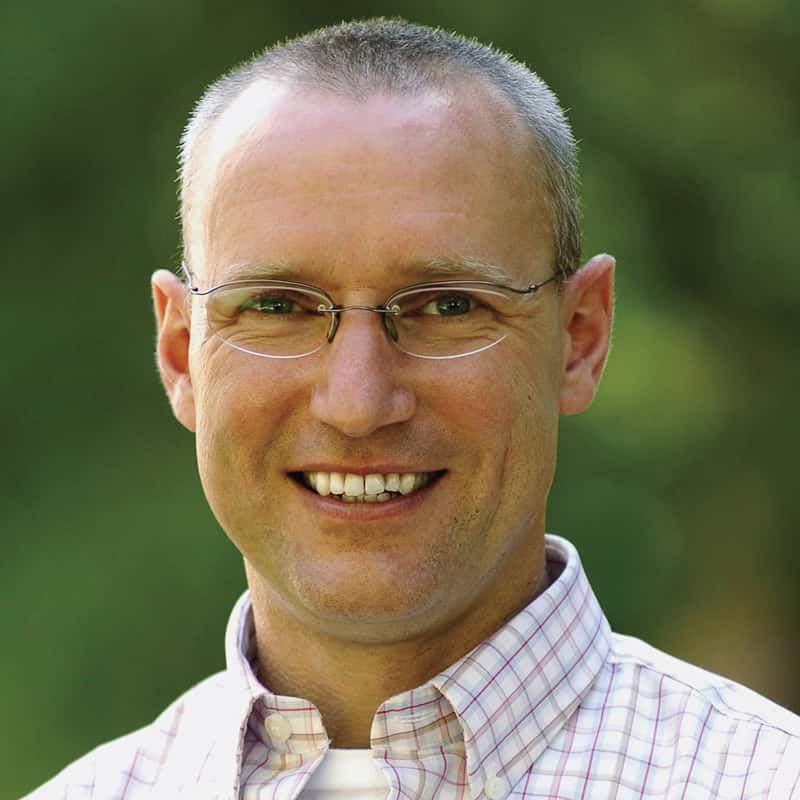
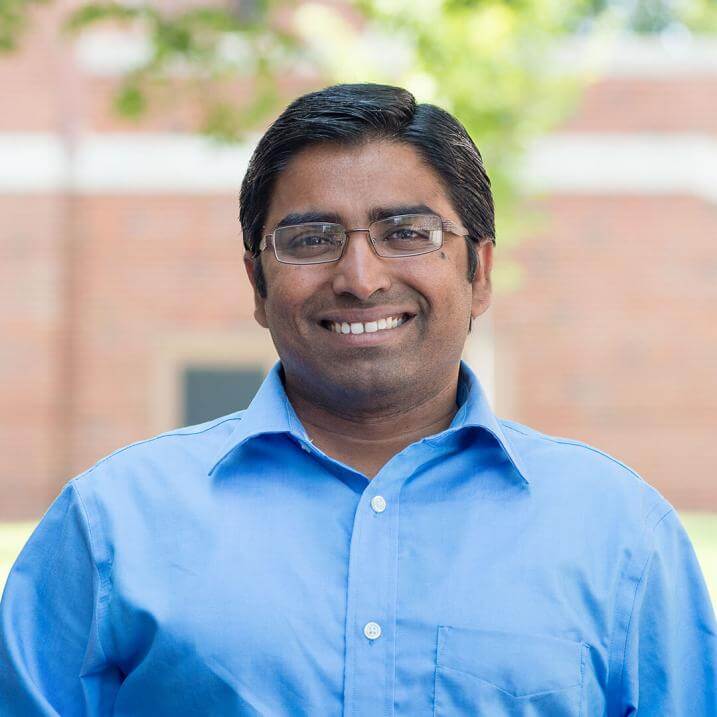
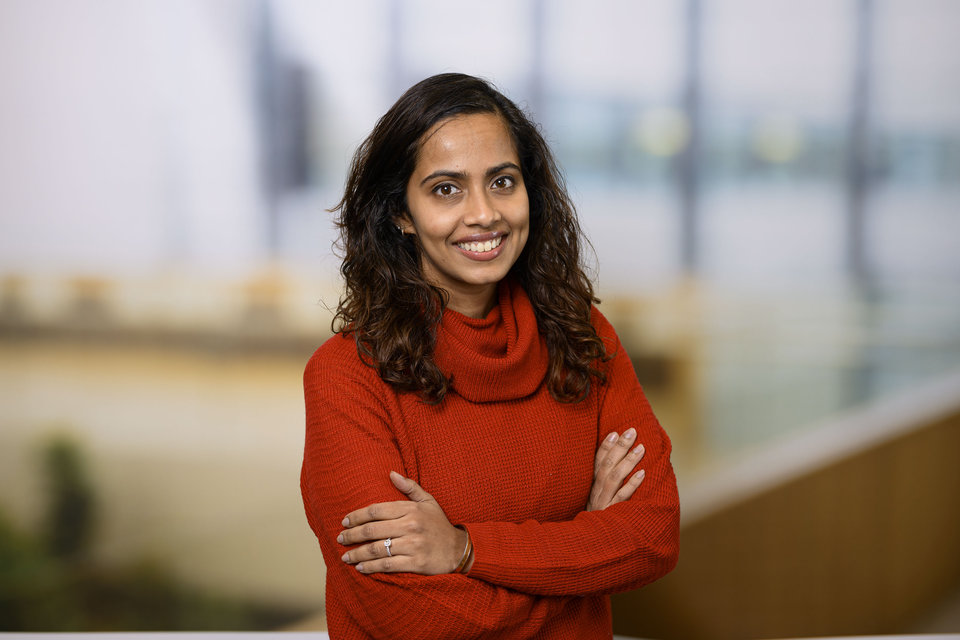
Dr. Praneet Prakash is a Researcher in the Department of Applied Mathematics and Theoretical Physics at the University of Cambridge, working under Prof. Raymond Goldstein. His research focuses on interdisciplinary approaches combining microfluidics, microscopy, and theoretical physics to study biological systems. Key areas include microbial motility, active matter dynamics, and the interplay between physics and living systems. He utilizes experimental techniques such as microfluidics and advanced microscopy to investigate phenomena like bacterial swimming, nutrient exchange in microbial communities, and growth oscillations in filamentous fungi. His work bridges Soft Matter Physics, Statistical Mechanics, and Biophysics, with applications ranging from understanding microorganism behavior to developing biosensor technologies. Recent studies explore phototactic algae behavior, ciliary surface interactions in animalcules, and adaptive motility in marine microorganisms. Publications highlight contributions to microbial ecology, active matter systems, and biophysical modeling. While no formal awards are listed, his research has been published in high-impact journals like Journal of the Royal Society Interface and Physical Review Fluids . He is affiliated with the Biological Physics and Mechanics research group and maintains an active presence on academic platforms like Twitter and LinkedIn.
Jörg Bohlmann is a Professor in the Department of Forest and Conservation Sciences at the University of British Columbia , affiliated with the Michael Smith Laboratories, Botany Department (Faculty of Science), and Wine Research Centre. His research spans genomics, biochemistry, and chemical ecology of plant specialized metabolism, focusing on terpenoids and phenolics for applications in forest health and bioproducts. Research Streams : Plant defense against insects/pathogens, metabolic engineering of bioproducts, forest genomics, and molecular evolution of terpenoid pathways. Collaborations : National and international partnerships with academia, government, and biotech industries. Recent Publications highlight genomic insights into Western Redcedar (2023), including its low genetic diversity and adaptation mechanisms despite self-fertilization. Earlier work (2001–2022) covers conifer defense systems, Arabidopsis terpenoid pathways, cannabis flavor genetics, and mass spectrometry infrastructure. Scientific Awards include: NSERC E.W.R. Steacie Fellow (2015), Fellow of the Royal Society of Canada (2015), Feodor Lynen Postdoctoral Fellowship (1995–1998), and Distinguished University Scholar (UBC). Funding Sources : NSERC (Discovery/Strategic grants), CFI, Genome Canada/BC, provincial/federal agencies. Labs & Facilities : Michael Smith Laboratories (UBC), National Centre of Excellence, Forest Sciences Centre, and a dedicated mass spectrometry lab for metabolite analysis.
Thomas R Overton serves as Department Chair and Professor of Dairy Nutrition and Management in the Department of Animal Science at Cornell University's College of Agriculture and Life Sciences (CALS). He also directs PRO-DAIRY, an extension program focused on enhancing dairy farm profitability and efficiency in New York through research-based strategies for transition cow management. Education: Doctorate, University of Illinois, 1998 Master of Science, University of Illinois, 1994 Bachelor of Science, Cornell University, 1991 Dr. Overton's research centers on the transition period (late pregnancy to early lactation) in dairy cows—the most critical phase for health and productivity. His work integrates nutritional physiology with practical farm applications, targeting hypocalcemia management, protein supplementation strategies, inflammation control, and biomarker validation for metabolic health. This research directly informs his extension efforts through PRO-DAIRY, which delivers actionable knowledge to dairy producers and industry professionals. Analysis of his 15 most recent publications (2022-2024) reveals consistent emphasis on transition cow nutrition, with growing focus on metabolic analytics, precision feeding, and real-world herd management. His work bridges controlled studies at Cornell's Ruminant Center with observational research on commercial New York dairy farms. Scientific Awards: 2024 Nutrition Professionals Applied Dairy Research Award (American Dairy Science Association) 2010 CALS Extension/Outreach Team Award (PRO-DAIRY) 2007 Foundation Scholar Award (American Dairy Science Association) 2007 CALS Extension/Outreach Team Award Dr. Overton advises undergraduate and graduate students in Animal Science while leading PRO-DAIRY's extension initiatives. His program secures industry partnerships and grants focused on improving dairy farm sustainability through nutritional science. The July 2025 'Farm of the Future' showcase at Cornell's Ruminant Center exemplifies his commitment to translating research into practical innovation. He operates within Cornell's PRO-DAIRY program and the Cornell University Ruminant Center—a living laboratory for dairy technology testing—collaborating closely with industry stakeholders to address emerging challenges in dairy production.
Prof. Senthold Asseng is a Professor of Digital Agriculture at the Technical University of Munich (TUM), leading the Hans Eisenmann Forum for Agricultural Sciences since 2021. His research focuses on climate-plant-soil systems modeling, addressing global food security, sustainable agriculture, and digital technologies like vertical farming and autonomous robotics. He holds a PhD from Humboldt University Berlin and habilitation from TUM, with prior roles at CSIRO Australia and the University of Florida (as Full Professor and Director of the Florida Climate Institute). His honors include AAAS Fellow, Web of Science Highly Cited Researcher, and multiple teaching/mentorship awards. Education: BSc/MSc in Agronomy & Horticulture, Humboldt University Berlin (1989-1990) PhD in Agronomy, Humboldt University Berlin (1994) Habilitation in Agronomy, TUM (2004) Research Interests: Climate change impacts on crops, digital agriculture technologies, systems analysis for autonomous farming, and vertical farming sustainability. His work integrates modeling, robotics, and environmental control to enhance agricultural resilience and productivity. Awards: AAAS Fellow (2019) Highly Cited Researcher (2019) UF Research Foundation Professor (2016-2019) Grants & Leadership: Led interdisciplinary projects like AgMIP-Wheat, SECC, and FAO advisory roles. Active in editorial roles for journals like Global Change Biology and Environmental Research Letters . Labs/Teams: Chair of Digital Agriculture at TUM, collaborating on projects like Smartfield and Proteins4Singapore , focusing on automation, controlled environment agriculture, and climate-smart solutions.
Charles F. Harvey is a Professor in the Department of Civil and Environmental Engineering at the Massachusetts Institute of Technology (MIT), where he investigates hydrology, carbon cycling, and groundwater contamination. His work spans tropical peatlands, arsenic pollution in South Asia, and coastal groundwater dynamics, with field sites in Borneo, Bangladesh, and Vietnam. Education: B.A. in Mathematics (Oberlin College, 1986), M.S. in Applied Earth Science (Stanford University, 1992), Ph.D. in Geological and Environmental Sciences (Stanford University, 1996). Harvey’s research focuses on hydrogeology , carbon sequestration , and contaminant transport . He explores how groundwater flow and biogeochemical processes interact in tropical peatlands and coastal systems, with significant implications for climate change and water security. His recent publications emphasize tropical peatland hydrology , arsenic mobilization , and coastal groundwater exchange , integrating field experiments, remote sensing, and computational models. Scientific Awards AGU Fellow GSA Fellow Meinzer Award (GSA) Prince Sultan bin Abdulaziz International Prize for Water M. King Hubbert Award for Hydrology NSF Young Investigator Award Harvey leads the Harvey Lab , mentoring students and researchers in projects ranging from groundwater arsenic mitigation to coastal marsh biogeochemistry . His work bridges terrestrial and marine systems , addressing critical planetary challenges.
Mary K. Firestone is Professor of the Graduate School in the Department of Environmental Science, Policy and Management at UC Berkeley. Her research revolutionized understanding of soil microbial processes, particularly oak regeneration techniques and microbial mediation of carbon/nitrogen cycling in terrestrial ecosystems. Firestone's work examines microbial responses to environmental change, including drought, rewetting, and warming scenarios. Her lab develops innovative methods like quantitative stable isotope probing (qSIP) to trace microbial activity in complex soil environments. Research spans grassland, rangeland, and agricultural ecosystems. Honors include election to the National Academy of Sciences (2017), Soil Ecology Society Career Achievement Award (2017), and American Geophysical Union Fellowship (2016). She holds the Betty and Isaac Barshad Chair in Soil Sciences. Current PhD candidates and postdoctoral researchers in the Firestone Lab investigate viral-bacterial interactions in soil, mycorrhizal carbon transfer, and drought impacts on soil carbon persistence. Field studies at California's Hopland Research Center examine grassland responses to climate variability.
Dr. V.M. (Bala) Balasubramaniam is a Professor in the Department of Food Science and Technology at The Ohio State University. He holds editorial roles in food engineering journals and is a Fellow of IFT and IUFoST. His research focuses on clean food manufacturing technologies, particularly high-pressure and nonthermal methods, emphasizing microbial inactivation and nutrient preservation. He teaches unit operations in food engineering and contributes to industry via short courses and pilot plant demonstrations. Education: B.S. (Tamil Nadu Agricultural University), M.S. (Asian Institute of Technology), Ph.D. (Ohio State University). Research Interests: Thermal/nonthermal processing, food safety/quality modeling, and innovative applications of high-pressure technologies. Recent work includes ultra-shear technology development and superheated steam sanitation. Over 100 scientific papers, 20 book chapters, and co-edited books on high-pressure processing. Awards include the 2021 IFT Research & Development Award and 2017 Calvert L. Willey Award. Advising: Supervises graduate students like Liz Astorga Oquendo and Shruthy Seshadrinathan. Industrial outreach includes a USDA consortium for ultra-shear commercialization. Labs/teams focus on pilot-scale equipment testing and microbial efficacy studies.
Prof. Dr. Stefanie Hellweg serves as a Full Professor for Ecological Systems Design at the ETH Zürich , Department of Civil, Environmental and Geomatic Engineering. She is Deputy Head of the Institute of Environmental Engineering and leads groundbreaking research at the intersection of industrial ecology, life cycle assessment, and circular economy systems. PhD in Environmental Engineering (ETH Zürich, 2000) Industrial Engineering Degree (Karlsruhe University, 1996) Her research develops advanced methodologies for environmental impact assessment of products and technologies, focusing on: Life Cycle Assessment (LCA) with correlated uncertainty modeling Circular economy implementation in chemical and energy sectors Industrial symbiosis optimization for heat and nutrient flows Urban wastewater systems redesign for resource recovery Chemical pollution analysis in plastic materials Key publication trends reveal expertise in: Hybrid wastewater treatment systems Energy-efficient greenhouse cultivation Exergy analysis for sustainability metrics Machine learning applications in environmental modeling Policy-relevant industrial ecology studies She actively participates in global sustainability initiatives as: President of the International Society of Industrial Ecology (ISIE) Member of UN Environment's International Resource Panel Editorial board member for leading environmental journals
Dr. Yunfei Jiang is an Assistant Professor in the Department of Plant, Food, and Environmental Sciences at Dalhousie University's Faculty of Agriculture. Her research focuses on improving crop resilience to climate change and sustainable agronomic practices in Atlantic Canada, with expertise in agronomy, crop physiology, and environmental stress responses. She holds a Ph.D. in Plant Science from the University of Saskatchewan (2017), an M.Sc. from Dalhousie University (2013), and a B.Sc. in Horticulture from Fujian Agriculture and Forestry University (2010). Her research includes evaluating enhanced efficiency fertilizers, biochar, and intercropping systems to enhance soil health and crop yields. She teaches courses such as AGRN2001 (Cereal-Based Cropping Systems) and PLSC2001 (Plant Propagation Techniques). Funding and awards details, along with her graduate students' projects, are available on her lab website at jiangdal.ca . Dr. Jiang is affiliated with professional organizations including the Nova Scotia Institute of Agrologists and the American Society of Agronomy. Her lab, the Agronomy and Crop Physiology (ACP) Lab, emphasizes sustainable agriculture and crop adaptation to environmental challenges. Contact her via email at yunfei.jiang@dal.ca or visit her lab's address: PO Box 550, Truro, NS B2N 5E3.
Du Changwen is a Researcher (Professor) at the Nanjing Institute of Soil Science, Chinese Academy of Sciences, serving as Deputy Director of the National Engineering Laboratory for Soil Nutrient Management. He supervises doctoral and master's students in soil science and agricultural technology development. His academic journey includes: Bachelor's degree from Huazhong Agricultural University's College of Resources and Environmental Science (1997) Master's degree from Huazhong Agricultural University's Trace Element Laboratory (2000) PhD from Nanjing Institute of Soil Science, Chinese Academy of Sciences (joint program with Technion - Israel Institute of Technology) (2003) Dr. Du's pioneering research focuses on precision fertilization technologies, particularly polymer-coated controlled-release fertilizers developed through model membrane and water-based reaction film-forming techniques. His work integrates Fourier Transform Infrared spectroscopy (ATR and PAS modes) with engineering mathematics to monitor nutrient release dynamics, soil chemistry processes, and plant nutrition in real-time. This interdisciplinary approach bridges agricultural chemistry, materials science, and environmental engineering to optimize fertilizer efficiency while minimizing ecological impact. Analysis of his 2015-2017 publications reveals a consistent emphasis on spectroscopic methods for soil-plant system analysis, with dominant themes in controlled-release fertilizer development, soil organic matter characterization, and in-situ nutrient monitoring. His work demonstrates strong cross-disciplinary integration between agricultural technology, analytical chemistry, and environmental science. His scientific recognition includes: Special Award of the First China Agricultural Science and Technology Innovation and Entrepreneurship Competition First Prize of Jiangsu Science and Technology Award First Jiangsu Youth Entrepreneurship Award Second Prize of Chinese Academy of Sciences Science and Technology Contribution Award First Prize of China Agricultural Science and Technology Award Dr. Du has secured major research funding including National Natural Science Foundation projects (key, general, youth), National '973' Basic Research Program, '13th Five-Year' R&D Plan sub-projects, '863' High-tech Program sub-projects, and Jiangsu Provincial Science and Technology Support Plan initiatives. His leadership in the National Engineering Laboratory for Soil Nutrient Management drives innovation in fertilizer technology, with significant outputs including 198 academic papers (89 SCI, 35 EI), 6 monographs, 1 international patent, 8 national patents, and 2 software copyrights. His laboratory specializes in advanced spectral analysis of soil-plant systems, utilizing FTIR-ATR and FTIR-PAS technologies for real-time monitoring of nutrient dynamics and polymer membrane reactions. Current research focuses on next-generation controlled-release fertilizers, machine learning-enhanced spectral analysis, and precision nutrient management systems for sustainable agriculture.
Chao Wang is an Associate Professor at the Department of Chemical and Biomolecular Engineering within the Whiting School of Engineering at Johns Hopkins University. He also serves as the Director of the Nano Energy Laboratory and the department’s Master’s Admissions Director. His research focuses on sustainable energy systems and nanomaterials for CO2 capture and conversion, electrocatalysis, thermocatalysis, and green chemical engineering. Education: Bachelor’s degree, University of Science and Technology of China (2004) Doctorate, Brown University (2009) Wang’s research targets efficient energy conversion and storage via nanomaterials with tailored atomic structures, emphasizing catalytic activity, selectivity, and stability. His group explores electrochemical and thermochemical processes for reduced carbon footprints, including CO2 and methane conversion, ammonia recovery, and phosphorus/nitrogen nutrient recycling using zeolite-based systems. Recent publications (2021–2024) highlight his work in high-entropy alloys, solid-state battery materials, CO2 electroreduction, and biomedical nanotechnologies. Collaborative efforts span catalysis, nanoparticle dynamics, and environmental applications. Grants include a $1M DOE award for multi-university research, a $625K DOE grant for electrified transportation systems, and $3M in startup funding for carbon-removal technology commercialization. Alumni under his mentorship include Ph.D. graduates like Michael J. Manto (2018) and Master’s students like Mitchell Keller (2018), with notable achievements in catalyst development for ammonia/phosphorus recovery and industry placements at Grace & Co. and GEA Engineering.
Dr. Appala Raju Badireddy is an Associate Professor in the Department of Civil and Environmental Engineering at the University of Vermont (UVM), and Director of the Water Treatment & Environmental Nanotechnology (WTEN) Laboratory. He is also co-founder and CTO of Secure Surgical Solutions LLC, and a founding member of Vermont Initiative for Biological and Environmental Surveillance (VIBES). His research focuses on sustainable membrane processes, environmental nanotechnology, nanometrology, and water security. Education: Ph.D., Environmental Engineering, University of Houston (2003-2009) M.Tech., Chemical Engineering, Indian Institute of Technology Madras (2001-2003) B.Tech., Chemical Engineering, Jawaharlal Nehru Technological University Hyderabad (1997-2001) Postdoctoral Research, Duke University (2009-2014) under Prof. Mark Wiesner Research Interests: Sustainable Membrane Processes: Water/wastewater treatment, desalination, anti-fouling strategies, and resource recovery. Environmental Nanotechnology: Nano-enabled sensors, remediation, and implications of nanomaterials in ecosystems. Environmental Chemodynamics: PFAS fate/transport, nutrient cycling, and contaminant toxicity. Water Security: Real-time monitoring systems and soil health assessments. His work integrates lab-scale innovations with field applications, emphasizing interdisciplinary collaboration. Recent Research Trends: Recent publications highlight advancements in PFAS remediation, electric-field enhanced filtration, and living lab approaches to precision agriculture. He explores nanomaterials for water treatment while addressing their environmental implications through novel detection methods like ED-HSI microscopy. Labs & Initiatives: WTEN Lab: Focuses on nanotechnology-driven water solutions. VIBES: Develops environmental surveillance tools for public health. Secure Surgical Solutions: Applies nanotechnology to medical devices.
Andy Ball is a Distinguished Professor in the School of Science at RMIT University, specializing in environmental microbiology and biotechnology. He leads the ARC Training Centre for the Transformation of Australia’s Biosolids Resource and has held key roles at institutions including the University of Essex and Flinders University. His research focuses on bioremediation, organic waste treatment, and environmental pollution solutions, with over 300 peer-reviewed publications and significant industry collaboration. Andy's academic career spans 30 years, with roles such as Director of the Centre for Environment and Society at Essex and Director of Flinders Bioremediation. He has attracted >$22M in research grants, particularly in applied environmental microbiology. His awards include the Royal Society of Victoria Medal (2021) and RMIT Research Excellence Award (2018). Research interests emphasize sustainable remediation of contaminated environments, leveraging microbial ecology and biotechnology. His teaching spans environmental science and biotechnology programs at RMIT. Andy advises on projects addressing bioremediation, bioenergy, and pathogen survival, with active collaborations with industries like Shell and Melbourne Water.
Samarpita Roy is an Assistant Professor at TU Delft's Faculty of Applied Sciences, leading the Environmental Biotechnology department's Samarpita Roy Group. Her research focuses on microbial ecology in engineered bioprocesses, integrating metagenomics and quantitative physiology to study microbial metabolisms and community interactions. Key projects include exploring phototrophic and polyphosphate-accumulating organisms in wastewater treatment for nutrient/resource recovery. She actively seeks industrial collaborations and is hiring PhD candidates in metagenomics/microbial ecology. Research emphasizes understanding microbial community dynamics under fluctuating conditions, developing sequencing/data analysis workflows, and applying findings to enhance bioprocess efficiency. Her work aims to advance circular bioeconomy solutions through innovative biotechnology approaches.
Dr. Laura L. Van Eerd is a Professor of Sustainable Soil Management at the University of Guelph Ridgetown Campus, affiliated with the School of Environmental Sciences. Her research focuses on biogeochemical cycling of nitrogen and carbon in agroecosystems, emphasizing cover crops, soil health, and sustainable agriculture. She holds a BSc (Env), MSc, and PhD from the University of Guelph. Her research addresses: (1) cover crop roles in soil health and productivity, (2) nitrogen use efficiency, and (3) mitigating environmental impacts of agricultural practices. Current projects include cover crop nitrogen losses, remote sensing for crop nitrogen deficiency, and pest control product environmental impacts. She has published over 50 peer-reviewed articles, including the 2018 Best Paper in the Canadian Journal of Plant Science. Education: BSc (Environmental Science), University of Guelph MSc, University of Guelph PhD, University of Guelph Her awards include recognition as one of Canada’s Influential Women in Agriculture (2020), the Dr. Ron Pitblado Teaching Excellence Award (2016), and the OAC Distinguished Extension Award (2011). Her work bridges research, teaching, and extension to support Ontario’s agricultural sector. Advising and grants: Laura leads research teams at Ridgetown Campus, focusing on vegetable production systems and sustainable soil management. Her grants include funding for cover crop nitrogen dynamics and soil health indicator studies. Labs/teams: Active in Ridgetown Campus’s agricultural research initiatives, collaborating with growers and government to develop practical solutions for soil health and environmental sustainability.