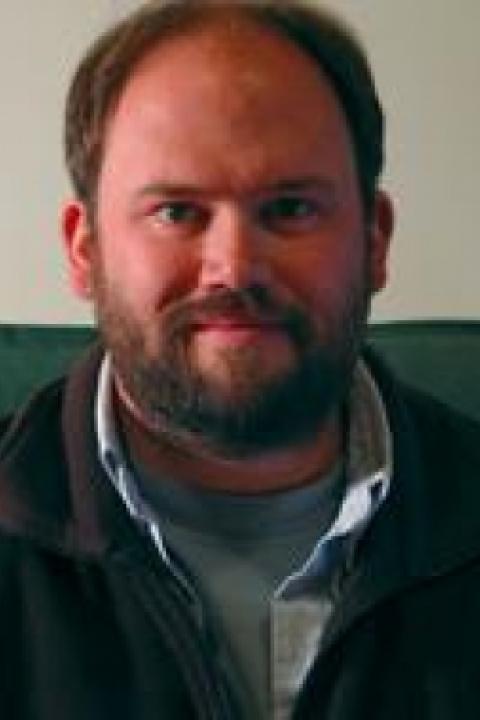
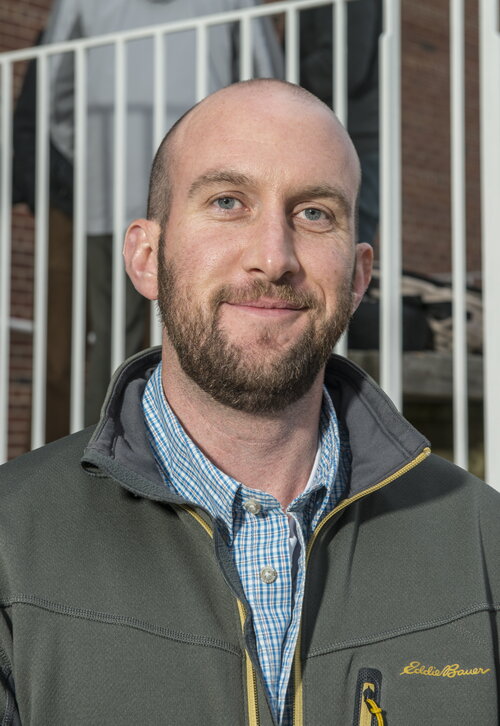
James Pringle is an Associate Professor in the Department of Earth Sciences at the University of New Hampshire. His research bridges physical oceanography, population genetics, and marine ecology, focusing on dispersal mechanisms, biogeographic patterns, and climate change impacts on coastal systems. Education: Ph.D. in Oceanography (Chemical & Physical) from MIT-WHOI Joint Program, B.S. in Physics from Dartmouth College. His work spans theoretical and applied studies, including asymmetric dispersal dynamics , genetic diversity in marine species , and coastal fluid mechanics . Recent articles highlight global dispersal climatologies, coral range expansion under climate change, and larval transport sensitivity in advective environments. Grants from the National Science Foundation (NSF) and other institutions fund his research on larval dispersal quantification ( 2020–2025 ), basin-scale ocean forcing ( 2015–2021 ), and biogeographic modeling ( 2010–2015 ).
Professor Matthias Liess is a leading aquatic ecologist at the Helmholtz Centre for Environmental Research (UFZ) in Leipzig, Germany, where he heads the "Chemicals in the environment" research team. With over two decades of research experience, his work focuses on understanding how pollutants and other stressors impact aquatic ecosystems, with particular emphasis on pesticide effects in stream environments. Dr. Liess's research program centers on developing innovative approaches to assess and mitigate environmental risks from chemical contaminants. His most notable contributions include: The SPEAR (Species At Risk) indicator system for identifying ecological impacts of pesticides in flowing waters The SAM (Stressor Addition Model) approach for predicting combined effects of multiple stressors Applications of the One Health approach to develop tools for reducing mosquito and schistosomiasis vector populations His research spans multiple disciplines within environmental science, with particular strength in ecotoxicology, stream ecology, and risk assessment methodologies. A unifying theme across his work is improving the scientific basis for regulatory risk assessment of pesticides and other environmental contaminants. Analysis of Professor Liess's recent publications reveals a strong focus on multiple stressor interactions, with increasing attention to real-world exposure scenarios including pesticide mixtures, sequential exposures, and interactions with other environmental stressors like temperature changes and food limitation. His work increasingly bridges ecological research with human health concerns, particularly through the One Health framework connecting environmental contamination with disease vector dynamics. Professor Liess has received recognition through numerous scientific collaborations and contributions to major research initiatives, including multiple EU-funded projects focused on environmental risk assessment and chemical safety. His research group actively mentors students and collaborates with international partners across Europe, Africa, and beyond, with recent work focusing on pesticide impacts in both German and East African waterways. The team employs a combination of field studies, mesocosm experiments, and advanced modeling approaches to address complex environmental questions.
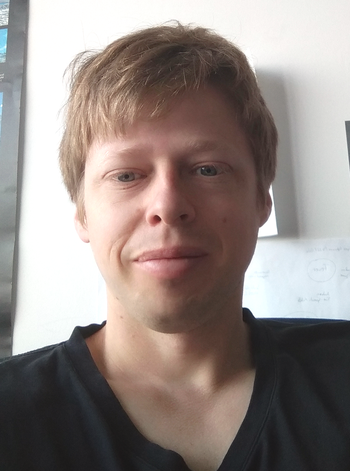
María Teresa García Marco is a Professor in the Department of Business Management at the Public University of Navarra, where she conducts research through the INARBE Institute for Advanced Research in Business and Economics. Her academic career spans over two decades since earning her PhD in Economics from Carlos III University of Madrid in 1996. Her research interests focus on innovation management, with particular expertise in open innovation strategies, corporate social responsibility integration, and organizational dynamics in business contexts. She examines how firms can leverage R&D team diversity, strategic partnerships, and environmental factors to enhance innovation performance across various industries and institutional settings. Analysis of her recent publications reveals a strong trend toward examining the intersection of sustainability practices and innovation performance, with increasing attention to how institutional contexts shape business responses to environmental challenges. Her work bridges theoretical frameworks with practical business applications, particularly in family firms and Latin American markets. Finalista Premio General ACEDE 2018 Premio al mejor poster: Profiting from Open Innovation: an Exploratory Research (2015) Best Paper Student Award: Technological innovation efficiency; measurement and effects on firm performance (2011) As a supervisor, she has guided numerous doctoral students to completion and currently serves as Principal Investigator on multiple research projects including 'Gestionando personas para organizaciones sostenibles e innovadoras' (2021-2026) and 'Factores impulsores de la adopción de la innovación medioambiental' (2022-2025), which together represent significant research funding from the Spanish Ministry of Science and Innovation. She actively participates in the INARBE research institute, contributing to its mission of advancing business and economic research with practical applications.
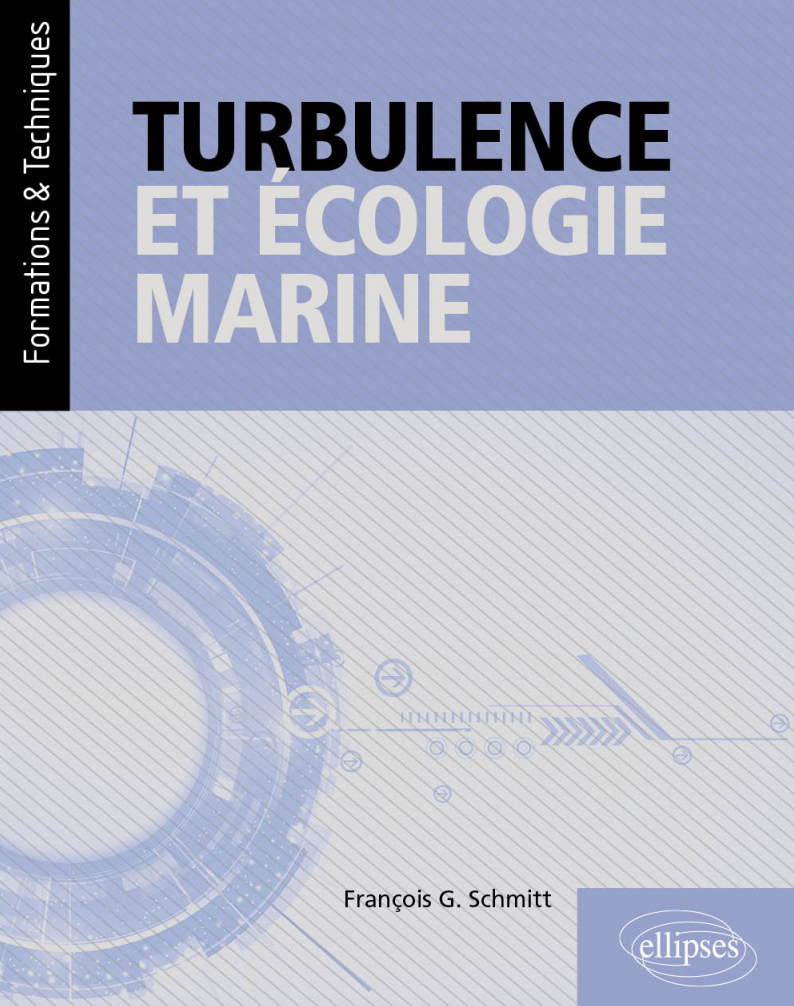
François G Schmitt is a Researcher at CNRS , focusing on turbulence and its applications in oceanography, astrophysics, and interdisciplinary science. His work spans: Turbulence modeling and multifractal analysis Physics-biology couplings in marine ecosystems Scaling processes in environmental systems Renewable energy applications Key research highlights include: 2024 study revealing Van Gogh's Starry Night contains scientifically accurate turbulence patterns 2022 papers on reactive scalars in turbulence and copepod behavior 2020 textbook Turbulence et Ecologie Marine His recent publications (2021-2024) demonstrate expertise in fluid dynamics, ecological modeling, and astrophysical turbulence. He advised PhD candidate Wenwei Wu (2021) and co-organized special issues on air-sea interactions. No scientific awards or part-time positions are documented.
Scott P McRobert is a Professor in the Department of Biology at Saint Joseph's University. His academic career spans several decades, with a focus on animal behavior, ecology, and evolutionary biology. He maintains an active research laboratory and oversees the Biodiversity Laboratory, which houses numerous rare, exotic, and endangered species. BS (1977) in Biology, Juniata College, Huntingdon, PA MA in Biology (1983), Temple University, Philadelphia, PA PhD Genetics (1987), Temple University, Philadelphia, PA Dr. McRobert's research focuses on the genetic, ecological, and evolutionary aspects of animal behavior. His work primarily utilizes pomace flies (genus Drosophila ), fish, turtles, and frogs, with significant emphasis on understanding the biology of endangered species. His specific areas of investigation include animal communication, reproductive behavior, shoaling dynamics, and conservation biology. Much of his work has practical applications for wildlife management and conservation efforts, particularly with threatened turtle species. An analysis of Dr. McRobert's recent publications reveals a strong interdisciplinary approach spanning multiple biological disciplines. His work consistently bridges fundamental behavioral research with conservation applications, particularly in herpetology. The publications demonstrate expertise in both laboratory-based studies of model organisms like Drosophila and zebrafish, as well as field studies of wild turtle populations. A notable trend is the integration of educational technology with behavioral research, exemplified by tools like "Fish Cam" for classroom use. Dr. McRobert actively mentors students through research projects in the Biodiversity Laboratory. Current projects include investigating the effects of sleep deprivation on Drosophila melanogaster , factors influencing shoaling behavior in fish, the effects of water quality parameters on amphibian metamorphosis, and assurance colony studies on endangered turtles. These projects provide hands-on research opportunities for undergraduate and graduate students. Dr. McRobert oversees the Biodiversity Laboratory, which serves as both a research facility and a conservation resource. The laboratory houses large numbers of rare, exotic, and endangered species, supporting both scientific research and conservation efforts. This unique facility enables long-term studies of species biology and behavior that would not be possible with wild populations alone.
Dr. Caitlin Moore is a Senior Lecturer at the School of Agriculture and Environment at The University of Western Australia (UWA), where she conducts research at the intersection of ecosystem processes, climate change, and sustainable agriculture. Her work focuses on understanding how native and managed ecosystems respond to environmental stressors through advanced measurement and modeling techniques, with particular emphasis on Western Australian ecosystems. Education: PhD in Environmental Science from Monash University (Australia), focusing on tropical savanna productivity Honours Degree of Bachelor of Science in Geographical Science from Monash University Bachelor of Science in Geography and Environmental Science Dr. Moore's research centers on ecosystem processes across multiple scales, from leaf to landscape. She employs sophisticated measurement techniques including leaf gas exchange, eddy covariance, micrometeorological observations, and hyperspectral sensing (LIDAR, sun-induced chlorophyll fluorescence) to monitor ecosystem dynamics. Her work addresses critical challenges in native ecosystem monitoring, bioenergy sustainability, food security through high-throughput phenotyping, and tropical savanna ecology. She has established herself as a leading researcher in understanding how ecosystems respond to climate variability and stress through integrated measurement and modeling approaches. Analysis of her recent publications reveals a strong focus on climate change impacts, bioenergy crop sustainability, and advanced measurement techniques. Her work spans ecosystem monitoring in Western Australia, carbon dynamics in bioenergy systems, and innovative approaches to measuring photosynthesis and vegetation responses to environmental stress. The research demonstrates increasing integration of remote sensing technologies with ground-based measurements to understand ecosystem responses at multiple scales. Scientific Recognition: School of Agriculture and Environment Mid-Career Research Award (2022) Dr. Moore actively secures research funding through multiple significant grants, including projects with the ZNE-Ag CRC, Department of Industry, Science and Resources, and Western Australian government funding. She serves as an investigator on numerous active research projects totaling millions in funding, with research spanning from 2024 to 2033. Her external roles include Regional Ambassador for the Terrestrial Ecosystem Research Network, Regional ECR Ambassador for the Fluxnet Community Council, and Communications Officer for OzFlux. She has supervised multiple research students and contributes significantly to national research infrastructure through her work with TERN (Terrestrial Ecosystem Research Network). Dr. Moore leads research within UWA's Centre for Water and Spatial Science and is actively involved with the Leverhulme Centre for Climate Change Mitigation as a Collaborator. Her work connects with multiple research networks including OzFlux, Fluxnet, and the Terrestrial Ecosystem Research Network, positioning her at the forefront of ecosystem monitoring and climate change research in Australia and internationally.
Karl Schneider serves as a Researcher in the Department of Meteorology and Atmospheric Science within the College of Earth and Mineral Sciences at The Pennsylvania State University. His office is located in 619 Walker Building, and he maintains active academic engagement through his research role. His expertise centers on atmospheric science and meteorology, with specialized focus on weather modeling, climate science, and atmospheric dynamics. These research areas address critical challenges in understanding complex atmospheric systems and improving predictive capabilities for weather phenomena. His work contributes significantly to the department's mission of advancing earth and atmospheric sciences through rigorous scientific inquiry. As a core research member, Schneider collaborates within the department's academic ecosystem, leveraging institutional resources like the EMS Energy Institute and Earth and Environmental Systems Institute. His position supports the college's strategic initiatives in sustainability and environmental research while advancing foundational knowledge in meteorological sciences.
Prof. Dr. Fabian Fassnacht holds the Professorship for Remote Sensing and Geoinformatics at the Institute of Geographical Sciences, Freie Universität Berlin. His research focuses on applying remote sensing technologies to understand ecological patterns and processes in vegetation ecosystems, particularly forest systems and urban trees. He specializes in developing workflows for quantifying forest attributes and creating synthetic remote sensing data to improve ecological understanding and monitoring. Education: PhD in Forestry Sciences (University of Freiburg, 2010-2014) Key Projects: FORZA (forest decline analysis), INSANE (spatial forest products), ErWiN (wildfire dynamics), SYSSIFOSS (synthetic forest data), SaMovar (invasive species monitoring) Research Focus: Multi-scale vegetation monitoring, 3D forest modeling, upscaling ecological processes, and wildfire risk assessment using LiDAR and UAV technologies His work addresses critical challenges in remote sensing applications across diverse ecosystems, including semi-arid forests and temperate woodlands. He has coordinated numerous research initiatives funded by BMBF, DAAD, DFG, and other international agencies. Current efforts involve integrating deep learning with traditional remote sensing methods to enhance forest inventory models and ecological assessments.
Cemile ARIKOĞLU ÜNDÜCÜ serves as Professor at Trakya University's Faculty of Economics and Administrative Sciences, Department of Political Science and Public Administration since 2023. She concurrently holds multiple administrative roles including Dean of the Faculty of Economics and Administrative Sciences (since July 2025), President of the Social and Human Sciences Research Ethics Board, and Director of Uzunköprü Vocational School. Her educational background includes a PhD in Public Administration from Dokuz Eylül University (2010), Master's (2003) and Bachelor's (2000) degrees from Trakya University. Her academic progression shows promotion from Research Assistant (2002) to Assistant Professor (2011), Associate Professor (2017), and full Professor (2023). Her research spans Turkish foreign policy with focus on Cyprus, gender studies examining violence against women and political representation, European Union integration processes, and terrorism studies. She has extensively analyzed political parties' structures, particularly women's branches, and contributed to understanding Balkan Turkish communities. Her publication portfolio demonstrates evolving focus from early work on international systems and terrorism toward contemporary gender policy and EU-Turkey relations. Recent publications (2021-2024) address pandemic-era counterterrorism, Cyprus policy, and disaster management coordination systems. She has supervised numerous graduate theses on topics including East Turkestan, parliamentary functionality post-2017 referendum, separatist terrorism, and Balkan women's history. Her administrative leadership includes directing the Women and Family Studies Application and Research Center (2018-2020) and currently serving on multiple university governance boards. Her teaching portfolio includes doctoral courses on Turkish foreign policy and political parties, alongside undergraduate courses in political systems, party politics, and Turkish social structure. She actively participates in national and international academic associations including the Turkish Political Science Association and Balkan Research Institute.
Piero LIONELLO is a Full Professor in Atmospheric Physics and Oceanography at the University of Salento, where he leads research in regional and global climate dynamics, extreme weather events, and marine climate change impacts. He serves as president of the MedCLIVAR network, director of the Master’s program in Meteorology and Physical Oceanography, director of the Environmental Museum (MAUS), and editorial board member of Natural Hazards and Earth System Science . With a career spanning institutions like MIT, MPI für Meteorologie, and ECMWF, he has focused on Mediterranean climate vulnerability since the 1980s. Research Leadership: Specializing in regional climate modeling, synoptic climatology, and coastal oceanography, he has coordinated the Climate Change Science PhD program and contributed to IPCC AR6 and MedECC reports. Projects: Participated in international initiatives (CIRCE, RISES-AM, SOCLIMPACT) and Italian programs, including MedCLIVAR and MEDECC steering group. Publications: Authored over 100 SCOPUS/Web of Science papers, his work spans high-resolution climate modeling, statistical downscaling, and interdisciplinary studies linking climate to agriculture, ecosystems, and coastal management. Notable contributions include analyses of Mediterranean sea level rise, cyclone variability, and operational oceanography applications for Venetian storm surge prediction. Awards: North-South Award (Council of Europe, 2020) Stanford’s Top 2% Scientists (2020) Education & Teaching: Graduated magna cum laude in Physics (1984). Currently teaches Climate Dynamics and Monitoring and Weather Forecasts and Climate Risks to Master’s students, with courses covering climate system components, energy budgets, teleconnections, and climate-impact modeling.
Professor Brian F Allan is a faculty member at the University of Illinois at Urbana-Champaign , serving as Professor of Entomology and Associate Director for Academic Affairs in the School of Integrative Biology. He is further affiliated with the Carl R. Woese Institute for Genomic Biology , the National Center for Supercomputing Applications (NCSA) , the Center for Latin American and Caribbean Studies , and the Center for African Studies . Education: PhD, 2009, Washington University in St. Louis Research Interests: Professor Allan’s research program investigates the ecology of infectious diseases , with a particular emphasis on vector-borne pathogens transmitted by ticks and mosquitoes. His work explores how climate change and human land-use alter wildlife communities and, consequently, the risk of human exposure to parasites and pathogens. Integrating molecular techniques , remote sensing , and theoretical modeling , his lab seeks to predict and mitigate emerging disease threats in both temperate and tropical regions. Key focal systems include Lyme disease , Kyasanur Forest disease , dengue , and West Nile virus . By examining landscape-level drivers—such as invasive plants, livestock-wildlife interactions, and urban storm-water infrastructure—the Allan Lab translates ecological insights into actionable public health and conservation strategies. Scientific Awards & Honors: No specific awards are listed in the provided materials. Graduate Advising & Mentorship: Professor Allan mentors a vibrant team of graduate researchers and has trained numerous PhD and MS students who now hold positions in academia, government, and public health. Current advisees include: Derek McFarland, PhD Student, PEEC Fahren Zackery, PhD Student, PEEC Maria Munoz, PhD Student, PEEC Caylee Chan, MS Student, PEEC Laboratory & Collaborations: The Allan Lab is housed in 337 Morrill Hall on the Urbana campus. The group maintains active collaborations across disciplines—including genomics, computational biology, veterinary medicine, and social sciences—both within Illinois and with international partners in Kenya, India, and Vietnam. These partnerships leverage the University’s unique resources, such as the NCSA supercomputing facilities and the Illinois Global Institute’s area-studies centers.
Costas Saitanis is a Professor and Director of the Laboratory of Ecology and Environmental Sciences at the Agricultural University of Athens. His academic career is deeply rooted in environmental science, with particular focus on plant responses to environmental stressors, especially ozone pollution. He has established himself as a leading researcher in the field of plant-environment interactions through extensive publication record and laboratory leadership. Professor at Agricultural University of Athens Director of Laboratory of Ecology and Environmental Sciences Specializes in plant responses to environmental stress Expert in ozone effects on vegetation Professor Saitanis's research interests span multiple dimensions of environmental plant science, with particular emphasis on ozone effects on plants, plant stress physiology, and ecological stoichiometry. His work bridges fundamental plant physiology with practical environmental concerns, examining how air pollutants impact plant growth, nutrient cycling, and ecosystem functioning. He has made significant contributions to understanding how plants respond to ozone at molecular, physiological, and ecosystem levels, while also exploring protective strategies like melatonin application and biostimulants to enhance plant resilience. His research has practical implications for agriculture, urban forestry, and environmental protection policies. His recent publications reveal a strong focus on ozone-plant interactions, with numerous studies examining nutrient stoichiometry in urban trees exposed to ozone, protective effects of melatonin against ozone damage, and innovative approaches to ozone biomonitoring. His work spans from fundamental plant physiology to applied environmental science, with studies conducted across various ecosystems from urban environments to archaeological sites. Professor Saitanis has maintained consistent productivity across decades, with publications dating back to the early 2000s showing his long-standing commitment to environmental science research. Professor Saitanis has contributed significantly to the scientific understanding of ozone effects on vegetation through numerous publications and research projects. His work has helped establish methodologies for ozone biomonitoring and has provided critical insights into plant stress responses that inform environmental protection policies. His research has practical applications for sustainable agriculture and urban forestry in the face of increasing air pollution challenges. His academic leadership as Director of the Laboratory of Ecology and Environmental Sciences demonstrates his commitment to advancing environmental science research and education. Professor Saitanis appears to maintain an active research program with numerous recent publications, indicating ongoing scholarly activity and contribution to his field.
Pierre-Jean Barlatier is an Associate Professor of Strategy at EDHEC Business School, holding a dual affiliation with the Foresight, Innovation and Transformation (FIT) Chair. His academic career spans multiple prestigious institutions including current membership on the board of the Association Internationale de Management Stratégique (AIMS), research positions at GRM Lab (University Côte d'Azur) and BETA (CNRS-University of Strasbourg), and previous visiting appointments at RMIT University, University of Technology Sydney, and as a Marie Curie Fellow at Copenhagen Business School. Education: HDR (Habilitation à Diriger des Recherches) from University of Strasbourg (2015) PhD in Management Sciences from University of Nice-Sophia Antipolis (2006) Professor Barlatier's research centers on strategic management and organizational design applied to open innovation, with particular focus on digital transformation, knowledge management, and responsible innovation. His work bridges theoretical frameworks with practical applications in how organizations leverage social media, networks, and digital technologies for innovation. Recent studies examine the underutilization of social networks in open innovation processes and the evolving landscape of responsible innovation, addressing both economic and ethical dimensions. His publication trajectory reveals a clear evolution from foundational work in service development and digital organization toward contemporary challenges in responsible innovation and social media-enabled innovation ecosystems. Recent articles increasingly address the ethical, political, and managerial dimensions of innovation, reflecting growing scholarly and practical interest in sustainable and responsible approaches to technological advancement. Scientific Recognition: Marie Curie Fellow at Copenhagen Business School Active contributor to leading journals including Research Policy, Strategic Organization, and Technological Forecasting and Social Change Professor Barlatier maintains significant research partnerships across Europe and Australia, directing his work through the EDHEC FIT Chair while contributing to multiple research laboratories. His collaborative approach is evident in numerous co-authored publications addressing complex innovation challenges that require interdisciplinary perspectives. Current projects examine the integration of AI tools in innovation processes and the evolving relationship between social media platforms and corporate innovation strategies. His research environment includes the EDHEC FIT Chair, GRM Lab at University Côte d'Azur, and BETA laboratory at University of Strasbourg, creating a robust ecosystem for studying innovation from multiple institutional perspectives across the European research landscape.
Dr. Martin Austin is a Senior Lecturer at Bangor University's School of Ocean Sciences, with over 15 years of academic research experience in coastal oceanography. Specializing in hydro- and morpho-dynamics of inter-tidal regions , his work bridges observational oceanography, sediment transport analysis, and marine renewable energy applications. BSc in Ocean Sciences (University of Plymouth, 2002) PhD in gravel beach morphodynamics (Loughborough University, 2005) Current research focuses on gravel barrier resilience under climate change (#gravelbeach project), offshore infrastructure scour dynamics, and large-scale turbulent structures in tidal energy environments. His work combines intensive field observations , laboratory experiments , and numerical modeling with collaborations across UK, Europe, and USA. Recent publications (2023-2025) emphasize tidal energy impacts , cable scour mechanisms , and public tidal literacy . Scientific awards include the BSG Gordon Warwick Medal (2017) for geomorphological research excellence.
Dr. Matthew Lewis is an Honorary Senior Research Fellow at Bangor University's School of Ocean Sciences, specializing in physical oceanography with applications to blue economy industries and coastal flood risk. His research employs computer models to simulate marine processes, including wave-tide interactions, estuarine dynamics, and future changes to coastal hazards. With affiliations spanning multiple research projects and international collaborations, Dr. Lewis plays a significant role in advancing marine renewable energy and coastal resilience science. Dr. Lewis's research interests focus on numerical modeling of marine systems, with particular expertise in wave-tide interactions, estuarine flood risk, marine renewable energy resource assessment, and marine plastic pollution. His work combines physical and biological processes to better understand marine systems, with applications ranging from coastal flood risk mitigation to optimizing offshore renewable energy deployment. His research bridges the gap between fundamental oceanographic processes and practical applications for coastal communities and industries. His recent publications demonstrate a strong focus on tidal and wave energy resource assessment, coastal flooding mechanisms, and the environmental impacts of marine renewable energy. The research shows increasing emphasis on interdisciplinary approaches, combining physical oceanography with ecological and social considerations, particularly in addressing compound flooding events and marine plastic pollution. His work has evolved from fundamental process studies toward more applied research with direct policy and industry relevance. Dr. Lewis actively supervises PhD and MRes students, with current projects covering renewable energy resource assessment, microplastic dispersal, coastal flooding mitigation, and estuarine dynamics. He teaches the ocean modeling module at Bangor University and serves as an Associate Editor for Frontiers in Marine Science and Guest Editor for Elsevier's Renewable Energy journal. His research is supported by multiple grants from NERC, EPSRC, and other funding bodies. As a member of the EPSRC Associate Peer Review College and the Digital Environment Expert Network, Dr. Lewis contributes significantly to the research community beyond his own projects. He has collaborated with numerous research partners including the UK Met Office, Deltares, CSIRO Australia, and NIWA New Zealand, demonstrating strong international engagement in marine science.