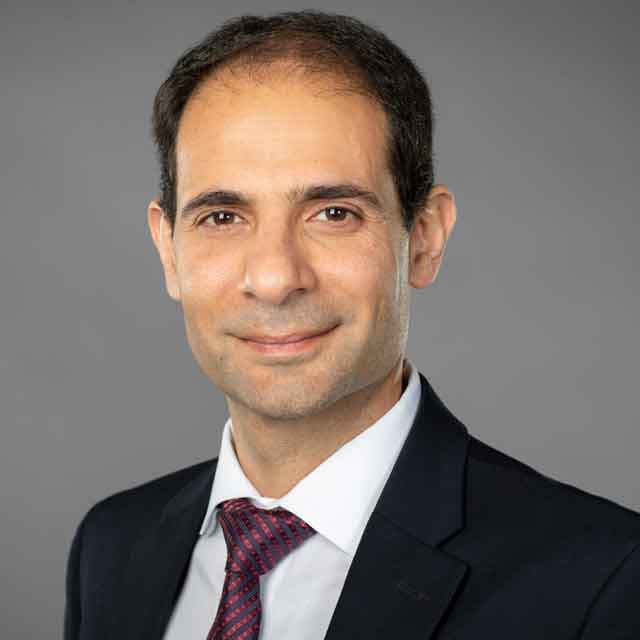
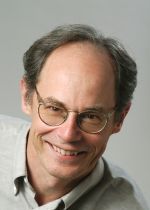
Univ.-Prof. Aiko Voigt is a Professor and Head of the Department of Meteorology and Geophysics at the University of Vienna. Her research focuses on climate dynamics, cloud physics, and atmospheric processes. She leads the Environment and Climate Research Hub and teaches advanced courses like 'Climate Modelling Lab' and 'Cloud Physics.' Her work explores cloud-radiative interactions, climate change impacts, and extreme weather dynamics. Recent studies analyze energy imbalances, high-cloud feedbacks, and tropical precipitation patterns. Voigt's contributions bridge climate modeling with observational data, emphasizing high-resolution simulations and interdisciplinary approaches. Teaching includes courses such as 'Climate System of the Earth,' 'Scientific Communication,' and 'Introduction to Computational Meteorology.' Her research spans from present-day climate to Snowball Earth scenarios, addressing both modern and paleoclimatic challenges. Publications highlight advancements in radiative transfer algorithms, cyclone dynamics under warming, and uncertainties in climate model predictions. Her work underscores the critical role of clouds in amplifying climate sensitivity and reshaping atmospheric circulation patterns.
Elie Hajj is a Professor in the Department of Civil & Environmental Engineering at the University of Nevada, Reno (UNR), serving as Associate Director of the Western Regional Superpave Center. His research focuses on asphalt pavement engineering, sustainable materials, and infrastructure resilience. He specializes in pavement rehabilitation, numerical modeling of dynamic load impacts, and economic analysis of pavement preservation strategies. Dr. Hajj has received recognition for his 2016 ASTM award for outstanding work on pavement rehabilitation economics. He actively engages in professional service, including TRB webinars and academic seminars on topics like pavement damage assessment and vehicle operating costs. His teaching spans graduate and undergraduate courses in pavement design, materials engineering, and advanced pavement analysis. His research integrates experimental and computational methods to address challenges in pavement performance under superheavy loads, recycled material utilization, and energy-efficient construction practices. Collaborations with industry and government agencies enhance the practical applicability of his findings.
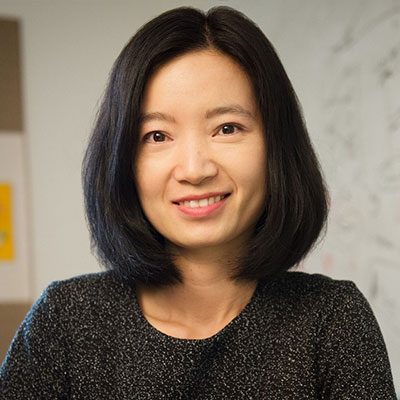
Professor Yizhou Sun is affiliated with the University of California Los Angeles (UCLA) and the Henry Samueli School of Engineering and Applied Science . Her academic work focuses on Machine Learning , Artificial Intelligence , and Graph Neural Networks within the Computer Science department. Her research spans High-Level Synthesis , Causal Inference , and Computational Biology , with recent publications addressing neural network compression, language model safety, and dynamical system modeling. The trends in her recent 2025 and 2024 publications emphasize Deep Learning , Graph Theory , and Language Model Optimization , reflecting interdisciplinary applications in Biomedical Data , Hardware Design , and Physical Simulation .
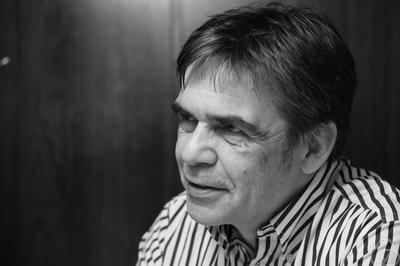
Endre Süli is a Professor of Numerical Analysis at the University of Oxford, affiliated with Worcester College and Linacre College. He has held various academic roles since 1985, including Fellowships and Tutorships in Mathematics. University Education: B.Sc. in Mathematics, University of Belgrade (1974-1978) M.Sc. in Mathematics, University of Belgrade (1978-1980) Ph.D. in Mathematics, University of Belgrade (1985) M.A., University of Oxford (1985) British Council Visiting Student, Reading University and University of Oxford (1983/84) Süli's research focuses on numerical methods for partial differential equations (PDEs), with expertise in finite element methods, adaptive algorithms, error control, and computational modeling of fractures and non-Newtonian fluids. His work bridges mathematical theory and practical applications in fluid dynamics and material science. His recent publications emphasize finite element approximations, nonlinear PDEs, and stochastic models for polymer dynamics. Themes include multiscale methods, tensor-sparsity for high-dimensional problems, and compressible flow simulations. Scientific Awards: Fellow of the Royal Society (2021) London Mathematical Society Naylor Prize and Lectureship (2021) Pro Urbe Prize, City of Subotica (2021) SIAM Fellow (2016) Member, Academia Europaea (2020) Foreign Member, Serbian National Academy of Sciences and Arts (2009) IMA Service Award (2011) Fellow, European Academy of Sciences (EurASc) (2010) Fellow, Institute of Mathematics and its Applications (2007) London Mathematical Society/New Zealand Mathematical Society Forder Lecturer (2015) Professor Hospitus, Charles University, Prague (2012) Distinguished Visiting Chair Professor, Shanghai Jiao Tong University (2013) Invited Speaker, International Congress of Mathematicians, Madrid (2006) Süli has supervised numerous research projects and held visiting appointments globally. His contributions to numerical analysis span foundational work on error estimation, nonlinear stability, and advanced computational frameworks for complex physical systems.
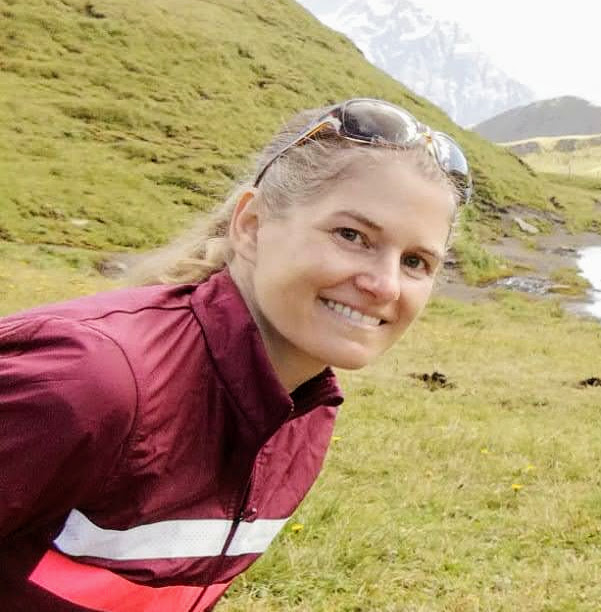
Prof. Dr. Virginia Ruiz-Villanueva is a Professor and leader of the Geomorphology Unit at the Institute of Geography, University of Bern. Her research focuses on river processes, particularly large wood dynamics, flood hazards, and sediment transport in mountainous regions. She holds a prominent role in international collaborations, addressing climate change impacts and river management challenges. Key areas of expertise include geomorphology, environmental hazards, and interdisciplinary approaches to understanding river systems. Her work integrates field observations, numerical modeling, and remote sensing to study processes such as large wood accumulation in rivers, flood risk assessment, and the influence of human activities on hydrological systems. She has contributed to projects across Europe, South America, and the Western United States, emphasizing practical applications for disaster risk reduction and sustainable river management. Recent research highlights include exploring historical changes in mountain river hydrodynamics, quantifying large wood supply in Swiss catchments, and analyzing cascading hazards in Chilean river systems. Her publications frequently appear in high-impact journals such as Earth Surface Processes and Landforms and Science of the Total Environment .
Arthur Bousquet is an Associate Professor of Mathematics at Lake Forest College, affiliated with the Math and Computer Science department. He holds a PhD in Applied Mathematics from Indiana University (Bloomington, IN) and a MS in Engineering in applied mathematics and scientific computing from SuP Galilee Engineering School (Paris, France). His research focuses on numerical methods for partial differential equations, including finite volume and finite element techniques, with applications to geophysical fluid dynamics, climate modeling, and biomedical problems like viral shell mechanics. Notable areas include shallow water equations, phase field modeling, and computational methods for atmospheric dynamics. Bousquet has published extensively on topics such as numerical weather prediction, electrokinetic equations, and virus nanoindentation modeling. His work often combines theoretical analysis with computational simulations to address complex systems in fluid dynamics and materials science. He has received the Rothrock Award for teaching excellence (2014) and held research fellowships including an NSF Graduate Fellowship (2009-2013). His teaching includes courses like Computational Mathematics, Multivariable Calculus, and Real Analysis.
Susanne M. Jaeggi is a Professor of Psychology at Northeastern University, with additional affiliations in the Bouve College of Health Sciences and the College of Arts, Media, and Design. Her research focuses on cognitive training, executive functions, and individual differences in cognition across the lifespan. She holds PhDs in Cognitive Psychology and Neuroscience from the University of Bern (Switzerland), and completed postdoctoral work in Cognitive Neuroscience at the University of Michigan. Her work has been funded by NIH, NSF, IES, ONR, and the Advanced Education Research and Development Fund (AERDF). She leads the Working Memory & Plasticity Lab , which develops interventions to improve working memory and executive functions, and co-leads the Brain Game Center for Mental Fitness and Well-Being , creating evidence-based brain fitness tools. Jaeggi’s research emphasizes understanding mechanisms of cognitive improvement through training, including neuroplasticity and individual variability. Key areas include cognitive aging interventions, gamification, sensory-cognitive interactions, and the impact of socioeconomic factors on academic achievement. Her work integrates behavioral experiments, neuroimaging, and digital health technologies to address real-world challenges in education and healthcare. Recent studies explore music/art-based interventions, brain stimulation (e.g., tDCS), and scalable cognitive assessments. Collaborations span disciplines, with publications addressing topics like neural correlates of training, motivational features in interventions, and cross-modal perception. Her labs emphasize translating findings into public-facing tools, such as freely accessible brain fitness apps. Current projects include optimizing interventions for ADHD populations and leveraging digital platforms for global mental fitness.
Gauthier Gidel is an Associate Professor at the Department of Computer Science and Operations Research (DIRO) within the Faculty of Arts and Science at Université de Montréal, where he also holds the prestigious Canada CIFAR AI Chair position. He is a core faculty member of Mila, Quebec's AI research institute, and maintains active research collaborations with leading institutions. His academic journey includes a PhD in Computer Science under the supervision of Simon Lacoste-Julien, with internships at Sierra, ElementAI, and DeepMind during his doctoral studies. Dr. Gidel's research spans multiple critical areas in machine learning, with particular emphasis on generative modeling , adversarial machine learning , and variational inequalities for machine learning. His work explores the intersection of optimization theory and practical AI systems, focusing on challenges like LLM safety alignment, multi-agent cooperation, and robustness against adversarial attacks. He is particularly known for his contributions to understanding the theoretical foundations of generative adversarial networks through variational inequality frameworks. His recent publications reveal a strong trend toward addressing critical challenges in large language model safety and alignment, with numerous 2024-2025 papers focusing on adversarial robustness, safety evaluation methodologies, and alignment techniques for LLMs. Simultaneously, his foundational work continues in optimization theory, particularly in variational inequalities and performative prediction, demonstrating his dual focus on practical AI safety concerns and theoretical machine learning foundations. Canada CIFAR AI Chair Core member of Mila Organizer of popular NeurIPS workshops on smooth games Co-founder of the ICLR blog post track Dr. Gidel actively supervises an extensive research group with approximately 10 current graduate students and numerous alumni who have secured positions at leading institutions including Inria Lyon, Oxford, and industry research labs. His research is supported by multiple substantial grants from CRSNG, MITACS, and IVADO, including the prestigious CRSNG Discovery Grant program and MITACS Acceleration Québec projects focused on fraud detection in music streaming and conditional generation. His laboratory maintains strong connections with both academic and industry partners, fostering a collaborative environment focused on advancing AI safety and theoretical understanding.
Guido Montúfar is a Professor in the Departments of Mathematics and Statistics & Data Science at the University of California, Los Angeles (UCLA), effective since 2024. He also leads the Mathematical Machine Learning Group at the Max Planck Institute for Mathematics in the Sciences (MPI MIS) in Leipzig, Germany since 2018. His academic journey includes a PhD in Mathematics from Leipzig University (2012), and Diplom degrees in Physics and Mathematics from TU Berlin (2009 and 2007). Montúfar's research focuses on the theoretical foundations of deep learning, mathematical machine learning, and the interplay between geometry and learning. Key areas include neural network architecture theory, optimization landscapes, and information geometry. His work bridges algebraic statistics, graphical models, and topological data analysis. His grants and awards include an ERC Starting Grant (2018-2023), a Sloan Research Fellowship (2022), and an NSF CAREER Award. He has advised numerous PhD students and postdocs, contributing to significant advancements in machine learning theory and applications. Montúfar teaches courses on applied mathematics, optimization, and machine learning at UCLA. His research also explores topics like oversquashing in graph neural networks and the geometry of policy gradients in reinforcement learning.
Jana Shen is a Professor in the Department of Pharmaceutical Sciences at the University of Maryland School of Pharmacy, where she leads an interdisciplinary research group at the intersection of chemistry, biology, physics, and computer science. Her lab develops and applies advanced simulation and data science tools to understand biomolecular mechanisms and accelerate drug discovery. Education: Postdoc, The Scripps Research Institute (2003–2007) PhD, University of Minnesota at Twin Cities (1999–2003) MS, University of Calgary, Canada (1996–1999) Diplom-Chemie, Bergische Universität Wuppertal, Germany (1991–1995) Her research focuses on molecular simulation , data science , and computational biophysics , with applications in kinases , GPCRs , transmembrane transporters , and pH-responsive materials . She has pioneered the development of continuous constant pH molecular dynamics (CpHMD) methods and their applications in drug design and biomolecular mechanisms. The recent publications highlight a strong trend in computational drug discovery , particularly in covalent inhibitors , opioid receptor mechanisms , antiviral design , and the integration of machine learning with molecular dynamics . These works span high-impact journals such as eLife , JACS , Nature Communications , and ACS journals. Scientific Awards: National Science Foundation CAREER Award American Chemical Society HP Outstanding Junior Faculty Award Junior Faculty Research Award (University of Oklahoma, 2008, 2009) Phi Kappa Phi, University of Minnesota Louise T. Dosdall Graduate Fellowship Nova Graduate Fellowship Dr. Shen has mentored numerous PhD students and postdoctoral fellows, many of whom have gone on to successful careers in academia and industry. Her research is supported by major agencies including the National Institutes of Health , National Science Foundation , and FDA . She leads the Shen Lab, which actively develops open-source tools such as DeepCys , CpHMD , and PKAD-3 , and maintains databases for covalent ligandability and pKa predictions.
Likoebe Maruping is a Professor of Computer Information Systems and Director of the Ph.D. program at Georgia State University's J. Mack Robinson College of Business. He is a member of the Center for Digital Innovation and serves as a senior editor for MIS Quarterly , having previously held editorial positions at Information Systems Research and the Journal of the Association for Information Systems . Previously, he taught at the University of Arkansas and the University of Louisville. Education: Ph.D. in Information Systems, University of Maryland, Robert H. Smith School of Business B.S. in Information Systems, University of Maryland, Robert H. Smith School of Business B.S. in International Business, University of Maryland, Robert H. Smith School of Business Maruping's research spans digital innovation , open source software development , agile methodologies , and team collaboration in dispersed settings . His work explores how leadership styles, particularly empowering leadership , can mitigate stress and improve performance in software development teams. He examines governance in digital platform ecosystems and investigates the relationship between digital technologies and social justice, as evidenced by his 2024 MIS Quarterly special issue contribution. His research often employs multilevel analysis approaches to connect micro and macro phenomena in information systems. Maruping's recent publications reveal a strategic shift toward examining AI innovation frameworks, platform ecosystem governance, and the social implications of technology. His 2025 work on AI innovation contrasts with traditional IT innovation through patent analysis, while his research on digital skill visibility in open source communities demonstrates practical applications of theoretical frameworks. These publications consistently bridge academic rigor with practical business implications. Editorial Recognition: Senior Editor, MIS Quarterly Former Associate Editor, Information Systems Research Former Associate Editor, MIS Quarterly Former Senior Editor, Journal of the Association for Information Systems As Ph.D. program director and former CIS department Ph.D. coordinator, Maruping has advised numerous doctoral students. His leadership extends to strategic program development, curriculum innovation, and enhancing recruitment of diverse doctoral candidates. He frequently leads workshops on multilevel theorizing, as evidenced by his 2023 workshop at Hong Kong Baptist University. His research has been supported through collaborations with major institutions and has influenced both academic discourse and industry practices in information systems management. Maruping is actively engaged with the Center for Digital Innovation at Robinson College of Business, which serves as his primary research hub. His work often involves cross-institutional collaborations with researchers from leading universities worldwide, reflecting the global nature of contemporary information systems research.
Professor Dario Farina is Chair in Neurorehabilitation Engineering at the Department of Bioengineering, Faculty of Engineering, Imperial College London. He has previously served as Full Professor at Aalborg University, Denmark, and at the University Medical Center Göttingen, Germany, where he founded and directed the Institute of Neurorehabilitation Systems. His research spans biomedical signal processing, neural control of movement, and neurorehabilitation technology, with extensive contributions to electromyography, motor unit analysis, and neural interfaces. Chair in Neurorehabilitation Engineering, Imperial College London Former Full Professor, Aalborg University and University Medical Center Göttingen Founder and Director, Institute of Neurorehabilitation Systems Key Affiliations: Centre for Neurotechnology, Artificial Intelligence Network, Robotics Forum, Neuromechanics and Rehabilitation Technology His research focuses on biomedical signal processing , neural control of movement , and neurorehabilitation technology . He investigates how neural signals control muscles, develops methods to decode motor unit activity from EMG, and designs neural interfaces for prosthetics and rehabilitation. His work integrates computational modeling, signal processing, and clinical applications to improve bionic systems and neurorehabilitation outcomes. The recent publications (2024–2025) show a strong emphasis on high-density EMG , real-time motor unit decomposition , peripheral and cortical neural interfacing , closed-loop control systems , and AI-driven biosignal analysis . Key themes include decoding spinal and cortical signals, improving prosthetic control, understanding tremor mechanisms, and developing open-source tools for motor unit analysis. The work bridges neuroscience, engineering, and clinical practice. Scientific awards and honors include: Royal Society Wolfson Research Merit Award (2016) IEEE EMBS Early Career Achievement Award (2010) Nightingale Prize for best paper in MBEC (2007) Elected Fellow of EAMBES (2016) Elected Fellow of AIMBE (2012) Professor Farina has advised numerous researchers and students in neuroengineering and rehabilitation technology. He has led major research grants in neural interfaces and neurorehabilitation. He is Editor-in-Chief of the Journal of Electromyography and Kinesiology , an editor for IEEE Transactions on Biomedical Engineering and The Journal of Physiology , and has held editorial roles in multiple journals. He was President of ISEK (2012–2014) and is a Senior Member of IEEE. He leads a research group focused on neuromechanics, neural decoding, and bionic systems. The team develops tools like I-Spin live and MUedit for real-time motor unit identification and contributes to open-source platforms such as NeuroMotion . The lab collaborates internationally on projects involving spinal cord stimulation, prosthetic control, and wearable robotics, aiming to translate neural engineering advances into clinical rehabilitation.
Richard Szeliski is a Distinguished Scientist at Google DeepMind and Affiliate Professor at the University of Washington's Department of Computer Science & Engineering. He previously led the Interactive Visual Media Group at Microsoft Research and founded the Computational Photography group at Facebook. His research focuses on computer vision, computer graphics, and numerical methods, with specialties in 3D modeling from imagery, computational photography, and neural rendering. Education details are not explicitly listed, but his career trajectory indicates advanced academic training in computer science. Research interests include algorithms for 3D reconstruction, image stitching, and optimization techniques. His recent work emphasizes neural rendering, volumetric representations, and large-scale scene modeling. Key contributions include the widely cited textbook Computer Vision: Algorithms and Applications and foundational papers on multi-view stereo, panorama stitching, and energy minimization in MRFs. Publications span 40+ years, with recent focus on radiance fields (NeRF), 3D scene understanding, and real-time rendering systems. Though no explicit awards are listed, his textbook adoption and industry roles reflect significant academic and industrial impact. He advises through his academic role and has contributed to open-source projects like the Bundle Adjustment Library (BAL). Labs/teams include collaborations with Google DeepMind, prior work at Microsoft Research's Interactive Visual Media Group, and academic partnerships at UW's Graphics & Imaging Lab. His work bridges theory and application, addressing challenges in both academic research and industrial-scale systems.
John Wawrzynek is a Professor of Electrical Engineering and Computer Sciences at the University of California, Berkeley. He is affiliated with the Department of Electrical Engineering and Computer Sciences in the College of Engineering and serves as Co-Director of the Berkeley Wireless Research Center and Co-PI of the CONIX Research Center, one of the six centers in the Joint University Microelectronics Program sponsored by DARPA. Dr. Wawrzynek received his B.S. in Electrical Engineering from SUNY, Buffalo (1977), M.S. in EE from the University of Illinois, Urbana/Champaign (1979), and Ph.D. in Computer Science from Caltech (1987). Before joining the Berkeley faculty in 1988, he worked as a consultant at Schlumberger Palo Alto Research. His research focuses on Computer Architecture, Reconfigurable Computing, Wireless Systems, and Integrated Circuit and System Design . His work spans both theoretical foundations and practical implementations, with particular emphasis on FPGA-based computing systems, reconfigurable architectures, and wireless communication systems. His research group has made significant contributions to the field of reconfigurable computing, including the development of the Garp architecture and various tools for reconfigurable computing systems. Analysis of his recent publications (2022-2025) reveals continued focus on reconfigurable computing, FPGA design, wireless networking, and formal methods for hardware verification. His work shows an evolution from traditional computer architecture towards specialized hardware acceleration, machine learning for EDA, and wireless systems research, with particular emphasis on SAT sampling, differentiable computing, and efficient FPGA implementation of neural networks. DAC's Most Influential Paper Award (2025) NSF Presidential Young Investigator (PYI) (1989) Charles Lee Powell Fellowship (1985) NASA Certificate of Recognition (1983) Rensselaer Engineering and Science Medal (1975) Professor Wawrzynek has advised numerous graduate students throughout his career, many of whom have gone on to prominent positions in both industry and academia including Google, Xilinx, and MIT Lincoln Laboratory. His research has been supported by various grants from NSF, DARPA, and industry partners. He leads the Berkeley Wireless Research Center, which focuses on next-generation wireless communication systems and technologies, and is actively involved in the CONIX Research Center which explores connected intelligence at the network's edge.
Professor David Dupret is a Professor of Neuroscience and MRC Investigator at the University of Oxford, where he also serves as a Tutorial Fellow in Biomedical Sciences at St Edmund Hall. His work takes place within the MRC Brain Network Dynamics Unit, part of the Nuffield Department of Clinical Neurosciences, and he is affiliated with the Department of Physiology, Anatomy and Genetics. David completed his Ph.D. in Neuroscience at the Institute François Magendie (INSERM, University of Bordeaux, France), receiving the French Neuroscience Association's 2007 Ph.D. Year Prize. He joined the MRC Anatomical Neuropharmacology Unit in 2007 as a Visiting Fellow, funded by the Institute of France and the International Brain Research Organisation. In 2009, he became an MRC postdoctoral scientist and Junior Research Fellow at St Edmund Hall, progressing to MRC Programme Leader Track scientist in 2011 and tenured MRC Programme Leader in 2014. Professor Dupret's research focuses on the circuit-level mechanisms of memory-guided behavior, with particular emphasis on neural dynamics of memory circuits during active waking behavior and sleep. His laboratory employs in vivo multichannel recordings and optogenetic manipulation of neuronal ensembles to investigate how hippocampal networks organize memory processes. His work has revealed fundamental insights into how memory circuits operate during both waking behavior and sleep states, particularly regarding hippocampal ripple activity, dentate spikes, and offline reactivation processes. Analysis of Professor Dupret's recent publications reveals a consistent focus on hippocampal network dynamics and memory processes. His work spans from basic neural circuit mechanisms to applications in neurodegenerative conditions like Alzheimer's disease. A notable trend is the integration of computational approaches with experimental neuroscience to understand how neural assemblies encode and retrieve memories. His team has made significant contributions to understanding how dentate spikes support memory flexibility and how hippocampal ripple diversity organizes neuronal reactivation during offline states. French Neuroscience Association's 2007 Ph.D. Year Prize Foundation Louis D. Research Fellowship (2007) International Brain Research Organisation Fellowship (2008) FENS-Kavli Network of Excellence Scholar (2016) Boehringer Ingelheim-FENS Research Award (2018) Elected to membership of Academia Europaea (2024) Professor Dupret has secured substantial research funding through his MRC Programme Leader position and has mentored numerous researchers who appear as co-authors on his publications. His laboratory, the Dupret Group, operates within the MRC Brain Network Dynamics Unit, collaborating extensively with other research groups including the Sharott Group, Magill Group, and Denison Group. Current research directions include investigating how memory circuits maintain flexibility while resisting extinction, exploring the relationship between neural coactivity patterns and memory organization, and developing computational models of hippocampal function. His team is actively pursuing future work on the mechanisms underlying memory persistence and the neural basis of flexible memory recall.