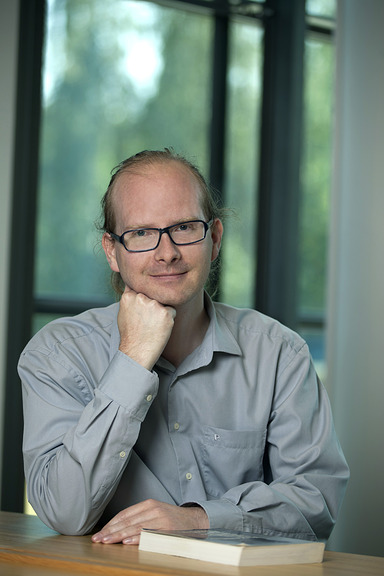
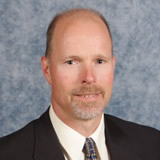
Dr. Wojciech Solowski is an Associate Professor at Aalto University , specializing in computational simulations of soils and granular materials with a focus on numerical methods and constitutive modeling. His research spans geotechnical engineering, environmental geomechanics, and computational mechanics. Research Interests : Numerical modeling (FEM/MPM), THMC behavior of soils, unsaturated soil mechanics, soil improvement, frost susceptibility, ground vibrations, and laboratory testing. Scientific Contributions : Dr. Solowski has extensively advanced the Material Point Method (MPM) for large deformation problems in geotechnics and developed the in-house finite element code Thebes for THMC coupling simulations. His work addresses critical challenges in nuclear waste repositories, soft soil stabilization, and offshore sediment characterization. Publication Trends : Recent articles focus on MPM for marine clay analysis, THMC coupling in bentonite barriers, 3D shrinkage deformation measurements, and geophysical-geotechnical integration for offshore wind farms. His research emphasizes practical applications in energy transition and infrastructure resilience. Affiliations : Mineral Based Materials and Mechanics research group at Aalto University. Committee Roles : International Secretary of the Finnish Geotechnical Society; member of ISSMGE TC106 (unsaturated soils) and ERTC7 (numerical methods).
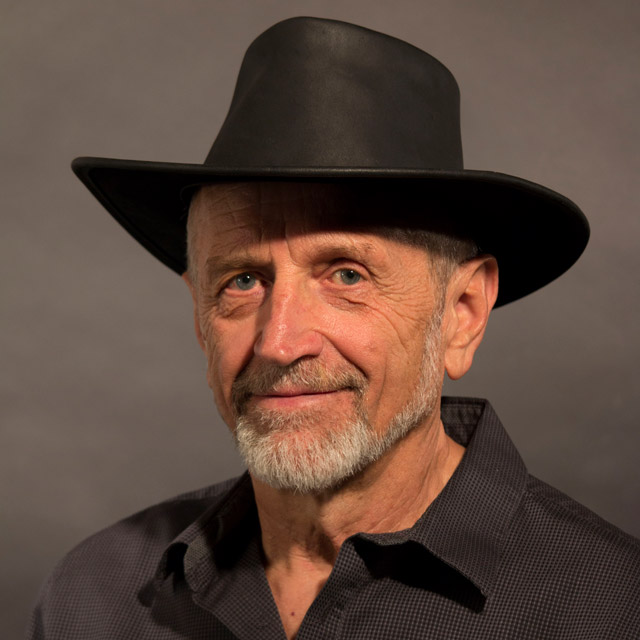
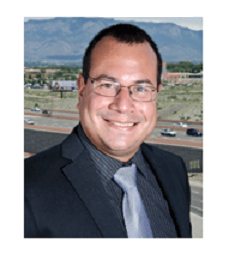
George Danko is a Professor in the Department of Mining and Metallurgical Engineering at the University of Nevada, Reno (UNR), part of the Mackay School of Earth Sciences and Engineering. He holds a DSc from the Hungarian Academy of Sciences (2010) and has held academic positions since 1978, including roles at the University of Technology, Budapest and the University of Minnesota. His research focuses on thermal systems, robotics in mining, mine ventilation, and geothermal/nuclear waste management. Education: DSc (2010, Hungarian Academy of Sciences), Ph.D. (1985), Dr. Tech. (1976), and dual M.S. degrees in Applied Mathematics and Mechanical Engineering from Eotvos University and Budapest University of Technology. Research interests include robotics automation in mining, thermal-hydrologic modeling for nuclear waste repositories (e.g., Yucca Mountain), multiphase transport modeling, and mine ventilation systems. His work integrates advanced computational tools like MULTIFLUX and TOUGH2 for simulating subsurface processes. Publications highlight contributions to mine climate simulation, robotic sensor networks, and nuclear waste thermal management. His 34 peer-reviewed papers and 10 patents (e.g., coordinated joint motion control systems, multiphase transport models) reflect interdisciplinary innovation. Grants totaling $7M+ support his research in DOE-funded projects and industry collaborations like Newmont Mining. Honors include Fulbright Visiting Professorship (2008) and Sabbatical Awards (UNR). He teaches advanced mining equipment design, robotics, and subsurface transport modeling courses.
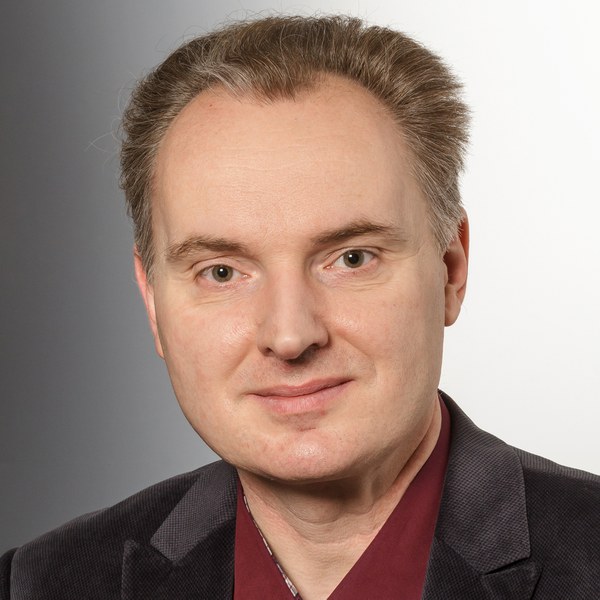
Charles B. Connor is Professor at the University of South Florida's School of Geosciences. His research focuses on physical volcanology and geophysics, specializing in volcanic hazard models including tephra dispersion, lava flow simulation, and probabilistic eruption forecasts. Research Areas: Computer modeling of volcanic processes Structural analysis of basaltic volcanic fields Heat and mass transfer in volcanic systems High-resolution gravity and magnetic surveys Connor develops computational tools for geovisualization and geocomputation, creating interactive simulations of volcanic phenomena and potential field geophysics. His publications demonstrate interdisciplinary approaches combining geology, atmospheric science, and computational modeling. He teaches courses in computational geology, field mapping, geovisualization, and potential fields geophysics, emphasizing scientific computing skills. Connor maintains the USF Volcanology Group developing open-source tools for geoscience education.
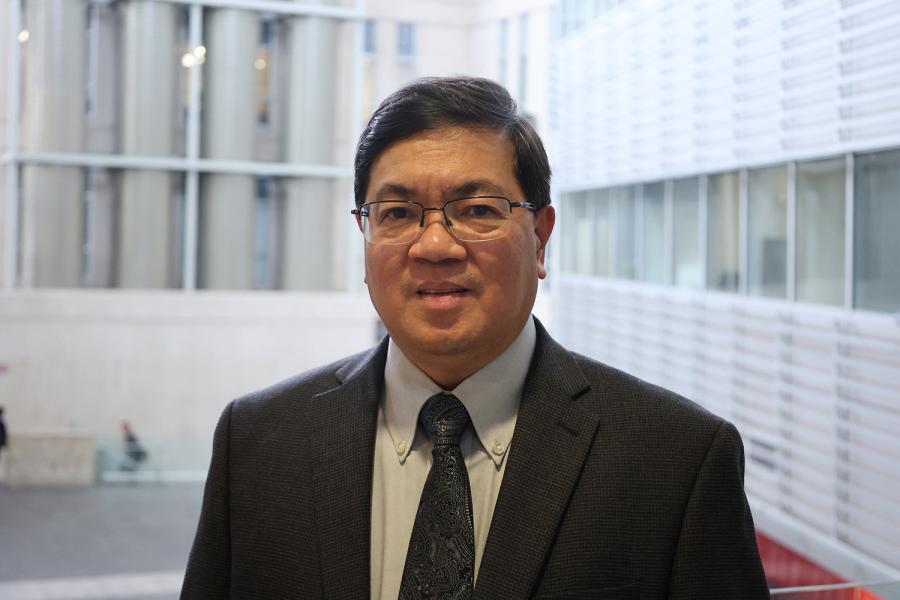
Dr. Marolo Alfaro is a Professor in the Department of Civil Engineering at the University of Manitoba, Price Faculty of Engineering . He specializes in geosynthetics, ground improvement, cold regions engineering, and climate-resilient infrastructure , with a focus on Arctic and permafrost conditions. Education: BSc (University of Mindanao), MEng (Asian Institute of Technology), PhD (Saga University), Postdoctoral (University of Calgary) Research Interests center on: Geosynthetic-reinforced structures Cold climate infrastructure adaptation Hydro-mechanical interactions in Arctic environments Nano-modified soil stabilization Publication Trends highlight: Numerical and field studies on Arctic embankments Geothermal energy piles in cold climates Rockfill column applications for riverbank stabilization Nanotechnology in soft soil treatment Scientific Awards : 2019 Geosynthetics Award (Canada/International) 2022 Roger J.E. Brown Award (Canadian Geotechnical Society)
Prof. Dr. Vinzenz Brendler serves as Head of the Department of Thermodynamics of Actinides at the Helmholtz-Zentrum Dresden-Rossendorf (HZDR) Institute of Resource Ecology. He also holds an Honorary Professor position in Radiochemistry at the University of Applied Science Dresden (HTW) since 2008. His career at HZDR has spanned over three decades, progressing from Junior Scientist (1993-2000) to his current leadership role, with previous positions including Head of Department Surface Processes (2013-2021) and Acting Director of the Institute of Resource Ecology (2012-2013). Dr. Brendler received his Ph.D. in natural sciences from TU Bergakademie Freiberg in 1993 with distinction ("Magna cum laude") and completed his Diploma in Chemical Engineering there in 1989 with "Excellence" honors. His doctoral work focused on water activities in ternary salt systems, while his diploma research examined reaction models for activity data in lithium-zinc chloride systems. His research focuses primarily on the thermodynamics of radionuclides in aqueous solutions and at mineral-water interfaces, with direct applications to nuclear waste repositories. He possesses extensive expertise in experimental capabilities using modern analytical spectroscopic methods, including laser-induced fluorescence and X-ray absorption techniques. His work encompasses geochemical modeling, radionuclide migration studies, sorption processes, risk assessment methodologies, and database development for environmental modeling. Analysis of his recent publications reveals a consistent focus on actinide and f-element chemistry, particularly uranium, europium, and technetium systems. His research employs sophisticated combinations of experimental methods including spectroscopy, batch experiments, and computational modeling to understand complex geochemical processes relevant to nuclear waste disposal. Key themes include surface complexation modeling, redox processes, mineral-water interactions, and thermodynamic characterization under repository-relevant conditions. Agricola medal of the TU Bergakademie Freiberg for outstanding diploma work As an Honorary Professor at HTW Dresden, Dr. Brendler contributes to radiochemistry education while maintaining an active research program. His extensive publication record (over 100 papers) demonstrates significant contributions to the field of nuclear waste management. He serves on multiple advisory boards including the Technical Direction Team of the NEA Sorption Project and the Governing Board of EU framework projects. His research is supported by numerous national and international funding programs including EU R&D framework programs and German federal initiatives. Dr. Brendler leads research within the Thermodynamics of Actinides department at HZDR, collaborating with various research teams across multiple facilities including the Rossendorf Beamline at ESRF. His work integrates experimental, theoretical, and modeling approaches to address complex challenges in nuclear waste disposal safety assessment.
Park Chang Je is an Associate Professor in the Department of Quantum and Nuclear Engineering at Sejong University , South Korea. He leads the Sejong Nuclear Core Design and Reactor Analysis Lab (SeNDAL) and has previously served as a Principal/Senior Researcher at the Korea Atomic Energy Research Institute (KAERI). His expertise lies in nuclear reactor design, neutron transport theory, Monte Carlo simulations, and spent nuclear fuel analysis. Education: Ph.D. in Nuclear Engineering, Korea Advanced Institute of Science and Technology (KAIST), 2001 M.S. in Nuclear Engineering, KAIST, 1995 B.S. in Nuclear Engineering, Seoul National University, 1993 Research Interests: His research spans a wide range of nuclear engineering disciplines, including: Nuclear core design and reactor analysis Neutron transport and diffusion theory Monte Carlo theory and applications Spent nuclear fuel characterization and safeguards Thorium fuel cycle and small modular reactors Radiation shielding and nuclear safety Recent Research Trends: His recent publications focus on advanced nuclear reactor design, safety analysis of spent fuel storage systems, Monte Carlo-based shielding analysis, and innovative fuel cycle strategies. He has contributed to the design of thorium-based reactors, development of neutron multiplicity counting techniques, and evaluation of nuclear waste management systems. Research Projects & Funding: Development of Prompt Response In-Core Instrument and 3D Core Flux Distribution Synthesis Methodology (2023) Human Resources Development Project for High-Level Waste Management (2023) Development of manufacturing technology for neutron-absorbing composite materials for spent fuel storage (2022) Regulatory methodology development for protection against radiological sabotage (2020) Conceptual design of thorium-based ship reactors and space nuclear systems (2017–2021) Laboratory & Team: He directs the Sejong Nuclear Core Design and Reactor Analysis Lab (SeNDAL) , which focuses on reactor physics, nuclear fuel cycle analysis, and radiation transport simulations. The lab collaborates with domestic and international institutions including KAERI, KAIST, and international research reactors.
Paul Van Geel is a Professor in the Department of Civil and Environmental Engineering at Carleton University. He holds a B.A.Sc. and Ph.D. from the University of Waterloo and is a licensed Professional Engineer (P.Eng.). His current role includes serving as the Chair of the Independent Geoscience Advisory Group for the Canadian Nuclear Safety Commission (CNSC), which advises on research activities related to a potential deep geological repository for high-level nuclear waste. His research focuses on: Hydrogeology, contaminant transport, and biodegradation in saturated/unsaturated zones PFAS fate/transport and competitive adsorption on colloidal activated carbon Soil wettability impacts on NAPL-contaminated site remediation Landfill optimization in northern climates for waste-to-energy conversion Thermal-mechanical-biological modeling of waste stabilization His publications (11 recent articles) emphasize landfill operations in cold climates, PFAS remediation, thermal performance modeling, and soil-contaminant interactions. Research trends show consistent focus on sustainable waste management and environmental geotechnics. Awards include: Research Achievement Award (2005-2006) Teaching Achievement Award (1998-1999) Petrocanada Young Innovator Award (1998-1999) He has supervised 36+ graduate students (Ph.D./M.A.Sc.) on projects ranging from landfill settlement modeling to PFAS adsorption dynamics. He leads research collaborations with the Nuclear Waste Management Organization (NWMO) and industry partners.
Dr James Lawrence is a Professor in Geological Engineering at Imperial College London, within the Department of Civil and Environmental Engineering (Faculty of Engineering). His affiliations include the Earth Observation Network, Geotechnics Group, and the Grantham Institute. Previously, he held roles at the University of Brighton, University of Leeds, and Radioactive Waste Management Ltd (RWM). He leads research in geotechnics, Cretaceous geology, and geophysical methods, with a focus on InSAR technology for monitoring ground movements and radioactive waste disposal. Education: MSc in Mineral Resources from Cardiff University, followed by a PhD at the University of Brighton. Research interests include the geological evolution of chalk cliffs, infrastructure challenges posed by geological formations, and the safety of geological disposal facilities (GDF). Recent projects involve InSAR monitoring for rural UK deformation and nuclear decommissioning. He has authored over 30 journal articles and led 15+ research projects. Teaching includes Rock Engineering, Soils, and Geomorphology at Imperial College, with fieldwork in the UK and Greece. Management roles include coordinating the Civil Engineering (MEng) course. Professional memberships include the British Geotechnical Association (BGA), International Society for Rock Mechanics (ISRM), and editorial board of the Quarterly Journal of Engineering Geology and Hydrogeology.
Dr. Kenneth Petersen is an Adjunct Assistant Professor at the University of Utah's School of Environment, Society & Sustainability since 2009. His academic journey includes a BA in Anthropology from the Unversity of Utah (1970), MA (1975) and PhD (1981) in Anthropology from Washington State University and Washington State Unverstiy. Specializing in palynology and archaeology, his research bridges climate science, environmental geoscience, and archaeology. Key areas include reconstructing Holocene climates, understanding prehistoric human-environment interactions, and applying paleoclimatic data to modern challenges like nuclear waste disposal. His work spans the American Southwest, Egypt, and the Rocky Mountains. Research highlights include studies on the Little Ice Age, Anasazi migrations, and climate impacts on ancient maize agriculture. He has contributed to interdisciplinary projects such as the Hanford Site Protective Barrier Development Program, focusing on long-term environmental sustainability. His publications span over four decades, emphasizing paleoenvironmental reconstruction, climate change effects, and cultural adaptation strategies. Notable contributions include climate reconstructions from pollen records in the La Plata Mountains and Dolores River region, as well as environmental assessments for low-level waste management. Petersen's work underscores the interplay between past climates, human societies, and modern environmental policy.
Santiago Badia is a Professor of Computational Mathematics at Monash University's School of Mathematics since 2019. Previously, he held roles at UPC (Universitat Politècnica de Catalunya) as Professor of Computational Science and Engineering (2009–2019) and was an adjunct researcher at CIMNE (Barcelona), leading the Large Scale Scientific Computing Department. He earned his PhD in 2006 from UPC, with prior work at Politecnico di Milano (2006) and Sandia National Labs (2007–2008). His research focuses on numerical approximation of PDEs using finite element methods, with applications in fluid/solid mechanics, electromagnetics, and multiphysics problems. He leads high-performance computing projects like FEMPAR (scalable PDE solvers) and Gridap (Julia-based PDE framework). His work includes perfect weak scalability on supercomputers and solving PDEs with up to 60 billion unknowns. Research interests span computational science, numerical analysis, parallel computing, and numerical linear algebra. Projects address challenges in fusion energy, additive manufacturing, and nuclear waste repositories. He actively supervises PhD students through funded projects, emphasizing computational modeling and simulation. Collaborations include international teams in geophysical fluid dynamics and stochastic inverse problems. His software frameworks (FEMPAR, Gridap) are widely used for industrial and academic research, emphasizing scalability and usability.
José Cerrato is an Assistant Professor in the Department of Civil Engineering at the University of New Mexico (UNM) . He leads the E-H 2 O Research Group , focusing on biogeochemical processes at the water-energy nexus affecting metal and radionuclide cycles in the environment. His work integrates spectroscopy, microscopy, aqueous chemistry, and molecular biology tools. Education: PhD in Civil Engineering, Virginia Tech (2010) MS in Environmental Engineering, Virginia Tech (2005) BS in Civil Engineering, National Autonomous University of Honduras (2001) Research interests include: Mine Waste Legacy : Collaborative work with Native American communities studying uranium mine waste biogeochemistry for risk assessment Sustainable Water Treatment : Energy-efficient technologies using nano-particulate metal-oxides Wildfire Impact : Post-storm water quality effects from wildfire ash transport Hydraulic Fracturing : Wellbore integrity studies Uranium Mining : Aquifer restoration strategies post-mining Publication trends show expertise in uranium biogeochemistry, metal transport mechanisms, and water treatment technologies . Over 15 recent articles demonstrate interdisciplinary approaches combining environmental engineering, geochemistry, and materials science . Scientific awards include: NSF CAREER Award (2017) UNM School of Engineering Junior Faculty Research Award (2017) New Mexico EPSCoR Mentoring Award (2017) Oak Ridge Associated Universities Ralph E. Powe Award (2015) UNM Faculty of Color Research Award (2016) Advising and grants highlight mentorship of 10+ graduate students and major funding from: National Science Foundation New Mexico EPSCoR Oak Ridge Associated Universities UNM internal grants Laboratory facilities at UNM include: Advanced Transmission Electron Microscopy (0.19 nm resolution) State-of-the-art X-ray Photoelectron Spectroscopy for surface analysis High-precision X-ray Diffraction for mineral identification Inductively Coupled Plasma spectrometry for trace element analysis Environmental Scanning Electron Microscopy for uncoated sample analysis
Dr. Piotr Kowalski serves as Head of Department at the Jülich Research Centre , leading the Theory and Computational Modeling of Materials in Energy Engineering (IET-3) group. His research focuses on computational materials science , electrochemistry , and nuclear waste management , leveraging density functional theory and quantum computing to model energy-related materials. Research Trends : His recent work explores high-entropy materials for batteries, protic ionic liquids in fuel cells, and quantum annealing for optimizing ionic configurations. He investigates radionuclide retention mechanisms in nuclear waste repositories and electrocatalytic interfaces for hydrogen evolution. Lab & Infrastructure : Piotr's team operates within IET-3 , contributing to the Institute of Energy Technologies at Jülich. Their computational studies support advanced energy storage solutions and nuclear safety research, with a focus on solid-state electrolytes and actinide immobilization .
René Bes is a University researcher and Docent in the Department of Physics at the University of Helsinki, serving as Supervisor in the Doctoral Programme in Materials Research and Nanosciences. His work bridges fundamental physics with critical nuclear and semiconductor applications. His research spans Materials Physics , Nuclear Materials , and Semiconductor Physics , with emphasis on radioactive waste management (bentonite clay behavior under thermal stress), III-nitride semiconductor doping mechanisms, and advanced X-ray characterization techniques. Recent publications reveal strong focus on actinide chemistry and thin-film deposition for nuclear applications. Bes leads two major EURATOM-funded projects: EURAD-2 (2024-2029) addressing nuclear waste disposal challenges and CONNECT-NM (2024-2029) developing novel nuclear materials. As co-director of the Center for X-ray Spectroscopy , he provides essential infrastructure for materials analysis. His organizational role in the 2022 International Workshop on Laboratory-Based X-ray Spectroscopies demonstrates active community engagement.
Wilfried Pfingsten is a Senior Scientist at the Paul Scherrer Institute (PSI) within the Laboratory for Waste Management, part of the Center for Nuclear Engineering and Sciences. He holds an adjunct Lecturer role at ETH Zurich's Department of Environmental Systems Science (2010–2020). His research focuses on nuclear waste management, reactive transport modeling, and geochemical processes in subsurface systems. Pfingsten leads projects such as MODATS (monitoring data management) and contributes to global initiatives like EURAD and SITEX.Network. Education: PhD (Dr.-Ing.) in Civil Engineering from Leibniz University Hannover (1990), with earlier roles as a Research Scientist at the Institute of Water Resources Management (1987–1991) and Laserzentrum Hannover (1987). Research Interests: Machine learning applications in geochemical modeling, parameter uncertainty quantification, and digital twins for nuclear waste disposal. He has authored over 50 peer-reviewed papers and delivered presentations at major conferences including EURAD Annual Events and the International Conference on Nuclear Engineering. Professional Contributions: Member of PSI’s Research Committee (2003–2013), CCEM Research Committee (2006–2017), and emergency staff (2010–2024). Active in civil society engagement through UMAN project dialogues on nuclear waste uncertainties.
Mojgan Hadi Mosleh serves as a Senior Lecturer in the Department of Solids and Structures within the School of Engineering at the University of Manchester. She leads experimental research in geo-environmental engineering with a focus on sustainable solutions for geo-energy environmental challenges and actively supervises PhD students in this field. Her educational background includes a PhD in geological carbon sequestration from Cardiff University (2017) and postdoctoral research at Imperial College London (2015-2017), complemented by over five years of industry experience in geotechnical engineering and mining consultancy. Dr. Hadi Mosleh's research centers on developing sustainable materials for hazardous pollutant remediation in oil-contaminated sites, enhancing sealing material integrity in energy wells, creating solutions for gas leakage in carbon sequestration, and managing geothermal contaminants. Her work extends to applied digital technologies including Building Information Modelling and LiDAR/3D laser scanning, directly contributing to UN Sustainable Development Goals through: Design of low-cost localized solutions for VOC emissions in socioeconomically deprived communities Development of high-pressure laboratory facilities for geo-material testing Collaborations with Chinese institutions on geo-environmental challenges Her recent publications (2024-2025) demonstrate a cohesive research trajectory focusing on sustainable composite materials for environmental remediation, particularly biochar-MOF systems for heavy metal and VOC removal, alongside advanced cement formulations for high-temperature geo-energy applications like carbon sequestration and geothermal energy. Dr. Hadi Mosleh has earned significant recognition including: Arthur Holmes Centenary Research Award (2016) Building Innovation Award 2022 finalist buildingSMART 2020 Professional Research Category prize Construction Computing Awards 2021 Health and Safety Software of the Year She currently supervises PhD projects on sustainable materials for oil-contaminated sites and geo-energy technologies while leading the Centre for Crisis Studies and Mitigation research project. Her funded work includes the EPSRC/Research Councils project 'Managing Boron in geothermal outflow water' (2020-2022) in Turkey, with additional grants from the European Commission for RFCS review activities and Newton Fund evaluations. Dr. Hadi Mosleh directs advanced experimental capabilities in geo-environmental engineering at Manchester, associated with the Sustainable Futures Research Beacon, Thomas Ashton Institute, and Manchester Environmental Research Institute. Her international network includes ongoing collaboration with Imperial College London (as Visiting Researcher until 2020) and active partnerships with Chinese universities including China University of Petroleum and China University of Mining and Technology.