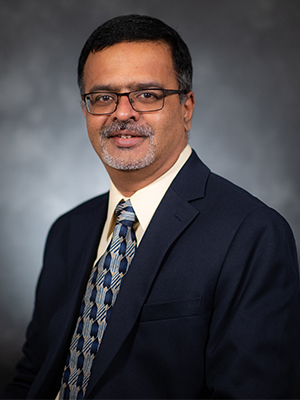
H. Metin Aktulga is an Associate Professor in the Department of Computer Science and Engineering at Michigan State University's College of Engineering. His research focuses on high-performance computing, parallel algorithms, and numerical methods for large-scale scientific applications. He leads interdisciplinary projects involving collaborations with computational physicists and materials scientists to develop scalable software systems. His work includes the development of PuReMD, a reactive molecular dynamics code, and DOoC+LAF, a task-based middleware for data analytics. He explores parallel computing on emerging architectures, emphasizing energy efficiency and performance optimization. His research spans applications in molecular modeling, nuclear physics, and computational biology. Awards and grants are not explicitly listed, but his contributions are highlighted through collaborations with projects like MFDn (nuclear structure) and SHINES (electronic structure computations). He advises students in computational methods and leads efforts to automate force field optimization using machine learning and big data analytics. Labs and teams include the High-Performance Computing group at MSU, with active participation in interdisciplinary initiatives to bridge simulation and data-driven discovery in materials science and quantum systems.
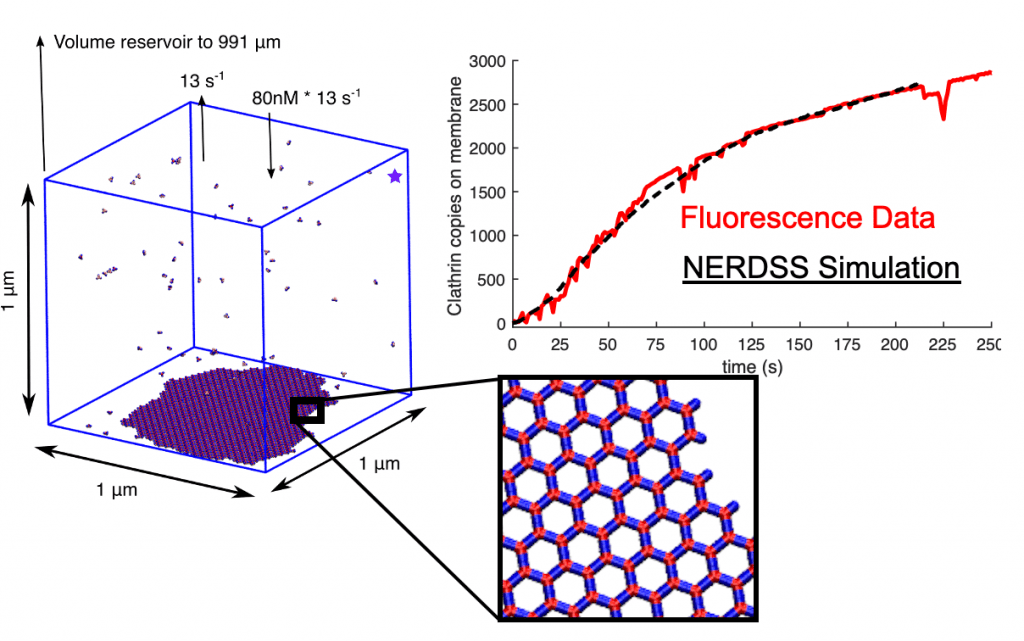
Margaret Johnson is an Associate Professor in the Department of Biophysics at Johns Hopkins University, where she has been since 2013. Her research group focuses on self-assembly and self-organization in cellular systems, with emphasis on clathrin-mediated endocytosis, viral exit mechanisms, and transcriptional regulation. Education: B.S. in Applied Mathematics from Columbia University Ph.D. in Bioengineering from University of California, Berkeley Her multidisciplinary research combines statistical mechanics, computational modeling, and experimental collaborations to study how macromolecular self-assembly is spatially and temporally controlled in biological systems. Key areas include dimensional reduction effects in protein binding, membrane remodeling dynamics, and reaction-diffusion modeling of cellular processes. Recent publications highlight her group's work on optimal kinetic pathways for self-assembly membrane-associated assembly mechanisms dimensional reduction effects in biological systems parallelized simulation algorithms temporal control of viral assembly membrane energy and protein lattice formation These studies often integrate with software development like ioNERDSS for simulation analysis. Scientific Awards: NIH Pathway to Independence Award NSF CAREER Award NIH MIRA Award Margaret's group has trained numerous graduate and postdoctoral researchers, with recent graduates securing academic positions and PhD programs at top institutions. Her lab actively develops open-source simulation tools and maintains collaborations across disciplines to advance understanding of non-equilibrium biological systems.
Dr. Arul Jayaraman is the Executive Associate Dean of the Texas A&M University College of Engineering and a Professor in the Artie McFerrin Department of Chemical Engineering. He holds the Ray B. Nesbitt Endowed Chair and is a Presidential Impact Fellow. His academic roles include serving as Associate Agency Director of the Texas A&M Engineering Experiment Station and affiliation with Biomedical Engineering. Education: Ph.D. in Chemical Engineering from University of California, Irvine (1998), M.S. from Tufts University (1994), and B.S. from Birla Institute of Technology & Science (1987). Research focuses on molecular systems biotechnology, particularly investigating microbiota-host interactions in inflammatory diseases and colorectal cancer using systems biology and microfluidic models. Key areas include inter-kingdom signaling between bacteria and human cells, AhR receptor modulation by dietary metabolites, and development of drug screening platforms. His work bridges engineering, microbiology, and medicine with applications in precision health. Recent publications highlight advances in microbiota metabolomics, microbial corrosion modeling, and cancer microenvironment engineering. Over 20 awards include the NSF CAREER Award (2009) and multiple teaching honors recognizing his educational impact. His leadership roles drive interdisciplinary initiatives and infrastructure development in engineering education. Research teams collaborate on NIH-funded projects exploring gut microbiome influences on immunity and chronic diseases.
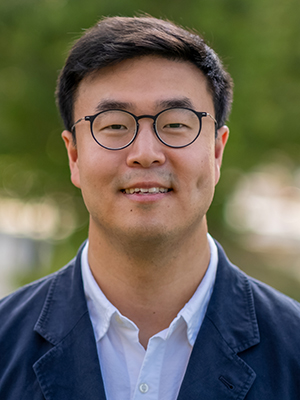
Kim Kiseok is an Assistant Professor in the Department of Petroleum Engineering at Texas A&M University, holding the Class of ’75 DVG Development Professorship. His research focuses on geologic carbon storage, rock-fluid interactions in geo-energy systems, and reservoir geomechanics. He leads projects addressing CO2 sequestration safety, caprock integrity, and subsurface fluid-rock dynamics. Education: Ph.D., Civil Engineering, University of Illinois at Urbana-Champaign (2022) M.S., Civil, Environmental, and Architectural Engineering, Korea University (2017) B.S., Civil, Environmental, and Architectural Engineering, Korea University (2015) Research Interests : Combines experimental and computational methods to study CO2 storage mechanisms, rock deformation under fluid injection, and long-term reservoir stability. Key themes include geomechanical response modeling, fluid-rock interaction dynamics, and geobarrier engineering for enhanced carbon sequestration. Key Article Trends : Recent work emphasizes CO2-induced rock behavior, caprock integrity under pressure, and coupled hydro-mechanical-chemical processes in subsurface reservoirs. Studies span simulation-based geobarrier design, laboratory experiments on mudrock permeability, and thermal effects on shale in nuclear waste contexts. Awards & Grants : No awards explicitly mentioned, but his work is supported by grants focusing on geologic storage innovation and reservoir engineering challenges. Labs & Teams : Leads the Texas A&M Geomechanics & Carbon Storage Lab, collaborating with industry partners on subsurface fluid management solutions.
Robin Murphy is the Raytheon Professor of Computer Science and Engineering at Texas A&M University, affiliated with the College of Engineering. She holds dual Fellowships from IEEE and ACM. Her research focuses on disaster robotics, human-robot interaction, and emergency informatics. She leads the Humanitarian Robotics and AI Laboratory (formerly CRASAR), a nonprofit deploying robots in disasters since 1995. Key contributions include pioneering rescue robotics, developing standards for field robotics, and advancing AI for emergency response. Education: PhD, M.S., and B.M.E. in Computer Science from Georgia Institute of Technology (1992, 1989, 1980). Awards include Fast Company's Most Influential Women (2011), AUVSI Al Aube Award, and TIME's Innovators in AI. She has participated in over 27 disaster responses, including 9/11, Hurricane Katrina, and the Fukushima nuclear crisis. Current projects include marine robotics for mass casualty events and ethical frameworks for responsible robotics. Research emphasizes field-deployable systems, human-robot teaming, and heterogeneous robotics. Notable work includes the 'Survivor Buddy' robot for trapped victims and UAV-UAV cooperation for structural inspection. Grants include NSF, DOE, and industry partnerships. Labs: Humanitarian Robotics and AI Lab, Roboticists Without Borders.
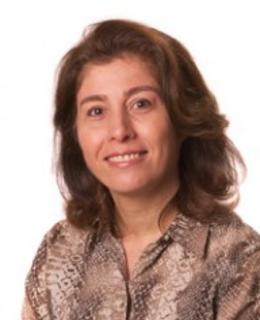
Farideh Jalilehvand is a Professor in the Department of Chemistry at the University of Calgary, Faculty of Science. Her research focuses on metal-based anticancer drug design, chemical speciation, and advanced spectroscopic techniques including synchrotron-based X-ray absorption (XAS) and X-ray fluorescence microscopy (XFM). She holds a PhD from Royal Institute of Technology (KTH) and Ochanomizu University, with postdoctoral training at Stanford University. Her educational background includes degrees from Sharif University of Technology (B.Sc., M.Sc.) and certifications in leadership, teaching, and diversity. She teaches courses in inorganic chemistry and coordinates the Jalilehvand Research Group, which investigates transition metal complexes' interactions with biological systems. Key research areas include: metal complex cytotoxicity, nuclear localization of dirhodium complexes in cancer cells, and structural analysis of metallothionein analogues using XAS/XFM. Her work bridges medicinal chemistry and materials science, with applications in drug delivery and environmental remediation. Awards: NSERC University Faculty Award (2003), Erasmus+ Staff Mobility for Teaching (2019) Strategic Initiatives: Active contributor to the University of Calgary's One Health initiative Publications: Over 60 peer-reviewed articles focusing on metal complexation mechanisms and spectroscopic applications Her teaching excellence has been recognized through multiple nominations, and she actively supervises graduate students in inorganic chemistry and medicinal chemistry research.
Jörg Evers is a physicist at the Max Planck Institute for Nuclear Physics (MPIK) in Heidelberg, Germany, where he is a staff scientist and coordinator of the International Max Planck Research School for Quantum Dynamics in Physics, Chemistry and Biology. He holds the academic rank of Adjunct Professor at Heidelberg University and has been affiliated with MPIK since 2004, progressing from group leader to W2 Fellow and then to staff scientist. His research is centered on quantum optics, nuclear quantum optics, and cavity quantum electrodynamics, with a focus on X-ray interactions with Mössbauer nuclei and quantum control techniques. His research interests span Quantum Optics , Nuclear Quantum Optics , X-ray Quantum Optics , Cavity QED , Mössbauer spectroscopy , Quantum Control , and Ultrafast Science . His work explores coherent manipulation of nuclear excitations, precision spectroscopy, and quantum interference effects in complex atomic and nuclear systems. He has made significant contributions to the development of nuclear clocks, particularly using scandium-45, and has pioneered methods for controlling X-ray emission and absorption in thin-film cavities. His recent publications reveal a strong trend toward inverse design in quantum systems, coherent control of nuclear excitons , and precision metrology using X-rays. These works often appear in top-tier journals such as Nature , Science , and Physical Review Letters . The research integrates theoretical modeling with experimental feasibility, often in collaboration with leading institutions and facilities like DESY and European XFEL. His scientific awards include: Röntgen-Preis (2014) Dulger Prize (2010) APS Outstanding Referee (2009) Institute of Physics PhD Thesis Prize (2005) Erasmus Scholarship (1999–2000) He has served as a referee for over 25 physics journals and funding agencies and has held leadership roles in research schools and conference panels. He has mentored students and early-career researchers through the International Max Planck Research School and has been involved in organizing key workshops in quantum optics and X-ray science. His laboratory work is conducted within the Division of Quantum Dynamics at MPIK, where he collaborates closely with Director Christoph H. Keitel and other leading physicists. His team focuses on theoretical and computational modeling of quantum optical phenomena with potential applications in next-generation atomic clocks, quantum sensors, and fundamental tests of quantum mechanics.
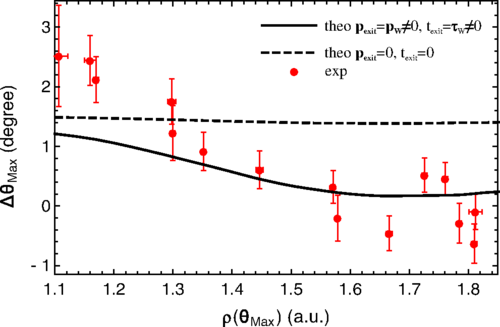
Karen Z. Hatsagortsyan is a Group Leader at the Max Planck Institute for Nuclear Physics in Heidelberg, Germany. Her research focuses on the interaction of ultrastrong laser fields with matter, spanning relativistic and nonperturbative quantum electrodynamics (QED), strong-field ionization dynamics, and plasma diagnostics using polarization properties of ejected particles. She collaborates with experimental facilities like DESY , SLAC , and the European Extreme-light-infrastructure (ELI) , and has contributed to proposals such as the LUXE experiment and FACET-II for testing nonlinear QED effects. Research Interests : Relativistic ionization and sub-barrier electron dynamics Spin polarization effects in high-energy laser interactions Gamma-ray and x-ray source development via nonlinear QED Plasma diagnostics through polarization measurements Recent Publications demonstrate advancements in ultrashort time delay measurements ( Phys. Rev. Lett. 2022 ), polarization transfer in positron beam generation ( Phys. Rev. Lett. 2019 ), and attosecond-resolved plasma field analysis ( Phys. Rev. Res. 2022 ). Her work bridges theoretical predictions with experimental validation, particularly in attoclock protocols, Coulomb focusing, and laser-based collider concepts.
Jan Swenson is a researcher at Chalmers University of Technology, where she earned her PhD in Physics in 1996. Her research focuses on soft materials, particularly the role of water in biological systems and supercooled water dynamics. She employs neutron scattering and molecular dynamics simulations to study protein aggregation (e.g., Alzheimer's and Huntington's diseases), lipid nanoparticles for RNA delivery, and sugar-protein interactions. Her work bridges physics, chemistry, and biomedicine, aiming to develop novel materials for medical applications and energy storage. Education: PhD in Physics, Chalmers University of Technology (1996) Postdoctoral Research, University College London, UK (structure/stability of clay gels) Research Interests: Soft materials, biological materials' hydration, neutron scattering analysis, supercooled water properties, and protein stabilization via sugars. Her recent projects include modeling material dynamics using computer simulations and optimizing lipid nanoparticles for therapeutic RNA delivery. Grants & Collaborations: Works with colleagues to develop new data analysis methods for neutron scattering. Active in interdisciplinary projects involving drug delivery systems and materials science. Labs/Teams: Part of Chalmers' research groups focused on biomaterials and energy materials, contributing to structural battery electrolyte development.
Charlotte Elster is a Professor in the Department of Physics and Astronomy at Ohio University, affiliated with the College of Arts and Sciences and the Institute of Nuclear and Particle Physics (INPP). She is a leading theoretical nuclear physicist with a Ph.D. from the University of Bonn (1986), whose research centers on few-nucleon systems, nuclear reactions, and computational methods in nuclear theory. University: Ohio University School: College of Arts and Sciences Department: Department of Physics and Astronomy Institute: Institute of Nuclear and Particle Physics (INPP) Academic Rank: Professor Email: elster@ohio.edu Her research interests include theoretical nuclear physics , with a focus on few-nucleon systems , relativistic effects in few-body systems , nuclear reactions at intermediate energies , and high-performance computing . She develops numerical tools to model complex few-body dynamics and applies ab initio methods to study nucleon-nucleus scattering and optical potentials. Her work bridges fundamental nuclear forces with observable reaction phenomena. The recent articles reflect a sustained focus on ab initio modeling of nucleon-nucleus interactions, particularly using chiral effective field theory and no-core shell model techniques. Her publications emphasize effective potentials , uncertainty quantification , nonlocal interactions , and few-body universality , especially in deuteron-alpha and light nucleus systems. The research trends show strong integration of computational physics with theoretical nuclear structure and reaction theory, preparing for advances in rare-isotope beam experiments. Scientific Awards: Fellow of the American Physical Society (2001), Few-Body Systems and Multi-Particle Dynamics Division Advising and Grants: While specific students are not listed, her collaborative publications suggest active mentorship of graduate researchers. She is deeply involved in national scientific leadership, serving on the Jefferson Laboratory Program Advisory Committee and chairing the APS DNP Bonner Prize Committee. Her research is likely supported by federal grants from agencies such as the Department of Energy and the National Science Foundation, given the scope and collaboration network of her work. Laboratories and Teams: She is a key member of the Institute of Nuclear and Particle Physics (INPP) at Ohio University and leads research within the Few-Body Topical Group of the American Physical Society. Her work involves extensive collaboration with national labs (e.g., Jefferson Lab, LLNL) and universities (e.g., Michigan State), contributing to large-scale theoretical initiatives and white papers in nuclear physics.
R. Berger is a Professor at the Department of Chemistry , Philipps-University Marburg , leading the Theoretical Chemistry research group (AG Berger). He has been actively involved in teaching and research since at least 1998, with a focus on theoretical chemistry, computational spectroscopy, and fundamental symmetry tests. Active in symposium organization (e.g., Symmetries in Science Symposium XX, 2025) Hosts doctoral candidates in his group (Mihnea Mlak-Mărginean, Namrata Gohain, Kjell Janke) Develops theoretical frameworks for parity violation, relativistic effects, and chiral systems His research spans quantum chemistry for fundamental physics experiments, including parity-violating energy differences , laser cooling of molecules, and electroweak effects in molecular systems. Recent publications highlight studies on radioactive molecules (RaF, AcF) and highly charged ions for precision tests of fundamental symmetries. Key scientific awards include the 2008 Hellmann Award and the 2012 Outstanding Young German Investigator Award Lectureship . He collaborates internationally with institutions like CERN , ETH Zurich , and University of Mainz .
Marina Bennati is a Full Professor in the Department of Chemistry at the University of Göttingen and leads an independent research group in Electron-Spin Resonance Spectroscopy at the Max Planck Institute for Multidisciplinary Sciences (formerly MPI for Biophysical Chemistry). Her interdisciplinary work bridges physical chemistry, biophysics, and structural biology. Research Interests: Prof. Bennati's research centers on advancing magnetic resonance techniques, particularly electron spin resonance (EPR) and nuclear magnetic resonance (NMR). She develops high-field pulsed methods to study paramagnetic centers in biological systems. Her group investigates enzymatic mechanisms such as proton-coupled electron transfer (PCET) in ribonucleotide reductase (RNR), and uses pulsed dipolar spectroscopy to extract long-range structural data in nucleic acids and transmembrane peptides. A major focus is the transfer of electron spin polarization to nuclei to enhance sensitivity in NMR. Research Trends: Her recent work demonstrates a strong trend toward hybrid spectroscopic methodologies that combine EPR and NMR for enhanced sensitivity and resolution. The 2024 breakthrough in amplifying NMR signals of 13 C and 19 F in liquid-state experiments highlights her group's innovation in instrumental design and dynamic nuclear polarization, enabling studies of small molecules, drugs, and metabolites with unprecedented signal gains. Scientific Awards: ERC Advanced Grant (2021) Fellow of the International Society of Magnetic Resonance (ISMAR) Young Investigator Award, International EPR Society Bruker Prize, Royal Society of Chemistry EPR Division Advising and Grants: Prof. Bennati leads a vibrant research team and has secured substantial funding, most notably a €2.4 million ERC Advanced Grant to develop integrated NMR-EPR techniques. While specific students are not listed, her group trains researchers in advanced spectroscopy. She actively collaborates with industry (e.g., Bruker BioSpin GmbH) and contributes to scientific leadership through editorial roles. Labs and Teams: She heads the Electron-Spin Resonance Spectroscopy group at the Max Planck Institute, equipped with state-of-the-art high-field EPR and NMR instrumentation. The lab fosters interdisciplinary collaboration and is part of a strong magnetic resonance community in Göttingen.
Anna Blumental-Perry is an Assistant Professor in the Department of Biochemistry at the Jacobs School of Medicine & Biomedical Sciences, University at Buffalo. Her research focuses on the molecular mechanisms of cellular stress responses in lung diseases, particularly in the context of cigarette smoke exposure, aging, and chronic obstructive pulmonary disease (COPD). She leads a multidisciplinary research program integrating protein chemistry, cell and molecular biology, advanced microscopy, and animal models. Research Interests: Apoptosis and cell death Cell growth, differentiation, and development Metabolism Molecular and Cellular Biology Molecular Basis of Disease Protein Folding and Function Pulmonary Biology RNA Biology Stem Cells Mitochondrial and ER stress responses Her recent publications highlight groundbreaking work on mitochondrial non-coding RNAs, especially mito-ncR-805, which mediates retrograde signaling between mitochondria and the nucleus to preserve bioenergetics under stress. She has also made significant contributions to understanding how cigarette smoke disrupts protein folding via oxidation of protein disulfide isomerase (PDI), triggering ER stress and fibrosis in COPD. Her work bridges basic science with therapeutic development, including patented innovations targeting mitochondrial signaling. Scientific Awards: Science Daily mentioning (2016) Dr Shmerler Foundation Award for Msc Thesis with distinction (1995) The Golda Meir Foundation Award for Master Students with distinction (1993) Rigas Medical School Dean List Scholarship (1990) Grants and Advising: Dr. Blumental-Perry has served as Principal Investigator on multiple grants from the Flight Attendant Medical Research Institute, American Thoracic Society, and American Heart Association. She actively mentors students and researchers in her lab, though specific advisees are not listed. She is deeply involved in university service, including peer review, editorial board membership, and leadership roles in the Faculty Senate. Labs and Teams: Her laboratory investigates proteostasis networks in lung aging and disease, with a focus on mitochondrial-ER crosstalk. She collaborates widely across institutions and contributes to national scientific panels and conferences.
Dr. Archibong Eso Archibong is an Associate Professor in Mechanical Engineering and serves as the Programme Director for Mechanical Engineering and Academic Lead for Engineering Labs & Workshops at the University of Birmingham Dubai Campus. He is affiliated with the School of Engineering and the Department of Mechanical Engineering, contributing to both academic leadership and research innovation. Education: PGCert in Higher Education, University of Birmingham (UK), 2021 PhD in Energy Engineering (Multiphase Flows), Cranfield University (UK), 2015 MSc in Process Systems Engineering, Cranfield University (UK), 2011 BEng (Hons) in Mechanical Engineering, Cross River University of Technology (Nigeria), 2008 Archibong's research focuses on multiphase flow systems with applications in low-carbon energy, carbon removal (including Direct Air and Ocean Capture), industrial processes, and biomedical engineering. His work integrates computational modeling, experimental analysis, and economic assessment to develop sustainable solutions. Key areas include hydrogen production, hybrid energy cycles, microbial fuel cells, and fluid-structure interaction in heart valves. He also contributes to STEAM pedagogy, digital education, and curriculum design for underserved communities. The recent publications reflect a strong trend in energy sustainability, with a focus on thermodynamic efficiency, multiphase flow modeling, and clean energy integration. Articles span biomedical applications of fluid dynamics, hydrogen safety in nuclear systems, and machine learning for energy prediction in buildings, showcasing a multidisciplinary approach to engineering challenges. Scientific Awards and Honors: Senior Fellow (SFHEA), Higher Education Academy (Advance HE), 2022 Fellow (FIMechE), Institution of Mechanical Engineers, 2022 Chartered Engineer, Engineering Council (UK), 2021 MIT ETT Fellowship supported by TotalEnergies, 2019 Cranfield University/HEFCE Doctoral Studentship (2012–2015) Archibong actively advises on energy policy and delivers workshops in lean-resource settings. He has served as a grant reviewer for the British Council and sits on the Topical Advisory Board for Fluids . He is involved in UAE national initiatives on hydrogen development and waste-to-energy projects. He mentors prospective MRes and PhD researchers and collaborates with industry partners such as BP, Schlumberger, and TotalEnergies. His leadership extends to curriculum development for non-profits and humanitarian agencies aligned with the UN Sustainable Development Goals. He leads research in fluids and multiphase systems, with active projects on electrochemical hydrogen production, hybrid energy cycles, and Direct Air Capture technologies. His team employs advanced modeling and experimental techniques to address global challenges in energy, environment, and healthcare.
Michael J. Garabedian is a Professor in the Departments of Microbiology and Urology at NYU Grossman School of Medicine. His research focuses on nuclear receptor signaling in disease contexts including prostate cancer, atherosclerosis, and stress-related disorders. He holds dual appointments and serves as Acting Vice Chair for Education in Microbiology. Education: PhD in Biochemistry from Brandeis University (advisor not specified), followed by a postdoctoral fellowship at University of California, San Francisco studying glucocorticoid receptor mechanisms. Joined NYU Langone in 1994 as an Assistant Professor, transitioning to full Professor and expanding into urology research. Research Interests: The lab employs cutting-edge approaches like CRISPR screens, single-cell RNA-seq, and spatial transcriptomics to study: Nuclear receptor regulation in macrophages and immune cells Novel prostate cancer therapies targeting androgen receptors LXRα signaling in metabolic/vascular diseases Glucocorticoid effects on neuronal function during stress Collaborates with Susan Logan's lab on peptoid-based drug development. Lab Structure: 4 main researchers including co-mentored MD/PhD students Sophie Ruff and Jeff Schneider. Maintains close ties with the Logan Lab through shared projects. Lab Location: Alexandria Center for Life Science - East Tower, Room 324. Active in training programs as Faculty Senate Representative.